
Sparkling wine does not have to mean Champagne every time.
Champagne is wonderful, but the world of bubbly is much wider. Some sparkling wines are local, joyful, easy to drink, and tied to a specific place. Others come from mountain regions, indigenous grapes, and traditional methods that offer serious value without the Champagne price tag.
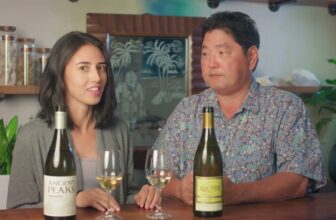
In this Wine of the Week episode from Chuck Furuya Uncorked, Chuck shares two sparkling wines for the holiday season: Maui Winery Lokelani, a sparkling rosé finished on Maui, and Lambert de Seyssel Petit Royal, a traditional-method sparkling wine from Savoie in eastern France.
Both wines are festive.
Both are refreshing.
And both show that celebration wine can be more interesting than the standard bottle people grab at the last minute.
What This Episode Is About
Chuck frames the episode around the holiday season.
It is the time of year for celebrations, get-togethers, New Year’s Eve, family meals, and festive moments. Sparkling wine naturally fits that mood because it feels joyful before anyone even takes a sip.
But instead of focusing only on Champagne, Chuck chooses two different sparkling wines with different stories.
The first comes from Maui Winery, located on the slopes of Ulupalakua on Maui. The wine is called Lokelani, a sparkling rosé-style wine that offers a way to support local Hawaii wine.
The second comes from Savoie, a French Alpine region near Lake Geneva and Switzerland. It is called Lambert de Seyssel Petit Royal, made from indigenous grapes and produced in a traditional sparkling method.
Together, they show two sides of holiday bubbly: local and Alpine, island and mountain, rosé and white, casual and quietly serious.
Why Bubbly Works for the Holidays
Sparkling wine works so well during the holidays because it instantly creates a festive atmosphere.
The bubbles feel celebratory.
The acidity refreshes the palate.
The wine can start a meal, carry appetizers, or simply make a gathering feel more special.
You do not need a complicated food pairing to justify sparkling wine. Sometimes the point is simple: people are together, something is being celebrated, and the bottle helps set the tone.
That is why Chuck describes bubbly as the call for the occasion.
Holiday meals can include many different foods, flavors, and moods. Sparkling wine is flexible enough to fit into that chaos.
It can be poured before dinner, with snacks, with seafood, with cheese, with lighter dishes, or simply as a welcome glass.
Maui Winery Lokelani Sparkling Rosé
The first wine is Lokelani from Maui Winery.
Maui Winery is located in Ulupalakua on the island of Maui. Chuck explains that the winery grows several grape varieties there, but this sparkling rosé is made in a slightly different way.
The grapes are grown in Mendocino, California, and made into a white wine there. Then the wine is brought to Maui, where it is aged on its lees for about 18 to 24 months before being disgorged and bottled on Maui.
That means the wine is not entirely Maui-grown, but it does have a Maui connection in its aging, finishing, and identity.
Chuck describes it as having “Maui-esque-ness.”
That is a useful way to think about it. The wine carries both California fruit and Maui finishing, making it part of Hawaii’s local wine story.
What Lokelani Tastes Like
Chuck describes Lokelani as delightful, refreshing, thirst-quenching, and smile-inducing.
That is exactly the kind of language that matters for sparkling wine.
Not every holiday bottle needs to be profound. Some bottles succeed because they make people happy. They are easy to pour, easy to enjoy, and easy to share.
Lokelani seems to sit in that category.
It is a sparkling rosé-style wine that feels festive without becoming heavy or overly serious. The rosé profile gives it a visual charm and a bit of extra fruit appeal, while the bubbles keep it lively.
Chuck also notes that he saw it for around $23, which he considers fair, especially as a way to support local.
For Hawaii gatherings, that local connection matters.
Supporting Local Through Wine
One of the reasons Chuck highlights Lokelani is that it gives people a way to support local.
Wine is not usually the first product people associate with Hawaii, but Maui Winery is part of the state’s beverage and agricultural story. Buying a bottle like Lokelani can be a way to put something local on the holiday table.
That does not mean every bottle has to be local.
But when a local sparkling wine is refreshing, festive, and fairly priced, it makes sense to include it.
It also gives the table a story.
Instead of opening another anonymous bottle, you can pour something connected to Maui, Ulupalakua, and Hawaii’s own wine scene.
Lambert de Seyssel Petit Royal
The second wine is Lambert de Seyssel Petit Royal, from Savoie in eastern France.
Chuck says this was the wine that inspired the episode. He had read about it recently, remembered he had some at home, and wanted to share it because it was too good not to mention for the holiday season.
Savoie is located in the foothills of the French Alps, not far from Lake Geneva and Switzerland. The region is high elevation, Alpine, and shaped by glacial limestone and clay.
That environment gives the wine a very different personality from Champagne or warm-climate sparkling wine.
Chuck describes it as lighter than Champagne, airy, Alpine, and easy to drink.
That makes it especially appealing as a holiday value bottle.
Indigenous Grapes from Savoie
One of the most interesting parts of the Lambert de Seyssel wine is the grape blend.
Chuck explains that it is made from two indigenous grapes: Molette and Altesse.
These are not household names for most wine drinkers, and that is part of the appeal.
Instead of another Chardonnay-based sparkling wine or another familiar international grape blend, this bottle reflects its own place. Molette and Altesse are associated with Savoie and help give the wine its regional identity.
This is one of the reasons alternative sparkling wines can be so exciting.
They do not always taste like Champagne because they are not trying to be Champagne. They come from different grapes, different soils, different climates, and different traditions.
That difference is the point.
Made in the Traditional Method
Chuck explains that the Savoie sparkling wine is made in a method similar to Champagne, often called méthode traditionnelle.
That means the wine undergoes its secondary fermentation in the bottle, which is the same broad method used for Champagne.
He also notes that the wine spends time on the lees before release, giving it more texture and complexity than a simple fizzy wine.
This matters because it helps explain why the wine is such a good value.
At around $20, it offers traditional-method sparkling character from a distinctive Alpine region without the price of Champagne.
That is exactly the kind of bottle that can be useful during the holidays, when people may need more than one bottle for a gathering.
Alpine Sparkling Wine
Chuck uses the word “Alpine” to describe the Lambert de Seyssel wine, and it is an important clue.
Alpine wines often feel light, fresh, airy, mineral, and lifted. They can have a mountain-stream quality: clean, cool, and refreshing.
That is the impression Chuck gets from this wine.
It is not heavy.
It is not overly rich.
It is not trying to imitate a big, toasty Champagne.
Instead, it is bright, gulpable, and joyful.
That makes it perfect for people who want sparkling wine that feels festive but not weighty.
Why This Wine Is Such a Good Value
Chuck says he saw the Lambert de Seyssel Petit Royal for around $19.99 and considers it excellent for the price.
That is a major point.
Holiday wine shopping can get expensive quickly, especially if you are buying multiple bottles. Champagne can be wonderful, but good Champagne often costs much more than $20.
A wine like this gives you another option.
It is traditional-method.
It comes from an interesting region.
It uses local grapes.
It has a real sense of place.
And it still stays around an approachable price.
That is the kind of sparkling wine worth remembering.
Comparing the Two Wines
The Maui Winery Lokelani and Lambert de Seyssel Petit Royal serve different roles.
Lokelani is local, pink, cheerful, refreshing, and connected to Maui. It is the bottle you open when you want something festive, easy, and Hawaii-connected.
Lambert de Seyssel is Alpine, French, traditional-method, light, airy, and mineral. It is the bottle you open when you want something a little more wine-geeky, but still easy to drink and friendly.
One is about supporting local.
The other is about discovering a great-value sparkling wine from a lesser-known French mountain region.
Both are useful.
Both can make a holiday gathering more interesting.
Food Pairing Ideas for Maui Lokelani
Maui Winery Lokelani can work as a casual party sparkling wine, but it can also pair with food.
Good pairings could include:
fresh fruit;
shrimp;
light seafood appetizers;
poke-style bites;
soft cheeses;
salads;
holiday brunch dishes;
smoked salmon;
light chicken dishes;
and salty snacks.
Because it is sparkling and refreshing, it can handle appetizers and lighter holiday foods well. The rosé style can also give it enough fruit to work with slightly richer or saltier foods.
This is the kind of wine that does not need a perfect pairing.
It just needs good company and a reason to open it.
Food Pairing Ideas for Lambert de Seyssel
The Savoie sparkling wine is lighter and Alpine, so it works beautifully as an aperitif.
It could pair well with:
oysters;
shrimp;
crab;
mild cheeses;
fondue-style snacks;
gougères;
smoked fish;
fresh salads;
light charcuterie;
fried appetizers;
and holiday canapés.
Because it has freshness and lift, it can also reset the palate between bites. That makes it useful at parties where people are eating a mix of snacks and appetizers rather than one formal dish.
It is also a great wine for people who want something crisp and festive before dinner.
Why Lesser-Known Sparkling Wines Matter
This episode is a reminder that sparkling wine is a much larger category than most people realize.
Champagne is famous for good reason. But there are excellent sparkling wines from many other regions: Italy, Spain, Germany, Austria, California, England, Savoie, and beyond.
Some are made from familiar grapes.
Others are made from local varieties.
Some are polished and refined.
Others are rustic, mountain-fresh, or playful.
Exploring these wines can make holiday drinking more interesting and often more affordable.
You do not have to replace Champagne.
You can add more options around it.
A Better Holiday Wine Strategy
For holiday gatherings, it can be smart to have more than one kind of sparkling wine.
A local rosé bubbly like Lokelani can be a fun welcome wine.
An Alpine traditional-method sparkling wine like Lambert de Seyssel can be a crisp aperitif or food-friendly bottle for appetizers.
Champagne can still be saved for a special toast if you want.
This layered approach gives guests variety and keeps the table more interesting.
It also avoids the trap of buying only one generic sparkling wine for every occasion.
Different bubbles create different moods.
Final Takeaway
This episode highlights two sparkling wines that deserve attention during the holidays.
Maui Winery Lokelani is refreshing, joyful, rosé-style bubbly with a local Hawaii connection. It is a way to support local while pouring something festive and easy to love.
Lambert de Seyssel Petit Royal is a light, Alpine, traditional-method sparkling wine from Savoie, made from indigenous grapes and priced around $20. It offers freshness, lift, and real value beyond Champagne.
Together, they show that holiday bubbly does not have to be predictable.
It can be local.
It can be Alpine.
It can be affordable.
It can be refreshing.
And most importantly, it can make people smile.
FAQ
What wines are featured in this episode?
The episode features Maui Winery Lokelani sparkling rosé and Lambert de Seyssel Petit Royal from Savoie, France.
What is Maui Winery Lokelani?
Lokelani is a sparkling rosé-style wine connected to Maui Winery, located in Ulupalakua on Maui.
Are the grapes for Lokelani grown in Maui?
Chuck explains that the grapes are grown in Mendocino, California, then the wine is brought to Maui for lees aging, disgorging, and bottling.
What does Lokelani taste like?
Chuck describes it as delightful, refreshing, thirst-quenching, and smile-inducing.
Why is Lokelani a good holiday wine?
It is festive, refreshing, fairly priced, and offers a way to support local Hawaii wine.
What is Lambert de Seyssel Petit Royal?
It is a sparkling wine from Savoie in eastern France, near the French Alps.
What grapes are used in Lambert de Seyssel Petit Royal?
Chuck says it is made from Molette and Altesse, two indigenous grapes associated with Savoie.
Is Lambert de Seyssel made like Champagne?
It is made using the traditional method, with secondary fermentation in the bottle, similar to Champagne production.
How does Lambert de Seyssel taste?
Chuck describes it as lighter than Champagne, airy, Alpine, refreshing, and easy to drink.
Why is Lambert de Seyssel a good value?
It offers traditional-method sparkling wine from a distinctive French region for around $20.
What foods pair with these sparkling wines?
They can work with seafood, appetizers, cheese, light charcuterie, brunch dishes, salads, and holiday snacks.
What is the biggest lesson from this episode?
The biggest lesson is that holiday sparkling wine does not have to be limited to Champagne. Local Maui bubbly and Alpine Savoie sparkling wine can both bring freshness, value, and celebration to the table.



Can anyone explain the main differences in taste between the Maui Lokelani and the Savoie Petit Royal? I’m trying to decide which one to serve for a holiday gathering.
Exactly! The Lokelani's fruitiness and festive character make it great for casual gatherings, while the Petit Royal's minerality can complement more refined dishes.
Good question! From what I read, the Lokelani is more on the fruity side because it’s a rosé, while the Petit Royal is described as lighter and more mineral-driven. They should pair with different types of food too.
I tried the Maui Lokelani for a friend’s birthday last month and it was a hit! The bubbles were light and refreshing, and the color was beautiful. Everyone loved how easy it was to drink! I think it’s a great way to introduce guests to Hawaii's local wine scene.
That sounds wonderful! I’ve been hesitant to try local wines, but it seems like this one really represents Maui well. Did you find it easy to pair with food?
Absolutely! Sparkling wines like Lokelani are quite versatile and can go with a range of appetizers or even just enjoyed on its own.
Can you clarify what 'traditional method' means for the Lambert de Seyssel? Is it similar to how Champagne is made?
That's correct! The Lambert de Seyssel undergoes a similar process to Champagne, which enhances its complexity and texture.
Yes, it is similar! The traditional method, or méthode traditionnelle, involves a secondary fermentation in the bottle, which is what gives it those lovely bubbles.
I love the idea of trying something beyond Champagne! Excited to explore these wines this holiday season.
While I appreciate the suggestions, I still believe nothing beats the classic taste of Champagne for celebrations. It just feels more special to me.
Both viewpoints are valid! Champagne is iconic, but exploring alternatives like these can make gatherings even more memorable.
I get that! Champagne definitely has its charm, but I think these alternatives can add a unique twist to any celebration.
I’m considering the price point of both wines. For the quality described, how do they compare to typical Champagnes that are often $40 and up? Are these really worth trying?
I think they are worth trying! At around $20 each, they offer a great value, especially if you're buying for a group. Plus, it’s nice to introduce guests to something new.
Exactly! Both wines are priced reasonably and provide unique experiences without breaking the bank, making them perfect for holiday gatherings.