Selecting the best value full-bodied red wine can elevate any gathering or intimate dinner. With a wide array of options available, it’s essential to find a ...
When it comes to boxed red wine, flavor and quality shouldn't be compromised. The best tasting boxed red wines offer not only convenience but also a ...
Chilled red wines can be a refreshing departure from the norm, offering a unique tasting experience. They are perfect for warm weather, light meals, or casual ...
Red wine enthusiasts often seek the perfect balance of flavor, aroma, and quality, especially when considering smaller bottle options. These smaller sizes can ...
Choosing the right red wine to serve with cioppino can elevate your dining experience. Cioppino, a rich seafood stew with a tomato base, pairs beautifully ...
When it comes to selecting the best tasting red wine in a box, the options can be overwhelming. With a plethora of flavors and styles, finding the perfect ...
When it comes to selecting the best red wine in a bota box, I find that the options can be overwhelming given the variety of flavors, regions, and styles ...
Pairing cheese with red wine can elevate your tasting experience to new heights. The rich flavors and textures of various cheeses complement the bold ...
When it comes to enjoying wine, boxed options offer convenience and quality without sacrificing flavor. The best red wines in a box provide not only rich ...
When it comes to enjoying a fine red wine, opting for a magnum bottle can elevate your experience. Not only do magnums provide more wine, making them perfect ...
Chardonnay is one of the most popular white wines in the world.
It is also one of the most misunderstood.
Some people think Chardonnay always means ...
Wine tasting can sound complicated from the outside.
People talk about acidity, tannin, body, alcohol, sweetness, balance, structure, texture, and finish. ...
Some drinks are made to hide their origin.
Others are made to reveal it.
In this episode of Chuck Furuya Uncorked, Chuck and Ariana are joined by Kyle ...
Wine people use many strange words.
One of them is typicity.
It sounds technical, and it is not a word most people use in normal conversation. But in ...
Wine can feel intimidating when the only choices seem to be famous labels, big scores, expensive bottles, or whatever looks best on a supermarket shelf.
...
Wine does not need to start with expensive bottles, famous regions, or complicated tasting language.
Sometimes it starts with one simple question:
What ...
Some wine journeys begin with study.
Others begin with food, curiosity, friendship, and one bottle that makes you stop and ask what just happened.
In ...
It's understandable to have preferences! Some people find that certain twist-off wines can lack the depth of corked wines, but there are many high-quality options available. It's always worth trying different brands and styles.
Cleaning with warm water is effective, but avoid submerging any corkscrews with electrical components. Regular maintenance keeps your tools in good shape!
You make a valid point! Individual tolerance levels and circumstances play a big role in how alcohol affects each person. It's important to know your own body.
A wine fridge is designed for optimal temperature and humidity levels, while a regular fridge can be too cold and may dry out corks. Using a regular fridge short-term can be okay, but long-term, a wine fridge is better.
'Trocken' is a German term that indicates the wine is dry. It signifies that the wine has low residual sugar, making it a good choice for those looking to avoid sweetness.
Gamay generally offers a fresher, fruitier taste with more vibrant berry notes, while Pinot Noir tends to be earthy with cherry flavors. Both can pair well, but Gamay might enhance the lighter elements more.
Lower residual sugar means that less sugar remains in the wine after fermentation, which typically leads to a crisper taste. This enhances acidity and minimizes sweetness, creating that refreshing profile many dry white wines are known for.
Indeed, red wines can contain trace amounts of caffeine, often higher than whites. This is due to the fermentation process and the grape types. If caffeine sensitivity is a concern, sticking with white or sparkling wines is a good choice.
Both red and white wines are typically gluten-free since they are made from grapes. The main concern would be any additives, which can vary by producer.
Both wines have their strengths. The Heir Apparent is rich and full-bodied, great for a special occasion, while the Chateau Haut La Pierriere offers more refreshing qualities, ideal for a cozy night. It really depends on your mood and the kind of experience you're aiming for!
For wine-infused panna cotta, heat cream with sugar and a splash of your preferred sweet white wine until dissolved. Then add gelatin and let it set in molds for a delicious dessert!
While the Catena Zapata Adrianna Vineyard River Malbec is indeed priced higher, many appreciate its unique terroir and flavor complexity. Personal preference plays a big role in wine selection, so it's great to explore different options that suit your taste.
Common symptoms include headaches, skin reactions like hives, and digestive issues. If you experience these after drinking wine, it might be worth consulting with a healthcare professional.
It’s true that some rosés can be sweet, but many are dry and complex, offering a range of flavors. They can pair well with various dishes, not just seafood. If you enjoy trying different styles, you might find a rosé that pleasantly surprises you!
Certainly! Sparkling wine's acidity can help tenderize proteins effectively, while still wine offers a broader range of flavors. It really depends on the dish and what flavor profile you're aiming for.
That’s a valid perspective! Ultimately, personal preference plays a big role in wine selection. Experimenting with different pairings can lead to delightful surprises.
Great question! Different grape varieties have varying sugar levels, which directly influence the fermentation process and final alcohol content. For instance, Grenache tends to have higher sugar content, often resulting in stronger wines, while other varieties might yield lighter options.
That's a valid point! Many people enjoy the aesthetic and practicality of stemless glasses. It really comes down to personal preference and how you like to enjoy your wine.
That's a fair point. Wine appreciation is subjective, and what some find complex, others may find fascinating. It's worth trying different varieties to see what you enjoy!
Good observation! While both can show oakiness and complexity, French Chardonnays often have a more restrained body and minerality, whereas California Chardonnays like Mer Soleil can be fuller and more fruit-forward.
Using spoiled wine can add depth to dishes like risotto, but fresh wine usually provides a cleaner and more vibrant flavor profile. It’s all about what you have on hand and how much you want to enhance the dish.
It's a common perspective, but lighter reds can balance well with many fish dishes. It ultimately depends on personal preference and the specific dish being served.
Absolutely! During fermentation, yeast converts sugar into alcohol. If the fermentation is stopped early, more sugar remains, leading to a sweeter wine. This is often done in dessert wines.
Non-alcoholic wines often have lower calories, mainly because they lack ethanol. Brands like Fre and McGuigan Zero are known for being lower in both calories and sugar, making them great choices for health-conscious individuals.
'Elegant and restrained flavors' refer to a wine that is complex yet subtle, where no single flavor dominates. You'll find delicate notes that evolve on the palate, providing a sophisticated tasting experience without overwhelming your senses.
Sure! Wines that are good for mixing often have a balance of acidity and flavor that complements cocktails, while sipping wines may be more complex and enjoyable on their own. It’s all about finding what works best for you!
Medium-bodied wines have a balanced weight on the palate, not too light or heavy. This quality allows them to complement dishes well, like chicken cacciatore, without overwhelming the flavors.
That's a valid point! Many people prefer to enjoy wines straight from the bottle, especially those with delicate flavors. It's always best to follow your own taste preferences!
It's true that quality can vary widely among wines at any price point. Exploring lesser-known producers might yield some delightful surprises, so it’s always worth experimenting!
Generally, yes, many white wines tend to have lower histamine levels compared to red wines. However, it can vary by brand and type, so checking specifics is recommended.
Look for wines labeled "sulfite-free" or "low sulfite." Many organic wines also have reduced sulfite levels. It's a good idea to check local wine shops that specialize in organic or natural wines.
That’s a valid perspective! Many factors can contribute to headaches, including hydration and food intake, so it's always good to consider the whole picture.
It's important to get professional advice, as different individuals have varying responses to antihistamines. A healthcare provider can provide guidance tailored to your situation.
Yes, the shape can influence flavor perception significantly. A narrower bowl helps maintain cooler temperatures and can enhance certain fruity aromas, while a wider bowl allows for better aeration at warmer serving temps.
Absolutely! Here’s a quick breakdown: Light & Fruity rosés are best served at 45-50°F (7-10°C), Medium-Bodied at 50-55°F (10-13°C), and Full-Bodied at around 55°F (13°C). Each style benefits from its respective temperature to highlight the best flavor profiles.
Resveratrol is an antioxidant that helps protect cells from damage and reduces inflammation. It's more concentrated in red wine due to the fermentation process using grape skins. Other sources include berries and peanuts, but the amounts vary widely.
Great idea! This wine pairs well with light salads, grilled seafood, and herb dishes. The citrus notes complement dishes like shrimp salad or grilled fish nicely.
A crisp white wine usually has high acidity and refreshing citrus or green fruit flavors. When tasting, look for a clean finish and vibrant notes. For optimal enjoyment, serving temperatures should be between 45°F to 50°F.
It's best to use opened wine within a week for cooking to maintain its integrity. If stored properly, it can last a bit longer, but the flavors will start to deteriorate.
To determine if opened white wine has spoiled, look for changes in aroma, such as vinegar-like or musty smells. Visual signs include cloudiness that wasn't present before, as well as any sediment. A sour or overly acidic taste also indicates spoilage. Keep an eye out for unexpected carbonation, as that can suggest unwanted fermentation.
Organic wines usually have lower sulfite levels, but checking the label is essential. Some organic wines may still contain sulfites due to natural fermentation processes.
Yes, when using béchamel, a wine with good acidity, like Verdicchio or Sauvignon Blanc, can help balance the creaminess. Avoid overly sweet wines to keep the flavors harmonious.
Absolutely! For instance, Cabernet Sauvignon pairs well with red meats due to its bold structure, while Pinot Noir is versatile and complements poultry and mushroom dishes nicely.
In winter, fuller-bodied reds like Barbera or even a good Cabernet Sauvignon are recommended. They bring warmth and depth, enhancing the flavors of hearty sauces.
While it’s not strictly necessary, choosing dark bottles can significantly enhance the wine's longevity and flavor integrity. It's definitely a recommendation worth considering!
Syrah tends to have spicier and bolder notes with pepper and smoky undertones, making it a great choice for hearty dishes. Cabernet Sauvignon, on the other hand, is more on the fruit-forward side with a robust body, which can elevate richer meats like beef. Both can enhance au jus but in slightly different ways!
The AOC designation does signify that the wine adheres to specific quality and production standards, but it’s still important to consider the individual producer and vintage. Not all AOC wines are created equal, so exploring reviews and recommendations can help you make better choices.
Absolutely! Wines with high acidity tend to taste crisper and refresh the palate, making them great for food pairings. If you prefer smoother wines, look for those labeled as lower acidity, which often provide a softer and rounder mouthfeel.
Dry rosé often complements dishes that have a bit more texture and flavor, while white wine typically pairs well with lighter fare. For instance, rosé shines with grilled meats, whereas white is excellent with delicate seafood. It really depends on the dish and personal preference!
The Castello di Bossi Girolamo pairs wonderfully with hearty meals, especially steak and rich pasta dishes. Its complex flavors enhance these types of foods.
Great insights! Both options can be delightful. Mango puree tends to add creaminess, while pineapple juice amplifies freshness, so consider your preferences and the wine variety.
That's correct! A slight chill can actually bring out the wine’s more refreshing qualities, especially for lighter reds. Adjusting the temperature helps to showcase the balance of flavors.
That’s a valid point! Merlots can offer a smoother profile and might pair better with lighter grilled dishes. It really comes down to personal preference.
A simple way to check is to touch the bottle. It should feel noticeably cool to the touch if it's within the ideal range of 45°F to 55°F. If it feels too warm, it’s probably not ready yet.
Recent vintages are generally ideal for enjoying Pinot Grigio's fresh flavors. Look for notes of green apple, pear, and citrus, and check for 'dry' on the label if you prefer less sweetness. Regions like Italy often produce vibrant examples.
Storing wine at the right temperature is crucial for preserving its flavors and aromas. Standard fridges can be too cold and may dry out corks, leading to oxidation. Keeping wines in a controlled environment helps maintain their character over time.
It's true that alcohol can exacerbate headaches for many individuals, especially if dehydration is a factor. Everyone's body reacts differently, so it's important to find what works for you.
It's all about personal preference! Some people do enjoy the experience of larger glasses, but enjoying wine is ultimately about what works best for you.
Yes, temperature fluctuations can negatively impact the wine. It can lead to oxidation or spoilage, which compromises flavor. A consistent environment is key for best preservation.
Thanks for your input! Syrahs can vary widely by region; L'Ecole's blend usually highlights a more restrained balance compared to the fruit-forward styles often found elsewhere.
Sulfates and sulfites are different compounds. Sulfites are used in winemaking as preservatives, while sulfates are often found in salts and don't have the same role in wine production. If you are specifically looking for low sulfite options, check for "no added sulfites" on the label.
Red wine typically adds depth and richness, while white wine can introduce brightness and acidity. It really depends on the flavor profile you're aiming for in your sauce.
Good question! While price often relates to quality, many affordable Moscato options can deliver great taste without the high cost. It's best to look for reviews and try different varieties to find what you enjoy.
Riesling is best served between 45°F and 50°F (7°C to 10°C), similar to Sauvignon Blanc. Both benefit from cooler temperatures to enhance their fruity notes.
Absolutely! There are several budget-friendly semi-sweet rosés available. Look for local options or smaller wineries that often provide great quality at a more accessible price point.
Absolutely! Acidity in wine helps balance the sweetness of tomatoes, ensuring the dish isn't overly sweet. It also enhances the flavors of any herbs or spices used, creating a more lively taste experience. Plus, a refreshing finish helps cleanse the palate, making each bite enjoyable.
Absolutely! Serving sizes matter significantly. A typical serving of red wine is 5 ounces, which is about 125 calories, while a 12-ounce can of White Claw typically has around 100 calories. Larger servings of either could impact the overall health benefits.
Yes, 'pairing versatility' means that the wine complements not just the beef but also other dishes you might serve. For example, a good Chardonnay can work with both seafood and beef.
That's a valid viewpoint! Many people prefer the bold and robust characteristics of red wines. It really comes down to personal preference and the occasion.
Excellent question! Consider white varietals like Sauvignon Blanc or rosé. Non-alcoholic wines and creative cocktails with fresh juices can also be great alternatives.
That's a great observation! Merlot tends to have softer tannins and fruitier notes, making it versatile for various dishes, while Cabernet's boldness pairs well with richer meats.
Absolutely, beer can offer a wide variety of flavors and styles. It really comes down to personal preference and dietary goals when choosing between wine and beer.
Yes, higher alcohol content can amplify certain flavor sensations, making them more pronounced. It can also add warmth to the experience, which influences how flavors are perceived. Tasting can vary widely depending on the alcohol content.
To calculate calories in homemade wine, measure the sugar content from your ingredients, convert it to calories, and add the calories from alcohol based on its final ABV after fermentation. Let us know if you need a step-by-step guide!
That's a valid point! Dry wines can certainly cut through spice effectively. It's all about personal preference and the specific dish you're pairing it with!
While some winemakers choose to avoid additives, using sulfur dioxide can help protect against oxidation and spoilage, especially for home winemakers dealing with smaller batches.
A week is a good starting point for steeping mamajuana. You can always adjust the duration based on your taste preference for either stronger herbal notes or more of the wine's original flavors.
That's a valid point! Lighter wines with good acidity can indeed complement moussaka by cutting through its richness. It's all about finding the right balance for your palate.
Great question! For long-term storage, it's best to keep bottles horizontally to keep the cork moist. Vertical storage can be okay for short-term use, but it risks letting air in.
Taste is subjective, and it’s great to hear different opinions! If you enjoy drier rosés, Dalrymple Coal River is an excellent choice with its balanced flavor.
Sulfites can trigger reactions in sensitive individuals, but everyone’s tolerance varies. It’s best to monitor how different wines affect you personally.
That's an interesting point! Pure white wines from grapes do not contain caffeine. However, cocktails or blends with mixers might. It's important to distinguish between those.
You make a valid point. While moderate consumption may have benefits, excessive drinking can indeed lead to health issues. It's essential to find a balance that works for each individual.
Everyone's palate is different! While many do notice a difference with wine marinades, it's totally valid to prefer simpler methods. Finding what works for you is most important.
While most people tolerate sulfites without problems, those with specific sensitivities may experience adverse effects. It's important to listen to your body.
That's a valid perspective! While red does have higher levels of certain antioxidants, white wine also offers health benefits, including lower sugar content and some antioxidants.
Yes, several reputable online wine retailers offer shipping across the country. Websites like Wine.com or Vivino often have selections from the Russian River Valley, including both the Chardonnay and Pinot Noir.
It's great to hear about your experience! Gauging sulfite levels can be tricky, but engaging with producers directly or checking detailed labels can offer clarity.
That's a valid point! While many sparkling wines do start to lose their quality after 1-2 years, storage conditions and the specific wine can greatly affect how long it lasts.
The Donnhoff Krotenpfuhl offers a unique profile with its balance of citrus and stone fruit notes, distinct from the sweeter styles often found in Mosel. It’s more medium-bodied and versatile, making it an excellent choice for various food pairings.
Opened white wine generally lasts about 3 to 5 days, while red wine can last around 4 to 6 days. Factors like the wine type and storage condition still apply.
A Riesling at 45°F to 50°F will highlight its crispness and aromatic qualities, while serving it warmer can enhance its sweetness and fruit flavors. It really depends on what notes you enjoy most!
For gifts, consider the Catena Zapata Adrianna Vineyard Malbec for its luxurious flavors. It's appealing for both taste and presentation, making it a great choice without breaking the bank.
The Folk Machine red focuses on fresher, more vibrant flavors rather than the heavier tannins found in bold reds. It's meant to be approachable and enjoyable without the weight.
That's a great observation! Alit is indeed designed for a more seamless texture, while CF's rustic traits contribute to its unique character. It's all about personal preference!
That's a valid point. While moderate consumption may have benefits, it's essential to consider individual health circumstances and consult with a healthcare provider.
While some wines may last beyond 5 days depending on storage conditions, the general guideline is to consume within that timeframe for the best flavors and aromas. Individual experiences can vary.
That's a valid point! The caloric content does vary widely among both sparkling and still wines, especially based on sweetness levels and serving sizes.
That’s a valid point! Whole foods offer a broader range of nutrients without the alcohol-related risks. It ultimately depends on personal health choices.
That's a valid point! Personal taste can vary greatly, and there are many wines out there that may offer better quality for the price. It's always good to explore!
Yes, availability can vary by region for both Netflix and Hulu. It's best to check the platforms directly to see if 'Wine and Roses' is accessible in your area.
That’s a valid point! Many traditional wine enthusiasts feel that the fermentation process adds unique characteristics that can be hard to replicate in non-alcoholic versions.
Lesser-known varietals refer to grape types that aren't as mainstream. Examples include Tempranillo from Spain or Dolcetto from Italy, which can offer great quality at lower prices.
That's a valid point! Cooler climate Chardonnays tend to retain higher acidity and can have a lighter profile compared to those from warmer regions, which may be creamier due to oak aging.
While browning is an extra step, it does enhance the overall flavor by creating those caramelized bits. However, you can still achieve delicious results without it if you're pressed for time.
Grenache can be a great option as well, particularly with spicier dishes. It’s fruit-forward and complements the complexity of seafood like paella nicely, while Pinot Noir is often preferred with grilled or roasted fish.
'No added preservatives' means no additional sulfites were added during production, but natural sulfites may still be present. It’s always good to check the label for exact levels.
That’s a valid point! Sweetness is definitely a personal preference, and some wines are better enjoyed without any additives. What alternatives do you prefer?
While a cool basement can be effective, dedicated wine fridges offer more precise temperature and humidity control, which can enhance wine preservation and longevity. It really depends on how serious you are about wine storage.
Sauvignon Blanc is often served colder, around 45-50°F (7-10°C), compared to the 50-55°F for Pinot Noir rosé. The latter benefits from a slightly warmer temperature to enhance its nuanced flavors.
Yes, generally, lighter wines like Pinot Grigio tend to degrade faster than fuller-bodied wines like Chardonnay. They have different compositions that affect their oxidation rates.
That's a valid point! Late-harvest Rieslings do offer a unique sweetness and acidity balance. It really depends on personal preference. Each wine offers a different experience worth exploring!
Noble rot, or Botrytis cinerea, is a fungus that affects grapes, concentrating their sugars and flavors. It leads to sweeter and more complex wines, like Sauternes and Tokaji Aszú.
That's an interesting take! Rosé can indeed work well with aged cheeses, especially if it has fruit-forward notes. It’s all about experimenting with what you enjoy.
Great question! Lighter fare like salads, seafood, and grilled vegetables can be excellent pairings. They tend to complement the wine without contributing to feelings of fullness.
That's a valid point! Syrah's smoky characteristics can definitely complement grilled steak, adding another layer of flavor. It's always good to experiment with different wines to find what you enjoy best.
Syrah typically offers a bolder flavor with rich fruit notes and can definitely have a touch of sweetness. It’s worth trying if you enjoy the depth of Merlot!
When properly canned and stored in a cool, dark place, rose wine jelly can last up to a year. Just be sure to check for any signs of spoilage before using.
Not all organic wines are sulfite-free. Look for labels that specifically state "no added sulfites" for the best assurance. Many organic wines still use sulfites for preservation.
Good point! Generally, light-bodied wines feel more refreshing and crisp, while full-bodied wines have a richer, creamier texture. Tasting a variety can help you discern the differences!
Generally, rose wine and light beers have similar low iron content, while spirits typically contain negligible amounts of iron. However, the nutritional profiles differ significantly in other aspects.
Sure! Stainless steel fermentation tends to preserve the fresh and fruity characteristics of the wine, while oak barrels can add complexity and depth, often introducing flavors like vanilla and spice.
Great question! Napa Valley Cabernets tend to be bolder, with more fruit-forward flavors and higher alcohol content. Bordeaux blends, on the other hand, usually have more complexity, often featuring earthy and herbal notes due to the blend of different grape varieties like Merlot and Cabernet Sauvignon.
Great point! Most red wines benefit from horizontal storage due to cork integrity, while whites often don’t have corks and can be stored upright. However, for reds, the same principles of temperature and humidity apply.
It's not uncommon! The effects of different wines can vary due to their composition, including tannins and sugars, which may influence how relaxed or drowsy you feel.
That's a great observation! Provence rosés are usually lighter and more mineral-driven, while California options can be more fruit-forward. It really comes down to personal preference!
White Zinfandel can vary in price, but many quality options are reasonably priced compared to other premium rosés. You can find good selections without breaking the bank.
Most drip rings are designed to fit standard wine bottle necks, but checking for adjustable or universal fit options can help ensure compatibility with any bottles you have.
Great question! Generally, red wine pairs well with beef due to its robust flavors, but lighter wines like white can elevate the dish with their acidity. It’s all about balance!
It's possible that individual reactions can vary greatly. While sulfites are a common trigger for many, some people may be more sensitive to the alcohol content itself, leading to flushing.
While personal preferences may vary, many connoisseurs believe that the right glass can enhance the overall experience by improving aroma and mouthfeel. It's worth experimenting to find what you enjoy!
Decanting isn’t necessary but can enhance the experience, especially for younger bottles. It helps to aerate the wine and soften the tannins for a smoother taste.
Red wine generally contains more antioxidants, particularly resveratrol, than white wine. However, both can have health benefits when consumed in moderation. It often comes down to personal preference and dietary goals.
Exactly! While reds typically have higher tannin levels, certain whites can have them too. Monitoring your reactions to different wines will help clarify your sensitivities.
Yes, beer generally has lower histamines and no tannins, which may be better for some. However, carbonation can trigger discomfort for others, so it's a personal experience.
It's true that sweetness can vary widely among wines. However, many sweet red wines have complex flavor profiles that enhance their quality. It often comes down to personal taste.
Both methods have their merits. Spontaneous fermentation can bring unique regional flavors but may be less predictable, while cultured strains offer consistency and can target specific flavor profiles.
Monitoring specific gravity is helpful as it indicates fermentation progress. You can use a hydrometer for this. It’s not strictly necessary, but it can help ensure your wine reaches the desired alcohol level.
Low pressure helps prevent over-extraction of tannins from the skins, which can lead to bitterness. It allows for a cleaner and more pleasant flavor in the final product.
Great question! Decanting isn't just for older wines; it can also benefit young wines by aerating them and softening tannins. For delicate wines, a simple swirl might suffice, while robust reds often need more time in a decanter.
That's a valid perspective! Grüner Veltliner can indeed offer a great pairing due to its herbaceous qualities. Wine pairing is often subjective, so it’s good to explore different options.
Certainly! Wines with higher acidity help cleanse the palate, making each bite of fried food more enjoyable by cutting through the richness and greasiness.
Tempranillo is quite versatile and pairs well with a variety of dishes, including tomato-based ones. Its balance of fruit and tannins can complement the acidity of red sauce nicely!
Tannins are compounds found in grape skins and seeds that contribute to the wine's astringency. They can affect different people; some might find they cause uncomfortable sensations.
Both methods are effective, but they work differently. Vacuum pumps remove air to slow oxidation, while inert gas systems displace oxygen entirely. Some users prefer gas systems for longer-term preservation.
You're correct that alcohol content doesn't always correlate directly with sweetness. Different grapes and production methods play significant roles in the final taste.
Taste and freshness can vary by wine type and storage conditions. Generally, wines can last up to five days if stored properly, but each experience may differ.
While some bottles may degrade quicker based on storage conditions, well-stored sparkling rosé can indeed last for several years. Always evaluate based on your own experience as well.
Red wine typically has higher levels of congeners, which can contribute to dehydration and fluid retention. Individual reactions can vary, so it’s best to monitor your own experiences.
Yes, Cabernet Sauvignon is full-bodied, which means it has more tannins and richness. This complements the flavors of red meat, balancing the fat and enhancing the overall meal experience.
A wine fridge maintains optimal temperature and humidity for wine, which can enhance flavor longevity. If you drink wine often, it might be worth the investment.
Great question! Red wines generally contain higher levels of resveratrol and flavonoids due to prolonged skin contact during fermentation. White wines have some antioxidants, but typically in lower concentrations, which may affect their health benefits.
Acidity in wine helps cut through the fattiness of red meat, making each bite more enjoyable. It refreshes your palate and enhances the overall balance of the meal.
Making rice-based wine can be different from grape wine, but with the right techniques, the flavors can be quite delightful. It's all about experimentation!
Switching to wine can definitely be a flavorful option! Just remember to check the labels as some wines can be higher in calories, especially sweeter ones.
Yes, tempering egg yolks is the key! Whisk the yolks with a bit of warm sauce first to raise their temperature, then gradually add them back into the sauce while stirring. This prevents them from scrambling.
You raise a valid point. There are certainly sweeter styles of Pinot Grigio, especially from certain regions. It’s always best to check the labeling for sweetness levels.
You're correct that younger Shiraz can have more pronounced tannins. It's all about finding the right balance and knowing what to expect from the wine's age and region.
The ideal temperature range for serving decanted white wine is around 50-55°F (10-13°C). This allows the flavors and aromas to shine without compromising the wine's freshness.
A lightly oaked Chardonnay typically has been aged in barrels for a shorter time, allowing the bright fruit flavors to shine through. Look for descriptors on the label or check with the retailer for more details.
That's a valid point! Merlot can be richer, which might not suit everyone's palate. Many find options like Pinot Noir or Gamay to be more aligned with Sauvignon's profile.
Thanks for your input! It's true that preferences can vary. A wider rim can indeed provide a different experience, allowing for more aromatic dispersion.
You raise a valid point. While some studies suggest potential benefits in moderation, it’s essential to weigh them against the risks. Always consult a healthcare professional about alcohol consumption.
Blending does occur, but it’s often less favored in premium rosé production where single varietal expressions are more celebrated for their unique characteristics.
Good question! The aroma profile refers to the scents you can detect in the wine, which can greatly influence your tasting experience. Different aromas can enhance or alter how flavors are perceived.
Certainly! Terroir encompasses factors like soil, climate, and winemaking methods, which all contribute to a wine's distinct flavor. For instance, Italian wines might have earthy notes due to the soil composition in their regions.
Good acidity in wine provides a crisp, refreshing taste that cuts through richness. You can often identify it by a bright, zesty flavor that makes your mouth water.
That's a valid point! While cask wines are often fresh due to their storage and consumption method, certain bottled wines are indeed crafted for aging and can develop complex flavors over time.
Yes, that’s quite common! Lighter wines like Pinot Noir can become less appealing if aerated for too long, as they don’t need as much exposure to air compared to fuller-bodied wines.
It's true that oak aging can add complexity to wines, and preferences vary widely among wine drinkers. The best wine is the one that you enjoy the most!
Great suggestion! It's all about experimentation. Begin with established recipes, and as you gain confidence, adjust the ingredients to suit your palate.
Very true! While casual pairings can be enjoyable, a sommelier can tailor wine selections to specific meals and preferences, creating a more cohesive dining experience.
Swirling does mix the wine with oxygen, which helps release aromas. Many find that it enhances the tasting experience, although personal preferences vary!
Your experience is valid, and some wines can be fine stored upright, especially if consumed within a few years. However, for long-term storage, horizontal is generally recommended to prevent cork drying.
That's a valid point! While lighter wines tend to have higher acidity on average, individual bottles can vary based on many factors, including the winemaking style and grape source.
Absolutely! 'Méthode champenoise' refers to the traditional method of sparkling wine production, where secondary fermentation occurs in the bottle. This process is crucial for developing the fine bubbles and complex flavors typical of high-quality sparkling wines.
That's a valid point! Grenache can indeed offer a different profile and complexity. It really depends on personal preference and the specific wine region.
That's a fair point! Taste preferences vary widely, and investing in a slightly pricier bottle can lead to a more satisfying flavor experience for many.
That's a valid point! Sardinian wines are indeed becoming more appreciated, and many offer great quality and value. It's exciting to see more wine lovers explore this region!
You make a valid point! Some heavier rosés can indeed shine at slightly warmer temperatures, allowing for a more complex experience based on personal taste.
Both flutes and tulip glasses have their merits. Flutes are great for bubbles, while wider glasses can enhance aromas. It often comes down to personal preference.
Storing wine upright minimizes cork exposure to moisture and oxidation. However, keeping it on its side helps keep the cork damp and sealed. Both methods have their pros depending on how quickly you plan to consume the wine.
Both are excellent choices! The Albert Bichot has a more expressive aromatic profile and full-bodied texture, while the Peay is more balanced and easy-drinking, making it versatile for various dishes.
Acidity helps balance the richness of the meat and sauce, preventing it from feeling too heavy. Look for wines labeled as having 'fresh' or 'crisp' finishes.
Cabernet Sauvignon and Merlot have very similar carbohydrate levels, both around 3.7-3.8 grams per 5 oz serving. Your choice can depend more on flavor preference than carb content.
You’re right! Moscato’s refreshing sweetness and bubbles make it perfect for parties and lighter dishes, while Riesling offers more complexity for a deeper tasting experience.
It's true that different styles of white wine can benefit from varying temperatures. Lighter wines are typically best around 45°F, while fuller-bodied like oaked Chardonnay can be enjoyed a little warmer at 50°F to 55°F.
That's a valid concern. While the primary ingredients in rosé are gluten-free, cross-contamination can occur. Checking labels and asking producers is always the best practice for those with sensitivities.
Oak barrels do impart unique flavors like vanilla and spice, which can enhance your wine's profile. Glass carboys are great for a cleaner taste and reduce the risk of oxidation.
That's a valid point! Pinot Grigio does tend to be lighter and less complex, but some people appreciate its crispness and fruit-forward nature. It's all about personal preference!
While Merlot can have fruitier characteristics, high-quality examples, especially from Bordeaux, can present a balanced dryness. It often depends on the winemaking style.
Yes, fermentation typically involves grapes, yeast, and sometimes sulfites. These sulfites help preserve the wine and prevent oxidation, but they're naturally occurring in grapes too.
While older wines can add complexity, they may also lose some of their vibrant characteristics. It really depends on the specific recipe and how bold the flavors are.
Absolutely, quality varies significantly among producers. Moscato can indeed offer a delightful experience for those who appreciate its unique flavors.
When composting, only add small amounts of wine that aren't toxic. If it smells and tastes very bad, it's better to avoid composting it. Always check local guidelines about composting alcohol.
Typically, leaving the bottle in warm water for about 5-7 minutes should be sufficient to loosen the cork without damaging the glass. Just monitor it closely!
You make a valid point! While aging can enhance complexity, many young wines can definitely offer a delightful experience right off the shelf, especially those crafted with softer tannins.
Yes, storing wine in a dark place is crucial because light can alter the flavors and aromas of the wine. Even with proper temperature, exposure to light can degrade the quality over time.
Polished tannins refer to the smoothness of tannins in wine, which can contribute to a more refined mouthfeel. In simpler terms, it means the wine feels smooth and balanced rather than harsh or astringent.
Apart from reduced bubbling, checking the specific gravity with a hydrometer is essential. When it stabilizes around 0.995, fermentation is likely complete.
'Punching down the cap' refers to the technique of pushing down the floating grape skins during fermentation. This helps extract color and tannins, enhancing the flavor of the wine.
That's a valid point! The dryness of Cabernet can be challenging with sweet fruits. It's all about finding the right balance that works for your palate.
Great question! A complex flavor profile refers to wines that have multiple layers of flavor, such as fruity, spicy, and herbal notes, which can enhance your overall dining experience.
You raise a valid point. Individual tolerance and health factors do play significant roles in how alcohol affects someone, and it's always best to consult with a healthcare professional.
Dry wines are popular for their refreshing qualities and ability to pair with a wide range of foods without overwhelming the dish. However, everyone has different preferences, and that's completely valid!
It's definitely a matter of personal preference! Many prefer red wines with beef, but the right white can create a unique pairing experience. It's worth experimenting to see what you like best!
You make a valid point! While many young reds are enjoyable right away, others do have aging potential that can significantly improve their profiles over time.
The Viberti offers a more earthy, complex flavor profile typical of Barolo, while the Chateau German tends towards rich fruity notes. Both are excellent but cater to different preferences.
Yes, it strikes a nice balance! While it's rich, it also has a refreshing finish that prevents it from feeling too heavy. It’s perfect for complementing the complex flavors of shrimp scampi.
While some wines might still taste acceptable after a week, the article suggests that most will lose their best qualities by then. It's great to hear different experiences!
Storing white wine upright is generally recommended for short-term storage, but it’s not wrong to store them on the side if you’re concerned about oxidation. Just make sure to consume them sooner!
Good insights! The Roagna has a nuanced flavor profile, which can be delightful for those ready to explore more, while the Scribe is more approachable.
Yes, screw cap wines are often more affordable, as they can reduce production costs and spoilage rates. However, prices can vary widely depending on the brand and quality.
The fining process primarily aims for clarity and stability, but it can also impact flavor and texture. Some clarifying agents may soften tannins, which can subtly influence the taste.
That's a valid point! While Grenache has its own unique qualities, it may not capture all the nuances of a Sauvignon Blanc. It's great to explore different wines and find what suits your palate!
Both can be great for beginners! Sauvignon Blanc's crisp notes can be more forgiving. However, Chardonnay can offer rich complexity if you're willing to experiment.
It's understandable to have different preferences! Many people enjoy their rosé chilled for that refreshing taste, and it’s all about what suits your palate best.
When tasting aged rosé, look for complex aromas like dried fruits, floral notes, and earthy undertones. If these characteristics start to fade, it might be time to drink it.
It could be a combination of factors. Red wines have tannins that can affect some people differently than the sulfites and acidity often found in white wines. Tracking your specific symptoms can help clarify this.
It typically refers to wines with high residual sugar. Even a hint of sweetness can be fine, but it's best to stick to drier varieties for cooking to maintain balance.
It's true that preferences vary! While Au Bon Climat Pinot Gris/Pinot Blanc is lighter, it offers a balance that many find appealing, especially with various dishes.
Good question! An unopened box can last longer than 12 months if stored properly, but for the best flavor, it's recommended to consume it within that timeframe once opened.
If the temperature exceeds 70°F, try to cool down the fermentation vessel by placing it in a cooler area or using ice packs around it. High temperatures can lead to off-flavors.
It's understandable to prefer drier wines. If sweetness isn't your preference, consider exploring drier rosés like those made from Syrah or Grenache. They can offer more complexity.
Terroir refers to the environment in which grapes are grown, including factors like soil, climate, and topography. These elements influence the taste and quality of the wine.
You raise a valid point. Red wine should not be relied upon for potassium, but it can complement a balanced diet. Combining it with other potassium-rich foods is definitely the way to go.
Good point! While visual cues can guide the process, precise measurements indeed help in achieving a consistent quality. Incorporating both methods can yield great results.
It's best to start looking at least a few months in advance, especially for limited availability wines. This way, you can ensure you have enough time to secure the selections you want.
Storing upright is generally best for opened bottles to minimize air exposure, but it's especially recommended for whites to preserve their characteristics.
Cabernet Sauvignon pairs well with nut-based sweets like almond or hazelnut treats. The rich profile of the wine complements the nuttiness effectively.
Quinoa offers a different texture and a lighter profile compared to creamy polenta, which is richer and more comforting. Both can complement the dish well depending on your preference.
While stainless steel is indeed popular for preserving fresh fruit flavors, some winemakers use oak barrels to add complexity and subtle flavor nuances, especially in richer styles.
Zinfandel tends to be fruitier and can have a higher level of sweetness compared to Merlot, which often has a more balanced profile with chocolate and berry notes. It really depends on the winemaking process and the specific bottle you choose.
It's true that many Rieslings can be sweet, but there are definitely dry styles available, particularly those labeled 'trocken.' It might be worth exploring those options to see if they better suit your palate.
It's true that individual experiences vary. Some wines may hold up better with just a cork, but many find that tools like vacuum pumps extend freshness significantly.
A beverage brand needs a compelling story, quality ingredients, and community connection. It's about building a culture and purpose behind the product.
Stemmed glasses are generally better for maintaining temperature since they prevent hand warmth from affecting the wine. However, stemless glasses offer convenience and a modern feel, making them great for casual settings. It really depends on the occasion!
That's a valid perspective! While spills can carry meanings in certain contexts, it's true that often they are just accidents without any deeper significance.
Typically, dry red and white wines also have similar sugar levels to dry rosés, usually around 2-5 grams per serving. Sweet varieties, in any category, will have higher carbs.
The temperature range helps to slowly extract flavors and pigments while minimizing unwanted fermentation activity. If it gets too warm, you risk starting fermentation early, which can lead to harsher tannins and loss of delicate flavor profiles.
That's a valid point! Grenache's fruitiness can complement the complexity of mole nicely, especially with its subtle spice. It really comes down to personal preference.
You might want to explore selections from regions like Oregon or California, which are known for producing quality low alcohol wines. Local specialty shops often carry them too.
Chardonnay typically has a higher alcohol content, ranging from 13% to 15% ABV, and exhibits a richer flavor profile with buttery notes. In contrast, Pinot Grigio is lighter, with an ABV around 11% to 13.5%, offering crisp and refreshing flavors. It really depends on your preference for body and complexity.
Yes, that's correct. Many red wines, especially those that are not high-end, are best enjoyed within 3 to 10 years of their vintage date to ensure optimal flavor.
Yes, different red wines can vary in carb content. Typically, dry red wines like cabernet sauvignon have lower sugars compared to sweeter varieties like merlot or zinfandel.
Yes, the type of white wine can influence its longevity. Higher quality wines or those with more acidity tend to last longer compared to sweeter, lighter varietals.
French oak typically adds more subtle spice and vanilla, enhancing elegance, while American oak provides stronger vanilla and coconut notes. The choice between them can significantly affect the wine's final character.
Pinot Grigio generally falls between 11% and 13% ABV, while Sauvignon Blanc ranges from about 10% to 13%. Both can be refreshing but may taste different depending on the vintage and region.
You don't need to check them constantly, but regular checks every few months can help ensure that conditions are stable and the cork remains effective.
Yes, generally higher alcohol content does lead to more calories because each gram of alcohol contains about 7 calories. So, wines with higher alcohol percentages often have a higher caloric count as well.
Great question! Yes, fermentation temperature does impact alcohol content. Warmer temperatures can enhance yeast activity, allowing for more sugar conversion into alcohol, which results in a higher ABV.
Good question! 'Terroir' refers to the unique environmental factors that affect a wine's grapes, such as soil type, climate, and topography. This can lead to distinct flavors and aromas in the wine, making it unique to its region.
Both añejo tequila and bourbon can work well with Zinfandel. Añejo's oak aging adds complexity, while bourbon offers sweetness. It often comes down to personal preference.
Yes, absolutely! You can always adjust the ratio based on your taste preferences. If you want it sweeter, add more cranberry juice, and if you prefer it tart, you can reduce it.
That's a common preference! Some people do enjoy rosé at slightly warmer temperatures, as it can enhance the flavor profile. It's all about personal taste!
Absolutely, the ideal temperature for storing opened white wine is between 45°F and 50°F. Higher temperatures can speed up oxidation and spoil the wine faster, so it's best to keep it in the fridge.
There can be exceptions based on individual wine characteristics and storage conditions, but generally, it's best to follow the recommended timeframes.
Soave is light and floral with a refreshing quality, making it great for antipasti. Verdicchio, on the other hand, has more minerality and nutty notes, excellent for creamy dishes.
Port is typically richer and sweeter than Zinfandel, often with a higher alcohol content. Zinfandel can be jammy with balanced sweetness, whereas Port tends to be more intense and full-bodied.
That's a valid point! While bota boxes are designed to reduce carbon footprint, glass recycling is also an important consideration. It's good to weigh both options.
Chardonnay does benefit from slightly warmer temperatures, around 50°F to 55°F, which helps in developing its creamy texture. Sauvignon Blanc, on the other hand, shines at cooler temperatures around 45°F to 50°F, enhancing its acidity and freshness.
Maturing wine in new oak barrels adds flavors like vanilla and spice, which can enhance complexity. The aging process also softens tannins and allows the wine to develop more depth.
Noble rot, or Botrytis cinerea, is a fungus that concentrates the sugars in grapes, leading to a richer and more complex flavor profile in wines like Sauternes. It enhances the sweetness and adds a unique depth, often resulting in notes of honey, apricot, and citrus.
If white wine gets too cold, it can suppress the aromas and flavors, making it taste flat. It's not a total loss, but it may not offer the full experience intended. Just let it warm up a bit before serving.
That’s a fair point! Undertones can greatly affect how colors are perceived. Cooler reds and jewel tones often suit those with cooler skin undertones better.
Greek wines like Zoe are often lighter and more aromatic compared to many Italian wines. They can also be more affordable, making them a great entry point for casual wine drinkers.
The Donnhoff Krotenpfuhl Riesling is typically on the sweeter side, which might suit your taste. It's known for its expressive flavors, making it a good choice if you enjoy sweeter Rieslings.
Vintage refers to the year the grapes were harvested, which can impact flavor and quality due to weather conditions that year. Some years produce exceptional wines, making vintage an important consideration.
The L'Ecole 41 Estate Syrah typically features bolder, spicier flavors with a complex finish compared to a Merlot, which is generally more fruit-forward and softer. If you're looking for depth, the Syrah might be a better choice.
While brief exposure may not significantly harm a bottle, consistent warm conditions can definitely lead to quicker spoilage. It’s best to limit any temperature fluctuations.
Both wines have their unique characteristics. The Chardonnay offers a smoky, flinty profile while Rieslings lean more towards fruitiness and acidity. It’s worth trying Rieslings for a different experience!
Generally, rosés have less aging potential compared to reds but can age longer than many whites, depending on factors like grape variety and production techniques. Regions like Provence are known for crafting high-quality rosés that can evolve well.
While that might be true to some extent, diluting can mask some of the wine's subtleties. It’s usually better to avoid ice in the glass for a more authentic tasting experience.
It's true that taste can be subjective! A dry Riesling can offer a nice balance, but if you prefer drier options, Sauvignon Blanc or Chardonnay might be more aligned with your palate.
The Catena Zapata Adrianna Vineyard Malbec is known for its complexity and depth. While it can be pricier than standard Malbecs, many find that its unique flavor profile and quality justify the cost.
Exactly! Pinot Noir can range widely in flavor and body, influenced by factors such as region and winemaking techniques. It’s always good to try different producers to find your preference!
Great suggestion! Manni Nössing is another producer known for quality Silvaner. Exploring different estates can really enhance your tasting experience.
That’s a valid point! Some people enjoy a sweeter profile. It really depends on individual preferences. Experimenting with different wines can lead to surprising combinations!
Both wines are excellent but offer different experiences. The Domaine has rich, fruity notes ideal for gourmet meals, while the Dalrymple offers complexity that can impress with its unique flavor profile. It depends on your guests' preferences!
French Chardonnays tend to be creamier and more complex, which can enhance rich dishes, while Italian whites often provide a brighter, fruitier profile that pairs well with lighter fare. It depends on the dish!
That's a valid point. Reactions can vary greatly between individuals, and it may not always be linked to red wine alone. Consulting a healthcare professional can help clarify those reactions.
You're right to emphasize the importance of checking labels. Pinot Noir can vary by region and producer, so specific calorie counts can differ, but it generally tends to be lower-calorie compared to fuller-bodied wines.
On average, red wines typically contain more calories than dry white wines. This is particularly true for sweeter reds, which can have higher sugar levels. It really depends on the specific wine you choose.
Yes, there can be a noticeable difference. Wines labeled 'sulphite-free' typically highlight the natural flavors, while those with low sulphite levels may have a more stable profile. Personal preference plays a big role here.
Rosé is best served chilled, ideally between 50°F to 55°F (10°C to 13°C). This temperature allows the fruit flavors to shine without overpowering sweetness.
Stainless steel aging preserves the wine’s fresh and fruity characteristics, while oak barrels can impart flavors like vanilla and spice, along with a creamier mouthfeel. It really comes down to the style of wine you want!
Homemade stock is ideal for depth of flavor, but a good-quality, low-sodium store-bought stock can work in a pinch. Just make sure to taste and adjust the seasoning as needed.
Certainly! The saignée method involves bleeding off some juice from red wine fermentation to make rosé, while the skin contact method involves allowing juice to stay in contact with grape skins for a short time to achieve color and flavor.
Tonic water can add a slight bitterness and sweetness, which might work well with certain wines. Soda water is more neutral and adds fizz without altering the flavor much. It really depends on your taste!
While it's true that red wines typically have more flavonoids, some white wines do contain beneficial compounds. It's always good to consider variety and quality!
Great insight! Each cheese brings its own profile to the pairing. Aged cheddar adds a sharp contrast, while blue cheese introduces a bold twist that can be surprising and delightful.
It's true that some cocktails mix caffeine with alcohol, but traditional white wine itself does not contain caffeine. The fermentation process utilized does not include any caffeinated ingredients.
It's true that quality matters when cooking. While some flavors can enhance dishes, always trust your senses. If the wine tastes off, it's best not to use it.
That's a valid point! Lambrusco can vary quite a bit in sweetness. Look for 'secco' labeled bottles which are drier and less sweet, giving you that refreshing quality without the excess sugar.
Yes, many brands offer a range of styles. Checking for terms like ‘dry’ or ‘sweet’ on the label can help guide your choice. Some brands even specify sugar content, which is a good indicator.
It's important to note that while moderate consumption can have benefits, excessive drinking can lead to significant health risks. Moderation is crucial.
Good question! While Pinot Grigio is indeed crisp, the Albert Bichot Chablis offers a fuller body and a more complex flavor profile, which can enhance richer fish dishes better.
Yes, serving temperature does matter! Red wines should generally be allowed to breathe at room temperature to enhance their complexity, while whites are best served slightly chilled, which can refresh the palate.
It's a good idea to include both the vintage and the purchase date. This way, you can track when the wine is at its peak. You might also want to note any tasting notes or when you plan to open it.
Using old wine can add complexity, while fresh wine typically provides brighter acidity. For sauces, older wines may be beneficial, but fresh is often better in salads or light dishes.
To chill red wine, you can place the bottle in the refrigerator for about 30 minutes or use an ice bucket with ice and water for 10-15 minutes. Just avoid chilling too much!
You're correct! Champagne typically has a pressure of around 5 to 6 atmospheres, while Prosecco is lower, making Champagne potentially more challenging to open safely.
That's a valid point! Oaked Chardonnays can indeed offer complexity and richness, especially when paired with hearty meals. It often comes down to personal preference.
Great point! Not all wines require decanting. Generally, full-bodied reds benefit most from it, while lighter wines like Pinot Noir may not need it as much. It really depends on the wine and your personal taste.
Great question! The vintage can significantly impact a wine's character due to weather conditions during the growing season. Newer wines aren’t always better; it depends on the grape type and how it was produced. Some wines are meant to age well!
Blue bottles offer medium protection against light. While they can be visually appealing, they don't provide as much shielding as green or brown bottles, which are preferred for long-term storage.
Vermentino has a unique herbal and citrus profile, which can add a different dimension to scallops compared to the more straightforward crispness of Sauvignon Blanc and Pinot Grigio. All three are excellent, depending on the preparation.
Rosé typically uses darker grape varieties with limited skin contact, resulting in a range of colors and flavors. In contrast, white wine generally uses lighter grapes and no skin contact, leading to a crisper and fruitier profile.
Adding soy sauce introduces umami, which enhances savoriness. This recipe focuses more on herb and wine flavors, offering a different profile that highlights freshness over saltiness.
That's a valid point. The quality and initial condition of the wine play significant roles in its longevity, along with sugar content. It's best to consider both factors for optimal storage.
That's a valid viewpoint! Some younger wines can indeed be enjoyed without aeration, but others may benefit from it. It really depends on the specific wine and your personal taste.
Aging potential refers to how well a wine can develop complex flavors over time. Some rose wines, particularly those with good acidity and structure, can benefit from aging. Look for labels that mention it for more insight!
That's a valid point. Sherry's complexity from aging gives it unique flavors that dry white wines lack. It's always good to consider what flavor notes you're looking for in a recipe.
Storing bottles upright is recommended for non-screw cap wines to prevent cork saturation, but your approach works well too if you monitor the cork condition regularly.
Both perspectives have merit. While technology can enhance efficiency, it's essential for restaurants to find a balance that maintains personal connections.
That's a valid point! Sweet Shiraz does have a unique profile, but it's definitely not for everyone. It can be a bit sweet, especially when enjoyed with grilled meats. It's all about personal preference!
Lambrusco Rosato tends to have a natural sweetness with fruity flavors, while Dolce Rosé usually has higher residual sugar, making it richer and more indulgent. It depends on the dish you’re pairing it with!
Yes, cheaper wines often have higher sulfite and histamine levels, which can contribute to more adverse reactions. Higher-quality wines may use fewer preservatives.
Grape variety plays a significant role as each type has its own flavor characteristics and acidity levels, which will influence the outcomes regardless of fermentation techniques. Both factors work together to create the final product.
Yes, that's common. While high-acid wines like Sauvignon Blanc can last longer in some cases, they also can be more sensitive to oxygen exposure. Each wine type can behave differently after being opened.
The vintage refers to the year the grapes were harvested. It significantly affects flavor due to varying weather conditions that year. Some vintages can produce wines that are more complex, while others may be fresher and fruit-forward.
That’s an interesting take! While cheese is a classic pairing, crunchy snacks can certainly bring a different texture and flavor contrast. It’s all about personal preference!
For spicy dishes, a Riesling is often the better choice due to its sweetness and acidity, which balance heat effectively. Pinot Grigio is lighter and great for milder flavors.
Great question! Many wines use fining agents like gelatin or egg whites to clarify the liquid, which are not vegan. It's important to check how each wine is made.
Everyone has their own palate, and that's what makes wine pairing fun! If Vermentino didn't work for you, sticking with options like Pinot Grigio or Chardonnay might provide a better balance.
Moderate red wine consumption can support gut health by promoting beneficial gut bacteria and aiding digestion through increased gastric secretion. However, moderation is crucial to avoid negative effects.
That's a great comparison! Sauvignon Blanc tends to have a sharper acidity, which works well with fresh salads and seafood, while Riesling’s balance allows it to shine with more complex flavors.
Interesting perspective! While chilling can sometimes mask flavors, it often enhances the perception of sweetness for many, especially with fruity wines.
Serving wine at the wrong temperature can mask flavors or enhance unpleasant aspects. For example, whites served too warm can taste overly sweet, while reds served too cold can feel flat.
It can vary by location, but Verdicchio is becoming more popular and should be available in many wine shops, especially those focusing on Italian wines.
A non-reactive saucepan is typically made of stainless steel or glass. Avoid using aluminum or cast iron, as they can react with acidic ingredients and alter the flavor.
Light beers typically contain fewer calories than regular beers. However, red wine can be a better option if you prefer a smaller serving size, as it may have similar or lower calories per serving.
While vino blanco is excellent with seafood, it also pairs well with salads and light pasta dishes. Its acidity complements various flavors beautifully!
Chianti is known for its bright acidity and can pair wonderfully with the tomato sauce in lasagna. Barbera also has good acidity but tends to be fruitier. Both should work well, so it might come down to your group’s preference!
That phrase typically means the wine is best enjoyed after a certain aging period. Not all semi-sweet reds have this requirement, but some like the Chateau Haut La Pierriere are recommended to be aged for optimal flavor.
Yes, skin reactions like hives or redness can occur due to histamines and sulfites found in wine. If these symptoms persist, it’s advisable to consult a healthcare professional.
Yes, that sugar content is relatively low compared to many sweet wines, which can have much higher levels. Most dry wines typically have less than 1 gram of sugar per serving, so Livingston's falls nicely in the moderate range.
Yes, sweetness from residual sugars can create a thicker texture, leading to more prominent legs. However, sweetness alone doesn't determine overall quality; balance is key.
While some rosés might last longer, the general recommendation is 3 to 5 days for the best taste experience. Quality does matter, but it's always best to check for signs of spoilage.
Sauvignon Blanc is indeed best enjoyed within the first few years. In contrast, Chardonnay can last three to five years, while sweeter wines like Rieslings can often last five to ten years due to their higher sugar content, which acts as a preservative.
Sauvignon Blanc is known for its crisp acidity and zesty flavors, making it refreshing, while Chardonnay can range from buttery to tropical depending on the winemaking style. Your choice should depend on the flavor profile you prefer.
Good question! Tannic wines can clash with the spice and richness of Thai red curry, overpowering the dish rather than complementing it. White wines with higher acidity are generally better choices.
High tannins can enhance the flavor of steak by providing a balance to the richness of the meat. They create a more complex mouthfeel and can complement the savory notes in the dish.
Aging typically takes a few months, but tasting periodically is a great way to check for flavor development. Look for a smooth taste and stability in the specific gravity before bottling.
That's a valid point! Cornstarch can be a great option for those short on time. However, reduction does offer a richer flavor, so it often comes down to personal preference and the time you have available.
Sure! Generally, rosé is great with lighter foods like salads and seafood, while reds complement richer dishes such as steaks and hearty sauces. It depends on the flavors of the wine too!
Balanced acidity refers to how the acidity complements the flavors in the wine. It makes the wine taste refreshing and can enhance the overall experience, especially for non-wine drinkers.
Yes, there is a notable difference. Natural cork allows for minimal oxygen exchange, which can enhance aging. In contrast, screw caps generally don’t provide the same aging potential, so wines sealed with them are best enjoyed within a few years.
Great question! Higher fermentation temperatures can speed up the process, converting more sugars into alcohol. However, they can also affect the flavor, so winemakers need to balance this carefully.
Great question! 'Unoaked' Chardonnay means it hasn’t been aged in oak barrels, which allows the natural fruit flavors to shine through, often resulting in a crisper and cleaner taste compared to oaked versions, which tend to have richer and creamier notes.
While wine does contain calories, moderate consumption may enhance metabolism and promote a sense of fullness, potentially helping with weight management in the context of a balanced diet.
If you experience nausea, severe flushing, or other symptoms like increased heart rate, it's wise to consult a healthcare professional. They can provide insight into potential sensitivities.
Table wine is generally a simple, everyday wine that’s easy to drink and pair with meals. It's typically less complex than premium wines but can still offer enjoyable flavors.
Riesling tends to have a more complex flavor profile with floral and stone fruit notes, which can enhance the meal. Sauvignon Blanc, on the other hand, is zesty and refreshing, cutting through the richness of the steak. Both have their merits depending on your taste preference!
Great question! Sweeter vermouth can indeed affect the flavor, so if you're using a sweeter brand, consider adjusting other sweet components in your recipe. Starting with a dry vermouth is generally a safe bet.
Great question! 'Dry' typically means low residual sugar, while 'sweet' indicates higher sugar levels. Look for terms like 'brut' or 'dry' on the label for lower carbs.
The Domaine Robert Chevillon Premier Cru is often praised for its quality-to-price ratio. It offers a balanced flavor at a competitive price, making it a solid choice compared to other budget options which may lack the same depth and complexity.
Good acidity in wine helps balance the richness of the turkey, enhancing the overall flavor experience. It keeps the palate refreshed and prevents the wine from feeling too heavy.
Sweetness in wines is typically measured in grams of residual sugar per liter. Generally, wines with less than 1 gram are dry, while those with over 10 grams are considered sweet. It helps to look for sugar level indicators on the label.
When making risotto, gradually add the white wine after the rice has been sautéed and has absorbed the first addition of stock. This enhances the flavor and creaminess!
For dishes with both sweetness and spiciness, a fruity Merlot or a light Grenache would work well. They will complement the dish without overpowering the flavors.
Riesling is often preferred for spicy dishes due to its fruity and aromatic qualities, which can offset the heat. Sauvignon Blanc is refreshing but may not balance spiciness as well as Riesling.
The Bodegas Raul Perez Ultreia de Paluezas 2022 can be enjoyed now but will benefit from a few years of aging to unlock its full complexity and flavors.
Lighter beers like lagers or wheat beers are generally recommended as they complement red wine without overpowering it. Darker beers can sometimes clash with the flavors.
You raise a valid point! Genetics, particularly variations in the ALDH2 enzyme, can significantly affect how alcohol is metabolized, contributing to flushing.
Both are typically dry, but Syrah from the Northern Rhône may offer more acidity and structure, while Australian Shiraz can be richer and bolder in flavor. It depends on your food pairing!
Chardonnay is excellent for creamy sauces, but for lighter dishes, a Sauvignon Blanc or a Riesling might be more suitable as they provide a zesty freshness that complements those flavors.
Fermentation temperature affects yeast activity; higher temperatures can lead to faster fermentation and more alcohol production. Ideally, maintaining a range between 18-22°C is optimal for balanced fermentation.
Histamines can cause allergic reactions and inflammation in sensitive individuals, contributing to symptoms like headaches and nasal congestion when consuming wine.
That's a valid point! While the focus is on easy-drinking wines, it's important to consider personal preferences. Bold wines can be equally enjoyable depending on the occasion and individual taste.
Yes, White Zinfandel is primarily made from Zinfandel grapes. The unique style comes from the skin contact during fermentation, which is lighter than traditional red wine.
The fermentation can take anywhere from a few weeks to several months, depending on how strong you want the vinegar's flavor to be. Taste it periodically to find the balance you like!
Minerality often refers to the subtle earthy or stony flavors that can enhance a wine's profile. It's more of a texture than a flavor, creating depth during the tasting experience.
The main difference is that red wines ferment with the skins, seeds, and stems, which adds color and tannins. In contrast, white wines are generally pressed off the skins quickly to maintain a lighter flavor.
Generally, yes. Lagers can have about 10-15 grams of carbs, while IPAs can go up to 12-22 grams. So, if you're counting carbs, a lager is often a better choice.
Balanced acidity in wine helps cut through the richness of the beef, enhancing the overall flavor without overpowering it. It creates a more enjoyable meal.
South African wines, especially from regions like Stellenbosch, tend to have bolder flavors due to their diverse soils and climates. Moroccan wines, while still growing in reputation, often have a more traditional profile, reflecting local winemaking techniques.
Zinfandel typically offers a jammy, fruit-forward profile, making it great for casual gatherings like BBQs. In contrast, Sangiovese brings a tart cherry flavor with a hint of earthiness, which can provide a refreshing contrast to grilled foods. It really depends on your taste preference!
Yes, indeed! Lighter wines like Pinot Noir typically need about 30 minutes in the fridge, while heavier ones like Cabernet Sauvignon may benefit from up to 45 minutes.
Good question, Louise! Alcohol has about 7 calories per gram, so higher alcohol content can significantly increase the total caloric value of the wine.
Chardonnay is best stored at a slightly warmer range of 50°F to 55°F, while Sauvignon Blanc benefits from being cooler at 45°F to 50°F. This difference helps bring out the unique flavors of each varietal.
Yes, generally, red wine can last longer than rosé after opening due to its higher tannin content, which acts as a natural preservative. However, both should ideally be consumed within a few days for the best flavor.
Decanting can enhance both white and red wines, but the benefits vary. Red wines typically need more aeration due to tannins, while some white wines, particularly fuller-bodied ones, can also gain complexity and aroma from decanting.
Chilling for at least 2 hours helps the flavors meld, but if you're short on time, even 1 hour can provide a refreshing drink. Just know that the flavors won't be as developed.
Tannins are natural compounds that give structure and astringency to wine. They can affect mouthfeel and the aging potential of the wine. For beginners, wines with lower tannin levels, like Pinot Noir, are generally smoother and easier to enjoy.
Yes, higher alcohol content generally increases the caloric density of the wine. For example, a wine with a 14% ABV will usually have more calories than one with 12% ABV.
Good question! The 1 to 2 cups is total, so you can mix and match the fruits to your liking. For example, you could use 1 cup of peaches and 1 cup of strawberries, or any combination that totals 1 to 2 cups.
While 50% can work for some, maintaining a humidity level around 70% helps ensure corks remain moist, which is critical for long-term aging. It really depends on your environment.
Temperature plays a crucial role: warmer conditions generally enhance ester production, leading to more pronounced fruity notes, while cooler temperatures allow for subtler flavors.
Pinot Noir is indeed a lighter option that complements the delicate flavors of filet mignon nicely. Chardonnay, especially if oaked, can enhance richer sauces but may dominate the dish. It really depends on how the steak is prepared!
Storing wine horizontally keeps the cork moist, which helps prevent air from seeping in. While upright storage may work in some cases, it’s not recommended for long-term storage.
Certainly! Red wines are generally served at slightly warmer temperatures to help open up their flavors, while white wines are best enjoyed chilled to preserve their fresh and crisp qualities.
Yes, darker wines tend to have more iron, but the amounts per glass can be quite low. It's best to consider it as a supplementary source rather than a primary one.
Oak barrels can impart different flavors based on their age and toasting level. New oak barrels tend to add stronger flavors, like vanilla and spice, which are more pronounced in reds. For whites, older barrels are often used to maintain fruit integrity while still adding subtle complexity.
All alcoholic beverages should be consumed in moderation while nursing. A standard drink, whether it's wine, beer, or spirits, typically has similar alcohol content, so the key is moderation.
Great observation! While both benefit from cooler temperatures, Riesling can showcase more floral and fruity notes at 45°F, while Pinot Grigio’s vibrant acidity shines around 42°F.
Great question! 'Drier' wines typically refer to those with less residual sugar after fermentation, meaning they have lower sweetness and often lower carbs.
Humidity helps keep the cork moist, preventing it from drying out and allowing air to seep in, which can lead to oxidation. Aim for around 70% to ensure proper sealing.
Decanting involves pouring the wine into another container to aerate it, which can enhance flavors. It's not mandatory, but many find it improves the tasting experience.
Harvest grapes when they've reached optimal ripeness, indicated by a good balance of sugar and acidity. Tasting a few grapes a couple of weeks before harvest can help you gauge their readiness.
You make a valid point! While pure wine and rosé are caffeine-free, if they're mixed with caffeinated sodas or energy drinks, caffeine can be present. It's always good to clarify the ingredients!
The 1811 vintage is often considered exceptional due to perfect growing conditions that year, resulting in a wine with remarkable complexity and aging potential.
A narrower rim helps concentrate aromas, making them more pronounced as you sip. This is particularly important for lighter wines like rosé, where delicate flavors can be easily missed.
Sure! Moderate tannins are those that provide some structure without being overpowering. They're typically found in wines like Pinot Noir and Merlot, making them great choices for pairing.
Both options work well, but roasted root vegetables tend to add a natural sweetness that contrasts nicely with the rich sauce, while sautéed green beans provide a crisp texture and slight bitterness that can also balance the dish.
Using a measuring cup can help you pour exactly 5 ounces, which is the standard serving size for calculating points. It’s a simple yet effective way to stay accurate!
Both are excellent choices, but they offer different experiences. Cabernet Sauvignon tends to be more robust and tannic, which can complement the stew's richness. Malbec, on the other hand, brings a fruitier profile that can balance the savory components beautifully.
Yes, storing wines with screw caps or synthetic closures upright is generally fine, as these types are less sensitive to drying out. However, keeping corked wines horizontally is better to keep the cork moist.
Roy's has a fantastic reputation for both food and wine. It's great to hear you had such a positive experience! Wine should indeed enhance the dining experience.
Syrah can be a great match for sirloin due to its peppery undertones, which complement the savory flavors. However, Cabernet Sauvignon offers a bolder structure and richness that some may prefer. It comes down to personal taste.
Warmer climates often produce riper grapes, which can lead to a rounder, sweeter finish in Cabernet Sauvignon. Always check tasting notes for specifics.
Skin contact is crucial as it determines the color and flavor extraction. Short contact times yield lighter colors and more delicate flavors, while longer contact can deepen the color and intensify the taste. It’s all about finding the right balance for each grape variety.
Certainly! A consistent cool temperature (45°F to 65°F) is vital for all white wines. Humidity levels around 50% to 80% help prevent cork drying, while avoiding temperature fluctuations is key to maintaining quality.
Dry wines have little to no residual sugar, making them crisp and ideal for pairing with savory dishes. Sweet wines, on the other hand, have more residual sugar, which can complement desserts or spicy foods.
Aging on the lees can add complexity and texture, while longer aging can introduce more intricate flavors. Shorter aging generally results in a fresher, fruitier wine, while longer aging can develop yeasty or bready notes.
It’s best to store Serbian red wines in a cool, dark place, ideally around 55°F (13°C). Keep the bottles lying down to keep the cork moist, and maintain humidity levels around 70% to prevent cork drying.
Certainly! Regions with cooler climates generally produce grapes that ripen more slowly, resulting in lower tannins. Wines from places like Burgundy and the Loire Valley are known for their softer profiles.
Aeration can enhance flavors and soften tannins, especially in bold wines. However, personal preference plays a big role in whether one notices these changes.
Medifast does allow for occasional drinks, but it emphasizes moderation compared to some other diets. Always prioritize your overall caloric intake and health goals.
A great option for lighter reds would be a Pinot Noir. It’s versatile and can pair nicely with poultry dishes. Look for options under $20 for the best value.
Great question! Both options are excellent. Fresh grapefruit provides a zesty kick, while a grapefruit spritzer adds a refreshing twist. It depends on your mood!
Storing wine upright is fine for short-term use, but it’s usually better to store bottles on their side to keep the cork moist, especially for longer storage.
Great question! The relaxation effect is a factor, but compounds like flavonoids may also have anti-inflammatory properties that could help with tension headaches. Always consider individual reactions!
Sure! A vacuum pump removes air from the bottle, reducing oxidation, which helps preserve the wine's flavor longer. It’s particularly useful for wines that you don't finish quickly.
The Bergerac zone offers a mix of fruity and earthy profiles, primarily through blends of Merlot, Cabernet Sauvignon, and Cabernet Franc. While Madiran's Tannat-driven wines are rich and tannic, Bergerac wines tend to be more balanced and accessible, making them appealing to a broader range of palates.
Light Chianti offers tart cherry flavors and herbal hints that enhance the tilapia without overshadowing it, working well with Mediterranean ingredients.
They are quite similar, both being sweet and fruity, but Moscato d'Asti usually has a lower alcohol content and a lighter body compared to Asti Spumante, which can be a bit richer.
'Terroir' refers to the unique environmental factors, including soil, climate, and topography, that affect the taste of wine. It highlights how a specific location can influence the characteristics of the grapes grown there.
Wines like Pinot Noir and Cabernet Sauvignon are often highlighted for their higher antioxidant levels due to their grape varieties. Selecting high-quality wines can also enhance these benefits.
Malolactic fermentation is a process where harsh malic acid in the wine converts to softer lactic acid, resulting in a smoother taste. It adds complexity and reduces acidity, making your rosé feel rounder and creamier.
Chardonnay, especially if oaked, has richer flavors that can become more pronounced at slightly warmer temperatures. This allows the wine's complexity to shine through.
Fluoride is recommended for its cavity-fighting properties, especially if you enjoy acidic drinks like red wine. It helps strengthen enamel and prevents decay.
Yes, regulations vary widely by region. For example, in the EU, wines must declare any sulfites if they exceed 10 mg/L, while in the US, this is also the case. However, the maximum allowable sulfite levels can differ, so checking local guidelines is crucial.
The tapered design of white wine glasses helps to concentrate the aromas, making the subtler notes more detectable. This is especially important for lighter varietals that benefit from a more focused aromatic experience.
You raise a valid point! While many rosés can last up to a year, some higher-quality bottles may indeed last longer. Always check the producer's recommendations.
Terroir refers to the unique environmental factors, including soil, climate, and topography, that influence the characteristics of a wine. It plays a significant role in how the wine tastes.
Good point! The 3 to 5-day guideline applies generally, but sweeter wines may spoil faster, while higher acidity varieties can last a bit longer. It's good to check each type individually for best results.
Cabernet Sauvignon typically ages well for 10-20 years due to its robust structure, while Merlot is usually best within 5-15 years as it tends to mature faster. Both can offer great experiences!
Great clarification! Storing bottles horizontally is mainly for corked wines to keep the cork moist. Screw caps don’t have this concern, so they can be stored upright.
That's a valid point! American oak does impart strong flavors, and it can work very well depending on the wine style you're aiming for. It's all about finding the right balance.
While most rosés are around 11% to 14%, there are indeed some varieties that can reach 15% or higher, especially depending on the grape and production methods.
Great point! While cold temperatures can enhance refreshing qualities, they can also mask the wine's more delicate aromas and flavors, making them less pronounced. That’s why it’s important to find the right balance.
Tasting notes are quite helpful as they give you an idea of what flavors to expect. They can guide you toward wines that align with your personal preferences.
Riesling tends to be more aromatic with stone fruit and floral notes, while Sauvignon Blanc is usually crisper and more citrusy. It depends on your taste preference!
Good question! While the general signs like smell, taste, and color apply to all wines, rosé can show oxidation more visibly with color changes since it's lighter.
Good question! 'Natural' wines typically refer to those made with minimal intervention, often from organic grapes. Regulations can vary by region, but generally, organic wines are certified and must meet certain standards, including limits on added sulfites.
A dry Riesling pairs well with roasted or grilled lamb, especially if there are spice elements. Its slight sweetness balances savory flavors, making it a versatile choice for various preparations.
Investing in specific glasses can definitely enhance your tasting experience. Each glass is designed to highlight the unique characteristics of the wine it holds.
Most rosés, including White Zinfandel, benefit from chilling as it accentuates fruity flavors and balances sweetness. However, the ideal temperature may vary slightly based on the specific wine's characteristics.
Certainly! Wines like Pinot Noir and Gamay are typically best enjoyed young as their vibrant fruit flavors can fade if aged too long. It's always good to check the producer's recommendations for specific bottlings.
Cooking wine can be salty and contain preservatives, so it might not be the best choice for every dish. If you use it, adjust other seasonings accordingly.
It's definitely a unique pairing! While some might find the flavors clash, others appreciate the contrast between the sweetness of the chocolate and the acidity of the rosé.
That's a valid point! While Chardonnay can work in many contexts, lighter dishes often benefit from the crispness of Pinot Grigio or Sauvignon Blanc. It really depends on the dish and personal taste.
Sparkling rosé generally has a shorter shelf life once opened compared to regular rosé. Both can spoil due to similar signs, but sparkling wines can lose their effervescence, which is key to their enjoyment.
Both Grange and Hill of Grace are premium Australian wines, each with distinct styles. Grange is known for its boldness and complexity, while Hill of Grace tends to lean towards elegance and finesse. Preferences will vary depending on individual taste.
It's true that different wines can have varying shelf lives after opening. Generally, whites can sometimes last a bit longer than rosés, but the difference is often minimal and depends on the specific wine.
You're correct! Pinot Noir typically has a pH of around 3.2 to 3.6, giving it a vibrant fruitiness and elegance.In contrast, Molly, with a pH of 3.3 to 3.8, may deliver a bolder, spicier profile due to its higher acidity range. These factors greatly affect their overall tasting experience.
Yes, serving size matters! A standard 5-ounce serving is a good reference for calorie counting. Pouring larger amounts can significantly increase your calorie intake.
That’s right! Acidity can indeed create a mouthwatering effect, which enhances the tasting experience and food pairing. It’s a key component to consider.
Oak barrels add complexity and tannins to red wines, while stainless steel maintains the freshness and fruit-forward character of whites. The choice of aging method significantly influences the final flavor profile.
Both types have their advantages. Pour-through models are typically more affordable and easy to clean, while electric aerators can provide quicker results. It depends on your tasting habits!
Yes, a wine fridge maintains a consistent temperature and humidity level, which helps preserve the wine better than a regular closet, where temperature fluctuations can occur.
Both Merlot and Chianti are great choices for cooking. Merlot tends to be fruitier and softer, while Chianti has more acidity and earthy notes. Depending on your sauce, you might prefer one over the other, but both can enhance the dish well.
Great question! Off-dry wines have just a hint of sweetness, while semi-sweet wines are noticeably sweeter but still balanced. It’s all about the level of sweetness you’re comfortable with.
The recommendations generally apply to varietals rather than specific brands, as different grape types react differently to temperature. However, personal preference also plays a role, so feel free to experiment!
Serving in flutes or tulip glasses helps to concentrate the aromas and maintain the bubbles longer. This enhances your overall tasting experience by allowing you to enjoy the wine's bouquet as you sip.
You make a valid point! Oversized glasses can indeed help aerate the wine and reveal more flavors. It's all about finding what works best for your palate.
Balanced acidity means that the wine has a good level of tartness that complements the richness of the turkey. It enhances the overall flavor without being overpowering.
Storing upright might work in the short term, but it can lead to cork dryness over time, risking oxidation. An angled position helps ensure a better long-term quality.
Thanks for sharing your experience! Amber wines indeed have a unique way of enhancing the flavors of robust dishes. It's always exciting to discover new pairings.
Broth works wonderfully in soups, stews, and risottos. It adds richness and can replace water in many recipes. Just remember to adjust the salt since some broths can be salty.
It's true that individual reactions can vary. Tannins, histamines, and sulfites can all impact people differently, so finding what works for you is key.
The L'Ecole 41 Cabernet Sauvignon is richer and more fruit-forward, while the Estate Syrah offers savory notes and a silky texture. Both are great choices, but the Cabernet may suit a casual gathering better.
That's a valid point. The price can indeed be a deciding factor for many. It's always good to explore a range of wines to find what suits your taste and budget.
Tempranillo can vary in sweetness, but many feature a balanced profile that enhances its fruitiness without being overly sweet, making it versatile for food pairings.
Not at all! While red wines are best stored slightly cooler, you can chill lighter reds in the fridge before serving. Just ensure you take them out in time to warm up a little.
You're right! There are many affordable wines that offer great flavor and quality. It's all about finding the right ones through research and tastings.
Certainly! A strong reaction to a spill, such as frustration or anger, can indicate perfectionist tendencies, suggesting that one may struggle to accept mistakes or chaos in their surroundings.
While many people do serve reds at room temperature, the typical room temp can often be higher than ideal. A slight chill can balance the flavors better.
Great question! Generally, white wines are served colder, around 45-55°F (7-13°C), while reds are served warmer, between 55-65°F (13-18°C). This helps enhance their respective flavor profiles.
Both are excellent choices! Pinot Noir tends to be lighter and fruitier, making it great for roasted duck, while Barolo offers bold and complex flavors that can enhance richer, heartier duck preparations. It really depends on how your duck is cooked and the flavors you're aiming for.
Yes, the method of crushing can affect flavor. A gentle press minimizes tannin extraction from seeds, leading to a smoother wine, while stomping can introduce more bitterness.
By 'overly sweet,' we refer to wines with high residual sugar levels, which can overshadow savory flavors. It's best to avoid dessert wines or some fruity blends that tend to lean sweet. Dry reds like Cabernet Sauvignon and Syrah are usually safe bets.
Your concern is valid. While many wines are gluten-free, cross-contamination can be a risk in facilities that process both gluten and gluten-free products. It’s wise to choose brands that specifically mention their gluten-free practices.
Yes, that’s common! Chardonnay tends to lose its complexity more quickly than Sauvignon Blanc, which often has higher acidity that helps it last a bit longer.
Exactly! Look for a wine where the acidity complements the fruitiness, and the tannins feel integrated rather than sharp. This balance often leads to a more enjoyable tasting experience.
Domaine de Cristia 2022 is known for its elegant flavors, while Chateau Haut La Pierriere 2023 tends to be more reliable and approachable. It often comes down to personal preference in taste!
Organic wines often contain fewer sulfites, but they are not always sulfite-free. It's best to look for options labeled 'no added sulfites' if you are sensitive.
The 'legs' refer to the droplets that form on the inside of the glass after swirling. Thicker legs often indicate a higher alcohol content and a fuller body, while quicker legs may suggest a lighter wine. Observing them can give insights into the wine's characteristics.
It's great to hear you enjoyed the Pierre Gelin Fixin! If you're looking for something smoother, you might want to try a softer Cabernet Sauvignon or a Pinot Noir, which can also complement flank steak.
Great question! Most flavors of White Claw maintain around 100 calories per serving, but it's always good to check the specific label for any variations.
To assess tannin levels, taste a few seeds and skins. Ripe tannins will feel smooth and integrated, while unripe tannins may taste bitter or astringent.
Inzolia tends to be lighter and offers floral and fruity characteristics, while Chardonnay, especially from Sicily, can be richer with more depth. It depends on your preference for a lighter or more robust wine.
That's a great question! The 45°F guideline primarily applies to white wines. Reds generally benefit from being served at slightly warmer temperatures, typically around 55°F to 65°F.
For casual evenings, the Dalrymple Coal River Pinot Noir 2022 is a great option. It offers rich flavors without being overly expensive, making it perfect for a relaxed night in.
It's understandable to have differing opinions. While wine may not spoil in the traditional sense, oxidation can significantly alter its taste, and your experience highlights that!
Noble rot, or Botrytis cinerea, dehydrates grapes and concentrates their sugars and flavors. This leads to intensely sweet and complex wines, enhancing Riesling's characteristic profile.
Generally, red wine has a similar calorie count to white wine, though it can vary based on sweetness and alcohol content. Both are typically around 120-125 calories for a 5-ounce serving.
Absolutely! Wine labels typically indicate the grape variety, region of origin, and vintage year, which helps in understanding its flavor and aging potential.
Top sirloin is generally more tender and flavorful, making it a great choice for special occasions. However, bottom sirloin can still provide great taste and value for everyday meals.
Good acidity in wine contributes to its balance and freshness. It enhances the wine's flavor and makes it more food-friendly, ensuring the wine does not taste flat or overly sweet.
That's a helpful comparison! The Gamet tends to be more approachable for casual sipping, while the Laurent-Perrier is often viewed as a more refined choice for toasting.
Yes, warmer areas in the fridge can accelerate spoilage. The ideal temperature for storing red wine is around 50-55°F (10-13°C). Keeping it consistent helps preserve its quality.
Absolutely! The key factors include the cheese's texture, fat content, and flavor intensity. Generally, lighter cheeses pair well with lighter wines, while stronger cheeses need bolder wines to match their richness.
Rosé typically has a good acidity and fruity notes that can complement the smoky flavors of grilled vegetables. The herbs used can also enhance these dynamics, creating a well-rounded taste.
That's a valid point! While many wines can last up to a week with proper storage, individual characteristics do play a role. Some fuller-bodied whites can indeed maintain quality longer.
Thanks for sharing your experience! The right glass can indeed elevate the entire tasting experience and make a big difference in how you perceive flavors.
Temperature plays a vital role in the aging process. Keeping wine at a stable temperature between 50°F and 55°F helps slow down chemical reactions, allowing flavors to develop harmoniously. Fluctuations can negatively impact this process.
High acidity helps balance the rich flavors of scallops and any added ingredients like butter or cream. It brings brightness and enhances other flavors in the dish.
Wine ratings can give you insight into the quality and potential taste of a wine, often reflecting expert opinions. Higher ratings typically indicate a better drinking experience.
'Harsh edges' typically refer to sharp acidity or bitter tannins that can dominate the taste. Aeration helps to soften those notes, revealing more nuanced flavors.
Certainly! For Chardonnay, a wider bowl helps enhance its aromas and flavors. Sauvignon Blanc is typically served in a narrower glass to maintain its crispness. Choosing the right shape can elevate your tasting experience.
Yes, varieties like Cabernet Sauvignon and Pinot Noir tend to have higher resveratrol content. It’s beneficial to choose red wines that are high in polyphenols for better health impacts.
Yes, blends often enhance the body and complexity. If you liked the Sauvignon Blanc, trying a blend with Sémillon can offer a richer tasting experience.
Both wines are excellent, but the Castello di Bossi Girolamo has a smoother texture and is more versatile for casual drinking. The Martin Ray Cabernet is richer and may be better suited for those looking for a more flavor-packed experience.
Balanced tannins refer to the degree to which tannins are present in the wine without overpowering its flavors. A well-balanced wine will feel smooth and pleasant on the palate.
It's best to use dry white wines like Sauvignon Blanc or Pinot Grigio. Sweet or sparkling options might leave a residue or not be as effective in breaking down the stain.
Tannins are compounds that provide structure and mouthfeel to red wine. High tannin wines can feel astringent and bold, while low tannin wines are smoother. The balance between tannins and acidity is crucial for a pleasant experience.
Yes, the alcohol by volume (ABV) affects calorie count because each gram of alcohol contributes about 7 calories. Higher ABV wines generally have more calories, so it's worth checking that on the label.
Great question! White wine jello shots tend to have a smoother texture compared to regular jello shots, thanks to the gelatin and the added flavors from the wine and fruits.
Great question! You're correct—most wines contain some sulfites naturally. 'No added sulfites' means that no extra sulfites were added during the winemaking process.
Tannins interact with the proteins in the meat, softening its texture and enhancing the overall flavor. They can cut through the richness of fatty cuts, making the pairing more enjoyable.
Yes, winemakers can control fermentation temperatures and techniques to influence sugar levels. For instance, stopping fermentation early retains more natural sugars, leading to a sweeter wine.
It's understandable to have differing opinions on wine. Taste is subjective, and sometimes the experience surrounding a wine can elevate it, regardless of price.
A dedicated wine fridge provides precise temperature and humidity control, which is ideal for preserving wine quality. A cool cellar can work if conditions are stable, but fluctuations can negatively impact the wine.
While rosé often has a lower ABV than some reds or whites, it's essential to remember that individual tolerance varies. It's best to drink responsibly regardless of the wine type.
It's true that the quality can vary widely between brands and even specific wines. It's always a good idea to read reviews and try a few to find what works for you.
Great question! The 7-10°C range is recommended to highlight the crisp acidity and aromatic profile of Sauvignon Blanc. However, personal preference will always play a vital role in how you enjoy your wine. If you find that 8-10°C suits your taste better, that's perfectly valid!
Proper aging varies by wine but generally, for high-quality reds like Barolo or Cabernet, waiting 5-10 years can enhance their flavors. Always check the vintage specifics!
The ideal storage temperature for white wine is between 45°F and 65°F. Too high can accelerate aging, while too low can mute flavors. Consistency is key.
Both wines have their merits! Pinot Grigio is lighter and often preferred for delicate seafood dishes, while Sauvignon Blanc has more acidity that can enhance bolder flavors. It really depends on your preference!
Malbec tends to have softer tannins and a fruitier profile, making it more versatile for pasta dishes compared to Cabernet Sauvignon, which can be more tannic and bold, potentially overpowering lighter sauces.
You raise a valid point! The calorie content can vary significantly among different varietals like Pinot Grigio, depending on production methods and the specific grapes used.
Sure! Oaked Chardonnay is aged in barrels, giving it a creamy texture and flavors of vanilla and butter. Unoaked Chardonnay, on the other hand, is typically brighter and fruitier, showcasing more citrus and green apple notes.
While some wines may last longer, generally, the quality does decline after a few days. It's best to keep track of how long it's been open and use your senses to determine its quality.
Both wines can pair beautifully with food but serve different profiles. Pinot Grigio works well with lighter dishes like seafood and salads, while Chardonnay often complements richer foods like creamy sauces or roasted meats.
A dry rosé has little to no residual sugar left after fermentation, which means it's not sweet. The balance of acidity and fruitiness in these wines provides a refreshing taste without sugary flavors.
'Old-vine character' typically refers to the complexity and depth of flavor that older vines can produce. As vines age, they often yield lower quantities of grapes, but the grapes tend to have more concentrated flavors.
Great question! Generally, bottled white wine lasts about 3 to 5 days after opening, whereas boxed white wine can last up to 6 weeks if stored correctly. The packaging helps reduce air exposure.
Storing opened bottles upright minimizes air exposure in the neck, which helps reduce oxidation. For unopened bottles, lying them down keeps the cork moist.
Absolutely! Sauvignon Blanc and Pinot Grigio are both excellent choices for seafood. They enhance the flavors of dishes like grilled shrimp or pan-seared scallops.
Aging potential refers to a wine's ability to develop and enhance its flavors over time. Generally, wines with higher acidity and tannin levels have better aging potential. Look for comments and reviews indicating a wine's aging capacity.
The rim shape helps direct the wine to different areas of your palate. A tapered rim can enhance the delivery of aromas to your nose, making a significant impact on tasting.
Certainly! Climate plays a significant role, as warmer regions usually result in grapes with higher sugar content, which can lead to higher alcohol levels during fermentation. Additionally, factors like soil composition, grape variety, and harvest timing also contribute to the final alcohol content.
Start by considering the main dish. A medium-bodied red like a Pinot Noir or a light white like a Chardonnay usually works well for various meals. Don't hesitate to ask for recommendations at the store!
Both are great options! The Riesling adds a lighter, fruity profile, while the Chardonnay offers more complexity with its depth. It really comes down to personal taste.
When selecting a Chianti Classico, look for the black rooster symbol on the label, which indicates it meets specific quality standards. Also, consider the vintage; some years yield better grapes than others!
Aging can indeed change a wine's profile. It can soften tannins and develop complex flavors, especially with oak aging. However, not all wines improve with age; some are crafted to be enjoyed young.
Great question! Direct pressing involves crushing red grapes and immediately separating the juice from the skins, resulting in a lighter rosé. Saignée, on the other hand, is when some juice is bled off from a red wine fermentation to create a more concentrated rosé.
Terroir encompasses soil, climate, and topography, all of which shape the flavor profile of Chardonnay. For instance, limestone soils lend mineral qualities, while climate affects ripeness and acidity, creating a unique expression for each vineyard.
Yes, different grape varieties do impart unique flavors. Chardonnay often has a creamier, buttery profile due to malolactic fermentation, while Sauvignon Blanc typically has more herbal and citrus notes. Your choice should depend on the flavor profile you prefer in your final wine.
Yes, the Ulupalakua Rosé's unique flavor profile is largely due to Hawaii's distinct terroir, which influences the grape characteristics significantly.
Certainly! Light exposure, particularly UV rays, can accelerate chemical reactions in wine, causing off-flavors and degrading aroma compounds. This is why dark bottles are recommended for better preservation.
Great question! It really depends on the type of red wine. Lighter varieties benefit from chilling, while fuller-bodied wines like Cabernet Sauvignon typically do better at warmer temperatures, around 65°F.
Serving Merlot slightly chilled (60°F to 65°F) actually helps to highlight its complex flavors. Room temperature can sometimes make the wine taste flabby and mask its nuances.
Temperature control is crucial; cooler temperatures for white wines preserve fruitiness and floral notes, while warmer temperatures for reds help extract color and tannins. This fundamentally shapes the wine's flavor profile.
Exactly! Screw caps often limit oxidation more effectively, but corks can be beneficial for certain wine varieties that benefit from gradual exposure to air.
It's not necessary to avoid fatty meals entirely, but pairing wine with lighter, vitamin-rich foods can enhance its benefits. Fats can slow down absorption, but they also provide important nutrients for skin health. Moderation is key!
Glad to hear that! A wine refrigerator offers precise control, which can significantly improve flavor profiles. It's worth considering for any wine enthusiast.
Both are excellent choices for everyday drinking, but they offer different experiences. The Chateau Ripeau is rich and versatile, making it a great all-rounder. In contrast, the L'Ecole 41 Seven Hills Syrah has bolder flavors that may pair better with heavier dishes. It really depends on your food pairings and personal taste.
Most Stags Leap red wines, especially the Cabernets, have excellent aging potential. The Pine Ridge, for instance, can develop beautifully over time, while the Heir Apparent is great to enjoy young but can also age well.
Exactly! Silvaner often has a more subdued profile compared to the boldness of Sauvignon Blanc or the creaminess of oaked Chardonnay, making it a unique choice for those looking for something different.
Serving temperature can greatly influence how aromas and flavors are perceived. Colder wines often highlight fruity notes, while warmer wines may enhance tannins and deeper flavors.
While most rosés are best enjoyed chilled, some can be served slightly warmer, especially complex varieties. Experimenting within the 45°F to 55°F range is advised to find your personal preference.
Rinsing is crucial, as it removes any cleaning solution that could attract dirt or damage the paint over time. Always rinse thoroughly with clean water after treating the stain.
The discrepancy often arises from regional differences and personal taste preferences. Winemakers may have different styles and desired outcomes, which can influence their ideal Brix levels. It's important to find what works best for your specific climate and vineyard.
Egg whites can also clarify wine but work differently. They may add a bit of body and richness, while bentonite is more straightforward in removing proteins without affecting flavors.
The Paolo Bea Santa Chiara Bianco is often regarded as a better-quality wine with more complexity. While Yellowtails are more geared towards casual drinking, the Paolo Bea could be a great pick for special occasions.
Many choose red wine for its richer, more complex flavors that pair well with hearty dishes. It often offers a deeper taste experience, which some people prefer.
Both are made from red grapes, but the main difference lies in the production process. White Zinfandel often has a shorter maceration time, resulting in a lighter color and flavor, while rosé may have longer skin contact for more complexity. The final taste also varies based on fermentation and aging methods.
Histamines can trigger allergic reactions in sensitive individuals, leading to symptoms like headaches and nasal congestion. This occurs because histamines can dilate blood vessels and cause inflammation.
While heavier reds can occasionally work with richer fish, it's usually best to stick with lighter wines like Pinot Noir or Gamay for a more balanced pairing.
Higher alcohol content can lead to dehydration, which is linked to headaches. It's also good to note that drinks with lower alcohol percentages can be less likely to trigger discomfort.
That's a valid point! While sulfites are a concern for some, others may be more affected by dehydration or alcohol content. Each person's reaction can vary widely.
Good question! While both are white wines, White Merlot tends to have a softer, fruitier profile, while Sauvignon Blanc is usually crisper and more acidic. They each have their unique characteristics!
While moderation is indeed important, it's crucial to recognize that white wine can have specific health risks, especially related to sugar content and sulfites. Balance is essential.
Rosé wines often do well in glasses that are somewhat similar to white wine glasses—narrow at the top to preserve aromas while still allowing for some aeration. A glass specifically designed for rosé might be ideal!
Sauvignon Blanc typically has higher acidity and more pronounced citrus notes, making it great for cutting through the richness of seafood. Pinot Grigio is lighter and often has a fruitier profile, which can be refreshing but may not balance heavier dishes as well.
I understand your perspective. While higher-end wines often provide more complexity, many budget wines can surprise with quality and flavor, especially for casual enjoyment.
A traditional wine press is generally better for larger batches and provides more control over the pressure applied, which can reduce the risk of extracting bitter flavors from the seeds. Stomping is great for smaller batches and can be more hands-on, but it might not yield as much juice.
Aging potential refers to how well a wine can improve over time. Wines with higher tannins and acidity tend to age better, developing more complex flavors. Checking reviews or expert recommendations can guide you.
Stemless glasses can be easier to handle and store, but they don't provide the same temperature control as stemmed glasses. The stem helps keep your hand heat from warming the wine, which is important for maintaining the ideal chill.
'Bone dry' is a genuine classification indicating very low residual sugar, often under 1 gram per glass. It’s a great choice for those looking to minimize carbs.
Thanks for sharing your experience! The Domaine du Pelican Chardonnay is indeed a great choice for richer paella. Availability can vary, but online retailers often have a good selection.
Certainly! The acidity helps cut through rich flavors in turkey, balancing the palate. This makes dishes with heavier sauces or sides feel lighter and more enjoyable.
Alcohol can disrupt the sleep cycle, particularly reducing REM sleep, which is crucial for restorative rest. Less REM sleep can lead to feeling tired the next day.
Great question! Demi-glace is richer and more complex due to the reduction process and wine, while gravy tends to be thicker and more straightforward in flavor.
Great question! Organic wines can have sulfites due to natural fermentation processes, though they generally have lower levels than conventional wines. For sensitive individuals, even small amounts can trigger reactions, so it's best to choose those with "no added sulfites" if you're cautious.
That's a good question! While looking at the bottle isn't always definitive, a deeper color typically suggests a fuller body. However, tasting is the best way to determine the texture, as even lighter-colored rosés can vary in body.
Monitoring humidity with a hygrometer is the best method. It will give you a clear reading, and if levels exceed 70%, consider using silica gel packets or a dehumidifier.
Silicone rings are easier to clean and less likely to scratch bottles, while metal ones tend to be more durable and can look more elegant. It really depends on what aspects are more important to you!
In blanc de noirs, the grape skins are removed right after crushing, preventing color extraction, which differs from other wines where skins might remain during fermentation.
'Rich cuts' refer to fattier meats like ribeye or brisket, which stand up to the wine's bold flavors. Leaner cuts may not benefit as much from such a strong marinade.
That's a common observation! California tends to have a warmer climate, which can lead to riper fruit flavors compared to the cooler climate of Champagne.
Histamines can trigger allergic reactions in some individuals leading to headaches, while sulfites may cause sensitivity reactions. Both can be culprits, but they affect different people in different ways.
Hawaii's wine culture has unique challenges due to its isolation, but Richard's approach has definitely helped elevate it. In comparison, California has a more established market and variety.
Certainly! A 5-ounce serving of Sauvignon Blanc generally contains about 1-2 grams of carbs, while Riesling can have around 8-10 grams depending on its sweetness level.
Good observation! Price often relates to quality, but calorie content can vary due to sugar and alcohol levels rather than cost. Look for labels that detail ingredients for more insight.
Sure! Barbera's high acidity and soft tannins help to cut through the richness of veal, enhancing the meat's delicate flavors without overpowering them.
Typically, legendary vintages can command prices 20% to 100% higher than recent years, depending on the wine's reputation and availability. It's always good to shop around for the best value.
Yes, if Tarbais beans aren't available, cannellini or navy beans can be used as substitutes. Just keep in mind that they may slightly alter the flavor.
Low tannin wines generally have a smoother feel in the mouth and are often described as fruit-forward. You can also look for varietals known for low tannins, like Pinot Noir or Gamay, or check reviews for tasting notes on tannin levels.
It depends on your taste preference! If the fruits are sweet, you might not need as much or any sweetener at all. It’s always good to taste and adjust.
For special occasions, the Albert Bichot Chablis Premier Cru would be a better choice due to its fuller body and complexity. It enhances the dining experience significantly, especially with seafood.
Certainly! Light beers usually have around 3-5% ABV, while white wines can range from 11-13%. This means you'd consume more alcohol with wine, affecting both calorie intake and your overall experience.
Good question! 'No added sulfites' indicates no extra sulfur dioxide has been added during production, while 'organic' wines are restricted in their use of sulfites, typically capping levels at 100 mg/L.
Semi-sweet wines have a hint of sweetness without being overly sugary, making them versatile for various occasions. Fully sweet wines, on the other hand, are richer and often enjoyed with desserts. Tasting a few different styles can help you figure out your preference!
Sweet Shiraz tends to have fruity and chocolate notes with a full body, while Ruby Port is richer and more concentrated with darker fruit flavors. It really depends on your preference for style and complexity.
Romanian Cabernet Sauvignon typically features bold, full-bodied characteristics with dark fruit flavors and hints of earthiness. It pairs well with red meats!
Reputable wineries usually maintain strict protocols to reduce cross-contamination. It's best to look for those that explicitly label their products as gluten-free.
When selecting organic wines, look for certifications such as USDA Organic or Fair Trade. These indicate adherence to sustainable practices and quality.
Acidity helps cut through the richness of dishes, enhancing flavors and preventing the wine from feeling flat. It balances the overall palate experience.
Both methods enhance flavor, but it depends on your preference. Decanting is slower and can develop complexity over time, while the aerator is quick for immediate enjoyment.
Cooking pasta with red wine adds complexity and richness that olive oil alone may not provide. The wine's acidity balances the dish and enhances the overall flavor profile, while olive oil gives a richer mouthfeel but typically lacks that depth.
You raise a valid point. While many roses tend to have lower histamines, variations exist, especially with production methods and grape types. It's essential to consider each wine individually.
The optimal serving temperature for semi-sweet red wines is around 55-60°F (13-16°C). This helps to enhance the aromatic qualities and overall tasting experience.
Great question! Sweet wines can overpower the delicate flavors of fish. A dry Riesling is fine, but ensure it doesn’t have a strong sweetness to keep the balance.
Yes, the difference often comes down to the grape varieties used and regional winemaking practices. Spain's warmer climate and diverse grapes can lead to more robust flavors, while Provence's cooler climate often produces more subtle and refined profiles.
Red wine can be lower in calories compared to cocktails, especially those with sugary mixers. However, some light beers can also be lower in calories. The best choice depends on your overall diet and goals.
Slightly oxidized means it may have a deeper color, moving from pale yellow to amber. It can indicate it’s past its best for sipping, but still usable for cooking if it smells and tastes fine.
Yes, decanting times can vary widely among different white wines due to their unique characteristics. Lighter wines like Pinot Grigio generally have more delicate profiles, so a shorter aeration helps maintain their freshness without overwhelming them.
Yes, cooking methods can alter flavor profiles. Grilling adds a smoky element that can enhance the wine's fruitiness, while baking usually results in a milder taste.
Fresh acidity refers to the bright, lively sensation that cuts through the richness of the wine. It can enhance the overall balance and makes the wine feel refreshing, especially when paired with food.
Sulfites are added as preservatives in wine and can trigger allergic reactions or sensitivities in some people, potentially leading to headaches or discomfort.
Yes, the fridge door tends to have fluctuating temperatures due to frequent opening and closing. It's best to store wine in the main part of the fridge, where the temperature is more consistent.
Great question! Heavier reds often have more tannins and a higher alcohol content, which can both contribute to discomfort. Alcohol can dehydrate you, potentially worsening headaches.
Sparkling wines without sulfites can be quite enjoyable and offer unique taste experiences. Keep an eye out for reputable producers and try a few to find your favorite!
Sure! For example, Spanish reserves must be aged for at least three years, while Italian classifications vary. It's important to check specific guidelines for each region.
Terroir refers to the natural environment where the wine grapes are grown, including soil, climate, and geography. It influences the flavor profile of the wine significantly.
It varies by individual, but many find that organic wines with lower additives help reduce symptoms. Keep track of specific brands and types that affect you for better insights.
Chenin Blanc can be quite versatile, often offering a mix of apple and honey flavors, while Pinot Grigio is usually lighter and crisper with notes of green apple and pear. Both have low tannins, but the styles can vary depending on the winemaking process.
Great question! Generally, you can start with the same amount as white wine, but feel free to adjust based on your taste preference. Since champagne can be more effervescent, you might want to reduce it slightly.
For pasta dishes, I suggest reducing any added sugars in the sauce by about half when using Moscato. This helps maintain balance without making the dish overly sweet.
Thanks for sharing! Montepulciano does bring robust flavors that can enhance the dish significantly. It's a great choice for those looking for something hearty.
It's not unusual at all! Personal preference plays a big role in how wine is enjoyed. If you find it enhances your experience, then it’s perfectly valid!
Exactly! The weight of the wine should match the weight of the dish. Lighter wines with lighter foods keep things balanced and enhance the overall experience.
While Chardonnay generally has lower flavonoids due to its thinner skin, Sauvignon Blanc can sometimes have higher levels depending on the specific grapes and growing conditions.
The skin contact during fermentation extracts compounds that influence flavor and color. Longer contact often leads to richer flavors, while shorter times yield lighter, crisper profiles.
Yes, there is a difference! White wine typically adds brightness and acidity, which works well with lighter proteins like chicken and fish. Red wine, on the other hand, tends to be richer and pairs better with red meats. It really depends on the flavor profile you’re aiming for.
Sweet red wine adds a distinct fruity sweetness to sauces that white wine may not provide. It can complement savory ingredients well, but it's essential to balance the sweetness with other flavors.
For red wines, serving slightly below room temperature, around 60-65°F (15-18°C), allows their flavors to develop more fully. This is particularly effective when pairing with dark chocolate.
Sulfite-free wines may have shorter shelf lives and can vary in taste due to the lack of preservatives. It's best to try a few and see which you prefer.
The Bodegas Raul Perez Ultreia de Paluezas 2022 is known for its complexity due to the blend of Mencía and other varietals, offering unique flavors like cherry and spice. Compared to Malbecs, which are often fruit-forward, this wine has more depth, influenced by its terroir.
The Pierre Gelin Fixin 2022 pairs well with tomato-based dishes due to its acidity and structure, while the Bodegas Raul Perez offers a more complex profile with unique flavors. For tomato sauce, the Fixin might be the better choice.
Generally, rosé and white wines have comparable calorie counts, around 120-140 calories per 5-ounce serving. Red wines can vary more, averaging 125-150 calories, often influenced by their sweetness and alcohol levels.
Yes, Pinot Noir generally reaches its peak sooner than heavier reds like Cabernet Sauvignon. The aging potential varies by grape variety, with full-bodied wines typically developing more complex flavors over a longer period.
Certainly! Friuli's diverse microclimates and soil types contribute to a wide range of flavor profiles, making their wines distinctively aromatic and flavorful.
Sauternes has a rich, honeyed sweetness that complements the deep flavors of chocolate. The wine's acidity also helps cut through the richness, enhancing the dessert experience.
Santa Barbara wines can offer a more diverse range of varietals and often have a different terroir profile compared to Napa Valley. In terms of price, you can find some excellent quality wines in Santa Barbara that are more budget-friendly.
Not all red Moscatos are sparkling. While many do have carbonation, there are still options available that are non-sparkling. Be sure to check the label when purchasing.
Yes, biodynamic and organic wines often have fewer additives, including sulfites. They might be a safer choice for those sensitive to sulfites and histamines.
Both methods have their advantages. A roux adds a nutty flavor and can create a creamier texture, while cornstarch thickens quickly and leaves a clearer finish. It really depends on the desired outcome for your sauce!
Higher alcohol content usually indicates that more sugars have been converted during fermentation, making the wine drier. Riesling can vary in sweetness, so check labels carefully; some are made to be dry.
The main difference lies in aroma retention and how the bubbles are presented. Flutes maintain fizz longer, while tulip glasses allow aromas to develop more fully, enhancing the tasting experience.
Alcohol is a diuretic, which means it can increase urine production and potentially lead to dehydration. Drinking water in between alcoholic drinks can help maintain hydration levels.
Good acidity in wine helps balance the richness of the dish. You can often taste it when the wine feels refreshing and has a crisp finish. Wines with higher acidity will feel zippy on your palate.
Research indicates that red wines often have lower sulfite levels, but health benefits vary based on individual tolerances and preferences. It’s always good to enjoy in moderation!
Cabernet Sauvignon tends to be bold and full-bodied, often with herbal and spicy notes, while Merlot is generally smoother and medium-bodied, featuring fruity flavors. Both are excellent but cater to different preferences!
Cabernet Sauvignon tends to be bold and full-bodied, often with herbal and spicy notes, while Merlot is generally smoother and medium-bodied, featuring fruity flavors. Both are excellent but cater to different preferences!
Hydration can help some people by diluting the effects of alcohol, but individual responses vary. If hydration isn't helping, you might want to explore other factors like wine type or food pairings.
'Terroir' refers to the unique environmental factors that affect a vineyard, including soil, climate, and topography. In Swiss wines, this concept is essential as it contributes to the distinct flavors and characteristics of the wines from different regions.
Spanish rosados often use Garnacha, leading to a fruitier and fuller body, while Provençal rosés are usually Grenache-based with a lighter, crisper profile. Both offer unique tasting experiences!
Good question! Specialty wine retailers often stock Livio Felluga wines. Additionally, checking online marketplaces or wine clubs that focus on unique selections can also be helpful.
Luxury wines are generally those priced above $100 and often come from prestigious regions or limited productions. Factors include quality of ingredients, production methods, and brand reputation.
'Premium selections' generally refer to higher-quality wines made from better grapes and with more careful production methods. Brands like Whispering Angel or Chateau d'Esclans are often recommended for their quality.
It's a valid concern, but maintaining humidity within this range is crucial to prevent corks from drying out. Monitoring closely can help mitigate mold risks.
Napa Valley Cabernets are typically bold, fruit-forward, and full-bodied, featuring dark fruit flavors. In contrast, Chiantis from Tuscany are often more earthy, with complex aromas and a lighter texture, making them great with food.
Yes, both white wines and rosés can be refreshing due to their acidity. However, rosés typically have a moderate acidity that pairs well with a variety of dishes, while whites can vary more widely.
While most wines are gluten-free, some may use additives or fining agents that could cause reactions. It’s essential to choose brands that are transparent about their ingredients.
Marsala tends to be sweeter and richer than sherry, which can be drier. Depending on the dish, they can substitute for each other, but keep in mind the flavor profiles.
To differentiate, check the labels for terms like 'dry', 'off-dry', or 'sweet', as they indicate residual sweetness levels. Also, higher alcohol content (above 12%) usually means less sweetness.
Balsamic vinegar gives a sweet and tangy profile, while grape juice offers a fruity sweetness. It really depends on the taste you're aiming for; balsamic is great for depth, while grape juice is better for sweetness.
Matching intensity means pairing the richness of the cheese with a wine of similar body. For example, a strong cheese like aged Gouda pairs well with a full-bodied wine, while a mild cheese like mozzarella is better with lighter wines.
Both are great choices, but the Dalrymple Coal River Pinot Noir is indeed more versatile for casual gatherings, while the Cabernet Sauvignon pairs excellently with heartier dishes.
Soil composition is indeed a significant factor that winemakers cannot completely control. Different soils naturally contain varying minerals, and grapes absorb these during growth, which can affect the final wine's mineral content.
You're correct! Malolactic fermentation softens acidity and can add creaminess to the wine. It's commonly used for certain varietals to enhance texture.
Pneumatic presses tend to be gentler, which helps minimize harsh tannins and can lead to a higher quality juice. Traditional basket presses can be effective too, but they may exert more pressure, which could extract unwanted compounds. It really depends on the desired style of wine.
Terroir refers to the unique environmental factors that affect a vineyard, including soil, climate, and topography. In Slovenia, this contributes significantly to the distinct flavors and characteristics of the red wines.
While spoiled wine can be transformed into vinegar through fermentation, it's essential to ensure it doesn't have harmful bacteria. If the wine smells and tastes significantly off, it's better to dispose of it.
While spoiled wine can be transformed into vinegar through fermentation, it's essential to ensure it doesn't have harmful bacteria. If the wine smells and tastes significantly off, it's better to dispose of it.
Exactly! Blends like Renegade allow winemakers to combine various qualities like structure, fruitiness, and spice, creating a wine that tells a more intricate story.
Malbecs can range from affordable to more premium options, but many good bottles are available under $20. It's definitely worth exploring for a special meal.
Thanks for your perspective! Wine tastes are subjective, and what works for one person may not resonate with another. It's all about finding what you enjoy!
Exactly! Cava is traditionally made using the traditional method, which adds depth, whereas Prosecco is known for its easy drinkability and vibrant bubbles.
That’s a valid point! Personal preference plays a huge role, and many enjoy their red wines at slightly warmer temperatures. It's all about what you enjoy!
Dalrymple tends to offer a more complex flavor profile, while Gamet is known for its versatility. It really depends on your preference for fruitiness versus a more balanced taste.
Good question! Medium dry wines have a balance of sweetness and acidity, while semi-dry wines may have a bit more residual sugar, making them sweeter. It's all about finding the right balance for your palate.
White wine vinegar is often favored for its balanced acidity, but apple cider vinegar can add a unique flavor as well. It really depends on the dish you're preparing.
Both are crisp, but Sauvignon Blanc typically has more pronounced citrus and herbal notes, while Pinot Grigio is lighter with more stone fruit flavors.
That's a valid point. While many Pinot Noirs are lower in tannins, some can indeed have a more tannic structure, especially from warmer regions or those left to age longer.
It's true that not all 'natural' wines are vegan, but many producers are transparent about their methods. Researching specific brands and checking their websites can provide clarity. Some well-known vegan-friendly brands include Frey Vineyards and Bonterra Organic Vineyards.
Sure! Terroir refers to the unique environmental conditions in a specific wine-growing area, including soil, climate, and vineyard practices. These factors influence the taste and character of the wine.
Chilling red wine can enhance the tasting experience and may help some people feel better, but it's not a guaranteed headache remedy. It's worth trying to see how it affects you!
Yes, there are several reputable brands like Paolo Bea and Domaine de Baronarques that are known for their quality box wines. Researching reviews can also help identify the best options.
Provence is known for its dry styles with strawberry and herb notes, while Bandol offers richer, fruitier flavors like peach and citrus. Tavel is robust with cherry and raspberry flavors, making it great for Mediterranean dishes.
Ruby Port is richer and more concentrated, making it great for desserts and savory reductions. Sweet red blends are more versatile for a variety of dishes.
Great question! Organic wines can have a purer taste due to the absence of synthetic pesticides and fertilizers, but personal preference plays a big role in flavor perception.
Stemless glasses can be great for casual settings and are comfortable to hold, but they may not provide the same aeration and aroma concentration as traditional stemmed glasses, especially for reds.
Yes, organic wines can have different flavor profiles due to the lack of added sulfites and other preservatives. It may take some time to find one you enjoy.
Generally, lighter, more acidic wines like Pinot Grigio or Sauvignon Blanc pair well with fruits like lemon or berries. They allow the fruit flavors to shine without being overpowered.
Yes, there is! German Rieslings often highlight minerality and acidity, while Australian ones typically lean towards being more fruit-forward and tropical. It really depends on your taste!
Using sour wine in baking can indeed enhance flavors, especially in chocolate dishes. It creates a unique taste that some find delightful, but it's all about personal preference.
The Laurent-Perrier Alexandra Rose is known for its quality and elegant packaging, often making it a great choice for special occasions. However, if you're looking for value, there are other great options like Gamet Rose that offer quality without the premium price tag.
It's often recommended to serve light-bodied reds slightly chilled, around 55°F (13°C), to enhance their refreshing qualities. This can really elevate the overall pairing!
Beaujolais is generally fruitier and lighter than Pinot Noir, making it an excellent choice for summer. While both are versatile, Beaujolais often has a more aromatic profile, whereas Pinot Noir can be more complex.
Both wines are exceptional, but the Roagna Barbaresco is more refined with a complex aroma profile, while the Castello di Bossi Girolamo is rich and smooth. It really depends on whether you prefer a more elegant experience or something bold.
DOP prosciutto usually has a richer flavor and better texture due to stricter quality standards. If you're aiming for the best taste, it's worth the investment!
Yes, it's important to keep white wine away from light, particularly UV rays, which can degrade quality over time. Clear bottles are more susceptible to this damage, so storing them in a dark environment is ideal.
Yes, there is generally a difference. Cask-aged wines can last 3 to 5 years if stored properly, while regular bottled whites might not last as long once opened. The storage method plays a huge role too.
Catena Zapata is known for its complex flavor and aromatic profile, often making it a favorite among Malbec lovers. It may be slightly more expensive, but many find the quality worth it.
Both viewpoints are valid! Some cocktails thrive on intense flavors, while others benefit from balance. It ultimately depends on the desired experience.
Both wines have their merits! Chardonnay, especially if unoaked, offers a creamy texture that can enrich the dish. Sauvignon Blanc, with its bright acidity, can make the flavors pop. It often depends on your personal preference for texture versus brightness.
Terroir refers to the environmental factors, like soil and climate, that affect grape growing. In Russian wines, different regions have unique terroirs that can significantly change the wine's flavor profile.
Rye whiskey can be enjoyed neat or in a cocktail. If you're looking for a refreshing twist, a rye-based cocktail with some muddled berries can enhance the Merlot's flavors.
That's correct! Wines like certain Merlots and Pinot Noirs from Switzerland are crafted for aging, developing deeper flavors over time. Always ensure proper storage conditions to maximize their potential.
Great question! Chardonnay is ideally served slightly warmer, around 50°F to 55°F, which allows its complexity from oak aging to shine. Sauvignon Blanc, on the other hand, is best served cooler at 45°F to 50°F to enhance its crispness and acidity.
That's a great approach! Whispering Angel tends to be in the $20-$30 range, while Laurent-Perrier can range significantly, often starting around $80 and going up from there.
Great question! In addition to using a knife, you can gently press the side of the pear; it should yield slightly but still feel firm. Keeping an eye on the time is also important—check them regularly after 20 minutes.
The Castello di Bossi Girolamo is more fruit-forward with a smoother texture, while the Roagna Barbaresco offers more complexity and earthy notes due to its old vines and terroir. They both have unique characteristics, so it depends on your taste preference.
Grenache tends to be fruitier with strawberry and raspberry notes, making it very approachable. Syrah, however, adds complexity with its spicy and dark fruit flavors. The choice often depends on the desired depth and style of the rosé.
Great question! Sparkling rosé generally has about 80-100 calories per 5 oz, while white wines can range from 120-130 and red wines from 125-135 calories. Choosing sparkling rosé could be a better option if you're looking to reduce calorie intake.
A wider bowl allows for better aeration, which enhances the wine's aromas and flavors. It helps to release the bouquet, making each sip more enjoyable.
You're correct that moderation is key! While red wine has specific benefits, white wine can also offer health advantages. The differences mostly lie in their antioxidant levels.
The Castello di Bossi is richer and more complex, while the Dalrymple is more versatile and easier to pair with various dishes. Consider what you’re serving!
Sauvignon Blanc generally has higher acidity and a crisper profile compared to Chardonnay, which can be creamier, especially if oak-aged. Both offer refreshing options, but their characteristics differ.
Yes, that's a common misconception. Some lighter reds can still contain varying levels of histamines depending on factors like grape variety and production methods. Look for labels indicating minimal sulfites or check for varietals like Pinot Noir and Gamay, which are generally lower in histamines.
Wines made with wild yeasts may exhibit more unique and complex flavors compared to those with commercial yeasts, which tend to produce more consistent results.
Great question! Acidity can brighten flavors and balance richness in dishes. For example, a higher acidity substitute like vinegar can add brightness, while a lower acidity option like grape juice might make a dish sweeter.
Exactly right! Serving at the right temperature can really enhance the tasting experience. Merlot benefits from slightly cooler serving, whereas Cabernet's richness shines at a warmer temperature.
The Donnhoff Riesling tends to have a balanced sweetness with its acidity, while the Domaine du Pelican Chardonnay is generally richer and less sweet, making it a better option if you're looking for a drier wine.
Camembert does have those earthy undertones that many find to be a perfect match with rosé. Brie is creamier, but both are great options depending on personal taste.
For larger bottles, the ice water bath is a great choice as it provides more surface area for cooling. Adding salt can enhance the speed, but be cautious of mess!
For creamy pasta dishes, a rich Chardonnay like Domaine du Pelican is a great choice due to its full-bodied profile and smoky finish, which enhances the creaminess.
Lead-free crystal is generally preferred for serving wine as it offers better clarity and can enhance the presentation. However, regular glass can be more durable for everyday use.
The saignée method involves 'bleeding' off some juice from red wine during fermentation, which concentrates the remaining wine and creates rosé. This method can enhance both the complexity of the rosé and the flavors of the remaining red wine.
Higher sugar levels can ferment in the gut, leading to gas and bloating. Opting for drier wines, which have less residual sugar, may help alleviate these symptoms.
Short maceration typically lasts from a few hours to a day. This limited skin contact helps achieve the desired color while minimizing tannins, resulting in a lighter, fruitier flavor profile.
While flutes and tulip glasses are recommended for their ability to retain bubbles and enhance aroma, you can use regular wine glasses if that's what you have. Just keep in mind that the experience might differ.
Great question! Traditional white wines have no caffeine, as the fermentation process doesn't extract caffeine from grapes. Any concerns about additives should be addressed by checking labels.
Not necessarily! Some people are more sensitive to sulfites than others. If you notice fatigue, it might be worth considering lower-sulfite options or checking with your doctor.
Balanced acidity means the wine has enough acidity to enhance flavors without being too sharp or sour. Look for wines that describe a bright or refreshing taste, often noted in the tasting notes.
Sauvignon Blanc from Argentina often features more herbaceous notes and a crisp acidity, while New Zealand versions are known for their tropical fruit flavors. Both are excellent, but it really depends on your palate preference!
You're right, the lifespan of unopened red wines can vary significantly based on the type and quality. Premium selections can indeed last much longer than the average 3 to 5 years.
The Dalrymple Coal River Pinot Noir offers a more approachable flavor profile and is often more budget-friendly, while the Castello di Bossi Girolamo is more luxurious with deeper flavors. Both have their merits depending on the occasion.
Decanting helps aerate the wine, which softens the tannins and releases complex aromas. This can significantly enhance the flavors you experience while drinking.
Yes, fermentation usually lasts between 7 to 14 days, depending on the desired style of wine. Shorter fermentations often lead to lighter-bodied wines, while longer fermentations create fuller-bodied varieties.
Riesling typically lasts about 4 to 6 days, while Chardonnay can last 3 to 5 days, depending on conditions. Your experience with Riesling could be due to its lighter profile, making it easier to consume!
Great question! Sparkling rosé can vary in sweetness, from brut (dry) to doux (sweet), while regular rosé usually has a consistent sweetness level. It really depends on the style you're choosing.
The Bodegas Raul Perez offers more complexity with its Mencía blend, while the Pierre Gelin is robust with a strong tannic character. It really depends on the flavor profile you’re aiming for!
You bring up a valid point! There are definitely small businesses committed to quality. Richard's work, however, helped set a new standard and inspire many others.
The sweetness in rosé can indeed stem from both the grape variety and the winemaking process. Some grapes, like Zinfandel, can produce sweeter wines, while others, like Pinot Noir, are typically drier. Additionally, residual sugar from the fermentation process can contribute to sweetness levels.
Aging potential refers to the wine's ability to improve over time. Look for higher tannin levels and labels that mention optimal drinking windows or aging recommendations.
A standard serving of rosé is about 5 ounces, which usually contains around 0.6 ounces of pure alcohol. This can certainly impact how quickly you feel its effects.
'Off-dry' typically indicates a slight sweetness, with less residual sugar than 'semi-sweet' wines. The sweetness in off-dry wines is often subtle and balanced with acidity, making them versatile for pairing.
Harvesting in the early morning is best when temperatures are cooler, ideally below 70°F (21°C). Cooler temperatures help preserve the grapes' acidity and freshness.
Both wines have their merits! Grüner Veltliner is indeed great with spice and has a distinctive minerality, while Pinot Grigio’s lightness complements simpler seafood dishes nicely.
Gamay's bright acidity does complement tilapia very well, providing a different experience compared to white wines. The fruitiness of Gamay can enhance the dish’s flavors in a unique way.
Typically, letting the fruit or herbs steep for about 30 minutes allows the flavors to blend well. You can adjust this based on how strong you want the flavor!
Generally, red wines are served at a wider range of temperatures and tend to be less sensitive than whites. However, it’s still important to find the right balance for reds too!
The herb-infused spritzers add a unique depth and aroma compared to the standard soda water version. Fresh herbs like basil or dill can enhance the overall experience!
Any store-bought broth will work, but a low-sodium option is best to control the saltiness. Homemade broth can add even more flavor if you have it on hand!
Great question! California Grenaches tend to be fruitier with jammy notes due to the warmer climate, while Rhône Valley versions often have more earthy and herbal qualities, reflecting the region's terroir.
Histamines can cause different reactions based on individual tolerance. Some people metabolize them well, while others may experience flushing due to an inability to break them down effectively.
Great question! White Zinfandel is typically sweeter and fruitier than most dry rosés, making it more approachable for those who prefer a sweeter profile. It's worth trying if you're open to exploring different styles!
Yes, high-quality frozen redcurrants are a great substitute if fresh ones aren’t available. They can provide similar flavor, but make sure to thaw and drain excess water before adding them to the sauce.
Great question! UV rays can lead to oxidation and break down crucial flavor compounds, making the wine taste off. Protecting the wine from light exposure helps preserve its quality.
The 4-5 inches depth is particularly beneficial for aromatic selections, as it helps enhance the release of scents. However, it's generally a good guideline for any white wine glass to improve the tasting experience.
Absolutely! Lighter varietals like Pinot Noir can shine at cooler temperatures, while fuller-bodied wines like Cabernet Sauvignon typically do better at warmer levels.
Both methods can be effective! Racking helps separate sediment naturally, while fining agents can clarify more quickly. It often depends on the desired clarity.
Boxed wine often offers more quantity for your money, and many options maintain quality comparable to bottled wines. It's essential to read reviews and select brands that focus on quality.
Chardonnay generally has a fuller body and can provide a creamier texture, which complements buttery dishes well. Pinot Grigio, on the other hand, is lighter and more acidic, making it refreshing. It really depends on whether you prefer a rich or a crisp experience!
Yes, it definitely can! Regions with cooler climates tend to produce grapes with lower sugar levels, which results in wines with lower alcohol content. Grape variety and winemaking techniques also play significant roles.
Both are excellent choices! The Brunello generally has deeper herbal notes, while the Cabernet is fruit-forward. It really depends on the recipient's taste!
Using a regular fridge for wine isn't ideal because it can be too cold and dry. Wine fridges maintain a stable temperature and humidity, which are essential for aging. Plus, they often have features to minimize vibrations.
Using shallots gives a sweeter, more delicate flavor compared to leeks, which can be a bit more robust. Both are excellent, so it depends on your personal preference!
Yes, both generally peak within 1 to 2 years, but their flavor profiles can differ significantly. Sauvignon Blanc is often more vibrant and citrusy, while Pinot Grigio tends to be crisper and lighter.
Sulfites are commonly added to both red and white wines as preservatives to maintain flavor and prevent spoilage. They help ensure the wine remains stable during storage.
Humidity is important because it helps keep corks from drying out, which can lead to oxidation. It’s best to maintain humidity levels around 50% to 70% along with the right temperature.
Yes, red wines generally have better aging potential due to their higher tannin content, which can mellow over time. This aging process can enhance complexity, making aged bottles more desirable and often pricier.
Look for a vinegar-like aroma, a change in color to a brownish hue, or a flat, sour taste. If you notice any of these signs, it's best to discard the wine.
Great question! Noble rot refers to a beneficial mold called Botrytis cinerea that affects grapes, concentrating their sugars and flavors, leading to sweeter wines.
Not necessarily. While many organic wines avoid added sulfites, some may still contain naturally occurring sulfites. Always check the label for "no added sulfites" to be sure.
The difference in flavor comes from the grains used and the aging process rather than the carbohydrate levels. Both undergo fermentation which converts sugars into alcohol, keeping carbs low.
Pinot Grigio is generally considered a dry wine, but it can have fruity notes that might give a perception of sweetness. It varies by region and producer.
Both wines have unique characteristics. The Chateau Haut La Pierriere has a richer profile with smoky notes, while the Ultreia de Paluezas offers more complexity and earthiness. Depending on the dishes, either could work well.
Tannins are compounds found in the skins, seeds, and stems of grapes. They contribute to the wine's structure, astringency, and aging potential. Higher tannin content often leads to a more complex flavor profile over time.
Great question! For red wines, slightly chilling them (around 55-60°F) can enhance refreshment and flavor without muting them. It's particularly good for lighter reds.
Moderate consumption is generally defined as one glass per day for women and two for men. It's important to stay within these limits to avoid potential health risks.
That's a common experience! The sugar content in sweeter wines can definitely contribute to discomfort. Dry rosés usually have lower residual sugar, which may explain your better experience.
They're both excellent choices. The Chateau Haut La Pierriere offers more acidity, making it very refreshing, while the Pierre Gelin Fixin brings robust tannins for a richer experience.
Grenache tends to have a more fruit-forward profile with raspberry and plum flavors, while Syrah offers richer berry notes with a hint of spice. Both can make excellent rosé, but the choice depends on your flavor preference.
It's a common misconception! Organic wines often have lower levels of added sulfites, but some still contain naturally occurring sulfites. Checking labels is the best way to know.
Yes, serving size is crucial! A standard 5-ounce serving typically contains 125 to 150 calories, but pouring an 8-ounce glass could increase that by around 50 calories or more, depending on the wine type.
Fining agents can vary by brand, and while most traditional wines don’t contain gluten, some fining agents may come from gluten-containing sources. It’s best to reach out to the manufacturer for specifics.
Sancerre's Sauvignon Blanc is typically more herbaceous and has a vibrant acidity, often with citrus notes. Bordeaux's versions can tend to be richer, as they often blend with Sémillon, which adds a rounder mouthfeel.
You’re right! Most reds are often higher in acidity, but there are exceptions such as certain Merlots or Grenaches that can be smoother. Always worth trying a few!
Both wines have their merits! Sauvignon Blanc tends to be crisper and can enhance the herbaceous flavors of the lamb, while an unoaked Chardonnay adds a creamier texture. It really comes down to personal preference and the specific preparation you're using.
Both wines offer complexity, but Domaine Chanson leans more towards earthy and floral notes, while David Arthur has rich aromas including cocoa and cherry. Your choice may depend on whether you prefer more floral or bold fruit characteristics.
Both are excellent choices! The Mark Ryan offers a richer, more aromatic profile with deeper flavors, while the Metis is more versatile for various pairings. It might depend on what dishes you plan to serve!
You will need a hydrometer to measure the specific gravity. Just fill a test jar with your mixture and insert the hydrometer; it will float at the correct gravity level.
While the focus is often on red wines, storing white wines horizontally can also help if they have corks. However, many white wines use screw caps, so storage position is less critical.
High acidity wines help to cut through the richness of fatty fish, providing a refreshing contrast that enhances both the wine and the dish. They brighten the flavors and prevent the pairing from feeling heavy.
Yes, noble rot and botrytis refer to the same fungus. When conditions are just right, it can enhance the sweetness and complexity of grapes, which is essential for producing Sauternes.
Chardonnay typically offers a richer, buttery flavor profile, often with oak aging that adds complexity. In contrast, Pinot Noir is usually lighter with fruity and floral notes, making it more delicate. It really depends on your taste preference!
Any reliable hygrometer will work, but digital models typically provide more accurate readings. Look for one that measures both humidity and temperature.
The Dalrymple Coal River Pinot Noir is praised for its balanced flavor and versatility, making it a great value choice compared to others in the same price range.
Exactly! Country-style wines focus on being easy to drink and pair with food, while trophy wines often come with a higher price tag and are usually reserved for special occasions.
Exactly! Country-style wines focus on being easy to drink and pair with food, while trophy wines often come with a higher price tag and are usually reserved for special occasions.
Dry Rieslings often have higher acidity compared to many Chardonnays, especially those that are oak-aged. This acidity can create a refreshing quality, while oaked Chardonnays may have a creamier texture. It's worth trying both to see which style you prefer!
Syrah tends to have more peppery and smoky notes compared to the smoother profile of Merlot. It can definitely add an extra layer of complexity with seasoned steaks!
Both are great choices. The Laurent-Perrier is more prestigious and often considered a splurge, while the Gamet Rose offers rich flavors that are perfect for celebrations.
Making wine from green grapes typically results in a crisper, more acidic flavor profile compared to ripe grapes, which tend to produce fuller, richer wines. Each method has its distinct benefits depending on the desired outcome.
Club soda can be very effective due to its carbonation, which helps lift stains. However, white wine’s acidity may break down pigments more effectively. It often depends on the stain's age and fabric type.
Good question! Generally, the recommended temperatures still apply, but you might adjust based on your food choices to balance flavors. For example, richer dishes might pair better with slightly warmer wine.
Yes, cooler fermentation temperatures tend to preserve delicate aromas and acidity in white wines, which is why they often taste fresher and more vibrant.
A full-bodied white, like an oak-aged Chardonnay, typically enhances creamy dishes well, but lighter whites can also work. It really depends on the dish and your personal taste.
It generally applies to premium selections, but specific brands and varietals can vary. Always check the producer’s recommendations for the best guidance.
The storage methods are quite similar, but boxed wine is more resistant to oxidation thanks to its vacuum-sealed packaging. However, maintaining stable temperature and avoiding sunlight are still crucial for both.
Both watermelon and strawberries have their own unique qualities. Watermelon offers a hydrating sweetness, while strawberries add a tart, refreshing contrast. It often comes down to personal preference!
Histamines can be found in both red and white wines, but red wines generally have higher levels due to the fermentation process. If you're sensitive, look for specific low-histamine options.
Absolutely! Rosé's light and refreshing nature makes it a crowd-pleaser for social settings, especially in warmer weather. It's a great choice for picnics and brunches.
That's a good observation! The cool climate of Tasmania promotes slower grape ripening, leading to those unique, balanced flavors. In contrast, Napa wines often have bolder, fruitier profiles.
Tannins are natural compounds in grapes that create structure and can leave a drying sensation in your mouth. They also contribute to a wine's aging potential and complexity.
Typically, the alcohol content of rosé is similar to that of white wines, but it can vary. Many white wines fall within the same range of 11% to 14%, but some can exceed that, especially if they are richer. Always check the specific labels.
A suitable amount typically ranges from 30-50 parts per million (ppm) at various stages. It's best to follow specific instructions on the sulfite product you're using, as concentrations can vary. Always ensure to measure accurately to avoid overpowering flavors.
Good question! While both are sparkling reds, Gamet Rose Brut tends to have a more delicate flavor profile with its 60% Pinot Meunier and 40% Pinot Noir blend. The Laurent-Perrier has a richer complexity, making each suitable for different occasions.
It really depends on the dish. White grape juice is sweeter and can mimic the flavor of wine better, while apple cider vinegar gives more acidity. Consider what your recipe needs!
Yes, serving rosé too cold can mute its flavors and aromas, making it less enjoyable. It’s best to aim for the recommended range to fully appreciate the wine.
While a metal spoon can be effective, it's best to avoid it on non-stick surfaces to prevent scratches. A wooden spoon is gentler and ensures your cookware lasts longer.
When tasting, if the wine feels flat or lacks brightness, it may indicate low acidity. The balance between sweetness and acidity should create a refreshing experience. If it feels overly sweet without that crispness, it might be time to delay harvesting.
The process with commercial yeasts is generally more controlled and predictable, making it easier for beginners. Wild yeast fermentation can be more challenging due to variability, but it can yield unique and rewarding flavors.
A wine's aging potential generally depends on its tannin structure, acidity, and concentration of flavors. Wines with higher tannins and acidity usually age better, as these elements help preserve the wine over time.
Both are great, but they offer different experiences. Chianti has more herbal notes and brightness, while Barbera is fruit-forward with high acidity, making it refreshing.
Histamines are compounds that can trigger allergic reactions in some people, and they may contribute to headaches. Choosing low-histamine wines can help if you're sensitive.
Oregon Rieslings often showcase a vibrant acidity and a range of sweetness levels, which can differ from California's, usually more fruit-forward. Oregon's cooler climate helps to retain freshness and floral notes, making them quite distinctive.
The L'Ecole 41 Seven Hills Syrah is indeed bold but maintains a balance with its smooth texture. It has rich, complex flavors that might be slightly less intense than the Roagna Barbaresco, making it a good choice if you're looking for something robust but still approachable.
Sauvignon Blanc is an excellent choice as well! It offers crisp acidity and vibrant flavors, which can complement roast beef, especially if it's prepared with herbs or spices. Each wine brings a unique character to the pairing.
A wine fridge is designed specifically for wine storage, maintaining optimal temperature and humidity levels. While a standard fridge can work for short-term storage, it often has lower humidity and can be too cold, which may damage the wine over time.
White plum wine tends to be fruitier and can have a sweeter profile, depending on the plums and sugar used. Grape wine usually has more complex tannins.
Absolutely! Sauvignon Blanc is great with salads, light appetizers, or dishes featuring citrus. It really enhances fresh flavors and keeps the meal light.
Light-bodied reds are typically wines like Pinot Noir or Gamay. They have lower tannins and a more delicate flavor profile compared to full-bodied reds.
Certainly! Aged cheddar has sharpness and richness that contrast beautifully with the fruity notes of Merlot, enhancing the overall tasting experience.
Great question! White Grenache typically offers a fuller body due to its thicker skin and the winemaking techniques used, such as extended aging on the lees. This enhances the texture and flavor complexity.
Chardonnay is known for its rich, buttery flavors, often with notes of apple, while Riesling tends to be more aromatic and floral, with higher acidity. Both can produce fantastic wines, so it depends on your taste preference.
Merlot is generally smoother and more versatile, making it a great match for grilled meats, while Pinot Noir has a lighter profile that pairs well with richer, fatty cuts.
Maintaining a consistent temperature is crucial for fermentation success. Consider investing in a temperature-controlled fermentation tank or using glycol jackets. Regular monitoring and adjustments can help keep everything in the ideal range.
Great question! High-tannin wines, like Cabernet Sauvignon, can interact well with protein in foods. Tannins bind with protein, softening the wine's taste and bringing out richer flavors.
Yes, region does influence flavor! California Sauvignon Blanc often has more tropical fruit notes, while New Zealand versions usually feature zesty citrus. Both can be great, but they might complement different seafood dishes differently.
Pinot Noir tends to be lighter, with bright fruit flavors and earthy notes, while Merlot is smoother with a bolder fruit profile. Both can complement different dishes well.
Red wine does have certain B vitamins, but beer can be richer in some, like B6 and B12. Each has its unique benefits but also comes with different calorie counts.
Using fresh garlic and onion will give the sauce a more robust flavor, but powdered versions can work in a pinch. Just adjust the quantities since powdered spices are more concentrated.
Great question! Viognier does have some richness but tends to be more floral and fruit-forward compared to Chardonnay's buttery notes. It's a lovely alternative for those who enjoy a fuller mouthfeel.
'Off-dry' wines have a tiny bit of residual sugar, making them less sweet than 'semi-sweet', which has a more noticeable sweetness. It's a matter of degree!
Absolutely, the climate and winemaking methods can have a significant impact on both varietals. Warmer climates can lead to riper grapes, which can enhance sweetness in Pinot Grigio.
High acidity in grapes contributes to a crisp finish in wine. Generally, you can assess acidity through taste, but using a pH meter can provide accurate readings.
Making it from scratch allows for fresher flavors and customization. Store-bought sauces can be convenient, but they often lack the depth and richness you can achieve with this homemade method.
Great question! The vintage refers to the year the grapes were harvested. A good vintage can enhance the wine's flavor and complexity, as it reflects the growing conditions of that year.
A 'mineral' quality in wine often refers to flavors or aromas that resemble wet stones, chalk, or flint. It's typically found in wines from certain regions, indicating the terroir's influence on the grapes.
Yes, that's common! Oaked Chardonnays often have richer notes that can blossom with aeration, while un-oaked versions might retain their freshness better without extended exposure.
Not necessarily! While red wines generally have more tannins and can be heavier due to skin contact, there are lighter red wines, like Pinot Noir, which can be quite delicate and less tannic.
Yes, there is a difference. Cabernet Sauvignon tends to have more pronounced tannins and dark fruit flavors, while Syrah often features spicy and peppery notes. Both can pair well, but the choice depends on your flavor preference.
It's great to hear that your storage conditions paid off! Aging can indeed bring out new complexities, but it's wise to be aware that not every bottle performs the same way. Always trust your taste.
Skin thickness is crucial because thinner skins allow for less tannin extraction, leading to a softer taste and a delicate pink hue. Thicker skins often produce deeper colors and more tannins, which can affect the astringency and overall mouthfeel.
Yes, most rosé wines do contain yeast as a fermentation agent. If someone has specific allergies, it’s best to consult the producer or retailer, as some yeast strains may trigger reactions.
While Merlot is smooth and often fruit-forward, Pinot Noir tends to offer a lighter, more delicate profile with higher acidity. If you enjoy bold flavors, you might find Merlot more satisfying, but Pinot Noir can still be a flavorful choice, just different in style.
Yes, different types of red wine can have varying levels of beneficial compounds like resveratrol. Generally, wines made from darker grapes tend to have higher concentrations.
Sure! Higher alcohol content often means more calories. For example, a 12% alcohol rosé might have 600-650 kilojoules, while a 14% could reach 700-750 kilojoules. Always check the label for specifics!
That's a great observation! The Dalrymple is indeed versatile for casual settings, while the Cabernet Sauvignon can add depth for a more formal dining experience.
Not all East Asians will experience flushing, but they are more likely to have the ALDH2 deficiency. It can affect individuals differently, even within the same ethnic group.
A slight chill can enhance the fruitiness of certain red wines, especially lighter varieties like Pinot Noir. However, full-bodied reds like Cabernet Sauvignon are best enjoyed at a warmer temperature to showcase their rich flavors.
Wiping the neck is important to remove any dust or residue, which can contaminate the wine when the cork is removed. This helps ensure a clean pour and enhances the overall experience.
Sauvignon Blanc offers a crisp, refreshing contrast to the richness of turkey, while Merlot can provide a bolder, smoother profile that complements savory preparations. Both can be great, depending on your meal's flavor profile!
Grenache often has a spicier profile with berry notes and a fuller body compared to the juicier, fruit-forward character of Gamay. Each has its unique charm!
You're onto something! Screw caps provide a more airtight seal, which helps preserve freshness, while corks allow some oxygen in, potentially affecting shelf life.
The 2:1 ratio is a common starting point, but feel free to adjust it based on your taste preferences. Some people prefer a stronger wine flavor, while others like it sweeter.
Absolutely! The acidity can influence how well a wine pairs with food. Higher acidity, like in New Zealand Sauvignon Blanc, tends to cut through rich dishes, while the herbal qualities of the French version complement lighter fare.
Great question! Look for bubbles forming in the mixture, which indicate active fermentation. Additionally, you can check the smell; it should be sweet and fragrant. A consistent temperature of 20-25°C is ideal for optimal fermentation.
Sauvignon Blanc has higher acidity, which cuts through the creaminess of goat cheese nicely.In contrast, Ethan, especially if it’s oaked, adds a buttery texture that enhances Brie. Both pair beautifully but offer different experiences!
Certainly! Gamay generally has bright acidity that makes it very refreshing. Pinot Noir's acidity varies by region but is often vibrant as well, particularly in cooler climates. So both can provide that crispness you enjoy!
Typically, labels may indicate the age, but you can also look for notes on the flavor profile. Younger ports are often described as bright and fruity, while aged versions will have more complex, nutty flavors.
Yes, you're correct! The higher sugar content in sweeter wines like Moscato acts as a natural preservative, allowing them to maintain their quality for a longer period compared to drier varieties.
Soave, primarily made from Garganega, tends to have a richer, layered profile with stone fruit flavors and a hint of nuttiness, while Pinot Grigio is typically lighter with pear and citrus notes. Both are excellent, but they offer distinct experiences.
It often depends on the winemaking process. Many find that sulphite-free wines offer unique flavors that reflect the terroir, while those with added sulphites can provide stability and longevity.
Both wines offer rich, complex flavors, but the Castello di Bossi is more bold and savory, while the Roagna has a more elegant profile. It really depends on your preferred taste!
Great question! Generally, Syrah can benefit from aging more than Merlot, especially if it's full-bodied and oak-aged. Merlot typically softens quicker and is often enjoyed younger, while Syrah develops bolder flavors over time.
Full-bodied wines usually have a richer, more intense flavor and a higher alcohol content. They pair well with hearty dishes like pot roast because they can match the dish's richness.
Lambrusco is great for lighter, casual dishes like pizza or charcuterie, while Sweet Zinfandel pairs well with barbecued meats. Both are fruity, but Lambrusco tends to be more refreshing.
Great question! Many people find that sulfite-free wines, particularly natural wines, have a more vibrant and unique flavor profile due to the absence of preservatives and the use of indigenous yeasts. However, taste can be subjective, so it's worth trying a few to see what you prefer!
A pneumatic press uses air pressure to gently extract juice from grapes. Unlike traditional basket presses, it minimizes damage to the skins, which is crucial for maintaining flavor and avoiding excess tannin extraction.
Generally, you're correct. Most standard red wines have an alcohol content ranging from 12% to 15%, while fortified wines like ports typically range from 18% to 22% ABV due to the added grape spirits.
Sancerre's crisp acidity and minerality set it apart from many Chardonnays, which can be richer and creamier. In contrast to Pinot Grigio, Sancerre typically has a more pronounced flavor complexity. It’s really about personal preference!
Both methods are effective, but the ice bath is often preferred for its speed and uniform chilling. The key is to monitor the temperature to avoid overcooling.
The vintage can significantly impact the taste due to variations in weather conditions during grape growing seasons. Older vintages often offer more developed flavors, but a good young vintage can be equally enjoyable, especially if you're on a budget.
Using a reliable thermometer is key. Many winemakers also use heating mats or temperature-controlled fermentation chambers to maintain the ideal range.
In warmer climates, grapes tend to ripen more fully, which increases sugar content and typically lowers acidity. Warmer temperatures allow for a balance that often results in smoother wines, as seen in regions like Napa Valley.
Chablis is typically more mineral-driven and can have a higher acidity than regular Chardonnay, making it a refreshing choice for rich meats like beef tenderloin. Both can work well, but the Chablis might offer a more complex flavor profile.
Sulfites are commonly used in many wines as preservatives, but not all wines have high levels. Organic wines often contain lower amounts of sulfites, and some are labeled as sulfite-free.
Yes, it can make a real difference! The size influences how much oxygen interacts with the wine, which can enhance flavor and aroma. Different whites benefit from different glass sizes.
Sulfites are commonly known as a headache trigger, but histamines and tannins can also cause reactions. Histamines can lead to symptoms if your body struggles to break them down, while tannins can constrict blood vessels, leading to discomfort. It's best to consider all three when consuming wine.
Certainly! Generally, lighter reds last 1-2 days at room temperature, while bolder varieties can last about 2-3 days. Refrigeration can extend this time.
That's a great observation! The Dalrymple is indeed more versatile for casual settings, while the Martin Ray is perfect for gatherings where you want to impress guests.
That's a great observation! The Dalrymple is indeed more versatile for casual settings, while the Martin Ray is perfect for gatherings where you want to impress guests.
You're not alone! Lighter, fruitier rosés generally taste better when served closer to the lower end of the temperature range, while fuller-bodied styles can develop more complex flavors at slightly higher temperatures.
Yes, the type of wine plays a significant role in its longevity after opening. Fuller-bodied wines like Chardonnay tend to retain their character longer than lighter varietals.
Wine aerators are typically beneficial for younger, tannic red wines, which can be harsh without aeration. They help soften the tannins and enhance flavors. It's less critical for older wines that have already mellowed.
Yes, serving Chardonnay around 50°F to 55°F can indeed enhance its rich textures and complex flavors. Different varietals have unique temperature preferences.
Sure! Cabernet Sauvignon is typically bolder and more tannic, while Merlot is softer and fruitier. Think of Cabernet as having a stronger presence, while Merlot is more approachable.
Good question! While 45°F is ideal for lighter rosés, serving at 55°F is acceptable for fuller-bodied options. Just be aware that higher temperatures can mute some flavors.
Yes, light rosés typically offer more acidity and refreshment, which can complement milder cheeses like Brie, while sweeter rosés can enhance the richness in stronger cheeses like blue cheese.
Typically, allowing red wines to breathe for 30 minutes to an hour is ideal. Decanting is effective as it increases surface area, but swirling in the glass can also help if you're short on time.
Medium-bodied wines typically have a balance of fruit flavor and tannins, offering more complexity than light-bodied wines but not as heavy as full-bodied options. They often complement dishes without overpowering them.
Look for sulfite levels, and consider checking for histamine content if available. Also, brands that indicate low tannin content may be safer for some individuals.
Tannins can stimulate gastric secretion, which may lead to increased stomach acidity for some people. They might also irritate the lining of the stomach, making it more sensitive to other acids.
Both wines have excellent aging potential, but the Brunello often benefits from longer cellaring due to its tannin structure. The Barolo is also great for aging, but it may be best enjoyed within 10-15 years.
Certainly! Tannins are compounds found in grape skins, seeds, and stems. They contribute to the wine's structure and complexity and provide a slight astringency. Tannins also help with aging, as they can soften over time, enhancing the wine's flavor.
Sulfites can cause allergic reactions in some people, leading to symptoms like swelling. If you're sensitive, it might be best to opt for sulfite-free wines.
Marinating in the refrigerator minimizes the risk of bacterial growth, keeping the meat safe while it absorbs the flavors. It's crucial for food safety, especially with longer marinating times.
Absolutely! A larger bowl allows more surface area for aeration, which helps release the complex aromas and flavors that Chardonnay is known for. It really enhances the overall tasting experience.
Yes, the shape of the glass can significantly affect your experience. A tulip-shaped glass helps to capture and concentrate the aromas, enhancing your tasting experience.
Moderate drinking may not significantly affect milk supply, but excessive drinking can decrease it and disrupt the let-down reflex. It's important to monitor your intake.
Swirling can help aerate wine, but it might not be as effective as using an aerator, especially for younger reds. Aerators maximize air exposure more efficiently.
Great question! Both rosé and white wines are best served chilled, typically between 45°F and 55°F for rosé and a bit colder for most white wines. The exact preference can depend on the specific wine type and personal taste.
Both are excellent choices, but Chateau Haut La Pierriere tends to be more robust and complex, while Domaine Robert Chevillon is well-balanced with vibrant fruit. They can complement different stew styles.
That's a good point! High tannin wines can sometimes overpower the delicate flavors of sautéed mushrooms, making them taste less savory. Softer tannins allow the richness of the mushrooms to shine through.
Generally, white wines can have higher sugar levels, especially sweet varieties like Riesling. Most dry white wines, however, have similar low sugar content to dry red wines.
If you're in a hurry, an ice bath is one of the quickest methods—just fill a bucket with equal parts ice and water and submerge the bottle for about 15-20 minutes. It cools effectively without the risk of freezing.
Yes, switching grape varieties can lead to different flavor profiles. Cabernet Sauvignon tends to have a bolder taste and higher tannins, while Merlot is softer and fruitier. It's worth experimenting!
Certainly! Sulfites can cause reactions in some individuals, leading to symptoms such as headaches. They are often used as preservatives in wine, and while not everyone is sensitive, it can be a trigger for those who are.
Good question! Off-dry wines have a hint of sweetness, while semi-sweet wines are noticeably sweeter. Sweet wines, like Port or Moscato, tend to have higher residual sugar, making them quite sweet.
During fermentation, yeast converts most of the sugar into alcohol. Longer fermentation generally results in drier wines, while shorter or interrupted fermentation can leave more residual sugar, leading to sweeter wines.
Boiling can evaporate the alcohol and alter the flavors, making the spices overpowering. Simmering helps to gently extract the flavors without ruining the wine's profile.
Cross-contamination is more common in larger facilities that produce multiple types of beverages. Smaller artisanal wineries that focus on traditional methods are usually safer. Always check labels for any disclaimers.
Frizzante tends to be less sweet and has a lighter mouthfeel compared to Asti, making it a great option for casual gatherings. Both have their own charm, depending on what you’re in the mood for!
That's an interesting question! Yes, even small temperature shifts can affect flavor perception, particularly with bold varietals like Cabernet. At higher temps, you might notice a more pronounced tannin structure, while slightly cooler temps can enhance fruitiness and smoothness.
You can choose either method! Muddling them directly into the wine will give you a more robust flavor, while straining will result in a smoother drink.
Great question! Hard cheeses like aged Gouda can actually work well with rosé, especially if they have nutty or caramel undertones. The fruity and acidic qualities of the rosé complement those flavors, creating a balanced experience.
Exactly! Full-bodied wines tend to have stronger flavors and aromas, making them great for pairing with hearty meals, while lighter wines are often preferred for casual sipping.
Yes, tannins play a crucial role in wine pairing! Their astringency can complement the richness of beef, while fat in the meat softens that astringency, helping both to shine.
Generally, red wine grapes tend to have higher sugar content at harvest compared to white wine grapes. This is partly due to differences in ripening and the styles of wine produced.
Yes, taking small samples periodically is a good approach. You can taste it and visually check the color development to ensure it meets your preference.
Wines from cooler climates tend to have higher acidity, which helps them age more gracefully. The acidity acts as a preservative and allows the wine to develop more complex flavors over time, making them ideal for aging.
That's a good observation! Brown bottles do tend to block more UV light, but green bottles still offer substantial protection, making them a solid choice for red wine.
Yes, sweeter wines like Moscato can have significantly higher carb counts, sometimes pushing up to 5-8 grams per 5 ounces, compared to drier options at 3-4 grams.
White Zinfandel tends to be on the sweeter side, while wines like Grenache or Syrah often provide a drier profile, which can balance well with various dishes.
Enzymatic cleaners break down organic stains using natural enzymes, making them effective against red wine. Regular stain removers may not be as targeted and can sometimes be harsher on fabrics.
Many brands offer sulfite-free options, and it’s best to look for ones that advertise this on their labels. Some natural or organic wines tend to have lower sulfite levels. Always check packaging for specific information.
Sauvignon Blanc and Albariño can be quite similar in terms of acidity, but their flavor profiles differ. Sauvignon Blanc tends to have more citrus and herbaceous notes, while Albariño often brings stone fruit and a slight salinity. So, switching is definitely doable, but you'll notice the differences!
A thinner rim provides a smoother flow of wine, which helps direct it to the right part of your palate. This enhances flavor perception, whereas thicker rims can distract from the tasting experience.
That's great to hear! The ice-water mixture is indeed one of the quickest ways to chill wine without diluting it. Perfect for those last-minute hosting situations!
Oak barrels add flavors like vanilla and spice due to the wood's characteristics, while glass carboys are neutral and prevent any added flavors. Choosing depends on whether you want to enhance flavor or keep it clean.
Adjusting the cooking temperature is suggested because white wine tends to have higher acidity. Reducing the temp by 10-15°F can help prevent flavors from becoming too strong.
Sulfites can be found in both red and white wines. They're used as preservatives in many types of wine, so if you're sensitive, it's good to check labels regardless of the wine type.
Yes, wines with higher alcohol by volume (ABV) may need to be served in smaller amounts to maintain moderation. It’s wise to check the ABV and adjust accordingly.
Yes, many wines are gluten-free by nature since they are made from grapes. However, it's best to check with the producer or look for gluten-free certifications for peace of mind.
Both are excellent choices! Sauvignon Blanc adds a bright acidity that pairs well with grilled flavors, while Pinot Grigio offers a lighter touch. It depends on your taste preference.
The L'Ecole 41 Syrah offers dark fruit with a spicy finish, making it rich but approachable. The Martin Ray Cabernet is fuller-bodied and more intense, with deeper fruit notes. It depends on your preference for richness versus complexity.
The Albert Bichot Chablis Les Vaillons Premier Cru offers a complex flavor profile and a full-bodied texture, making it an excellent choice for enhancing rich dishes like baked salmon.
That's generally true. Sparkling rosés often have a shorter shelf life due to the carbon dioxide content, which can affect their aging potential compared to still wines.
Rieslings are often seen as sweeter, especially the ones labeled as sweet or dessert wines. However, there are many dry Rieslings that are quite crisp. Chardonnays can also vary, often depending on the winemaking style, but they tend to be less fruity and more buttery.
Yes, serving temperature can influence how the wine feels in your mouth and body. Colder wine may initially cool you, but as it warms up in the glass, the warming sensations can become more apparent.
The Chateau Haut La Pierriere is known for its juicy freshness and balanced acidity, while the Malbec offers a floral note and smooth tannins. Both are great, but it really depends on whether you prefer a richer or a more refreshing wine.
Great question! Warmer temperatures speed up yeast activity, leading to faster fermentation, while cooler temperatures slow it down, allowing for more complex flavors to develop.
Both Pinot Noir and Gamay are excellent choices for stir-fries, but it depends on the sauce. Pinot Noir tends to have a bit more acidity, balancing savory dishes, while Gamay can be fruitier, complementing sweet elements well.
Tannins in wine help to balance the richness of lamb. They interact with the meat's proteins and fats, softening the mouthfeel and enhancing the overall flavor experience. High-tannin wines, like Cabernet Sauvignon, can cut through the juiciness of lamb effectively.
Monitoring the extraction process means watching for the clarity of the juice and stopping before the last drops, which can carry unwanted flavors. Aim to capture the best juice without over-extraction.
That's a great point! Many find that wines crafted without sulfites can offer unique flavors that highlight the grapes and region more distinctly, though personal preferences will vary.
Both wines offer great pairings, but as noted, the Chateau Haut La Pierriere has a more pronounced complexity which can elevate the dining experience with richer lamb dishes.
'Bold grape beverage' typically refers to wines with a rich flavor profile, like Cabernet Sauvignon or Syrah. While any full-bodied wine can work, those with deeper flavors are usually more effective in replicating port's complexity.
Great question! Napa Valley wines from 2016 are indeed known for their richness, whereas the Bordeaux often showcases more depth and aging potential. It really comes down to what flavor profile you enjoy.
Yes, certain techniques like chaptalization, where sugar is added during fermentation, can raise the carb count. Additionally, stopping fermentation early can also leave more residual sugars.
Damilano Barolo Cannubi is indeed known for its exceptional complexity, often praised for its balance of rich fruit and subtle earthy notes, making it a favorite among wine enthusiasts.
Many organic wines do contain less sulfites compared to conventional wines, but it's essential to check the label. Some organic wines may still have some sulfites as preservatives.
Red wines are generally served at a warmer temperature, around 60°F to 65°F (15°C to 18°C), while whites are best enjoyed between 45°F and 55°F (7°C to 13°C). This difference helps highlight their respective flavor profiles.
Red wines are generally served at a warmer temperature, around 60°F to 65°F (15°C to 18°C), while whites are best enjoyed between 45°F and 55°F (7°C to 13°C). This difference helps highlight their respective flavor profiles.
Yes, screw caps generally provide a tighter seal compared to cork, which helps limit oxygen exposure and can extend freshness. Traditional corks allow some air exchange, which is good for aging but can reduce the immediate shelf life.
While it's possible to store sealed white wine at room temperature for 1-2 days, it's not ideal. Refrigeration is recommended to maintain flavor and quality.
Yes, that's correct! Sweeter wines often have higher sugar content, which increases their calorie count, usually ranging from 150 to 200 calories per serving compared to dry white wines, which typically range from 120 to 220 calories.
The blend of Shiraz and Cabernet Sauvignon creates a unique flavor profile, combining the boldness of Shiraz with the structure of Cabernet. This results in a wine that has both fruitiness and complexity.
Acidity in wine helps cut through the richness of creamy sauces and complements the flavors in tomato-based sauces, enhancing the overall dining experience.
Yes, both sulfites and tannins can lead to headaches, but they affect individuals differently. Sulfites are preservatives, while tannins are natural compounds in grape skins that can induce sensitivity. Monitoring both can help identify triggers.
Good insight, Edward! Pinot Noir can definitely be a good match, especially with lighter sauces. It really depends on the specific dish and your personal taste.
Yes, different white wines have unique characteristics that affect their longevity after opening. Crisp wines like Sauvignon Blanc tend to last longer than richer varieties like Chardonnay.
Both can work well, but they offer different profiles. Chardonnay tends to be richer and more buttery, while Sauvignon Blanc is usually crisper and more herbaceous. It really depends on your preference for richness versus freshness.
Grenache generally has lower tannins like Pinot Noir, making both good choices for those sensitive to headaches. However, personal preferences may vary based on individual reactions.
Residual sugar refers to the natural sugars left in the wine after fermentation. It's what contributes to the sweetness of the wine. The higher the residual sugar, the sweeter the wine tends to taste.
Staying hydrated can help your body process alcohol more efficiently, potentially reducing flushing. Drinking slowly gives your body more time to metabolize alcohol, which may also lessen redness.
Great discussion! Serbian wines indeed offer unique characteristics due to their distinct terroir, which can be refreshing compared to more mainstream options.
Aerating for too long can sometimes lead to over-oxidation, which may dull the wine's flavors. It’s best to stick to the recommended time for each type.
Both wines are fantastic! Sauvignon Blanc is typically more refreshing, while Chardonnay can provide a creamier texture that complements the risotto nicely.
'Extra Dry' typically has a bit of sweetness, while 'Demi-Sec' is definitely sweeter. The labels can be misleading; always check the sugar content for clarity!
Rose wine jelly has a lighter, more floral flavor compared to grape jelly, which is usually more fruity and sweet. It's worth a try if you enjoy experimenting!
Great question! 'Rosé' typically refers to a specific style of wine made from red grapes, often featuring fruity and floral notes. Other pink wines may vary in production methods and flavor profiles.
For cooking, it's best to select an unoaked or lightly oaked Chardonnay. These tend to have a fresher and fruitier profile that enhances dishes without overwhelming them. Reserve the heavily oaked versions for drinking.
Great point! For spicy meals, look for a Riesling labeled as 'dry' or 'trocken' as they have less residual sugar, which balances spice well. If you prefer something sweeter, just go for 'off-dry' options, but make sure it is well-balanced with acidity.
Look for Shiraz from warmer climates like Australia, as they often have a sweeter profile. Also, check the label for tasting notes that mention ripe fruit flavors.
Rieslings can work well with moussaka, especially if they have a balanced acidity without being overly sweet. They can enhance the aromatic spices, while Chardonnays typically offer more body to match the richness of the dish. Both can be great, depending on your taste preference!
Thanks for sharing your experience! It's true that lighter Pinot Noirs can surprise with their complexity and depth, making them great for various pairings.
Both wines are excellent but cater to different preferences. Donnhoff Riesling has a balance of sweetness and acidity, making it ideal for spicy or rich tuna dishes. Paolo Bea Santa Chiara Bianco offers a more complex flavor that works well with various seafood types, including lighter preparations.
Yes, the Domaine Robert Chevillon is often praised for its exceptional quality. It can be harder to find, but the unique tasting experience makes it worthwhile.
Fining agents are substances used to clarify wine and can include things like bentonite or isinglass. While most are derived from non-grain sources, some could be problematic for those with severe sensitivities. Always ask producers about their specific practices.
A vacuum pump removes air from the bottle, slowing down oxidation and extending the wine's longevity. If you enjoy rosé often, it might be worth considering!
Foot treading involves crushing grapes by foot in open containers, allowing for gentle extraction, while pressing uses mechanical means to apply pressure, often resulting in more juice.
You're not alone! California winemakers often blend various grape varieties, giving their rosé a distinctive character. This experimentation can lead to bold flavors and unique profiles that differ from the traditional styles of Provence or Navarra.
Not at all! Many low alcohol wines maintain or even enhance flavor profiles, offering rich aromas and complex tastes. They’re designed to provide a satisfying experience without the higher alcohol content.
Both are excellent choices! The Abadia Retuerta tends to have a richer cherry flavor and is noted for its structure, while the Vina Real offers a more elegant and complex profile. It depends on your preference for richness versus elegance!
Great question! Fresh mussels should be tightly closed or close when tapped. Look for a briny smell, not a strong fishy odor, and avoid any with dry or dull shells.
That's a valid point! Distilled wines do have a stronger profile, which can be great for certain dishes, especially robust ones. But non-distilled wines often provide a more delicate pairing experience. It really depends on the flavors you're looking for.
Both Grenache and Barbera are great choices! Grenache offers juicy berry flavors with a hint of spice, while Barbera has bright cherry notes and a bit more acidity. If you prefer the spicy aspect, go for Grenache!
Both wines have unique characteristics; Solena Estate offers a balanced flavor, while Chateau Haut La Pierriere has a complex profile with smoky notes. It may depend on your personal taste preference!
Both can work well, depending on your lasagna's sauce. Riesling's slight sweetness can balance tomato-based sauces nicely, while Sauvignon Blanc's acidity cuts through richness. It really depends on your flavor preference!
That's correct! Spirits typically contain higher alcohol content, which can lead to a quicker caloric response in your body. White wine, being lighter, generally leads to a more subtle warming effect.
Great comparison! While Sauvignon Blanc is crisp and herbal, rose sparkling wine adds a fruity effervescence that complements the sweetness of the mango salsa better. It really enhances the overall experience!
Great comparison! While Sauvignon Blanc is crisp and herbal, rose sparkling wine adds a fruity effervescence that complements the sweetness of the mango salsa better. It really enhances the overall experience!
The models listed here are selected for their balance of quality and value. It’s always good to read user reviews and compare features based on your personal needs.
A standard serving of red wine has about 1 gram of sugar, while a can of White Claw has around 2 grams. So, red wine can be a slightly better option for sugar.
Yes, serving low-tannin wines slightly chilled can enhance their freshness and fruit flavors. It often balances out the wine's profile, making it more refreshing, especially in warm weather.
Yes, sweeter or off-dry rosés typically have a shorter shelf life and are best enjoyed within 1 to 2 years. Their sugar content can mask aging qualities.
Great observation! The acidity in Sauvignon Blanc does indeed complement lighter foods, while the richness of oaked Chardonnay enhances creamier dishes.
You're right to focus on the consistency! Ideally, you want to see it coat the back of a spoon. It should also have a glossy appearance, indicating a good reduction.
Yes, some individuals may be sensitive to sulfites, leading to headaches or tiredness. If you suspect this, trying sulfite-free or organic wines might help.
Red wine generally has higher levels of resveratrol and flavonoids compared to beer, which is why it's often highlighted for vascular health. However, some beers do contain beneficial compounds, but the effects are typically less pronounced.
The Damilano Barolo Cannubi 2021 is highly regarded for its complexity and flavor, often considered a good value in the Barolo category. While it may be pricier than some other options, its quality and aging potential can justify the cost.
Sauvignon Blanc typically has more herbaceous and zesty citrus notes, while Pinot Grigio is often lighter and crisper with fruity flavors like green apple and pear. It really depends on your taste preference!
Quality indicators include factors like the region of production, vintage year, and reviews from trusted sources. These can help ensure you're choosing a well-crafted wine.
Sauvignon Blanc offers a different flavor profile, focusing more on zesty acidity and fresh fruit. While it's not a direct substitute for Riesling, it can appeal to those who enjoy the refreshing aspect of Riesling, especially during warm weather.
Exactly! Cabernet will add depth and richness, while Pinot Noir can bring a refreshing element. Both can work well, just choose based on your desired outcome.
Great question! While both terms refer to pink wines, 'rosado' is often used in Spain and refers to a specific style that can be slightly different in production methods and flavor profiles compared to 'rosé,' which is a broader term used globally.
Pinot Grigio is generally lighter with a refreshing acidity and citrus notes, making it a great choice for those who prefer a crisper wine. Chardonnay, especially if oaked, offers more creaminess and depth, which can enhance richer dishes like meat lasagna.
The Roagna Barbaresco Albesani 2020 is known for its complexity and elegance, making it a great choice for special occasions. While it may be pricier than some alternatives, many consider it a worthwhile investment for quality and flavor.
Both wines offer unique profiles. The Chardonnay has richer, creamier notes, while Sauvignon Blanc is crisp and refreshing. It depends on the stir fry's richness.
The Chateau Ripeau is a balanced blend that's great for various occasions, while Argentinian Malbecs are typically fruitier and bolder. It depends on your meal and personal taste!
Aged Gouda has nutty and caramelized notes that contrast with the acidity of rosé, enriching each sip. The sweetness from the Gouda can also harmonize with the fruity aspect of the wine.
Muscadelle adds aromatic complexity with floral notes and softens acidity in the blend. Its unique profile enhances both aroma and flavor, making it a valuable component.
The Albert Bichot Chablis is more focused on complex flavors and pairs well with various dishes, while the Paolo Bea is noted for its great value with a complex profile. Both are excellent, but it depends on whether you want something more upscale or budget-friendly.
Both white and red wines typically have similar pour sizes of 5-6 ounces. However, reds are often served in larger glasses that allow for more aeration, giving the impression of a larger pour.
Merlot is often considered more approachable due to its softer tannins and fruit-forward flavor, making it easier for beginners. Cabernet Sauvignon, while rewarding, has a more robust structure that can be challenging for new winemakers.
Apple cider vinegar works well in many recipes, but be cautious with delicate flavors. It's great in marinades and glazes but might overwhelm lighter dishes.
Yes, higher-quality rosés often have preservatives that can extend their shelf life without refrigeration. Look for reputable brands or those that provide specific information about their preservation methods.
That sounds like a wonderful experience! Using a wide-base decanter is ideal for full-bodied reds like Cabernet, as it maximizes aeration and enhances flavor.
Great question! Spicy wines often have bold flavors that can match the intensity of hearty dishes, enhancing the overall flavor experience rather than clashing with it.
Aging potential refers to a wine's ability to improve or change over time. Generally, wines with higher tannin levels and acidity, like certain red varietals, tend to age better. If a wine has complex flavors and a good structure, it may be worth letting it sit for a few years.
Noble rot, or Botrytis cinerea, is a fungus that affects grapes, concentrating their sugars and flavors. It’s essential for producing wines like Sauternes, giving them that unique richness.
Carmenere has more herbal and spicy notes compared to Merlot, which tends to be fruitier. The tannins in Carmenere are also usually a bit more pronounced, making it a richer experience.
Great comparison! Traditional red wines usually have extended skin contact, often days to weeks, which leads to higher tannin levels and more robust flavors.
The Paolo Bea is a great budget option, offering nice balance and flavor. However, the Domaine du Pelican has more depth and richness, which some might prefer for special occasions.
Certainly! Vibrations can disturb the sediment in wine, affecting its clarity and potentially altering the taste. Keeping bottles in a calm environment helps maintain their integrity.
Yes, regional differences can greatly influence sweetness due to climate and winemaking practices. Sauternes are typically very sweet because of the noble rot process, whereas California wines can vary more widely.
Chateau Haut La Pierriere offers a unique flavor profile and aging potential, which can elevate your dish significantly. However, many affordable wines can also provide great taste, so it depends on your budget and the occasion.
A digital thermometer with a probe is a great option for monitoring temperature. Placing it in the middle of your storage area can help you get accurate readings. Regular calibration is also recommended.
Yes, the fermentation process is crucial. Higher alcohol levels often mean that more sugars have been converted to alcohol, resulting in lower residual sugars and thus fewer carbs.
Generally, yes. Older vintages of Grenache can have higher tannins, which might not provide the refreshing profile you're looking for. Opt for younger ones for a smoother, lighter taste.
Racking is the process of transferring wine from one container to another, leaving the sediment behind. This helps clarify the wine and improve its final quality.
Ice buckets are great for quick chilling, especially for short events. Wine coolers, on the other hand, maintain a consistent temperature for longer periods, which is ideal for storage.
The tulip-shaped glass is designed to concentrate the aromas toward your nose, enhancing the sensory experience. This shape allows you to fully appreciate the wine's complex scents with each sip.
Great question! Yes, the type of glass can influence the perceived temperature. Thinner glasses may chill the wine faster, while wider glasses retain warmth. It's good to consider this when serving!
While organic wines generally have fewer additives, it's still best to check labels. Not all organic wines are low in histamines, so confirming specifics with the producer is a good practice.
Both natural remedies like ginger and peppermint tea are great alternatives! They provide soothing effects without the risks associated with alcohol consumption.
Certainly! Sparkling rosé often has a lighter profile, which can complement food differently. It pairs well with salty dishes, while still rosé is versatile with richer flavors.
The Bodegas Raul Perez is known for its unique blend and mineral notes, while the Pierre Gelin has a more robust tannic structure. Both are excellent, but they offer different tasting experiences.
Chablis Grand Cru wines come from the best vineyard sites in the region, showcasing the highest quality and aging potential. In contrast, Premier Cru wines, while still excellent, are sourced from specific vineyards known for quality but do not have the same prestige.
Blanc de noirs often features bold fruity notes like strawberry and citrus, while regular white wines may focus on more floral or mineral qualities depending on the grape variety.
Yes, temperature does play a crucial role in wine storage. A wine fridge maintains ideal conditions better than a regular fridge, which can be too cold and fluctuate frequently.
Sauternes typically has richer flavors of apricot and honey with a good balance of acidity, while Tokaji Aszú tends to be more complex, with added notes of spice and earthiness. Both are fantastic, but choosing depends on the specific pairing and personal taste!
Aging potential refers to how well a wine can develop over time. Wines with higher tannins and acidity, like Barolo, often age better. Look for recommendations from critics or reviews indicating aging potential.
Great comparison! Barbera usually has an ABV ranging from 12% to 14%, while Gamay tends to be on the lower end, around 10.5% to 12.5%. Both have distinct flavor profiles, with Barbera being more robust.
It's true that while red wine has potassium, it's not a primary source. It can be enjoyed for its other health benefits, but for significant potassium intake, focusing on fruits and vegetables is more effective.
Yes, cooler years typically result in higher acidity and fresher fruit flavors. The specific conditions of each vintage can lead to a range of outcomes, impacting the overall profile.
Minimal intervention techniques often involve less manipulation of the wine during production, focusing on natural fermentation and fewer additives. Many believe this leads to a more authentic flavor and potentially healthier products.
Vermentino works well with dishes that include olives, capers, or fresh herbs. It's particularly good in chicken or seafood recipes where those flavors shine.
Tannins are compounds found in grape skins and seeds. They contribute to the wine's structure and can create a drying sensation in your mouth. Higher tannin wines, like Cabernet, work well with richer cheeses.
A glass of red wine typically ranges from $8 to $15, while cocktails can start around $10 and go higher, and beer ranges from $5 to $10. So, wine can sometimes be a more economical choice depending on the venue.
Mouthfeel refers to the texture and weight of the wine on your palate. It can range from light and airy to full and creamy. Factors like tannins, acidity, and residual sugar influence mouthfeel.
Refrigerating white wine after opening generally helps preserve flavor by slowing oxidation. However, it's best to let it warm slightly before serving to enhance the aroma and taste.
Great question! Moscato tends to have lower acidity than many dry white wines, which can alter how it interacts with savory dishes. Adjust other ingredients accordingly!
Tannins can trigger the release of serotonin, which may lead to headaches in some individuals. They can also cause some people to be sensitive, hence the discomfort.
Great question! While both are light and refreshing, Pinot Grigio tends to have a more floral and fruit-forward profile, whereas Sauvignon Blanc usually has more pronounced acidity and citrus notes.
While red wines are often preferred, certain white wines can surprise you! Look for options like Chardonnay or blends with some oak aging for better structure.
Red wine is often noted for its higher levels of resveratrol and flavonoids, which contribute to its heart health benefits. White wine does have some antioxidants but typically in lower concentrations than red.
Both wines can be sweet, but Livingston's red rose tends to have a fruitier profile. If you enjoy the sweetness of rose, you might find it appealing. Sauvignon Blanc is usually drier, so it really depends on your taste preference!
If the pH is too low, the wine can taste overly sharp or tart, while a pH that’s too high might result in flabby flavors. Both scenarios can affect the overall balance and enjoyment of the wine.
Grilling peaches caramelizes their natural sugars, intensifying their sweetness and adding a smoky flavor that balances beautifully with the floral notes of rosé.
Absolutely! Drier red wines typically have fewer calories than sweeter varieties. Look for options labeled as 'dry' to help keep your caloric intake lower.
Gamet Rose Brut offers a complex flavor with a blend of fruits and spices, which can elevate various occasions. While it may be priced higher than some other semi-sweet rosés, many find its quality and unique profile justify the cost.
Off-flavors can include tastes like burnt or plastic, which might come from poor production methods. These can often be masked or improved with cooking or mixing.
Sulfites can trigger headaches in sensitive individuals, often causing symptoms like pressure or discomfort. It varies by person, so trying sulfite-free options might help.
In the Alentejo region, you’ll often find grapes like Antão Vaz and Arinto, which contribute to a fuller body and richness. In contrast, Minho typically uses lighter varieties like Alvarinho and Loureiro, resulting in crisper and more refreshing wines.
'Off-dry' refers to wines that have a hint of sweetness but are not fully sweet. They tend to balance nicely with spicier foods while still offering some fruitiness. It's a great option if you're looking for something not overly sweet!
That's a good point! When comparing by volume, it's important to consider the total calories consumed. For example, a 12-ounce serving of light beer might have around 90-110 calories, while two servings of white wine (10 ounces) would likely exceed that. Adjusting serving sizes can help you manage intake better.
Both wines have excellent aging potential, but the Mark Ryan The Dissident is noted for its complexity, making it a great choice for long-term cellaring. L'Ecole 41 is also refined and suited for aging but might be more accessible for earlier enjoyment.
Tannins in wine help to cut through the richness of fatty meats, enhancing the overall flavor experience. They can also soften over time, making older wines particularly enjoyable.
White chocolate offers a creamy sweetness that complements the fruitiness of rosé, while dark chocolate adds depth and complexity. Both have their own merits, but dark chocolate can intensify the wine's berry flavors.
Riesling is generally more aromatic and can range from sweet to dry, while Sauvignon Blanc is known for its high acidity and citrus notes. They offer quite distinct tasting experiences!
Not all wines have the same sulfite levels. Wines made with minimal intervention usually contain fewer additives, and organic or biodynamic wines tend to have lower sulfite contents as well.
'Oak-aged' means the wine has been stored in oak barrels during fermentation or aging. This process can add flavors like vanilla and butter, giving it a richer profile. It’s a common practice for many Chardonnays.
Great question! Dry white wines have lower sugar content, making them generally a healthier option compared to sweet wines, which can have high sugar levels and contribute to weight gain.
Good question! The L'Ecole 41 Estate Syrah is known for its balance and complexity, often standing out due to its well-integrated flavors. It's generally regarded as a strong contender in the budget-friendly category.
Sure! Sauvignon Blanc is generally known for its zesty and fresh profile, while Verdeca offers a more rounded flavor with herbal and citrus notes. Both are great, but they cater to different taste preferences.
Yes, that’s quite common! Lighter wines tend to oxidize faster, while fuller-bodied wines like Chardonnay have more structure, which can help them last longer.
Both wines have unique characteristics. The Bodegas Raul Perez offers a rich, complex profile with depth, while the Pierre Gelin Fixin is bolder with more tannins. If you prefer something lighter, the Raul Perez might be a better fit.
Red velvet wine offers a sweeter profile with chocolate and berry notes, while Merlot is more fruit-forward and straightforward. If you enjoy softer, sweeter wines, you might find red velvet to be a delightful change!
Great question! The perception of sweetness in wine can be influenced by acidity and other flavor profiles. A balanced wine might taste less sweet despite having a similar sugar content.
Look for changes in aroma, such as sour or musty smells, and taste for bitterness or excessive acidity. Color changes and cloudiness can also indicate spoilage.
Many labels will indicate if sulfites are present, especially if they exceed 10 parts per million. For more detailed information, you can directly contact the winery or opt for home testing kits.
Many people share your view! A 90% chocolate can definitely enhance the complexities of a Shiraz, especially for those who appreciate darker chocolates.
That's a valid point! While the ice water method is efficient, it can indeed chill the wine very quickly, potentially impacting the flavor if it gets too cold.
Yes, a brownish tint usually indicates oxidation, which is a sign that the wine may no longer be at its best. Always check the color along with other qualities!
Absolutely! High acidity in wine helps to cut through the richness of fatty steaks, refreshing your palate. This is why wines like Riesling or Sauvignon Blanc are often recommended.
Both wines have unique characteristics. The Pierre Gelin Fixin is more robust and tannic, making it ideal for bold flavors, while the Raul Perez is fruit-forward and versatile. It depends on your preference for depth versus freshness.
Good question! White Zinfandel tends to be fruitier and can be slightly sweeter than Grenache rosé, which often has more herbal and mineral notes. It really depends on your palate!
Generally, sweeter white wines can have higher carb content. However, certain drier whites may contain similar or even lower carbs than some reds. It depends on the specific wines.
Rosé is made from red grapes, but the skins are left in contact with the juice for a shorter period compared to red wine, giving it that lighter hue. It can also be produced by blending red and white wines, though the first method is more traditional.
Yes, that's correct! Both rose and white wines generally have lower iron content compared to red wines due to the minimal skin contact during fermentation.
Great comparison! Grenache tends to bring out fruity and spicy notes, making it versatile for various Thai dishes, while Pinot Noir shines with its acidity and earthiness.
Aging in stainless steel usually lasts a few months to maintain freshness, while oak can be anywhere from six months to several years, depending on the style you want. Experiment with both to find your preference!
Yes, crystal can enhance your wine experience significantly. Its thinner walls allow for a better mouthfeel and improved temperature retention, which can elevate the overall enjoyment.
Most traditional alcoholic beverages, like beer and spirits, also lack caffeine. However, some cocktails or mixed drinks that include coffee or energy drinks could have caffeine.
Monitoring pH levels helps ensure the acidity is balanced. Higher acidity can amplify bitterness, so keeping it in the ideal range can make the wine smoother.
Yes, storing white wine upright minimizes cork exposure to the wine, which helps prevent contamination. Red wines are typically stored on their sides to keep the cork moist.
Both methods can be effective, but vacuum pumps tend to provide a tighter seal and better reduction of air exposure. It might be worth experimenting with both!
Monitoring specific gravity helps gauge fermentation progress and can indicate when the fermentation is complete. It’s a good practice for any fermentation project!
Sauvignon Blanc typically has a longer lifespan due to its higher acidity, often lasting up to five years with proper storage. Riesling can also last but may vary significantly by style.
For stubborn corks, try applying gentle pressure while twisting the corkscrew, and consider using a two-pronged wine opener. If it still won't budge, lubricating with a little olive oil can help.
Storing between 45°F and 55°F is ideal as this range slows oxidation. A regular refrigerator typically operates around 35°F to 40°F, which is still fine for most white wines.
That's a great point! Burgundy Pinots often have a more nuanced character due to the cooler climate and traditional winemaking techniques, while California's warmer climate yields riper fruit flavors.
White onions are sharper and less sweet than yellow or red onions, which can lead to a less balanced sauce. They don’t caramelize as well, lacking the depth needed for this recipe.
Wines such as Cabernet Sauvignon, and Pinot Noir are generally higher in resveratrol. It's beneficial to look for wines made from grapes that have thicker skins, as they tend to have more antioxidants.
The Castello di Bossi Girolamo is known for its complexity and depth, which can set it apart from typical Chianti wines. Its unique terroir and premium quality may justify the price for many wine enthusiasts.
Absolutely! High acidity in wine can help to balance the richness of dishes like chicken piccata. It cuts through the buttery texture and complements the tangy lemon and capers, creating a more harmonious overall taste.
Thanks for sharing! That’s a great way to explore the differences between these sparkling wines. Each option offers a unique tasting experience that can enhance your gatherings.
Both wines have unique profiles. Syrah adds bold, spiced notes that complement grilled preparations, while Pinot Noir offers a lighter, fruit-forward option that works beautifully with herbaceous sauces. It depends on your personal taste preference!
Aperol is the most popular brand for this cocktail, but if you want to explore, look for other Italian aperitifs like Campari or Select. Each brings a unique flavor profile.
Exactly! 'Best before' relates to quality, while an 'expiry date' indicates safety. Many wines can be enjoyable past their best before date if stored properly.
Serving red wines slightly chilled, around 55-60°F, can enhance their refreshing qualities and balance the meal. It helps the wine's acidity stand out, making it a great match for fish tacos.
Storing wine upright can help reduce exposure to air, which is beneficial for preservation. However, for longer storage, keeping the cork moist is also important. Ideally, if you're storing it for just a few days, upright is fine, but for extended storage, consider returning it to a horizontal position.
Yes, most wines contain sulfites as they're commonly used as preservatives. Look for organic labels or check the back label for sulfite content to find lower amounts.
That's a fair perspective! Sweet Lambrusco certainly has its audience, but exploring dry styles opens up a new experience, especially with food pairings.
Great observation! Bordeaux wines often have more earthy and complex profiles, while Napa Valley tends to produce fruit-forward wines. It really depends on personal taste!
Sockeye is richer and fuller-bodied, making it suitable for bold whites or light reds. Coho is milder and slightly sweet, pairing nicely with crisp whites like Sauvignon Blanc.
Yes, lighter-bodied wines like Pinot Noir generally benefit from being served closer to 60°F, while fuller-bodied ones can handle slightly warmer temperatures.
Complex flavors typically refer to a wine's ability to present multiple taste sensations, such as fruitiness combined with earthy or spicy notes. It’s about the layers of flavor that can evolve as you sip!
Great question! The Pierre Gelin Fixin tends to be bolder with robust tannins, while the Chateau Haut La Pierriere has a more balanced profile that develops well with age. Both have excellent aging potential but offer different tasting experiences.
Cold soak allows for gentle extraction of flavors without the heat, which can lead to a more nuanced wine. Other methods, like warm maceration, may extract more tannins quickly but could also lead to harsher flavors. It ultimately depends on the desired character of your wine.
Both points are valid! Corks can allow for some aging, while screw tops maintain freshness longer. It often depends on personal preference and the specific wine.
Both are great options! It really depends on your menu. Chardonnay pairs well with creamy sauces, while Sauvignon Blanc is fantastic with fresh, vibrant flavors.
The carbonation can actually enhance the mouthfeel and create a unique texture in certain dishes. It's not just a gimmick; it can provide a refreshing contrast in many recipes.
Residual sugar refers to the sugar remaining in the wine after fermentation. The higher the residual sugar, the sweeter the wine will taste. It's a key factor in determining the wine's sweetness profile.
Both can work well, but Port has a richer and deeper flavor, which can add complexity. Lambrusco, being more fruity and lighter, might suit those who prefer a sweeter profile.
For creamy sauces, a Pinot Grigio can be a better match due to its bright acidity that balances the richness. However, Sauvignon Blanc can also work well depending on your personal preference!
Great question! Sparkling rosé tends to have a crispness and effervescence that can enhance the flavors of seafood, making it a delightful pairing. Regular rosé is still a good choice, but the bubbles in sparkling rosé provide a refreshing quality that can elevate the experience.
Yes, screw caps typically provide a tighter seal than corks, which can help preserve the wine's original character longer. Corks allow for slight oxygen exposure, which can be beneficial up to a point, but may lead to spoilage if the wine is not consumed in time.
Yes, Pinot Noir can be fruit-forward, leading to slightly higher residual sugars. Always check labels for specific sugar content, as this can vary by brand and winemaking style.
Great question! Generally, bota box wines can offer similar aging potential as those in bottles, but many are designed for immediate consumption. Factors like the wine's tannin structure play a big role. It's best to check recommendations for specific wines.
Tulip-shaped glasses concentrate the aromas toward the rim, enhancing your experience by allowing you to appreciate the wine's delicate fragrances better. They also provide a suitable shape for swirling, which helps release more aromas.
Syrah is more peppery and bold, making it ideal for fatty lamb cuts like shoulder, while Cabernet Sauvignon has robust tannins that complement richer cuts like leg. Each varietal can enhance different lamb preparations.
Sulfites can cause gastrointestinal distress in sensitive individuals, leading to bloating. If you suspect sulfite sensitivity, it might be beneficial to try sulfite-free wines.
It's interesting to see how different occasions can influence wine preference. Both wines cater to different experiences, and it's great to have options!
Good question! Generally, wines with higher tannin levels and acidity tend to age better. Look for notes about aging potential from producers or in reviews to guide your choices.
Absolutely! Consistent storage conditions help preserve the wine's character. Temperature fluctuations can lead to oxidation, which affects flavor and aroma.
The risotto remains creamy since the cooking method stays the same. The main difference lies in the flavor profile; rosé adds fruity notes, while white wine tends to be crisper. It really depends on your preference!
Great question! While 45°F to 50°F is a good range for most white wines, lighter varietals like Pinot Grigio are best at the lower end, while fuller-bodied ones like Chardonnay can be enjoyed slightly warmer, closer to 50°F. It’s all about balance!
Yes, histamines can indeed trigger flushing, and their levels vary depending on the grape type and fermentation process. Generally, lighter white wines tend to have lower histamine levels compared to some reds.
Yes, sulfite levels can vary significantly between individual wines, even within the same category. It's always best to check the label for specific amounts.
Great question! The TOR Cabernet is known for its balance and richness, especially compared to more standard options. Its complexity often makes it a favorite among enthusiasts.
Absolutely, the region can significantly impact the flavor profile. New Zealand Sauvignon Blancs are known for their vibrant citrus and herbal notes. It's great to hear you enjoyed it!
Generally, wines with higher tannins and acidity, like Cabernets and Barolos, are better for aging. In contrast, lighter-bodied wines like Beaujolais are typically best enjoyed young.
Adding a pinch of salt can help balance flavors and might interact with some compounds, but it’s more of a flavor enhancer than a sulfite reducer. Use it sparingly!
That's correct! Spirits generally contain higher alcohol content but lack the histamines and sulfites found in wines, which often leads to fewer flushing reactions.
Exactly! Pure rosé, made from grapes, does not contain caffeine. The fermentation process focuses on converting sugars into alcohol without creating any stimulants.
Resveratrol and flavonoids are antioxidants that may help reduce inflammation and improve blood flow, which can alleviate some headache symptoms. Varieties like Cabernet Sauvignon or Merlot are often higher in these compounds.
Pinot Noir can provide a unique depth with its fruity notes, while lighter whites might be more subtle. The choice often depends on the dish; whites can sometimes give a fresher, lighter flavor.
Both wines are excellent choices! Whispering Angel is more casual and versatile, while Laurent-Perrier offers a luxurious experience that can elevate your dinner party.
Yes, there is a difference. Allergies usually cause immediate reactions like hives or difficulty breathing, while intolerances often lead to gastrointestinal issues a few hours after drinking.
Thanks for sharing your experience! It's inspiring to hear how you've turned to hobbies for fulfillment. Do you have any specific books or painting projects you've enjoyed?
Sparkling wines generally contain lower levels of antioxidants compared to red wines. However, they can still offer some benefits, especially in moderation. The bubbles can aid in hydration, but it's best to focus on still wines for skin health.
Vacuum distillation removes alcohol at lower temperatures, preserving flavors. Reverse osmosis uses a membrane to separate alcohol from the wine, concentrating flavors. Both methods aim to keep the wine’s character intact.
Great inquiry! The Livio Felluga Abbazia di Rosazzo brings a multi-layered aroma with floral and fruit notes, while a typical Chardonnay often has a creamy texture with oak influence. Both have distinct characteristics, so it really comes down to personal taste!
The region can significantly influence the taste due to the unique terroir and climate conditions. While marketing does play a role, quality often reflects regional characteristics.
Moscato is generally sweeter and has a lighter, more fruity flavor profile, often with notes of peach and apricot. Riesling, on the other hand, varies widely; some can be dry while others are quite sweet, often exhibiting complex flavors due to its acidity and fruit characteristics.
Zinfandel tends to be fruitier and more robust, which pairs well with spicy fillings, while Grenache is lighter with berry notes that can balance the spice without overshadowing the dish. Both are excellent choices, just with different flavor profiles!
Yes, lighter wines often have lower tannin levels and sometimes less alcohol, which can contribute to fewer headaches. Each component in wine can affect individuals differently.
Higher tannin content in wine contributes to its structure and mouthfeel. In mamajuana, it helps balance the herbal and spicy notes, enhancing the overall flavor.
Stemless glasses typically have thicker walls, which can help with temperature retention for red wines, but the wider bowl may warm the wine more quickly than a traditional glass. The design can enhance aeration but be mindful of temperature changes.
Clear bottles are often used for wines that are meant to be consumed quickly, as they may not benefit from aging. However, they do expose the wine to light, which can compromise its quality over time.
Great question! Reserve wines from Europe often follow stricter regulations and aging requirements compared to those from the New World, which can result in different flavor profiles and characteristics.
Using an ice bucket is great for quick chilling, usually bringing the temperature down in about 15-20 minutes. A wine fridge, on the other hand, maintains a steady temperature over time, which is ideal for long-term storage. Both have their uses depending on your needs!
Histamines are present in both red and white wines, but red wines typically have higher levels due to longer fermentation and skin contact. White wines can have lower histamine levels, but individual sensitivity varies.
Great point! Medium-aged reds typically benefit from about 30 minutes to an hour of aeration. It strikes a balance between the robust flavors of younger wines and the delicacy of older vintages.
Matching intensity means that the weight of the dish should align with the boldness of the wine. For example, a heavy red wine goes well with rich, hearty dishes, while lighter wines are better suited for fresh salads or grilled vegetables.
The Villa Poggio Salvi Brunello 2020 is known for its full-bodied texture and complex flavors, including notes of red fruits and smoke. Compared to others, it offers a richer experience, making it ideal for special occasions.
Lighter wines often have a delicate profile that can lose their freshness and crispness if exposed to too much air. They tend to shine best when served fresh.
You don’t necessarily need to cook off all the alcohol. It cooks off as you simmer the sauce or risotto. Just be sure to let it reduce sufficiently for the flavors to concentrate.
While cooking can significantly reduce alcohol, there may still be trace amounts depending on the duration and method. Simmering for 30 minutes can lower it by about 35%, while an hour can reduce it by around 70%.
Temperature fluctuations can cause the wine to expand and contract, which may lead to the cork becoming loose and allowing air in. This can spoil the wine much faster than if it were kept at a consistent temperature.
Great question! The mustard is usually considered part of the emulsifying ingredients, so you can add it after you've combined the oil and acid. Stick to the three to one ratio for oil and acid alone.
Pinot Grigio typically has higher acidity than Chardonnay, which can have a creamier, softer profile depending on how it’s aged. It really depends on the specific wine, though!
Yes, there can be a notable difference! Rosé made primarily from red grapes tends to have more robust flavors and a deeper color, while those with white grapes often come across as lighter and crisper.
Certainly! Dry rosé's acidity and fruitiness can cut through spice, offering a refreshing contrast. Dishes like fish tacos can enhance both the spices and the wine, making it a balanced pairing.
Both types can offer health benefits, but non-fermented options are often preferred for those avoiding alcohol. Always check for specific health benefits on the product label.
Both wines have their strengths! The Donnhoff Krotenpfuhl Riesling offers bright acidity and citrus notes, making it ideal for spiciness, while the Domaine du Pelican Chardonnay brings depth with its smoky profile.
'Off-dry' typically means that the wine contains 10 to 30 grams of sugar per liter, giving it a noticeable sweetness without being overwhelmingly sweet. It's often a great middle ground for those who enjoy some sweetness.
Using fresh grapes generally offers more control over flavor and quality since you can select the varietals directly. Bottled juice can be convenient, but it might contain preservatives that affect the final taste. Fresh grapes usually yield a more authentic flavor.
The Castello di Bossi Girolamo has a balanced sweetness that enhances its fruity notes without being overly sugary. It’s designed to complement rather than dominate the palate.
Yes, generally, screw-top bottles provide a tighter seal, which minimizes oxygen exposure and can help preserve the wine's freshness longer than corked bottles.
Great question! While warmer temperatures can bring out some complexity, if a rosé is too warm, it can overwhelm the delicate floral and fruity flavors, leading to a less balanced overall taste.
Both wines can work well, but Sauvignon Blanc often adds herbal notes that can enhance the dish, while Chardonnay brings more richness. It depends on your preference!
Terroir refers to the unique environmental factors affecting a vineyard, including soil, climate, and topography. It plays a crucial role in shaping the flavors and characteristics of the wine.
Yes, there is a difference! Generally, red wines are better suited to slightly warmer storage temperatures than whites. However, both should be stored in stable conditions away from light.
Fruit juices like cranberry and pomegranate enhance the wine’s natural flavors, while flavored sodas can add sweetness and carbonation. It really depends on your taste preference!
Both are excellent choices! Sauvignon Blanc tends to be crisper and more acidic, while Pinot Grigio is often fruitier and smoother. It really depends on your taste preference!
Chocolate mousse can actually pair surprisingly well with rosé, especially if it has raspberry elements. The berry flavors in the wine can enhance the dessert.
Humidity levels are crucial because low humidity can dry out the cork, allowing air to enter the bottle, which leads to oxidation. Conversely, too high humidity can promote mold growth on labels and corks.
'Off-dry' refers to wines that have some residual sugar, making them not fully dry but not as sweet as dessert wines. They typically have a slight sweetness that can enhance the flavor without being overpowering.
Yes, the type of cork can affect longevity. Natural corks can dry out if stored upright in a fridge, while screw caps generally provide a better seal and may preserve the wine longer.
Good question! For pasta, a 3 to 5-year-old wine usually works best, as it integrates well with the flavors without being too heavy. Older wines can sometimes overpower the dish.
Tartaric acid is dominant in most wines and contributes to the overall structure and mouthfeel, while malic acid gives a sharper flavor. A well-balanced rosé often has a pleasing combination of the two.
Sulfites are preservatives that can cause allergic-like reactions in some individuals, while histamines are compounds that can trigger sensitivities and flushing. Both can vary in levels across different wines.
Yes, staying hydrated can help reduce dehydration caused by alcohol, which often contributes to headaches and sinus pressure. It's a good practice to drink water alongside wine.
Generally, yes! Higher alcohol levels often indicate that more sugars were fermented. However, it can vary by varietal, so it's always best to check the specific wine.
Great question! Green tea typically contains less caffeine than black tea, averaging around 20-45 mg per 8 oz cup compared to black tea's 40-70 mg. White wine, on the other hand, has no caffeine at all.
Yes, residual sugar refers to the natural sugars left in the wine after fermentation. It's different from added sugars, which are not typically present in dry wines.
Yes, while a fridge is generally dark, it’s best to keep rosé in opaque or tinted bottles, especially if it's exposed to light when the door is frequently opened.
While you can, it's best to avoid long-term storage in a regular fridge due to temperature fluctuations. It's better to chill it shortly before serving.
Moscato typically has a lighter sweetness with fruity notes, while Sauternes offers a richer, more complex sweetness, often with honeyed flavors. Both can be delightful; it just depends on your preference!
Great question! Fermentation can indeed influence pH, and winemakers often measure and adjust acidity during this process to achieve the desired profile. Factors like the type of yeast and temperature can also play a role in these changes.
Absolutely! Wines with higher acidity can cut through the richness of oily dishes, providing a refreshing contrast that enhances the overall dining experience.
Yes, using a vacuum pump can help reduce oxygen exposure and potentially extend the drinkable period of opened wine. Many users find it effective, especially for longer-term storage.
Yes, that's common! Chardonnay typically has a fuller body and complexity, allowing it to age better than Sauvignon Blanc, which is best enjoyed fresh.
Serving temperatures can significantly impact taste. While some prefer reds slightly cooler than room temperature, keeping them around 60-65°F allows for the best expression of their complex flavors.
Both varietals can be great choices. It ultimately comes down to personal preference, but opting for organic versions is a good strategy for minimizing sulfites.
Riesling is often a great choice for spicy food due to its sweetness that balances heat. Sauvignon Blanc can also work, but it’s usually better with lighter, herbaceous dishes.
Serving Chardonnay at slightly warmer temperatures allows its creamy textures and richer flavors to emerge, enhancing your tasting experience. It can be a game-changer!
Light-bodied wines are typically characterized by lower tannins and alcohol, making them smoother and more refreshing. Color is one aspect, but flavor and mouthfeel are equally important.
To age rosé properly, store it in a cool, dark place with stable temperatures around 50-55°F (10-13°C) and maintain humidity levels around 70%. This helps protect the wine from light and temperature fluctuations.
Great question! Generally, high-quality crystal enhances clarity and aroma. Look for lead-free crystal if possible, as it maintains the taste integrity.
Aromatic whites typically include varieties like Sauvignon Blanc, Gewürztraminer, and Riesling. These wines often have a strong, noticeable aroma due to their floral and fruity characteristics.
Yes, the preparation method significantly influences wine selection. For grilled lobster, a lightly oaked Chardonnay can work well, or you can still enjoy a light Pinot Noir for contrast.
Typically, brut sparkling wines contain around 90-100 calories per 5-ounce serving, while sweeter varieties can go up to 150 calories or more, depending on the sweetness level.
Absolutely! Acidity in wine helps balance the richness of duck, enhancing its flavors and preventing the dish from feeling heavy. It acts like a palate cleanser, making each bite more enjoyable.
Fruity wines tend to be lighter and have flavors of berries or stone fruits, while earthy wines are more robust with notes like dirt or minerals. Your taste preference will guide your selection!
It's quite common for people to experience varying effects from different varietals. Tannins can indeed cause discomfort for many, so exploring options like Gamay might be beneficial too.
The Realm Cellars The Bard is known for its complex flavor profile with bright acidity and subtle spice, while the Paul Hobbs has a richer, more robust palate. Price-wise, both are premium wines, but they can vary by retailer. It may depend on your preference for richness versus complexity.
Oxidation occurs when wine is exposed to air, which can soften flavors but may also lead to spoilage. It's best to drink opened bottles within a week or so for optimal taste.
Smooth tannins refer to a softer, less astringent mouthfeel in wine. You can often sense this when tasting; if the wine feels pleasant and not overly sharp or dry, it likely has smooth tannins.
While a cupboard can work, a wine fridge provides more precise control over temperature and humidity, which can be crucial for long-term storage and aging.
Great question! Pinot Grigio and Pinot Gris are indeed the same grape but differ in style. Pinot Grigio often refers to the Italian style, which is typically lighter and crisper, while Pinot Gris can refer to the fuller-bodied, richer wines often made in regions like Alsace.
Grüner Veltliner often has a peppery character and vibrant acidity, making it a great match for Asian cuisine. In contrast, Pinot Grigio is usually lighter and crisper, pairing well with grilled fish and salads.
'Well-balanced' refers to a wine that has a good harmony between sweetness, acidity, and flavors. For instance, a wine with both fruity notes and a touch of spice but not overly sweet would be considered well-balanced.
If iron content is a priority for you, choosing red wine occasionally could provide some benefits. However, if you enjoy white wine more, it’s perfectly fine to enjoy it as part of a balanced diet.
Vodka adds a different kick and smoothness compared to traditional sangria, which typically relies solely on wine. It can create a lighter experience, especially with fruit-forward wines!
Sterilization is crucial to prevent unwanted bacteria and wild yeast from contaminating your wine. These can spoil your batch or alter the flavor significantly.
Great to hear you enjoyed it! For beginners, I recommend trying a Merlot or a Pinot Noir. They tend to have softer tannins that are easier to appreciate.
Cider is typically gluten-free, but flavored versions may introduce gluten. White wine, when properly sourced, is usually safer as it’s made from gluten-free ingredients.
Great question! Generally, increasing the serving size to 6 oz can add about 1 to 2 points, depending on the wine's alcohol and sugar content. It's always a good practice to adjust your calculations based on the pour size.
Using unsalted butter allows you to control the saltiness of the sauce better. If you only have salted butter, you can use it but be cautious when adding additional salt to avoid making the sauce too salty.
'Dry' refers to wines that have little to no residual sugar, making them less sweet. Generally, dry wines are lower in calories compared to sweet wines due to this lower sugar content.
Generally, letting the sauce reduce for about 10-15 minutes on medium heat should be sufficient. Just keep an eye on it to achieve your desired thickness.
Generally, letting the sauce reduce for about 10-15 minutes on medium heat should be sufficient. Just keep an eye on it to achieve your desired thickness.
'Saignée' refers to the process of bleeding off some juice from a fermenting batch of red wine to concentrate its flavors. It’s one of several methods used to produce rosé, but not all rosés are made this way.
Both methods can work, but lemon juice is generally preferred for its fresher taste. Vinegar may introduce a sharpness that some people might not enjoy.
Both options add effervescence, but tonic water has a slightly bitter taste that can alter the flavor profile. Sparkling water keeps it light and refreshing.
Sulfites can be found in both red and white wines, as they are commonly used as preservatives across many wine varieties. If sulfites are a concern, look for wines labeled as sulfite-free.
Grenache typically offers bright red fruit flavors and a lighter body, while Syrah can provide richer, darker fruit notes with more complexity. The choice between the two often depends on personal preference!
The Chateau Ripeau, being a blend, often has a more layered flavor profile due to the Merlot and Cabernet Franc. It's generally smoother and offers more complexity compared to a straightforward Cabernet Sauvignon.
The Dalrymple Coal River Pinot Noir is more fruit-forward and is a great value option, while the Roagna Barbaresco offers deeper complexity and richness. Both are excellent but cater to different preferences.
Both white and rosé wines complement seafood well, but rosé adds a fruity, floral element that can enhance certain dishes more than white wines. It really depends on personal preference.
Tannins are indeed more common in red wines, but some white wines can contain them, especially those that undergo oak aging. To identify tannins, look for wines that have a slightly astringent taste—this is usually a sign of tannins being present.
You're right! Rosé typically ranges from 11% to 14%, similar to white wines. Red wines usually have higher alcohol content, often between 13.5% to 15%.
Both wines have their strengths. The Paul Hobbs is known for its vibrant fruit flavors and complexity, while The Bard offers a balanced profile suitable for various dishes. Your choice may depend on personal taste.
Both are excellent choices! The Chateau Haut La Pierriere is designed for aging and offers complexity, while the Catena Zapata Malbec is rich and ready to enjoy now. It really depends on whether you prefer a wine that can develop over time or something you can drink right away.
Homemade wine often has a more personal touch with flavors that can be tailored to your taste. Commercial wines can be consistent but might lack that unique character.
The Donnhoff Krotenpfuhl Riesling is known for its complexity and balance, which sets it apart from more standard Rieslings. If you're looking for something unique for a special occasion, it’s a great choice!
White Merlot tends to be lighter and crisper than traditional Merlot, which has deeper, bolder flavors. The fruitiness is more pronounced in the white variant.
Exactly! The 'dark side' refers to the unique characteristics and intricacies of Old World wines that contrast with the more straightforward profiles of many New World wines.
The 1:1 ratio works well for most dry white wines, but you might want to adjust slightly based on your personal taste and the specific wine's sweetness.
A hygrometer is a great investment for wine storage. Ideal humidity is crucial to prevent corks from drying out. Regular checks will help you maintain optimal conditions.
The length of skin contact can vary. It typically lasts from a few hours to several days, depending on the grape variety and desired flavor profile. Some winemakers experiment to find the right balance.
While it’s true that expensive wines often offer complexity, some budget wines have received high praise. For example, wines like the Chateau Ripeau Tour de Ripeau 2016 or Domaine Robert Chevillon Nuits-Saint-Georges can provide exceptional value.
Using unsalted butter allows you to better control the seasoning of the sauce. Salted butter can sometimes make it tricky to get the salt levels just right. However, if you only have salted butter, you can still use it; just be cautious with additional salt!
That's correct! White zinfandel is typically sweeter and more approachable, whereas many rosés can have a higher alcohol content and varied flavor profiles.
Once opened and resealed, it's best to consume the rosé within 3 to 5 days for optimal taste. Keeping it tightly sealed and chilled helps, but the clock is ticking once it’s exposed to air.
Using an ice bucket with water cools the wine gradually, which can better preserve its flavors. Submerging the bottle in ice is quicker but can risk over-chilling if not monitored. Both methods can work, but the gradual cooling method is generally preferred for optimal taste.
'What grows together goes together' refers to the idea that food and wine from the same region typically complement each other well. For instance, regional wines pair wonderfully with local cuisine, enhancing the overall dining experience.
The recommended range of 45°F to 55°F allows for the best expression of flavors and aromas without being too cold. Serving it warmer can overshadow the delicate notes.
45 minutes is often a great time for robust wines. However, it varies by wine type; some may benefit from longer exposure. It’s always good to taste periodically to see how the flavors evolve.
It sounds like you had an interesting journey! Using a hydrometer can definitely help you achieve better control over your wine's sweetness. Glad to hear you enjoyed the process!
Certainly! The maceration method allows for limited skin contact, extracting flavors and color without adding too many tannins. The blending method mixes red and white juices and can sometimes create a more balanced flavor profile. Each method impacts the final taste and texture!
Great question! Adding salt to ice lowers the freezing point of water, allowing the mixture to get colder than regular ice alone. This enhances the cooling effect.
Yes, fermentation methods can greatly affect sweetness. White wines often have minimized skin contact, which results in less tannin and a brighter profile, maintaining some natural sugars. In contrast, red wines undergo longer skin contact, converting more sugars into alcohol, leading to drier outcomes.
Fermentation can alter potassium levels due to the yeast strains used and the duration of fermentation. Some processes might extract more minerals from the grape skins, leading to higher potassium concentrations.
Great question! 'Fruity' usually refers to flavors like berry or cherry, while 'earthy' can describe flavors that remind you of soil, mushrooms, or herbs. It’s all about the balance and complexity!
Great question! The ideal serving temperature for white wines typically falls between 45°F to 55°F (7°C to 13°C). Adjust based on the varietal for optimal flavor.
Thanks for sharing your experience! Mint is a great addition, and using club soda can really lighten the drink. It sounds like a perfect summer refreshment!
Thanks for sharing your experience! Aged premium rosés can indeed offer unique characteristics. It’s great to explore different bottles and see how they evolve.
The heated methods can be effective, especially if done carefully. Always monitor the temperature and avoid extreme heat to reduce the risk of breakage.
Absolutely! Darker bottles indeed block harmful UV rays, which helps maintain the wine's intended flavor profile. Your experience aligns with the preservation benefits mentioned in the article.
Yes, the specific bottle and storage conditions play a crucial role. Premium Chardonnays can sometimes last longer, especially if stored at consistent temperatures. Monitoring the aroma and flavor before consumption is wise.
Thanks for sharing your experience! The Domaine du Pelican Chardonnay is indeed a great choice for enhancing flavors, but it may not suit everyone's palate.
It's likely the histamines, as they are more prevalent in red wines due to the fermentation process. Everyone's sensitivity can vary, so keeping track of your reactions is a good idea.
Thanks for sharing your experience! Domaine Pinson Chablis Premier Cru is indeed well-regarded for its balance and complexity, especially with seafood. It's a solid choice for those elegant occasions.
Using a vacuum pump can definitely help extend the freshness! Just remember, some varietals will last longer than others, so it's good to know which ones to consume first.
That's great to hear! Temperature control during fermentation is indeed vital for flavor development, and it sounds like you learned a lot from your first experience.
Yes, transferring to a smaller bottle can significantly reduce air exposure, which helps preserve the wine's quality longer. It's a great tip for ensuring you enjoy your rosé at its best.
Betts believes that Grenache has often been overshadowed by Shiraz in Australia, resulting in Grenache being harvested too early or blended without proper consideration. He advocates for treating it as a standalone variety.
That's correct! The German style tends to be more nuanced and less fruit-forward than California Pinots, making it ideal for flavorful Hawaiian dishes.
Great point! Pouilly-Fumé tends to emphasize minerality and complexity linked to its terroir, setting it apart from the fruitier styles often seen from New Zealand.
That sounds like an incredible experience! The preservation of traditional methods really does contribute to the uniqueness of wines from those regions.
Organic red wines can sometimes have different growing practices that may influence their nutrient levels. Personal experiences can vary, so it's great to see how different wines affect you!
Good question! Yes, wines labeled as "no added sulfites" can still contain naturally occurring sulfites, but they won't have any additional sulfites added during production.
Thanks for sharing your thoughts! The Dominus Estate is known for its quality, but it can be a splurge. If price is a concern, consider looking for similar profiles in more affordable options.
Exactly! The regional differences really highlight how diverse Chardonnay can be. Both styles offer wonderful experiences depending on what you’re in the mood for.
Thanks for sharing your experience! That pairing of Château d'Yquem with blue cheese is indeed a classic for a reason. The contrast enhances both the wine's richness and the cheese's creaminess.
Thanks for sharing your experience! Staying hydrated is indeed a great strategy. It's interesting how different grape varieties can affect individuals differently.
New Zealand is renowned for its Sauvignon Blanc, especially from the Marlborough region. The unique climate and soil contribute to its bold flavors. Glad you enjoyed it!
Glad you're enjoying Merlot! Some popular brands known for their dry styles include Chateau Ste. Michelle and Markham Vineyards. Always check the labels to confirm their sugar levels!
Monitoring specific gravity is key. When it stabilizes at your desired sugar level, it's a sign you can stop fermentation. Regular tasting can also help find that balance.
Monitoring specific gravity is key. When it stabilizes at your desired sugar level, it's a sign you can stop fermentation. Regular tasting can also help find that balance.
Thanks for sharing your experience! Temperature stability is indeed vital for preserving wine quality. A consistent environment will help enhance the flavors over time.
Thanks for sharing your experience! Temperature control is key for maintaining the wine's aromatic qualities. Feel free to share how your next batch turns out!
Great question! You might consider options like light herbal teas or non-alcoholic sparkling drinks. Mixing fresh juices with soda water can also create a refreshing alternative.
Great question! Look for vintage dates, region of production, and grape varieties on the label. Typically, wines from renowned regions like Provence indicate better aging potential. Higher alcohol content and specific grape varieties known for longevity, like Grenache, can also be good signs.
I'm glad to hear you enjoyed your experience! Some well-regarded brands to consider are Graham's, Warre's, and Sandeman. They offer a nice variety of flavors and styles that should enhance your enjoyment of white port.
Glad to hear you enjoyed Lambrusco! It pairs wonderfully with salty or savory foods. You might also want to try it with spicy Asian dishes; the sweetness can balance the heat nicely.
Thanks for sharing your experience! Flavored sparkling waters can really enhance the rosé's fruity notes. It’s great to experiment and find what works best for your palate.
Switching to white wine can be beneficial since it generally contains lower histamine levels. Your experience with flushing could indeed be related to genetic factors.
Great to hear about your rosé! For sugar levels, I recommend tasting throughout the fermentation process. If it gets too sweet, you can consider blending with a drier wine or adjusting before bottling.
Thanks for sharing your experience! It’s interesting how much of a difference storage methods can make. Generally, the vacuum pump is recommended for better preservation.
I'm glad to hear that it was a success! The Roagna Barbaresco is known for its elegant profile, but you might also consider ordering it online if local availability is limited.
That's a common experience. Organic wines often have lower sulfite levels, but they may still contain some due to natural fermentation. Always check the labels!
That's great to hear! Pairing rosé with iron-rich foods can indeed enhance absorption, thanks to the vitamin C content. It's always fun to explore these combinations!
Great question! A distributor-driven market means that stores often stock what distributors offer, regardless of quality. This can limit the selection to what's popular rather than what's truly the best.
Glad to hear you enjoyed the Donnhoff Riesling! It's known for its complex flavors and food pairing versatility. Keep an eye out, as it can pop up in specialty shops.
That's a great strategy! Hydration is key to enjoying wine without headaches. Many find that drinking water can significantly help reduce the effects of alcohol. Keeping track is a smart idea!
Thanks for sharing! Some standout selections often include older Bordeaux and vibrant Rieslings. Kevin’s approach indeed puts an emphasis on both heritage and accessibility.
That sounds delicious, and it's great that you're learning to adjust to your taste! Starting with less sweetener is a smart move—each fruit adds its own sweetness too.
Thanks for sharing your thoughts! Pairing bold wines with rich turkey can create a memorable experience, but it's always good to consider everyone's tastes.
Great question! Semi-dry red wines have a bit of residual sugar that enhances fruit flavors, making them more approachable for those who find fully dry wines too harsh. They pair well with a variety of foods, especially grilled meats and pasta dishes.
That's a great observation! Foods like aged cheeses and cured meats do contain histamines, which can indeed exacerbate reactions when consumed with wine. Monitoring those pairings can be very helpful.
Sauternes is a wonderful choice, especially with its complex flavors! Pairing it with blue cheese is a classic combination. Have you tried any specific brands?
For Cabernet Sauvignon, a larger bowl-shaped glass is ideal as it allows the wine to breathe and enhances its rich flavors. The wider opening helps in concentrating the aromas. Enjoy!
Thanks for sharing your experience! The Laurent-Perrier Alexandra Rose is indeed a popular choice for special occasions and its elegant presentation adds to its appeal.
Tracking your experiences with different types can definitely help pinpoint specific triggers. It’s common for certain varietals to have varying effects!
That's a great approach! Many people find that tracking their consumption helps identify triggers. Organic wines can indeed have lower sulfite levels, which may alleviate discomfort.
Thanks for sharing your experience! When using white wine, as long as you rinse thoroughly afterward, the fabric should be fine. Always good to test a hidden area first!
Glad to hear you've found a positive change! Many producers are now offering lower sugar options, so checking labels can help you find those that maintain good flavor.
It's wonderful to hear about your experience! A secondary fermentation can definitely enhance complexity. If you're looking into yeast strains, consider experimenting with different types to see how they affect your flavor profile.
Thanks for sharing! It's true that even with a vacuum pump, wines can start to change after a few days. Everyone's taste preference is different, so it's good to trust your senses.
Great question! Look for wines labeled as organic or low-sulfite. Some brands known for these qualities include Bonterra and La Crema. Always check the label for specific terms.
That sounds like a great pairing! Malbec’s fruitiness does complement the hearty flavors of beef stew beautifully. Decanting is a smart move to enhance the tasting experience.
That's great to hear! Choosing dry wines is indeed a smart strategy for keeping the carb count lower. Do you have any specific brands you would recommend?
It's great to hear about your experience! The traditional method usually adds more complexity, while the tank method can preserve the fresh fruit flavors. Both can yield delicious results depending on your preference.
Yes, the temperature can impact how well the wine aerates. A slightly warmer temperature can enhance the interaction with oxygen, bringing out more flavors.
Great point! The Au Bon Climat Pinot Gris/Pinot Blanc has a more classical feel, focusing on minerality and subtle complexity, making it a perfect choice for food pairings.
Yes, after three days, the Cocchi Americano absorbs a clean, fresh, and aromatic character from the cucumber. Just remember, the longer it sits, the more intense the flavor can become.
Cabernets from regions like Napa Valley are known for their bold fruit flavors and tannins, making them ideal for roast beef. However, a Cabernet from Bordeaux can also offer a more nuanced profile with earthier notes.
Thanks for sharing your experience! Hydration can definitely play a role in reducing discomfort. It's great to hear you found a wine that worked well for you!
Refrigerating is a great step, but you might also want to invest in a vacuum pump or a specialized wine stopper to minimize air exposure. This can significantly improve how long the wine stays fresh.
Thanks for sharing your experience! Serving light reds slightly chilled can indeed enhance their fruity notes. It's great to hear it made such a positive difference for you.
Dry vermouth is typically used in savory dishes, but it can also work in certain baked goods. Just keep in mind its herbal notes may not suit every dessert.
When choosing a white wine for cooking pasta, look for richness in flavor, a good acidity level, and versatility. Wines like Chardonnay and Riesling are great options depending on the sauce.
Thanks for sharing your experience! For a more budget-friendly Pinot Noir, you might consider the L'Ecole 41 Estate Syrah. It offers great quality at a reasonable price.
It's wonderful that you found relief with organic wines! Some popular brands to consider are Bonterra and Frey Vineyards. They have a good selection of organic options.
Glad you enjoyed it! Charcuterie selections like prosciutto and aged cheeses work particularly well with Lambrusco. The fat from the meats enhances the wine’s refreshing quality.
Balancing alcohol with food can help slow absorption and may lessen drowsiness. Everyone reacts differently, though, so finding what works for you is key.
Using a vacuum pump can help slow down oxidation, which may preserve the wine's taste for a few extra days. It's particularly helpful for younger and medium-bodied reds, as it reduces air exposure.
Great suggestions! Both brands are known for their crisp and refreshing profiles, which makes them popular choices for those looking to avoid sweetness.
That's great to hear! Rieslings are indeed excellent choices for balancing richness in dishes like shrimp scampi. The mineral notes often found in Mosel Rieslings can add an extra layer of flavor!
Skouras Zoe is great with calamari because its crispness and citrus notes help cut through the rich, fried texture. It refreshes the palate between bites, enhancing the overall dining experience.
Glad you enjoyed your first experience with White Merlot! Regions like California and Washington State are known for producing some of the best varieties. Their climates really contribute to the unique flavors.
It's great to hear about your experiences! The Grenache rosé is a solid choice for a dry option, and many people enjoy sweet rosés with desserts. Balance in pairing is key!
The Roagna Barbaresco Albesani 2020 is known for its aging potential, often peaking around 10-15 years. However, you can enjoy it young if you prefer vibrant fruit flavors!
You're right—some full-bodied whites can benefit from aeration, but it varies by wine. Generally, lighter whites are best enjoyed fresh to maintain their crispness.
Many people report positive health changes with moderate red wine consumption, likely due to the antioxidants and polyphenols it contains. Just remember to keep it in moderation!
Sauvignon Blanc can vary in sweetness, but it's generally considered a drier wine. However, some styles from warmer regions may have a hint of sweetness due to ripeness.
Thanks for sharing your experience! Cahors does have that earthy quality that pairs well with the hearty components of cassoulet. Using a blend can add even more complexity!
That’s great to hear! The Pierre Gelin Fixin does have strong character, making it perfect for robust cheese pairings. It's always good to explore different flavor combinations.
For a picnic, a stemless glass can be a great choice as it’s easier to handle and less likely to tip over. Look for one with a slightly wider rim to enhance the aroma.
Thanks for sharing your experience! It’s always interesting to see how different wines can enhance a meal. Have you tried any other white wines with red meat?
Yes, the lemon slices typically freeze well and add a nice tangy note as they melt. Just make sure they are cut thin enough to blend well with the flavors.
Great question! The tulip shape is designed to concentrate the aromas and direct them to your nose while sipping, enhancing the overall flavor experience. Regular white wine glasses don't typically achieve this.
That's great to hear! Pairing it with shrimp is a fantastic idea, as the flavors meld well together. Did you adjust any other ingredients when using the rosé?
Yes, it's common for the taste to shift slightly after opening due to oxidation. As you keep the wine in the fridge, it can help preserve the flavors, but some change is expected.
Thanks for sharing your experience! The Catena Malbec is indeed a crowd-pleaser, especially with rich dishes. Its complexity makes it ideal for both casual and formal settings.
Using a stopper is a great start! Ensure the bottle is resealed tightly and kept cold. Typically, opened sparkling wine should be consumed within 2-3 days for the best experience.
Great question! Yes, aeration primarily softens tannins in red wines, allowing for a smoother taste and enhancing the release of aromatic compounds, which improves the overall flavor profile.
Great question! For example, Cabernet Sauvignon pairs well with grilled meats, while Merlot complements pasta dishes. It's all about balancing the wine's flavors with your meal.
Yes, lighter rosés typically indicate a more refreshing profile with higher acidity, while darker ones may offer bolder flavors due to longer skin contact during fermentation.
You're correct! The term 'Bull's Blood' refers to a full-bodied wine from Hungary, particularly from Szekszárd, and its name relates to its dark color and robust taste.
Great insights! Cabernet Sauvignon typically features richer dark fruit flavors and a more structured profile, whereas Malbec often has softer fruit notes and a velvety texture. Both are fantastic choices depending on your meal!
That's right! Australian Shiraz is typically known for its jammy, fruit-forward profile, while French Shiraz, often labeled as Syrah, presents more subtlety with its earthy and spicy notes.
A sweeter Riesling can definitely work! It will add a lovely fruity dimension to the margarita. Just keep in mind to adjust the agave syrup to your taste, since Riesling can be quite sweet.
The Seghesio Cortina is fairly popular, but availability can vary depending on your location. Checking local wine shops or online retailers might yield the best results.
Good question! Look for changes in color, such as browning or cloudiness, as well as any off-odors like vinegar. If you notice excessive sediment or a cork that’s crumbly, it's best to discard it.
It’s great to hear about your experience! Some popular low-sulfite wines include those labeled as organic. Always check the labels for sulfite content.
Starting with a Chilean Carmenere is a great choice! They often showcase the grape's best characteristics. Look for producers like Concha y Toro or Montes for reliable options.
Thanks for sharing your experience! It’s great to hear that the cool fermentation worked well for you. It's a common practice among winemakers to preserve those fruity notes.
Switzerland has several notable regions for red wines, primarily Valais, Brianna, and Geneva. Valais is known for bold and structured wines, while Vaud offers lighter, aromatic options. Geneva blends both styles.
Thanks for sharing your experience! It's true that some white Zinfandels can vary significantly in sweetness. Always a good idea to try local options as they often showcase unique characteristics.
Great question! The uniqueness of Champagne largely comes from both the specific grape varieties used—primarily Chardonnay, Pinot Noir, and Pinot Meunier—and the meticulous méthode champenoise production method, which adds complexity through aging and fermentation processes.
Thanks for sharing your experience! Rieslings can be quite versatile with food pairings, especially with spicy cuisines. It's wonderful to hear you enjoyed it!
That's great to hear! Crystal does offer better light refraction and can enhance the overall sensory experience. It's amazing how much glass choice impacts enjoyment!
Yes, different grape varieties can have varying histamine levels, which might explain your reactions. Also, factors like fermentation methods can influence histamine content.
It's great that you're tracking your experiences. Keeping a diary can definitely help in identifying specific triggers. Have you considered discussing this with a healthcare professional?
Thanks for sharing your experience! That wine does have a wonderful complexity that enhances hearty dishes like roast beef. It's great to hear it worked well for you!
It's amazing how much glass shape can influence the aroma and flavor perception. Thanks for sharing your experience! Many find that the right glass can make a huge difference.
Unoaked Chardonnay is indeed a fantastic choice for lighter pasta dishes. It brings a crispness that balances well with creamy textures. Glad to hear you enjoyed it!
Sweetness can be a personal preference, and many enjoy a sweeter profile in traditional rice wines. Adjusting fermentation time can help achieve the desired balance.
Great question! Off-dry wines contain a bit of residual sugar, which gives them their slight sweetness. Typically, this balance is around 1-10 grams of sugar per liter.
Great question! Ideally, you want the brix level to be around 22-25 for full-bodied wine. Tasting the grapes directly from the vine can also help you gauge their readiness.
That's great to hear! Staying hydrated is key, and organic wines can often have fewer additives. Have you noticed specific varietals that work best for you?
Using a wine stopper is a smart choice! Each variety does have different longevity, with Sauvignon Blanc being more sensitive to air exposure compared to Chardonnay.
Absolutely, the type of grape can affect longevity. Robust varietals like Cabernet Sauvignon tend to hold up better than lighter ones such as Pinot Noir.
Some highly regarded producers include Château Carbonnieux and Château Smith Haut Lafitte. They both offer excellent examples of Sauvignon Blanc with distinct characteristics.
Thanks for sharing your experience! It's a fantastic choice for those who enjoy richer wines. Balancing complex flavors with shrimp can really enhance the meal.
The ideal storage conditions include a consistent temperature of around 55°F (13°C), good humidity (60-70%), and keeping the bottles in a dark place to prevent light damage. Maintaining these factors can significantly influence the aging process.
Lambrusco can indeed be a revelation! Its effervescence and sweetness often create a great balance with rich foods, enhancing the overall dining experience.
Storing red wine above 65°F can lead to accelerated aging and spoilage. Higher temperatures cause the wine to develop cooked flavors and can negatively impact its structure and balance. It's best to keep it within the recommended range of 55°F to 65°F.
Thanks for sharing your experience! It's always great to hear how specific pairings enhance the wine experience. For others looking to try the Chateau Haut La Pierriere, checking wine specialty shops or online retailers might yield better results.
It's important to press gently and avoid over-crushing. Make sure to monitor the juice-to-skin ratio, and consider using a basket press if you have access to one. It can help reduce unwanted tannins.
Great question! Signs of spoiled white wine include a change in aroma, flat or vinegary taste, and a darker color. If you notice these, it's best to discard the wine.
Thanks for sharing your experience! Frey is known for their quality organic wines, and many people report fewer side effects compared to conventional wines.
Terroir includes the soil composition, climate, and even the slope of the vineyard. Each of these factors can influence the grape's ripening and flavor, leading to unique characteristics in the wine.
For dry rosé from Provence, some popular brands include Whispering Angel, Ava, and Domaine Tempier. These are well-regarded for their dry profile and bright flavors.
Thanks for sharing your experience! Chilling rosé properly does enhance its characteristics, and using frozen grapes is a clever idea to maintain its flavor.
Glad to hear that the ribeye turned out well! Garlic and rosemary are great choices for adding depth. Experimenting with different herbs can yield delicious results.
Look for high-quality brands like Lindt or Ghirardelli, which have great options for milk chocolate. You might also try local artisanal chocolatiers for unique flavors.
Several brands are known for producing low-histamine wines. For example, organic wines often have lower histamine levels. Look for wines made from white grapes; they generally contain less histamine than reds.
Good question! For those who prefer lighter options, you might consider a Pinot Noir or Gamay, as they tend to be more approachable and versatile. Offering a range of wines can help cater to different tastes.
Using a fermentation vessel with a built-in thermometer can help a lot. It makes monitoring much easier than constantly checking with a separate thermometer.
Great question! While blending red and white wines is one way to create rosé, there are specific methods like direct pressing and saignée that winemakers often use. Direct pressing involves pressing red grapes gently to extract just a bit of color without the tannins from the skins. Saignée involves removing some of the juice from red wine fermentation to concentrate the red wine, with the removed juice becoming rosé.
Great question! A Zinfandel could definitely complement the spice and flavors in Kung Pao chicken. However, a slightly chilled Pinot Noir can also work if you prefer a lighter option.
Resveratrol helps reduce blood viscosity primarily by inhibiting platelet aggregation and promoting vasodilation, which improves blood flow. Its antioxidant properties also play a role in maintaining vascular health.
Great question! The Martin Ray Cabernet Sauvignon pairs wonderfully with grilled meats, hearty stews, or even rich pasta dishes. Its bold flavors complement these foods beautifully.
Absolutely! Vegetarian options like stuffed mushrooms and caprese skewers pair beautifully with sparkling rosé. You can also consider cucumber slices topped with hummus for a refreshing bite.
Zinfandel rosé typically has around 120 to 150 calories per 5-ounce serving, which is similar to many other rosés. However, sweeter versions may have higher calories. If you're looking for lighter options, consider checking the labels for sugar content.
That's a common experience. Chilling rosé for too long can indeed mute the flavors. The ice-water bath is a great compromise for quicker chilling without losing aroma.
Refractometers are indeed very effective for measuring sugar levels, but you can also use a hydrometer, which measures specific gravity. Some winemakers prefer to taste the grapes as well, as this can provide insights that tools can't always capture.
Screw caps prevent cork taint and spoilage, ensuring a cleaner taste. They also offer convenience and are often more affordable. However, some wine enthusiasts believe corks allow better aging by letting in small amounts of oxygen.
Thanks for sharing your experience! The Gagnard-Delagrange is indeed a wonderful wine for pairing with poultry. Its complexity really shines in those settings.
The Roagna Barbaresco Albesani 2020 pairs well with rich dishes like braised lamb or beef stews. Its complexity also complements creamy pastas and mushroom risottos.
The Roagna Barbaresco Albesani 2020 pairs well with rich dishes like braised lamb or beef stews. Its complexity also complements creamy pastas and mushroom risottos.
The Metis Walla Walla Red Blend pairs excellently with red meats, such as grilled steaks, as well as hearty pasta dishes. Its complexity complements rich flavors well.
Great question! Typically, the amount of residual yeast in bottled red wine is minimal, often measured in parts per million. Most of it settles during production.
Great question! UV light can trigger chemical reactions in wine that lead to off-flavors, but visible light can also degrade certain compounds. It's best to keep wine in a dark place to minimize both types of exposure.
Stainless steel aging helps to preserve the wine's fresh, fruity flavors and crisp acidity, while oak barrels can impart additional complexities such as vanilla, spice, and a rounder mouthfeel. Choosing between them often depends on the desired flavor profile.
Exactly! The peppery characteristics can elevate the gamey flavor of the lamb, creating a wonderful balance. Don't be afraid to experiment with different regions, as they can offer unique profiles!
Great advice! Pinot Noir is indeed a fantastic choice for beginners due to its versatility and lighter profile. Consider trying a bottle from Oregon or Burgundy for a nice introduction.
That's right! Lighter, fruit-forward varieties do shine at the lower end of the temperature spectrum. Experimenting will help you find your sweet spot!
That's correct! Red wine tends to have lower carbs compared to most beers, especially if you choose drier varieties. Remember to always check specific labels for the most accurate information.
The common grape varieties in Washington rose wines include Pinot Noir and Grenache, which offer a range of flavors. Pinot Noir tends to have red fruit notes, while Grenache is known for its softer tannins and fruity character.
Great question! Look for changes in color, like a darkening hue, and any off-putting smells when you finally open it. If the cork is pushed out or there are signs of leakage, that's also a bad sign.
Generally, Cabernet Sauvignon has high tannins that may overpower the delicate flavors of Thai cuisine. Lighter reds are often recommended for a balanced experience.
Great question! A plain sparkling water is usually the best choice as it complements the flavors without adding extra sweetness. Brands like Perrier or San Pellegrino are popular options.
It's not uncommon! Facial flushing from wine can be caused by histamines or sulfites in the wine, or even genetic factors related to alcohol metabolism.
Yes, harvesting after the first frost can enhance the sweetness and flavor of the rose hips. The cold helps to break down some of the cell structures, allowing for better sugar retention, which improves the final product.
Great question! Most red wines are caffeine-free due to the fermentation process. However, flavored varieties with added ingredients might contain small amounts.
It's great to hear that! Personalizing cocktails based on guest preferences really enhances the experience. At such events, mixologists often create variations of classic cocktails to suit different palates.
Great question! Look for organic red wines, as they often contain fewer added sulfites. Some brands even label their sulfite content, so checking the label can help too.
Great question! A traditional wine glass is ideal, but you can experiment with different shapes. Just make sure the glass provides a stable base for your arrangement.
Great question! You can try to feel the bottle; if it’s cool to the touch, it’s likely in the right range. Alternatively, you can taste a small sip to see if the flavors are bright and aromatic.
Once opened, it's best to refrigerate the bottle. Aim to consume it within a few days for optimal freshness. A vacuum seal can also help preserve it longer.
For a sweeter profile, consider using a fruity or dessert wine yeast, like EC-1118 or K1-V1116. These can help retain some residual sugar for a sweeter taste.
Dr. Loosen is a fantastic choice! Their wines often receive high praise for quality and value. Don’t forget to check for late-harvest options for even more sweetness.
Yes, nearly all white wines contain some level of sulfites, as they are used to prevent spoilage. For those with sensitivities, it's advisable to check the labels carefully.
Not all white wines need aeration. Lighter varieties usually maintain their best characteristics when served fresh and chilled, while fuller-bodied options, like Chardonnay, often benefit from it.
Oregon's Pinot Gris is known for its bright acidity and unique flavor profile that often includes notes of pear and citrus, thanks to the region's cool climate and diverse terroirs.
Off-dry wines have about 1-3% residual sugar, while sweet wines typically have more than 3%. Off-dry wines are less sweet and can still highlight the wine's natural flavors.
Great suggestions! Moscato Rosé indeed complements light dishes and fruity desserts well. Don't forget about spicy cuisine; it can balance the heat nicely too.
A regular fridge can work for short-term storage of white wine, but it's important to ensure it's not too cold. Aim for around 45-50°F (7-10°C). Just remember to keep it away from strong odors.
For fermenting rosé wine, a good choice is a fruity yeast strain, such as Saccharomyces cerevisiae. It enhances the aromatic profile of your wine, bringing out those lovely fruity notes. Make sure to choose one suitable for white or rosé wines!
Red stemless glasses offer a wider bowl that aids in aeration and aroma release, enhancing your tasting experience. Many people find the tactile feel and stability of stemless designs improve their enjoyment.
Exactly! Tannins add structure to the wine but can cause sensitivity in some individuals. Choosing lighter wines can help reduce the risk of headaches.
Great question! Grilled salmon and shrimp cocktails are excellent pairings due to their flavors. Oysters also work well, as the crispness of rosé complements their brininess. Trying a variety will help you find your preference!
Great question! While horizontal storage is ideal for corked bottles, a 45-degree angle can offer some advantages, especially in terms of visibility and access. The key is to keep the cork moist and minimize air exposure.
Common compounds include sulfites, histamines, and certain phenolic compounds. Sweeter white wines, like Riesling, often have higher levels of sulfites.
Generally, lighter-bodied wines tend to have lower congeners, which may help reduce water retention. It's best to monitor how your body reacts to specific varieties.
If it’s been stored in ideal conditions, it should be fine. Check for clarity, aroma, and taste. If it appears cloudy, has off-putting smells, or tastes sour, it's best to discard it.
Great question! The Roagna Barbaresco Albesani pairs nicely with rich Italian dishes, like mushroom risotto and grilled meats, enhancing the depth of flavors.
Great question! Boxed wines can actually maintain quality and flavor because they are often produced in a way that emphasizes freshness. The packaging helps protect the wine from oxidation, which can occur in bottles once opened.
Sauvignon Blanc is favored for its bright acidity and citrus notes, which enhance the natural flavors of fish without overpowering them. Its herbal undertones also pair well with a variety of seafood, making it versatile for different preparations.
Sparkling rosé usually ranges from 10.5% to 12% alcohol by volume. However, some variations can go slightly higher, depending on the production methods. It's always best to check the label for specifics.
Great question! The tulip shape enhances aromas by concentrating them towards the nose, allowing you to fully experience the delicate scents of the rosé, which can significantly elevate your tasting experience.
Great question! The price differences are influenced not just by terroir but also by factors like grape rarity, production methods, and historical significance of the region. Regions like Bordeaux and Napa Valley are known for their meticulous cultivation and limited production, which drives prices up.
Velvety red wines are often characterized by smooth tannins, rich flavors, and a plush mouthfeel. Look for wines with balanced acidity and depth, such as Cabernet Sauvignon or Pinot Noir.
Great question! The Pine Ridge typically has a richer, more complex flavor with notes of black cherry and huckleberry, while the Heir Apparent is more approachable, with lively acidity and a balanced profile. Both can pair well with grilled steak, but if you want something more robust, go for the Pine Ridge.
Great insights! Zinfandel can indeed present a higher sweetness level due to its fruit-forward profile, while Merlot often offers a more rounded texture with a softer sweetness.
Great question! Changes in color, aroma, and texture are key indicators. A sour smell or darker color usually means it's spoiled. Make sure to trust your senses!
Look for Beaujolais Nouveau labels, which typically have an ABV around 10.5% to 12%. Some producers may also indicate low alcohol content on the label.
Great observation! Chardonnay is versatile and can adapt to various climates, making it complex with oak aging. Sauvignon Blanc, however, shines in cooler climates, offering bright acidity and herbal notes.
For seafood, lemon juice mixed with water can work well. You might also consider using white grape juice with a splash of vinegar to mimic the sweetness and acidity.
Great question! This is often due to the different levels of sulfites and histamines in white wine compared to red wine. Many people find they react differently to both types due to these compounds.
For newcomers, Moscato is often a great starting point due to its sweetness and lower alcohol content. Riesling, especially Kabinett or Spätlese, is another excellent choice for its balance of sweetness and acidity.
Unoaked Pinot Noir pairs well with lighter meats like chicken or turkey, as well as grilled salmon and pasta dishes with tomato sauce. It's also great with earthy flavors like mushrooms.
Wild yeasts can introduce various flavors, including earthy, fruity, and floral notes. Their unpredictability often enhances the wine's complexity, providing a unique tasting experience.
If stored properly, opened rosé wine can last up to a week in the fridge. However, the optimal taste is usually best within 3 to 5 days. Beyond that, it may lose its freshness and develop off flavors.
Moderate consumption is typically defined as one to two servings per day, around 4-8 ounces. It's best to consult with a healthcare professional for personalized advice.
Great question! Tulip-shaped glasses are designed to enhance the wine's aroma and flavor profile by concentrating the scents at the rim. This allows for a richer tasting experience, especially for delicate white varietals.
Saccharomyces cerevisiae is a great choice for Riesling as it enhances fruity aromas. You might also consider strains like EC-1118 for more complexity.
Great question! The production process, particularly the fermentation methods and skin contact during red wine production, typically results in higher histamine levels. White wines generally involve less skin contact, which leads to lower histamine concentrations.
Great question! Gamay tends to have a brighter profile with notes of raspberry and cherry, making it very refreshing. Barbera, on the other hand, has a fuller body and often features flavors like plum and a slight earthiness.
Yes, the type of yeast does influence the flavor profile of rosé. Different strains produce various esters and phenols, contributing to unique fruity or floral notes. Look for information on fermentation methods when choosing a bottle.
Yes, acidity is crucial as it balances the richness of the dish. Look for wines like Chianti or Barbera, which have bright acidity and complement the flavors well.
Great question! White Grenache pairs wonderfully with seafood, especially grilled shrimp tacos, light salads, and even roasted chicken. Its fruity notes complement these dishes beautifully.
Yes, some producers do use additives that can contain gluten. The best way to ensure a wine is gluten-free is to look for a label indicating so or contact the manufacturer directly.
A well-aerated wine often shows more pronounced aromas and flavors. Look for a smoother texture and enhanced complexity. If the wine smells vibrant and the tannins feel softer on your palate, it's likely well-aerated.
Yes, an ice bucket is a great method! You can also wrap the bottle in a damp cloth and place it in the freezer for about 10-15 minutes, but don't forget to set a timer!
You can store opened rosé wine by resealing it with the cork or a wine stopper and placing it upright in the refrigerator. It’s best consumed within 3 to 5 days for optimal taste.
When choosing a wine, look for descriptions that mention bright acidity and citrus notes. White wines like Sauvignon Blanc or Pinot Grigio can be great starting points for their refreshing qualities. Don't hesitate to ask for recommendations at your local wine shop, too!
You can use grape juice, cranberry juice, or even vegetable broth mixed with vinegar for non-alcoholic options. They can replicate the flavor profile well in many recipes.
While you can use various sweet white wines, dessert varietals like Riesling and Moscato tend to work best due to their balance of sweetness and acidity.
You're correct! Diet mixers have negligible calories, which keeps your drink lighter. Just be cautious with other sugary mixers, as they can greatly increase calorie count.
Great question! Rich cuts like ribeye pair well with bold wines, while leaner cuts like filet mignon are better with smoother options. The article highlights specific matches for each.
Fruity red wines typically feature dominant notes of berries like strawberries, raspberries, or cherries. Look for wines labeled as 'fruit-forward' to ensure a pleasant, fruity profile without excessive sweetness.
Merlot can work well, especially if you find a drier variety. It typically has a softer flavor profile that can complement the sweetness of the currants without overpowering them.
Serving temperature plays a crucial role in enhancing the wine's flavors. Chilling white wines to about 45-50°F brightens their acidity and makes them more refreshing alongside the hearty flavors of lasagna.
Great question! The grape variety significantly influences the taste profile of the rosé. For example, Grenache often has berry flavors, while Syrah contributes depth. Pairing depends on the specific notes in the wine, and lighter dishes usually complement these styles well.
Good question! Look for organic rosé wines, as they typically have lower sulfite levels. Brands like Dry Farm Wines often focus on lower sulfite content.
It's common for many to experience this flushing reaction. Wines labeled as low in histamines or sulfites may be a good choice to avoid such effects. Keep experimenting with different types!
A medium-bodied Merlot or Pinot Noir are generally great choices, but if you prefer something sweeter, consider a fruity Chianti or even a Beaujolais. These can provide a nice contrast without overpowering the dish.
Affordable dry white wines can be found in various regions. Look for Sauvignon Blanc from New Zealand or Chardonnay from California. These varietals often provide good quality without breaking the bank.
The Roagna Barbaresco Albesani 2020 pairs excellently with rich Italian dishes like risotto or braised meats, as well as aged cheeses. Its complex profile complements the flavors beautifully.
The most popular grape varieties for rosé include Grenache, Tyler, and Pinot Noir. Each contributes unique flavors and characteristics to the final product.
Absolutely! In addition to seafood, Sauvignon Blanc goes nicely with dishes that have green herbs and light sauces, enhancing its refreshing character.
Great question! Grappa is made from the leftover grape pomace and has a robust flavor, while Marc is smoother and often made with whole grapes. The specific grape variety used also influences their taste.
Refrigeration can definitely help maintain the taste of opened red wine longer. It slows down oxidation, which is crucial for preserving the flavors and aromas, especially after a few days.
Great recommendation! German Rieslings, especially from the Mosel region, often have a range of sweetness levels, so you might find the perfect fit for your dinner party.
Good question! Signs of spoiled white wine include an off smell, often resembling vinegar or a musty odor, and a change in color, usually turning darker. If it tastes flat or sour, it's best to discard it.
Yes, you're correct! Darker grape varieties often contain higher mineral levels. Cabernet Sauvignon and Merlot are examples that might have slightly more iron compared to lighter varietals.
Oaked Chardonnay typically has richer, creamier textures with flavors like vanilla and butter, while unoaked versions highlight fresh, fruity characteristics and acidity. Both have their own appeal depending on your taste preference.
Semi-sweet rosé wines pair well with a variety of foods! For picnics, consider cheese platters, grilled meats, and fruit-based desserts. These combinations highlight the wine's fruity notes and enhance the overall experience.
The Dalrymple Coal River Pinot Noir is a great value choice that typically falls below $30, offering a nice balance of flavor without breaking the bank.
Whispering Angel is indeed known for its refreshing and fruity character, while Gamet Rose Brut offers complexity with its sparkling texture. Both have their unique appeal depending on the occasion.
Grillo wines pair wonderfully with seafood, particularly grilled fish and shellfish. They also complement light pasta dishes and salads well due to their refreshing acidity.
Great question! The one to two glasses recommendation can vary based on individual health conditions, age, and tolerance. It's always best to consult with a healthcare professional to determine what's safe for you.
For grilled lamb chops, look for bold wines like Cabernet Sauvignon or Malbec. These wines have robust flavors that complement the smoky taste of grilled lamb.
Great question! Sulfites primarily act as preservatives, but they can influence the flavor profile by stabilizing it. While some wines may have enhanced complexity due to careful management of sulfites, others might taste differently depending on their levels.
Chardonnay from Burgundy is celebrated for its unique terroir, which influences flavor and complexity. The limestone-rich soils and specific climate conditions contribute to distinct profiles that highlight minerality and balance.
Chilling the bottle before serving is ideal. Aim for a temperature of 45-50°F. Pouring into a glass is helpful, but starting with a chilled bottle enhances the drinking experience.
That's correct! UV light can interact with compounds in wine, leading to undesirable flavors and aromas. Keeping wine in dark bottles helps minimize this risk.
Good question! You should look for changes in aroma, such as a sour or vinegar-like scent, as well as visual signs like cloudiness or sediment. If it tastes flat or has off-flavors, it's best to discard it.
It's wise to check specific brands, as alcohol content can vary widely. Many stores offer lower-alcohol options, so look for those labeled as 'cooking wine'.
Chilling the bottle for about 30 minutes in the refrigerator or using an ice bath for 10-15 minutes should work well. Just be careful not to over-chill — aim for 60°F to 65°F to keep those flavors intact.
Good question! You can check for off-flavors, unusual odors, or a noticeable change in color. If it smells vinegary or has a flat taste, it's best to discard it.
Chilling for 1.5 to 2 hours is typically recommended to reach the ideal temperature. If you’re in a hurry, using an ice bucket can help speed up the process.
Good question! Keeping white wine within the 45°F to 55°F range is ideal for preserving its flavors and aromas. While a slightly higher temperature may not ruin the wine immediately, it can accelerate aging and potentially alter its taste profile over time.
For optimal aging of rosé, aim for a consistent temperature between 50-55°F (10-13°C) and humidity around 70%. It's also important to store the bottles horizontally to keep the cork moist.
Organic wines typically contain fewer additives, including sulfites. However, they may still have naturally occurring sulfites, but at reduced levels compared to conventional wines. Always check the label for specific information.
Great question! Rosé wines vary significantly by region due to climate, soil, and grape varieties. For instance, Provençal rosés are usually light and crisp, while those from Tavel tend to be fuller-bodied with richer flavors. Exploring diverse regions can reveal a spectrum of tastes!
Great insights! 'Soul' in wine often comes from the uniqueness of the vineyard and the passion of the winemaker. It's about personality and how well it connects with the drinker.
Using a regular hygrometer is fine, but ensure it's calibrated for wine storage. There are specialized hygrometers designed for wine fridges that provide more accurate readings.
Great question! Look for sour or vinegary scents and a change in flavor towards something flat or unpleasant. If the color darkens, that's another red flag. Trust your senses!
You can use a hygrometer to monitor humidity and place a bowl of water in the storage area to help increase levels if they are low. Just ensure the area is still cool and dark.
Great question! Chianti has bright cherry flavors and herbal notes that complement tomato-based dishes, while Merlot can be a bit too smooth and doesn't offer the same acidity.
Thanks for your question! For a dinner party, consider selecting a variety of wines to match the different courses. Riesling is indeed a versatile choice. You might also try a Moscato for appetizers and a Sauternes for dessert.
A medium-bodied varietal like Merlot or Garnacha is ideal for sangria. Look for wines that are fruit-forward and not overly tannic, preferably from Spain for the best flavor profile.
Great question! Many brands offer drier options that generally have lower calorie counts. Look for wines labeled as 'brut' for sparkling and 'dry' for white. Also, checking the ABV can help; lower alcohol usually means fewer calories.
Yes, that's quite common! Lighter whites like Sauvignon Blanc tend to oxidize faster than fuller-bodied ones like Chardonnay, which can last a bit longer due to their higher acidity and structure.
Smaller glasses help concentrate the aromas of red wine, enhancing the drinking experience. The design aids in swirling, which releases more complex scents.
Great question! Look for changes in color, a sour smell, or a change in taste. If the wine appears cloudy or has sediment, it might also indicate spoilage.
Great question! A waiter’s corkscrew is versatile and compact, making it popular for casual use. A lever corkscrew, on the other hand, often provides more leverage, which can make it easier to extract stubborn corks, especially for those with less hand strength.
You're right! Sulfites, histamines, and tannins can all contribute to headaches. It varies by individual, so tracking what you drink can help identify specific triggers.
Brut typically contains less residual sugar, making it lower in calories than extra brut. You might find brut has around 90-100 calories per 5 oz, while extra brut can be even lower.
Generally, younger red wines tend to have lower histamine levels compared to aged ones. Brands that focus on organic or sulfite-free options might also be less likely to trigger headaches. It's best to experiment and see which varieties work for you.
For beginners, I suggest starting with brands like Sandeman or Graham's. They offer approachable flavors that highlight the sweetness and acidity well.
Great question! Many people find that sulfite-free wines have a purer taste profile, as they focus on natural fermentation. It can vary by brand and varietal, so tasting a few can help you find your preference.
Yes, that's correct! Sauvignon Blanc tends to have zesty acidity and bright citrus flavors, making it great with seafood. Chardonnay can vary widely but is often creamier, with richer flavors that pair well with poultry and creamy dishes.
Yes, allowing white wine to warm slightly enhances its aromatic compounds and flavors. Even a few minutes can significantly improve your tasting experience.
Common symptoms of a red wine allergy include headaches, skin rashes, and gastrointestinal issues. More severe reactions can include difficulty breathing or swelling.
Great question! A good starting point is to use about one tablespoon of lemon juice per cup of water, but feel free to adjust based on your taste preference.
When they melt, rose wine ice cubes generally maintain a good level of flavor, especially if you used a quality dry rosé. They may dilute the drink slightly, but the flavor profile should still be pleasant.
Great question! Individuals with sulfite sensitivity can experience symptoms like headaches, hives, or asthma attacks. Generally, sulfite levels below 10 mg/L are considered safer for those affected, but it's always best to consult a healthcare professional.
Burgundy is known for its quality, but consider regions like California and Oregon as well. They offer excellent Pinot Noir that can be more budget-friendly.
Exactly! The Lokelani's fruitiness and festive character make it great for casual gatherings, while the Petit Royal's minerality can complement more refined dishes.
White wine can be used, but it will alter the flavor profile. If you're looking for a lighter sauce, it's a good option. Just ensure it complements your dish!
Higher acidity in rosé does contribute to better aging potential. Wines with more acidity typically retain their freshness over time, allowing the flavors to evolve while maintaining balance.
A good method is to place the bottle in an ice bucket filled with half ice and half water for about 20-30 minutes. This method chills the wine evenly and quickly.
Using activated charcoal helps absorb sulfites, but it’s important to use it for a short period, usually 15-30 minutes, to prevent altering the flavor too much. Just be sure to filter it out afterward!
Great insights! Pinot Noir typically has more complexity and earthiness due to its terroir, while Gamay is lighter and more straightforward, making it easy to drink.
Great question! White Merlot typically pairs beautifully with seafood dishes, grilled chicken, and light salads. It's versatile, so feel free to experiment!
Yes, looking for 'organic' or 'no added sulfites' on labels is essential. Additionally, certifications like USDA Organic can assure you that the wine adheres to strict organic farming practices.
Great question! Look for signs like a noticeable off smell, changes in color, or a flat taste. If you notice any of these, it's best to discard the wine.
Exactly! Wild yeasts can contribute unique characteristics to the wine, leading to a more personalized flavor profile, while commercial yeasts are designed for reliability and predictability.
Portuguese dry whites are great with seafood, poultry, and light pasta dishes. For example, Chardonnay works well with grilled fish, while Loureiro pairs nicely with salads.
Yes, grape juice is a great option for a non-alcoholic substitute. Adding vinegar, like balsamic, can mimic the acidity of wine and enhance the overall flavor.
Great question! Look for changes in color, typically turning a deeper golden hue, and changes in aroma, like a shift from vibrant fruit to more muted or off-putting scents. Additionally, if the taste is flat or has bitterness, it's likely past its prime.
Good question! When white wine is exposed to air, oxidation causes fresh flavors to fade and can lead to more nutty or sherry-like aromas. This can also soften acidity and enhance bitterness, making the wine less enjoyable.
Great question! While aging is a key factor, the grape variety, region, and winemaking techniques also contribute significantly to a wine being labeled as 'reserve.'
Yes, that's a good observation! Sauternes often has more honey and apricot notes, while Barsac can be crisper and more floral. It really comes down to personal taste and what you're pairing it with.
Sulphites can trigger allergic reactions in some individuals, especially those with asthma. Common symptoms include headaches, hives, and respiratory issues. It's advisable to consult a healthcare professional if you experience any concerning symptoms.
It's best to choose a plain sparkling water with no added flavors. Brands like San Pellegrino or Perrier work well due to their crispness and effervescence.
New Zealand is often noted for its tropical flavors, while France focuses on more mineral characteristics. Both have their merits depending on your taste.
For a strawberry dessert with chocolate, a Pinot Noir would be a delightful choice. Its fruity notes and soft tannins can balance the sweetness of the berries and the richness of the chocolate. Another option could be a Lambrusco, as its effervescence adds a refreshing contrast to the chocolate.
For a picnic, I'd recommend looking into fruity options like the Roagna Barbaresco Gallina 2020, as it's well-balanced and refreshing. It's perfect for light snacks and salads.
Yes, the sweetness in Chardonnay can vary significantly based on the region and winemaking techniques. Regions like California often produce fruit-forward styles that might have higher perceived sweetness, while cooler areas might yield drier variations.
Zinfandel typically exhibits bold fruit flavors, such as blackberry and cherry, often with spicy notes. The exact profile can vary based on the vineyard and aging process.
Yes, the type of wine can influence evaporation time due to varying alcohol content and flavor profiles. Generally, richer wines may retain more flavor even after cooking, but evaporation rates remain similar.
Great question! Regions like Rías Baixas and Rueda are highly recommended for vino blanco. Rías Baixas is particularly famous for Albariño, while Rueda showcases Verdejo. Both offer fantastic options!
Great question! Citrus juices like lemon or lime are often recommended for a refreshing twist. Peach juice can also add sweetness. It depends on your taste preference!
Using a damp cloth and placing the bottle in the freezer is effective! The moisture helps cool the wine more quickly by enhancing heat transfer. Just remember to monitor the time to avoid freezing.
Both vacuum pumps and electric preservation systems are effective, but they serve slightly different needs. Vacuum pumps are great for short-term use, maintaining freshness for a few days. Electric systems, on the other hand, can keep your wine fresh for weeks and often come with advanced features. It really depends on how often you open bottles and how long you usually take to finish them.
Great question! Rosé pairs nicely with light seafood dishes, especially if they are seasoned well. Shrimp, scallops, and even grilled fish can be delightful choices.
Good question! Pay attention to the aroma and taste. If the wine smells muted or tastes tight, it likely needs more time. Conversely, if it’s vibrant and balanced, it’s ready to enjoy.
The ideal temperature for serving dry white wine is usually between 45°F and 55°F (7°C to 13°C). For lighter wines like Sauvignon Blanc, aim for the cooler end, around 45°F to 50°F.
The legs can indicate certain characteristics like alcohol content and viscosity, but they shouldn't be used as the sole measure of quality. Factors like aroma and taste are also crucial in evaluating a wine.
An ice bucket filled with equal parts water and ice is a great way to chill Riesling quickly. Just submerge the bottle for about 15-20 minutes to reach the optimal serving temperature.
Great question! Look for brands that specify they are 100% juice with minimal additives. 'Vintner's Harvest' and 'Sunset' are popular among home winemakers.
Look for brands like Kim Crawford or Oyster Bay from Marlborough, New Zealand. They are widely recognized for their crisp and refreshing Sauvignon Blanc.
That's correct! The sugar content does vary by type of white wine, and drier varieties generally have less sugar, which is better for blood sugar control.
Great suggestion! Zinfandel's fruity profile can indeed complement au jus well. Other options like Syrah or Pinot Noir can also work nicely depending on the meat you're using.
You're right! Wines with fruity and acidic profiles can complement the richness of Swiss cheeses quite well. Look for options like Pinot Noir or a lighter Malbec.
Good observations! A change in color and unpleasant odors are common indicators. It's also helpful to taste a little to check for any off-flavors as well.
Zinfandel is a great choice for pulled pork due to its fruity profile and moderate tannins. It enhances the dish without overpowering it, making it a popular option.
Great insights! Pinotage indeed offers a distinct flavor profile that combines fruity and earthy notes, making it quite different from Merlot and Cabernet Sauvignon.
Great question! Actually, chilling some lighter red wines can enhance their flavors, especially for varieties like Pinot Noir and Gamay. It’s all about finding the right balance.
A glass with a wider bowl is ideal for swirling, as it allows for better aeration. Tulip-shaped glasses can also work well. If you’re serious about enhancing your wine experience, consider upgrading!
Great point! Tasmanian Pinot Noirs often develop more complexity and depth with age, while certain Cabernets can show wonderful characteristics after some time. Always check the individual wine’s aging recommendations.
Yes, histamines can cause headaches in sensitive individuals. Opting for low-histamine brands may help. Always check the label for histamine information.
Provençal rosés are known for their balance of fruit and acidity, making them refreshing and versatile. The terroir in Provence contributes to their unique flavors, often featuring notes of strawberry and peach.
Great question! Zinfandel Rosé is made specifically from Zinfandel grapes, which gives it a unique flavor profile compared to other Rosés that may be made from different grape varieties.
Wines from cooler climate regions, like some Pinot Noirs and Gamays, usually have lower histamine levels. It's good to check labels for specific content.
When selecting a rosé, look for the varietals mentioned in the article, such as Grenache or Syrah, as they often provide excellent flavor profiles. Brands like Whispering Angel and Miraval are popular choices for their quality. Don't forget to check the sweetness level on the label to match your palate!
Great insights! A good flavor profile indeed enhances the overall experience. Look for a balance of fruity and floral notes, as well as a refreshing finish.
Blood oranges can definitely enhance the flavor profile with their sweetness and color. Experimenting with different citrus fruits can create a well-balanced sangria.
The price is influenced by its rarity, exceptional quality, and the prestige of the vineyard. Limited production and high demand among collectors play significant roles.
That's a good point! The fermentation process does play a huge role in flavonoid extraction, and it's true that red wines generally have more due to skin contact.
Moderate consumption typically refers to up to one glass per day for women and two for men, which can offer health benefits like improved heart health. Excessive consumption, however, can lead to serious health risks like liver disease and increased cancer risk.
Absolutely! When looking for dry Lambrusco, check for terms like 'secco' or 'dry' on the label. It's also useful to ask for recommendations at wine shops.
If you're unable to find those, a dry Chardonnay can work nicely for a creamier sauce. You might also consider a Vinho Verde for its refreshing qualities.
Rosé wines can offer some benefits similar to both red and white. While they typically have fewer antioxidants than reds, they still contain some beneficial compounds. It's a good option if you prefer a lighter flavor but want to retain some skin health advantages.
Great question! The fermentation process relies solely on the sugars in grapes, and no gluten-containing grains are involved. Traditional wines are made from grapes, yeast, and occasionally sulfites, making them naturally gluten-free.
Riesling is often recommended for desserts due to its higher sweetness levels. It pairs well with richer flavors, whereas White Zinfandel may provide a lighter contrast.
Yes, you can use Chardonnay as a substitute, but keep in mind it will change the flavor profile. Chardonnay is richer and may add a buttery element, while Sauvignon Blanc is crisper and more acidic. Adjust the amount to taste as you cook.
Great question! Chardonnays typically offer a buttery, oaky flavor that complements the richness of roast beef, while Rieslings provide a fruity acidity that can cut through the fat, making for a refreshing contrast.
Great question! Tuscany and California are known for their artisanal wines without added sulfites. Look for smaller, organic wineries in these regions.
It's important to consider the wine's acidity and body. Wines like Sauvignon Blanc or Riesling with higher acidity can balance the richness of moussaka, while full-bodied options like Chardonnay can complement its hearty ingredients.
For red wines, fermentation typically occurs at higher temperatures, generally between 75°F and 85°F (24°C to 29°C). White wines are fermented at cooler temperatures, around 50°F to 65°F (10°C to 18°C), which helps preserve delicate aromas and acidity.
Great question! Oaked Chardonnay can show notes of butter and toast, whereas unoaked tends to be cleaner, highlighting fruit and minerality. It's definitely worth trying both to see which style you prefer!
ABV stands for Alcohol by Volume, which indicates the percentage of alcohol in a beverage. It's important for pairing because higher ABV wines can feel fuller and warmer, while lower ABV wines tend to be lighter and crisper, which can enhance food pairings.
For lighter pasta dishes with olive oil and vegetables, a Sauvignon Blanc or a Vermentino could be great choices. They offer crispness and acidity that complements the freshness of the ingredients.
Yes, the fermentation process can significantly influence histamine levels. Techniques like malolactic fermentation can increase these compounds due to bacterial activity.
The Paul Hobbs Coombsville Cabernet Sauvignon pairs beautifully with red meats like beef or lamb, as well as hearty dishes with rich flavors. It's also great with aged cheeses.
Malbec is a great choice for ribeye due to its bold fruit flavors and smooth tannins. However, a Cabernet Sauvignon also pairs excellently, enhancing the rich marbling of the steak. It ultimately depends on your taste preferences!
Great question! While many stores may not have a dedicated section, you can often find low ABV wines labeled clearly on the shelf. Checking the ABV on the label is key, and don’t hesitate to ask staff for recommendations.
Absolutely, using fresh sugarcane juice allows the rum to showcase more of its unique terroir and character. It really highlights the nuances in flavor.
Great question! Ruby Port is typically fruitier and bolder, while Tawny Port has nutty, caramel notes due to aging in wooden casks. Tawny can sometimes be perceived as sweeter because of its complex flavors, but it really depends on personal taste.
Great question! The fruity and floral notes in rosé can lighten up sauces, making them feel fresher. Just be mindful of the dish's seasoning to balance the flavors.
Sulfites are generally more concentrated in white wines, which can lead to stronger reactions for some. Additionally, the fermentation process for reds often uses grape skins that contain antioxidants, reducing the need for added sulfites.
Murphy’s focus on local hospitality and community involvement certainly sets it apart. It's about building relationships rather than just serving food.
For a sweeter vinaigrette, you might consider a Riesling or a Chenin Blanc, as both can add a touch of sweetness without overpowering other flavors. Just make sure to balance it with enough acidity!
Whispering Angel is indeed a popular choice. Other brands to consider include Château d'Esclans and Bodega Norton. It often helps to ask for local recommendations as well.
Aiming for around 45°F to 50°F is ideal for most sparkling wines. This temperature helps integrate the bubbles and enhances the overall drinking experience.
For those new to red wine, I suggest starting with a lighter option like a Pinot Noir. It's usually smooth and fruity, which can be more approachable for beginners. You might also enjoy a softer Cabernet Sauvignon.
Moderation typically means about one 5-ounce glass per day for women and up to two for men. Individual factors like weight, genetics, and overall diet can influence how it affects each person.
Great question! Chianti's acidity complements the tangy nature of tomato sauces, enhancing the overall flavor profile. It's a classic pairing that many enjoy.
Great question! Generally, aromatic white wines like Chardonnay or Sauvignon Blanc benefit from decanting. If the wine has a pronounced acidity or sharpness, it likely needs some aeration. Observing the wine's clarity can also give hints; hazier wines might suggest a need for more aeration.
Moderation is key when consuming red wine on Medifast. A small serving occasionally can fit into your diet but be sure to monitor your overall calorie intake.
For risotto, chicken or vegetable broth works well to maintain creaminess. You could also try white grape juice mixed with water for a hint of sweetness.
Cabernet Sauvignon pairs well with rich, creamy cheeses like Brie or aged Cheddar. It also complements blue cheeses, which can balance the wine's bold tannins.
Great point! Sediment is typically dark and grainy, while spoilage can make the wine taste sour or vinegary. A foul smell can also be an indicator of spoilage.
Great question! Most of the wines listed are intended for immediate enjoyment, but some, like the Catena Zapata Malbec, can age well if stored properly.
Great question! Gewürztraminer can also range from off-dry to sweet, similar to Riesling. However, it often has a more pronounced aromatic intensity, which can make it seem sweeter than it actually is. It's best to check the label for specific sweetness levels.
Great question! The Roagna Barbaresco Albesani 2020 pairs well with rich dishes, particularly those featuring mushrooms, red meats, or creamy sauces that highlight its complex flavors.
The 5-ounce serving size balances enjoyment while adhering to health guidelines. It helps to moderate alcohol intake while allowing full appreciation of the wine's flavors.
Riesling achieves sweetness through high sugar levels, but its balance of acidity also plays a crucial role. The combination creates a refreshing taste profile that's less cloying.
Great question! The Domaine du Pelican Chardonnay pairs wonderfully with rich seafood dishes like lobster or creamy pasta. The wine's depth and complexity really complement these flavors.
For Cabernet Sauvignon, a bourbon with rich caramel and vanilla notes, like Woodford Reserve or Buffalo Trace, would work well. These selections complement the wine's tannins beautifully.
For beginners, Grenache and Pinot Noir are excellent choices as they tend to produce lighter, more approachable rosés. They also have a good balance of flavor and acidity.
For sweeter rosé, creamy cheeses like Mascarpone or Ricotta work well, as their mild flavors complement the wine's sweetness. You might also try blue cheeses like Gorgonzola for a contrasting flavor.
Whispering Angel is indeed a popular choice for beginners due to its balanced flavors. Another good option could be the Miraval Rosé, known for its approachable taste.
Provence-style rosé is known for its light and crisp taste, often with strawberry and herb notes, making it perfect for casual sipping. Blush rosé, on the other hand, is typically sweeter and fruitier, appealing to those who enjoy a refreshing option. Both can work well for a picnic, but if you're looking for something less sweet, go for Provence-style.
In Singapore, popular options for buying sweet red wines include specialty wine shops like Wine Connection and online retailers like Red Dot Payment. You might also want to check out major supermarkets that have a dedicated wine section.
Great question! Light-bodied reds like Pinot Noir or Gamay can benefit from a slight chill. Trying them around 55°F can enhance their flavors, especially during warmer weather.
Great question! The calorie count in dry white wine is influenced by several factors including the grape variety, production methods, residual sugar, and the alcohol content. Wines with higher alcohol and sugar levels tend to have more calories.
Great question!Some good options for dry red wines with lower sugar content include Cabernet Sauvignon, Fiona, and Pinot Noir. Always check the label for specific sugar content!
Great question! Pinot Noir typically has lower tannin levels, but its fruit-forward profile and moderate acidity also play significant roles in its smooth mouthfeel.
Great question! Signs of spoiled wine typically include a vinegar-like smell or a flat taste. If you notice any off odors or significant changes in flavor, it’s best to discard it.
I recommend a Chianti Classico, as its balanced acidity and savory notes work well with veal chops, especially if they're prepared with herbs or a rich sauce.
Thanks for sharing your experience! While lighter varietals like Sauvignon Blanc might not require decanting, those with more complexity, like oaked Chardonnays, often showcase improved flavors when aerated.
An unopened bottle of Chardonnay can typically last in the fridge for 3-5 years if stored correctly. However, it's best consumed within 1-2 years for optimal taste.
Great point! Serving rosé at the right temperature (45-55°F) really helps highlight its flavors. Experimenting a bit can lead to some interesting discoveries.
Yes, substituting white wine will change the flavor, but it can still be delicious. Just keep in mind that you'll want to adjust the seasoning to complement the lighter taste.
Great suggestions! Lambrusco's sweetness complements both savory and sweet dishes, while Zinfandel's versatility makes it a good match for rich flavors.
Riesling's versatility is its hallmark. It can range from dry to very sweet, showcasing a unique balance of acidity and fruitiness. This allows it to appeal to a wide range of palates, making it a popular choice for many.
Great question! Asti Spumante is generally sweeter and fully sparkling, while Moscato d'Asti is lighter and semi-sweet with a lower alcohol content. Both are delicious, but your choice depends on whether you prefer a stronger sweetness or a more delicate profile.
Great question! For risotto, dry white wines like Sauvignon Blanc or Pinot Grigio are often recommended because their acidity complements the dish well. Sweeter wines can alter the flavor profile, but if you enjoy that sweetness, you can experiment!
Great question! White port pairs well with a variety of light appetizers. Try seafood dishes like grilled prawns or scallops, creamy cheeses such as Brie or goat cheese, and even fresh salads with citrus dressings. These pairings highlight the drink's refreshing qualities.
Great question! Alit Pinot Noir's bright acidity and tart red fruit make it a versatile choice for various Asian-inspired dishes. It can balance the richness and enhance the flavors.
Many brands label their wines as gluten-free, but it’s best to look for those that specifically mention gluten content or certifications. Some popular options include brands like Frey Vineyards and Bonterra.
Yes, it's generally recommended to consume it within a few days after chilling, especially if it's opened. Waiting longer can lead to a decline in flavor and aroma.
Both spaghetti and thicker noodles like fettuccine can work well. It often comes down to personal preference, but thicker pasta can hold up better to the sauce.
Great point! Aging does play a significant role. While rosés aim to keep their bright, fruity profile, orange wines often benefit from the richness that oak aging provides.
Great question! Barrel aging tends to impart richer, more complex flavors to fortified wines, often enhancing notes like caramel and dried fruits. In contrast, regular reds may highlight brighter fruit flavors and fresh characteristics, depending on aging duration and type of wood used.
Great question! Look for a sharp, vinegar-like smell or any musty odors. If the flavor is sour or has a flat taste, it’s likely gone bad. Also, changes in color, especially darkening, can be a sign.
For a summer barbecue, consider a Sauvignon Blanc or a Pinot Grigio. Both are light and refreshing, making them perfect for grilled chicken and veggies.
Great question! A typical glass of red wine contains varying amounts of resveratrol, largely depending on the grape variety. Generally, it's in low concentrations, but even small amounts may contribute to heart health when consumed in moderation.
A good starting point is typically around 1-2 grams per liter of must, but the specific needs can vary based on the protein content and clarity issues of your particular juice.
Cabernet Sauvignon can be quite bold, and while it might not be the best match for spicier dishes, it can work with richer flavors like mole or grilled meats. It really depends on the spice level of your meal.
Great question! Generally, earthy mushrooms like shiitake or cremini pair well with fuller-bodied wines like Chardonnay. Lighter mushrooms, like button mushrooms, can complement crisper wines like Sauvignon Blanc.
Any plain soda water works well for an Aperol Spritz, but using a sparkling mineral water can add a nice touch. Just avoid flavored varieties as they can alter the drink's taste.
Some popular brands known for their low-acidity Merlot include Blackstone, Chateau Ste. Michelle, and Decoy. They generally produce softer profiles that you might enjoy.
Great question! Fruity Chardonnays have a natural sweetness and acidity that complement the creaminess of soft cheeses like Brie. The fruit notes enhance the buttery texture of the cheese, creating a harmonious tasting experience.
Great question! Wines like Riesling and Gewürztraminer are often excellent choices for spicy dishes due to their sweetness and acidity, which help balance the heat.
While rosé wines typically have lower alcohol content, health benefits also depend on moderation and overall consumption patterns. Always consider the context of your drinking habits.
For beginners, I recommend starting with grapes like Merlot or Cabernet Sauvignon. They are known for their robust character and can be forgiving during the fermentation process.
Bloating can be influenced by both the wine and the food you pair it with. White wine often has a high acidity and can be harder on sensitive stomachs, while heavy or rich foods can exacerbate feelings of fullness. It’s a good idea to experiment with lighter pairings.
Opt for wines like Pinot Noir or Gamay, as they generally have lower tannin levels. Organic wines may also have fewer added sulfites, which can help reduce headaches.
A standard refractometer is indeed suitable for measuring sugar levels in grapes. For acidity, you might consider a pH meter for more precise readings, but titration kits can also be useful for home winemakers.
Light-bodied Grenache pairs well with grilled meats, roasted vegetables, and even charcuterie boards. Its fruity profile enhances dishes like grilled salmon or chicken skewers.
Yes, both Spain and Chile are known for producing excellent value wines. Look for Garnacha from Spain or Carménère from Chile for vibrant flavors at lower prices.
Good question! Signs of deterioration include changes in color, unpleasant odors, and unusual cloudiness or sediment. Always inspect the bottle for these issues before you open it.
Great question! White Zinfandel rosé is versatile and works well with a variety of dishes. Light appetizers, seafood, and even some spicy Asian dishes can be excellent choices.
Great question! Peach and pear are excellent choices as they complement the wine's natural flavors without overpowering them. Experimenting with different juices can lead to delightful surprises!
Cabernet Sauvignon typically features bold flavors like blackcurrant, plum, and hints of spice. It often has a full body with higher tannins, making it great for aging.
Great question! Some budget-friendly red wines that offer good quality include blends from lesser-known regions. Look for options like a Spanish Garnacha or a Chilean Carmenere, which often provide great flavor at lower prices.
Yes, different brands and types can vary significantly in calorie content due to factors like alcohol percentage and ingredients used. Always check the label for specifics.
For beginners, I suggest starting with Cabernet Sauvignon or Syrah. They offer approachable flavors and are among the most popular varietals from Walla Walla.
Absolutely! Terms like 'organic' or 'biodynamic' can also suggest that animal products weren't used in the fining process. Always check brand websites for more details.
Dry white wines like Sauvignon Blanc or Pinot Grigio are great choices. They provide a crisp acidity that complements the clams without being overpowering.
Yes, using rosé can add a unique twist and a subtle fruitiness that white wine may not provide. Just make sure to choose a dry rosé to maintain balance.
The Maui Gold pineapple contributes a distinct flavor profile due to its low acidity and longer ripening process, making it excellent for distillation.
Dry rosé wines pair well with grilled seafood, soft cheeses, fresh salads with citrus, and even spicy dishes. They can enhance the dining experience beautifully!
Good question! Both sulfites and tannins can contribute to headaches. It varies from person to person, and keeping track of which wines trigger symptoms for you might help.
Both AMC+ and Hulu offer access to Better Call Saul, but AMC+ is the original network, so it may have exclusive content or earlier access to new episodes. Hulu has a broader range of shows if you're interested in other content as well.
Magnum bottles age better because the larger volume of wine has a lower ratio of air to wine, which slows down the oxidation process. This can lead to more complex flavors over time.
Great question! Italian Pinot Grigio tends to be lighter and crisper, often with citrus notes, while California versions are generally fuller-bodied and fruit-forward, featuring flavors like peach and apricot.
Soda water can be a good last-minute option for a bit of acidity and brightness! Just keep in mind it's not as rich in flavor as some other substitutes.
Pairing wine with family meals can be fun! Try matching the wine with the flavor profiles of the dish, like using a robust red with hearty meals or a light white with salads.
Great question! Both flavor and structure are important. A wine with rich fruit flavors enhances the depth of your jus, while good acidity and smooth tannins help balance the overall texture.
The calorie count can vary due to several factors, including the specific producer's techniques, the grape variety, alcohol content, and residual sugar levels.
Yes, Napa Valley's distinct climate and soil characteristics do enhance the complexity of Cabernet Sauvignon, giving it bold flavors and structured tannins that are often sought after.
Great question! Tinto de verano is typically made with red wine and lemon soda, while calimocho combines bold red wine with cola. Both are refreshing but have distinct flavor profiles.
Great observation! 'Extra brut' typically contains less than 6 grams of sugar per liter, while 'brut' can have up to 12 grams. This can affect both taste and carb levels.
Good question! Look for changes in color, such as a brownish hue, and off-putting aromas. If the taste becomes sour or vinegar-like, it’s a sign the wine has spoiled.
Absolutely! The Negroni beautifully illustrates balance with its bitter, sweet, and herbal elements. Other examples include a classic Daiquiri, where the tartness of lime complements the sweetness of sugar and the rum's depth.
Great observation! Shiraz indeed has a bolder profile, often enhanced by peppery notes. It pairs well with grilled meats, while Merlot is more versatile, complementing pasta and charcuterie nicely.
Great question! Red wines typically contain higher tannins, which soften and enhance in flavor when exposed to oxygen. White wines usually have lower tannin levels, making them less affected by aeration.
While rosé wines are generally gluten-free, there is a risk of cross-contamination during production in facilities that also handle grains. It's always good to check labels or contact the producer directly.
Great question! Look for off-putting aromas like vinegar, dull colors, and any cloudiness in the wine. Tasting for unusual flavors or sourness is also key. If anything seems off, it's safer to discard it.
Great question! Some well-regarded producers in Napa Valley include Stag's Leap Wine Cellars and Caymus Vineyards. Look for their Cabs for a solid choice.
A hygrometer is a reliable tool to measure humidity levels accurately. You can find both digital and analog versions. For optimal wine storage, aim for a humidity level between 50% and 70%.
Great question! When selecting a white wine for cooking, consider the acidity level, flavor profile, and how the wine will complement your dishes. Wines with higher acidity often work best in cooking, as they can enhance the flavors of the food.
The Roagna Barbaresco Albesani 2020 features rich dark fruit notes along with earthy complexities. It has aromas of dried violets, which adds to its complexity.
Sweet wines can indeed complement blue cheese effectively by countering its saltiness. A light, fruity red can also work if you want something less sweet.
In addition to "no added sulfites," look for phrases like "minimal intervention" or "naturally fermented." Checking the sulfite levels mentioned on the back label can also help.
Great question! Generally, Chardonnay and Sauvignon Blanc dominate the market, making them widely available. However, it's worth checking local wineries for some of the lesser-known varieties.
Great question! The ideal serving temperature for rosé is between 45°F and 55°F (7°C to 13°C). Serving it within this range enhances its fruity and floral notes, ensuring a more enjoyable experience.
Minerality in wines often comes from the soil where the grapes are grown. In this case, the rocky alluvium gives the wine a distinctive freshness and shape without overpowering the fruit flavors.
Great question! Sauvignon Blanc typically has more citrusy and herbal notes, while Chardonnay can vary from crisp to buttery, depending on the vinification method.
For beginners, I recommend starting with something like the Pine Ridge Stags Leap Cabernet Sauvignon. It's flavorful yet affordable, making it great for your first sangria experience.
For a creamy seafood pasta, look for red wines with good acidity like a lighter Pinot Noir or a Grenache. These can complement the richness of the sauce nicely.
Great question! Generally, Yellowtail Chardonnays tend to be richer and creamier with buttery notes, while Sauvignon Blancs are crisper with higher acidity and citrus flavors. It really depends on personal preference!
Look for brands like Cloudy Bay or Kim Crawford for great Sauvignon Blanc options. They both offer a crisp acidity that complements smoked salmon beautifully.
Great question! Simmering for 10 to 15 minutes usually helps, but you can also do a quick taste test and check the consistency. If it’s still runny, continue cooking in 5-minute increments while stirring.
Typically, granulated sugar is used, and the amount can vary based on the acidity and sweetness of the grapes. A general guideline is to start with about 1-2 pounds per 5 gallons of juice, but it's best to adjust based on taste.
Aeration allows volatile compounds in red wine to escape, which can significantly enhance the aroma and flavor profile. For many, this difference is quite noticeable!
Chianti is a good beginner option, as it has balanced acidity and complements tomato-based dishes well. Merlot is also a solid choice for its smoothness.
Great question! For more budget-friendly alternatives, consider wines like a basic Côtes du Rhône or a good quality Zinfandel. They can offer great flavor profiles that pair nicely with duck without breaking the bank.
The AXR Cabernet Sauvignon 2021 is known for its bold and fruity taste, with notes of dark berries and hints of oak. It pairs wonderfully with grilled meats due to its rich flavor profile.
Great comparison! Riesling tends to have more pronounced fruit flavors, while Gewürztraminer often features floral notes. Both have sweet options, but your taste preference will guide you to the right choice.
Great question! If you pour more than the standard 5 ounces, you can calculate the calories by multiplying the calorie count (about 120-130) by the ratio of your pour to 5 ounces. For example, a 7-ounce pour would have roughly 168-182 calories.
Great question! The Ramey Rochioli Vineyard Chardonnay pairs beautifully with seafood, especially grilled fish and shellfish. It also complements creamy dishes like risotto or pasta alfredo.
Great question! Chablis is distinguished by its unique terroir, which gives it a distinctive mineral quality and higher acidity compared to many other Chardonnay wines. The cool climate of the Chablis region also affects the grape's characteristics.
Edmeades Zinfandel is generally described as balanced, with a focus on being food-friendly. It's not overly sweet like some other Zinfandels, making it versatile for pairings.
You're right! Smoky and fruity notes can enhance the rich flavors of a ribeye nicely. Look for wines with a good balance of acidity to cut through the fat as well.
Great question! White wine can indeed be made from red grapes. The key is to separate the skins from the juice before fermentation, which minimizes the transfer of color and tannins.
While you can store rosé in a cool pantry, refrigerating it before serving enhances its flavors. Ideally, serve it chilled at around 45-55°F for the best experience.
Spicy dishes can often be balanced with a fruity red like Pinot Noir or Zinfandel. Alternatively, a slightly sweeter white like Riesling can also work well!
Great question! White Zinfandel is typically sweeter than Grenache rosé, which tends to be drier. The sweetness in Zinfandel comes from the winemaking process, making it more fruit-forward and approachable.
Pairing wine with the right glass can enhance the tasting experience. For reds, consider brands like Beringer or Silver Oak, and for whites, look into Kim Crawford or La Crema.
Chardonnay can be a good choice, especially if it's unoaked. However, Sauvignon Blanc and Pinot Grigio often bring a brightness and crispness that complements scallops without overshadowing their delicate flavors.
For beginners, shoulder or leg cuts are ideal as they are forgiving and become tender when slow-cooked. The shoulder has a nice balance of meat and fat, which helps in keeping the stew flavorful.
Yes, the Au Bon Climat Pinot Gris/Pinot Blanc is known for its acidity and texture, making it great for seafood and dishes that benefit from citrus. Enjoy experimenting!
Cabernet Sauvignon is often described as bold, tannic, and rich with dark fruit flavors such as blackberry and plum. You might also include terms like 'full-bodied' and 'structured' when discussing its profile.
The Pierre Gelin Fixin 2022 pairs wonderfully with red meats like beef and lamb, as well as rich holiday dishes like braised short ribs or savory stews. Its robust tannins stand up well to hearty flavors.
For casual gatherings, look for wines with smooth tannins and fruity notes. Varietals like Pinot Noir and Merlot are often great choices due to their approachability.
For formal dinners, look for full-bodied wines with rich flavors that can complement gourmet dishes. Consider the wine's complexity and how well it pairs with the food being served.
Yes, checking for color shifts, changes in aroma, and flavor intensity can help. If the wine appears dull or you notice earthy tones instead of fruity ones, it might be time to taste cautiously.
Great question! It can be a combination of factors including alcohol content, sugar levels, and sulfites present in the wine. Each of these can contribute to feelings of drowsiness.
For ribeye, look for wines with robust tannins and rich fruit flavors. A Cabernet Sauvignon or a Malbec could work great as they complement the fattiness of the steak.
Great question! The sweetness levels vary among the rosés. For example, White Zinfandel is known for its sweetness, while Rosé d'Anjou is more balanced around off-dry. Brachetto d'Acqui can be quite sweet, particularly with dessert pairings, while some Provençal rosés can lean more dry. It all depends on the style and region.
Sweet white wines like Riesling pair wonderfully with spicy dishes, as the sweetness balances the heat. They're also great with fruity desserts or even blue cheese.
Great question! A good starting point is to think about flavors you enjoy in other foods and drinks. If you like fruity flavors, try wines like Zinfandel or Moscato.
Great question! Look for off-odors, changes in color, and flavor deterioration. If it smells like vinegar or has a sour taste, it's best to discard it.
Great insight! Zinfandels can indeed vary widely. For fruit-forward options, look for those listed as blackberry or plum dominant, while spicy ones often describe notes like pepper or clove.
Yes, certain types of white wine, particularly those higher in alcohol and sugar content, can increase feelings of drowsiness. Individual reactions also vary.
Cabernet Sauvignon and Pinot Noir are often cited for their high resveratrol levels, which can support heart health. It's best to choose wines with higher tannin content for greater antioxidant benefits.
Great suggestion! Dr. Loosen is indeed a popular choice, especially for creamy dishes. You might also consider checking out the Hillick & Hobbs Estate Dry Riesling for its flavor profile.
Great question! Light-bodied varieties like Sauvignon Blanc do best at 45°F to 50°F, while richer options like oaked Chardonnay can be stored a bit warmer, around 50°F to 55°F. Keeping the right temperatures helps preserve their unique flavors.
Good question! Generally, wines with a pH closer to 3.7 tend to be less acidic. You might want to try varieties like Pinot Noir, which can showcase a gentler profile. Always pay attention to your body's reactions though!
Both late harvest Riesling and Gewürztraminer can enhance the flavors of a fruit tart. If you're unable to find a late harvest Riesling, look for any off-dry Riesling to maintain a sweet contrast.
For beginners, a Cabernet Sauvignon or Merlot is a great choice. They are full-bodied and generally easy to work with in cooking. Just avoid overly sweet wines.
You're correct! Riesling can take about 3 to 5 weeks, while others like Sauvignon Blanc usually ferment in 2 to 3 weeks. It all depends on the grape's natural sugar and acidity levels.
Great question! Look for off odors, color changes, unusual cloudiness, or any sediment. If the wine smells unpleasant or tastes sour, it's best to discard it.
A food-friendly wine typically has a balance of acidity and flavor that complements dishes without overpowering them. It's about enhancing the meal rather than competing with it.
While rose wine does contain small amounts of iron, it's typically not enough to significantly impact your daily intake. It's better to get iron from more concentrated food sources, especially if you have specific dietary needs.
Great question, Mia! Brands like Whispering Angel and Château d’Esclans often have lower-calorie options, especially their drier varieties. Always check the labels for specifics!
The ideal serving temperature for rosé wine is between 45°F and 55°F (7°C to 13°C). This range enhances its refreshing qualities and balances the flavors.
It's great that you're considering multiple factors! Sulfites and histamines are common culprits, but individual reactions can vary. Keeping a drink diary might help pinpoint what specifically affects you.
Great question! Look for signs like muted aromas, sharp acidity, or a flat taste. If it seems thin or lacks richness, it might benefit from more exposure to air.
Cabernet Sauvignon typically has rich flavors like blackberry and green bell pepper, while Merlot boasts fruity notes like plum and cherry. Both are versatile but suit different meal types!
Yes, higher sugar levels can enhance the sensation of warmth as they may lead to a more intense perceived temperature. Sweeter wines often create this effect.
Blanc de noirs is made from dark-skinned grapes without skin contact, preserving a light color and unique flavor profile, while typical white wines are made from white grapes.
Cannonau, while similar to Grenache, tends to have a unique profile influenced by Sardinia's terroir. It often combines fruitiness with savory notes that can make it quite versatile for meals.
Sulfite sensitivity varies among individuals. Some people do experience headaches from sulfites, while others may not be affected. It's best to monitor your own reactions to different wines.
Using glutinous rice is important for the right sweetness and texture. Other types may not yield the same results, as they lack the necessary starch content.
Great question! The ideal serving temperature for rosé is between 45°F and 55°F. If it gets too cold, you might miss out on some of the wine's complexities. Aim for the lower end on hot days for a refreshing taste!
Great suggestions! Cabernet Sauvignon and Merlot typically contain around 0.1 to 0.5 grams of residual sugar per liter, making them ideal for low-carb diets.
If you're sensitive to sulfites, it's best to choose wines labeled as "sulfite-free" or "low-sulfite". Organic wines often contain lower levels as well.
Great question! Crystal tends to enhance the visual appeal and refract light better, but high-quality glass can still provide a good tasting experience. The main difference is in aesthetics and durability rather than flavor.
Dark chocolate generally pairs well with fruity rosés that have berry notes. Look for a rosé with a good balance of acidity to complement the bitterness of the dark chocolate.
Storing white wine above 55°F can indeed dull its flavors and aromas. It can make the wine taste flat and less refreshing, especially for lighter varietals. Consistency in temperature is key to preserving the wine's quality.
Great question! The musty smell is often due to a compound called TCA, which can occur in corks or as a result of poor storage conditions. Both factors can contribute to the issue.
Great question! Look for changes in color, such as a darker or brownish hue, and check for an unpleasant vinegar-like smell. If the taste is sour or stale, it’s best to discard it.
Great question! Look for red wines that emphasize fruity profiles with moderate acidity, like Pinot Noir and Gamay. These often mirror the bright characteristics you love in Sauvignon Blanc.
For a steak, a full-bodied red like Cabernet Sauvignon or Malbec would work wonderfully. They enhance the richness of the meat and add depth to the sauce.
Great question! Common yeast strains include Saccharomyces cerevisiae for its reliability and ability to enhance fruity aromas. Specific strains can also be chosen based on the desired flavor profile.
Great question! The type of oak can influence the wine significantly. French oak generally adds more subtle spice and complexity, while American oak tends to impart stronger vanilla and coconut notes. The age of the barrel also matters; newer barrels give more intense flavors, while older barrels contribute less.
In addition to Pinot Noir, Grenache and Gamay are excellent options. They have great acidity and unique flavor profiles that can enhance your white wine.
In addition to Pinot Noir, Grenache and Gamay are excellent options. They have great acidity and unique flavor profiles that can enhance your white wine.
Chardonnay from California tends to be fruit-forward with tropical notes due to warmer climates, while Burgundy's cooler climate often results in more mineral-driven, complex flavors with hints of butter.
Red wine contains polyphenols and antioxidants that may help improve lipid profiles. These compounds are thought to provide protective benefits for heart health, making red wine somewhat unique compared to other alcoholic beverages.
For beginners, I recommend starting with lighter, fruit-forward options like Fetească Neagră or Merlot. These varieties are generally more approachable.
Sweet red wines pair well with a variety of dishes. Try them with savory meals like roasted meats or pasta, and they're also excellent with desserts or rich cheeses.
For the best flavor, a light stock made from white meat or fish is ideal, as it provides a rich, savory base. However, if you're looking for a vegetarian option, a well-seasoned vegetable stock can also work well, especially when enhanced with herbs.
Cannonau is known for its rich, fruity flavors and high tannins, while Carignano tends to be bolder with notes of dark fruits and spices. Both offer unique profiles, so it depends on your taste preference!
Great question! Signs of spoilage include an unpleasant vinegar-like smell, color changes to a dull or brownish tint, and a sour taste. If anything seems off, it’s best to discard the wine.
Great question! Some good options under $15 include Chateau Ripeau and certain selections from California vineyards. These typically offer great quality at an accessible price.
For fair skin, opt for deeper burgundy shades but with softer textures like silk or light wool. Pair it with neutral colors to balance the look, and consider warm makeup tones to enhance your overall appearance.
Great question! Generally, a higher-end wine offers more robust flavors and complexity, enhancing the overall dish. Budget wines can work for everyday meals, but you might miss out on that depth.
Great points! Sauvignon Blanc's acidity does complement spicy dishes, while a Riesling offers sweetness that many enjoy. Both can be excellent choices depending on your taste preference!
Great question! It's important to consider the wine's body, acidity level, flavor profiles, and how it pairs with the sides you're serving. Medium to full-bodied wines with balanced acidity work well with turkey.
Yes, dry sherry can add a unique depth to desserts, particularly in fruit compotes or sorbets. Its nutty and sweet notes can enhance the overall flavor.
Overnight can work well, especially if you keep an eye on the time. Just remember, the article recommends a maximum of 12 hours to prevent mushiness, so it’s good to experiment and see what works for your taste!
Great question! Tempranillo can have a range of flavors from fruity notes like cherry and plum to earthy undertones like leather and tobacco. It's best to consider what flavors you generally enjoy.
Some popular brands known for lower-calorie rosé wines include Whispering Angel and Miraval. They both have around 85-90 calories per serving and are well-reviewed for their taste.
Using a reliable thermometer and checking it twice a day is essential. You can also use temperature-controlled fermentation tanks or water baths for smaller batches to manage fluctuations.
You're right to check for signs of spoilage. Look out for a vinegar-like smell, off flavors, or cloudiness in the wine. If you notice any of these, it’s best to discard it.
The Dalrymple Coal River Pinot Noir 2022 is indeed a great choice for casual dining. It pairs well with a variety of lighter dishes, making it versatile.
Good point! While red wine is often noted for causing headaches due to its histamines and tannins, some people do experience migraines with white wine or other alcoholic beverages as well.
Yes, histamines can cause adverse reactions in sensitive individuals, potentially leading to symptoms like headaches or nasal congestion. It's important to know your own tolerance levels.
Great tip! Storing open bottles in the fridge can maintain their flavors and carbonation. It's best to consume them within a few days for optimal taste.
Great point! Organic wines can be a good option for those sensitive to sulfites. Checking labels for sulfite and histamine content is also a practical step.
For beginners, a neutral white wine yeast like Lalvin D47 or EC-1118 is a great choice. They work well with a variety of white grapes and help produce clean flavors.
Great question! Key signs of spoilage include off-putting odors like vinegar smells, cloudiness in the liquid, or unusual color changes. If it tastes sour or has a fizzy texture, those are also indicators of spoilage.
Great question! Some beginner-friendly brands for Pinot Noir include Meiomi and La Crema. For Gamay, try Georges Duboeuf Beaujolais Nouveau or Louis Jadot. These options offer great flavors without overwhelming the palate.
Great question! Focusing on the aroma allows you to appreciate the complexities and nuances of the wine, which often reflect its quality and origin more than the visual appearance. Engaging your sense of smell can enhance the overall tasting experience.
Sauvignon Blanc is indeed very versatile and pairs well with many traditional Thanksgiving dishes, especially those with herbs and cream. It's a safe choice!
Great question! Look for sharp or unpleasant odors, changes in color, or off tastes. If it smells vinegary or has a cloudy appearance, it's best to discard it.
In Marisa Cuomo Ravello Bianco, the minerality is quite pronounced but balanced with medium acidity. Both elements create a complex flavor profile without one overshadowing the other.
Moderate consumption is generally considered safe. It's advised to wait at least 2-3 hours after drinking before breastfeeding to minimize any potential effects on your baby.
Great question! The lower calories in light beer often come from reduced sugars and carbohydrates, along with a larger typical serving size. Alcohol content also plays a role, as higher alcohol means more calories.
Thanks for your input! A vacuum pump is indeed one of the best ways to minimize oxidation. It creates a tight seal and extends the wine's freshness significantly.
Great question! Chianti typically has rich cherry and earthy notes, while Barbera tends to be fruit-forward with higher acidity and bright berry flavors. This can make Barbera a bit fresher and lighter in comparison.
Thanks for sharing your experience! Both varietals usually have lower tannins and sulfites, which can help reduce headaches. Individual reactions vary, so it’s good to see what works best for you.
When selecting a red wine for a special occasion, consider the type of food you'll be serving, the preferences of your guests, and the region of the wine. Premium options or those from reputable vineyards can enhance the experience.
Tannat is known for its high tannin content and bold flavors, often producing wines that are fuller-bodied compared to Merlot or Cabernet Sauvignon. Merlot generally offers softer textures and more fruit-forward profiles, while Cabernet Sauvignon typically has a robust character with complex aromas.
Great observation! In addition to bubbling and aroma changes, the liquid should clarify over time. Tasting regularly can also help gauge the flavor development.
Good question! Other seafood options include lobster, crab cakes, or even sushi. The key is to choose lighter, delicately flavored seafood that won't overpower the wine.
Spicy red wines pair wonderfully with barbecued meats, rich pasta dishes, and even spicy cuisines. They enhance hearty meals, so consider serving them with grilled steaks or spicy chili.
Yes, it's quite common. The flush is often due to vasodilation caused by alcohol, which increases blood flow to the skin. Factors like alcohol content and individual tolerance can influence how pronounced this feeling is.
For grilled tilapia, a light-bodied Pinot Noir or a Grenache can work beautifully. Both have fruity notes that enhance the fish without overpowering it.
Napa Valley Cabs are indeed a great pick! You might also want to explore wines from regions like Bordeaux for a different profile, such as a Merlot or a blend.
Opting for organic wines is usually a good start since they typically have lower sulfite levels. Brands often list their sulfite content on the label as well.
Ancient Peaks is known for its rich flavors and balance, often praised for being a great value for the quality it offers. It’s grown in a unique location that contributes to its character.
Great question! For a budget-friendly option, look for wines with good value from regions known for producing quality reds, such as Chile or Argentina. Malbecs are often affordable and pair well with lamb.
Absolutely! Light wines are often versatile and can enhance your meals without overwhelming your palate. Don’t hesitate to experiment and find what you enjoy!
Yes, dry red wines typically have a similar carbohydrate profile to dry white wines, often ranging from 2-4 grams per serving. Always check labels for exact amounts.
Great question! Generally, brut rosé from Champagne tends to have a more complex flavor profile with notes of red berries and floral elements, thanks to the traditional méthode champenoise. Cava, while still fruity, often has a more straightforward profile with fresh fruitiness and crispness due to its indigenous grape varieties.
Pinot Noir can work with lamb, especially when it's grilled. Its lighter body may complement the dish without overpowering it, especially with herb-based seasonings.
Great question! Sweet rosés are versatile. For instance, light fruity ones complement salads and light appetizers, while richer ones can pair well with desserts like cheesecake.
Great question! Generally, Provence-style roses made from grapes like Grenache or Syrah are recommended as they tend to have lower histamine levels due to shorter fermentation and less skin contact. Always check the label for specific histamine information.
The best Zinfandel grapes for white Zinfandel should be harvested at optimal ripeness, typically earlier in the season, to maintain acidity. Look for grapes with bright, fruity characteristics and lower sugar content for a balanced sweetness.
Great question! Look for foul odors reminiscent of vinegar or mustiness. A sour or flat taste and visual changes like cloudiness are also signs that it’s time to discard it.
Domaine de la Janasse pairs beautifully with grilled meats, hearty stews, and rich pasta dishes. Its versatility makes it a great choice for various flavors.
Yes, all red wines contain tannins, but the levels can vary significantly. Look for terms like "low-tannin" or opt for white wines if you're particularly sensitive.
Sulfites are preservatives used in many foods and beverages, including wines, to prevent spoilage. Some individuals, particularly those with asthma or sulfite allergies, may experience adverse reactions like flushing or gastrointestinal discomfort.
Great question! Silicone is often favored for its flexibility and ease of cleaning, while fabric and metal options can also be highly effective. It really depends on your personal preference!
Great question! You can check for off-putting smells, changes in taste, or any discoloration. If it smells vinegary or tastes sour, it's best to discard it.
Great question! For beginners, I'd recommend trying a Pinot Noir for its elegance or a Gamay for its fruity notes. Both are approachable and offer a good introduction to the unique characteristics of Swiss reds.
Great question! The Chianti is particularly good with rich pasta dishes, grilled meats, and even some vegetable entrees. It enhances the flavors nicely, especially with tomato-based sauces.
Malbec is often recommended for flank steak due to its bold fruit flavors and smooth tannins, which complement the meat's richness. The wine's acidity also helps balance the hearty dish, enhancing the overall dining experience.
Chilling white wine too much can mute its flavors and aromas, making it taste bland. It’s best to stick within the recommended temperature range to fully enjoy the wine's characteristics.
Natural solutions like vinegar and baking soda can be very effective. Mix equal parts vinegar and water, then sprinkle baking soda on top. Blot to lift the stain.
Swirling can be effective for quick aeration, but a decanter maximizes exposure. For the best results, especially with older wines, consider using both methods.
Great question! Domaine du Pelican Chardonnay pairs well with creamy sauces, grilled seafood, and even poultry. Its rich profile enhances these flavors beautifully.
Both tannins and sulfites can contribute to reactions. When checking labels, look for lower tannin content in reds and consider organic varieties, which might have fewer additives.
It's recommended to refrigerate opened white wine to slow down oxidation and preserve flavor. A cool cupboard may work, but refrigeration significantly extends its lifespan.
Great suggestions! Merlot and Grenache are excellent choices. It's best to avoid overly tannic or high-acidity wines, as they can clash with the sweet and spicy notes.
That's a great tip! The damp cloth method indeed cools the wine more effectively than just placing it in the freezer alone. Just be careful not to forget it in there!
Great question! Some excellent red wines to start with include Pinot Noir for its lighter body and complex aromas, and Cabernet Sauvignon for its rich tannins and flavors. Both are widely available and provide good examples of different characteristics.
Thanks for your question, Victoria! A good choice would be a Côtes de Provence rosé. They often have bright acidity and fruity notes that enhance the dish. Look for a bottle with a crisp character.
Yes, the type of cork does impact aging. Natural cork allows slow oxygen exchange, benefiting long-term maturation. Synthetic corks create a tighter seal but may inhibit some flavor development.
For special occasions, focus on rich flavors, smooth texture, and good aging potential. Wines like Barolo or Chianti Classico often impress with their complexity and depth.
You’re spot on! Sauvignon Blanc often has higher acidity and more pronounced herbal notes, making it excellent for seafood. Pinot Grigio's crispness complements lighter meals. Each offers a unique tasting experience!
Roagna Barbaresco Albesani typically improves with age and can be stored for 10-15 years or more, depending on storage conditions. It's best to consult expert reviews for specific recommendations.
Great point! The chardonnay glass is designed to enhance the aromas and flavors of fuller-bodied wines, while the standard glass is more versatile for various white wines.
Natural corks do allow for slow oxygen exchange, which can benefit aging. Synthetic corks, on the other hand, provide an airtight seal and are great for wines meant to be consumed young.
Great question! Beginners often enjoy Sauvignon Blanc and Pinot Grigio for their refreshing qualities and crisp profiles. You might also try a dry Riesling if you're looking for something a bit different.
Yes, different grape varieties can contribute unique flavors to rosé. For example, Grenache can add berry notes, while Syrah might bring in spice. Exploring various blends can enhance your tasting experience.
Great question! Look for Cabernets from Napa Valley and Bordeaux, as they are known for higher tannin levels and lower residual sugar. Labels that indicate 'dry' or 'structured' can also help.
Great question! Ancient Peaks Renegade is known for its bold flavors and well-rounded profile, making it a standout in the region compared to more straightforward blends.
Good question! Lighter reds like Pinot Noir can be served slightly cooler (around 55-60°F) to highlight their refreshing qualities without overpowering the palate.
Great question! While specific varieties from that time aren’t well-documented, it's believed that early pink wines were made from local red varietals blended with white. Over time, regions like Provence developed their signature grapes.
The Domaine Robert Chevillon Nuits-Saint-Georges is well-regarded for its complexity. If you're looking for an elegant wine experience, it could be worth the investment, especially for gatherings.
Great question! Generally, each gram of alcohol has about 7 calories. Higher alcohol levels can significantly increase the total calorie count, so wines with lower ABV tend to have fewer calories overall.
Great question! Most zero alcohol wines use methods like reverse osmosis or vacuum distillation, which help retain the flavor while effectively removing the alcohol.
Great question! Generally, lighter and more delicate white wines like Pinot Grigio and young Rieslings are better enjoyed straight from the bottle to maintain their freshness and subtle characteristics.
Great question! Standard wines, including rosé, are caffeine-free. However, cocktails that mix wine with caffeinated mixers could contain caffeine. Always check the ingredients!
Great question! Some popular brands include Graham's, Quinta do Noval, and Taylor's. Each offers a unique flavor profile, so it's worth trying a few to see what you like best.
Great question! Some popular Riesling producers include Dr.Loosen, Holly, and Pfalz wines. They tend to balance sweetness and acidity well for various pairings.
Great question! The Loire Valley's unique limestone and flint soils contribute significantly to Sancerre's minerality and acidity, giving it a distinctive flavor profile that you might not find in Sauvignon Blanc from other regions.
Great question! Key signs include off-putting odors like vinegar, a brownish hue, or a sour taste. If it smells or tastes off, it's best to discard it.
Great question! The flushing reaction can be caused by several factors, including sulfites, histamines, and a deficiency in the enzyme that breaks down acetaldehyde. It's not always just sulfites.
Using a regular refrigerator can work, but it’s ideal to avoid temperatures lower than 45°F. A cool, dark cupboard might be a better long-term storage solution for white wines.
Great question! While Cabernet Sauvignon is known for its rich, dark fruit flavors and robust tannins, rosé typically has a lighter, fruitier profile. It often showcases flavors like strawberry and watermelon, making it more refreshing. It really depends on your taste preference!
Great question! The Villa Poggio Salvi Brunello pairs wonderfully with roasted meats, aged cheeses, and rich pasta dishes. Its robust flavors complement hearty meals very well.
Great question! During cold soak, crushed grapes are kept at low temperatures to extract flavors and colors slowly without fermentation. This differs from regular fermentation, where yeast is actively converting sugars into alcohol, often increasing temperature and altering the extraction process.
Great question! Skin contact wines not only have a different color due to the grape skins but also possess enhanced tannins and phenolic compounds, adding to their complexity and mouthfeel.
Great question! Gamay is indeed known for its bright, fruity flavors like cherry and raspberry, while Pinot Noir offers a more layered profile, often with strawberries and earthy notes.
A good choice is a silicone or vacuum-sealing stopper, as they create an airtight seal and reduce oxidation effectively. Brands like Vacu Vin are popular among wine enthusiasts.
Great question! While rosé started gaining traction in the U.S. in the 1980s, it really took off during the early 2000s thanks to marketing and social media exposure. Events like summer gatherings and outdoor festivals helped boost its popularity.
Riesling is indeed a great choice for a sweeter spritzer! It pairs well with citrus and enhances the overall flavor. Adjust the ratio based on your sweetness preference.
It's best to stay calm and address the situation with humor if possible. Quickly offer to help clean up, and ensure everyone knows it’s not a big deal. Keeping a stain-removal kit handy can also ease the stress!
Chardonnay often has stone fruit flavors like peach and apricot, while Sauvignon Blanc is characterized by bright citrus notes such as grapefruit and lime. Each varietal has its own unique acidity and mouthfeel as well.
Great question! Aside from smell and taste, look for changes in color and any unexpected sediment. Trust your senses—if something feels off, it's best to discard it.
Chilling White Zinfandel is recommended as it enhances its fruity notes and crisp acidity. While personal preference plays a role, serving it between 45°F and 55°F can elevate the tasting experience.
Great question! You can look for terms on the label like 'dry' or 'brut,' and check for residual sugar levels, which should ideally be 1 to 3 grams per liter for a dry wine.
The saignée method involves allowing the grape skins to macerate with the juice for a short period, which extracts color and tannins from the skins. This process can create a more complex flavor profile in the final wine.
A good choice for beginners is a moderately priced, unoaked Chardonnay. It tends to be smoother and less complex, making it easier to enjoy with creamy dishes like chicken Alfredo.
The flavor of the red wine indeed influences the pasta's taste significantly. A bold wine like a Cabernet Sauvignon or Merlot can add depth, while a lighter Pinot Noir might enhance the dish without overpowering it. It’s about matching the wine's character with the sauce you create!
Malbec pairs incredibly well with grilled meats, particularly steak and lamb, due to its bold flavor profile. It also complements spicy dishes, so consider trying it with barbecue or chimichurri sauce.
Great question! Yes, many twist-off red wines maintain high-quality flavors comparable to corked wines. They are designed to provide convenience without compromising taste.
Riesling and Gewürztraminer can both range from dry to sweet, depending on the region and specific style. For Riesling, look for labels indicating Kabinett or Spätlese for sweetness. Brands like Dr. Loosen and Chateau Ste. Michelle are popular choices. For Gewürztraminer, try bottles from Alsace, like Trimbach or Domaine Zind-Humbrecht.
Great question! Still rosé wines are typically more versatile with food pairings, while sparkling rosé is often saved for celebrations and can enhance the experience of lighter dishes.
Key signs of spoilage include an off odor (like vinegar), color changes to brown, sour taste, cloudiness, and excessive sediment. If you notice any of these, it's best to discard the wine.
Typically, grapes for winemaking should have a sugar content of around 21-25 degrees Brix for optimal fermentation. Testing several clusters can help ensure you're getting a good balance of sweetness and acidity.
Yes, red wine generally maintains its quality for about 3 to 5 days after opening. Using a vacuum pump or a wine stopper can help extend its freshness slightly. Keeping it in a cool, dark place also aids in preservation.
Great point! Merlot is very versatile for beginners. Cabernet Sauvignon can be robust, but it can also deepen flavors in rich dishes. Starting with a softer wine is often a good choice.
Moderate consumption is typically defined as one glass per day for women and up to two for men. It's always best to consult a healthcare professional for personalized advice.
Great question! Sweeter rosé wines typically have higher sugar content, which can increase their WW points. Dry varieties usually translate to fewer points, so it's good to check the nutritional info on the label.
Yes, dry white wine like Sauvignon Blanc or Pinot Grigio can enhance risottos by adding acidity and depth. Just adjust the amount to ensure it complements the other flavors.
For a summer barbecue, you might want to consider sweeter options that can balance grilled flavors. Wines like the Paolo Bea Santa Chiara White Wine 2021 could be a hit, as they have fruity notes and are versatile with food.
Great question! Generally, red wines tend to have higher potassium levels than white wines. However, specific content can vary based on grape variety and winemaking processes. Always good to check individual labels for exact amounts.
Great question! The L'Ecole 41 Estate Syrah complements rich dishes like beef, lamb, and even roasted vegetables due to its smooth tannins and fruitiness.
Great question! Look for full-bodied white wines with higher acidity and some structure. These characteristics help balance the richness of the steak. White wines with earthy notes can also enhance umami flavors.
Sweet red wine can work, but keep in mind that it may not replicate the richness of port. Adjusting the sugar and tasting frequently helps achieve the right balance.
Great question! Yes, skin contact duration can vary based on grape type and desired flavor. Typically, a few hours to a couple of days is common for rosé.
Great suggestion! Pinot Noir is known for its lighter body and can be a fantastic match. It’s versatile and works well with various turkey preparations.
Chicken broth adds richness and depth to the dish while balancing the flavors without overpowering the seafood. It complements the natural sweetness of the shrimp.
Great question! Cabernet Sauvignon tends to be fuller-bodied with prominent tannins and flavors of dark fruits like blackcurrant, while Syrah often has a spicier profile with notes of black pepper and softer tannins. It really depends on your meal pairing!
Great observation! Silvaner's minerality and balanced acidity indeed make it a flexible pairing choice. It complements seafood and light pasta dishes wonderfully without dominating them.
Yes, 'vin blanc' translates to 'white wine' in French and refers to a broad category of white wines produced in France, encompassing various styles and grape varieties.
Great question! Chardonnay typically has a richer, buttery profile that complements the richness of cooked tuna dishes, while Sauvignon Blanc is more crisp and acidic, enhancing the freshness of raw or lightly cooked tuna. It often adds a bright contrast, particularly with lighter preparations.
Yes, Sauvignon Blanc typically contains about 120 mg of potassium per liter, which is higher than many other varietals. Chardonnay also has a decent amount but slightly less.
That's a great point! Yellow onions can definitely be a good substitute. Just keep in mind they may give a sharper taste, so adjust the amount according to your preference.
To store leftover rosé, recork it tightly or use a wine stopper. Keep it in a cool, dark place, ideally between 45°F to 65°F. Upright storage helps minimize air exposure.
Great question! Sweetness in wines varies based on their residual sugar content. Wines labeled as 'dessert' or 'sweet' typically have higher sugar levels. It's good to taste a few different styles to find what matches your preference.
A wine thermometer is a great tool for checking temperature accurately. Alternatively, you can use a regular kitchen thermometer; just make sure to place it in the wine for a minute or so for an accurate reading. Enjoy your tasting!
Great question! In cooler climates, Pinot Noir and Grenache are excellent choices as they thrive in lower temperatures and can produce elegant, fruity rosés. You might also consider experimenting with Sangiovese if you’re looking for a more robust flavor.
Good question! Chilled mineral water is a popular choice, especially sparkling varieties. You can definitely mix various brands of rosé with different types of water; just pay attention to how the flavors complement each other.
Check the cork for any signs of leakage or damage. A wet or pushed-out cork could indicate air has gotten in, compromising the wine. Also, look for any discoloration or fading on the label, which may suggest it has been stored improperly.
Standard wine glasses can be used for white wine, but they may not enhance your tasting experience as much as tulip-shaped glasses. If you're a casual drinker, they should suffice, but for enthusiasts, investing in the right shape can elevate the experience.
Brix is a unit of measurement for sugar content in grapes. Higher Brix levels usually indicate sweeter grapes, which can lead to richer, fuller-bodied wines.
Some good options are organic wines labeled as low-sulfite, such as certain Sauvignon Blancs or Pinot Grigios. Always check the label for sulfite content.
Yes, typicity refers to how well a wine reflects its grape variety, region, and sometimes even the specific terroir. It’s a balance of multiple factors.
Great tips! Look for certifications from organizations like the Vegan Society or similar to ensure that the wine is free from animal products in both production and fining processes.
Great insight! Roagna typically complements richer, savory dishes well due to its complexity, while Castello's fruity profile makes it versatile for various foods, especially BBQ.
Skin contact is crucial for red wines as it allows for the extraction of color and tannins, which contribute to the wine's structure and flavor. The duration of skin contact can greatly influence the final profile.
When selecting a red wine for a dinner party, consider the flavor profile, how well it pairs with your menu, and the occasion's atmosphere. You might also want to think about the preferences of your guests!
Typically, high-quality white wines like Chardonnay can age anywhere from 5 to 20 years, depending on the specific wine and storage conditions. Rieslings often age well for 10 to 30 years. Always check the producer's notes for specific recommendations!
For a casual dinner party, you might consider the Castello di Bossi Girolamo 2022. It has a smooth texture and pairs well with a range of dishes. Another option is the Dalrymple Coal River Pinot Noir 2022 for its great value and versatility.
I recommend opting for a dry rosé, as it tends to balance sweetness and acidity well. Look for fruity notes like strawberry or watermelon for the best experience.
A few popular brands to consider are Whispering Angel, La Vieille Ferme, and Miraval. Each has its own unique flavor profile that complements seafood beautifully.
Pinot Noir is popular due to its bright acidity and fruitiness, which complement the seafood nicely. However, experimenting with lighter reds like Gamay or Grenache can also yield great results!
Great question! The shape of the glass can significantly influence aroma and flavor perception, which many wine enthusiasts find enhances their tasting experience.
Good question! Key signs of spoilage include changes in color (like cloudiness or a darker hue), off-odors (such as a vinegar-like smell), and an unbalanced taste. If it seems dull or has any off-flavors, it's best to discard it.
Drier options refer to wines with lower residual sugars. Varietals like Cabernet Sauvignon and Merlot are often good choices. Checking labels for sweetness levels can also guide you.
Great question! In addition to meats and cheeses, consider grilled vegetables and even certain desserts like chocolate. It really depends on personal taste!
Great question! Cabernet Sauvignon thrives in warm climates because it requires ample sunlight for ripening, which helps develop its rich flavor profile. The heat enhances the sugar content, leading to better fermentation results.


 Chuck Furuya
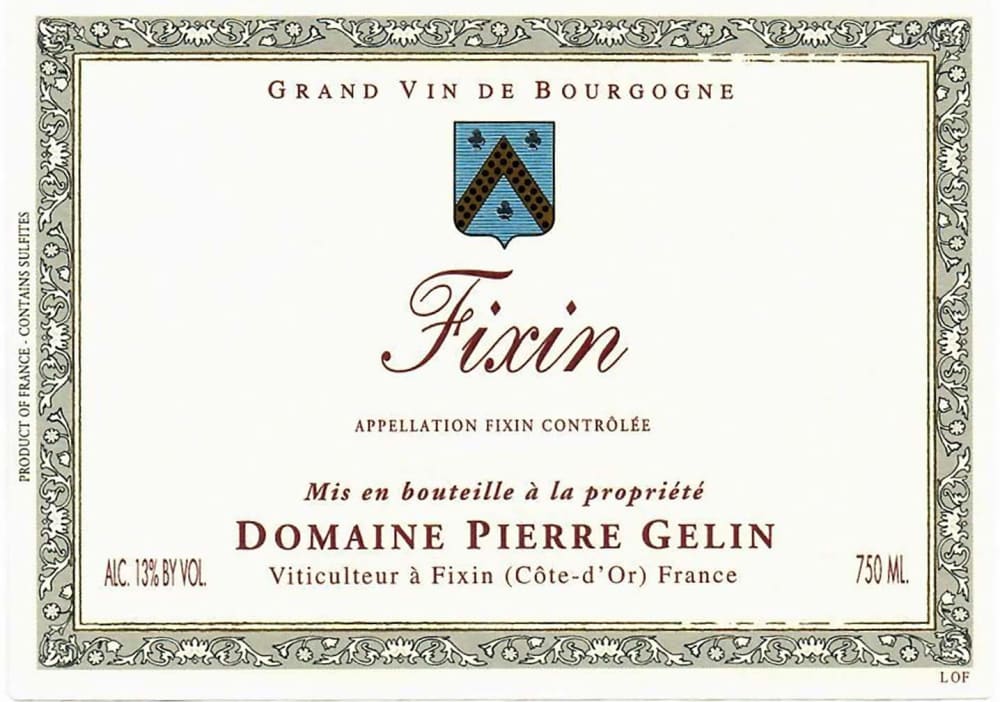
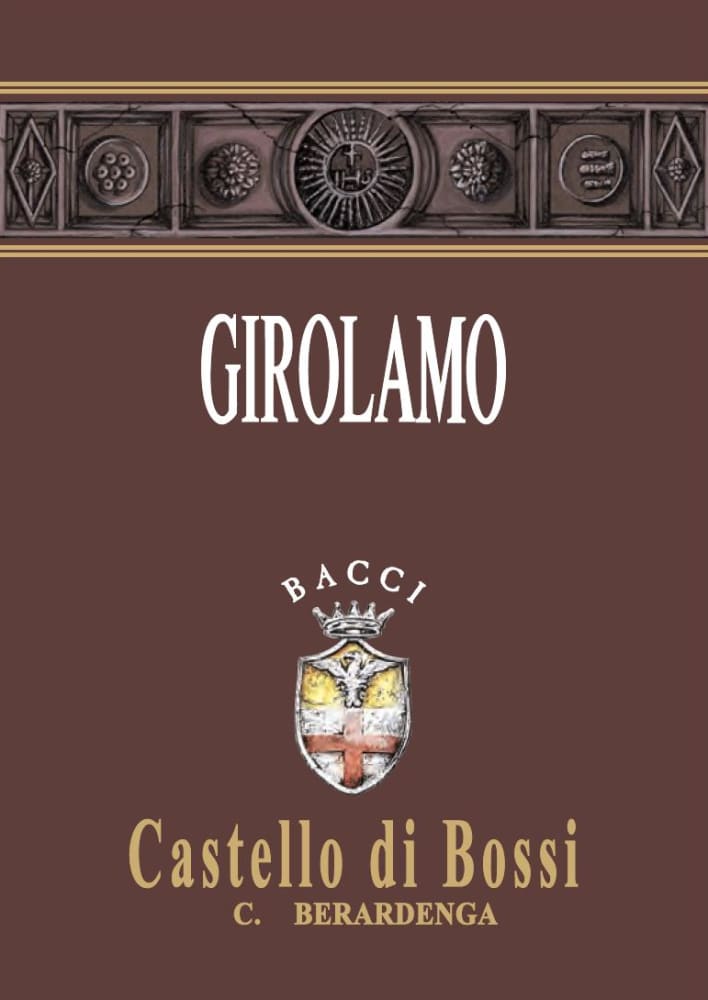
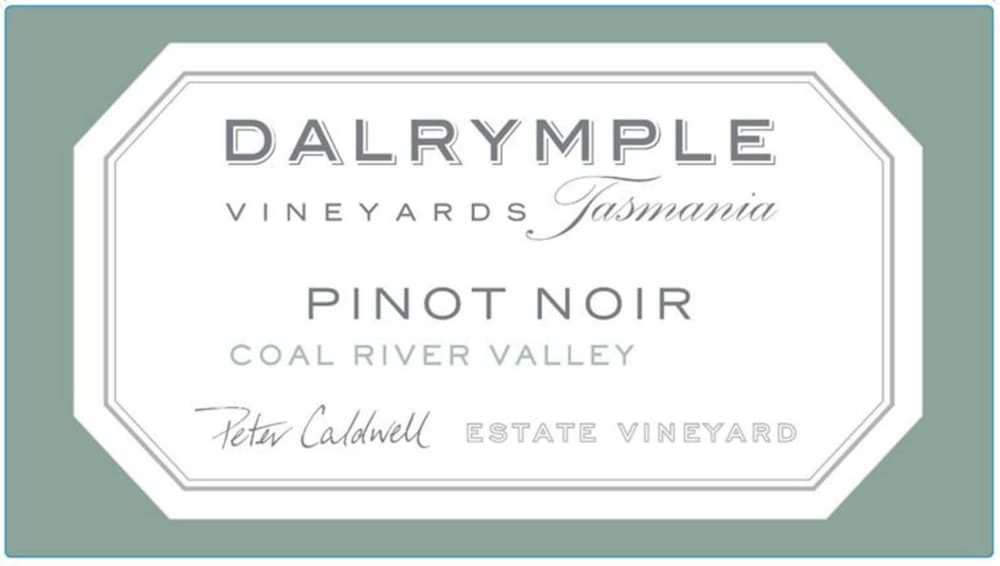
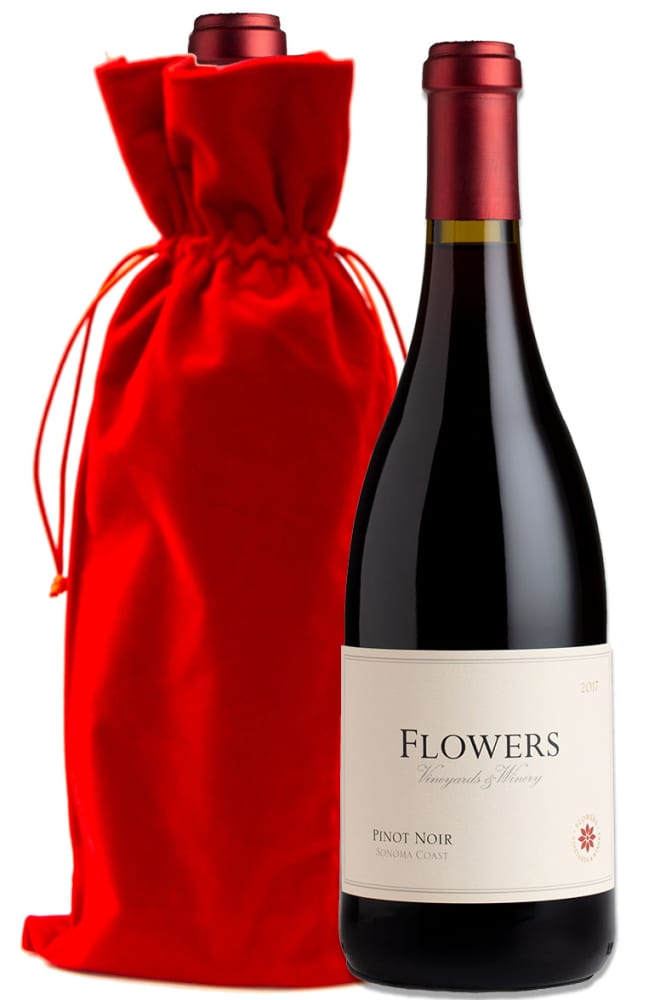


It's understandable to have preferences! Some people find that certain twist-off wines can lack the depth of corked wines, but there are many high-quality options available. It's always worth trying different brands and styles.
That's a great approach! Pairing should be about enhancing your experience, not just rules.
It's all about balance. A lightly oaked wine can indeed add interesting nuances when paired thoughtfully.
Cleaning with warm water is effective, but avoid submerging any corkscrews with electrical components. Regular maintenance keeps your tools in good shape!
You make a valid point! Individual tolerance levels and circumstances play a big role in how alcohol affects each person. It's important to know your own body.
Yes, rosé often has more vibrant flavors and colors, making it a great choice for enhancing drinks visually and taste-wise.
Look for wines labeled as organic or those that specifically mention low sulfites. Checking the label for sulfite content can also help.
A wine fridge is designed for optimal temperature and humidity levels, while a regular fridge can be too cold and may dry out corks. Using a regular fridge short-term can be okay, but long-term, a wine fridge is better.
'Trocken' is a German term that indicates the wine is dry. It signifies that the wine has low residual sugar, making it a good choice for those looking to avoid sweetness.
Gamay generally offers a fresher, fruitier taste with more vibrant berry notes, while Pinot Noir tends to be earthy with cherry flavors. Both can pair well, but Gamay might enhance the lighter elements more.
Lower residual sugar means that less sugar remains in the wine after fermentation, which typically leads to a crisper taste. This enhances acidity and minimizes sweetness, creating that refreshing profile many dry white wines are known for.
Indeed, red wines can contain trace amounts of caffeine, often higher than whites. This is due to the fermentation process and the grape types. If caffeine sensitivity is a concern, sticking with white or sparkling wines is a good choice.
Both red and white wines are typically gluten-free since they are made from grapes. The main concern would be any additives, which can vary by producer.
Both wines have their strengths. The Heir Apparent is rich and full-bodied, great for a special occasion, while the Chateau Haut La Pierriere offers more refreshing qualities, ideal for a cozy night. It really depends on your mood and the kind of experience you're aiming for!
For wine-infused panna cotta, heat cream with sugar and a splash of your preferred sweet white wine until dissolved. Then add gelatin and let it set in molds for a delicious dessert!
Yes, serving rosé chilled at about 50-55°F (10-13°C) is ideal. This allows the flavors to shine and match well with the cheese.
While the Catena Zapata Adrianna Vineyard River Malbec is indeed priced higher, many appreciate its unique terroir and flavor complexity. Personal preference plays a big role in wine selection, so it's great to explore different options that suit your taste.
Common symptoms include headaches, skin reactions like hives, and digestive issues. If you experience these after drinking wine, it might be worth consulting with a healthcare professional.
It’s true that some rosés can be sweet, but many are dry and complex, offering a range of flavors. They can pair well with various dishes, not just seafood. If you enjoy trying different styles, you might find a rosé that pleasantly surprises you!
Certainly! Sparkling wine's acidity can help tenderize proteins effectively, while still wine offers a broader range of flavors. It really depends on the dish and what flavor profile you're aiming for.
Lighter whites like Pinot Grigio are best served at the lower end, around 45°F to 50°F, to highlight their refreshing qualities.
That’s a valid perspective! Ultimately, personal preference plays a big role in wine selection. Experimenting with different pairings can lead to delightful surprises.
Great question! Different grape varieties have varying sugar levels, which directly influence the fermentation process and final alcohol content. For instance, Grenache tends to have higher sugar content, often resulting in stronger wines, while other varieties might yield lighter options.
It's true that personal taste plays a big role. However, there are indeed quality options available at lower price points.
That's a valid point! Many people enjoy the aesthetic and practicality of stemless glasses. It really comes down to personal preference and how you like to enjoy your wine.
Yes, prices can vary, but exploring lesser-known wines like Baga often yields great value for the quality.
Thank you for sharing your thoughts! Sweetness is indeed subjective, and different palates will have varied opinions on balance and flavor.
That's a fair point. Wine appreciation is subjective, and what some find complex, others may find fascinating. It's worth trying different varieties to see what you enjoy!
That's a valid point. Both sulfites and sugar levels can play a role in headaches, so it's important to consider multiple factors.
Good observation! While both can show oakiness and complexity, French Chardonnays often have a more restrained body and minerality, whereas California Chardonnays like Mer Soleil can be fuller and more fruit-forward.
Exactly! Pairing is a fantastic entry point into the world of wine, highlighting its role in enhancing culinary experiences.
Mixing ice wine with sparkling water is a refreshing twist, especially in warm weather. It lightens the sweetness and creates a delightful spritzer!
Using spoiled wine can add depth to dishes like risotto, but fresh wine usually provides a cleaner and more vibrant flavor profile. It’s all about what you have on hand and how much you want to enhance the dish.
It's a common perspective, but lighter reds can balance well with many fish dishes. It ultimately depends on personal preference and the specific dish being served.
Gewürztraminer pairs beautifully with dishes like lamb kebabs or spicy lentil dishes, as its aromatic and spicy notes complement the flavors well.
Absolutely! During fermentation, yeast converts sugar into alcohol. If the fermentation is stopped early, more sugar remains, leading to a sweeter wine. This is often done in dessert wines.
Non-alcoholic wines often have lower calories, mainly because they lack ethanol. Brands like Fre and McGuigan Zero are known for being lower in both calories and sugar, making them great choices for health-conscious individuals.
'Elegant and restrained flavors' refer to a wine that is complex yet subtle, where no single flavor dominates. You'll find delicate notes that evolve on the palate, providing a sophisticated tasting experience without overwhelming your senses.
Sure! Wines that are good for mixing often have a balance of acidity and flavor that complements cocktails, while sipping wines may be more complex and enjoyable on their own. It’s all about finding what works best for you!
Medium-bodied wines have a balanced weight on the palate, not too light or heavy. This quality allows them to complement dishes well, like chicken cacciatore, without overwhelming the flavors.
That's a valid point! Many people prefer to enjoy wines straight from the bottle, especially those with delicate flavors. It's always best to follow your own taste preferences!
That's a fair point! While Muscadelle may not be essential, many winemakers appreciate its aromatic qualities and how it rounds out the final product.
Absolutely, finding a balance between quality and price is key. There are plenty of wines that can perform well without the high cost!
It's true that quality can vary widely among wines at any price point. Exploring lesser-known producers might yield some delightful surprises, so it’s always worth experimenting!
That's a common observation! Cabernet Sauvignon’s robust structure helps it resist oxidation longer compared to the delicate profile of Pinot Noir.
Generally, yes, many white wines tend to have lower histamine levels compared to red wines. However, it can vary by brand and type, so checking specifics is recommended.
Look for wines labeled "sulfite-free" or "low sulfite." Many organic wines also have reduced sulfite levels. It's a good idea to check local wine shops that specialize in organic or natural wines.
That’s a valid perspective! Many factors can contribute to headaches, including hydration and food intake, so it's always good to consider the whole picture.
It's important to get professional advice, as different individuals have varying responses to antihistamines. A healthcare provider can provide guidance tailored to your situation.
That’s the beauty of wine – personal preference plays a big role! Each bottle can offer a unique experience based on taste and context.
Both can be excellent choices! It depends on whether you're looking for something fun and light or elegant and sophisticated.
Aging enhances the flavors and complexity of the wine. While you can bottle immediately, allowing it to mature typically yields better results.
Yes, the shape can influence flavor perception significantly. A narrower bowl helps maintain cooler temperatures and can enhance certain fruity aromas, while a wider bowl allows for better aeration at warmer serving temps.
Absolutely! Here’s a quick breakdown: Light & Fruity rosés are best served at 45-50°F (7-10°C), Medium-Bodied at 50-55°F (10-13°C), and Full-Bodied at around 55°F (13°C). Each style benefits from its respective temperature to highlight the best flavor profiles.
For affordable options, consider brands like Alamos and Los Haroldos. They offer great quality at reasonable prices.
You both make valid points! It really does depend on the cooking method and personal preference.
Indeed, the variation can be significant based on the producer and winemaking techniques. Always a good idea to read the labels!
Resveratrol is an antioxidant that helps protect cells from damage and reduces inflammation. It's more concentrated in red wine due to the fermentation process using grape skins. Other sources include berries and peanuts, but the amounts vary widely.
Great insight! The feeling of comfort and approachability often defines a neighborhood bar, making it a friendly space for everyone.
Exactly! Aim for it to be very cold, but avoid the ice to preserve the integrity of the wine's flavors.
Great idea! This wine pairs well with light salads, grilled seafood, and herb dishes. The citrus notes complement dishes like shrimp salad or grilled fish nicely.
A crisp white wine usually has high acidity and refreshing citrus or green fruit flavors. When tasting, look for a clean finish and vibrant notes. For optimal enjoyment, serving temperatures should be between 45°F to 50°F.
That's a valid point! Many affordable wines can offer great value and flavor. It's important to find what works best for your palate and budget.
It's best to use opened wine within a week for cooking to maintain its integrity. If stored properly, it can last a bit longer, but the flavors will start to deteriorate.
Absolutely! Pairing wine with food can slow down absorption and improve the overall experience, potentially reducing headaches.
To determine if opened white wine has spoiled, look for changes in aroma, such as vinegar-like or musty smells. Visual signs include cloudiness that wasn't present before, as well as any sediment. A sour or overly acidic taste also indicates spoilage. Keep an eye out for unexpected carbonation, as that can suggest unwanted fermentation.
That’s correct! Red wines typically have higher tannin levels, which can contribute to headaches for some individuals.
Organic wines usually have lower sulfite levels, but checking the label is essential. Some organic wines may still contain sulfites due to natural fermentation processes.
Yes, when using béchamel, a wine with good acidity, like Verdicchio or Sauvignon Blanc, can help balance the creaminess. Avoid overly sweet wines to keep the flavors harmonious.
Absolutely! For instance, Cabernet Sauvignon pairs well with red meats due to its bold structure, while Pinot Noir is versatile and complements poultry and mushroom dishes nicely.
In winter, fuller-bodied reds like Barbera or even a good Cabernet Sauvignon are recommended. They bring warmth and depth, enhancing the flavors of hearty sauces.
Decanting can help with some compounds, as it allows for oxidation. While it may not eliminate all sulfites, some people find it beneficial.
White wine vinegar is indeed a closer match for seafood due to its acidity and flavor profile.
For a casual gathering, consider the Dalrymple Coal River Pinot Noir or the Pierre Gelin Fixin 2022. Both offer great taste without being too pricey!
While it’s not strictly necessary, choosing dark bottles can significantly enhance the wine's longevity and flavor integrity. It's definitely a recommendation worth considering!
It's definitely a balance! While personal preference is vital, ratings can guide you to explore wines that might align with your tastes.
Correct! Terroir encompasses all environmental factors affecting the grapevine, which contributes to the unique characteristics of the wine.
It's all about personal preference! Some find thicker rims provide a different mouthfeel, which can enhance the wine experience in its own way.
It’s a valid perspective! Wine can certainly be enjoyed in many ways, whether simply for taste or for the deeper connections it represents.
That’s a valid point! Personal taste and storage conditions can vary widely, which might lead to different experiences with opened wine longevity.
Exactly! Tannins and sugar both play roles in preservation, but each wine varies widely. Checking labels can give you a helpful guideline.
Syrah tends to have spicier and bolder notes with pepper and smoky undertones, making it a great choice for hearty dishes. Cabernet Sauvignon, on the other hand, is more on the fruit-forward side with a robust body, which can elevate richer meats like beef. Both can enhance au jus but in slightly different ways!
The AOC designation does signify that the wine adheres to specific quality and production standards, but it’s still important to consider the individual producer and vintage. Not all AOC wines are created equal, so exploring reviews and recommendations can help you make better choices.
Absolutely! Wines with high acidity tend to taste crisper and refresh the palate, making them great for food pairings. If you prefer smoother wines, look for those labeled as lower acidity, which often provide a softer and rounder mouthfeel.
Dry rosé often complements dishes that have a bit more texture and flavor, while white wine typically pairs well with lighter fare. For instance, rosé shines with grilled meats, whereas white is excellent with delicate seafood. It really depends on the dish and personal preference!
Great point! Wines with high tannin and acidity often improve with age, which can enhance their flavor profiles.
The Castello di Bossi Girolamo pairs wonderfully with hearty meals, especially steak and rich pasta dishes. Its complex flavors enhance these types of foods.
Great insights! Both options can be delightful. Mango puree tends to add creaminess, while pineapple juice amplifies freshness, so consider your preferences and the wine variety.
Excellent tip! Swirling the wine and letting it breathe can also help you pick up on the aromas that might complement your dish.
Glad you found it useful! Tasting first can really help you gauge whether decanting is needed.
That's correct! A slight chill can actually bring out the wine’s more refreshing qualities, especially for lighter reds. Adjusting the temperature helps to showcase the balance of flavors.
A couple of tablespoons of salt should do the trick! It lowers the freezing point and speeds up the chilling process.
That’s a valid point! Merlots can offer a smoother profile and might pair better with lighter grilled dishes. It really comes down to personal preference.
A simple way to check is to touch the bottle. It should feel noticeably cool to the touch if it's within the ideal range of 45°F to 55°F. If it feels too warm, it’s probably not ready yet.
Recent vintages are generally ideal for enjoying Pinot Grigio's fresh flavors. Look for notes of green apple, pear, and citrus, and check for 'dry' on the label if you prefer less sweetness. Regions like Italy often produce vibrant examples.
It's best to keep it at medium heat to achieve a good simmer, but watch for any boiling. You want to reduce it gently.
Pomegranate juice is indeed a unique option. Just remember to use it sparingly, as its flavor can be quite bold!
Storing wine at the right temperature is crucial for preserving its flavors and aromas. Standard fridges can be too cold and may dry out corks, leading to oxidation. Keeping wines in a controlled environment helps maintain their character over time.
It's true that alcohol can exacerbate headaches for many individuals, especially if dehydration is a factor. Everyone's body reacts differently, so it's important to find what works for you.
It's all about personal preference! Some people do enjoy the experience of larger glasses, but enjoying wine is ultimately about what works best for you.
Yes, temperature fluctuations can negatively impact the wine. It can lead to oxidation or spoilage, which compromises flavor. A consistent environment is key for best preservation.
Thanks for your input! Syrahs can vary widely by region; L'Ecole's blend usually highlights a more restrained balance compared to the fruit-forward styles often found elsewhere.
Sulfates and sulfites are different compounds. Sulfites are used in winemaking as preservatives, while sulfates are often found in salts and don't have the same role in wine production. If you are specifically looking for low sulfite options, check for "no added sulfites" on the label.
Red wine typically adds depth and richness, while white wine can introduce brightness and acidity. It really depends on the flavor profile you're aiming for in your sauce.
Good question! While price often relates to quality, many affordable Moscato options can deliver great taste without the high cost. It's best to look for reviews and try different varieties to find what you enjoy.
Riesling is best served between 45°F and 50°F (7°C to 10°C), similar to Sauvignon Blanc. Both benefit from cooler temperatures to enhance their fruity notes.
Exactly! While Cabernet is bold, Merlot's smoothness can beautifully complement a variety of meatloaf styles.
That's a valid point! There are many excellent budget-friendly red blends that provide a great tasting experience.
Absolutely! There are several budget-friendly semi-sweet rosés available. Look for local options or smaller wineries that often provide great quality at a more accessible price point.
Proper storage really helps maintain the wine's flavor and aroma. It's great that you're learning these tips!
Absolutely! Acidity in wine helps balance the sweetness of tomatoes, ensuring the dish isn't overly sweet. It also enhances the flavors of any herbs or spices used, creating a more lively taste experience. Plus, a refreshing finish helps cleanse the palate, making each bite enjoyable.
While some wines may last longer under certain conditions, it's generally recommended to consume them within 3 to 5 days for the best flavor.
Absolutely! Serving sizes matter significantly. A typical serving of red wine is 5 ounces, which is about 125 calories, while a 12-ounce can of White Claw typically has around 100 calories. Larger servings of either could impact the overall health benefits.
Spot on! Energy in wine can be about acidity, freshness, and how all the elements come together to create an engaging experience.
Thanks for the feedback! Quality can certainly vary among producers, and it's always a good idea to seek recommendations for the best experiences.
Yes, 'pairing versatility' means that the wine complements not just the beef but also other dishes you might serve. For example, a good Chardonnay can work with both seafood and beef.
Exactly! While they have similar traits, the overall experience can vary greatly due to other elements in the wine.
That's a valid point! Fruit wines offer diverse flavors and can be a great gluten-free option, but they might not appeal to everyone.
Aged wines often develop deeper flavors and aromas, which can enhance the dish's complexity when cooking.
Great question! It's challenging to completely remove sulfites at home, but methods like aeration can help minimize their presence.
You're right; individual tolerance can differ significantly for various reasons, including genetics and overall health.
That's a valid viewpoint! Many people prefer the bold and robust characteristics of red wines. It really comes down to personal preference and the occasion.
Excellent question! Consider white varietals like Sauvignon Blanc or rosé. Non-alcoholic wines and creative cocktails with fresh juices can also be great alternatives.
Yes, using a vacuum pump can extend the freshness of opened white wine up to a week, depending on the type and storage conditions.
You raise a valid point. Not all organic wines are guaranteed to be vegan. It’s essential to verify each brand’s practices.
That's a great observation! Merlot tends to have softer tannins and fruitier notes, making it versatile for various dishes, while Cabernet's boldness pairs well with richer meats.
Absolutely, beer can offer a wide variety of flavors and styles. It really comes down to personal preference and dietary goals when choosing between wine and beer.
Yes, higher alcohol content can amplify certain flavor sensations, making them more pronounced. It can also add warmth to the experience, which influences how flavors are perceived. Tasting can vary widely depending on the alcohol content.
To calculate calories in homemade wine, measure the sugar content from your ingredients, convert it to calories, and add the calories from alcohol based on its final ABV after fermentation. Let us know if you need a step-by-step guide!
That's a valid point! Dry wines can certainly cut through spice effectively. It's all about personal preference and the specific dish you're pairing it with!
While some winemakers choose to avoid additives, using sulfur dioxide can help protect against oxidation and spoilage, especially for home winemakers dealing with smaller batches.
A week is a good starting point for steeping mamajuana. You can always adjust the duration based on your taste preference for either stronger herbal notes or more of the wine's original flavors.
That's a valid point! Lighter wines with good acidity can indeed complement moussaka by cutting through its richness. It's all about finding the right balance for your palate.
While most young rosés are fine without decanting, older vintages can benefit from it to aerate and separate sediment.
That guideline mainly applies to tulip glasses, but filling other types to about two-thirds is also fine to enhance aroma.
Great question! For long-term storage, it's best to keep bottles horizontally to keep the cork moist. Vertical storage can be okay for short-term use, but it risks letting air in.
That's a valid perspective! Warmer temperatures can allow the complexities of oaked Chardonnays to unfold better, enhancing the tasting experience.
Yes, aging in oak barrels can enhance the flavor profile, but it depends on the varietal. Not all white wines benefit from oak aging.
It's a valid opinion! A budget wine can definitely work, though choosing a decent one can elevate the experience.
Regional differences can greatly influence Merlot flavor profiles, so it's always good to explore both styles to find what you enjoy most.
Taste is subjective, and it’s great to hear different opinions! If you enjoy drier rosés, Dalrymple Coal River is an excellent choice with its balanced flavor.
That's a valid point! Manual corkscrews can be simpler and don't require batteries. It really depends on personal preference and comfort.
Sulfites can trigger reactions in sensitive individuals, but everyone’s tolerance varies. It’s best to monitor how different wines affect you personally.
Thanks for sharing your perspective! Wine preferences can vary greatly from person to person. It's all about finding what works best for your palate.
That's a valid point. While the carb count is low, individual dietary restrictions can make a difference for many people.
That's a valid point! Everyone's health goals are different, and calorie considerations are important for many.
That's an interesting point! Pure white wines from grapes do not contain caffeine. However, cocktails or blends with mixers might. It's important to distinguish between those.
That's a valid point! Sweetness levels can definitely differ by brand and type, so personal preference plays a huge role in enjoyment.
While a dedicated wine fridge can offer optimal conditions, a dark closet can still be effective for short-term storage.
You make a valid point. While moderate consumption may have benefits, excessive drinking can indeed lead to health issues. It's essential to find a balance that works for each individual.
Everyone's palate is different! While many do notice a difference with wine marinades, it's totally valid to prefer simpler methods. Finding what works for you is most important.
That's true! Storage conditions and the type of wine can significantly affect how long it stays fresh.
While most people tolerate sulfites without problems, those with specific sensitivities may experience adverse effects. It's important to listen to your body.
That's a valid perspective! While red does have higher levels of certain antioxidants, white wine also offers health benefits, including lower sugar content and some antioxidants.
Yes, several reputable online wine retailers offer shipping across the country. Websites like Wine.com or Vivino often have selections from the Russian River Valley, including both the Chardonnay and Pinot Noir.
Great point! Lokelani’s connection to Maui and its unique aging process definitely set it apart from many mainland options.
It's great to hear about your experience! Gauging sulfite levels can be tricky, but engaging with producers directly or checking detailed labels can offer clarity.
Great tip, Tyler! Patting the meat dry removes excess moisture and allows for that nice browning you want. It's a crucial step for flavor.
That's a valid point! While many sparkling wines do start to lose their quality after 1-2 years, storage conditions and the specific wine can greatly affect how long it lasts.
The Donnhoff Krotenpfuhl offers a unique profile with its balance of citrus and stone fruit notes, distinct from the sweeter styles often found in Mosel. It’s more medium-bodied and versatile, making it an excellent choice for various food pairings.
That's a valid point! Quality wine can make a significant difference in flavor. It's usually best to choose something you enjoy drinking.
That makes sense! Higher alcohol levels can indeed exacerbate headaches due to more rapid absorption. Everyone’s body reacts differently.
While some wines may seem fine after a week, most are best consumed within three to five days for optimal flavor. Individual experiences can vary!
Opened white wine generally lasts about 3 to 5 days, while red wine can last around 4 to 6 days. Factors like the wine type and storage condition still apply.
Both perspectives are valid! Starting with what you enjoy can lead to a deeper exploration of wine later on.
A Riesling at 45°F to 50°F will highlight its crispness and aromatic qualities, while serving it warmer can enhance its sweetness and fruit flavors. It really depends on what notes you enjoy most!
For gifts, consider the Catena Zapata Adrianna Vineyard Malbec for its luxurious flavors. It's appealing for both taste and presentation, making it a great choice without breaking the bank.
It's all about personal preference! Some people enjoy that complexity even in casual settings, while others prefer something more straightforward.
Yes, higher-quality rosés made from premium grapes usually age better. Look for those with higher acidity levels as they tend to last longer.
Herbs like mint or basil add a fragrant twist that can elevate the wine's profile, enhancing its freshness and balancing the fruity notes.
The Folk Machine red focuses on fresher, more vibrant flavors rather than the heavier tannins found in bold reds. It's meant to be approachable and enjoyable without the weight.
That's a great observation! Alit is indeed designed for a more seamless texture, while CF's rustic traits contribute to its unique character. It's all about personal preference!
That's a valid point. While moderate consumption may have benefits, it's essential to consider individual health circumstances and consult with a healthcare provider.
That's a valid point! Choosing lower-sugar or dry varieties can also help manage calorie intake while enjoying wine.
That's a valid point! It really does depend on the producer and their methods. Always check the label for the exact sulfite content.
If the temperature is consistently within that range, it should be fine. However, avoid direct sunlight and significant temperature fluctuations.
Whisking properly is crucial for the egg whites to work effectively. Make sure to achieve a frothy consistency.
While some wines may last beyond 5 days depending on storage conditions, the general guideline is to consume within that timeframe for the best flavors and aromas. Individual experiences can vary.
Yes, Sancerre can be a great alternative! Just remember that it may have different soil influences, which can affect the flavor profile.
Excellent tip! The acidity and sweetness in Riesling can really complement spicy dishes.
That's a valid point! The caloric content does vary widely among both sparkling and still wines, especially based on sweetness levels and serving sizes.
You're right that there can be variations between brands. It's essential to check labels for specific carb counts as they can differ.
That's correct! Natural corks are often preferred for aging, while synthetic closures are better for preserving freshness.
That’s a valid point! Whole foods offer a broader range of nutrients without the alcohol-related risks. It ultimately depends on personal health choices.
That's a valid point! Personal taste can vary greatly, and there are many wines out there that may offer better quality for the price. It's always good to explore!
That's a great suggestion! Visual aids like maps can also help connect regions to their wines and make learning more engaging.
Yes, availability can vary by region for both Netflix and Hulu. It's best to check the platforms directly to see if 'Wine and Roses' is accessible in your area.
Yes, different whites have different optimal ranges. Chardonnay does well at 45°F to 55°F, while Sauvignon Blanc is better at 40°F to 50°F.
Both wine types are great with seafood! It often depends on the preparation and personal taste.
Exactly! Complexity can enhance a wine, but it doesn't guarantee quality. Taste is always the priority.
That’s a valid point! Many traditional wine enthusiasts feel that the fermentation process adds unique characteristics that can be hard to replicate in non-alcoholic versions.
Fresh ice is key! If the ice is too old, it may not chill effectively. You might want to ensure you're using enough ice in the mix too.
Exactly! The complexity is what makes Shiraz Rosé a versatile choice for food pairings.
While personal preferences vary, the shape can enhance aroma and flavor, as discussed in the article. It's worth experimenting!
Lesser-known varietals refer to grape types that aren't as mainstream. Examples include Tempranillo from Spain or Dolcetto from Italy, which can offer great quality at lower prices.
That's a valid point! Cooler climate Chardonnays tend to retain higher acidity and can have a lighter profile compared to those from warmer regions, which may be creamier due to oak aging.
While browning is an extra step, it does enhance the overall flavor by creating those caramelized bits. However, you can still achieve delicious results without it if you're pressed for time.
Grenache can be a great option as well, particularly with spicier dishes. It’s fruit-forward and complements the complexity of seafood like paella nicely, while Pinot Noir is often preferred with grilled or roasted fish.
'No added preservatives' means no additional sulfites were added during production, but natural sulfites may still be present. It’s always good to check the label for exact levels.
That’s a valid point! Sweetness is definitely a personal preference, and some wines are better enjoyed without any additives. What alternatives do you prefer?
While a cool basement can be effective, dedicated wine fridges offer more precise temperature and humidity control, which can enhance wine preservation and longevity. It really depends on how serious you are about wine storage.
Sauvignon Blanc is often served colder, around 45-50°F (7-10°C), compared to the 50-55°F for Pinot Noir rosé. The latter benefits from a slightly warmer temperature to enhance its nuanced flavors.
Yes, generally, lighter wines like Pinot Grigio tend to degrade faster than fuller-bodied wines like Chardonnay. They have different compositions that affect their oxidation rates.
While some wines may last longer in terms of safety, the flavor and aroma typically decline significantly after 3-5 days.
You're right! Different vintages and types do have varying aging potentials. Always best to research specific varieties.
That’s a valid point! Aeration can vary significantly from bottle to bottle, and personal preference plays a huge role in how long to aerate.
That's a valid point! Late-harvest Rieslings do offer a unique sweetness and acidity balance. It really depends on personal preference. Each wine offers a different experience worth exploring!
That's a good point! Chardonnay can indeed vary widely. It's crucial to check the specific style and region to gauge its sweetness.
You make a valid point. It's essential to consider both sugar and alcohol content when assessing health impacts.
Exactly! A crisp Pinot Grigio can also serve as a good alternative for the light rosé.
Noble rot, or Botrytis cinerea, is a fungus that affects grapes, concentrating their sugars and flavors. It leads to sweeter and more complex wines, like Sauternes and Tokaji Aszú.
That's an interesting take! Rosé can indeed work well with aged cheeses, especially if it has fruit-forward notes. It’s all about experimenting with what you enjoy.
Great question! Lighter fare like salads, seafood, and grilled vegetables can be excellent pairings. They tend to complement the wine without contributing to feelings of fullness.
That's a valid point! While many enjoy the lightness of rosé, complex varieties do exist and can offer a depth similar to reds. It's worth exploring!
It's understandable to have different preferences! Balancing the sweetness and acidity can vary based on personal taste.
That's a valid perspective! Balancing flavors is key, and experimenting can lead to unique outcomes.
Exactly! It often adds a refreshing note to the wine, making it feel more complex and food-friendly.
That's a valid point! Syrah's smoky characteristics can definitely complement grilled steak, adding another layer of flavor. It's always good to experiment with different wines to find what you enjoy best.
You're right, sensitivity to histamines is indeed a major factor and can vary significantly among individuals.
Syrah typically offers a bolder flavor with rich fruit notes and can definitely have a touch of sweetness. It’s worth trying if you enjoy the depth of Merlot!
Great question! Country wines often reflect tradition and local styles, while trophy wines are usually crafted for awards and high ratings.
That's a valid point! Many affordable wines can offer fantastic value. It's all about personal preference and experimentation.
Yes, rotating bottles helps maintain cork integrity and ensures even aging as sediment can settle over time.
That’s a valid point! Many cooks find that while quality wine can enhance a dish, budget-friendly options can also work well for everyday meals.
When properly canned and stored in a cool, dark place, rose wine jelly can last up to a year. Just be sure to check for any signs of spoilage before using.
Not all organic wines are sulfite-free. Look for labels that specifically state "no added sulfites" for the best assurance. Many organic wines still use sulfites for preservation.
Good point! Generally, light-bodied wines feel more refreshing and crisp, while full-bodied wines have a richer, creamier texture. Tasting a variety can help you discern the differences!
Generally, rose wine and light beers have similar low iron content, while spirits typically contain negligible amounts of iron. However, the nutritional profiles differ significantly in other aspects.
Sure! Stainless steel fermentation tends to preserve the fresh and fruity characteristics of the wine, while oak barrels can add complexity and depth, often introducing flavors like vanilla and spice.
Great question! Napa Valley Cabernets tend to be bolder, with more fruit-forward flavors and higher alcohol content. Bordeaux blends, on the other hand, usually have more complexity, often featuring earthy and herbal notes due to the blend of different grape varieties like Merlot and Cabernet Sauvignon.
You're right; not all Chardonnays will pair well with every dish. It's important to choose one that matches the flavors of what you're serving.
Great point! Most red wines benefit from horizontal storage due to cork integrity, while whites often don’t have corks and can be stored upright. However, for reds, the same principles of temperature and humidity apply.
That's a valid point! Everyone's palate is different, and milder cheeses can enhance the wine's character without overpowering it.
Ancient Peaks would indeed be a great choice for a summer barbecue. Its acidity and freshness make it perfect for hot weather!
Taste preferences vary widely! While Pinot Grigio is indeed lighter, it can be versatile if paired thoughtfully.
Great suggestion! Additionally, they can complement fruit-based dishes and light cheeses.
It's not uncommon! The effects of different wines can vary due to their composition, including tannins and sugars, which may influence how relaxed or drowsy you feel.
That's a great observation! Provence rosés are usually lighter and more mineral-driven, while California options can be more fruit-forward. It really comes down to personal preference!
White Zinfandel can vary in price, but many quality options are reasonably priced compared to other premium rosés. You can find good selections without breaking the bank.
Rosé typically has moderate histamine levels, while white wines usually contain lower amounts. For some, rosé might be a better option than red.
While some wines can improve with age, white zinfandel is generally crafted for early consumption. It's good to explore what you enjoy, though!
Most drip rings are designed to fit standard wine bottle necks, but checking for adjustable or universal fit options can help ensure compatibility with any bottles you have.
Exactly! A higher acidity wine can cut through the fat of the cheese and make for a more enjoyable pairing.
That’s a great approach! Keeping a detailed diary can reveal patterns over time, helping you make more informed choices about what to drink.
Great question! Generally, red wine pairs well with beef due to its robust flavors, but lighter wines like white can elevate the dish with their acidity. It’s all about balance!
Exactly! This process results in the unique profile of rosé, which often combines the fruitiness of white wine with some of the depth of red wine.
It's possible that individual reactions can vary greatly. While sulfites are a common trigger for many, some people may be more sensitive to the alcohol content itself, leading to flushing.
While personal preferences may vary, many connoisseurs believe that the right glass can enhance the overall experience by improving aroma and mouthfeel. It's worth experimenting to find what you enjoy!
Decanting isn’t necessary but can enhance the experience, especially for younger bottles. It helps to aerate the wine and soften the tannins for a smoother taste.
Red wine generally contains more antioxidants, particularly resveratrol, than white wine. However, both can have health benefits when consumed in moderation. It often comes down to personal preference and dietary goals.
That's a valid point! Oak aging can indeed be a matter of personal preference. Some wines benefit from it, while others might not appeal to everyone.
Exactly! While reds typically have higher tannin levels, certain whites can have them too. Monitoring your reactions to different wines will help clarify your sensitivities.
Sweet rosés can indeed work for cocktails, but just be cautious about how they mix with other ingredients. A balanced approach is key!
Yes, beer generally has lower histamines and no tannins, which may be better for some. However, carbonation can trigger discomfort for others, so it's a personal experience.
It's true that sweetness can vary widely among wines. However, many sweet red wines have complex flavor profiles that enhance their quality. It often comes down to personal taste.
Both methods have their merits. Spontaneous fermentation can bring unique regional flavors but may be less predictable, while cultured strains offer consistency and can target specific flavor profiles.
That's a valid point! A light Merlot can work well with richer salmon preparations, especially if there's a glaze involved.
Monitoring specific gravity is helpful as it indicates fermentation progress. You can use a hydrometer for this. It’s not strictly necessary, but it can help ensure your wine reaches the desired alcohol level.
Low pressure helps prevent over-extraction of tannins from the skins, which can lead to bitterness. It allows for a cleaner and more pleasant flavor in the final product.
Great question! Decanting isn't just for older wines; it can also benefit young wines by aerating them and softening tannins. For delicate wines, a simple swirl might suffice, while robust reds often need more time in a decanter.
That's a valid perspective! Wine pairing can be quite subjective depending on personal taste and the preparation of the steak.
That's a valid perspective! Grüner Veltliner can indeed offer a great pairing due to its herbaceous qualities. Wine pairing is often subjective, so it’s good to explore different options.
Certainly! Wines with higher acidity help cleanse the palate, making each bite of fried food more enjoyable by cutting through the richness and greasiness.
Absolutely! This wine can complement various vegetarian dishes, including risottos, stuffed peppers, or even grilled vegetables.
Exactly! Fruit-forward wines typically emphasize these flavors, making them great companions for spicy dishes.
Tempranillo is quite versatile and pairs well with a variety of dishes, including tomato-based ones. Its balance of fruit and tannins can complement the acidity of red sauce nicely!
Tannins are compounds found in grape skins and seeds that contribute to the wine's astringency. They can affect different people; some might find they cause uncomfortable sensations.
You raise a valid point. Not all organic wines are the same, and individual sensitivities can vary widely.
Great suggestion! The fresh herbs in salads can also complement the wine's floral notes nicely.
You make a valid point! Many lighter whites are indeed best enjoyed fresh, and personal preference plays a significant role in this.
Both fruits can work well, but peaches generally give a softer texture and richer sweetness. Nectarines might add a nice crunch!
Both methods are effective, but they work differently. Vacuum pumps remove air to slow oxidation, while inert gas systems displace oxygen entirely. Some users prefer gas systems for longer-term preservation.
That's a great perspective! Each type of wine has its own merits, and it’s all about personal preference.
You're correct that alcohol content doesn't always correlate directly with sweetness. Different grapes and production methods play significant roles in the final taste.
You're right, the sweetness can greatly affect the calorie count. It’s always best to check specific labels since variations can be significant!
Taste and freshness can vary by wine type and storage conditions. Generally, wines can last up to five days if stored properly, but each experience may differ.
While some bottles may degrade quicker based on storage conditions, well-stored sparkling rosé can indeed last for several years. Always evaluate based on your own experience as well.
It’s great to hear that! Pairing can be very subjective, but experimenting with different wines and cheeses can lead to delightful discoveries.
Red wine typically has higher levels of congeners, which can contribute to dehydration and fluid retention. Individual reactions can vary, so it’s best to monitor your own experiences.
'Off-dry' refers to wines that have a touch of sweetness but are not fully sweet. These wines can balance spicy foods well.
Yes, Cabernet Sauvignon is full-bodied, which means it has more tannins and richness. This complements the flavors of red meat, balancing the fat and enhancing the overall meal experience.
A wine fridge maintains optimal temperature and humidity for wine, which can enhance flavor longevity. If you drink wine often, it might be worth the investment.
Great question! Red wines generally contain higher levels of resveratrol and flavonoids due to prolonged skin contact during fermentation. White wines have some antioxidants, but typically in lower concentrations, which may affect their health benefits.
Acidity in wine helps cut through the fattiness of red meat, making each bite more enjoyable. It refreshes your palate and enhances the overall balance of the meal.
Making rice-based wine can be different from grape wine, but with the right techniques, the flavors can be quite delightful. It's all about experimentation!
Switching to wine can definitely be a flavorful option! Just remember to check the labels as some wines can be higher in calories, especially sweeter ones.
Merlot can definitely complement richer sauces. It's great to see people exploring different pairings!
Yes, tempering egg yolks is the key! Whisk the yolks with a bit of warm sauce first to raise their temperature, then gradually add them back into the sauce while stirring. This prevents them from scrambling.
You raise a valid point. There are certainly sweeter styles of Pinot Grigio, especially from certain regions. It’s always best to check the labeling for sweetness levels.
You're correct that younger Shiraz can have more pronounced tannins. It's all about finding the right balance and knowing what to expect from the wine's age and region.
The ideal temperature range for serving decanted white wine is around 50-55°F (10-13°C). This allows the flavors and aromas to shine without compromising the wine's freshness.
Both approaches can yield excellent results. It really comes down to personal preference and the characteristics of the grapes.
Both approaches can yield excellent results. It really comes down to personal preference and the characteristics of the grapes.
A lightly oaked Chardonnay typically has been aged in barrels for a shorter time, allowing the bright fruit flavors to shine through. Look for descriptors on the label or check with the retailer for more details.
Both perspectives are valid! Wine pairings are quite subjective and can vary based on personal taste and preparation style.
That's a valid point! Merlot can be richer, which might not suit everyone's palate. Many find options like Pinot Noir or Gamay to be more aligned with Sauvignon's profile.
Yes, rosé can pair well with spicy dishes! Its refreshing qualities help to balance out the heat, making it a good choice for Thai curry or sushi.
Thanks for your input! It's true that preferences can vary. A wider rim can indeed provide a different experience, allowing for more aromatic dispersion.
You raise a valid point. While some studies suggest potential benefits in moderation, it’s essential to weigh them against the risks. Always consult a healthcare professional about alcohol consumption.
Once opened, white port can last about 2 to 3 weeks in the fridge. Look for off-flavors or changes in aroma as signs it may have gone bad.
Both sides have valid points! Rosé's unique flavor profile can indeed make it versatile in different settings.
Blending does occur, but it’s often less favored in premium rosé production where single varietal expressions are more celebrated for their unique characteristics.
Good question! The aroma profile refers to the scents you can detect in the wine, which can greatly influence your tasting experience. Different aromas can enhance or alter how flavors are perceived.
You’re right! Dry Rieslings can be incredibly versatile and pair well with a variety of savory foods, showcasing the complexity of the varietal.
Yes, the grape quality and sugar content can give clues about longevity. Generally, better-quality wines have more resilience against spoilage.
Certainly! Terroir encompasses factors like soil, climate, and winemaking methods, which all contribute to a wine's distinct flavor. For instance, Italian wines might have earthy notes due to the soil composition in their regions.
Good acidity in wine provides a crisp, refreshing taste that cuts through richness. You can often identify it by a bright, zesty flavor that makes your mouth water.
That's a valid point! While cask wines are often fresh due to their storage and consumption method, certain bottled wines are indeed crafted for aging and can develop complex flavors over time.
Definitely! Zinfandel and Merlot are great starting points for sweeter reds due to their fruity profiles.
That's a great observation! The terroir and grape varieties indeed play a significant role in the flavor profiles of wines from different regions.
That's a valid point! Blush wines can be very enjoyable, especially for those who prefer sweeter profiles.
Yes, that’s quite common! Lighter wines like Pinot Noir can become less appealing if aerated for too long, as they don’t need as much exposure to air compared to fuller-bodied wines.
It's true that oak aging can add complexity to wines, and preferences vary widely among wine drinkers. The best wine is the one that you enjoy the most!
Definitely! The textures and flavors in a charcuterie board can elevate the Merlot experience.
It's totally valid to enjoy rosé neat! Everyone has different taste preferences, and that's part of the fun of wine.
While it’s best with lighter fare, some grilled poultry or mild fish can work nicely with white Merlot, enhancing its fruitiness.
It's true that not all sparkling rosés are low in sugar. Always checking specific labels is essential to ensure you're choosing the right one.
If you don’t have a wine fridge, keep it in the refrigerator, upright, and use a good wine stopper to minimize air exposure.
Absolutely! A Sauvignon Blanc or a Verdelho can enhance the fresh flavors of vegetable toppings without overpowering them.
Great suggestion! It's all about experimentation. Begin with established recipes, and as you gain confidence, adjust the ingredients to suit your palate.
Very true! While casual pairings can be enjoyable, a sommelier can tailor wine selections to specific meals and preferences, creating a more cohesive dining experience.
Many wine labels don't specify residual sugar, but you can often find this information on the winery's website or by looking at wine review sites.
It’s true that sweet wines can be overpowering if not balanced properly, but they can add unique depth when used wisely.
It's a matter of personal taste. Adding dried fruits can enhance complexity for some, but if you prefer the original flavor, that's perfectly valid!
That’s a valid point! Mixing preferences vary greatly, and many enjoy their wine straight to savor its full flavor.
Swirling does mix the wine with oxygen, which helps release aromas. Many find that it enhances the tasting experience, although personal preferences vary!
Your experience is valid, and some wines can be fine stored upright, especially if consumed within a few years. However, for long-term storage, horizontal is generally recommended to prevent cork drying.
That's a valid point! While lighter wines tend to have higher acidity on average, individual bottles can vary based on many factors, including the winemaking style and grape source.
Absolutely! 'Méthode champenoise' refers to the traditional method of sparkling wine production, where secondary fermentation occurs in the bottle. This process is crucial for developing the fine bubbles and complex flavors typical of high-quality sparkling wines.
It's perfectly normal to prefer bolder wines! Smooth reds are often recommended for beginners, but wine exploration is all about personal preference.
That's a valid point! Grenache can indeed offer a different profile and complexity. It really depends on personal preference and the specific wine region.
That's a fair point! Taste preferences vary widely, and investing in a slightly pricier bottle can lead to a more satisfying flavor experience for many.
That's a valid point! Sardinian wines are indeed becoming more appreciated, and many offer great quality and value. It's exciting to see more wine lovers explore this region!
It's true that personal preference plays a big role. Some dishes do benefit from a more balanced acidity.
Absolutely, Richard brought in many unique options that weren't readily available before, challenging the local market to expand its horizons.
You make a valid point! Some heavier rosés can indeed shine at slightly warmer temperatures, allowing for a more complex experience based on personal taste.
Using a vacuum pump is a great strategy! It significantly reduces oxidation and can extend the wine's usability.
Inspecting the cork is indeed a good practice. It can help identify any potential issues with the wine before serving.
Both flutes and tulip glasses have their merits. Flutes are great for bubbles, while wider glasses can enhance aromas. It often comes down to personal preference.
Cloudiness, off-odors, or a sour taste are clear indicators that the wine has spoiled. Always trust your senses!
Storing wine upright minimizes cork exposure to moisture and oxidation. However, keeping it on its side helps keep the cork damp and sealed. Both methods have their pros depending on how quickly you plan to consume the wine.
Absolutely! Consistent temperature and avoiding light are key to preserving wine's quality, especially for delicate wines.
Both are excellent choices! The Albert Bichot has a more expressive aromatic profile and full-bodied texture, while the Peay is more balanced and easy-drinking, making it versatile for various dishes.
Acidity helps balance the richness of the meat and sauce, preventing it from feeling too heavy. Look for wines labeled as having 'fresh' or 'crisp' finishes.
That's a valid point! While there are many affordable options out there, the price can vary significantly based on location and availability.
Yes, volcanic reds are a fantastic choice due to their earthy flavors that complement Hawaiian food well.
Many people find that organic wines can have fewer additives, which may help reduce adverse reactions like flushing.
Absolutely! Serving temperature can influence the wine's expressiveness. A slightly warmer temperature can reveal more of its subtleties.
30 minutes is a good starting point. It allows the spices to blend well with the wine, but you can simmer longer if you want a more intense flavor.
Cabernet Sauvignon and Merlot have very similar carbohydrate levels, both around 3.7-3.8 grams per 5 oz serving. Your choice can depend more on flavor preference than carb content.
Correct! Oak barrels provide additional flavor profiles, while glass is great for clarity and preserving the wine's original characteristics.
You’re right! Moscato’s refreshing sweetness and bubbles make it perfect for parties and lighter dishes, while Riesling offers more complexity for a deeper tasting experience.
It's true that different styles of white wine can benefit from varying temperatures. Lighter wines are typically best around 45°F, while fuller-bodied like oaked Chardonnay can be enjoyed a little warmer at 50°F to 55°F.
That's a valid concern. While the primary ingredients in rosé are gluten-free, cross-contamination can occur. Checking labels and asking producers is always the best practice for those with sensitivities.
Oak barrels do impart unique flavors like vanilla and spice, which can enhance your wine's profile. Glass carboys are great for a cleaner taste and reduce the risk of oxidation.
That's right! The anchor technique helps avoid fingerprints and maintain a clean surface while polishing.
That's a valid point! Pinot Grigio does tend to be lighter and less complex, but some people appreciate its crispness and fruit-forward nature. It's all about personal preference!
While Merlot can have fruitier characteristics, high-quality examples, especially from Bordeaux, can present a balanced dryness. It often depends on the winemaking style.
Yes, fermentation typically involves grapes, yeast, and sometimes sulfites. These sulfites help preserve the wine and prevent oxidation, but they're naturally occurring in grapes too.
It's entirely subjective—many people enjoy the sweetness, but drier options like brut do allow the fruit's nuances to shine through.
While older wines can add complexity, they may also lose some of their vibrant characteristics. It really depends on the specific recipe and how bold the flavors are.
That's a valid point! While cloudiness can indicate spoilage, sometimes it's due to natural sediments. Always trust your taste, but be cautious!
Great point! Not all Merlots are the same, and finding a well-structured one can indeed offer a complex flavor profile.
Filling the glass one-third full allows room for aromas to develop. It enhances the tasting experience by letting the wine breathe.
Both perspectives are valid! The simplicity in design often emphasizes the focus on quality inside the bottle.
Absolutely! Many affordable blends have received awards and positive reviews. It's worth exploring local shops and reading labels.
That's a valid point! Lighter reds can definitely create a smoother mulled wine experience. It's all about personal preference.
Absolutely, quality varies significantly among producers. Moscato can indeed offer a delightful experience for those who appreciate its unique flavors.
Typically, using about 1 tablespoon of lemon juice for every 1/2 cup of white wine is a good starting point. Adjust according to taste!
Sherry vinegar has a richer, more complex flavor than regular vinegar, making it a better choice for dishes where you want to enhance the depth.
When composting, only add small amounts of wine that aren't toxic. If it smells and tastes very bad, it's better to avoid composting it. Always check local guidelines about composting alcohol.
Typically, leaving the bottle in warm water for about 5-7 minutes should be sufficient to loosen the cork without damaging the glass. Just monitor it closely!
You make a valid point! While aging can enhance complexity, many young wines can definitely offer a delightful experience right off the shelf, especially those crafted with softer tannins.
Yes, storing wine in a dark place is crucial because light can alter the flavors and aromas of the wine. Even with proper temperature, exposure to light can degrade the quality over time.
Polished tannins refer to the smoothness of tannins in wine, which can contribute to a more refined mouthfeel. In simpler terms, it means the wine feels smooth and balanced rather than harsh or astringent.
Wine preferences are highly personal. Exploring different regions and producers might help find a Bordeaux white that resonates with your palate.
Apart from reduced bubbling, checking the specific gravity with a hydrometer is essential. When it stabilizes around 0.995, fermentation is likely complete.
'Punching down the cap' refers to the technique of pushing down the floating grape skins during fermentation. This helps extract color and tannins, enhancing the flavor of the wine.
Absolutely! The Donnhoff Krotenpfuhl Riesling is made from organically grown grapes and is excellent for both culinary uses and sipping.
That's a valid point! The winemaking process and grape variety can indeed influence how smooth a wine feels, regardless of alcohol content.
For budget-friendly options, look for quality Sauvignon Blancs, as they often offer excellent value without sacrificing flavor.
That's a valid point! The dryness of Cabernet can be challenging with sweet fruits. It's all about finding the right balance that works for your palate.
That's a fair point! Many affordable wines can surprise with their quality. It really comes down to personal preference.
Great question! A complex flavor profile refers to wines that have multiple layers of flavor, such as fruity, spicy, and herbal notes, which can enhance your overall dining experience.
Moderation generally means sticking to one small glass, particularly of a dry variety. This helps minimize carb intake while enjoying your drink.
It's great that you can enjoy cabernet without issues! Each person's tolerance varies, and it's all about finding what works for you.
You raise a valid point. Individual tolerance and health factors do play significant roles in how alcohol affects someone, and it's always best to consult with a healthcare professional.
Dry wines are popular for their refreshing qualities and ability to pair with a wide range of foods without overwhelming the dish. However, everyone has different preferences, and that's completely valid!
It's definitely a matter of personal preference! Many prefer red wines with beef, but the right white can create a unique pairing experience. It's worth experimenting to see what you like best!
It can be hit or miss, but choosing a milder blue cheese can definitely help it pair better with rosé. Experimentation is key!
Absolutely! The right textures, like crunchy and creamy, create contrast and enhance the overall tasting experience.
Great question! Beginners might enjoy wines from the Vaud region, which tend to be lighter and fruitier, making them more approachable.
You make a valid point! While many young reds are enjoyable right away, others do have aging potential that can significantly improve their profiles over time.
That's a valid point! Price doesn't always equate to quality—there are many hidden gems in the affordable range.
The Viberti offers a more earthy, complex flavor profile typical of Barolo, while the Chateau German tends towards rich fruity notes. Both are excellent but cater to different preferences.
A good starting point is about one tablespoon of lemon juice or vinegar per cup of broth. You can always adjust based on your taste preference.
Yes, it strikes a nice balance! While it's rich, it also has a refreshing finish that prevents it from feeling too heavy. It’s perfect for complementing the complex flavors of shrimp scampi.
While some wines might still taste acceptable after a week, the article suggests that most will lose their best qualities by then. It's great to hear different experiences!
Storing white wine upright is generally recommended for short-term storage, but it’s not wrong to store them on the side if you’re concerned about oxidation. Just make sure to consume them sooner!
It’s definitely a matter of personal taste! Both red and white wines can complement lobster, depending on preparation and sauces.
Absolutely! Chilling everything helps achieve that perfect slushy texture.
That’s a valid point! Gewürztraminer is indeed very aromatic and can be polarizing. It’s all about personal preference.
Absolutely, personal preference plays a huge role in wine appreciation. It's great to experiment and find what suits your palate best!
Good insights! The Roagna has a nuanced flavor profile, which can be delightful for those ready to explore more, while the Scribe is more approachable.
Yes, Merlot typically requires less time compared to more tannic varieties, making it ready to enjoy relatively quickly.
Yes, screw cap wines are often more affordable, as they can reduce production costs and spoilage rates. However, prices can vary widely depending on the brand and quality.
The fining process primarily aims for clarity and stability, but it can also impact flavor and texture. Some clarifying agents may soften tannins, which can subtly influence the taste.
That's a valid point! While Grenache has its own unique qualities, it may not capture all the nuances of a Sauvignon Blanc. It's great to explore different wines and find what suits your palate!
Both can be great for beginners! Sauvignon Blanc's crisp notes can be more forgiving. However, Chardonnay can offer rich complexity if you're willing to experiment.
It's understandable to have different preferences! Many people enjoy their rosé chilled for that refreshing taste, and it’s all about what suits your palate best.
When tasting aged rosé, look for complex aromas like dried fruits, floral notes, and earthy undertones. If these characteristics start to fade, it might be time to drink it.
It could be a combination of factors. Red wines have tannins that can affect some people differently than the sulfites and acidity often found in white wines. Tracking your specific symptoms can help clarify this.
It typically refers to wines with high residual sugar. Even a hint of sweetness can be fine, but it's best to stick to drier varieties for cooking to maintain balance.
It's true that preferences vary! While Au Bon Climat Pinot Gris/Pinot Blanc is lighter, it offers a balance that many find appealing, especially with various dishes.
Good question! An unopened box can last longer than 12 months if stored properly, but for the best flavor, it's recommended to consume it within that timeframe once opened.
It's true that many wines can offer great value. However, Marisa Cuomo Ravello Bianco's unique terroir and production methods often justify its price.
If the temperature exceeds 70°F, try to cool down the fermentation vessel by placing it in a cooler area or using ice packs around it. High temperatures can lead to off-flavors.
Both histamines and sulfites can cause reactions. It’s important to consider personal sensitivities, as they vary from person to person.
It's understandable to prefer drier wines. If sweetness isn't your preference, consider exploring drier rosés like those made from Syrah or Grenache. They can offer more complexity.
That's a valid point! Malbec's fruitiness can indeed enhance many recipes. It really depends on personal taste and the dish being prepared.
Terroir refers to the environment in which grapes are grown, including factors like soil, climate, and topography. These elements influence the taste and quality of the wine.
You raise a valid point. Red wine should not be relied upon for potassium, but it can complement a balanced diet. Combining it with other potassium-rich foods is definitely the way to go.
Good point! While visual cues can guide the process, precise measurements indeed help in achieving a consistent quality. Incorporating both methods can yield great results.
It's best to start looking at least a few months in advance, especially for limited availability wines. This way, you can ensure you have enough time to secure the selections you want.
Storing upright is generally best for opened bottles to minimize air exposure, but it's especially recommended for whites to preserve their characteristics.
Exactly! Orange wine can complement the textures and flavors of Asian cuisines beautifully.
Exactly! Orange wine can complement the textures and flavors of Asian cuisines beautifully.
Cabernet Sauvignon pairs well with nut-based sweets like almond or hazelnut treats. The rich profile of the wine complements the nuttiness effectively.
Those are great recommendations! Always check for specific certifications, and don't hesitate to ask producers about their methods.
Quinoa offers a different texture and a lighter profile compared to creamy polenta, which is richer and more comforting. Both can complement the dish well depending on your preference.
While stainless steel is indeed popular for preserving fresh fruit flavors, some winemakers use oak barrels to add complexity and subtle flavor nuances, especially in richer styles.
Zinfandel tends to be fruitier and can have a higher level of sweetness compared to Merlot, which often has a more balanced profile with chocolate and berry notes. It really depends on the winemaking process and the specific bottle you choose.
It's true that many Rieslings can be sweet, but there are definitely dry styles available, particularly those labeled 'trocken.' It might be worth exploring those options to see if they better suit your palate.
It's true that individual experiences vary. Some wines may hold up better with just a cork, but many find that tools like vacuum pumps extend freshness significantly.
A beverage brand needs a compelling story, quality ingredients, and community connection. It's about building a culture and purpose behind the product.
Stemmed glasses are generally better for maintaining temperature since they prevent hand warmth from affecting the wine. However, stemless glasses offer convenience and a modern feel, making them great for casual settings. It really depends on the occasion!
That's a valid point! A light, unoaked Chardonnay can indeed be refreshing. The key is to ensure it doesn't overwhelm the other flavors.
That's a valid perspective! While spills can carry meanings in certain contexts, it's true that often they are just accidents without any deeper significance.
Typically, dry red and white wines also have similar sugar levels to dry rosés, usually around 2-5 grams per serving. Sweet varieties, in any category, will have higher carbs.
Both perspectives are valid! It really comes down to personal taste and the style of white wine you're opting for.
The temperature range helps to slowly extract flavors and pigments while minimizing unwanted fermentation activity. If it gets too warm, you risk starting fermentation early, which can lead to harsher tannins and loss of delicate flavor profiles.
That's a valid point! Grenache's fruitiness can complement the complexity of mole nicely, especially with its subtle spice. It really comes down to personal preference.
Exactly! Michael emphasizes that this relationship is organic and results from centuries of tradition, making local pairings feel naturally right.
You might want to explore selections from regions like Oregon or California, which are known for producing quality low alcohol wines. Local specialty shops often carry them too.
The ideal temperature range for storing opened white wine is between 45°F and 55°F. Keeping it within this range helps preserve its flavor and aroma.
Chardonnay typically has a higher alcohol content, ranging from 13% to 15% ABV, and exhibits a richer flavor profile with buttery notes. In contrast, Pinot Grigio is lighter, with an ABV around 11% to 13.5%, offering crisp and refreshing flavors. It really depends on your preference for body and complexity.
Chris emphasizes hospitality and connection, which can sometimes be overlooked in more traditional settings that focus heavily on technical knowledge.
While it might cool faster, direct contact with ice can lead to temperature fluctuations and unwanted dilution, which affects the flavor.
Quality can influence longevity, but storage conditions and the type of wine play significant roles too. Personal experience can vary widely.
Yes, that's correct. Many red wines, especially those that are not high-end, are best enjoyed within 3 to 10 years of their vintage date to ensure optimal flavor.
Yes, different red wines can vary in carb content. Typically, dry red wines like cabernet sauvignon have lower sugars compared to sweeter varieties like merlot or zinfandel.
It's true that higher temperatures can alter the balance of flavors. If you enjoy it warmer, just be conscious of how it changes the overall taste.
Yes, the type of white wine can influence its longevity. Higher quality wines or those with more acidity tend to last longer compared to sweeter, lighter varietals.
French oak typically adds more subtle spice and vanilla, enhancing elegance, while American oak provides stronger vanilla and coconut notes. The choice between them can significantly affect the wine's final character.
It's best to serve these red wines slightly below room temperature, around 60-65°F. This enhances their flavors and aromas.
That’s a great approach! Mixing grape juice with vinegar can help achieve a better flavor balance.
Exactly! The key is to increase surface area. A simple glass or even a pitcher can do the trick.
Thanks for your input! Personal taste varies, and while some find Albariño great with food, others might prefer something different.
Pinot Grigio generally falls between 11% and 13% ABV, while Sauvignon Blanc ranges from about 10% to 13%. Both can be refreshing but may taste different depending on the vintage and region.
Absolutely! Look for off-putting odors, a sharp taste, or a cloudy appearance. If you notice these signs, it's best to discard the wine.
While fruitier wines can enhance sweetness, higher acidity is recommended to balance the richness of roast beef.
Raspberry tart is a great choice! Its acidity and sweetness complement the fruity essence of rosé beautifully.
That's a valid point! A balanced diet is crucial for digestive health, and everyone reacts differently to various foods and drinks.
You don't need to check them constantly, but regular checks every few months can help ensure that conditions are stable and the cork remains effective.
Yes, Lambrusco's refreshing quality makes it a fantastic choice for beach outings. Just remember to serve it cold!
Yes, generally higher alcohol content does lead to more calories because each gram of alcohol contains about 7 calories. So, wines with higher alcohol percentages often have a higher caloric count as well.
Great question! Yes, fermentation temperature does impact alcohol content. Warmer temperatures can enhance yeast activity, allowing for more sugar conversion into alcohol, which results in a higher ABV.
Yes, serving rosé too cold can indeed mute some of its delicate flavors. It's best to stick to the recommended temperatures for the best experience.
You've brought up an interesting perspective! Anticipation can enhance the experience, but service speed also plays a vital role in hospitality.
Exactly! Both wines are priced reasonably and provide unique experiences without breaking the bank, making them perfect for holiday gatherings.
That's a valid point! Pinot Grigio can indeed be a lighter option that preserves the shrimp's delicate flavors. It's all about personal taste!
Yes, some brands and varietals can have lower histamine levels. Keeping a diary of your reactions can help identify which ones work better for you.
Good question! 'Terroir' refers to the unique environmental factors that affect a wine's grapes, such as soil type, climate, and topography. This can lead to distinct flavors and aromas in the wine, making it unique to its region.
Both añejo tequila and bourbon can work well with Zinfandel. Añejo's oak aging adds complexity, while bourbon offers sweetness. It often comes down to personal preference.
Yes, absolutely! You can always adjust the ratio based on your taste preferences. If you want it sweeter, add more cranberry juice, and if you prefer it tart, you can reduce it.
That's a common preference! Some people do enjoy rosé at slightly warmer temperatures, as it can enhance the flavor profile. It's all about personal taste!
Absolutely, the ideal temperature for storing opened white wine is between 45°F and 50°F. Higher temperatures can speed up oxidation and spoil the wine faster, so it's best to keep it in the fridge.
There can be exceptions based on individual wine characteristics and storage conditions, but generally, it's best to follow the recommended timeframes.
That’s a valid point! Different varietals can yield varying results, and some less popular grapes can surprise you with their quality.
Soave is light and floral with a refreshing quality, making it great for antipasti. Verdicchio, on the other hand, has more minerality and nutty notes, excellent for creamy dishes.
Port is typically richer and sweeter than Zinfandel, often with a higher alcohol content. Zinfandel can be jammy with balanced sweetness, whereas Port tends to be more intense and full-bodied.
That's a valid point! While bota boxes are designed to reduce carbon footprint, glass recycling is also an important consideration. It's good to weigh both options.
Chardonnay does benefit from slightly warmer temperatures, around 50°F to 55°F, which helps in developing its creamy texture. Sauvignon Blanc, on the other hand, shines at cooler temperatures around 45°F to 50°F, enhancing its acidity and freshness.
Maturing wine in new oak barrels adds flavors like vanilla and spice, which can enhance complexity. The aging process also softens tannins and allows the wine to develop more depth.
Noble rot, or Botrytis cinerea, is a fungus that concentrates the sugars in grapes, leading to a richer and more complex flavor profile in wines like Sauternes. It enhances the sweetness and adds a unique depth, often resulting in notes of honey, apricot, and citrus.
If white wine gets too cold, it can suppress the aromas and flavors, making it taste flat. It's not a total loss, but it may not offer the full experience intended. Just let it warm up a bit before serving.
That's a valid point! Mixers can add sugar, so it's essential to be mindful of how you enjoy your drinks.
That’s a fair point! Undertones can greatly affect how colors are perceived. Cooler reds and jewel tones often suit those with cooler skin undertones better.
Greek wines like Zoe are often lighter and more aromatic compared to many Italian wines. They can also be more affordable, making them a great entry point for casual wine drinkers.
The Donnhoff Krotenpfuhl Riesling is typically on the sweeter side, which might suit your taste. It's known for its expressive flavors, making it a good choice if you enjoy sweeter Rieslings.
Valid perspectives! Pairing wines can be subjective, and personal preferences play a big role in what works well.
Vintage refers to the year the grapes were harvested, which can impact flavor and quality due to weather conditions that year. Some years produce exceptional wines, making vintage an important consideration.
The L'Ecole 41 Estate Syrah typically features bolder, spicier flavors with a complex finish compared to a Merlot, which is generally more fruit-forward and softer. If you're looking for depth, the Syrah might be a better choice.
While brief exposure may not significantly harm a bottle, consistent warm conditions can definitely lead to quicker spoilage. It’s best to limit any temperature fluctuations.
Both wines have their unique characteristics. The Chardonnay offers a smoky, flinty profile while Rieslings lean more towards fruitiness and acidity. It’s worth trying Rieslings for a different experience!
Generally, rosés have less aging potential compared to reds but can age longer than many whites, depending on factors like grape variety and production techniques. Regions like Provence are known for crafting high-quality rosés that can evolve well.
While some wines might last longer, generally, it's best to consume them within three to five days for optimal taste, especially if stored properly.
You raise a valid point. Wine pairing can be very subjective, and personal preference is key!
While that might be true to some extent, diluting can mask some of the wine's subtleties. It’s usually better to avoid ice in the glass for a more authentic tasting experience.
White chocolate can definitely work, especially when paired with citrus zest. It provides a unique contrast to the floral notes of the wine.
It's true that taste can be subjective! A dry Riesling can offer a nice balance, but if you prefer drier options, Sauvignon Blanc or Chardonnay might be more aligned with your palate.
The Catena Zapata Adrianna Vineyard Malbec is known for its complexity and depth. While it can be pricier than standard Malbecs, many find that its unique flavor profile and quality justify the cost.
Exactly! Pinot Noir can range widely in flavor and body, influenced by factors such as region and winemaking techniques. It’s always good to try different producers to find your preference!
Great suggestion! Manni Nössing is another producer known for quality Silvaner. Exploring different estates can really enhance your tasting experience.
That’s interesting! Many find organic wines have fewer additives and are easier on sensitive systems.
That’s a valid point! Some people enjoy a sweeter profile. It really depends on individual preferences. Experimenting with different wines can lead to surprising combinations!
Yes, look for vintages known for strong tannins and acidity, as those typically age better. Some notable ones include older bottles from Napa Valley.
Swirling for about 5-10 seconds is usually sufficient. This releases the aromatic compounds effectively, enhancing the bouquet.
Both wines are excellent but offer different experiences. The Domaine has rich, fruity notes ideal for gourmet meals, while the Dalrymple offers complexity that can impress with its unique flavor profile. It depends on your guests' preferences!
French Chardonnays tend to be creamier and more complex, which can enhance rich dishes, while Italian whites often provide a brighter, fruitier profile that pairs well with lighter fare. It depends on the dish!
Using a good quality wine can certainly elevate the dish. If you're on a budget, consider buying a small bottle of drinking wine instead.
That's a valid point. Reactions can vary greatly between individuals, and it may not always be linked to red wine alone. Consulting a healthcare professional can help clarify those reactions.
You're right to emphasize the importance of checking labels. Pinot Noir can vary by region and producer, so specific calorie counts can differ, but it generally tends to be lower-calorie compared to fuller-bodied wines.
On average, red wines typically contain more calories than dry white wines. This is particularly true for sweeter reds, which can have higher sugar levels. It really depends on the specific wine you choose.
Great observations! Both wines excel in different settings, catering to both casual and more focused occasions.
Yes, there can be a noticeable difference. Wines labeled 'sulphite-free' typically highlight the natural flavors, while those with low sulphite levels may have a more stable profile. Personal preference plays a big role here.
Grenache’s bright acidity and berry flavors help to cut through the richness of flank steak, making it a refreshing choice.
Rosé is best served chilled, ideally between 50°F to 55°F (10°C to 13°C). This temperature allows the fruit flavors to shine without overpowering sweetness.
That's a valid point. Moderation and pacing are crucial to avoid headaches, regardless of the wine type.
Both perspectives are valid! The key is to experiment with different combinations to find what works for your palate.
Both perspectives are valid! The key is to experiment with different combinations to find what works for your palate.
Stainless steel aging preserves the wine’s fresh and fruity characteristics, while oak barrels can impart flavors like vanilla and spice, along with a creamier mouthfeel. It really comes down to the style of wine you want!
Homemade stock is ideal for depth of flavor, but a good-quality, low-sodium store-bought stock can work in a pinch. Just make sure to taste and adjust the seasoning as needed.
Certainly! The saignée method involves bleeding off some juice from red wine fermentation to make rosé, while the skin contact method involves allowing juice to stay in contact with grape skins for a short time to achieve color and flavor.
That’s a valid point! Different wine styles can indeed benefit from slight temperature adjustments based on their flavor profiles.
Tonic water can add a slight bitterness and sweetness, which might work well with certain wines. Soda water is more neutral and adds fizz without altering the flavor much. It really depends on your taste!
That's correct! While many Malbecs have a smooth profile, it's important to taste before using. Focus on balance rather than just the varietal.
While it's true that red wines typically have more flavonoids, some white wines do contain beneficial compounds. It's always good to consider variety and quality!
Great insight! Each cheese brings its own profile to the pairing. Aged cheddar adds a sharp contrast, while blue cheese introduces a bold twist that can be surprising and delightful.
It's true that some cocktails mix caffeine with alcohol, but traditional white wine itself does not contain caffeine. The fermentation process utilized does not include any caffeinated ingredients.
It's true that quality matters when cooking. While some flavors can enhance dishes, always trust your senses. If the wine tastes off, it's best not to use it.
That's a valid point! Lambrusco can vary quite a bit in sweetness. Look for 'secco' labeled bottles which are drier and less sweet, giving you that refreshing quality without the excess sugar.
Yes, many brands offer a range of styles. Checking for terms like ‘dry’ or ‘sweet’ on the label can help guide your choice. Some brands even specify sugar content, which is a good indicator.
It's important to note that while moderate consumption can have benefits, excessive drinking can lead to significant health risks. Moderation is crucial.
Good question! While Pinot Grigio is indeed crisp, the Albert Bichot Chablis offers a fuller body and a more complex flavor profile, which can enhance richer fish dishes better.
Yes, serving temperature does matter! Red wines should generally be allowed to breathe at room temperature to enhance their complexity, while whites are best served slightly chilled, which can refresh the palate.
It's a good idea to include both the vintage and the purchase date. This way, you can track when the wine is at its peak. You might also want to note any tasting notes or when you plan to open it.
You both raise valid points! Pairing wines can be quite subjective, so it's important to consider personal preference and the specifics of the dish.
Using old wine can add complexity, while fresh wine typically provides brighter acidity. For sauces, older wines may be beneficial, but fresh is often better in salads or light dishes.
To chill red wine, you can place the bottle in the refrigerator for about 30 minutes or use an ice bucket with ice and water for 10-15 minutes. Just avoid chilling too much!
While some wines improve with age, most rosés are meant to be enjoyed young and fresh. It's best to check the specific varietal for aging potential.
You're correct! Champagne typically has a pressure of around 5 to 6 atmospheres, while Prosecco is lower, making Champagne potentially more challenging to open safely.
You raise a good point! Individual reactions can vary significantly based on numerous factors, including sulfite sensitivity and personal tolerance.
Thanks for sharing your thoughts. Taste is subjective, and it's not uncommon for some wines to resonate more with certain palates than others.
Yes! Look for dry Rieslings, often labeled as 'Trocken' in Germany. They offer more acidity and less sweetness.
That's a valid point! Oaked Chardonnays can indeed offer complexity and richness, especially when paired with hearty meals. It often comes down to personal preference.
Great point! Not all wines require decanting. Generally, full-bodied reds benefit most from it, while lighter wines like Pinot Noir may not need it as much. It really depends on the wine and your personal taste.
Great question! The vintage can significantly impact a wine's character due to weather conditions during the growing season. Newer wines aren’t always better; it depends on the grape type and how it was produced. Some wines are meant to age well!
Blue bottles offer medium protection against light. While they can be visually appealing, they don't provide as much shielding as green or brown bottles, which are preferred for long-term storage.
It's a common concern! However, many budget-friendly options can surprise with their quality. It often comes down to knowing what to look for.
You're right! Lighter cooking methods often benefit from crisper wines like Sauvignon Blanc or Pinot Grigio.
Vermentino has a unique herbal and citrus profile, which can add a different dimension to scallops compared to the more straightforward crispness of Sauvignon Blanc and Pinot Grigio. All three are excellent, depending on the preparation.
Rosé typically uses darker grape varieties with limited skin contact, resulting in a range of colors and flavors. In contrast, white wine generally uses lighter grapes and no skin contact, leading to a crisper and fruitier profile.
Adding soy sauce introduces umami, which enhances savoriness. This recipe focuses more on herb and wine flavors, offering a different profile that highlights freshness over saltiness.
That's a valid point. The quality and initial condition of the wine play significant roles in its longevity, along with sugar content. It's best to consider both factors for optimal storage.
You raise a valid point! Not all reds require aeration, but many fuller-bodied options do benefit from it to enhance their flavors.
Yes, rosé generally has a shorter shelf life compared to most white wines once opened. However, unopened, it can last similarly depending on the type.
That's a valid viewpoint! Some younger wines can indeed be enjoyed without aeration, but others may benefit from it. It really depends on the specific wine and your personal taste.
Aging potential refers to how well a wine can develop complex flavors over time. Some rose wines, particularly those with good acidity and structure, can benefit from aging. Look for labels that mention it for more insight!
Great question! Tannins don't disappear; they soften and integrate with the other flavors, leading to a smoother mouthfeel and complex profile.
That's a valid point. Sherry's complexity from aging gives it unique flavors that dry white wines lack. It's always good to consider what flavor notes you're looking for in a recipe.
Sure! Light-bodied wines are best served at 45-50°F, while full-bodied ones should be around 50-55°F. Sparkling wines are best at 40-50°F.
Storing bottles upright is recommended for non-screw cap wines to prevent cork saturation, but your approach works well too if you monitor the cork condition regularly.
You make a valid point! There are certainly good finds in grocery stores, especially if you know what to look for.
Both perspectives have merit. While technology can enhance efficiency, it's essential for restaurants to find a balance that maintains personal connections.
That's a valid point! Sweet Shiraz does have a unique profile, but it's definitely not for everyone. It can be a bit sweet, especially when enjoyed with grilled meats. It's all about personal preference!
Lambrusco Rosato tends to have a natural sweetness with fruity flavors, while Dolce Rosé usually has higher residual sugar, making it richer and more indulgent. It depends on the dish you’re pairing it with!
Serving Moschofilero chilled, around 45-50°F (7-10°C), enhances its refreshing qualities and aromatic profile.
Yes, cheaper wines often have higher sulfite and histamine levels, which can contribute to more adverse reactions. Higher-quality wines may use fewer preservatives.
Grape variety plays a significant role as each type has its own flavor characteristics and acidity levels, which will influence the outcomes regardless of fermentation techniques. Both factors work together to create the final product.
A splash typically means about 1 to 2 tablespoons. Start with less if you're unsure, you can always add more to taste!
Yes, that's common. While high-acid wines like Sauvignon Blanc can last longer in some cases, they also can be more sensitive to oxygen exposure. Each wine type can behave differently after being opened.
Exactly! The choice between craft and volume impacts everything from the type of service to the overall guest experience.
The vintage refers to the year the grapes were harvested. It significantly affects flavor due to varying weather conditions that year. Some vintages can produce wines that are more complex, while others may be fresher and fruit-forward.
That’s an interesting take! While cheese is a classic pairing, crunchy snacks can certainly bring a different texture and flavor contrast. It’s all about personal preference!
For spicy dishes, a Riesling is often the better choice due to its sweetness and acidity, which balance heat effectively. Pinot Grigio is lighter and great for milder flavors.
Prosecco works best in lighter dishes, like seafood or salads. For richer dishes, a still white wine might be more suitable.
Great question! Many wines use fining agents like gelatin or egg whites to clarify the liquid, which are not vegan. It's important to check how each wine is made.
Everyone has their own palate, and that's what makes wine pairing fun! If Vermentino didn't work for you, sticking with options like Pinot Grigio or Chardonnay might provide a better balance.
Yes, serving temperature is important! For white wines, it's best to serve them chilled, around 45-50°F, to enhance their flavors and aromas.
Moderate red wine consumption can support gut health by promoting beneficial gut bacteria and aiding digestion through increased gastric secretion. However, moderation is crucial to avoid negative effects.
Both sides have merit! It really comes down to personal preference and what flavors someone enjoys.
It's true that pairing can be subjective! While some may find rosé complements spice, it really depends on personal taste.
Both wines have their own merits! Pinot Noir is indeed smoother, while Pinotage offers a unique and bold experience.
It's true that personal preferences vary! Some people find comfort in familiar labels, while others enjoy exploring without bias.
That's a great comparison! Sauvignon Blanc tends to have a sharper acidity, which works well with fresh salads and seafood, while Riesling’s balance allows it to shine with more complex flavors.
Valid perspective! While the cooking method is vital, the wine's quality and type can enhance or alter the dish’s characteristics significantly.
Exactly, individual responses can vary greatly. Keeping track of what causes discomfort is essential for finding suitable alternatives.
Interesting perspective! While chilling can sometimes mask flavors, it often enhances the perception of sweetness for many, especially with fruity wines.
That's a good point! Baga’s refreshing acidity makes it a great match for a variety of dishes, even hearty meals.
Serving wine at the wrong temperature can mask flavors or enhance unpleasant aspects. For example, whites served too warm can taste overly sweet, while reds served too cold can feel flat.
It can vary by location, but Verdicchio is becoming more popular and should be available in many wine shops, especially those focusing on Italian wines.
A non-reactive saucepan is typically made of stainless steel or glass. Avoid using aluminum or cast iron, as they can react with acidic ingredients and alter the flavor.
Light beers typically contain fewer calories than regular beers. However, red wine can be a better option if you prefer a smaller serving size, as it may have similar or lower calories per serving.
Exactly! Restaurants have more rigorous methods, but polishing at home can still be effective by using a clean, slightly damp cloth.
That's a solid comparison! Merlot's fruitiness complements red sauces, while Pinot Noir's acidity can elevate creamy dishes. Both are great choices!
'Trocken' means dry, while 'Halbtrocken' refers to off-dry or semi-sweet styles. It’s a good way to gauge how sweet a Riesling will be before tasting.
While vino blanco is excellent with seafood, it also pairs well with salads and light pasta dishes. Its acidity complements various flavors beautifully!
Chianti is known for its bright acidity and can pair wonderfully with the tomato sauce in lasagna. Barbera also has good acidity but tends to be fruitier. Both should work well, so it might come down to your group’s preference!
That phrase typically means the wine is best enjoyed after a certain aging period. Not all semi-sweet reds have this requirement, but some like the Chateau Haut La Pierriere are recommended to be aged for optimal flavor.
White grape juice is sweeter and can be great for glazes or desserts. Broth is best for savory dishes, adding depth without sweetness.
Import duties can go up to 20%, along with a VAT of 7.5%. These significantly affect the retail price of imported wines.
Yes, skin reactions like hives or redness can occur due to histamines and sulfites found in wine. If these symptoms persist, it’s advisable to consult a healthcare professional.
Cava can certainly be a great alternative! It offers a unique flavor that some might prefer over Prosecco.
Yes, that sugar content is relatively low compared to many sweet wines, which can have much higher levels. Most dry wines typically have less than 1 gram of sugar per serving, so Livingston's falls nicely in the moderate range.
Yes, sweetness from residual sugars can create a thicker texture, leading to more prominent legs. However, sweetness alone doesn't determine overall quality; balance is key.
While some rosés might last longer, the general recommendation is 3 to 5 days for the best taste experience. Quality does matter, but it's always best to check for signs of spoilage.
Sauvignon Blanc is indeed best enjoyed within the first few years. In contrast, Chardonnay can last three to five years, while sweeter wines like Rieslings can often last five to ten years due to their higher sugar content, which acts as a preservative.
Sauvignon Blanc is known for its crisp acidity and zesty flavors, making it refreshing, while Chardonnay can range from buttery to tropical depending on the winemaking style. Your choice should depend on the flavor profile you prefer.
Good question! Tannic wines can clash with the spice and richness of Thai red curry, overpowering the dish rather than complementing it. White wines with higher acidity are generally better choices.
Good point! Serving Pinotage slightly cooler can enhance its complexity, allowing the intricate flavors to shine.
Serving red wine at the right temperature (60-65°F) allows for optimal flavor expression, softening tannins and enhancing the overall profile.
High tannins can enhance the flavor of steak by providing a balance to the richness of the meat. They create a more complex mouthfeel and can complement the savory notes in the dish.
Aging typically takes a few months, but tasting periodically is a great way to check for flavor development. Look for a smooth taste and stability in the specific gravity before bottling.
For the ice bucket, about 15-20 minutes is perfect. In the freezer, limit it to 10-15 minutes to avoid freezing.
That's a valid concern! Vinegar can be strong, so it's best used in moderation or combined with other ingredients to balance the flavors.
That's a valid point! Cornstarch can be a great option for those short on time. However, reduction does offer a richer flavor, so it often comes down to personal preference and the time you have available.
Sure! Generally, rosé is great with lighter foods like salads and seafood, while reds complement richer dishes such as steaks and hearty sauces. It depends on the flavors of the wine too!
Balanced acidity refers to how the acidity complements the flavors in the wine. It makes the wine taste refreshing and can enhance the overall experience, especially for non-wine drinkers.
Yes, there is a notable difference. Natural cork allows for minimal oxygen exchange, which can enhance aging. In contrast, screw caps generally don’t provide the same aging potential, so wines sealed with them are best enjoyed within a few years.
Yes, exactly! Longer fermentation allows more sugar to convert into alcohol, which can lead to higher ethanol levels in the final wine.
Yes, personal preference plays a significant role in how one perceives the aging process. Some lighter wines can surprise you!
Great question! Higher fermentation temperatures can speed up the process, converting more sugars into alcohol. However, they can also affect the flavor, so winemakers need to balance this carefully.
Great question! 'Unoaked' Chardonnay means it hasn’t been aged in oak barrels, which allows the natural fruit flavors to shine through, often resulting in a crisper and cleaner taste compared to oaked versions, which tend to have richer and creamier notes.
While wine does contain calories, moderate consumption may enhance metabolism and promote a sense of fullness, potentially helping with weight management in the context of a balanced diet.
If you experience nausea, severe flushing, or other symptoms like increased heart rate, it's wise to consult a healthcare professional. They can provide insight into potential sensitivities.
Table wine is generally a simple, everyday wine that’s easy to drink and pair with meals. It's typically less complex than premium wines but can still offer enjoyable flavors.
Riesling tends to have a more complex flavor profile with floral and stone fruit notes, which can enhance the meal. Sauvignon Blanc, on the other hand, is zesty and refreshing, cutting through the richness of the steak. Both have their merits depending on your taste preference!
Great question! Sweeter vermouth can indeed affect the flavor, so if you're using a sweeter brand, consider adjusting other sweet components in your recipe. Starting with a dry vermouth is generally a safe bet.
Great question! 'Dry' typically means low residual sugar, while 'sweet' indicates higher sugar levels. Look for terms like 'brut' or 'dry' on the label for lower carbs.
The Domaine Robert Chevillon Premier Cru is often praised for its quality-to-price ratio. It offers a balanced flavor at a competitive price, making it a solid choice compared to other budget options which may lack the same depth and complexity.
Good acidity in wine helps balance the richness of the turkey, enhancing the overall flavor experience. It keeps the palate refreshed and prevents the wine from feeling too heavy.
Sweetness in wines is typically measured in grams of residual sugar per liter. Generally, wines with less than 1 gram are dry, while those with over 10 grams are considered sweet. It helps to look for sugar level indicators on the label.
When making risotto, gradually add the white wine after the rice has been sautéed and has absorbed the first addition of stock. This enhances the flavor and creaminess!
Absolutely! Red rosé is often overlooked but can be a fantastic choice for warm weather gatherings.
For dishes with both sweetness and spiciness, a fruity Merlot or a light Grenache would work well. They will complement the dish without overpowering the flavors.
Riesling is often preferred for spicy dishes due to its fruity and aromatic qualities, which can offset the heat. Sauvignon Blanc is refreshing but may not balance spiciness as well as Riesling.
The Bodegas Raul Perez Ultreia de Paluezas 2022 can be enjoyed now but will benefit from a few years of aging to unlock its full complexity and flavors.
Lighter beers like lagers or wheat beers are generally recommended as they complement red wine without overpowering it. Darker beers can sometimes clash with the flavors.
You raise a valid point! Genetics, particularly variations in the ALDH2 enzyme, can significantly affect how alcohol is metabolized, contributing to flushing.
Yes, an off-dry Grenache can complement spicy flavors well due to its slight sweetness, which helps tame the heat.
Both are typically dry, but Syrah from the Northern Rhône may offer more acidity and structure, while Australian Shiraz can be richer and bolder in flavor. It depends on your food pairing!
Chardonnay is excellent for creamy sauces, but for lighter dishes, a Sauvignon Blanc or a Riesling might be more suitable as they provide a zesty freshness that complements those flavors.
Fermentation temperature affects yeast activity; higher temperatures can lead to faster fermentation and more alcohol production. Ideally, maintaining a range between 18-22°C is optimal for balanced fermentation.
Histamines can cause allergic reactions and inflammation in sensitive individuals, contributing to symptoms like headaches and nasal congestion when consuming wine.
That's a valid point! While the focus is on easy-drinking wines, it's important to consider personal preferences. Bold wines can be equally enjoyable depending on the occasion and individual taste.
Yes, White Zinfandel is primarily made from Zinfandel grapes. The unique style comes from the skin contact during fermentation, which is lighter than traditional red wine.
The fermentation can take anywhere from a few weeks to several months, depending on how strong you want the vinegar's flavor to be. Taste it periodically to find the balance you like!
Minerality often refers to the subtle earthy or stony flavors that can enhance a wine's profile. It's more of a texture than a flavor, creating depth during the tasting experience.
Both sides have merits! While some dishes may stand up to bolder wines, many Hawaiian dishes are delicate and benefit from lighter pairings.
For white zinfandel, it's best to store bottles upright to avoid cork deterioration. Great question!
That’s a valid point! Many traditionalists prefer their red wine at room temperature, but some lighter reds can shine in a chilled form.
A simmer of about 10-15 minutes is recommended. This allows the alcohol to evaporate and enhances the flavors.
Red wine can offer a more natural approach, but it’s not universally effective. OTC pain relievers are generally more reliable for immediate relief.
The main difference is that red wines ferment with the skins, seeds, and stems, which adds color and tannins. In contrast, white wines are generally pressed off the skins quickly to maintain a lighter flavor.
Using a thermometer can help ensure that the actual temperature matches the setting, which is key for proper wine storage and serving.
Absolutely! Keeping the bottle upright minimizes exposure to air, which helps preserve the flavor.
You're correct! Generally, wines with an ABV below 12% are labeled as low alcohol. It's always best to check the label for specifics.
Generally, yes. Lagers can have about 10-15 grams of carbs, while IPAs can go up to 12-22 grams. So, if you're counting carbs, a lager is often a better choice.
Balanced acidity in wine helps cut through the richness of the beef, enhancing the overall flavor without overpowering it. It creates a more enjoyable meal.
Great question! Oak aging can indeed soften tannins, but it also adds complexity to the flavor profile, making the wine feel smoother overall.
Organic wines can be lower in histamines because they undergo less processing, but it's essential to check specific brands as histamine levels vary.
Good question! Horizontal storage is mainly for bottles with cork closures. If it’s a synthetic stopper, vertical storage is fine.
South African wines, especially from regions like Stellenbosch, tend to have bolder flavors due to their diverse soils and climates. Moroccan wines, while still growing in reputation, often have a more traditional profile, reflecting local winemaking techniques.
Zinfandel typically offers a jammy, fruit-forward profile, making it great for casual gatherings like BBQs. In contrast, Sangiovese brings a tart cherry flavor with a hint of earthiness, which can provide a refreshing contrast to grilled foods. It really depends on your taste preference!
Yes, indeed! Lighter wines like Pinot Noir typically need about 30 minutes in the fridge, while heavier ones like Cabernet Sauvignon may benefit from up to 45 minutes.
Good question, Louise! Alcohol has about 7 calories per gram, so higher alcohol content can significantly increase the total caloric value of the wine.
Chardonnay is best stored at a slightly warmer range of 50°F to 55°F, while Sauvignon Blanc benefits from being cooler at 45°F to 50°F. This difference helps bring out the unique flavors of each varietal.
Yes, generally, red wine can last longer than rosé after opening due to its higher tannin content, which acts as a natural preservative. However, both should ideally be consumed within a few days for the best flavor.
Low acid wines can make the dish feel flat since they don't provide enough contrast to the richness. High-acid options brighten the meal.
Decanting can enhance both white and red wines, but the benefits vary. Red wines typically need more aeration due to tannins, while some white wines, particularly fuller-bodied ones, can also gain complexity and aroma from decanting.
Both perspectives are valid! Each region offers valuable lessons in understanding varietals and terroir.
Histamines are compounds that can cause various reactions in some people, including flushing and headaches. They're found in many fermented beverages.
Riesling is best served around 45°F (7°C). This temperature helps highlight its floral notes and balance the sweetness with acidity.
Those are excellent suggestions! Whole milk versus skim milk can really highlight the mouthfeel differences.
Chilling for at least 2 hours helps the flavors meld, but if you're short on time, even 1 hour can provide a refreshing drink. Just know that the flavors won't be as developed.
Tannins are natural compounds that give structure and astringency to wine. They can affect mouthfeel and the aging potential of the wine. For beginners, wines with lower tannin levels, like Pinot Noir, are generally smoother and easier to enjoy.
Yes, higher alcohol content generally increases the caloric density of the wine. For example, a wine with a 14% ABV will usually have more calories than one with 12% ABV.
Good question! The 1 to 2 cups is total, so you can mix and match the fruits to your liking. For example, you could use 1 cup of peaches and 1 cup of strawberries, or any combination that totals 1 to 2 cups.
You're not alone in feeling that way. The fermentation process and possible pesticide residues can definitely contribute to reactions as well.
That's true! Bordeaux wines can be more complex and may require more aging, while California Cabernets are often ready to drink sooner.
Absolutely! Techniques like malolactic fermentation can soften acidity by converting sharper acids into smoother ones, impacting the overall taste.
While 50% can work for some, maintaining a humidity level around 70% helps ensure corks remain moist, which is critical for long-term aging. It really depends on your environment.
Temperature plays a crucial role: warmer conditions generally enhance ester production, leading to more pronounced fruity notes, while cooler temperatures allow for subtler flavors.
Storing at the higher end can lead to quicker oxidation, which may affect flavor. Keeping it around 45°F is ideal for maintaining optimal taste.
Pinot Noir is indeed a lighter option that complements the delicate flavors of filet mignon nicely. Chardonnay, especially if oaked, can enhance richer sauces but may dominate the dish. It really depends on how the steak is prepared!
Storing wine horizontally keeps the cork moist, which helps prevent air from seeping in. While upright storage may work in some cases, it’s not recommended for long-term storage.
Certainly! Red wines are generally served at slightly warmer temperatures to help open up their flavors, while white wines are best enjoyed chilled to preserve their fresh and crisp qualities.
Yes, darker wines tend to have more iron, but the amounts per glass can be quite low. It's best to consider it as a supplementary source rather than a primary one.
Oak barrels can impart different flavors based on their age and toasting level. New oak barrels tend to add stronger flavors, like vanilla and spice, which are more pronounced in reds. For whites, older barrels are often used to maintain fruit integrity while still adding subtle complexity.
All alcoholic beverages should be consumed in moderation while nursing. A standard drink, whether it's wine, beer, or spirits, typically has similar alcohol content, so the key is moderation.
Great observation! While both benefit from cooler temperatures, Riesling can showcase more floral and fruity notes at 45°F, while Pinot Grigio’s vibrant acidity shines around 42°F.
Great question! 'Drier' wines typically refer to those with less residual sugar after fermentation, meaning they have lower sweetness and often lower carbs.
Humidity helps keep the cork moist, preventing it from drying out and allowing air to seep in, which can lead to oxidation. Aim for around 70% to ensure proper sealing.
Decanting involves pouring the wine into another container to aerate it, which can enhance flavors. It's not mandatory, but many find it improves the tasting experience.
Harvest grapes when they've reached optimal ripeness, indicated by a good balance of sugar and acidity. Tasting a few grapes a couple of weeks before harvest can help you gauge their readiness.
You make a valid point! While pure wine and rosé are caffeine-free, if they're mixed with caffeinated sodas or energy drinks, caffeine can be present. It's always good to clarify the ingredients!
The 1811 vintage is often considered exceptional due to perfect growing conditions that year, resulting in a wine with remarkable complexity and aging potential.
A narrower rim helps concentrate aromas, making them more pronounced as you sip. This is particularly important for lighter wines like rosé, where delicate flavors can be easily missed.
Sure! Moderate tannins are those that provide some structure without being overpowering. They're typically found in wines like Pinot Noir and Merlot, making them great choices for pairing.
Both options work well, but roasted root vegetables tend to add a natural sweetness that contrasts nicely with the rich sauce, while sautéed green beans provide a crisp texture and slight bitterness that can also balance the dish.
Using a measuring cup can help you pour exactly 5 ounces, which is the standard serving size for calculating points. It’s a simple yet effective way to stay accurate!
Drier wines typically have lower residual sugar levels, which means fewer carbohydrates and thus fewer calories.
Both are excellent choices, but they offer different experiences. Cabernet Sauvignon tends to be more robust and tannic, which can complement the stew's richness. Malbec, on the other hand, brings a fruitier profile that can balance the savory components beautifully.
Yes, storing wines with screw caps or synthetic closures upright is generally fine, as these types are less sensitive to drying out. However, keeping corked wines horizontally is better to keep the cork moist.
Roy's has a fantastic reputation for both food and wine. It's great to hear you had such a positive experience! Wine should indeed enhance the dining experience.
Syrah can be a great match for sirloin due to its peppery undertones, which complement the savory flavors. However, Cabernet Sauvignon offers a bolder structure and richness that some may prefer. It comes down to personal taste.
Warmer climates often produce riper grapes, which can lead to a rounder, sweeter finish in Cabernet Sauvignon. Always check tasting notes for specifics.
Absolutely, Hannah. Social media does have its benefits, but moderation is important to avoid the negative effects.
Skin contact is crucial as it determines the color and flavor extraction. Short contact times yield lighter colors and more delicate flavors, while longer contact can deepen the color and intensify the taste. It’s all about finding the right balance for each grape variety.
Certainly! A consistent cool temperature (45°F to 65°F) is vital for all white wines. Humidity levels around 50% to 80% help prevent cork drying, while avoiding temperature fluctuations is key to maintaining quality.
Dry wines have little to no residual sugar, making them crisp and ideal for pairing with savory dishes. Sweet wines, on the other hand, have more residual sugar, which can complement desserts or spicy foods.
Aging on the lees can add complexity and texture, while longer aging can introduce more intricate flavors. Shorter aging generally results in a fresher, fruitier wine, while longer aging can develop yeasty or bready notes.
It’s best to store Serbian red wines in a cool, dark place, ideally around 55°F (13°C). Keep the bottles lying down to keep the cork moist, and maintain humidity levels around 70% to prevent cork drying.
Correct! Sparkling wines and very delicate older wines typically shouldn't be decanted.
Certainly! Regions with cooler climates generally produce grapes that ripen more slowly, resulting in lower tannins. Wines from places like Burgundy and the Loire Valley are known for their softer profiles.
Aeration can enhance flavors and soften tannins, especially in bold wines. However, personal preference plays a big role in whether one notices these changes.
Medifast does allow for occasional drinks, but it emphasizes moderation compared to some other diets. Always prioritize your overall caloric intake and health goals.
Exactly! A wine fridge provides ideal storage conditions that prevent damage to the wine, unlike a regular fridge which can be too cold and dry.
A great option for lighter reds would be a Pinot Noir. It’s versatile and can pair nicely with poultry dishes. Look for options under $20 for the best value.
Exactly! It’s about personal preference. If you enjoy sweeter wines, a Riesling might be perfect for you.
Great question! Both options are excellent. Fresh grapefruit provides a zesty kick, while a grapefruit spritzer adds a refreshing twist. It depends on your mood!
Yes, tomato juice can definitely be used! It provides moisture and acidity. To enhance its flavor, consider adding spices or a splash of vinegar.
It's all about personal preference! Both lighter and richer Chardonnays have their place, depending on your dish and mood.
That's a valid point. Many prefer natural sweeteners for their unique flavors, while commercial options can offer convenience and consistency.
Storing wine upright is fine for short-term use, but it’s usually better to store bottles on their side to keep the cork moist, especially for longer storage.
Great question! The relaxation effect is a factor, but compounds like flavonoids may also have anti-inflammatory properties that could help with tension headaches. Always consider individual reactions!
Sure! A vacuum pump removes air from the bottle, reducing oxidation, which helps preserve the wine's flavor longer. It’s particularly useful for wines that you don't finish quickly.
The Bergerac zone offers a mix of fruity and earthy profiles, primarily through blends of Merlot, Cabernet Sauvignon, and Cabernet Franc. While Madiran's Tannat-driven wines are rich and tannic, Bergerac wines tend to be more balanced and accessible, making them appealing to a broader range of palates.
That's a great observation! Different varietals do exhibit unique characteristics at varying temperatures.
Absolutely, terroir plays a significant role! Factors like climate and soil can enhance the pigments in grapes, affecting the final color.
Yes, acidity in wine can affect hydration levels and may enhance the feeling of dryness, especially for sensitive individuals.
You can mix them together for a combined flavor or use them separately depending on your recipe. Adjust based on your preference!
Light Chianti offers tart cherry flavors and herbal hints that enhance the tilapia without overshadowing it, working well with Mediterranean ingredients.
They are quite similar, both being sweet and fruity, but Moscato d'Asti usually has a lower alcohol content and a lighter body compared to Asti Spumante, which can be a bit richer.
'Terroir' refers to the unique environmental factors, including soil, climate, and topography, that affect the taste of wine. It highlights how a specific location can influence the characteristics of the grapes grown there.
Wines like Pinot Noir and Cabernet Sauvignon are often highlighted for their higher antioxidant levels due to their grape varieties. Selecting high-quality wines can also enhance these benefits.
Sparkling wines tend to have higher sulfite levels, often ranging from 50 to 300 mg/L. Always check the label for specifics.
Sparkling wines tend to have higher sulfite levels, often ranging from 50 to 300 mg/L. Always check the label for specifics.
Malolactic fermentation is a process where harsh malic acid in the wine converts to softer lactic acid, resulting in a smoother taste. It adds complexity and reduces acidity, making your rosé feel rounder and creamier.
Chardonnay, especially if oaked, has richer flavors that can become more pronounced at slightly warmer temperatures. This allows the wine's complexity to shine through.
Absolutely! Lighter whites can often surprise you with how well they pair with pizza. It's all about contrast.
Yes, soaking them in saltwater for about 20 minutes helps to purge any sand or grit. Just make sure to rinse them thoroughly afterward.
That's a valid point! Some people enjoy the balance of sweet and savory. Just be cautious, as very sweet wines might overpower the dish.
Good question! Dry wines have little to no residual sugar, while off-dry wines have a bit of sweetness. This can affect food pairing decisions.
Fluoride is recommended for its cavity-fighting properties, especially if you enjoy acidic drinks like red wine. It helps strengthen enamel and prevents decay.
A common ratio is one part vinegar to two parts water, but feel free to adjust based on your preference and the dish you're making.
Yes, regulations vary widely by region. For example, in the EU, wines must declare any sulfites if they exceed 10 mg/L, while in the US, this is also the case. However, the maximum allowable sulfite levels can differ, so checking local guidelines is crucial.
The tapered design of white wine glasses helps to concentrate the aromas, making the subtler notes more detectable. This is especially important for lighter varietals that benefit from a more focused aromatic experience.
While personal preference plays a big role, chilling can enhance certain characteristics of rosé. It's all about what you enjoy best!
A humidifier can help if your cellar is too dry. Checking humidity monthly is a good practice, but more often is better if you're in a dry area.
You raise a valid point! While many rosés can last up to a year, some higher-quality bottles may indeed last longer. Always check the producer's recommendations.
Terroir refers to the unique environmental factors, including soil, climate, and topography, that influence the characteristics of a wine. It plays a significant role in how the wine tastes.
Good point! The 3 to 5-day guideline applies generally, but sweeter wines may spoil faster, while higher acidity varieties can last a bit longer. It's good to check each type individually for best results.
Refrigerating opened red wine is generally recommended for all types, as it slows down oxidation and helps preserve the flavor better.
Cabernet Sauvignon typically ages well for 10-20 years due to its robust structure, while Merlot is usually best within 5-15 years as it tends to mature faster. Both can offer great experiences!
Great clarification! Storing bottles horizontally is mainly for corked wines to keep the cork moist. Screw caps don’t have this concern, so they can be stored upright.
That's a valid point! American oak does impart strong flavors, and it can work very well depending on the wine style you're aiming for. It's all about finding the right balance.
While most rosés are around 11% to 14%, there are indeed some varieties that can reach 15% or higher, especially depending on the grape and production methods.
Great point! While cold temperatures can enhance refreshing qualities, they can also mask the wine's more delicate aromas and flavors, making them less pronounced. That’s why it’s important to find the right balance.
Tasting notes are quite helpful as they give you an idea of what flavors to expect. They can guide you toward wines that align with your personal preferences.
Riesling tends to be more aromatic with stone fruit and floral notes, while Sauvignon Blanc is usually crisper and more citrusy. It depends on your taste preference!
Good question! While the general signs like smell, taste, and color apply to all wines, rosé can show oxidation more visibly with color changes since it's lighter.
Good question! 'Natural' wines typically refer to those made with minimal intervention, often from organic grapes. Regulations can vary by region, but generally, organic wines are certified and must meet certain standards, including limits on added sulfites.
A dry Riesling pairs well with roasted or grilled lamb, especially if there are spice elements. Its slight sweetness balances savory flavors, making it a versatile choice for various preparations.
Investing in specific glasses can definitely enhance your tasting experience. Each glass is designed to highlight the unique characteristics of the wine it holds.
Most rosés, including White Zinfandel, benefit from chilling as it accentuates fruity flavors and balances sweetness. However, the ideal temperature may vary slightly based on the specific wine's characteristics.
Certainly! Wines like Pinot Noir and Gamay are typically best enjoyed young as their vibrant fruit flavors can fade if aged too long. It's always good to check the producer's recommendations for specific bottlings.
Pork and rosé create a delicious combination! The fruitiness of the wine complements the savory flavors beautifully.
Both perspectives are valid! While tannic wines often age well, many lighter wines can also surprise you with their aging potential.
Cooking wine can be salty and contain preservatives, so it might not be the best choice for every dish. If you use it, adjust other seasonings accordingly.
Yes, a 750ml box typically holds about 5 servings of 5 ounces each. Measuring is crucial if you want to keep track of your intake.
It's definitely a unique pairing! While some might find the flavors clash, others appreciate the contrast between the sweetness of the chocolate and the acidity of the rosé.
That's a valid point! While Chardonnay can work in many contexts, lighter dishes often benefit from the crispness of Pinot Grigio or Sauvignon Blanc. It really depends on the dish and personal taste.
You're correct! California rosés often emphasize fruit flavors, while Provence rosés focus on a more refreshing and subtle profile.
Sparkling rosé generally has a shorter shelf life once opened compared to regular rosé. Both can spoil due to similar signs, but sparkling wines can lose their effervescence, which is key to their enjoyment.
Both Grange and Hill of Grace are premium Australian wines, each with distinct styles. Grange is known for its boldness and complexity, while Hill of Grace tends to lean towards elegance and finesse. Preferences will vary depending on individual taste.
It's true that different wines can have varying shelf lives after opening. Generally, whites can sometimes last a bit longer than rosés, but the difference is often minimal and depends on the specific wine.
Interesting observations! The differences in winemaking philosophy often lead to those varying characteristics.
You're correct! Pinot Noir typically has a pH of around 3.2 to 3.6, giving it a vibrant fruitiness and elegance.In contrast, Molly, with a pH of 3.3 to 3.8, may deliver a bolder, spicier profile due to its higher acidity range. These factors greatly affect their overall tasting experience.
Yes, serving size matters! A standard 5-ounce serving is a good reference for calorie counting. Pouring larger amounts can significantly increase your calorie intake.
That’s right! Acidity can indeed create a mouthwatering effect, which enhances the tasting experience and food pairing. It’s a key component to consider.
Oak barrels add complexity and tannins to red wines, while stainless steel maintains the freshness and fruit-forward character of whites. The choice of aging method significantly influences the final flavor profile.
Both types have their advantages. Pour-through models are typically more affordable and easy to clean, while electric aerators can provide quicker results. It depends on your tasting habits!
Yes, a wine fridge maintains a consistent temperature and humidity level, which helps preserve the wine better than a regular closet, where temperature fluctuations can occur.
Both Merlot and Chianti are great choices for cooking. Merlot tends to be fruitier and softer, while Chianti has more acidity and earthy notes. Depending on your sauce, you might prefer one over the other, but both can enhance the dish well.
Good point! While the wooden spoon can work, it's advisable to be cautious about splinters. Filtering the wine afterward is always a smart step.
Great question! Off-dry wines have just a hint of sweetness, while semi-sweet wines are noticeably sweeter but still balanced. It’s all about the level of sweetness you’re comfortable with.
While crystal enhances clarity and can elevate the experience, high-quality glass also works well. It’s about what fits your style and budget!
Yes, flavored syrups can add a unique sweetness and aroma that enhances the overall experience. Just use them sparingly!
The recommendations generally apply to varietals rather than specific brands, as different grape types react differently to temperature. However, personal preference also plays a role, so feel free to experiment!
Carbonated drinks tend to increase absorption speed due to the gas content, which can lead to quicker intoxication.
Serving in flutes or tulip glasses helps to concentrate the aromas and maintain the bubbles longer. This enhances your overall tasting experience by allowing you to enjoy the wine's bouquet as you sip.
You make a valid point! Oversized glasses can indeed help aerate the wine and reveal more flavors. It's all about finding what works best for your palate.
Balanced acidity means that the wine has a good level of tartness that complements the richness of the turkey. It enhances the overall flavor without being overpowering.
Storing upright might work in the short term, but it can lead to cork dryness over time, risking oxidation. An angled position helps ensure a better long-term quality.
Thanks for sharing your experience! Amber wines indeed have a unique way of enhancing the flavors of robust dishes. It's always exciting to discover new pairings.
Broth works wonderfully in soups, stews, and risottos. It adds richness and can replace water in many recipes. Just remember to adjust the salt since some broths can be salty.
It's true that individual reactions can vary. Tannins, histamines, and sulfites can all impact people differently, so finding what works for you is key.
The L'Ecole 41 Cabernet Sauvignon is richer and more fruit-forward, while the Estate Syrah offers savory notes and a silky texture. Both are great choices, but the Cabernet may suit a casual gathering better.
I recommend serving lighter-bodied wines like Pinot Noir around 55°F to 60°F, while fuller-bodied options should be around 60°F to 65°F.
Exactly! Simmering below 173°F will lead to slower evaporation. It's best to aim for temperatures between 160°F and 190°F for optimal results.
Store it upright to minimize air exposure and seal it tightly with a cork or a wine stopper. Keeping it in the fridge helps too.
That's a valid point. The price can indeed be a deciding factor for many. It's always good to explore a range of wines to find what suits your taste and budget.
Tempranillo can vary in sweetness, but many feature a balanced profile that enhances its fruitiness without being overly sweet, making it versatile for food pairings.
Absolutely! Any clear glass will work, just ensure it has a sturdy base to support the salami layers.
Not at all! While red wines are best stored slightly cooler, you can chill lighter reds in the fridge before serving. Just ensure you take them out in time to warm up a little.
You're right! There are many affordable wines that offer great flavor and quality. It's all about finding the right ones through research and tastings.
Certainly! A strong reaction to a spill, such as frustration or anger, can indicate perfectionist tendencies, suggesting that one may struggle to accept mistakes or chaos in their surroundings.
Chianti has high acidity which complements the acidity of tomatoes, enhancing the overall flavor profile.
While many people do serve reds at room temperature, the typical room temp can often be higher than ideal. A slight chill can balance the flavors better.
Great question! Generally, white wines are served colder, around 45-55°F (7-13°C), while reds are served warmer, between 55-65°F (13-18°C). This helps enhance their respective flavor profiles.
Both are excellent choices! Pinot Noir tends to be lighter and fruitier, making it great for roasted duck, while Barolo offers bold and complex flavors that can enhance richer, heartier duck preparations. It really depends on how your duck is cooked and the flavors you're aiming for.
Yes, the method of crushing can affect flavor. A gentle press minimizes tannin extraction from seeds, leading to a smoother wine, while stomping can introduce more bitterness.
Yes, it's best to drink it within 3 to 4 weeks after opening for optimal flavor. Beyond that, the quality will likely diminish.
By 'overly sweet,' we refer to wines with high residual sugar levels, which can overshadow savory flavors. It's best to avoid dessert wines or some fruity blends that tend to lean sweet. Dry reds like Cabernet Sauvignon and Syrah are usually safe bets.
Your concern is valid. While many wines are gluten-free, cross-contamination can be a risk in facilities that process both gluten and gluten-free products. It’s wise to choose brands that specifically mention their gluten-free practices.
That’s a valid point! Balancing tradition with modern approaches can make wine appreciation more inclusive.
It's generally safe, but taste can vary. Always check for signs of spoilage before consuming.
Yes, that’s common! Chardonnay tends to lose its complexity more quickly than Sauvignon Blanc, which often has higher acidity that helps it last a bit longer.
Exactly! Look for a wine where the acidity complements the fruitiness, and the tannins feel integrated rather than sharp. This balance often leads to a more enjoyable tasting experience.
Acidity helps balance flavors, especially in rich dishes. It can cut through fats, making the meal taste fresher and more vibrant.
Domaine de Cristia 2022 is known for its elegant flavors, while Chateau Haut La Pierriere 2023 tends to be more reliable and approachable. It often comes down to personal preference in taste!
Organic wines often contain fewer sulfites, but they are not always sulfite-free. It's best to look for options labeled 'no added sulfites' if you are sensitive.
The 'legs' refer to the droplets that form on the inside of the glass after swirling. Thicker legs often indicate a higher alcohol content and a fuller body, while quicker legs may suggest a lighter wine. Observing them can give insights into the wine's characteristics.
It's great to hear you enjoyed the Pierre Gelin Fixin! If you're looking for something smoother, you might want to try a softer Cabernet Sauvignon or a Pinot Noir, which can also complement flank steak.
Great question! Most flavors of White Claw maintain around 100 calories per serving, but it's always good to check the specific label for any variations.
To assess tannin levels, taste a few seeds and skins. Ripe tannins will feel smooth and integrated, while unripe tannins may taste bitter or astringent.
Inzolia tends to be lighter and offers floral and fruity characteristics, while Chardonnay, especially from Sicily, can be richer with more depth. It depends on your preference for a lighter or more robust wine.
Great question! Wines like Beaujolais and Grenache usually have softer tannins, making them ideal for tomato-based dishes.
That's a great question! The 45°F guideline primarily applies to white wines. Reds generally benefit from being served at slightly warmer temperatures, typically around 55°F to 65°F.
It's true that Pinot Grigio can be versatile! While it pairs best with lighter fare, many enjoy it with various dishes. Experimenting is key!
Bright acidity refers to a fresh, crisp taste that cuts through richness. A good example is a Sauvignon Blanc; it's known for its vibrant acidity.
For casual evenings, the Dalrymple Coal River Pinot Noir 2022 is a great option. It offers rich flavors without being overly expensive, making it perfect for a relaxed night in.
It's understandable to have differing opinions. While wine may not spoil in the traditional sense, oxidation can significantly alter its taste, and your experience highlights that!
Noble rot, or Botrytis cinerea, dehydrates grapes and concentrates their sugars and flavors. This leads to intensely sweet and complex wines, enhancing Riesling's characteristic profile.
Dry rosé should be served cooler than reds to maintain its refreshing qualities. While slight warmth can enhance bouquet, extreme heat mutes flavors.
Generally, red wine has a similar calorie count to white wine, though it can vary based on sweetness and alcohol content. Both are typically around 120-125 calories for a 5-ounce serving.
Higher acidity helps to cut through the rich, buttery texture of scallops, enhancing their flavor without overpowering it.
Absolutely! Wine labels typically indicate the grape variety, region of origin, and vintage year, which helps in understanding its flavor and aging potential.
Top sirloin is generally more tender and flavorful, making it a great choice for special occasions. However, bottom sirloin can still provide great taste and value for everyday meals.
That's a solid choice! The Chateau German 2022 is praised for its rich flavors and affordability. Enjoy!
Good acidity in wine contributes to its balance and freshness. It enhances the wine's flavor and makes it more food-friendly, ensuring the wine does not taste flat or overly sweet.
While some rosés can last a short time at room temperature, refrigeration generally helps preserve flavor and freshness longer.
That's a helpful comparison! The Gamet tends to be more approachable for casual sipping, while the Laurent-Perrier is often viewed as a more refined choice for toasting.
Yes, warmer areas in the fridge can accelerate spoilage. The ideal temperature for storing red wine is around 50-55°F (10-13°C). Keeping it consistent helps preserve its quality.
Yes, letting it sit at room temperature for a few minutes can help bring it up to the ideal serving temperature without compromising the flavor.
Absolutely! The key factors include the cheese's texture, fat content, and flavor intensity. Generally, lighter cheeses pair well with lighter wines, while stronger cheeses need bolder wines to match their richness.
Rosé typically has a good acidity and fruity notes that can complement the smoky flavors of grilled vegetables. The herbs used can also enhance these dynamics, creating a well-rounded taste.
Refrigerating opened wine is a great practice as it helps slow down oxidation and preserve the flavors.
You raise a valid consideration! While some wines may not suit every palate, 'character' often encourages exploration and deeper understanding.
That's a valid point! While many wines can last up to a week with proper storage, individual characteristics do play a role. Some fuller-bodied whites can indeed maintain quality longer.
Both wines have their merits! It really depends on the dish and your personal taste. Glad you enjoyed experimenting!
Thanks for sharing your experience! The right glass can indeed elevate the entire tasting experience and make a big difference in how you perceive flavors.
'Reserva' indicates that the wine has been aged for a certain period before release, usually suggesting higher quality, but it can vary by region.
That's a great point! The acidity of wine can enhance flavors, but you can achieve a similar effect with lemon juice or vinegar.
Temperature plays a vital role in the aging process. Keeping wine at a stable temperature between 50°F and 55°F helps slow down chemical reactions, allowing flavors to develop harmoniously. Fluctuations can negatively impact this process.
High acidity helps balance the rich flavors of scallops and any added ingredients like butter or cream. It brings brightness and enhances other flavors in the dish.
While broth adds flavor, many find that white wine enhances dishes in a way that broth can't replicate. It’s all about personal preference!
Personal preference definitely plays a role! Just remember that the warmer temperatures can help reveal the wine's complexity.
White wine is generally drier and lighter, while dry sherry has a richer, slightly sweeter profile due to its fortification.
Clarification involves settling or filtering the wine to remove solids and impurities, resulting in a clear and stable final product.
Wine ratings can give you insight into the quality and potential taste of a wine, often reflecting expert opinions. Higher ratings typically indicate a better drinking experience.
'Harsh edges' typically refer to sharp acidity or bitter tannins that can dominate the taste. Aeration helps to soften those notes, revealing more nuanced flavors.
Certainly! For Chardonnay, a wider bowl helps enhance its aromas and flavors. Sauvignon Blanc is typically served in a narrower glass to maintain its crispness. Choosing the right shape can elevate your tasting experience.
Yes, varieties like Cabernet Sauvignon and Pinot Noir tend to have higher resveratrol content. It’s beneficial to choose red wines that are high in polyphenols for better health impacts.
You're right, those varietals and regions have a reputation for dry rosés. Provence, in particular, is famous for its refreshing, dry styles.
Yes, blends often enhance the body and complexity. If you liked the Sauvignon Blanc, trying a blend with Sémillon can offer a richer tasting experience.
Both wines are excellent, but the Castello di Bossi Girolamo has a smoother texture and is more versatile for casual drinking. The Martin Ray Cabernet is richer and may be better suited for those looking for a more flavor-packed experience.
Yes, a standard wine glass typically holds about 5 ounces, but many people pour larger servings which can increase calorie intake.
Balanced tannins refer to the degree to which tannins are present in the wine without overpowering its flavors. A well-balanced wine will feel smooth and pleasant on the palate.
It's best to use dry white wines like Sauvignon Blanc or Pinot Grigio. Sweet or sparkling options might leave a residue or not be as effective in breaking down the stain.
Tannins are compounds that provide structure and mouthfeel to red wine. High tannin wines can feel astringent and bold, while low tannin wines are smoother. The balance between tannins and acidity is crucial for a pleasant experience.
Yes, storage temperature is critical! Keeping rosé between 50°F and 55°F (10°C to 13°C) is ideal to prolong its lifespan.
Yes, the alcohol by volume (ABV) affects calorie count because each gram of alcohol contributes about 7 calories. Higher ABV wines generally have more calories, so it's worth checking that on the label.
Good observation! The body and flavor profile of the rosé can definitely influence what foods it pairs well with.
Great question! White wine jello shots tend to have a smoother texture compared to regular jello shots, thanks to the gelatin and the added flavors from the wine and fruits.
Great question! You're correct—most wines contain some sulfites naturally. 'No added sulfites' means that no extra sulfites were added during the winemaking process.
Tannins interact with the proteins in the meat, softening its texture and enhancing the overall flavor. They can cut through the richness of fatty cuts, making the pairing more enjoyable.
Yes, winemakers can control fermentation temperatures and techniques to influence sugar levels. For instance, stopping fermentation early retains more natural sugars, leading to a sweeter wine.
It's understandable to have differing opinions on wine. Taste is subjective, and sometimes the experience surrounding a wine can elevate it, regardless of price.
A dedicated wine fridge provides precise temperature and humidity control, which is ideal for preserving wine quality. A cool cellar can work if conditions are stable, but fluctuations can negatively impact the wine.
That's a valid perspective! Oak aging can enhance complexity but isn't necessary for everyone’s taste. It's great to explore different styles!
While rosé often has a lower ABV than some reds or whites, it's essential to remember that individual tolerance varies. It's best to drink responsibly regardless of the wine type.
Aging for several months is common, but it can vary based on the grape type and personal taste. Some wines benefit from aging for years.
It's true that the quality can vary widely between brands and even specific wines. It's always a good idea to read reviews and try a few to find what works for you.
Great question! The 7-10°C range is recommended to highlight the crisp acidity and aromatic profile of Sauvignon Blanc. However, personal preference will always play a vital role in how you enjoy your wine. If you find that 8-10°C suits your taste better, that's perfectly valid!
Proper aging varies by wine but generally, for high-quality reds like Barolo or Cabernet, waiting 5-10 years can enhance their flavors. Always check the vintage specifics!
The ideal storage temperature for white wine is between 45°F and 65°F. Too high can accelerate aging, while too low can mute flavors. Consistency is key.
Both wines have their merits! Pinot Grigio is lighter and often preferred for delicate seafood dishes, while Sauvignon Blanc has more acidity that can enhance bolder flavors. It really depends on your preference!
Malbec tends to have softer tannins and a fruitier profile, making it more versatile for pasta dishes compared to Cabernet Sauvignon, which can be more tannic and bold, potentially overpowering lighter sauces.
You raise a valid point! The calorie content can vary significantly among different varietals like Pinot Grigio, depending on production methods and the specific grapes used.
Sure! Oaked Chardonnay is aged in barrels, giving it a creamy texture and flavors of vanilla and butter. Unoaked Chardonnay, on the other hand, is typically brighter and fruitier, showcasing more citrus and green apple notes.
Both viewpoints are valid! Champagne is iconic, but exploring alternatives like these can make gatherings even more memorable.
Yes, that's correct! A glass typically ranges from $7 to $10 depending on the location. Enjoy your visit!
Grilled vegetables have a smoky char that enhances the wine's crispness, allowing the subtle fruit flavors to shine through.
While some wines may last longer, generally, the quality does decline after a few days. It's best to keep track of how long it's been open and use your senses to determine its quality.
Staying hydrated may not eliminate flushing for everyone, but it can help dilute histamine levels for some individuals.
It's true that Chardonnays can vary widely in flavor, depending on how they're made. Some people do prefer the lighter, fruitier taste of Rieslings!
Both wines can pair beautifully with food but serve different profiles. Pinot Grigio works well with lighter dishes like seafood and salads, while Chardonnay often complements richer foods like creamy sauces or roasted meats.
You're right; the acidity in sparkling wine can complement richer dishes better than still wines, making it a great choice for a dynamic flavor boost.
A dry rosé has little to no residual sugar left after fermentation, which means it's not sweet. The balance of acidity and fruitiness in these wines provides a refreshing taste without sugary flavors.
'Old-vine character' typically refers to the complexity and depth of flavor that older vines can produce. As vines age, they often yield lower quantities of grapes, but the grapes tend to have more concentrated flavors.
Great question! Generally, bottled white wine lasts about 3 to 5 days after opening, whereas boxed white wine can last up to 6 weeks if stored correctly. The packaging helps reduce air exposure.
That's a valid point; dehydration from alcohol can definitely contribute to headaches. It’s important to find what works best for you individually.
Yes, storing the bottle upright minimizes its exposure to air and helps prevent cork damage.
Storing opened bottles upright minimizes air exposure in the neck, which helps reduce oxidation. For unopened bottles, lying them down keeps the cork moist.
Water is a great start. Coconut water can also be beneficial due to its natural electrolytes, which help with hydration.
Absolutely! Sauvignon Blanc and Pinot Grigio are both excellent choices for seafood. They enhance the flavors of dishes like grilled shrimp or pan-seared scallops.
Yes, pairing wine with food can slow absorption and reduce the intensity of reactions. Moderation is key!
Aging potential refers to a wine's ability to develop and enhance its flavors over time. Generally, wines with higher acidity and tannin levels have better aging potential. Look for comments and reviews indicating a wine's aging capacity.
The rim shape helps direct the wine to different areas of your palate. A tapered rim can enhance the delivery of aromas to your nose, making a significant impact on tasting.
Certainly! Climate plays a significant role, as warmer regions usually result in grapes with higher sugar content, which can lead to higher alcohol levels during fermentation. Additionally, factors like soil composition, grape variety, and harvest timing also contribute to the final alcohol content.
Refrigeration is highly recommended as it slows down oxidation, helping to preserve the flavors better than just a cool place.
Start by considering the main dish. A medium-bodied red like a Pinot Noir or a light white like a Chardonnay usually works well for various meals. Don't hesitate to ask for recommendations at the store!
It has aging potential, which means it will develop more complex flavors over time. If you enjoy wines that evolve, it's worth the wait.
That's a valid perspective! Many cooks find that mid-range wines can offer great quality without breaking the bank, especially for everyday meals.
Look for any leakage, damaged seals, or changes in color. If the liquid looks cloudy, it might be best to discard it.
Both are great options! The Riesling adds a lighter, fruity profile, while the Chardonnay offers more complexity with its depth. It really comes down to personal taste.
When selecting a Chianti Classico, look for the black rooster symbol on the label, which indicates it meets specific quality standards. Also, consider the vintage; some years yield better grapes than others!
Aging can indeed change a wine's profile. It can soften tannins and develop complex flavors, especially with oak aging. However, not all wines improve with age; some are crafted to be enjoyed young.
Serving rosé too cold can mute its flavors, making it less expressive. You'll miss out on the fruity and aromatic notes that define the wine.
Yes, sweet white wine pairs nicely with spicy Asian dishes! The sweetness can help to balance out the heat.
Paltrinieri Piria is usually recognized for its quality and craftsmanship, often making it worth the investment compared to mass-market options.
Exactly! Understanding these nuances is key to enjoying each wine to its fullest.
Great question! Direct pressing involves crushing red grapes and immediately separating the juice from the skins, resulting in a lighter rosé. Saignée, on the other hand, is when some juice is bled off from a red wine fermentation to create a more concentrated rosé.
Terroir encompasses soil, climate, and topography, all of which shape the flavor profile of Chardonnay. For instance, limestone soils lend mineral qualities, while climate affects ripeness and acidity, creating a unique expression for each vineyard.
Yes, different grape varieties do impart unique flavors. Chardonnay often has a creamier, buttery profile due to malolactic fermentation, while Sauvignon Blanc typically has more herbal and citrus notes. Your choice should depend on the flavor profile you prefer in your final wine.
Yes, the Ulupalakua Rosé's unique flavor profile is largely due to Hawaii's distinct terroir, which influences the grape characteristics significantly.
Certainly! Light exposure, particularly UV rays, can accelerate chemical reactions in wine, causing off-flavors and degrading aroma compounds. This is why dark bottles are recommended for better preservation.
Great question! It really depends on the type of red wine. Lighter varieties benefit from chilling, while fuller-bodied wines like Cabernet Sauvignon typically do better at warmer temperatures, around 65°F.
Serving Merlot slightly chilled (60°F to 65°F) actually helps to highlight its complex flavors. Room temperature can sometimes make the wine taste flabby and mask its nuances.
Temperature control is crucial; cooler temperatures for white wines preserve fruitiness and floral notes, while warmer temperatures for reds help extract color and tannins. This fundamentally shapes the wine's flavor profile.
Exactly! Medium-bodied wines often provide versatility, pairing well with a range of dishes without being overwhelming.
Sauvignon Blanc is indeed a great choice for low-carb diets! Its lower sugar content makes it a popular option.
Exactly! Screw caps often limit oxidation more effectively, but corks can be beneficial for certain wine varieties that benefit from gradual exposure to air.
Moderate consumption typically refers to about 5 ounces (150 milliliters) of red wine per day, which is linked to potential health benefits.
Great question! Yes, generally, any clams that remain closed after cooking should be discarded, regardless of type, as they may be unsafe to eat.
Mixing both can be a fun idea! Pinot Noir for the main course and Merlot for sides could give your guests a wonderful range of flavors.
It's not necessary to avoid fatty meals entirely, but pairing wine with lighter, vitamin-rich foods can enhance its benefits. Fats can slow down absorption, but they also provide important nutrients for skin health. Moderation is key!
Sparkling red wines are best served between 45°F and 55°F. Chilling them enhances their refreshing qualities, so an ice bucket can be helpful!
You're right! Minimizing vibrations is crucial for preserving wine quality.
Glad to hear that! A wine refrigerator offers precise control, which can significantly improve flavor profiles. It's worth considering for any wine enthusiast.
Both are excellent choices for everyday drinking, but they offer different experiences. The Chateau Ripeau is rich and versatile, making it a great all-rounder. In contrast, the L'Ecole 41 Seven Hills Syrah has bolder flavors that may pair better with heavier dishes. It really depends on your food pairings and personal taste.
Most Stags Leap red wines, especially the Cabernets, have excellent aging potential. The Pine Ridge, for instance, can develop beautifully over time, while the Heir Apparent is great to enjoy young but can also age well.
Exactly! Silvaner often has a more subdued profile compared to the boldness of Sauvignon Blanc or the creaminess of oaked Chardonnay, making it a unique choice for those looking for something different.
Serving temperature can greatly influence how aromas and flavors are perceived. Colder wines often highlight fruity notes, while warmer wines may enhance tannins and deeper flavors.
While most rosés are best enjoyed chilled, some can be served slightly warmer, especially complex varieties. Experimenting within the 45°F to 55°F range is advised to find your personal preference.
Rinsing is crucial, as it removes any cleaning solution that could attract dirt or damage the paint over time. Always rinse thoroughly with clean water after treating the stain.
The discrepancy often arises from regional differences and personal taste preferences. Winemakers may have different styles and desired outcomes, which can influence their ideal Brix levels. It's important to find what works best for your specific climate and vineyard.
Egg whites can also clarify wine but work differently. They may add a bit of body and richness, while bentonite is more straightforward in removing proteins without affecting flavors.
The Paolo Bea Santa Chiara Bianco is often regarded as a better-quality wine with more complexity. While Yellowtails are more geared towards casual drinking, the Paolo Bea could be a great pick for special occasions.
Many choose red wine for its richer, more complex flavors that pair well with hearty dishes. It often offers a deeper taste experience, which some people prefer.
That’s a great point! It emphasizes the importance of community involvement and honoring relationships, much like wine brings people together.
Both are made from red grapes, but the main difference lies in the production process. White Zinfandel often has a shorter maceration time, resulting in a lighter color and flavor, while rosé may have longer skin contact for more complexity. The final taste also varies based on fermentation and aging methods.
Histamines can trigger allergic reactions in sensitive individuals, leading to symptoms like headaches and nasal congestion. This occurs because histamines can dilate blood vessels and cause inflammation.
For medium-bodied reds, you should aim for around 60°F. This allows the wine to express its flavors without being too warm.
While heavier reds can occasionally work with richer fish, it's usually best to stick with lighter wines like Pinot Noir or Gamay for a more balanced pairing.
Higher alcohol content can lead to dehydration, which is linked to headaches. It's also good to note that drinks with lower alcohol percentages can be less likely to trigger discomfort.
That's a valid point! While sulfites are a concern for some, others may be more affected by dehydration or alcohol content. Each person's reaction can vary widely.
Yes, lighter wines typically oxidize faster. Pinot Grigio, for example, should be consumed within 3 days for optimal taste.
Yes, you might want to reduce the broth slightly when using rosé to avoid dilution. Adjust according to your taste!
Good question! While both are white wines, White Merlot tends to have a softer, fruitier profile, while Sauvignon Blanc is usually crisper and more acidic. They each have their unique characteristics!
While moderation is indeed important, it's crucial to recognize that white wine can have specific health risks, especially related to sugar content and sulfites. Balance is essential.
Rosé wines often do well in glasses that are somewhat similar to white wine glasses—narrow at the top to preserve aromas while still allowing for some aeration. A glass specifically designed for rosé might be ideal!
Sauvignon Blanc typically has higher acidity and more pronounced citrus notes, making it great for cutting through the richness of seafood. Pinot Grigio is lighter and often has a fruitier profile, which can be refreshing but may not balance heavier dishes as well.
I understand your perspective. While higher-end wines often provide more complexity, many budget wines can surprise with quality and flavor, especially for casual enjoyment.
A traditional wine press is generally better for larger batches and provides more control over the pressure applied, which can reduce the risk of extracting bitter flavors from the seeds. Stomping is great for smaller batches and can be more hands-on, but it might not yield as much juice.
Aging potential refers to how well a wine can improve over time. Wines with higher tannins and acidity tend to age better, developing more complex flavors. Checking reviews or expert recommendations can guide you.
Stemless glasses can be easier to handle and store, but they don't provide the same temperature control as stemmed glasses. The stem helps keep your hand heat from warming the wine, which is important for maintaining the ideal chill.
'Bone dry' is a genuine classification indicating very low residual sugar, often under 1 gram per glass. It’s a great choice for those looking to minimize carbs.
Thanks for sharing your experience! The Domaine du Pelican Chardonnay is indeed a great choice for richer paella. Availability can vary, but online retailers often have a good selection.
Certainly! The acidity helps cut through rich flavors in turkey, balancing the palate. This makes dishes with heavier sauces or sides feel lighter and more enjoyable.
Alcohol can disrupt the sleep cycle, particularly reducing REM sleep, which is crucial for restorative rest. Less REM sleep can lead to feeling tired the next day.
Great question! Demi-glace is richer and more complex due to the reduction process and wine, while gravy tends to be thicker and more straightforward in flavor.
Exactly! Off-dry wines have some residual sugar, offering a hint of sweetness while still being quite refreshing.
Great question! Organic wines can have sulfites due to natural fermentation processes, though they generally have lower levels than conventional wines. For sensitive individuals, even small amounts can trigger reactions, so it's best to choose those with "no added sulfites" if you're cautious.
That's a good question! While looking at the bottle isn't always definitive, a deeper color typically suggests a fuller body. However, tasting is the best way to determine the texture, as even lighter-colored rosés can vary in body.
Monitoring humidity with a hygrometer is the best method. It will give you a clear reading, and if levels exceed 70%, consider using silica gel packets or a dehumidifier.
Yes, closures do affect longevity. Synthetic corks and screw caps provide tighter seals, often retaining freshness longer than natural corks.
Silicone rings are easier to clean and less likely to scratch bottles, while metal ones tend to be more durable and can look more elegant. It really depends on what aspects are more important to you!
Yes, White Claw generally has an ABV of around 5%, which is lower than many wines that can range from 8% to 15%.
Slicing the peaches enhances their juiciness, but grilling adds an amazing caramelized flavor that complements the wine. Both methods work well!
In blanc de noirs, the grape skins are removed right after crushing, preventing color extraction, which differs from other wines where skins might remain during fermentation.
'Rich cuts' refer to fattier meats like ribeye or brisket, which stand up to the wine's bold flavors. Leaner cuts may not benefit as much from such a strong marinade.
That's a common observation! California tends to have a warmer climate, which can lead to riper fruit flavors compared to the cooler climate of Champagne.
You're spot on! The cultural emphasis on hospitality in Hawaii really enhances the guest experience, creating lasting connections.
Histamines can trigger allergic reactions in some individuals leading to headaches, while sulfites may cause sensitivity reactions. Both can be culprits, but they affect different people in different ways.
Hawaii's wine culture has unique challenges due to its isolation, but Richard's approach has definitely helped elevate it. In comparison, California has a more established market and variety.
A regular cork can help, but a vacuum pump is more effective at removing air and extending the wine's freshness.
Certainly! A 5-ounce serving of Sauvignon Blanc generally contains about 1-2 grams of carbs, while Riesling can have around 8-10 grams depending on its sweetness level.
Good observation! Price often relates to quality, but calorie content can vary due to sugar and alcohol levels rather than cost. Look for labels that detail ingredients for more insight.
Sure! Barbera's high acidity and soft tannins help to cut through the richness of veal, enhancing the meat's delicate flavors without overpowering them.
Typically, legendary vintages can command prices 20% to 100% higher than recent years, depending on the wine's reputation and availability. It's always good to shop around for the best value.
Yes, if Tarbais beans aren't available, cannellini or navy beans can be used as substitutes. Just keep in mind that they may slightly alter the flavor.
Higher ABV indicates that more sugar was fermented into alcohol, leaving less residual sugar in the wine, which contributes to its dryness.
Low tannin wines generally have a smoother feel in the mouth and are often described as fruit-forward. You can also look for varietals known for low tannins, like Pinot Noir or Gamay, or check reviews for tasting notes on tannin levels.
It depends on your taste preference! If the fruits are sweet, you might not need as much or any sweetener at all. It’s always good to taste and adjust.
For special occasions, the Albert Bichot Chablis Premier Cru would be a better choice due to its fuller body and complexity. It enhances the dining experience significantly, especially with seafood.
Certainly! Light beers usually have around 3-5% ABV, while white wines can range from 11-13%. This means you'd consume more alcohol with wine, affecting both calorie intake and your overall experience.
Both sides have merit. It really depends on the specific bottle and its condition. Taste first if you’re unsure!
Good question! 'No added sulfites' indicates no extra sulfur dioxide has been added during production, while 'organic' wines are restricted in their use of sulfites, typically capping levels at 100 mg/L.
It’s best to add the wine after browning the meat to deglaze the pan. This helps capture all those flavorful bits stuck to the bottom!
Semi-sweet wines have a hint of sweetness without being overly sugary, making them versatile for various occasions. Fully sweet wines, on the other hand, are richer and often enjoyed with desserts. Tasting a few different styles can help you figure out your preference!
Sweet Shiraz tends to have fruity and chocolate notes with a full body, while Ruby Port is richer and more concentrated with darker fruit flavors. It really depends on your preference for style and complexity.
Romanian Cabernet Sauvignon typically features bold, full-bodied characteristics with dark fruit flavors and hints of earthiness. It pairs well with red meats!
It leans towards the off-dry to semi-sweet spectrum, which enhances its fruitiness without being overwhelmingly sweet.
Reputable wineries usually maintain strict protocols to reduce cross-contamination. It's best to look for those that explicitly label their products as gluten-free.
When selecting organic wines, look for certifications such as USDA Organic or Fair Trade. These indicate adherence to sustainable practices and quality.
Rosé pairs well with both cooked seafood and sushi! The refreshing notes can balance the flavors of raw fish beautifully.
Acidity helps cut through the richness of dishes, enhancing flavors and preventing the wine from feeling flat. It balances the overall palate experience.
Both options can work, but blue cheese typically adds a nice complexity to spicy wines like Zinfandel.
Both methods enhance flavor, but it depends on your preference. Decanting is slower and can develop complexity over time, while the aerator is quick for immediate enjoyment.
Cooking pasta with red wine adds complexity and richness that olive oil alone may not provide. The wine's acidity balances the dish and enhances the overall flavor profile, while olive oil gives a richer mouthfeel but typically lacks that depth.
You raise a valid point. While many roses tend to have lower histamines, variations exist, especially with production methods and grape types. It's essential to consider each wine individually.
The optimal serving temperature for semi-sweet red wines is around 55-60°F (13-16°C). This helps to enhance the aromatic qualities and overall tasting experience.
Great question! Sweet wines can overpower the delicate flavors of fish. A dry Riesling is fine, but ensure it doesn’t have a strong sweetness to keep the balance.
Yes, the difference often comes down to the grape varieties used and regional winemaking practices. Spain's warmer climate and diverse grapes can lead to more robust flavors, while Provence's cooler climate often produces more subtle and refined profiles.
Red wine can be lower in calories compared to cocktails, especially those with sugary mixers. However, some light beers can also be lower in calories. The best choice depends on your overall diet and goals.
Traditionally, tinto de verano is made with red wine, but some people do experiment with white. It can create a different, lighter drink!
That's a solid choice! Tempranillo's earthy notes pair nicely with the richness of enchiladas.
'Smooth tannins' refer to the texture of the wine. It means the tannins are soft and not harsh on the palate, creating a more pleasant mouthfeel.
Slightly oxidized means it may have a deeper color, moving from pale yellow to amber. It can indicate it’s past its best for sipping, but still usable for cooking if it smells and tastes fine.
Yes, decanting times can vary widely among different white wines due to their unique characteristics. Lighter wines like Pinot Grigio generally have more delicate profiles, so a shorter aeration helps maintain their freshness without overwhelming them.
Both tannins and sulfites can affect people differently. It’s essential to identify your specific triggers.
Yes, cooking methods can alter flavor profiles. Grilling adds a smoky element that can enhance the wine's fruitiness, while baking usually results in a milder taste.
Fresh acidity refers to the bright, lively sensation that cuts through the richness of the wine. It can enhance the overall balance and makes the wine feel refreshing, especially when paired with food.
I’m glad to hear you enjoyed it! Viognier can be a great gateway wine for red drinkers looking to explore whites.
Sulfites are added as preservatives in wine and can trigger allergic reactions or sensitivities in some people, potentially leading to headaches or discomfort.
Yes, a snug cork or a quality wine stopper can minimize air exposure, helping to prolong the wine's freshness.
Yes, the fridge door tends to have fluctuating temperatures due to frequent opening and closing. It's best to store wine in the main part of the fridge, where the temperature is more consistent.
Great question! Heavier reds often have more tannins and a higher alcohol content, which can both contribute to discomfort. Alcohol can dehydrate you, potentially worsening headaches.
Sparkling wines without sulfites can be quite enjoyable and offer unique taste experiences. Keep an eye out for reputable producers and try a few to find your favorite!
Lighter, fruitier varietals generally benefit from a cooler temperature around 50-55°F, while fuller-bodied options can be served closer to 60°F.
Sure! For example, Spanish reserves must be aged for at least three years, while Italian classifications vary. It's important to check specific guidelines for each region.
Yes, that's correct! The blush color of Zinfandel Rosé comes from limited skin contact during fermentation, which also preserves its fresh flavors.
Terroir refers to the natural environment where the wine grapes are grown, including soil, climate, and geography. It influences the flavor profile of the wine significantly.
Aiming for around 70% humidity is often recommended for long-term storage. It helps keep the cork moist and prevents oxidation.
Wiping the lip ensures there’s no residue or dirt that could affect the first pour. It’s a small step that can make a difference in presentation.
It varies by individual, but many find that organic wines with lower additives help reduce symptoms. Keep track of specific brands and types that affect you for better insights.
Lighter reds generally have less tannin and a fruity profile, which helps enhance the delicate flavors of fish without overpowering them.
Chenin Blanc can be quite versatile, often offering a mix of apple and honey flavors, while Pinot Grigio is usually lighter and crisper with notes of green apple and pear. Both have low tannins, but the styles can vary depending on the winemaking process.
Thinly sliced typically means about 1/16 of an inch thick. This allows for easy rolling and a nice presentation.
Great question! Generally, you can start with the same amount as white wine, but feel free to adjust based on your taste preference. Since champagne can be more effervescent, you might want to reduce it slightly.
For pasta dishes, I suggest reducing any added sugars in the sauce by about half when using Moscato. This helps maintain balance without making the dish overly sweet.
Absolutely! Côte Chalonnaise has several villages like Montagny that offer excellent value without sacrificing quality. They're worth exploring!
Thanks for sharing! Montepulciano does bring robust flavors that can enhance the dish significantly. It's a great choice for those looking for something hearty.
For sparkling wines, serving them chilled at 45°F to 50°F (7°C to 10°C) is ideal, similar to white wines. This enhances the refreshing qualities.
It's not unusual at all! Personal preference plays a big role in how wine is enjoyed. If you find it enhances your experience, then it’s perfectly valid!
Exactly! The weight of the wine should match the weight of the dish. Lighter wines with lighter foods keep things balanced and enhance the overall experience.
That's a fair point. Not all natural wines are created equal, and sulfite levels can vary widely among different producers.
While Chardonnay generally has lower flavonoids due to its thinner skin, Sauvignon Blanc can sometimes have higher levels depending on the specific grapes and growing conditions.
'Smooth' typically refers to the wine's mouthfeel and how easy it is to drink, often encompassing balanced tannins and a pleasing texture.
It's true that personal preference plays a big role! Some styles do benefit from being slightly warmer.
The skin contact during fermentation extracts compounds that influence flavor and color. Longer contact often leads to richer flavors, while shorter times yield lighter, crisper profiles.
That's a valid point! A good Merlot can indeed enhance a flavorful steak dinner without the need for premium wines.
Yes, there is a difference! White wine typically adds brightness and acidity, which works well with lighter proteins like chicken and fish. Red wine, on the other hand, tends to be richer and pairs better with red meats. It really depends on the flavor profile you’re aiming for.
Yes, straining is recommended for a smoother finish. It removes any bits that could affect the texture, ensuring a glossy sauce.
Sweet red wine adds a distinct fruity sweetness to sauces that white wine may not provide. It can complement savory ingredients well, but it's essential to balance the sweetness with other flavors.
After opening, store rosé in the fridge with a cork or wine stopper to preserve its character.
Lighter reds like Pinot Noir are best served around 55-60°F (13-16°C). This helps to enhance their fruity characteristics.
Absolutely! Watermelon is a refreshing pairing that enhances the wine's crispness.
For red wines, serving slightly below room temperature, around 60-65°F (15-18°C), allows their flavors to develop more fully. This is particularly effective when pairing with dark chocolate.
A glass of water per glass of wine is a great guideline! Staying hydrated can help counteract the dehydrating effects of alcohol.
A flat taste often indicates that the wine has lost its freshness or carbonation, which can be a sign of spoilage.
Full-bodied wines typically have a rich, intense flavor and a higher alcohol content, providing a more robust mouthfeel.
Sulfite-free wines may have shorter shelf lives and can vary in taste due to the lack of preservatives. It's best to try a few and see which you prefer.
The Bodegas Raul Perez Ultreia de Paluezas 2022 is known for its complexity due to the blend of Mencía and other varietals, offering unique flavors like cherry and spice. Compared to Malbecs, which are often fruit-forward, this wine has more depth, influenced by its terroir.
Soaking helps expel any sand and grit, enhancing the final dish. It's a recommended step for the best flavor!
Organic wines can offer unique flavors from the terroir and often have fewer additives, making them a cleaner choice for food pairings.
That's a key point! Cambiata manages to keep a light texture while being full of flavor, making it versatile for different meals.
Both are great points! Pinot Grigio can also offer a nice balance with food, but Riesling’s unique profile often complements a wider range of flavors.
The Pierre Gelin Fixin 2022 pairs well with tomato-based dishes due to its acidity and structure, while the Bodegas Raul Perez offers a more complex profile with unique flavors. For tomato sauce, the Fixin might be the better choice.
Generally, rosé and white wines have comparable calorie counts, around 120-140 calories per 5-ounce serving. Red wines can vary more, averaging 125-150 calories, often influenced by their sweetness and alcohol levels.
Exactly! Decanting can help in breaking down certain compounds while allowing for a better flavor profile, which might also lead to fewer headaches.
Great question! Unsweetened wines have little to no residual sugar, allowing natural grape flavors to shine without sweetness.
Yes, Pinot Noir generally reaches its peak sooner than heavier reds like Cabernet Sauvignon. The aging potential varies by grape variety, with full-bodied wines typically developing more complex flavors over a longer period.
It’s best to serve rose sparkling wine well-chilled, around 45-50°F, to enhance its refreshing qualities and crispness. Enjoy!
It’s best to serve rose sparkling wine well-chilled, around 45-50°F, to enhance its refreshing qualities and crispness. Enjoy!
While 30 minutes is a good rule of thumb for many reds, some might benefit from shorter or longer times depending on the tannins and age of the wine.
Yes, you can store opened red box wine in the refrigerator. It can help preserve freshness, but just remember to let it warm up a bit before serving.
Both sides have merit! It really depends on the specific pairing and personal preference.
That's a valid point! Many excellent wines come at good price points, so it's always worth sampling different options.
Certainly! Friuli's diverse microclimates and soil types contribute to a wide range of flavor profiles, making their wines distinctively aromatic and flavorful.
Sauternes has a rich, honeyed sweetness that complements the deep flavors of chocolate. The wine's acidity also helps cut through the richness, enhancing the dessert experience.
Santa Barbara wines can offer a more diverse range of varietals and often have a different terroir profile compared to Napa Valley. In terms of price, you can find some excellent quality wines in Santa Barbara that are more budget-friendly.
Not all red Moscatos are sparkling. While many do have carbonation, there are still options available that are non-sparkling. Be sure to check the label when purchasing.
Yes, biodynamic and organic wines often have fewer additives, including sulfites. They might be a safer choice for those sensitive to sulfites and histamines.
Both methods have their advantages. A roux adds a nutty flavor and can create a creamier texture, while cornstarch thickens quickly and leaves a clearer finish. It really depends on the desired outcome for your sauce!
Absolutely! Serving white wine at the right temperature can enhance its characteristics and overall enjoyment.
Higher alcohol content usually indicates that more sugars have been converted during fermentation, making the wine drier. Riesling can vary in sweetness, so check labels carefully; some are made to be dry.
Exactly! Blind tasting encourages openness and can lead to surprising discoveries about your preferences.
The main difference lies in aroma retention and how the bubbles are presented. Flutes maintain fizz longer, while tulip glasses allow aromas to develop more fully, enhancing the tasting experience.
Alcohol is a diuretic, which means it can increase urine production and potentially lead to dehydration. Drinking water in between alcoholic drinks can help maintain hydration levels.
Good acidity in wine helps balance the richness of the dish. You can often taste it when the wine feels refreshing and has a crisp finish. Wines with higher acidity will feel zippy on your palate.
That's a valid point! Different occasions call for different wines, and bolder options can certainly stand out in social settings.
Great point! The acidity from the wine helps cut through the richness, making it a unique experience compared to Alfredo.
Serving the wines slightly chilled, around 55-60°F, enhances their refreshing qualities and helps bring out the aromas.
Research indicates that red wines often have lower sulfite levels, but health benefits vary based on individual tolerances and preferences. It’s always good to enjoy in moderation!
Yes, rosé typically lasts about 3 to 5 days after being opened, similar to white wine. The storage tips apply to both!
Cabernet Sauvignon tends to be bold and full-bodied, often with herbal and spicy notes, while Merlot is generally smoother and medium-bodied, featuring fruity flavors. Both are excellent but cater to different preferences!
Cabernet Sauvignon tends to be bold and full-bodied, often with herbal and spicy notes, while Merlot is generally smoother and medium-bodied, featuring fruity flavors. Both are excellent but cater to different preferences!
Moderate acidity helps to cut through the sweetness of the fruit and wine, creating a refreshing and well-rounded drink that is more enjoyable.
Hydration can help some people by diluting the effects of alcohol, but individual responses vary. If hydration isn't helping, you might want to explore other factors like wine type or food pairings.
'Terroir' refers to the unique environmental factors that affect a vineyard, including soil, climate, and topography. In Swiss wines, this concept is essential as it contributes to the distinct flavors and characteristics of the wines from different regions.
Spanish rosados often use Garnacha, leading to a fruitier and fuller body, while Provençal rosés are usually Grenache-based with a lighter, crisper profile. Both offer unique tasting experiences!
Good question! Specialty wine retailers often stock Livio Felluga wines. Additionally, checking online marketplaces or wine clubs that focus on unique selections can also be helpful.
Luxury wines are generally those priced above $100 and often come from prestigious regions or limited productions. Factors include quality of ingredients, production methods, and brand reputation.
'Premium selections' generally refer to higher-quality wines made from better grapes and with more careful production methods. Brands like Whispering Angel or Chateau d'Esclans are often recommended for their quality.
It's recommended to start with about 1-2 grams of sugar per liter. Always taste as you go to achieve the right level of sweetness.
It's a valid concern, but maintaining humidity within this range is crucial to prevent corks from drying out. Monitoring closely can help mitigate mold risks.
Napa Valley Cabernets are typically bold, fruit-forward, and full-bodied, featuring dark fruit flavors. In contrast, Chiantis from Tuscany are often more earthy, with complex aromas and a lighter texture, making them great with food.
Yes, both white wines and rosés can be refreshing due to their acidity. However, rosés typically have a moderate acidity that pairs well with a variety of dishes, while whites can vary more widely.
While most wines are gluten-free, some may use additives or fining agents that could cause reactions. It’s essential to choose brands that are transparent about their ingredients.
That's a valid point! Broth can provide a more rounded flavor, especially in savory dishes.
Your point is valid; lighter wines may lose some of their nuanced flavors during the process. It's best to experiment based on the specific wine.
Marsala tends to be sweeter and richer than sherry, which can be drier. Depending on the dish, they can substitute for each other, but keep in mind the flavor profiles.
Great question! The reduction should be based on the total volume after adding all ingredients. So, reduce it until it is half of that total.
To differentiate, check the labels for terms like 'dry', 'off-dry', or 'sweet', as they indicate residual sweetness levels. Also, higher alcohol content (above 12%) usually means less sweetness.
It's all subjective. Each method brings its own character, and personal preference plays a big role in wine enjoyment.
Balsamic vinegar gives a sweet and tangy profile, while grape juice offers a fruity sweetness. It really depends on the taste you're aiming for; balsamic is great for depth, while grape juice is better for sweetness.
It’s best served slightly chilled, which helps highlight its fruity notes and enhances the overall tasting experience.
Matching intensity means pairing the richness of the cheese with a wine of similar body. For example, a strong cheese like aged Gouda pairs well with a full-bodied wine, while a mild cheese like mozzarella is better with lighter wines.
Chateau Ste. Michelle is highly regarded for its balance and fruit-forward profile. It often stands out among Washington wines.
Both are great choices, but the Dalrymple Coal River Pinot Noir is indeed more versatile for casual gatherings, while the Cabernet Sauvignon pairs excellently with heartier dishes.
Good question! Acidity helps cut through the richness of creamy dishes, balancing the flavors and enhancing the overall dining experience.
Soil composition is indeed a significant factor that winemakers cannot completely control. Different soils naturally contain varying minerals, and grapes absorb these during growth, which can affect the final wine's mineral content.
You're correct! Malolactic fermentation softens acidity and can add creaminess to the wine. It's commonly used for certain varietals to enhance texture.
That's a valid perspective! Dehydration can certainly exacerbate headaches, so it's a combination of factors that varies for everyone.
Pneumatic presses tend to be gentler, which helps minimize harsh tannins and can lead to a higher quality juice. Traditional basket presses can be effective too, but they may exert more pressure, which could extract unwanted compounds. It really depends on the desired style of wine.
Thanks for sharing your perspective! While Moschofilero is indeed best with lighter foods, its crispness can complement a range of dishes.
Terroir refers to the unique environmental factors that affect a vineyard, including soil, climate, and topography. In Slovenia, this contributes significantly to the distinct flavors and characteristics of the red wines.
While spoiled wine can be transformed into vinegar through fermentation, it's essential to ensure it doesn't have harmful bacteria. If the wine smells and tastes significantly off, it's better to dispose of it.
While spoiled wine can be transformed into vinegar through fermentation, it's essential to ensure it doesn't have harmful bacteria. If the wine smells and tastes significantly off, it's better to dispose of it.
All non-vintage Champagnes must age for a minimum of 15 months, but vintage Champagnes typically age longer to develop their complexity.
You can use any sparkling water, but flavored options like lemon or lime can add an extra layer of taste!
High acidity in wine balances the richness of garlic and butter in the dish, enhancing flavors without overwhelming them.
Exactly! Blends like Renegade allow winemakers to combine various qualities like structure, fruitiness, and spice, creating a wine that tells a more intricate story.
Yes, you're correct! Higher alcohol content usually correlates with increased calories. It's an important factor to consider when choosing your drink.
Malbecs can range from affordable to more premium options, but many good bottles are available under $20. It's definitely worth exploring for a special meal.
Thanks for your perspective! Wine tastes are subjective, and what works for one person may not resonate with another. It's all about finding what you enjoy!
Exactly! Cava is traditionally made using the traditional method, which adds depth, whereas Prosecco is known for its easy drinkability and vibrant bubbles.
That’s a valid point! Personal preference plays a huge role, and many enjoy their red wines at slightly warmer temperatures. It's all about what you enjoy!
Dalrymple tends to offer a more complex flavor profile, while Gamet is known for its versatility. It really depends on your preference for fruitiness versus a more balanced taste.
Good question! Medium dry wines have a balance of sweetness and acidity, while semi-dry wines may have a bit more residual sugar, making them sweeter. It's all about finding the right balance for your palate.
Exactly! While moderate consumption can have benefits, excessive intake can lead to negative health effects.
That's a helpful comparison! Both offer unique experiences, so choosing based on the occasion is a smart approach.
White wine vinegar is often favored for its balanced acidity, but apple cider vinegar can add a unique flavor as well. It really depends on the dish you're preparing.
Both are crisp, but Sauvignon Blanc typically has more pronounced citrus and herbal notes, while Pinot Grigio is lighter with more stone fruit flavors.
That’s a valid point! It really depends on personal preference. Some people may enjoy the complexity that comes with a warmer serving temperature.
'Lift' refers to the wine's freshness and vibrancy. It makes the wine feel buoyant and lively on the palate, rather than heavy.
Exactly! Full-bodied rosés can provide a richer experience, making them versatile for various dishes.
That's a valid point. While many Pinot Noirs are lower in tannins, some can indeed have a more tannic structure, especially from warmer regions or those left to age longer.
It's true that not all 'natural' wines are vegan, but many producers are transparent about their methods. Researching specific brands and checking their websites can provide clarity. Some well-known vegan-friendly brands include Frey Vineyards and Bonterra Organic Vineyards.
Sure! Terroir refers to the unique environmental conditions in a specific wine-growing area, including soil, climate, and vineyard practices. These factors influence the taste and character of the wine.
That's a great observation! The acidity in rosé can balance the richness of seafood, making it a fantastic match.
Chilling red wine can enhance the tasting experience and may help some people feel better, but it's not a guaranteed headache remedy. It's worth trying to see how it affects you!
It's true that some wines are more resilient than others. However, refrigeration generally helps preserve quality longer across all types.
Yes, there are several reputable brands like Paolo Bea and Domaine de Baronarques that are known for their quality box wines. Researching reviews can also help identify the best options.
Provence is known for its dry styles with strawberry and herb notes, while Bandol offers richer, fruitier flavors like peach and citrus. Tavel is robust with cherry and raspberry flavors, making it great for Mediterranean dishes.
Ruby Port is richer and more concentrated, making it great for desserts and savory reductions. Sweet red blends are more versatile for a variety of dishes.
Great question! Organic wines can have a purer taste due to the absence of synthetic pesticides and fertilizers, but personal preference plays a big role in flavor perception.
Yes, thicker bases on red wine glasses provide stability, especially when swirling. They also add a touch of elegance and weight.
Stemless glasses can be great for casual settings and are comfortable to hold, but they may not provide the same aeration and aroma concentration as traditional stemmed glasses, especially for reds.
Yes, organic wines can have different flavor profiles due to the lack of added sulfites and other preservatives. It may take some time to find one you enjoy.
Generally, lighter, more acidic wines like Pinot Grigio or Sauvignon Blanc pair well with fruits like lemon or berries. They allow the fruit flavors to shine without being overpowered.
Yes, there is! German Rieslings often highlight minerality and acidity, while Australian ones typically lean towards being more fruit-forward and tropical. It really depends on your taste!
You should dilute apple cider vinegar with water in a 1:1 ratio before using it. This helps mimic the acidity of wine without being too overpowering.
Using sour wine in baking can indeed enhance flavors, especially in chocolate dishes. It creates a unique taste that some find delightful, but it's all about personal preference.
Chilling rosé is important because it enhances its refreshing qualities and balances the acidity. Serving it too warm can suppress the flavors.
The Laurent-Perrier Alexandra Rose is known for its quality and elegant packaging, often making it a great choice for special occasions. However, if you're looking for value, there are other great options like Gamet Rose that offer quality without the premium price tag.
It's often recommended to serve light-bodied reds slightly chilled, around 55°F (13°C), to enhance their refreshing qualities. This can really elevate the overall pairing!
Beaujolais is generally fruitier and lighter than Pinot Noir, making it an excellent choice for summer. While both are versatile, Beaujolais often has a more aromatic profile, whereas Pinot Noir can be more complex.
Both wines are exceptional, but the Roagna Barbaresco is more refined with a complex aroma profile, while the Castello di Bossi Girolamo is rich and smooth. It really depends on whether you prefer a more elegant experience or something bold.
DOP prosciutto usually has a richer flavor and better texture due to stricter quality standards. If you're aiming for the best taste, it's worth the investment!
Yes, it's important to keep white wine away from light, particularly UV rays, which can degrade quality over time. Clear bottles are more susceptible to this damage, so storing them in a dark environment is ideal.
Yes, there is generally a difference. Cask-aged wines can last 3 to 5 years if stored properly, while regular bottled whites might not last as long once opened. The storage method plays a huge role too.
That's a good observation! The acidity in Pinot Grigio often contributes to its longevity compared to creamier varieties.
Catena Zapata is known for its complex flavor and aromatic profile, often making it a favorite among Malbec lovers. It may be slightly more expensive, but many find the quality worth it.
Both viewpoints are valid! Some cocktails thrive on intense flavors, while others benefit from balance. It ultimately depends on the desired experience.
Both wines have their merits! Chardonnay, especially if unoaked, offers a creamy texture that can enrich the dish. Sauvignon Blanc, with its bright acidity, can make the flavors pop. It often depends on your personal preference for texture versus brightness.
Terroir refers to the environmental factors, like soil and climate, that affect grape growing. In Russian wines, different regions have unique terroirs that can significantly change the wine's flavor profile.
Yes, the Gamet Rose Brut is classified as a non-alcoholic champagne. It offers a unique taste without the effects of alcohol.
Absolutely, the shape of the glass is crucial! Tapered glasses can direct aromas to your nose, enhancing your tasting experience.
Rye whiskey can be enjoyed neat or in a cocktail. If you're looking for a refreshing twist, a rye-based cocktail with some muddled berries can enhance the Merlot's flavors.
That's correct! Wines like certain Merlots and Pinot Noirs from Switzerland are crafted for aging, developing deeper flavors over time. Always ensure proper storage conditions to maximize their potential.
Great question! Chardonnay is ideally served slightly warmer, around 50°F to 55°F, which allows its complexity from oak aging to shine. Sauvignon Blanc, on the other hand, is best served cooler at 45°F to 50°F to enhance its crispness and acidity.
That's a great approach! Whispering Angel tends to be in the $20-$30 range, while Laurent-Perrier can range significantly, often starting around $80 and going up from there.
Great question! In addition to using a knife, you can gently press the side of the pear; it should yield slightly but still feel firm. Keeping an eye on the time is also important—check them regularly after 20 minutes.
The Castello di Bossi Girolamo is more fruit-forward with a smoother texture, while the Roagna Barbaresco offers more complexity and earthy notes due to its old vines and terroir. They both have unique characteristics, so it depends on your taste preference.
Great point! Wine enhances the dish's depth, but vegetable broth can be a good alternative for a lighter or non-alcoholic option.
Grenache tends to be fruitier with strawberry and raspberry notes, making it very approachable. Syrah, however, adds complexity with its spicy and dark fruit flavors. The choice often depends on the desired depth and style of the rosé.
Great question! Sparkling rosé generally has about 80-100 calories per 5 oz, while white wines can range from 120-130 and red wines from 125-135 calories. Choosing sparkling rosé could be a better option if you're looking to reduce calorie intake.
A wider bowl allows for better aeration, which enhances the wine's aromas and flavors. It helps to release the bouquet, making each sip more enjoyable.
Yes, there is! Screw caps generally provide a tighter seal, which helps preserve freshness longer than corks, which can degrade over time.
You're correct that moderation is key! While red wine has specific benefits, white wine can also offer health advantages. The differences mostly lie in their antioxidant levels.
The Castello di Bossi is richer and more complex, while the Dalrymple is more versatile and easier to pair with various dishes. Consider what you’re serving!
Sauvignon Blanc generally has higher acidity and a crisper profile compared to Chardonnay, which can be creamier, especially if oak-aged. Both offer refreshing options, but their characteristics differ.
That's great to hear! Fresh ingredients can transform a simple drink into something exceptional. It's a testament to the quality of Kō Hana rum.
Yes, that's a common misconception. Some lighter reds can still contain varying levels of histamines depending on factors like grape variety and production methods. Look for labels indicating minimal sulfites or check for varietals like Pinot Noir and Gamay, which are generally lower in histamines.
Wines made with wild yeasts may exhibit more unique and complex flavors compared to those with commercial yeasts, which tend to produce more consistent results.
Great question! Acidity can brighten flavors and balance richness in dishes. For example, a higher acidity substitute like vinegar can add brightness, while a lower acidity option like grape juice might make a dish sweeter.
Exactly right! Serving at the right temperature can really enhance the tasting experience. Merlot benefits from slightly cooler serving, whereas Cabernet's richness shines at a warmer temperature.
The Donnhoff Riesling tends to have a balanced sweetness with its acidity, while the Domaine du Pelican Chardonnay is generally richer and less sweet, making it a better option if you're looking for a drier wine.
Camembert does have those earthy undertones that many find to be a perfect match with rosé. Brie is creamier, but both are great options depending on personal taste.
For larger bottles, the ice water bath is a great choice as it provides more surface area for cooling. Adding salt can enhance the speed, but be cautious of mess!
For creamy pasta dishes, a rich Chardonnay like Domaine du Pelican is a great choice due to its full-bodied profile and smoky finish, which enhances the creaminess.
Yes, it's best to keep opened wine away from heat sources like the kitchen. A consistent, cooler environment helps maintain its quality.
Generally, cork closures provide better air protection, but screw caps are also effective in some cases. Each has its pros and cons.
Lead-free crystal is generally preferred for serving wine as it offers better clarity and can enhance the presentation. However, regular glass can be more durable for everyday use.
Yes, Riesling typically has a higher residual sugar content compared to White Zinfandel, making it sweeter overall.
That's a solid observation! The terroir and grape variety play significant roles in the flavor profiles.
The saignée method involves 'bleeding' off some juice from red wine during fermentation, which concentrates the remaining wine and creates rosé. This method can enhance both the complexity of the rosé and the flavors of the remaining red wine.
The recommended ratio is 2 parts white wine to 1 part lime juice. So, for example, if you use 6 oz of wine, add 3 oz of lime juice.
Higher sugar levels can ferment in the gut, leading to gas and bloating. Opting for drier wines, which have less residual sugar, may help alleviate these symptoms.
Short maceration typically lasts from a few hours to a day. This limited skin contact helps achieve the desired color while minimizing tannins, resulting in a lighter, fruitier flavor profile.
While flutes and tulip glasses are recommended for their ability to retain bubbles and enhance aroma, you can use regular wine glasses if that's what you have. Just keep in mind that the experience might differ.
Yes, it really does! Skin contact during fermentation helps extract more flavonoids from the grapes, which is why red wines typically have more.
Great observations! It’s all about personal preference and the experience you want to create with your meal.
Great question! Traditional white wines have no caffeine, as the fermentation process doesn't extract caffeine from grapes. Any concerns about additives should be addressed by checking labels.
Not necessarily! Some people are more sensitive to sulfites than others. If you notice fatigue, it might be worth considering lower-sulfite options or checking with your doctor.
Balanced acidity means the wine has enough acidity to enhance flavors without being too sharp or sour. Look for wines that describe a bright or refreshing taste, often noted in the tasting notes.
Sauvignon Blanc from Argentina often features more herbaceous notes and a crisp acidity, while New Zealand versions are known for their tropical fruit flavors. Both are excellent, but it really depends on your palate preference!
You're right, the lifespan of unopened red wines can vary significantly based on the type and quality. Premium selections can indeed last much longer than the average 3 to 5 years.
The Dalrymple Coal River Pinot Noir offers a more approachable flavor profile and is often more budget-friendly, while the Castello di Bossi Girolamo is more luxurious with deeper flavors. Both have their merits depending on the occasion.
Decanting helps aerate the wine, which softens the tannins and releases complex aromas. This can significantly enhance the flavors you experience while drinking.
Yes, fermentation usually lasts between 7 to 14 days, depending on the desired style of wine. Shorter fermentations often lead to lighter-bodied wines, while longer fermentations create fuller-bodied varieties.
Riesling typically lasts about 4 to 6 days, while Chardonnay can last 3 to 5 days, depending on conditions. Your experience with Riesling could be due to its lighter profile, making it easier to consume!
Great question! Sparkling rosé can vary in sweetness, from brut (dry) to doux (sweet), while regular rosé usually has a consistent sweetness level. It really depends on the style you're choosing.
The Bodegas Raul Perez offers more complexity with its Mencía blend, while the Pierre Gelin is robust with a strong tannic character. It really depends on the flavor profile you’re aiming for!
You bring up a valid point! There are definitely small businesses committed to quality. Richard's work, however, helped set a new standard and inspire many others.
The sweetness in rosé can indeed stem from both the grape variety and the winemaking process. Some grapes, like Zinfandel, can produce sweeter wines, while others, like Pinot Noir, are typically drier. Additionally, residual sugar from the fermentation process can contribute to sweetness levels.
Aging potential refers to the wine's ability to improve over time. Look for higher tannin levels and labels that mention optimal drinking windows or aging recommendations.
A standard serving of rosé is about 5 ounces, which usually contains around 0.6 ounces of pure alcohol. This can certainly impact how quickly you feel its effects.
Both views are valid! Trophy wines can be special, while everyday wines focus on enjoyment and accessibility.
'Off-dry' typically indicates a slight sweetness, with less residual sugar than 'semi-sweet' wines. The sweetness in off-dry wines is often subtle and balanced with acidity, making them versatile for pairing.
Harvesting in the early morning is best when temperatures are cooler, ideally below 70°F (21°C). Cooler temperatures help preserve the grapes' acidity and freshness.
Both wines have their merits! Grüner Veltliner is indeed great with spice and has a distinctive minerality, while Pinot Grigio’s lightness complements simpler seafood dishes nicely.
Gamay's bright acidity does complement tilapia very well, providing a different experience compared to white wines. The fruitiness of Gamay can enhance the dish’s flavors in a unique way.
Typically, letting the fruit or herbs steep for about 30 minutes allows the flavors to blend well. You can adjust this based on how strong you want the flavor!
Generally, red wines are served at a wider range of temperatures and tend to be less sensitive than whites. However, it’s still important to find the right balance for reds too!
Yes, biological differences generally mean women metabolize alcohol differently, often leading to faster intoxication.
Absolutely! While it's not oaked, it has enough structure and minerality to satisfy fans of richer whites.
The herb-infused spritzers add a unique depth and aroma compared to the standard soda water version. Fresh herbs like basil or dill can enhance the overall experience!
Any store-bought broth will work, but a low-sodium option is best to control the saltiness. Homemade broth can add even more flavor if you have it on hand!
Generally, yes. Sweeter wines usually have higher residual sugars, translating to more carbs. However, always check the specific brand's info.
Great question! California Grenaches tend to be fruitier with jammy notes due to the warmer climate, while Rhône Valley versions often have more earthy and herbal qualities, reflecting the region's terroir.
Histamines can cause different reactions based on individual tolerance. Some people metabolize them well, while others may experience flushing due to an inability to break them down effectively.
Dry Riesling is a fantastic option for balancing flavors. It really does work well with sweet and savory dishes!
Exactly! Breaking tasks down into bite-sized goals can make a huge difference. It’s all about progress, not perfection.
Great question! White Zinfandel is typically sweeter and fruitier than most dry rosés, making it more approachable for those who prefer a sweeter profile. It's worth trying if you're open to exploring different styles!
Yes, high-quality frozen redcurrants are a great substitute if fresh ones aren’t available. They can provide similar flavor, but make sure to thaw and drain excess water before adding them to the sauce.
Great question! UV rays can lead to oxidation and break down crucial flavor compounds, making the wine taste off. Protecting the wine from light exposure helps preserve its quality.
The 4-5 inches depth is particularly beneficial for aromatic selections, as it helps enhance the release of scents. However, it's generally a good guideline for any white wine glass to improve the tasting experience.
You're right! Merlot tends to be softer with less tannin, making it more approachable for many.
Yes, that's correct! They add those recognizable green characteristics that can define certain wines.
Both methods have their benefits! While filters can be more effective for sulfite removal, decanting can enhance the overall drinking experience.
Absolutely! Lighter varietals like Pinot Noir can shine at cooler temperatures, while fuller-bodied wines like Cabernet Sauvignon typically do better at warmer levels.
Both methods can be effective! Racking helps separate sediment naturally, while fining agents can clarify more quickly. It often depends on the desired clarity.
Boxed wine often offers more quantity for your money, and many options maintain quality comparable to bottled wines. It's essential to read reviews and select brands that focus on quality.
Chardonnay generally has a fuller body and can provide a creamier texture, which complements buttery dishes well. Pinot Grigio, on the other hand, is lighter and more acidic, making it refreshing. It really depends on whether you prefer a rich or a crisp experience!
Yes, it definitely can! Regions with cooler climates tend to produce grapes with lower sugar levels, which results in wines with lower alcohol content. Grape variety and winemaking techniques also play significant roles.
Both are excellent choices! The Brunello generally has deeper herbal notes, while the Cabernet is fruit-forward. It really depends on the recipient's taste!
Using a regular fridge for wine isn't ideal because it can be too cold and dry. Wine fridges maintain a stable temperature and humidity, which are essential for aging. Plus, they often have features to minimize vibrations.
Yes, maintaining 60-70% humidity is crucial for preserving corks. If humidity is too low, corks can dry out, leading to oxidation and spoilage.
Both methods are effective! The fridge takes longer (about 1.5-2 hours), while an ice bucket is faster (20-30 minutes). Choose based on your time!
Using shallots gives a sweeter, more delicate flavor compared to leeks, which can be a bit more robust. Both are excellent, so it depends on your personal preference!
That's a great observation! Whispering Angel leans more towards fruity freshness, while Miraval offers more complexity with its aromas.
Great question! Most Turkish reds are best enjoyed slightly below room temperature, around 60-65°F (15-18°C). This enhances their flavors and aromas.
Yes, both generally peak within 1 to 2 years, but their flavor profiles can differ significantly. Sauvignon Blanc is often more vibrant and citrusy, while Pinot Grigio tends to be crisper and lighter.
Sulfites are commonly added to both red and white wines as preservatives to maintain flavor and prevent spoilage. They help ensure the wine remains stable during storage.
Humidity is important because it helps keep corks from drying out, which can lead to oxidation. It’s best to maintain humidity levels around 50% to 70% along with the right temperature.
Yes, serving it too cold can mask the flavors. Keeping it between 50°F and 55°F helps enhance its fruity and floral notes.
Yes, red wines generally have better aging potential due to their higher tannin content, which can mellow over time. This aging process can enhance complexity, making aged bottles more desirable and often pricier.
Look for a vinegar-like aroma, a change in color to a brownish hue, or a flat, sour taste. If you notice any of these signs, it's best to discard the wine.
Great question! Noble rot refers to a beneficial mold called Botrytis cinerea that affects grapes, concentrating their sugars and flavors, leading to sweeter wines.
Not necessarily. While many organic wines avoid added sulfites, some may still contain naturally occurring sulfites. Always check the label for "no added sulfites" to be sure.
The difference in flavor comes from the grains used and the aging process rather than the carbohydrate levels. Both undergo fermentation which converts sugars into alcohol, keeping carbs low.
Roast the vegetables at 425°F for about 30-35 minutes. Toss them with olive oil, salt, pepper, and herbs like thyme or rosemary for great flavor.
Pinot Grigio is generally considered a dry wine, but it can have fruity notes that might give a perception of sweetness. It varies by region and producer.
Both wines have unique characteristics. The Chateau Haut La Pierriere has a richer profile with smoky notes, while the Ultreia de Paluezas offers more complexity and earthiness. Depending on the dishes, either could work well.
Tannins are compounds found in the skins, seeds, and stems of grapes. They contribute to the wine's structure, astringency, and aging potential. Higher tannin content often leads to a more complex flavor profile over time.
Great question! For red wines, slightly chilling them (around 55-60°F) can enhance refreshment and flavor without muting them. It's particularly good for lighter reds.
Moderate consumption is generally defined as one glass per day for women and two for men. It's important to stay within these limits to avoid potential health risks.
That's a common experience! The sugar content in sweeter wines can definitely contribute to discomfort. Dry rosés usually have lower residual sugar, which may explain your better experience.
They're both excellent choices. The Chateau Haut La Pierriere offers more acidity, making it very refreshing, while the Pierre Gelin Fixin brings robust tannins for a richer experience.
Grenache tends to have a more fruit-forward profile with raspberry and plum flavors, while Syrah offers richer berry notes with a hint of spice. Both can make excellent rosé, but the choice depends on your flavor preference.
It's a common misconception! Organic wines often have lower levels of added sulfites, but some still contain naturally occurring sulfites. Checking labels is the best way to know.
Yes, serving size is crucial! A standard 5-ounce serving typically contains 125 to 150 calories, but pouring an 8-ounce glass could increase that by around 50 calories or more, depending on the wine type.
Fining agents can vary by brand, and while most traditional wines don’t contain gluten, some fining agents may come from gluten-containing sources. It’s best to reach out to the manufacturer for specifics.
Sancerre's Sauvignon Blanc is typically more herbaceous and has a vibrant acidity, often with citrus notes. Bordeaux's versions can tend to be richer, as they often blend with Sémillon, which adds a rounder mouthfeel.
You’re right! Most reds are often higher in acidity, but there are exceptions such as certain Merlots or Grenaches that can be smoother. Always worth trying a few!
Both wines have their merits! Sauvignon Blanc tends to be crisper and can enhance the herbaceous flavors of the lamb, while an unoaked Chardonnay adds a creamier texture. It really comes down to personal preference and the specific preparation you're using.
Both wines offer complexity, but Domaine Chanson leans more towards earthy and floral notes, while David Arthur has rich aromas including cocoa and cherry. Your choice may depend on whether you prefer more floral or bold fruit characteristics.
Both are excellent choices! The Mark Ryan offers a richer, more aromatic profile with deeper flavors, while the Metis is more versatile for various pairings. It might depend on what dishes you plan to serve!
Absolutely, different styles offer unique experiences, and preferences for lighter or fuller-bodied reds can vary widely.
You will need a hydrometer to measure the specific gravity. Just fill a test jar with your mixture and insert the hydrometer; it will float at the correct gravity level.
While the focus is often on red wines, storing white wines horizontally can also help if they have corks. However, many white wines use screw caps, so storage position is less critical.
High acidity wines help to cut through the richness of fatty fish, providing a refreshing contrast that enhances both the wine and the dish. They brighten the flavors and prevent the pairing from feeling heavy.
Yes, noble rot and botrytis refer to the same fungus. When conditions are just right, it can enhance the sweetness and complexity of grapes, which is essential for producing Sauternes.
Chardonnay typically offers a richer, buttery flavor profile, often with oak aging that adds complexity. In contrast, Pinot Noir is usually lighter with fruity and floral notes, making it more delicate. It really depends on your taste preference!
Any reliable hygrometer will work, but digital models typically provide more accurate readings. Look for one that measures both humidity and temperature.
The Dalrymple Coal River Pinot Noir is praised for its balanced flavor and versatility, making it a great value choice compared to others in the same price range.
Exactly! Country-style wines focus on being easy to drink and pair with food, while trophy wines often come with a higher price tag and are usually reserved for special occasions.
Exactly! Country-style wines focus on being easy to drink and pair with food, while trophy wines often come with a higher price tag and are usually reserved for special occasions.
Dry Rieslings often have higher acidity compared to many Chardonnays, especially those that are oak-aged. This acidity can create a refreshing quality, while oaked Chardonnays may have a creamier texture. It's worth trying both to see which style you prefer!
Syrah tends to have more peppery and smoky notes compared to the smoother profile of Merlot. It can definitely add an extra layer of complexity with seasoned steaks!
While it is on the pricier side, many find that the richness and depth of the Bard 2022 justify the cost for special occasions.
Both are excellent choices! Malbec tends to be smoother, while Shiraz offers more complexity and spice, depending on the region.
Both are great choices. The Laurent-Perrier is more prestigious and often considered a splurge, while the Gamet Rose offers rich flavors that are perfect for celebrations.
Making wine from green grapes typically results in a crisper, more acidic flavor profile compared to ripe grapes, which tend to produce fuller, richer wines. Each method has its distinct benefits depending on the desired outcome.
Club soda can be very effective due to its carbonation, which helps lift stains. However, white wine’s acidity may break down pigments more effectively. It often depends on the stain's age and fabric type.
Certain organic wines are often lower in histamines. It's best to check with the producer for detailed histamine data.
Good question! Generally, the recommended temperatures still apply, but you might adjust based on your food choices to balance flavors. For example, richer dishes might pair better with slightly warmer wine.
Yes, cooler fermentation temperatures tend to preserve delicate aromas and acidity in white wines, which is why they often taste fresher and more vibrant.
A full-bodied white, like an oak-aged Chardonnay, typically enhances creamy dishes well, but lighter whites can also work. It really depends on the dish and your personal taste.
For Chardonnay, the ideal serving temperature is between 50°F and 55°F (10°C to 13°C). This helps reveal its complexity and richness.
It generally applies to premium selections, but specific brands and varietals can vary. Always check the producer’s recommendations for the best guidance.
The storage methods are quite similar, but boxed wine is more resistant to oxidation thanks to its vacuum-sealed packaging. However, maintaining stable temperature and avoiding sunlight are still crucial for both.
Great question! The color comes from the grape skins. The longer the skins are in contact with the juice, the darker the rosé will be.
Both watermelon and strawberries have their own unique qualities. Watermelon offers a hydrating sweetness, while strawberries add a tart, refreshing contrast. It often comes down to personal preference!
For slow cooking oxtail, it's best to set your slow cooker on low for about 6 to 8 hours. This allows the meat to become tender and flavorful.
The quickest method is to wrap the bottle in a damp cloth and place it in the freezer for about 10-15 minutes, but remember to set a timer!
Histamines can be found in both red and white wines, but red wines generally have higher levels due to the fermentation process. If you're sensitive, look for specific low-histamine options.
Yes, alcohol acts as a vasodilator, which means it expands blood vessels and increases blood flow, leading to flushing.
Absolutely! Rosé's light and refreshing nature makes it a crowd-pleaser for social settings, especially in warmer weather. It's a great choice for picnics and brunches.
That's a good observation! The cool climate of Tasmania promotes slower grape ripening, leading to those unique, balanced flavors. In contrast, Napa wines often have bolder, fruitier profiles.
Tannins are natural compounds in grapes that create structure and can leave a drying sensation in your mouth. They also contribute to a wine's aging potential and complexity.
You can definitely use any seasonal fruits you enjoy! The mentioned fruits are just recommendations, so feel free to experiment with what you like.
The ideal range is between 50°F and 65°F (10°C to 18°C). Cooler temperatures help preserve the delicate aromas you want in white wine.
The ideal range is between 50°F and 65°F (10°C to 18°C). Cooler temperatures help preserve the delicate aromas you want in white wine.
Typically, the alcohol content of rosé is similar to that of white wines, but it can vary. Many white wines fall within the same range of 11% to 14%, but some can exceed that, especially if they are richer. Always check the specific labels.
It's best to check both. When bubbling slows and the sugar levels stabilize, that indicates fermentation is likely complete.
A suitable amount typically ranges from 30-50 parts per million (ppm) at various stages. It's best to follow specific instructions on the sulfite product you're using, as concentrations can vary. Always ensure to measure accurately to avoid overpowering flavors.
Good question! While both are sparkling reds, Gamet Rose Brut tends to have a more delicate flavor profile with its 60% Pinot Meunier and 40% Pinot Noir blend. The Laurent-Perrier has a richer complexity, making each suitable for different occasions.
Mixing white wine with beer can also lead to similar reactions, so pacing and hydration are still recommended.
It really depends on the dish. White grape juice is sweeter and can mimic the flavor of wine better, while apple cider vinegar gives more acidity. Consider what your recipe needs!
Yes, serving rosé too cold can mute its flavors and aromas, making it less enjoyable. It’s best to aim for the recommended range to fully appreciate the wine.
While a metal spoon can be effective, it's best to avoid it on non-stick surfaces to prevent scratches. A wooden spoon is gentler and ensures your cookware lasts longer.
When tasting, if the wine feels flat or lacks brightness, it may indicate low acidity. The balance between sweetness and acidity should create a refreshing experience. If it feels overly sweet without that crispness, it might be time to delay harvesting.
The process with commercial yeasts is generally more controlled and predictable, making it easier for beginners. Wild yeast fermentation can be more challenging due to variability, but it can yield unique and rewarding flavors.
Yes, serving at the right temperature can enhance the observation of legs, making it easier to analyze the wine's characteristics.
A wine's aging potential generally depends on its tannin structure, acidity, and concentration of flavors. Wines with higher tannins and acidity usually age better, as these elements help preserve the wine over time.
Both wines can complement spicy foods well. Gewürztraminer's complexity might enhance the experience, while Moscato can offer a refreshing contrast.
Generally, both types can last for years if stored properly, but cooking wines are often formulated to withstand longer storage.
The skins contribute not only color but also tannins and flavors. Tannins add structure and astringency, enhancing the overall mouthfeel of the wine.
Both are great, but they offer different experiences. Chianti has more herbal notes and brightness, while Barbera is fruit-forward with high acidity, making it refreshing.
Exactly! Consistency helps guests feel comfortable and ensures they have a great experience every time they visit.
To maintain optimal flavor, it's best to consume opened white wine within 3 to 5 days, though refrigeration can help extend its freshness a bit.
Histamines are compounds that can trigger allergic reactions in some people, and they may contribute to headaches. Choosing low-histamine wines can help if you're sensitive.
Both wines have their unique characteristics, with AXR leaning towards a richer profile, while Ramey offers a more structured taste.
Yes, soaking helps to expel any remaining sand, ensuring a cleaner dish. It's a good step even for fresh mussels!
Oregon Rieslings often showcase a vibrant acidity and a range of sweetness levels, which can differ from California's, usually more fruit-forward. Oregon's cooler climate helps to retain freshness and floral notes, making them quite distinctive.
The L'Ecole 41 Seven Hills Syrah is indeed bold but maintains a balance with its smooth texture. It has rich, complex flavors that might be slightly less intense than the Roagna Barbaresco, making it a good choice if you're looking for something robust but still approachable.
Sauvignon Blanc is an excellent choice as well! It offers crisp acidity and vibrant flavors, which can complement roast beef, especially if it's prepared with herbs or spices. Each wine brings a unique character to the pairing.
A wine fridge is designed specifically for wine storage, maintaining optimal temperature and humidity levels. While a standard fridge can work for short-term storage, it often has lower humidity and can be too cold, which may damage the wine over time.
White plum wine tends to be fruitier and can have a sweeter profile, depending on the plums and sugar used. Grape wine usually has more complex tannins.
That's a fair point! Rosé can indeed vary widely in flavor profiles, and some can be quite robust and layered.
Absolutely! Sauvignon Blanc is great with salads, light appetizers, or dishes featuring citrus. It really enhances fresh flavors and keeps the meal light.
Light-bodied reds are typically wines like Pinot Noir or Gamay. They have lower tannins and a more delicate flavor profile compared to full-bodied reds.
Certainly! Aged cheddar has sharpness and richness that contrast beautifully with the fruity notes of Merlot, enhancing the overall tasting experience.
Great question! White Grenache typically offers a fuller body due to its thicker skin and the winemaking techniques used, such as extended aging on the lees. This enhances the texture and flavor complexity.
That's a valid point. Always check the label for sugar content, as it can significantly impact total calories.
Chardonnay is known for its rich, buttery flavors, often with notes of apple, while Riesling tends to be more aromatic and floral, with higher acidity. Both can produce fantastic wines, so it depends on your taste preference.
Merlot is generally smoother and more versatile, making it a great match for grilled meats, while Pinot Noir has a lighter profile that pairs well with richer, fatty cuts.
Good question! Acidity in wine helps to cut through the richness of dishes and cleanses the palate, enhancing the overall dining experience.
Maintaining a consistent temperature is crucial for fermentation success. Consider investing in a temperature-controlled fermentation tank or using glycol jackets. Regular monitoring and adjustments can help keep everything in the ideal range.
Exactly, the fruit-forward nature of Zinfandel Rosé often appeals to those who enjoy a sweeter profile compared to the typically drier Provence Rosé.
Yes, it does! Storing red wine within that range helps preserve its complex flavors and aromas, allowing it to mature properly.
That's a good comparison! Bugey sparkling wine tends to be more fruit-forward, while Prosecco can have more of a floral character.
Absolutely! Respecting the pressure in sparkling wine is crucial for a safe and enjoyable experience.
Great question! High-tannin wines, like Cabernet Sauvignon, can interact well with protein in foods. Tannins bind with protein, softening the wine's taste and bringing out richer flavors.
Yes, storing wine upright reduces the surface area exposed to air, which can slow down oxidation and spoilage.
Yes, serving Riesling too cold can mute its complex flavors and aromas. Staying within the 45°F to 55°F range is ideal for enjoying its profile.
Yes, dehydration can definitely contribute. Alcohol is a diuretic, so it increases fluid loss, which may lead to headaches.
Yes, region does influence flavor! California Sauvignon Blanc often has more tropical fruit notes, while New Zealand versions usually feature zesty citrus. Both can be great, but they might complement different seafood dishes differently.
Pinot Noir tends to be lighter, with bright fruit flavors and earthy notes, while Merlot is smoother with a bolder fruit profile. Both can complement different dishes well.
Great insights! Pinot Noir is known for its lower alcohol content and delicate flavors, making it a favorite for many.
Red wine does have certain B vitamins, but beer can be richer in some, like B6 and B12. Each has its unique benefits but also comes with different calorie counts.
Using fresh garlic and onion will give the sauce a more robust flavor, but powdered versions can work in a pinch. Just adjust the quantities since powdered spices are more concentrated.
Great question! Viognier does have some richness but tends to be more floral and fruit-forward compared to Chardonnay's buttery notes. It's a lovely alternative for those who enjoy a fuller mouthfeel.
Yes, serving Sauvignon Blanc at around 45°F to 50°F (7°C to 10°C) enhances its crisp acidity and fresh fruit flavors. Too cold can mask those nuances.
'Off-dry' wines have a tiny bit of residual sugar, making them less sweet than 'semi-sweet', which has a more noticeable sweetness. It's a matter of degree!
Absolutely, the climate and winemaking methods can have a significant impact on both varietals. Warmer climates can lead to riper grapes, which can enhance sweetness in Pinot Grigio.
Generally, white wines have lower histamine levels compared to red wines. This is often due to the fermentation process and the types of grapes used.
Great question! Fermentation methods like saignée or blending can enhance fruit flavors, while skin contact times influence color and aroma.
High acidity in grapes contributes to a crisp finish in wine. Generally, you can assess acidity through taste, but using a pH meter can provide accurate readings.
Yes, marinating for at least an hour is recommended for the flavors to infuse. You can marinate longer if you want a stronger taste.
Making it from scratch allows for fresher flavors and customization. Store-bought sauces can be convenient, but they often lack the depth and richness you can achieve with this homemade method.
Great question! The vintage refers to the year the grapes were harvested. A good vintage can enhance the wine's flavor and complexity, as it reflects the growing conditions of that year.
A 'mineral' quality in wine often refers to flavors or aromas that resemble wet stones, chalk, or flint. It's typically found in wines from certain regions, indicating the terroir's influence on the grapes.
Exactly! Old oak is often used for aging wines to enhance mouthfeel and complexity while keeping the wine's original character intact.
Generally, lighter wines like white or rosé are better tolerated. Reducing intake and choosing quality wines can also help minimize reactions.
Yes, that's common! Oaked Chardonnays often have richer notes that can blossom with aeration, while un-oaked versions might retain their freshness better without extended exposure.
Higher acidity acts as a preservative in wine, helping it maintain freshness and balance as it ages. This can lead to more complex flavors over time.
Not necessarily! While red wines generally have more tannins and can be heavier due to skin contact, there are lighter red wines, like Pinot Noir, which can be quite delicate and less tannic.
Yes, there is a difference. Cabernet Sauvignon tends to have more pronounced tannins and dark fruit flavors, while Syrah often features spicy and peppery notes. Both can pair well, but the choice depends on your flavor preference.
Typically, rosé has moderate carbohydrate levels compared to red and white wines, making it a versatile choice.
Good question! Riesling can range from dry to sweet. Look for 'dry' Rieslings if you prefer less sweetness.
That's a good observation! Amphora allows for more subtle changes in texture without the heavy flavors that oak can impart.
It's great to hear that your storage conditions paid off! Aging can indeed bring out new complexities, but it's wise to be aware that not every bottle performs the same way. Always trust your taste.
Skin thickness is crucial because thinner skins allow for less tannin extraction, leading to a softer taste and a delicate pink hue. Thicker skins often produce deeper colors and more tannins, which can affect the astringency and overall mouthfeel.
Yes, most rosé wines do contain yeast as a fermentation agent. If someone has specific allergies, it’s best to consult the producer or retailer, as some yeast strains may trigger reactions.
Using frozen fruits can work, but it might change the texture slightly. Fresh fruits are recommended for the best flavor and consistency.
While Merlot is smooth and often fruit-forward, Pinot Noir tends to offer a lighter, more delicate profile with higher acidity. If you enjoy bold flavors, you might find Merlot more satisfying, but Pinot Noir can still be a flavorful choice, just different in style.
Yes, different types of red wine can have varying levels of beneficial compounds like resveratrol. Generally, wines made from darker grapes tend to have higher concentrations.
Sure! Higher alcohol content often means more calories. For example, a 12% alcohol rosé might have 600-650 kilojoules, while a 14% could reach 700-750 kilojoules. Always check the label for specifics!
Yes, Chardonnay often has richer flavors and a creamier texture that can be better appreciated at warmer temperatures, around 50°F to 55°F.
That's a great observation! The Dalrymple is indeed versatile for casual settings, while the Cabernet Sauvignon can add depth for a more formal dining experience.
Not all East Asians will experience flushing, but they are more likely to have the ALDH2 deficiency. It can affect individuals differently, even within the same ethnic group.
A slight chill can enhance the fruitiness of certain red wines, especially lighter varieties like Pinot Noir. However, full-bodied reds like Cabernet Sauvignon are best enjoyed at a warmer temperature to showcase their rich flavors.
Wiping the neck is important to remove any dust or residue, which can contaminate the wine when the cork is removed. This helps ensure a clean pour and enhances the overall experience.
Sauvignon Blanc offers a crisp, refreshing contrast to the richness of turkey, while Merlot can provide a bolder, smoother profile that complements savory preparations. Both can be great, depending on your meal's flavor profile!
Great question! Goat cheese has a tangy flavor that balances the acidity of dry rosé, enhancing both the cheese and the wine's fruity notes.
Grenache often has a spicier profile with berry notes and a fuller body compared to the juicier, fruit-forward character of Gamay. Each has its unique charm!
You're onto something! Screw caps provide a more airtight seal, which helps preserve freshness, while corks allow some oxygen in, potentially affecting shelf life.
The 2:1 ratio is a common starting point, but feel free to adjust it based on your taste preferences. Some people prefer a stronger wine flavor, while others like it sweeter.
Absolutely! The acidity can influence how well a wine pairs with food. Higher acidity, like in New Zealand Sauvignon Blanc, tends to cut through rich dishes, while the herbal qualities of the French version complement lighter fare.
Great question! Look for bubbles forming in the mixture, which indicate active fermentation. Additionally, you can check the smell; it should be sweet and fragrant. A consistent temperature of 20-25°C is ideal for optimal fermentation.
Sauvignon Blanc has higher acidity, which cuts through the creaminess of goat cheese nicely.In contrast, Ethan, especially if it’s oaked, adds a buttery texture that enhances Brie. Both pair beautifully but offer different experiences!
Certainly! Gamay generally has bright acidity that makes it very refreshing. Pinot Noir's acidity varies by region but is often vibrant as well, particularly in cooler climates. So both can provide that crispness you enjoy!
While it’s not strictly necessary, allowing the alcohol to evaporate helps concentrate the flavors of the sauce.
Yes, light rosés are generally more refreshing at around 50°F, while full-bodied ones showcase more flavors at about 55°F.
Typically, labels may indicate the age, but you can also look for notes on the flavor profile. Younger ports are often described as bright and fruity, while aged versions will have more complex, nutty flavors.
Dry Rieslings work well with richer dishes, while sweeter ones tend to complement spicy or Asian cuisine better.
Yes, you're correct! The higher sugar content in sweeter wines like Moscato acts as a natural preservative, allowing them to maintain their quality for a longer period compared to drier varieties.
Soave, primarily made from Garganega, tends to have a richer, layered profile with stone fruit flavors and a hint of nuttiness, while Pinot Grigio is typically lighter with pear and citrus notes. Both are excellent, but they offer distinct experiences.
Resealing is effective, but transferring to a smaller container reduces air contact further, which can help maintain freshness even longer.
It often depends on the winemaking process. Many find that sulphite-free wines offer unique flavors that reflect the terroir, while those with added sulphites can provide stability and longevity.
Yes, the quality of soda water can enhance the texture and effervescence of the cocktail. Smaller bubbles tend to provide a smoother finish.
Both wines offer rich, complex flavors, but the Castello di Bossi is more bold and savory, while the Roagna has a more elegant profile. It really depends on your preferred taste!
Great question! Generally, Syrah can benefit from aging more than Merlot, especially if it's full-bodied and oak-aged. Merlot typically softens quicker and is often enjoyed younger, while Syrah develops bolder flavors over time.
Full-bodied wines usually have a richer, more intense flavor and a higher alcohol content. They pair well with hearty dishes like pot roast because they can match the dish's richness.
Lambrusco is great for lighter, casual dishes like pizza or charcuterie, while Sweet Zinfandel pairs well with barbecued meats. Both are fruity, but Lambrusco tends to be more refreshing.
Exactly! Wines like Baga can express more than just fruit, showcasing the terroir and its unique characteristics.
Yes, screw caps often provide a better seal, which can reduce oxidation and help maintain freshness longer than corks.
Great question! Many people find that sulfite-free wines, particularly natural wines, have a more vibrant and unique flavor profile due to the absence of preservatives and the use of indigenous yeasts. However, taste can be subjective, so it's worth trying a few to see what you prefer!
While crystal can enhance the aesthetic and clarity, regular glass works just fine for enjoying rosé. The shape is more important than the material.
A pneumatic press uses air pressure to gently extract juice from grapes. Unlike traditional basket presses, it minimizes damage to the skins, which is crucial for maintaining flavor and avoiding excess tannin extraction.
Generally, you're correct. Most standard red wines have an alcohol content ranging from 12% to 15%, while fortified wines like ports typically range from 18% to 22% ABV due to the added grape spirits.
Both wines have their strengths. Riesling's acidity is great for cooking, while Moscato’s sweetness shines in cocktails.
Sancerre's crisp acidity and minerality set it apart from many Chardonnays, which can be richer and creamier. In contrast to Pinot Grigio, Sancerre typically has a more pronounced flavor complexity. It’s really about personal preference!
Both methods are effective, but the ice bath is often preferred for its speed and uniform chilling. The key is to monitor the temperature to avoid overcooling.
The vintage can significantly impact the taste due to variations in weather conditions during grape growing seasons. Older vintages often offer more developed flavors, but a good young vintage can be equally enjoyable, especially if you're on a budget.
Using a reliable thermometer is key. Many winemakers also use heating mats or temperature-controlled fermentation chambers to maintain the ideal range.
In warmer climates, grapes tend to ripen more fully, which increases sugar content and typically lowers acidity. Warmer temperatures allow for a balance that often results in smoother wines, as seen in regions like Napa Valley.
Chablis is typically more mineral-driven and can have a higher acidity than regular Chardonnay, making it a refreshing choice for rich meats like beef tenderloin. Both can work well, but the Chablis might offer a more complex flavor profile.
Sulfites are commonly used in many wines as preservatives, but not all wines have high levels. Organic wines often contain lower amounts of sulfites, and some are labeled as sulfite-free.
Great question! Higher tannin wines break down proteins more effectively, which aids in tenderizing the meat while also enriching the flavor profile.
Yes, it can make a real difference! The size influences how much oxygen interacts with the wine, which can enhance flavor and aroma. Different whites benefit from different glass sizes.
Sulfites are commonly known as a headache trigger, but histamines and tannins can also cause reactions. Histamines can lead to symptoms if your body struggles to break them down, while tannins can constrict blood vessels, leading to discomfort. It's best to consider all three when consuming wine.
Certainly! Generally, lighter reds last 1-2 days at room temperature, while bolder varieties can last about 2-3 days. Refrigeration can extend this time.
Yes, that's correct! The starchy pasta water helps to bind the sauce and noodles, making for a silkier consistency.
That's a great observation! The Dalrymple is indeed more versatile for casual settings, while the Martin Ray is perfect for gatherings where you want to impress guests.
That's a great observation! The Dalrymple is indeed more versatile for casual settings, while the Martin Ray is perfect for gatherings where you want to impress guests.
The bicycle pump method can be effective, but it requires a bit more setup and care. If you have a corkscrew, it’s usually the safest bet!
You're not alone! Lighter, fruitier rosés generally taste better when served closer to the lower end of the temperature range, while fuller-bodied styles can develop more complex flavors at slightly higher temperatures.
Yes, the type of wine plays a significant role in its longevity after opening. Fuller-bodied wines like Chardonnay tend to retain their character longer than lighter varietals.
Decanting white wine can be as short as 10-15 minutes. For some wines, even just a few minutes can enhance the flavors, so experimenting is key!
Wine aerators are typically beneficial for younger, tannic red wines, which can be harsh without aeration. They help soften the tannins and enhance flavors. It's less critical for older wines that have already mellowed.
Absolutely! If a dish has sweetness, the wine should typically be sweeter to avoid clashing, which enhances the overall flavor experience.
Yes, serving Chardonnay around 50°F to 55°F can indeed enhance its rich textures and complex flavors. Different varietals have unique temperature preferences.
Both wines have their merits. Chardonnay can add richness, while Pinot Grigio offers a crisp contrast. It's great to explore different pairings!
Sure! Cabernet Sauvignon is typically bolder and more tannic, while Merlot is softer and fruitier. Think of Cabernet as having a stronger presence, while Merlot is more approachable.
Good question! While 45°F is ideal for lighter rosés, serving at 55°F is acceptable for fuller-bodied options. Just be aware that higher temperatures can mute some flavors.
Certainly! Riesling can range from dry (trocken) to sweet (dessert style). The style is determined by the winemaker's choices during fermentation.
Great points! Romanian wines often combine historical significance with modern winemaking, making them a unique investment for any collection.
Smaller glasses retain heat better, so they help maintain the optimal serving temperature for full-bodied reds, enhancing the flavors.
Yes, light rosés typically offer more acidity and refreshment, which can complement milder cheeses like Brie, while sweeter rosés can enhance the richness in stronger cheeses like blue cheese.
Great question! Grenache is fruit-forward and pairs nicely with herbs, while Syrah offers a robust flavor that can stand up to richer preparations.
Thanks for sharing your experience! Chablis is indeed a great choice for seafood due to its balance and acidity.
Yes, you can use arrowroot! It's gluten-free and gives a glossy finish, but it thickens quickly, so add it towards the end of cooking.
Cambiata Albariño is known for its fresh and fruity profile, typically without oak influence, allowing its citrus and mineral notes to shine.
Cambiata Albariño is known for its fresh and fruity profile, typically without oak influence, allowing its citrus and mineral notes to shine.
Typically, allowing red wines to breathe for 30 minutes to an hour is ideal. Decanting is effective as it increases surface area, but swirling in the glass can also help if you're short on time.
Medium-bodied wines typically have a balance of fruit flavor and tannins, offering more complexity than light-bodied wines but not as heavy as full-bodied options. They often complement dishes without overpowering them.
Look for sulfite levels, and consider checking for histamine content if available. Also, brands that indicate low tannin content may be safer for some individuals.
Tannins can stimulate gastric secretion, which may lead to increased stomach acidity for some people. They might also irritate the lining of the stomach, making it more sensitive to other acids.
Stirring continuously helps release the starch from the rice grains, creating that signature creamy texture.
Both wines have excellent aging potential, but the Brunello often benefits from longer cellaring due to its tannin structure. The Barolo is also great for aging, but it may be best enjoyed within 10-15 years.
Certainly! Tannins are compounds found in grape skins, seeds, and stems. They contribute to the wine's structure and complexity and provide a slight astringency. Tannins also help with aging, as they can soften over time, enhancing the wine's flavor.
Yes, that's correct! Screw caps tend to allow less oxygen in, which can help the wine maintain its freshness longer compared to cork-sealed bottles.
Sulfites can cause allergic reactions in some people, leading to symptoms like swelling. If you're sensitive, it might be best to opt for sulfite-free wines.
Yes, it does! Light and fruity varieties are best served at 45°F to 50°F, while fuller-bodied options are ideal at 50°F to 55°F.
Marinating in the refrigerator minimizes the risk of bacterial growth, keeping the meat safe while it absorbs the flavors. It's crucial for food safety, especially with longer marinating times.
Absolutely! A larger bowl allows more surface area for aeration, which helps release the complex aromas and flavors that Chardonnay is known for. It really enhances the overall tasting experience.
Yes, the shape of the glass can significantly affect your experience. A tulip-shaped glass helps to capture and concentrate the aromas, enhancing your tasting experience.
Moderate drinking may not significantly affect milk supply, but excessive drinking can decrease it and disrupt the let-down reflex. It's important to monitor your intake.
Swirling can help aerate wine, but it might not be as effective as using an aerator, especially for younger reds. Aerators maximize air exposure more efficiently.
The ideal range for red wine storage is generally between 55°F and 65°F (13°C to 18°C), which allows it to age well.
Great observation! Sauvignon Blanc is typically more acidic and zesty, while Chardonnay can vary greatly based on whether it's oaked.
Great question! Both rosé and white wines are best served chilled, typically between 45°F and 55°F for rosé and a bit colder for most white wines. The exact preference can depend on the specific wine type and personal taste.
'Off-dry' indicates a slight sweetness—more than dry but less than semi-sweet. It often retains some natural grape sugars, leading to a fine balance.
Both are excellent choices, but Chateau Haut La Pierriere tends to be more robust and complex, while Domaine Robert Chevillon is well-balanced with vibrant fruit. They can complement different stew styles.
That's a good point! High tannin wines can sometimes overpower the delicate flavors of sautéed mushrooms, making them taste less savory. Softer tannins allow the richness of the mushrooms to shine through.
Yes, generally, wines with higher alcohol content (around 13.5% ABV or more) tend to have lower residual sugar, enhancing the perception of dryness.
Moscato generally has a sweeter profile compared to Riesling. While Riesling can range from dry to sweet, Moscato is often sweeter and fruitier.
Generally, white wines can have higher sugar levels, especially sweet varieties like Riesling. Most dry white wines, however, have similar low sugar content to dry red wines.
If you're in a hurry, an ice bath is one of the quickest methods—just fill a bucket with equal parts ice and water and submerge the bottle for about 15-20 minutes. It cools effectively without the risk of freezing.
Yes, switching grape varieties can lead to different flavor profiles. Cabernet Sauvignon tends to have a bolder taste and higher tannins, while Merlot is softer and fruitier. It's worth experimenting!
Certainly! Sulfites can cause reactions in some individuals, leading to symptoms such as headaches. They are often used as preservatives in wine, and while not everyone is sensitive, it can be a trigger for those who are.
Good question! Off-dry wines have a hint of sweetness, while semi-sweet wines are noticeably sweeter. Sweet wines, like Port or Moscato, tend to have higher residual sugar, making them quite sweet.
During fermentation, yeast converts most of the sugar into alcohol. Longer fermentation generally results in drier wines, while shorter or interrupted fermentation can leave more residual sugar, leading to sweeter wines.
Boiling can evaporate the alcohol and alter the flavors, making the spices overpowering. Simmering helps to gently extract the flavors without ruining the wine's profile.
Cross-contamination is more common in larger facilities that produce multiple types of beverages. Smaller artisanal wineries that focus on traditional methods are usually safer. Always check labels for any disclaimers.
Frizzante tends to be less sweet and has a lighter mouthfeel compared to Asti, making it a great option for casual gatherings. Both have their own charm, depending on what you’re in the mood for!
It's possible, but use caution. Ensure the sparkling wine retains its effervescence after clarification.
Yes, you can add bentonite multiple times if needed. Just be cautious with the total amount to avoid stripping flavors.
That's an interesting question! Yes, even small temperature shifts can affect flavor perception, particularly with bold varietals like Cabernet. At higher temps, you might notice a more pronounced tannin structure, while slightly cooler temps can enhance fruitiness and smoothness.
You can choose either method! Muddling them directly into the wine will give you a more robust flavor, while straining will result in a smoother drink.
Great question! Hard cheeses like aged Gouda can actually work well with rosé, especially if they have nutty or caramel undertones. The fruity and acidic qualities of the rosé complement those flavors, creating a balanced experience.
Absolutely, serving size can significantly affect your intoxication levels. Larger pours of any wine can lead to quicker intoxication.
Yes, it's a sparkling red made primarily from the Brachetto grape. Its sweetness and effervescence make it versatile for various occasions.
Exactly! Full-bodied wines tend to have stronger flavors and aromas, making them great for pairing with hearty meals, while lighter wines are often preferred for casual sipping.
Both options can work well! It often comes down to personal preference and the specific flavors of the meal.
Thanks for sharing your experience! It's great to hear how the wine paired well with the seafood at Zia's.
Yes, tannins play a crucial role in wine pairing! Their astringency can complement the richness of beef, while fat in the meat softens that astringency, helping both to shine.
Generally, red wine grapes tend to have higher sugar content at harvest compared to white wine grapes. This is partly due to differences in ripening and the styles of wine produced.
Certainly! Whites are best served chilled at 45°F to 50°F, while reds are better at a slightly warmer 60°F to 65°F. This helps enhance their flavors!
Yes, taking small samples periodically is a good approach. You can taste it and visually check the color development to ensure it meets your preference.
Wines from cooler climates tend to have higher acidity, which helps them age more gracefully. The acidity acts as a preservative and allows the wine to develop more complex flavors over time, making them ideal for aging.
That's a good observation! Brown bottles do tend to block more UV light, but green bottles still offer substantial protection, making them a solid choice for red wine.
Yes, sweeter wines like Moscato can have significantly higher carb counts, sometimes pushing up to 5-8 grams per 5 ounces, compared to drier options at 3-4 grams.
For lemon juice, start with 1 to 2 tablespoons, and taste as you go. You might need to reduce other acidic ingredients to keep the balance.
White Zinfandel tends to be on the sweeter side, while wines like Grenache or Syrah often provide a drier profile, which can balance well with various dishes.
Enzymatic cleaners break down organic stains using natural enzymes, making them effective against red wine. Regular stain removers may not be as targeted and can sometimes be harsher on fabrics.
Many brands offer sulfite-free options, and it’s best to look for ones that advertise this on their labels. Some natural or organic wines tend to have lower sulfite levels. Always check packaging for specific information.
Sauvignon Blanc and Albariño can be quite similar in terms of acidity, but their flavor profiles differ. Sauvignon Blanc tends to have more citrus and herbaceous notes, while Albariño often brings stone fruit and a slight salinity. So, switching is definitely doable, but you'll notice the differences!
A thinner rim provides a smoother flow of wine, which helps direct it to the right part of your palate. This enhances flavor perception, whereas thicker rims can distract from the tasting experience.
Thanks for sharing your experience! It's interesting how versatile Zinfandel can be when it's crafted with balance in mind.
That's great to hear! The ice-water mixture is indeed one of the quickest ways to chill wine without diluting it. Perfect for those last-minute hosting situations!
Oak barrels add flavors like vanilla and spice due to the wood's characteristics, while glass carboys are neutral and prevent any added flavors. Choosing depends on whether you want to enhance flavor or keep it clean.
Aerating wine helps to enhance its flavors and aromas by allowing it to interact with oxygen.
Adjusting the cooking temperature is suggested because white wine tends to have higher acidity. Reducing the temp by 10-15°F can help prevent flavors from becoming too strong.
Sulfites can be found in both red and white wines. They're used as preservatives in many types of wine, so if you're sensitive, it's good to check labels regardless of the wine type.
You should add the sugar to the juice before fermentation starts. This ensures it dissolves completely and enhances the sweet flavors.
For best results, opt for medium to large shrimp labeled as 'wild-caught.' They generally have better flavor and texture than farmed shrimp.
Yes, wines with higher alcohol by volume (ABV) may need to be served in smaller amounts to maintain moderation. It’s wise to check the ABV and adjust accordingly.
Yes, many wines are gluten-free by nature since they are made from grapes. However, it's best to check with the producer or look for gluten-free certifications for peace of mind.
If using the fridge, it typically takes about 2 to 3 hours for optimal chilling. Just remember to avoid over-chilling!
Both are excellent choices! Sauvignon Blanc adds a bright acidity that pairs well with grilled flavors, while Pinot Grigio offers a lighter touch. It depends on your taste preference.
The L'Ecole 41 Syrah offers dark fruit with a spicy finish, making it rich but approachable. The Martin Ray Cabernet is fuller-bodied and more intense, with deeper fruit notes. It depends on your preference for richness versus complexity.
The Albert Bichot Chablis Les Vaillons Premier Cru offers a complex flavor profile and a full-bodied texture, making it an excellent choice for enhancing rich dishes like baked salmon.
Yes, it’s true! Each variety like Sauvignon Blanc or Chardonnay has its recommended serving temperature to highlight its best characteristics.
That's generally true. Sparkling rosés often have a shorter shelf life due to the carbon dioxide content, which can affect their aging potential compared to still wines.
Rieslings are often seen as sweeter, especially the ones labeled as sweet or dessert wines. However, there are many dry Rieslings that are quite crisp. Chardonnays can also vary, often depending on the winemaking style, but they tend to be less fruity and more buttery.
Yes, serving temperature can influence how the wine feels in your mouth and body. Colder wine may initially cool you, but as it warms up in the glass, the warming sensations can become more apparent.
The Chateau Haut La Pierriere is known for its juicy freshness and balanced acidity, while the Malbec offers a floral note and smooth tannins. Both are great, but it really depends on whether you prefer a richer or a more refreshing wine.
Great question! Warmer temperatures speed up yeast activity, leading to faster fermentation, while cooler temperatures slow it down, allowing for more complex flavors to develop.
Both wines can have similar calorie ranges, but cabernet typically has lower sugar content than sweeter varieties like red concord wine.
Any Chianti should work well due to its acidity, but a higher quality Chianti can enhance the experience even more.
Both Pinot Noir and Gamay are excellent choices for stir-fries, but it depends on the sauce. Pinot Noir tends to have a bit more acidity, balancing savory dishes, while Gamay can be fruitier, complementing sweet elements well.
Yes, moderation is key. Generally, moderate consumption is defined as one glass a day for women and up to two for men.
Tannins in wine help to balance the richness of lamb. They interact with the meat's proteins and fats, softening the mouthfeel and enhancing the overall flavor experience. High-tannin wines, like Cabernet Sauvignon, can cut through the juiciness of lamb effectively.
Monitoring the extraction process means watching for the clarity of the juice and stopping before the last drops, which can carry unwanted flavors. Aim to capture the best juice without over-extraction.
That's a great point! Many find that wines crafted without sulfites can offer unique flavors that highlight the grapes and region more distinctly, though personal preferences will vary.
Both wines offer great pairings, but as noted, the Chateau Haut La Pierriere has a more pronounced complexity which can elevate the dining experience with richer lamb dishes.
'Bold grape beverage' typically refers to wines with a rich flavor profile, like Cabernet Sauvignon or Syrah. While any full-bodied wine can work, those with deeper flavors are usually more effective in replicating port's complexity.
Yes, generally older wines require less aeration—15 to 30 minutes—while younger wines benefit from longer exposure.
Great question! Napa Valley wines from 2016 are indeed known for their richness, whereas the Bordeaux often showcases more depth and aging potential. It really comes down to what flavor profile you enjoy.
Simmering for that duration generally reduces the alcohol significantly, but it may not remove it completely. Always taste to be sure!
An opened bottle can last about 3 to 5 days in the fridge. Using a vacuum pump can help extend its freshness a bit longer.
Fresh herbs do add a burst of flavor, but dried herbs can work in a pinch. Just remember they are more concentrated, so use less.
Yes, certain techniques like chaptalization, where sugar is added during fermentation, can raise the carb count. Additionally, stopping fermentation early can also leave more residual sugars.
Damilano Barolo Cannubi is indeed known for its exceptional complexity, often praised for its balance of rich fruit and subtle earthy notes, making it a favorite among wine enthusiasts.
Many organic wines do contain less sulfites compared to conventional wines, but it's essential to check the label. Some organic wines may still have some sulfites as preservatives.
Red wines are generally served at a warmer temperature, around 60°F to 65°F (15°C to 18°C), while whites are best enjoyed between 45°F and 55°F (7°C to 13°C). This difference helps highlight their respective flavor profiles.
Red wines are generally served at a warmer temperature, around 60°F to 65°F (15°C to 18°C), while whites are best enjoyed between 45°F and 55°F (7°C to 13°C). This difference helps highlight their respective flavor profiles.
Yes, screw caps generally provide a tighter seal compared to cork, which helps limit oxygen exposure and can extend freshness. Traditional corks allow some air exchange, which is good for aging but can reduce the immediate shelf life.
While it's possible to store sealed white wine at room temperature for 1-2 days, it's not ideal. Refrigeration is recommended to maintain flavor and quality.
It's primarily the alcohol, which acts as a depressant, but factors like sugar content and dehydration can also contribute to feelings of tiredness.
Yes, that's correct! Sweeter wines often have higher sugar content, which increases their calorie count, usually ranging from 150 to 200 calories per serving compared to dry white wines, which typically range from 120 to 220 calories.
Exactly! Each winery in Paso Robles showcases its unique terroir, so experimenting with different wines can lead to great discoveries.
The blend of Shiraz and Cabernet Sauvignon creates a unique flavor profile, combining the boldness of Shiraz with the structure of Cabernet. This results in a wine that has both fruitiness and complexity.
Acidity in wine helps cut through the richness of creamy sauces and complements the flavors in tomato-based sauces, enhancing the overall dining experience.
Yes, both sulfites and tannins can lead to headaches, but they affect individuals differently. Sulfites are preservatives, while tannins are natural compounds in grape skins that can induce sensitivity. Monitoring both can help identify triggers.
Exactly! The fermentation process, grape type, and aging all influence histamine levels. It's good to check specifics if you're sensitive.
A generous splash typically means about 1/2 to 1 cup of white wine. It’s enough to get a rich flavor without overwhelming the dish.
Good insight, Edward! Pinot Noir can definitely be a good match, especially with lighter sauces. It really depends on the specific dish and your personal taste.
Yes, different white wines have unique characteristics that affect their longevity after opening. Crisp wines like Sauvignon Blanc tend to last longer than richer varieties like Chardonnay.
Both can work well, but they offer different profiles. Chardonnay tends to be richer and more buttery, while Sauvignon Blanc is usually crisper and more herbaceous. It really depends on your preference for richness versus freshness.
Grenache generally has lower tannins like Pinot Noir, making both good choices for those sensitive to headaches. However, personal preferences may vary based on individual reactions.
Boxed wine has advantages like reduced oxidation due to its packaging. It can stay fresh longer once opened compared to bottled wine.
Residual sugar refers to the natural sugars left in the wine after fermentation. It's what contributes to the sweetness of the wine. The higher the residual sugar, the sweeter the wine tends to taste.
Great observation! Gamay offers a refreshing acidity that can enhance the dish differently than Pinot Noir.
Staying hydrated can help your body process alcohol more efficiently, potentially reducing flushing. Drinking slowly gives your body more time to metabolize alcohol, which may also lessen redness.
Great discussion! Serbian wines indeed offer unique characteristics due to their distinct terroir, which can be refreshing compared to more mainstream options.
Aerating for too long can sometimes lead to over-oxidation, which may dull the wine's flavors. It’s best to stick to the recommended time for each type.
Both wines are fantastic! Sauvignon Blanc is typically more refreshing, while Chardonnay can provide a creamier texture that complements the risotto nicely.
'Extra Dry' typically has a bit of sweetness, while 'Demi-Sec' is definitely sweeter. The labels can be misleading; always check the sugar content for clarity!
Yes, diluting apple cider vinegar with water (1 part vinegar to 2 parts water) is recommended to balance its acidity and avoid overpowering your dish.
Rose wine jelly has a lighter, more floral flavor compared to grape jelly, which is usually more fruity and sweet. It's worth a try if you enjoy experimenting!
Yes, higher fermentation temperatures can enhance tannin extraction from grape skins, leading to a more pronounced tannin profile.
Great question! 'Rosé' typically refers to a specific style of wine made from red grapes, often featuring fruity and floral notes. Other pink wines may vary in production methods and flavor profiles.
For cooking, it's best to select an unoaked or lightly oaked Chardonnay. These tend to have a fresher and fruitier profile that enhances dishes without overwhelming them. Reserve the heavily oaked versions for drinking.
Great point! For spicy meals, look for a Riesling labeled as 'dry' or 'trocken' as they have less residual sugar, which balances spice well. If you prefer something sweeter, just go for 'off-dry' options, but make sure it is well-balanced with acidity.
Yes, larger bottles take longer to chill compared to standard ones, so adjust your timing based on the volume.
Look for Shiraz from warmer climates like Australia, as they often have a sweeter profile. Also, check the label for tasting notes that mention ripe fruit flavors.
Rieslings can work well with moussaka, especially if they have a balanced acidity without being overly sweet. They can enhance the aromatic spices, while Chardonnays typically offer more body to match the richness of the dish. Both can be great, depending on your taste preference!
Thanks for sharing your experience! It's true that lighter Pinot Noirs can surprise with their complexity and depth, making them great for various pairings.
Both wines are excellent but cater to different preferences. Donnhoff Riesling has a balance of sweetness and acidity, making it ideal for spicy or rich tuna dishes. Paolo Bea Santa Chiara Bianco offers a more complex flavor that works well with various seafood types, including lighter preparations.
That's a good observation! Rosé can be a versatile choice for pairing, especially with lighter dishes.
Yes, the Domaine Robert Chevillon is often praised for its exceptional quality. It can be harder to find, but the unique tasting experience makes it worthwhile.
Fining agents are substances used to clarify wine and can include things like bentonite or isinglass. While most are derived from non-grain sources, some could be problematic for those with severe sensitivities. Always ask producers about their specific practices.
A vacuum pump removes air from the bottle, slowing down oxidation and extending the wine's longevity. If you enjoy rosé often, it might be worth considering!
Foot treading involves crushing grapes by foot in open containers, allowing for gentle extraction, while pressing uses mechanical means to apply pressure, often resulting in more juice.
That's a good point! The setting can definitely influence your food choices and how they pair with rosé.
Both preferences have merit. Tannins can enhance the wine's complexity, but it often comes down to personal taste.
You're not alone! California winemakers often blend various grape varieties, giving their rosé a distinctive character. This experimentation can lead to bold flavors and unique profiles that differ from the traditional styles of Provence or Navarra.
Not at all! Many low alcohol wines maintain or even enhance flavor profiles, offering rich aromas and complex tastes. They’re designed to provide a satisfying experience without the higher alcohol content.
For this recipe, a dry white wine like Chardonnay or Sauvignon Blanc works best. They add depth to the sauce without being too sweet.
Both are excellent choices! The Abadia Retuerta tends to have a richer cherry flavor and is noted for its structure, while the Vina Real offers a more elegant and complex profile. It depends on your preference for richness versus elegance!
Merlot can definitely work, especially with its soft tannins that harmonize with the dish's richness. It’s all about finding the right one!
Great question! Fresh mussels should be tightly closed or close when tapped. Look for a briny smell, not a strong fishy odor, and avoid any with dry or dull shells.
That's a valid point! Distilled wines do have a stronger profile, which can be great for certain dishes, especially robust ones. But non-distilled wines often provide a more delicate pairing experience. It really depends on the flavors you're looking for.
Both Grenache and Barbera are great choices! Grenache offers juicy berry flavors with a hint of spice, while Barbera has bright cherry notes and a bit more acidity. If you prefer the spicy aspect, go for Grenache!
Both wines have unique characteristics; Solena Estate offers a balanced flavor, while Chateau Haut La Pierriere has a complex profile with smoky notes. It may depend on your personal taste preference!
For full-bodied whites, chilling in the fridge for about 2-3 hours should get you to the ideal temperature of 50-55°F.
Exactly! Body gives you a sense of how the wine feels in your mouth, while oakiness involves the flavors imparted by the oak, like vanilla and spice.
Both can work well, depending on your lasagna's sauce. Riesling's slight sweetness can balance tomato-based sauces nicely, while Sauvignon Blanc's acidity cuts through richness. It really depends on your flavor preference!
Figs can be a refined pairing, but it ultimately depends on the variety of rosé and personal taste. It’s worth experimenting!
That's correct! Spirits typically contain higher alcohol content, which can lead to a quicker caloric response in your body. White wine, being lighter, generally leads to a more subtle warming effect.
Great comparison! While Sauvignon Blanc is crisp and herbal, rose sparkling wine adds a fruity effervescence that complements the sweetness of the mango salsa better. It really enhances the overall experience!
Great comparison! While Sauvignon Blanc is crisp and herbal, rose sparkling wine adds a fruity effervescence that complements the sweetness of the mango salsa better. It really enhances the overall experience!
The models listed here are selected for their balance of quality and value. It’s always good to read user reviews and compare features based on your personal needs.
Exactly! Don believes that this personal approach helps them maintain a level of detail and connection with their guests.
A standard serving of red wine has about 1 gram of sugar, while a can of White Claw has around 2 grams. So, red wine can be a slightly better option for sugar.
Exactly! Riesling's sweetness balances spicy flavors, whereas Sauvignon Blanc's acidity complements fresh seafood and salads well.
That's a great observation! Tavel indeed has a richer profile, making it perfect for heartier meals.
Yes, serving low-tannin wines slightly chilled can enhance their freshness and fruit flavors. It often balances out the wine's profile, making it more refreshing, especially in warm weather.
Yes, sweeter or off-dry rosés typically have a shorter shelf life and are best enjoyed within 1 to 2 years. Their sugar content can mask aging qualities.
Great observation! The acidity in Sauvignon Blanc does indeed complement lighter foods, while the richness of oaked Chardonnay enhances creamier dishes.
Not necessarily. While sulfite-free wines might help, other compounds like histamines and tannins can still cause reactions in sensitive individuals.
You're right to focus on the consistency! Ideally, you want to see it coat the back of a spoon. It should also have a glossy appearance, indicating a good reduction.
Yes, some individuals may be sensitive to sulfites, leading to headaches or tiredness. If you suspect this, trying sulfite-free or organic wines might help.
Red wine generally has higher levels of resveratrol and flavonoids compared to beer, which is why it's often highlighted for vascular health. However, some beers do contain beneficial compounds, but the effects are typically less pronounced.
The Damilano Barolo Cannubi 2021 is highly regarded for its complexity and flavor, often considered a good value in the Barolo category. While it may be pricier than some other options, its quality and aging potential can justify the cost.
The Castello di Bossi Girolamo 2022 is often praised for its rich flavors and smooth finish, making it a standout for both taste and value.
Sauvignon Blanc typically has more herbaceous and zesty citrus notes, while Pinot Grigio is often lighter and crisper with fruity flavors like green apple and pear. It really depends on your taste preference!
Quality indicators include factors like the region of production, vintage year, and reviews from trusted sources. These can help ensure you're choosing a well-crafted wine.
That's a valid point! Riesling can vary a lot in sweetness. It's essential to choose a dry version to achieve the right balance with scallops.
Sauvignon Blanc offers a different flavor profile, focusing more on zesty acidity and fresh fruit. While it's not a direct substitute for Riesling, it can appeal to those who enjoy the refreshing aspect of Riesling, especially during warm weather.
Exactly! Cabernet will add depth and richness, while Pinot Noir can bring a refreshing element. Both can work well, just choose based on your desired outcome.
It’s best to let the steak rest for about 10 minutes under aluminum foil. This helps redistribute the juices for a more tender bite.
Yes, using thinly sliced meats is recommended as they’re easier to shape into petals. Thicker slices might not hold the form as well.
Yes, higher-quality rosés tend to withstand oxidation better and may remain enjoyable for a longer period compared to lower-quality options.
Great question! While both terms refer to pink wines, 'rosado' is often used in Spain and refers to a specific style that can be slightly different in production methods and flavor profiles compared to 'rosé,' which is a broader term used globally.
The ideal temperature for storing opened white wine is between 45°F and 50°F (7°C to 10°C). Refrigeration is best, as it helps slow down oxidation.
Pinot Grigio is generally lighter with a refreshing acidity and citrus notes, making it a great choice for those who prefer a crisper wine. Chardonnay, especially if oaked, offers more creaminess and depth, which can enhance richer dishes like meat lasagna.
The Roagna Barbaresco Albesani 2020 is known for its complexity and elegance, making it a great choice for special occasions. While it may be pricier than some alternatives, many consider it a worthwhile investment for quality and flavor.
Chenin Blanc does have a great adaptability to different cuisines, making it a hidden gem for food pairings.
That's a helpful comparison! Barolo's robust structure complements richer dishes, while Brunello's elegance offers a different approach.
Both wines offer unique profiles. The Chardonnay has richer, creamier notes, while Sauvignon Blanc is crisp and refreshing. It depends on the stir fry's richness.
The Chateau Ripeau is a balanced blend that's great for various occasions, while Argentinian Malbecs are typically fruitier and bolder. It depends on your meal and personal taste!
Aged Gouda has nutty and caramelized notes that contrast with the acidity of rosé, enriching each sip. The sweetness from the Gouda can also harmonize with the fruity aspect of the wine.
Using a strainer or even a coffee filter can help separate any cork pieces from the wine.
That's a clear explanation! Dry wines are often paired with savory dishes, whereas sweet wines can complement desserts or spicy foods.
Muscadelle adds aromatic complexity with floral notes and softens acidity in the blend. Its unique profile enhances both aroma and flavor, making it a valuable component.
The Albert Bichot Chablis is more focused on complex flavors and pairs well with various dishes, while the Paolo Bea is noted for its great value with a complex profile. Both are excellent, but it depends on whether you want something more upscale or budget-friendly.
Exactly! A subtle leesy note can enhance a wine's character without making it heavy.
Both white and red wines typically have similar pour sizes of 5-6 ounces. However, reds are often served in larger glasses that allow for more aeration, giving the impression of a larger pour.
Merlot is often considered more approachable due to its softer tannins and fruit-forward flavor, making it easier for beginners. Cabernet Sauvignon, while rewarding, has a more robust structure that can be challenging for new winemakers.
Apple cider vinegar works well in many recipes, but be cautious with delicate flavors. It's great in marinades and glazes but might overwhelm lighter dishes.
Yes, higher-quality rosés often have preservatives that can extend their shelf life without refrigeration. Look for reputable brands or those that provide specific information about their preservation methods.
Absolutely! A sommelier plays a crucial role in creating a harmonious dining experience through wine selection and service.
That sounds like a wonderful experience! Using a wide-base decanter is ideal for full-bodied reds like Cabernet, as it maximizes aeration and enhances flavor.
Great question! Spicy wines often have bold flavors that can match the intensity of hearty dishes, enhancing the overall flavor experience rather than clashing with it.
Aging potential refers to a wine's ability to improve or change over time. Generally, wines with higher tannin levels and acidity, like certain red varietals, tend to age better. If a wine has complex flavors and a good structure, it may be worth letting it sit for a few years.
For unopened bottles, it's best to store them in a cool, dark place rather than the fridge. Refrigeration is ideal just before serving.
Noble rot, or Botrytis cinerea, is a fungus that affects grapes, concentrating their sugars and flavors. It’s essential for producing wines like Sauternes, giving them that unique richness.
Carmenere has more herbal and spicy notes compared to Merlot, which tends to be fruitier. The tannins in Carmenere are also usually a bit more pronounced, making it a richer experience.
Great comparison! Traditional red wines usually have extended skin contact, often days to weeks, which leads to higher tannin levels and more robust flavors.
Adding a pinch of cinnamon can create a warm contrast, but it's best to use it sparingly to avoid overpowering the wine's natural flavors.
The Paolo Bea is a great budget option, offering nice balance and flavor. However, the Domaine du Pelican has more depth and richness, which some might prefer for special occasions.
Yes, a vacuum pump can help extend the wine's life by removing air, which slows oxidation. It can add a couple of days to your wine's freshness.
Certainly! Vibrations can disturb the sediment in wine, affecting its clarity and potentially altering the taste. Keeping bottles in a calm environment helps maintain their integrity.
Yes, regional differences can greatly influence sweetness due to climate and winemaking practices. Sauternes are typically very sweet because of the noble rot process, whereas California wines can vary more widely.
Chateau Haut La Pierriere offers a unique flavor profile and aging potential, which can elevate your dish significantly. However, many affordable wines can also provide great taste, so it depends on your budget and the occasion.
A digital thermometer with a probe is a great option for monitoring temperature. Placing it in the middle of your storage area can help you get accurate readings. Regular calibration is also recommended.
It's true that regional differences can greatly affect the taste. Navarra's unique terroir contributes to a more pronounced fruit profile.
You're right, serving Chardonnay at the right temperature enhances its buttery flavors. Each varietal truly has its unique preferences!
Yes, the fermentation process is crucial. Higher alcohol levels often mean that more sugars have been converted to alcohol, resulting in lower residual sugars and thus fewer carbs.
Soft cheeses like brie and goat cheese are great choices. They complement the wine’s light sweetness and acidity.
Generally, yes. Older vintages of Grenache can have higher tannins, which might not provide the refreshing profile you're looking for. Opt for younger ones for a smoother, lighter taste.
Racking is the process of transferring wine from one container to another, leaving the sediment behind. This helps clarify the wine and improve its final quality.
Great question! A 3:1 ratio of grape juice to vinegar usually works well to mimic the sweetness and acidity of Worcestershire sauce.
That's correct! Generally, rosé is best enjoyed within 1-3 years, while whites may last 2-5 years, depending on the type.
Ice buckets are great for quick chilling, especially for short events. Wine coolers, on the other hand, maintain a consistent temperature for longer periods, which is ideal for storage.
That’s a valid point. While electric models are convenient, they do rely on batteries and can sometimes be less durable than manual options.
The tulip-shaped glass is designed to concentrate the aromas toward your nose, enhancing the sensory experience. This shape allows you to fully appreciate the wine's complex scents with each sip.
Great question! Yes, the type of glass can influence the perceived temperature. Thinner glasses may chill the wine faster, while wider glasses retain warmth. It's good to consider this when serving!
Absolutely, serving temperatures can greatly affect how wine tastes. Warmer temperatures often allow the more complex flavors to shine through.
While organic wines generally have fewer additives, it's still best to check labels. Not all organic wines are low in histamines, so confirming specifics with the producer is a good practice.
Both natural remedies like ginger and peppermint tea are great alternatives! They provide soothing effects without the risks associated with alcohol consumption.
Certainly! Sparkling rosé often has a lighter profile, which can complement food differently. It pairs well with salty dishes, while still rosé is versatile with richer flavors.
The Bodegas Raul Perez is known for its unique blend and mineral notes, while the Pierre Gelin has a more robust tannic structure. Both are excellent, but they offer different tasting experiences.
Chablis Grand Cru wines come from the best vineyard sites in the region, showcasing the highest quality and aging potential. In contrast, Premier Cru wines, while still excellent, are sourced from specific vineyards known for quality but do not have the same prestige.
Blanc de noirs often features bold fruity notes like strawberry and citrus, while regular white wines may focus on more floral or mineral qualities depending on the grape variety.
Yes, temperature does play a crucial role in wine storage. A wine fridge maintains ideal conditions better than a regular fridge, which can be too cold and fluctuate frequently.
Sauternes typically has richer flavors of apricot and honey with a good balance of acidity, while Tokaji Aszú tends to be more complex, with added notes of spice and earthiness. Both are fantastic, but choosing depends on the specific pairing and personal taste!
Aging potential refers to how well a wine can develop over time. Wines with higher tannins and acidity, like Barolo, often age better. Look for recommendations from critics or reviews indicating aging potential.
Thanks for sharing your experience! The Roagna Barbaresco Albesani is known for its complexity, and it’s great to hear it paired well with lamb.
Great comparison! Barbera usually has an ABV ranging from 12% to 14%, while Gamay tends to be on the lower end, around 10.5% to 12.5%. Both have distinct flavor profiles, with Barbera being more robust.
It's true that while red wine has potassium, it's not a primary source. It can be enjoyed for its other health benefits, but for significant potassium intake, focusing on fruits and vegetables is more effective.
Exactly! Grower Champagne producers typically cultivate their own vineyards, which can lead to more distinctive and artisanal wines.
Yes, cooler years typically result in higher acidity and fresher fruit flavors. The specific conditions of each vintage can lead to a range of outcomes, impacting the overall profile.
Minimal intervention techniques often involve less manipulation of the wine during production, focusing on natural fermentation and fewer additives. Many believe this leads to a more authentic flavor and potentially healthier products.
You're right! Sangiovese's bright acidity enhances its refreshing quality, while Pinot Noir typically offers more delicate floral notes.
That's a good comparison! Bordeaux blends typically have a depth of flavor, while Tuscany's Sangiovese often brings bright acidity and fruitiness.
Vermentino works well with dishes that include olives, capers, or fresh herbs. It's particularly good in chicken or seafood recipes where those flavors shine.
Tannins are compounds found in grape skins and seeds. They contribute to the wine's structure and can create a drying sensation in your mouth. Higher tannin wines, like Cabernet, work well with richer cheeses.
A glass of red wine typically ranges from $8 to $15, while cocktails can start around $10 and go higher, and beer ranges from $5 to $10. So, wine can sometimes be a more economical choice depending on the venue.
Mouthfeel refers to the texture and weight of the wine on your palate. It can range from light and airy to full and creamy. Factors like tannins, acidity, and residual sugar influence mouthfeel.
Refrigerating white wine after opening generally helps preserve flavor by slowing oxidation. However, it's best to let it warm slightly before serving to enhance the aroma and taste.
Great question! Moscato tends to have lower acidity than many dry white wines, which can alter how it interacts with savory dishes. Adjust other ingredients accordingly!
Tannins can trigger the release of serotonin, which may lead to headaches in some individuals. They can also cause some people to be sensitive, hence the discomfort.
Great question! While both are light and refreshing, Pinot Grigio tends to have a more floral and fruit-forward profile, whereas Sauvignon Blanc usually has more pronounced acidity and citrus notes.
While red wines are often preferred, certain white wines can surprise you! Look for options like Chardonnay or blends with some oak aging for better structure.
Red wine is often noted for its higher levels of resveratrol and flavonoids, which contribute to its heart health benefits. White wine does have some antioxidants but typically in lower concentrations than red.
Both wines can be sweet, but Livingston's red rose tends to have a fruitier profile. If you enjoy the sweetness of rose, you might find it appealing. Sauvignon Blanc is usually drier, so it really depends on your taste preference!
If the pH is too low, the wine can taste overly sharp or tart, while a pH that’s too high might result in flabby flavors. Both scenarios can affect the overall balance and enjoyment of the wine.
Grilling peaches caramelizes their natural sugars, intensifying their sweetness and adding a smoky flavor that balances beautifully with the floral notes of rosé.
Chilling the wine beforehand is recommended as it helps prevent large ice crystals from forming, resulting in a smoother texture once frozen.
Absolutely! Drier red wines typically have fewer calories than sweeter varieties. Look for options labeled as 'dry' to help keep your caloric intake lower.
Yes, 2 hours is enough for the flavors to meld, but if you can let it sit longer, like overnight, it can enhance the taste even more!
Gamet Rose Brut offers a complex flavor with a blend of fruits and spices, which can elevate various occasions. While it may be priced higher than some other semi-sweet rosés, many find its quality and unique profile justify the cost.
Off-flavors can include tastes like burnt or plastic, which might come from poor production methods. These can often be masked or improved with cooking or mixing.
Sulfites can trigger headaches in sensitive individuals, often causing symptoms like pressure or discomfort. It varies by person, so trying sulfite-free options might help.
It's best to count the entire serving size you consume. Tracking accurately helps you stay within your calorie limits and maintain your progress.
Interesting perspectives! It's true that personal preferences play a significant role in food and wine pairings.
In the Alentejo region, you’ll often find grapes like Antão Vaz and Arinto, which contribute to a fuller body and richness. In contrast, Minho typically uses lighter varieties like Alvarinho and Loureiro, resulting in crisper and more refreshing wines.
'Off-dry' refers to wines that have a hint of sweetness but are not fully sweet. They tend to balance nicely with spicier foods while still offering some fruitiness. It's a great option if you're looking for something not overly sweet!
That's a good point! When comparing by volume, it's important to consider the total calories consumed. For example, a 12-ounce serving of light beer might have around 90-110 calories, while two servings of white wine (10 ounces) would likely exceed that. Adjusting serving sizes can help you manage intake better.
That's right! Neutral oak can add texture without overpowering the wine with flavor, making it a great choice for achieving balance.
Both wines have excellent aging potential, but the Mark Ryan The Dissident is noted for its complexity, making it a great choice for long-term cellaring. L'Ecole 41 is also refined and suited for aging but might be more accessible for earlier enjoyment.
Exactly! Wines with leesy qualities can enhance the mouthfeel and connect well with doughy textures in pizza.
Exactly! Wines with leesy qualities can enhance the mouthfeel and connect well with doughy textures in pizza.
Tannins in wine help to cut through the richness of fatty meats, enhancing the overall flavor experience. They can also soften over time, making older wines particularly enjoyable.
It's true that alcohol can dehydrate and contribute to headaches. Everyone's body reacts differently, so it’s important to consider multiple factors.
White chocolate offers a creamy sweetness that complements the fruitiness of rosé, while dark chocolate adds depth and complexity. Both have their own merits, but dark chocolate can intensify the wine's berry flavors.
Riesling is generally more aromatic and can range from sweet to dry, while Sauvignon Blanc is known for its high acidity and citrus notes. They offer quite distinct tasting experiences!
Not all wines have the same sulfite levels. Wines made with minimal intervention usually contain fewer additives, and organic or biodynamic wines tend to have lower sulfite contents as well.
'Oak-aged' means the wine has been stored in oak barrels during fermentation or aging. This process can add flavors like vanilla and butter, giving it a richer profile. It’s a common practice for many Chardonnays.
A brut Prosecco is generally recommended for savory dishes as it has a drier taste that pairs well with seafood.
Great question! Dry white wines have lower sugar content, making them generally a healthier option compared to sweet wines, which can have high sugar levels and contribute to weight gain.
Good question! The L'Ecole 41 Estate Syrah is known for its balance and complexity, often standing out due to its well-integrated flavors. It's generally regarded as a strong contender in the budget-friendly category.
Sure! Sauvignon Blanc is generally known for its zesty and fresh profile, while Verdeca offers a more rounded flavor with herbal and citrus notes. Both are great, but they cater to different taste preferences.
Yes, that’s quite common! Lighter wines tend to oxidize faster, while fuller-bodied wines like Chardonnay have more structure, which can help them last longer.
Both wines have unique characteristics. The Bodegas Raul Perez offers a rich, complex profile with depth, while the Pierre Gelin Fixin is bolder with more tannins. If you prefer something lighter, the Raul Perez might be a better fit.
Absolutely! Sangiovese adds a unique complexity, and it's great to experiment with different grapes to find your personal preference.
Great point! A full-bodied white like a Viognier or an oaked Chardonnay can offer a surprisingly rich flavor profile that competes well with reds.
Red velvet wine offers a sweeter profile with chocolate and berry notes, while Merlot is more fruit-forward and straightforward. If you enjoy softer, sweeter wines, you might find red velvet to be a delightful change!
Great question! The perception of sweetness in wine can be influenced by acidity and other flavor profiles. A balanced wine might taste less sweet despite having a similar sugar content.
You can use almond flour, but keep in mind that it will change the texture. You might want to mix it with some all-purpose flour for the best result.
Look for changes in aroma, such as sour or musty smells, and taste for bitterness or excessive acidity. Color changes and cloudiness can also indicate spoilage.
Many labels will indicate if sulfites are present, especially if they exceed 10 parts per million. For more detailed information, you can directly contact the winery or opt for home testing kits.
Many people share your view! A 90% chocolate can definitely enhance the complexities of a Shiraz, especially for those who appreciate darker chocolates.
Absolutely! The Castello tends to have a more complex palate, making it a fantastic choice for pairing with gourmet meals at gatherings.
Thanks for sharing your perspective! It can depend on the specific bottle and how it's been stored. Not every old wine is suitable for cooking.
Great points! Burgundy wines can add depth thanks to their earthy notes, while Malbecs offer a softer, fruit-forward profile that many find appealing.
That's a valid point! While the ice water method is efficient, it can indeed chill the wine very quickly, potentially impacting the flavor if it gets too cold.
Yes, a brownish tint usually indicates oxidation, which is a sign that the wine may no longer be at its best. Always check the color along with other qualities!
Absolutely! High acidity in wine helps to cut through the richness of fatty steaks, refreshing your palate. This is why wines like Riesling or Sauvignon Blanc are often recommended.
Both wines have unique characteristics. The Pierre Gelin Fixin is more robust and tannic, making it ideal for bold flavors, while the Raul Perez is fruit-forward and versatile. It depends on your preference for depth versus freshness.
Absolutely! Chianti's bright cherry flavors and herbal notes make it great with Italian dishes, while Merlot's richness complements a wider variety.
Good question! White Zinfandel tends to be fruitier and can be slightly sweeter than Grenache rosé, which often has more herbal and mineral notes. It really depends on your palate!
Generally, sweeter white wines can have higher carb content. However, certain drier whites may contain similar or even lower carbs than some reds. It depends on the specific wines.
Rosé is made from red grapes, but the skins are left in contact with the juice for a shorter period compared to red wine, giving it that lighter hue. It can also be produced by blending red and white wines, though the first method is more traditional.
Yes, that's correct! Both rose and white wines generally have lower iron content compared to red wines due to the minimal skin contact during fermentation.
Great comparison! Grenache tends to bring out fruity and spicy notes, making it versatile for various Thai dishes, while Pinot Noir shines with its acidity and earthiness.
Aging in stainless steel usually lasts a few months to maintain freshness, while oak can be anywhere from six months to several years, depending on the style you want. Experiment with both to find your preference!
Yes, crystal can enhance your wine experience significantly. Its thinner walls allow for a better mouthfeel and improved temperature retention, which can elevate the overall enjoyment.
Most traditional alcoholic beverages, like beer and spirits, also lack caffeine. However, some cocktails or mixed drinks that include coffee or energy drinks could have caffeine.
Monitoring pH levels helps ensure the acidity is balanced. Higher acidity can amplify bitterness, so keeping it in the ideal range can make the wine smoother.
Exactly! Aromatic whites bring freshness and can lift the flavors of the food, making them ideal for a diverse cheese board.
Using red wine typically results in a richer, deeper flavor compared to white wine, which may be lighter and more acidic. Both are delicious, though!
Yes, storing white wine upright minimizes cork exposure to the wine, which helps prevent contamination. Red wines are typically stored on their sides to keep the cork moist.
Both methods can be effective, but vacuum pumps tend to provide a tighter seal and better reduction of air exposure. It might be worth experimenting with both!
Aging typically lasts 3-6 months, depending on your desired flavor profile and the aging vessel you choose.
Tannins in red wine can create a pleasing mouthfeel and help balance the richness of lamb, enhancing the overall dining experience.
Monitoring specific gravity helps gauge fermentation progress and can indicate when the fermentation is complete. It’s a good practice for any fermentation project!
Sauvignon Blanc typically has a longer lifespan due to its higher acidity, often lasting up to five years with proper storage. Riesling can also last but may vary significantly by style.
For stubborn corks, try applying gentle pressure while twisting the corkscrew, and consider using a two-pronged wine opener. If it still won't budge, lubricating with a little olive oil can help.
Storing between 45°F and 55°F is ideal as this range slows oxidation. A regular refrigerator typically operates around 35°F to 40°F, which is still fine for most white wines.
That's a great point! Burgundy Pinots often have a more nuanced character due to the cooler climate and traditional winemaking techniques, while California's warmer climate yields riper fruit flavors.
White onions are sharper and less sweet than yellow or red onions, which can lead to a less balanced sauce. They don’t caramelize as well, lacking the depth needed for this recipe.
Wines such as Cabernet Sauvignon, and Pinot Noir are generally higher in resveratrol. It's beneficial to look for wines made from grapes that have thicker skins, as they tend to have more antioxidants.
The Castello di Bossi Girolamo is known for its complexity and depth, which can set it apart from typical Chianti wines. Its unique terroir and premium quality may justify the price for many wine enthusiasts.
Absolutely! High acidity in wine can help to balance the richness of dishes like chicken piccata. It cuts through the buttery texture and complements the tangy lemon and capers, creating a more harmonious overall taste.
You’re right! The consensus is generally between 50°F to 55°F, but personal preference and the specific wine can influence the ideal temperature.
That's a great observation! Each wine serves its purpose well depending on the setting. It's all about what fits the occasion.
Thanks for sharing! That’s a great way to explore the differences between these sparkling wines. Each option offers a unique tasting experience that can enhance your gatherings.
Both wines have unique profiles. Syrah adds bold, spiced notes that complement grilled preparations, while Pinot Noir offers a lighter, fruit-forward option that works beautifully with herbaceous sauces. It depends on your personal taste preference!
Exactly, Logan! The bacon adds depth but needs to be controlled to avoid overshadowing the wine. Every ingredient plays a role in the final pairing.
Aperol is the most popular brand for this cocktail, but if you want to explore, look for other Italian aperitifs like Campari or Select. Each brings a unique flavor profile.
Exactly! 'Best before' relates to quality, while an 'expiry date' indicates safety. Many wines can be enjoyable past their best before date if stored properly.
Serving red wines slightly chilled, around 55-60°F, can enhance their refreshing qualities and balance the meal. It helps the wine's acidity stand out, making it a great match for fish tacos.
Storing wine upright can help reduce exposure to air, which is beneficial for preservation. However, for longer storage, keeping the cork moist is also important. Ideally, if you're storing it for just a few days, upright is fine, but for extended storage, consider returning it to a horizontal position.
Yes, most wines contain sulfites as they're commonly used as preservatives. Look for organic labels or check the back label for sulfite content to find lower amounts.
Pinot Noir is indeed a great choice for beginners! Its lighter body and bright flavors make it very approachable.
High-quality fruit refers to juice made from ripe, dark-skinned grape varieties without added sugars or preservatives. Look for fresh-pressed labels!
Great question! A good temperature for chilling red wine is around 55-60°F. This enhances its refreshing qualities, especially with sushi.
That's a fair perspective! Sweet Lambrusco certainly has its audience, but exploring dry styles opens up a new experience, especially with food pairings.
Great observation! Bordeaux wines often have more earthy and complex profiles, while Napa Valley tends to produce fruit-forward wines. It really depends on personal taste!
Sockeye is richer and fuller-bodied, making it suitable for bold whites or light reds. Coho is milder and slightly sweet, pairing nicely with crisp whites like Sauvignon Blanc.
It's up to your preference! Straining gives a smooth texture, while leaving the shallots will add some bite.
Yes, lighter-bodied wines like Pinot Noir generally benefit from being served closer to 60°F, while fuller-bodied ones can handle slightly warmer temperatures.
Complex flavors typically refer to a wine's ability to present multiple taste sensations, such as fruitiness combined with earthy or spicy notes. It’s about the layers of flavor that can evolve as you sip!
Great question! The Pierre Gelin Fixin tends to be bolder with robust tannins, while the Chateau Haut La Pierriere has a more balanced profile that develops well with age. Both have excellent aging potential but offer different tasting experiences.
Cold soak allows for gentle extraction of flavors without the heat, which can lead to a more nuanced wine. Other methods, like warm maceration, may extract more tannins quickly but could also lead to harsher flavors. It ultimately depends on the desired character of your wine.
That sounds delicious! Reducing sugar is a great idea to keep the balance. Glad to hear it worked out well for you!
Absolutely! A wine that's light and refreshing makes for a great cooking buddy.
Both points are valid! Corks can allow for some aging, while screw tops maintain freshness longer. It often depends on personal preference and the specific wine.
Thanks for sharing your experience! Moscato pairs well with a variety of juices, and cranberry can definitely add a fun twist.
Both are great options! It really depends on your menu. Chardonnay pairs well with creamy sauces, while Sauvignon Blanc is fantastic with fresh, vibrant flavors.
That’s a valid perspective! Both varietals offer distinct characteristics, and the best choice often depends on the specific food pairing.
It's best to let cheese sit out for about 30 minutes before serving. This allows the flavors to develop nicely.
Yes, unopened bottles typically last 1-3 years, but specific brands might have different recommendations based on their production methods.
The carbonation can actually enhance the mouthfeel and create a unique texture in certain dishes. It's not just a gimmick; it can provide a refreshing contrast in many recipes.
Residual sugar refers to the sugar remaining in the wine after fermentation. The higher the residual sugar, the sweeter the wine will taste. It's a key factor in determining the wine's sweetness profile.
Both can work well, but Port has a richer and deeper flavor, which can add complexity. Lambrusco, being more fruity and lighter, might suit those who prefer a sweeter profile.
For creamy sauces, a Pinot Grigio can be a better match due to its bright acidity that balances the richness. However, Sauvignon Blanc can also work well depending on your personal preference!
Volatile acidity refers to the presence of acetic acid in wine, which can create a vinegar-like smell and taste. It's often a sign of spoilage.
Thanks for sharing your experience! Clarity is important, so allowing enough time for clarification can really enhance the final product.
Great question! Sparkling rosé tends to have a crispness and effervescence that can enhance the flavors of seafood, making it a delightful pairing. Regular rosé is still a good choice, but the bubbles in sparkling rosé provide a refreshing quality that can elevate the experience.
Tannins contribute to the structure and astringency of wine and can indeed cause reactions in some people, leading to discomfort or headaches.
Using the freezer for short periods can work, but it's important to set a timer to avoid freezing the wine, which can alter its flavors.
Yes, screw caps typically provide a tighter seal than corks, which can help preserve the wine's original character longer. Corks allow for slight oxygen exposure, which can be beneficial up to a point, but may lead to spoilage if the wine is not consumed in time.
Exactly! Syrah can add deeper flavors and complexity, while Malbec brings a nice fruitiness. Both have their strengths depending on the dish.
Yes, Pinot Noir can be fruit-forward, leading to slightly higher residual sugars. Always check labels for specific sugar content, as this can vary by brand and winemaking style.
Exactly! Residual sugar refers to the sugar remaining in the wine after fermentation. Higher residual sugar usually means more calories.
Great question! Generally, bota box wines can offer similar aging potential as those in bottles, but many are designed for immediate consumption. Factors like the wine's tannin structure play a big role. It's best to check recommendations for specific wines.
Tulip-shaped glasses concentrate the aromas toward the rim, enhancing your experience by allowing you to appreciate the wine's delicate fragrances better. They also provide a suitable shape for swirling, which helps release more aromas.
Syrah is more peppery and bold, making it ideal for fatty lamb cuts like shoulder, while Cabernet Sauvignon has robust tannins that complement richer cuts like leg. Each varietal can enhance different lamb preparations.
Absolutely! Region and grape variety can significantly impact how long rosés can be stored.
Sulfites can cause gastrointestinal distress in sensitive individuals, leading to bloating. If you suspect sulfite sensitivity, it might be beneficial to try sulfite-free wines.
Look for varieties high in polyphenols, such as Cabernet Sauvignon or Pinot Noir. These generally have better digestive benefits.
It's interesting to see how different occasions can influence wine preference. Both wines cater to different experiences, and it's great to have options!
Exactly! Aging on the lees can enhance texture and flavor, making the wine richer and more complex.
Good question! Generally, wines with higher tannin levels and acidity tend to age better. Look for notes about aging potential from producers or in reviews to guide your choices.
Absolutely! Consistent storage conditions help preserve the wine's character. Temperature fluctuations can lead to oxidation, which affects flavor and aroma.
It means one part clear liquid to three parts rosé. So, if you have one cup of water, you would mix it with three cups of rosé.
The risotto remains creamy since the cooking method stays the same. The main difference lies in the flavor profile; rosé adds fruity notes, while white wine tends to be crisper. It really depends on your preference!
Great question! While 45°F to 50°F is a good range for most white wines, lighter varietals like Pinot Grigio are best at the lower end, while fuller-bodied ones like Chardonnay can be enjoyed slightly warmer, closer to 50°F. It’s all about balance!
Thanks for sharing your experience! The ice-water method is indeed effective, and setting a timer can save you from freezer mishaps.
Yes, histamines can indeed trigger flushing, and their levels vary depending on the grape type and fermentation process. Generally, lighter white wines tend to have lower histamine levels compared to some reds.
Yes, sulfite levels can vary significantly between individual wines, even within the same category. It's always best to check the label for specific amounts.
That's a great point! Tulip-shaped glasses do combine the benefits of both styles, making them versatile for different tasting experiences.
That's correct! Sparkling rosé generally has fewer residual sugars, especially in drier styles, compared to sweeter wines.
Great question! The TOR Cabernet is known for its balance and richness, especially compared to more standard options. Its complexity often makes it a favorite among enthusiasts.
Absolutely, the region can significantly impact the flavor profile. New Zealand Sauvignon Blancs are known for their vibrant citrus and herbal notes. It's great to hear you enjoyed it!
Generally, wines with higher tannins and acidity, like Cabernets and Barolos, are better for aging. In contrast, lighter-bodied wines like Beaujolais are typically best enjoyed young.
That's correct! The Lambert de Seyssel undergoes a similar process to Champagne, which enhances its complexity and texture.
Adding a pinch of salt can help balance flavors and might interact with some compounds, but it’s more of a flavor enhancer than a sulfite reducer. Use it sparingly!
That's correct! Spirits generally contain higher alcohol content but lack the histamines and sulfites found in wines, which often leads to fewer flushing reactions.
Exactly! Pure rosé, made from grapes, does not contain caffeine. The fermentation process focuses on converting sugars into alcohol without creating any stimulants.
Resveratrol and flavonoids are antioxidants that may help reduce inflammation and improve blood flow, which can alleviate some headache symptoms. Varieties like Cabernet Sauvignon or Merlot are often higher in these compounds.
Yes, a sweeter Riesling can complement the spices in shrimp tacos nicely, adding a nice contrast to the savory elements.
That's a valuable comparison! Tinto de verano is indeed favored for its refreshing qualities, while calimocho tends to be sweeter and richer in taste.
Pinot Noir can provide a unique depth with its fruity notes, while lighter whites might be more subtle. The choice often depends on the dish; whites can sometimes give a fresher, lighter flavor.
Great point! They can be used interchangeably in some recipes, but the flavor impact will vary. Always adjust the quantity to match your taste.
Both wines are excellent choices! Whispering Angel is more casual and versatile, while Laurent-Perrier offers a luxurious experience that can elevate your dinner party.
Yes, there is a difference. Allergies usually cause immediate reactions like hives or difficulty breathing, while intolerances often lead to gastrointestinal issues a few hours after drinking.
Different wines can indeed have varying shelf lives once opened. Factors like the grape variety and storage conditions play a big role.
Indeed, its lighter body and fruity notes make it stand out, especially for casual sipping. It's a great choice for warm days!
Thanks for sharing your experience! It's inspiring to hear how you've turned to hobbies for fulfillment. Do you have any specific books or painting projects you've enjoyed?
You're right! The perception of alcohol can be influenced by factors like tannins in red wines, which can give a bolder impression.
Sparkling wines generally contain lower levels of antioxidants compared to red wines. However, they can still offer some benefits, especially in moderation. The bubbles can aid in hydration, but it's best to focus on still wines for skin health.
Vacuum distillation removes alcohol at lower temperatures, preserving flavors. Reverse osmosis uses a membrane to separate alcohol from the wine, concentrating flavors. Both methods aim to keep the wine’s character intact.
For beginners, a good choice is Champagne yeast or a general wine yeast. Brands like Red Star or Lalvin offer reliable options that are easy to use.
Personal preference plays a huge role in wine enjoyment. It’s all about what speaks to your palate!
It can be quite impactful! Many wines, especially younger reds, benefit from some air. It's a simple way to enhance your tasting experience.
Great inquiry! The Livio Felluga Abbazia di Rosazzo brings a multi-layered aroma with floral and fruit notes, while a typical Chardonnay often has a creamy texture with oak influence. Both have distinct characteristics, so it really comes down to personal taste!
The region can significantly influence the taste due to the unique terroir and climate conditions. While marketing does play a role, quality often reflects regional characteristics.
Stemless glasses can keep the wine cooler for longer, and the wider bowl helps with aeration, enhancing aromas. Both styles have their merits, though!
Thanks for sharing your experience! Using fresh fruits and herbs is a great way to enhance the flavor. Let us know if you try any other combinations!
The ideal size for a rosé glass typically ranges between 12 to 15 ounces, allowing enough space for swirling and enhancing aromas.
Moscato is generally sweeter and has a lighter, more fruity flavor profile, often with notes of peach and apricot. Riesling, on the other hand, varies widely; some can be dry while others are quite sweet, often exhibiting complex flavors due to its acidity and fruit characteristics.
Zinfandel tends to be fruitier and more robust, which pairs well with spicy fillings, while Grenache is lighter with berry notes that can balance the spice without overshadowing the dish. Both are excellent choices, just with different flavor profiles!
Yes, lighter wines often have lower tannin levels and sometimes less alcohol, which can contribute to fewer headaches. Each component in wine can affect individuals differently.
Correct! The fermentation process and skin contact in red wines contribute to higher histamine levels compared to white wines.
Dessert wines typically have higher sugar content, often exceeding 10 grams of carbs per 5-ounce serving due to the residual sugars.
That's a valid point! The longevity can vary by producer and specific wine style. It's always best to monitor freshness.
You're spot on! Maintaining the right humidity helps prevent oxidation and keeps the corks in good condition.
Higher tannin content in wine contributes to its structure and mouthfeel. In mamajuana, it helps balance the herbal and spicy notes, enhancing the overall flavor.
Stemless glasses typically have thicker walls, which can help with temperature retention for red wines, but the wider bowl may warm the wine more quickly than a traditional glass. The design can enhance aeration but be mindful of temperature changes.
Clear bottles are often used for wines that are meant to be consumed quickly, as they may not benefit from aging. However, they do expose the wine to light, which can compromise its quality over time.
Yes, the type of glass can affect the tasting experience, but the temperature range remains the same for optimal flavor.
Great question! Reserve wines from Europe often follow stricter regulations and aging requirements compared to those from the New World, which can result in different flavor profiles and characteristics.
Using an ice bucket is great for quick chilling, usually bringing the temperature down in about 15-20 minutes. A wine fridge, on the other hand, maintains a steady temperature over time, which is ideal for long-term storage. Both have their uses depending on your needs!
Histamines are present in both red and white wines, but red wines typically have higher levels due to longer fermentation and skin contact. White wines can have lower histamine levels, but individual sensitivity varies.
Great point! Medium-aged reds typically benefit from about 30 minutes to an hour of aeration. It strikes a balance between the robust flavors of younger wines and the delicacy of older vintages.
Thanks for sharing your experience! Local wineries often have hidden gems, so it's great to explore them for affordable options.
Matching intensity means that the weight of the dish should align with the boldness of the wine. For example, a heavy red wine goes well with rich, hearty dishes, while lighter wines are better suited for fresh salads or grilled vegetables.
The Villa Poggio Salvi Brunello 2020 is known for its full-bodied texture and complex flavors, including notes of red fruits and smoke. Compared to others, it offers a richer experience, making it ideal for special occasions.
Lighter wines often have a delicate profile that can lose their freshness and crispness if exposed to too much air. They tend to shine best when served fresh.
Both have their advantages! Merlot typically offers a smoother flavor, while Zinfandel is bolder and fruitier. It depends on your taste preference!
You don’t necessarily need to cook off all the alcohol. It cooks off as you simmer the sauce or risotto. Just be sure to let it reduce sufficiently for the flavors to concentrate.
While cooking can significantly reduce alcohol, there may still be trace amounts depending on the duration and method. Simmering for 30 minutes can lower it by about 35%, while an hour can reduce it by around 70%.
Yes, the sulfite levels can vary greatly between different brands, especially organic ones, which typically contain fewer additives.
Yes, a tulip-shaped glass is recommended as it enhances the aromas and allows the wine to breathe better.
Yes, heavier varietals like Cabernet Sauvignon tend to last longer compared to lighter ones like Pinot Noir due to their higher tannin content.
Temperature fluctuations can cause the wine to expand and contract, which may lead to the cork becoming loose and allowing air in. This can spoil the wine much faster than if it were kept at a consistent temperature.
Great question! The mustard is usually considered part of the emulsifying ingredients, so you can add it after you've combined the oil and acid. Stick to the three to one ratio for oil and acid alone.
Pinot Grigio typically has higher acidity than Chardonnay, which can have a creamier, softer profile depending on how it’s aged. It really depends on the specific wine, though!
Yes, there can be a notable difference! Rosé made primarily from red grapes tends to have more robust flavors and a deeper color, while those with white grapes often come across as lighter and crisper.
Certainly! Dry rosé's acidity and fruitiness can cut through spice, offering a refreshing contrast. Dishes like fish tacos can enhance both the spices and the wine, making it a balanced pairing.
Both types can offer health benefits, but non-fermented options are often preferred for those avoiding alcohol. Always check for specific health benefits on the product label.
Absolutely! Temperature significantly impacts the drink's profile, so it's good to keep it in that ideal range.
Both wines have their strengths! The Donnhoff Krotenpfuhl Riesling offers bright acidity and citrus notes, making it ideal for spiciness, while the Domaine du Pelican Chardonnay brings depth with its smoky profile.
'Off-dry' typically means that the wine contains 10 to 30 grams of sugar per liter, giving it a noticeable sweetness without being overwhelmingly sweet. It's often a great middle ground for those who enjoy some sweetness.
Chill the sparkling water for about 2 hours, similar to the wine. It's important to have both components adequately cold for the best experience.
Using fresh grapes generally offers more control over flavor and quality since you can select the varietals directly. Bottled juice can be convenient, but it might contain preservatives that affect the final taste. Fresh grapes usually yield a more authentic flavor.
Yes, you should cover the pot while braising to retain moisture and heat. It helps the meat cook evenly.
The Castello di Bossi Girolamo has a balanced sweetness that enhances its fruity notes without being overly sugary. It’s designed to complement rather than dominate the palate.
Yes, generally, screw-top bottles provide a tighter seal, which minimizes oxygen exposure and can help preserve the wine's freshness longer than corked bottles.
Great question! While warmer temperatures can bring out some complexity, if a rosé is too warm, it can overwhelm the delicate floral and fruity flavors, leading to a less balanced overall taste.
Both wines can work well, but Sauvignon Blanc often adds herbal notes that can enhance the dish, while Chardonnay brings more richness. It depends on your preference!
Terroir refers to the unique environmental factors affecting a vineyard, including soil, climate, and topography. It plays a crucial role in shaping the flavors and characteristics of the wine.
Lemon sorbet works well with both sweet and dry rosés. It enhances the acidity in the wine, making it a refreshing choice regardless of the type.
Yes, there is a difference! Generally, red wines are better suited to slightly warmer storage temperatures than whites. However, both should be stored in stable conditions away from light.
Fruit juices like cranberry and pomegranate enhance the wine’s natural flavors, while flavored sodas can add sweetness and carbonation. It really depends on your taste preference!
Both are excellent choices! Sauvignon Blanc tends to be crisper and more acidic, while Pinot Grigio is often fruitier and smoother. It really depends on your taste preference!
Chocolate mousse can actually pair surprisingly well with rosé, especially if it has raspberry elements. The berry flavors in the wine can enhance the dessert.
Great question! While some sweetness can enhance certain dishes, overly sweet wines may overpower the flavors. It depends on the recipe.
Humidity levels are crucial because low humidity can dry out the cork, allowing air to enter the bottle, which leads to oxidation. Conversely, too high humidity can promote mold growth on labels and corks.
For most full-bodied reds, letting them decant for about an hour is ideal. This allows the wine to open up and enhances the tasting experience.
Certainly! A wider bowl allows more air to interact with the wine, which can warm it slightly and enhance aromas.
'Off-dry' refers to wines that have some residual sugar, making them not fully dry but not as sweet as dessert wines. They typically have a slight sweetness that can enhance the flavor without being overpowering.
Yes, the type of cork can affect longevity. Natural corks can dry out if stored upright in a fridge, while screw caps generally provide a better seal and may preserve the wine longer.
Good question! For pasta, a 3 to 5-year-old wine usually works best, as it integrates well with the flavors without being too heavy. Older wines can sometimes overpower the dish.
Tartaric acid is dominant in most wines and contributes to the overall structure and mouthfeel, while malic acid gives a sharper flavor. A well-balanced rosé often has a pleasing combination of the two.
It's interesting to see different perspectives! Merlot's softness can be both a benefit or a drawback depending on the dish and personal taste.
Sulfites are preservatives that can cause allergic-like reactions in some individuals, while histamines are compounds that can trigger sensitivities and flushing. Both can vary in levels across different wines.
It should definitely be a food-grade plastic fermenter to ensure safety and avoid any harmful chemicals leaching into your wine.
Yes, staying hydrated can help reduce dehydration caused by alcohol, which often contributes to headaches and sinus pressure. It's a good practice to drink water alongside wine.
Generally, yes! Higher alcohol levels often indicate that more sugars were fermented. However, it can vary by varietal, so it's always best to check the specific wine.
Great question! Green tea typically contains less caffeine than black tea, averaging around 20-45 mg per 8 oz cup compared to black tea's 40-70 mg. White wine, on the other hand, has no caffeine at all.
Exactly! Different varieties have unique characteristics that affect their shelf life. Sweetness and acidity can really make a difference.
Yes, residual sugar refers to the natural sugars left in the wine after fermentation. It's different from added sugars, which are not typically present in dry wines.
You're correct! Stoppers designed for preservation limit air exposure more effectively than corks, which can degrade over time.
Yes, while a fridge is generally dark, it’s best to keep rosé in opaque or tinted bottles, especially if it's exposed to light when the door is frequently opened.
Tannins interact with the protein in steak, enhancing flavor. High-tannin wines can balance fatty meats, while smoother wines suit lean cuts.
Thicker, insulated glassware is best for retaining the temperature of white wine. Thinner glasses tend to warm up too quickly.
While you can, it's best to avoid long-term storage in a regular fridge due to temperature fluctuations. It's better to chill it shortly before serving.
Moscato typically has a lighter sweetness with fruity notes, while Sauternes offers a richer, more complex sweetness, often with honeyed flavors. Both can be delightful; it just depends on your preference!
Great question! Fermentation can indeed influence pH, and winemakers often measure and adjust acidity during this process to achieve the desired profile. Factors like the type of yeast and temperature can also play a role in these changes.
Absolutely! Wines with higher acidity can cut through the richness of oily dishes, providing a refreshing contrast that enhances the overall dining experience.
Yes, using a vacuum pump can help reduce oxygen exposure and potentially extend the drinkable period of opened wine. Many users find it effective, especially for longer-term storage.
Both are rich, but Pym-Rae offers a fresher profile while the Martin Ray is deeper and more structured, making it a better choice for hearty dishes.
Yes, that's common! Chardonnay typically has a fuller body and complexity, allowing it to age better than Sauvignon Blanc, which is best enjoyed fresh.
Serving temperatures can significantly impact taste. While some prefer reds slightly cooler than room temperature, keeping them around 60-65°F allows for the best expression of their complex flavors.
Both styles offer unique experiences. Champagne is often seen as more complex, while quality Prosecco can provide delightful surprises in flavor.
Both varietals can be great choices. It ultimately comes down to personal preference, but opting for organic versions is a good strategy for minimizing sulfites.
Riesling is often a great choice for spicy food due to its sweetness that balances heat. Sauvignon Blanc can also work, but it’s usually better with lighter, herbaceous dishes.
Serving Chardonnay at slightly warmer temperatures allows its creamy textures and richer flavors to emerge, enhancing your tasting experience. It can be a game-changer!
Light-bodied wines are typically characterized by lower tannins and alcohol, making them smoother and more refreshing. Color is one aspect, but flavor and mouthfeel are equally important.
You can use raw meat for making the roses, as the cooking process will happen after shaping. Just ensure it's marinated well for the best flavor.
To age rosé properly, store it in a cool, dark place with stable temperatures around 50-55°F (10-13°C) and maintain humidity levels around 70%. This helps protect the wine from light and temperature fluctuations.
Great question! Generally, high-quality crystal enhances clarity and aroma. Look for lead-free crystal if possible, as it maintains the taste integrity.
While you can still drink it after that period, the flavors may not be as good. It's best to check for any off-flavors before consuming.
Aromatic whites typically include varieties like Sauvignon Blanc, Gewürztraminer, and Riesling. These wines often have a strong, noticeable aroma due to their floral and fruity characteristics.
Yes, the preparation method significantly influences wine selection. For grilled lobster, a lightly oaked Chardonnay can work well, or you can still enjoy a light Pinot Noir for contrast.
Typically, brut sparkling wines contain around 90-100 calories per 5-ounce serving, while sweeter varieties can go up to 150 calories or more, depending on the sweetness level.
Absolutely! Acidity in wine helps balance the richness of duck, enhancing its flavors and preventing the dish from feeling heavy. It acts like a palate cleanser, making each bite more enjoyable.
Fruity wines tend to be lighter and have flavors of berries or stone fruits, while earthy wines are more robust with notes like dirt or minerals. Your taste preference will guide your selection!
It's quite common for people to experience varying effects from different varietals. Tannins can indeed cause discomfort for many, so exploring options like Gamay might be beneficial too.
The Realm Cellars The Bard is known for its complex flavor profile with bright acidity and subtle spice, while the Paul Hobbs has a richer, more robust palate. Price-wise, both are premium wines, but they can vary by retailer. It may depend on your preference for richness versus complexity.
Oxidation occurs when wine is exposed to air, which can soften flavors but may also lead to spoilage. It's best to drink opened bottles within a week or so for optimal taste.
Smooth tannins refer to a softer, less astringent mouthfeel in wine. You can often sense this when tasting; if the wine feels pleasant and not overly sharp or dry, it likely has smooth tannins.
While a cupboard can work, a wine fridge provides more precise control over temperature and humidity, which can be crucial for long-term storage and aging.
Great question! Pinot Grigio and Pinot Gris are indeed the same grape but differ in style. Pinot Grigio often refers to the Italian style, which is typically lighter and crisper, while Pinot Gris can refer to the fuller-bodied, richer wines often made in regions like Alsace.
Grüner Veltliner often has a peppery character and vibrant acidity, making it a great match for Asian cuisine. In contrast, Pinot Grigio is usually lighter and crisper, pairing well with grilled fish and salads.
'Well-balanced' refers to a wine that has a good harmony between sweetness, acidity, and flavors. For instance, a wine with both fruity notes and a touch of spice but not overly sweet would be considered well-balanced.
If iron content is a priority for you, choosing red wine occasionally could provide some benefits. However, if you enjoy white wine more, it’s perfectly fine to enjoy it as part of a balanced diet.
Vodka adds a different kick and smoothness compared to traditional sangria, which typically relies solely on wine. It can create a lighter experience, especially with fruit-forward wines!
Sterilization is crucial to prevent unwanted bacteria and wild yeast from contaminating your wine. These can spoil your batch or alter the flavor significantly.
Generally, white wines tend to have lower tannin levels compared to reds, which may explain why some people experience fewer headaches with whites.
That's a valid point! It's important to read labels and choose options that align with your health goals. Not all light beers are created equal.
Chris is emphasizing how sharing experiences with others over wine creates bonds. It's about the connections made rather than just the drink itself.
Great to hear you enjoyed it! For beginners, I recommend trying a Merlot or a Pinot Noir. They tend to have softer tannins that are easier to appreciate.
For a smaller batch targeting two servings, about a quarter cup should work well. You can always adjust to taste as it simmers.
Cider is typically gluten-free, but flavored versions may introduce gluten. White wine, when properly sourced, is usually safer as it’s made from gluten-free ingredients.
Great point! While Verdicchio and Pinot Grigio can be refreshing, Ravello Bianco's unique coastal influence and complexity set it apart.
You can use regular water, but using filtered water can make clearer cubes. Some even freeze fruit or herbs in the cubes for added flavor!
Great question! Generally, increasing the serving size to 6 oz can add about 1 to 2 points, depending on the wine's alcohol and sugar content. It's always a good practice to adjust your calculations based on the pour size.
Exactly! A spirit-forward cocktail, like an Old Fashioned, emphasizes the spirit's characteristics while balancing it with minimal mixers.
Using unsalted butter allows you to control the saltiness of the sauce better. If you only have salted butter, you can use it but be cautious when adding additional salt to avoid making the sauce too salty.
'Dry' refers to wines that have little to no residual sugar, making them less sweet. Generally, dry wines are lower in calories compared to sweet wines due to this lower sugar content.
Generally, letting the sauce reduce for about 10-15 minutes on medium heat should be sufficient. Just keep an eye on it to achieve your desired thickness.
Generally, letting the sauce reduce for about 10-15 minutes on medium heat should be sufficient. Just keep an eye on it to achieve your desired thickness.
'Saignée' refers to the process of bleeding off some juice from a fermenting batch of red wine to concentrate its flavors. It’s one of several methods used to produce rosé, but not all rosés are made this way.
Rosé can vary widely in sweetness. Some are dry and crisp while others are sweeter. It's best to try a few types to find what suits your palate.
Exactly! A higher perceived alcohol can be fine if balanced with the other elements like acidity and tannins.
Both methods can work, but lemon juice is generally preferred for its fresher taste. Vinegar may introduce a sharpness that some people might not enjoy.
Both options add effervescence, but tonic water has a slightly bitter taste that can alter the flavor profile. Sparkling water keeps it light and refreshing.
You're right! The Bodegas has a nuanced flavor due to its whole-cluster fermentation, while the Pierre Gelin is bold and tannic.
Sulfites can be found in both red and white wines, as they are commonly used as preservatives across many wine varieties. If sulfites are a concern, look for wines labeled as sulfite-free.
Grenache typically offers bright red fruit flavors and a lighter body, while Syrah can provide richer, darker fruit notes with more complexity. The choice between the two often depends on personal preference!
Yes, proper sealing and refrigeration can extend the shelf life of opened wine for several days. A vacuum pump is just an added benefit.
The Chateau Ripeau, being a blend, often has a more layered flavor profile due to the Merlot and Cabernet Franc. It's generally smoother and offers more complexity compared to a straightforward Cabernet Sauvignon.
The Dalrymple Coal River Pinot Noir is more fruit-forward and is a great value option, while the Roagna Barbaresco offers deeper complexity and richness. Both are excellent but cater to different preferences.
Both white and rosé wines complement seafood well, but rosé adds a fruity, floral element that can enhance certain dishes more than white wines. It really depends on personal preference.
Tannins are indeed more common in red wines, but some white wines can contain them, especially those that undergo oak aging. To identify tannins, look for wines that have a slightly astringent taste—this is usually a sign of tannins being present.
You're right! Rosé typically ranges from 11% to 14%, similar to white wines. Red wines usually have higher alcohol content, often between 13.5% to 15%.
Both wines have their strengths. The Paul Hobbs is known for its vibrant fruit flavors and complexity, while The Bard offers a balanced profile suitable for various dishes. Your choice may depend on personal taste.
Both are excellent choices! The Chateau Haut La Pierriere is designed for aging and offers complexity, while the Catena Zapata Malbec is rich and ready to enjoy now. It really depends on whether you prefer a wine that can develop over time or something you can drink right away.
For sauces, it's best to stick with a dry rosé as it enhances flavors without overpowering. Save sweeter options for desserts.
Homemade wine often has a more personal touch with flavors that can be tailored to your taste. Commercial wines can be consistent but might lack that unique character.
The Donnhoff Krotenpfuhl Riesling is known for its complexity and balance, which sets it apart from more standard Rieslings. If you're looking for something unique for a special occasion, it’s a great choice!
White Merlot tends to be lighter and crisper than traditional Merlot, which has deeper, bolder flavors. The fruitiness is more pronounced in the white variant.
Exactly! The 'dark side' refers to the unique characteristics and intricacies of Old World wines that contrast with the more straightforward profiles of many New World wines.
Any red wine can potentially become corked, but certain varietals and those with a longer aging potential may be more susceptible due to cork quality.
Glad to hear it turned out well! Adjusting the quantity and adding acidity is key when using Marsala. It really can bring a unique flavor to the dish.
The 1:1 ratio works well for most dry white wines, but you might want to adjust slightly based on your personal taste and the specific wine's sweetness.
A hygrometer is a great investment for wine storage. Ideal humidity is crucial to prevent corks from drying out. Regular checks will help you maintain optimal conditions.
The length of skin contact can vary. It typically lasts from a few hours to several days, depending on the grape variety and desired flavor profile. Some winemakers experiment to find the right balance.
While it’s true that expensive wines often offer complexity, some budget wines have received high praise. For example, wines like the Chateau Ripeau Tour de Ripeau 2016 or Domaine Robert Chevillon Nuits-Saint-Georges can provide exceptional value.
Using unsalted butter allows you to better control the seasoning of the sauce. Salted butter can sometimes make it tricky to get the salt levels just right. However, if you only have salted butter, you can still use it; just be cautious with additional salt!
That's correct! White zinfandel is typically sweeter and more approachable, whereas many rosés can have a higher alcohol content and varied flavor profiles.
Once opened and resealed, it's best to consume the rosé within 3 to 5 days for optimal taste. Keeping it tightly sealed and chilled helps, but the clock is ticking once it’s exposed to air.
Using an ice bucket with water cools the wine gradually, which can better preserve its flavors. Submerging the bottle in ice is quicker but can risk over-chilling if not monitored. Both methods can work, but the gradual cooling method is generally preferred for optimal taste.
That's correct! The styles can vary widely, but it's often a helpful guideline to start with.
'What grows together goes together' refers to the idea that food and wine from the same region typically complement each other well. For instance, regional wines pair wonderfully with local cuisine, enhancing the overall dining experience.
The recommended range of 45°F to 55°F allows for the best expression of flavors and aromas without being too cold. Serving it warmer can overshadow the delicate notes.
Yes, they offer a variety of dishes, including vegetarian options. It’s great to hear they focus on quality ingredients!
45 minutes is often a great time for robust wines. However, it varies by wine type; some may benefit from longer exposure. It’s always good to taste periodically to see how the flavors evolve.
It sounds like you had an interesting journey! Using a hydrometer can definitely help you achieve better control over your wine's sweetness. Glad to hear you enjoyed the process!
Certainly! The maceration method allows for limited skin contact, extracting flavors and color without adding too many tannins. The blending method mixes red and white juices and can sometimes create a more balanced flavor profile. Each method impacts the final taste and texture!
Great question! Adding salt to ice lowers the freezing point of water, allowing the mixture to get colder than regular ice alone. This enhances the cooling effect.
Yes, fermentation methods can greatly affect sweetness. White wines often have minimized skin contact, which results in less tannin and a brighter profile, maintaining some natural sugars. In contrast, red wines undergo longer skin contact, converting more sugars into alcohol, leading to drier outcomes.
Fermentation can alter potassium levels due to the yeast strains used and the duration of fermentation. Some processes might extract more minerals from the grape skins, leading to higher potassium concentrations.
Sulfites help prevent oxidation and microbial growth in wine, improving its stability and shelf life.
Great question! 'Fruity' usually refers to flavors like berry or cherry, while 'earthy' can describe flavors that remind you of soil, mushrooms, or herbs. It’s all about the balance and complexity!
Great question! The ideal serving temperature for white wines typically falls between 45°F to 55°F (7°C to 13°C). Adjust based on the varietal for optimal flavor.
Thanks for sharing your experience! Mint is a great addition, and using club soda can really lighten the drink. It sounds like a perfect summer refreshment!
Thanks for sharing your experience! Pairing it with steak is a great choice, as the tannins complement the meat beautifully.
Thanks for sharing your experience! Aged premium rosés can indeed offer unique characteristics. It’s great to explore different bottles and see how they evolve.
The heated methods can be effective, especially if done carefully. Always monitor the temperature and avoid extreme heat to reduce the risk of breakage.
Thanks for sharing! The Domaine du Pelican indeed offers a great balance and flavor for gatherings.
Absolutely! Darker bottles indeed block harmful UV rays, which helps maintain the wine's intended flavor profile. Your experience aligns with the preservation benefits mentioned in the article.
Thanks for sharing your experience! Solena Estate Pinot Noir is indeed known for its rich flavor profile, making it a great choice for mulling.
Yes, the specific bottle and storage conditions play a crucial role. Premium Chardonnays can sometimes last longer, especially if stored at consistent temperatures. Monitoring the aroma and flavor before consumption is wise.
Thanks for sharing your experience! The Domaine du Pelican Chardonnay is indeed a great choice for enhancing flavors, but it may not suit everyone's palate.
It's likely the histamines, as they are more prevalent in red wines due to the fermentation process. Everyone's sensitivity can vary, so keeping track of your reactions is a good idea.
Thanks for sharing your experience! Chablis indeed offers a unique profile that many enjoy, especially when paired with seafood.
Thanks for sharing your experience! Domaine Pinson Chablis Premier Cru is indeed well-regarded for its balance and complexity, especially with seafood. It's a solid choice for those elegant occasions.
Using a vacuum pump can definitely help extend the freshness! Just remember, some varietals will last longer than others, so it's good to know which ones to consume first.
That's great to hear! Temperature control during fermentation is indeed vital for flavor development, and it sounds like you learned a lot from your first experience.
Thanks for sharing your experience! Many wine enthusiasts find that the right glass can significantly enhance flavors and aromas.
Pairing rose wine with vitamin C-rich foods, like salads with citrus dressings, can indeed help enhance the absorption of iron and other nutrients.
Yes, transferring to a smaller bottle can significantly reduce air exposure, which helps preserve the wine's quality longer. It's a great tip for ensuring you enjoy your rosé at its best.
Betts believes that Grenache has often been overshadowed by Shiraz in Australia, resulting in Grenache being harvested too early or blended without proper consideration. He advocates for treating it as a standalone variety.
Thanks for sharing! Chocolate does pair wonderfully with this wine's fruity notes.
That's great to hear! Malvasia is indeed a versatile wine that pairs well with creamy textures like stracciatella.
Glad to hear you enjoyed it! Many local wineries have unique offerings, so checking out nearby brands can lead to delightful discoveries.
That's correct! The German style tends to be more nuanced and less fruit-forward than California Pinots, making it ideal for flavorful Hawaiian dishes.
Great point! Pouilly-Fumé tends to emphasize minerality and complexity linked to its terroir, setting it apart from the fruitier styles often seen from New Zealand.
That sounds delightful! Honey and goat cheese can really enhance the experience. Did you have any sides or other foods with it?
Sorry to hear about that! Cloudiness and musty smells are indeed strong indicators of spoilage.
Thanks for sharing your experience! Aged Gouda is indeed a great choice for enhancing the flavors of red blends.
Thanks for sharing your experience! Chardonnay can indeed benefit from being a bit warmer, allowing its rich characteristics to shine through.
Thanks for sharing! The sweet and savory elements of charcuterie really do enhance the fruity notes in rosé.
That sounds like an incredible experience! The preservation of traditional methods really does contribute to the uniqueness of wines from those regions.
That's a fantastic tip! Freezing leftover wine is an excellent way to utilize it without waste.
That's great to hear! The balance of sweetness and acidity in the Domaine Robert Chevillon is indeed a game-changer for sangria.
Organic red wines can sometimes have different growing practices that may influence their nutrient levels. Personal experiences can vary, so it's great to see how different wines affect you!
Thanks for sharing! Letting the meat rest is indeed crucial for juicy results.
It’s a common misconception. While dry Rieslings can be lower in carbs, sweeter versions can have significantly more. Always check the specifics!
Thanks for sharing your experience! The Dalrymple is indeed a fantastic choice for informal gatherings.
Great tip! Always trusting your senses is key to enjoying wine at its best. Vacuum pumps can definitely make a difference in preservation.
Thanks for sharing your experience! The Dalrymple Coal River Pinot Noir is indeed praised for its complexity and ability to elevate dishes.
Exactly! Any light source will work. Just make sure you can see the sediment as you pour.
Good question! Yes, wines labeled as "no added sulfites" can still contain naturally occurring sulfites, but they won't have any additional sulfites added during production.
Thanks for sharing your thoughts! The Dominus Estate is known for its quality, but it can be a splurge. If price is a concern, consider looking for similar profiles in more affordable options.
Thanks for sharing your experience! Bota boxes are indeed practical for gatherings. Do you recall which specific wine you served?
That sounds like a wise approach! Hydration is key when enjoying alcohol.
Exactly! The regional differences really highlight how diverse Chardonnay can be. Both styles offer wonderful experiences depending on what you’re in the mood for.
Thanks for sharing your experience! That pairing of Château d'Yquem with blue cheese is indeed a classic for a reason. The contrast enhances both the wine's richness and the cheese's creaminess.
That’s wonderful to hear! Grilled shrimp is a classic pairing that enhances both the dish and the rosé.
Thanks for sharing your experience! Staying hydrated is indeed a great strategy. It's interesting how different grape varieties can affect individuals differently.
That's a great approach! Dry white wines typically have lower sugar content, making them a good choice for carb-conscious drinkers.
Glad to hear it worked out well! Chardonnay can add a nice richness to the broth.
Great pairing! It goes wonderfully with fruity desserts like tarts or panna cotta.
Glad to hear you enjoyed the Roagna Barbaresco! Its complex flavor really shines with food, making it a terrific choice for a special dinner.
Thanks for sharing your experience! Riesling can indeed benefit from a bit of aeration, enhancing its aromatic profile significantly.
Thanks for sharing! Zinfandel's jammy characteristics can really enhance barbecue flavors.
Chilling Sauvignon Blanc to around 45-50°F is ideal. Use a white wine glass to allow the aromas to develop, enhancing the overall tasting experience.
New Zealand is renowned for its Sauvignon Blanc, especially from the Marlborough region. The unique climate and soil contribute to its bold flavors. Glad you enjoyed it!
You're right! Proper sealing and storage temperature can significantly influence how long the wine stays enjoyable.
Glad you're enjoying Merlot! Some popular brands known for their dry styles include Chateau Ste. Michelle and Markham Vineyards. Always check the labels to confirm their sugar levels!
I used a chilled Sauvignon Blanc, which worked really well. You can also try a Pinot Grigio for a different flavor.
Monitoring specific gravity is key. When it stabilizes at your desired sugar level, it's a sign you can stop fermentation. Regular tasting can also help find that balance.
Monitoring specific gravity is key. When it stabilizes at your desired sugar level, it's a sign you can stop fermentation. Regular tasting can also help find that balance.
Exactly! When done right, it can create a refreshing rosé, but if the grapes are too ripe, it can result in a heavier wine.
Thanks for sharing your experience! Temperature stability is indeed vital for preserving wine quality. A consistent environment will help enhance the flavors over time.
Thanks for sharing your experience! Temperature control is key for maintaining the wine's aromatic qualities. Feel free to share how your next batch turns out!
Great question! You might consider options like light herbal teas or non-alcoholic sparkling drinks. Mixing fresh juices with soda water can also create a refreshing alternative.
That's great to hear! A dedicated wine fridge can make a significant difference in preserving the flavors and aromas of your wines. Keep enjoying!
You're right! Both environments serve different purposes and can contribute uniquely to the overall drinking experience.
Thanks for sharing your experience! Many people find that a good Chardonnay can elevate dishes like risotto, especially when it's well-balanced.
Great question! Look for vintage dates, region of production, and grape varieties on the label. Typically, wines from renowned regions like Provence indicate better aging potential. Higher alcohol content and specific grape varieties known for longevity, like Grenache, can also be good signs.
That's great to hear! Organic wines often have fewer additives and can be a good option for those with sensitivities.
You're spot on! Baga offers a range of earthy characteristics, making it a unique option compared to other lighter reds.
That's a wonderful pairing! Grenache can be quite versatile and its juicy profile works well with many dishes, similar to a refreshing white wine.
I'm glad to hear you enjoyed your experience! Some well-regarded brands to consider are Graham's, Warre's, and Sandeman. They offer a nice variety of flavors and styles that should enhance your enjoyment of white port.
Thanks for sharing your experience! Sticking with pure glutinous rice usually leads to a better final product.
Grenache is indeed a fantastic option for rosé due to its bright fruit flavors and lighter skin, which contribute to a lovely pale pink hue.
That’s great to hear! The ice-water bath method is indeed one of the most effective ways to chill wine quickly without overdoing it.
Thanks for sharing your experience! The Metis Walla Walla is indeed praised for its versatility. It's great to hear it paired well with your steak!
That’s a great insight! Sauvignon Blanc’s crispness is indeed a wonderful match for seafood. It’s nice to hear it also works well for sipping!
Thanks for sharing your experience! Seafood dishes can definitely benefit from the fruity notes in Moscato, enhancing the overall taste.
Thanks for sharing your experience! Grenache is known for that freshness. It's fascinating how different grapes influence the overall flavor.
Glad to hear you enjoyed Lambrusco! It pairs wonderfully with salty or savory foods. You might also want to try it with spicy Asian dishes; the sweetness can balance the heat nicely.
That's great to hear! Staying hydrated can really help mitigate discomfort. Have you tried any specific brands that work well for you?
That's a good point! Smaller production often means more care in the winemaking process, which can lead to higher quality.
That's a common experience. Sweet wines can mask the alcohol flavor, leading to faster consumption and stronger effects.
Thanks for sharing your experience! Flavored sparkling waters can really enhance the rosé's fruity notes. It’s great to experiment and find what works best for your palate.
Pairing with grilled shrimp is a fantastic choice. The citrus notes in the wine really enhance the dish.
Switching to white wine can be beneficial since it generally contains lower histamine levels. Your experience with flushing could indeed be related to genetic factors.
Great to hear about your rosé! For sugar levels, I recommend tasting throughout the fermentation process. If it gets too sweet, you can consider blending with a drier wine or adjusting before bottling.
Thanks for sharing your experience! It’s interesting how much of a difference storage methods can make. Generally, the vacuum pump is recommended for better preservation.
Thanks for sharing your experience! It's true that while it can last up to 5 days, the quality often diminishes over that time.
Great to hear it turned out well! Managing fermentation temperature is key, but it sounds like you nailed it.
I'm glad to hear that it was a success! The Roagna Barbaresco is known for its elegant profile, but you might also consider ordering it online if local availability is limited.
Many people find drier wines easier on the head. Keeping hydrated is crucial, as alcohol can dehydrate and contribute to headaches.
Thanks for sharing your experience! The caramelization really does enhance the sweetness and depth of the sauce. Glad it worked well with the lamb!
Thanks for sharing your experience! The Domaine du Pelican is indeed a great choice for seafood. Its complexity really shines in those pairings.
Refrigerating can slow down the degradation of wine. Just remember to let it warm up a bit before serving to enjoy its full flavors.
Thanks for sharing your experience! The pairing with grilled lamb sounds fantastic; the richness of the meat should complement the wine beautifully.
Thanks for sharing your experience! Merlot is indeed more sensitive to air exposure. A vacuum pump can help preserve its quality.
Both are excellent choices! The Chardonnay can be a hit with heartier dishes, while the Riesling shines with light and spicy fare.
Grilled pineapple is a fantastic match! The sweetness and depth really elevate the experience.
Thanks for sharing your experience! Gamay is indeed a wonderful choice with grilled salmon due to its fruitiness and lower tannin levels.
That's a great approach! Trying both can help you decide based on how they fit into your lifestyle and dietary goals. Moderation is key!
That sounds delicious! Reducing the wine can enhance the flavors even more. Thanks for sharing your experience!
That's a common experience. Organic wines often have lower sulfite levels, but they may still contain some due to natural fermentation. Always check the labels!
That's great to hear! Pairing rosé with iron-rich foods can indeed enhance absorption, thanks to the vitamin C content. It's always fun to explore these combinations!
Yes, many find it showcases strawberry and citrus notes, which enhance its refreshing profile.
Exactly! The order in which you taste wines can drastically change your perception of them.
That's a great example of how laughter can diffuse tense situations! It shows that embracing imperfections can enhance our connections with others.
Great question! A distributor-driven market means that stores often stock what distributors offer, regardless of quality. This can limit the selection to what's popular rather than what's truly the best.
Grilled pineapple is definitely a unique pairing. It adds a wonderful depth that complements the rosé nicely. Glad to hear you enjoyed it!
Provence wines are known for their quality. If stored correctly, some can indeed exceed the typical lifespan!
Thanks for sharing your experience with the Roagna Barbaresco! It truly does require a discerning palate to appreciate its nuances.
Brachetto d'Acqui is indeed delightful with desserts! Its balance of sweetness and acidity makes it a great pairing choice.
Glad to hear you enjoyed the Donnhoff Riesling! It's known for its complex flavors and food pairing versatility. Keep an eye out, as it can pop up in specialty shops.
That's great to hear! Pinot Noir's complexity does make it a solid choice for mulled wine, especially with those spices.
That's great to hear! Opting for organic or low-histamine wines can indeed help many people.
So glad to hear that! Aged Gouda and Cabernet Sauvignon is indeed a classic pairing that works well due to the rich flavors of both.
That's a great strategy! Hydration is key to enjoying wine without headaches. Many find that drinking water can significantly help reduce the effects of alcohol. Keeping track is a smart idea!
It means that the wine offers quality and flavor that exceed what you'd expect for its price point, making it a great value.
That's correct! Polishing involves ensuring the glass is completely clean and free of marks, focusing on areas like the lip and bowl.
Switching to wines with lower histamine levels, like white or rosé, is a great idea for those who experience flushing.
That's great to hear! Buck Summit is known for its rich flavor profile, and BBQ is an ideal pairing for Zinfandel.
Thanks for sharing your experience! The Catena Zapata Malbec pairs wonderfully with grilled meats or a nice cheese platter.
Great point! Frappato can indeed offer a different experience, highlighting freshness and spice that can complement beef stew beautifully.
Thanks for sharing! Some standout selections often include older Bordeaux and vibrant Rieslings. Kevin’s approach indeed puts an emphasis on both heritage and accessibility.
That sounds delicious! Sweet red wines like the Girolamo can enhance dessert experiences due to their fruity profiles.
Great question! Yes, 'no branches' refers to avoiding overpowering characteristics. A balanced wine is often best for a harmonious pairing.
That sounds delicious, and it's great that you're learning to adjust to your taste! Starting with less sweetener is a smart move—each fruit adds its own sweetness too.
That's great to hear! Monitoring fermentation closely can really impact the final taste. Did you use any specific aging techniques?
That's a common observation! The higher acidity in Sauvignon Blanc can indeed help it stay fresher longer.
Thanks for sharing your thoughts! Pairing bold wines with rich turkey can create a memorable experience, but it's always good to consider everyone's tastes.
That's great to hear! Dark chocolate with fruity notes can really complement the acidity in rosé. It's all about finding that perfect balance.
Keeping a journal of your reactions is a smart idea! It can really help you identify which wines to avoid.
Great question! Semi-dry red wines have a bit of residual sugar that enhances fruit flavors, making them more approachable for those who find fully dry wines too harsh. They pair well with a variety of foods, especially grilled meats and pasta dishes.
Glad to hear that! Thermoelectric coolers are great for maintaining consistent temperatures without vibrations.
Exactly! Domaine La Tour Vieille Collioure features fruit flavors that are balanced with savory elements, making it complex and versatile.
That's a great observation! Foods like aged cheeses and cured meats do contain histamines, which can indeed exacerbate reactions when consumed with wine. Monitoring those pairings can be very helpful.
Exactly! Wine shaming can make casual drinkers feel intimidated, which is what the episode aims to challenge.
Sauternes is a wonderful choice, especially with its complex flavors! Pairing it with blue cheese is a classic combination. Have you tried any specific brands?
For Cabernet Sauvignon, a larger bowl-shaped glass is ideal as it allows the wine to breathe and enhances its rich flavors. The wider opening helps in concentrating the aromas. Enjoy!
Thanks for sharing your experience! The Laurent-Perrier Alexandra Rose is indeed a popular choice for special occasions and its elegant presentation adds to its appeal.
Thanks for sharing your experience! Pairing it with grilled lamb sounds delightful; the wine's complexity would complement the dish beautifully.
Tracking your experiences with different types can definitely help pinpoint specific triggers. It’s common for certain varietals to have varying effects!
Thanks for sharing! It's great to hear how much you enjoyed the combination. The right fruit can really elevate the experience.
That's a great approach! Many people find that tracking their consumption helps identify triggers. Organic wines can indeed have lower sulfite levels, which may alleviate discomfort.
Exactly, skin-contact can lead to varying textures and flavors. It's all about the winemaker's style and the specific grapes used.
Thanks for sharing your experience! When using white wine, as long as you rinse thoroughly afterward, the fabric should be fine. Always good to test a hidden area first!
That's correct. Lighter wines typically age faster than fuller-bodied options. Using a vacuum pump does help minimize oxidation effectively.
Absolutely, many find Pym-Rae 2019 worth the investment for its quality and refinement, especially for celebrations.
Glad to hear you've found a positive change! Many producers are now offering lower sugar options, so checking labels can help you find those that maintain good flavor.
Great suggestions! Grenache is particularly known for its bright fruit notes and mild tannins, making it a popular choice for rosé.
It's wonderful to hear about your experience! A secondary fermentation can definitely enhance complexity. If you're looking into yeast strains, consider experimenting with different types to see how they affect your flavor profile.
Exactly! Acidity acts like a counterpoint to richness, which is why it’s often emphasized in pairings.
Great point! Some popular vegan wine brands include Frey Vineyards and Lieu Dit. Always check for a vegan certification or label to be sure.
Absolutely! Climate can significantly impact grape maturation. It’s great to hear that you’re keeping track of those changes.
Using a vacuum pump can definitely slow oxidation. Just make sure to store it correctly afterward for best results.
Thanks for sharing! It's true that even with a vacuum pump, wines can start to change after a few days. Everyone's taste preference is different, so it's good to trust your senses.
Yes, a tulip-shaped glass is better for concentrating aromas. It really can enhance your tasting experience!
Thanks for sharing your experience! That Chardonnay is indeed known for its complexity, and it's a great choice for elevated cocktails.
That's wonderful to hear! The Catena Zapata Malbec is known for its depth and is a fantastic choice for gatherings. Glad you enjoyed it!
Thanks for sharing your experience! Handheld aerators are a great way to quickly enhance flavors, especially for younger wines.
Thanks for sharing! Malbec does pair wonderfully with barbacoa due to its rich fruit notes.
Great question! Look for wines labeled as organic or low-sulfite. Some brands known for these qualities include Bonterra and La Crema. Always check the label for specific terms.
Glad you enjoyed it! Pinot Noir pairs well with mushrooms, duck, or even a nice cheese platter.
You're right! Quality and proper storage conditions are key to successful aging.
That sounds like a great pairing! Malbec’s fruitiness does complement the hearty flavors of beef stew beautifully. Decanting is a smart move to enhance the tasting experience.
You're right! A meat pizza often pairs better with wines that can balance out the richness and saltiness, like a bold red.
You're right! A meat pizza often pairs better with wines that can balance out the richness and saltiness, like a bold red.
That's great to hear! Choosing dry wines is indeed a smart strategy for keeping the carb count lower. Do you have any specific brands you would recommend?
Thank you for sharing your experiences! Donnhoff is known for its quality, and its versatility makes it a favorite among many.
That sounds like a fantastic pairing! Aged gouda and Cabernet Sauvignon often elevate each other beautifully.
It's great to hear about your experience! The traditional method usually adds more complexity, while the tank method can preserve the fresh fruit flavors. Both can yield delicious results depending on your preference.
Yes, the temperature can impact how well the wine aerates. A slightly warmer temperature can enhance the interaction with oxygen, bringing out more flavors.
That's great to hear! The combination of vegetable broth and lemon juice really helps mimic the brightness that white wine adds.
Great suggestion! A light rosé can be refreshing and very food-friendly for summer picnics.
Great suggestion! A light rosé can be refreshing and very food-friendly for summer picnics.
Thanks for sharing your experience! Serving at the right temperature really does enhance those distinct flavors.
Thanks for sharing your experience! Quick action and using the right product really make a difference in tackling stains.
Glad to hear you enjoyed it! It does make a beautiful gift. Just keep in mind the price reflects its quality and presentation.
Thanks for sharing your experience! Verdicchio is often praised for its food pairing capabilities, making it a great choice for various dishes.
Great point! The Au Bon Climat Pinot Gris/Pinot Blanc has a more classical feel, focusing on minerality and subtle complexity, making it a perfect choice for food pairings.
Thanks for sharing your experience! The Domaine Robert Chevillon really does offer great value while enhancing steak dishes beautifully.
Glad to hear that! A wine fridge can really help maintain stable conditions.
Yes, after three days, the Cocchi Americano absorbs a clean, fresh, and aromatic character from the cucumber. Just remember, the longer it sits, the more intense the flavor can become.
That’s great to hear! Serving Sauvignon Blanc at the right temperature really enhances its fruity and zesty notes.
Beaujolais Nouveau is a great choice for those looking for a fruity and low-tannin wine. Glad you enjoyed it!
Electric corkscrews can be convenient, especially for those with mobility issues, but traditional corkscrews often provide a more tactile experience.
Glad to hear that! Bodegas Raul Perez is known for its complexity, which can enhance rich sauces like Bolognese.
Cabernets from regions like Napa Valley are known for their bold fruit flavors and tannins, making them ideal for roast beef. However, a Cabernet from Bordeaux can also offer a more nuanced profile with earthier notes.
Thanks for sharing your experience! Hydration can definitely play a role in reducing discomfort. It's great to hear you found a wine that worked well for you!
That's great to hear! Organic wines can indeed have fewer additives, which may reduce reactions for some people.
Yes, the Villa Poggio Salvi Brunello can be a bit limited in availability, so it’s a good idea to check ahead or order in advance.
Glad to hear you enjoyed it! The complexity and pairing with seafood are definitely highlights of that wine.
Vacuum pumps can be very effective! They reduce oxygen exposure, which is key for maintaining flavor.
Thanks for sharing your experience! It's always fascinating how the same meal can feel so different with varied wine choices.
Refrigerating is a great step, but you might also want to invest in a vacuum pump or a specialized wine stopper to minimize air exposure. This can significantly improve how long the wine stays fresh.
I recommend about 2 tablespoons of lemon juice per serving, adjusting to taste for balance.
Thanks for sharing your experience! Adding garlic is a fantastic idea. Keeping an eye on it while it cooks is definitely key to preventing burning.
Thanks for sharing your experience! Serving light reds slightly chilled can indeed enhance their fruity notes. It's great to hear it made such a positive difference for you.
It's definitely a more premium option, best for special occasions. If you find it enhances your meals, it could be worth the splurge!
Dry vermouth is typically used in savory dishes, but it can also work in certain baked goods. Just keep in mind its herbal notes may not suit every dessert.
Alsace Rieslings are known for that balance. They often have floral aromas that enhance the tasting experience with spicy dishes.
Thanks for sharing your experience! Maintaining proper humidity and temperature can indeed enhance the aging process and overall taste.
Thanks for sharing! It's a classic pairing for Albariño, and the wine's salinity enhances seafood flavors beautifully.
Decanting can definitely enhance the aromatic profile. It's great that you noticed a difference!
When choosing a white wine for cooking pasta, look for richness in flavor, a good acidity level, and versatility. Wines like Chardonnay and Riesling are great options depending on the sauce.
Thanks for sharing your experience! For a more budget-friendly Pinot Noir, you might consider the L'Ecole 41 Estate Syrah. It offers great quality at a reasonable price.
Thanks for sharing your experience! Using homemade stock definitely enhances the flavor profile, and adding balsamic is a great idea for depth.
Using a thermometer is an excellent way to ensure accuracy. This way, you can enjoy your wine at the ideal temperature for its varietal.
That's great to hear! The sweetness and zest of the tacos pair nicely with rosé.
That's correct! Tannins are compounds that can overpower delicate fish flavors, making them a poor pairing choice for seafood.
Absolutely! Decanting allows oxygen to soften tannins and enhance aromatic compounds, making the wine more expressive.
For a red blend, you might consider something like a lighter Chianti or a Grenache. Both can work wonderfully with grilled salmon.
It can be challenging to find certain high-quality wines, so it's a good idea to check with local retailers or even online wine shops well in advance.
It's wonderful that you found relief with organic wines! Some popular brands to consider are Bonterra and Frey Vineyards. They have a good selection of organic options.
It's fantastic that you're finding your way! Regions and grape varieties can really enhance your understanding of wine.
Sounds like a fantastic dinner! Grilled steak and Zinfandel is indeed a classic pairing. Have you thought about trying it with BBQ ribs next time?
Thanks for sharing your experience! Quality wine definitely enhances the infusion process, allowing the other ingredients to shine.
Both methods work, but an ice bucket is more efficient for quick chilling. Aim for about 15-20 minutes in ice.
Exploring different styles can really enhance your experience. Traditional Prosecco offers a unique depth and character.
That's great to hear! Serving at the right temperature can truly enhance the wine's characteristics. Enjoy your Sauvignon Blanc!
Thanks for sharing! Yes, it can be a bit pricey, but many feel the flavor enhancement makes it worth the investment for special meals.
Stellenbosch is indeed a gem for red wine lovers. The combination of climate and terroir there truly makes a difference in the wine quality.
That’s awesome to hear! Many people find that a touch of sweetness in Riesling helps balance spicy flavors.
Great observation! Yes, grape variety can significantly influence fermentation times due to differences in sugar levels and acidity.
That’s great to hear! Mastering the wine key can really elevate your wine experience at home.
Glad you enjoyed it! Charcuterie selections like prosciutto and aged cheeses work particularly well with Lambrusco. The fat from the meats enhances the wine’s refreshing quality.
Good insight! A splash of vinegar or lemon juice can indeed balance the sweetness. Just start with a little and adjust to your taste.
Balancing alcohol with food can help slow absorption and may lessen drowsiness. Everyone reacts differently, though, so finding what works for you is key.
That’s great to hear! Temperature is indeed crucial for optimal binding, so keeping it within the recommended range can make a significant difference.
Thanks for sharing your experience! The Chateau Rauzan-Segla is indeed a versatile choice for both casual and formal occasions.
Thanks for sharing your experience! Sauvignon Blanc is indeed versatile and pairs wonderfully with seafood. It's great to hear you enjoyed it!
Using a vacuum pump can help slow down oxidation, which may preserve the wine's taste for a few extra days. It's particularly helpful for younger and medium-bodied reds, as it reduces air exposure.
Great suggestions! Both brands are known for their crisp and refreshing profiles, which makes them popular choices for those looking to avoid sweetness.
Grilled lobster with a sweet white wine is indeed a fantastic combination! The richness of the lobster makes for a delightful experience.
That's great to hear! Rieslings are indeed excellent choices for balancing richness in dishes like shrimp scampi. The mineral notes often found in Mosel Rieslings can add an extra layer of flavor!
Thanks for sharing your experience! Riesling is indeed a fantastic choice for spicy dishes due to its refreshing palate.
That's a good observation! Sauvignon Blanc can vary in alcohol content, and wines from warmer regions often have higher percentages.
That's a great choice! Pinot Noir usually has around 0.5 grams of sweetness per liter, offering that balance of flavor without being overly sweet.
Thanks for sharing your experience! The Domaine du Pelican is indeed a great choice for enhancing seafood flavors.
Skouras Zoe is great with calamari because its crispness and citrus notes help cut through the rich, fried texture. It refreshes the palate between bites, enhancing the overall dining experience.
Glad you enjoyed your first experience with White Merlot! Regions like California and Washington State are known for producing some of the best varieties. Their climates really contribute to the unique flavors.
Thanks for sharing your experience! Staying hydrated and opting for organic options can indeed help those with sulfite sensitivity.
Glad to hear that switching to lighter wines has helped! Keeping track of what you drink can really aid in understanding your own sensitivities.
Glad to hear it was a success! A mix of brie and aged cheddar usually works well. Don’t forget crackers or fruits to balance the flavors!
It's great to hear about your experiences! The Grenache rosé is a solid choice for a dry option, and many people enjoy sweet rosés with desserts. Balance in pairing is key!
That's great to hear! Many people find that red wine, when consumed in moderation, can positively affect their digestive health.
The Roagna Barbaresco Albesani 2020 is known for its aging potential, often peaking around 10-15 years. However, you can enjoy it young if you prefer vibrant fruit flavors!
That's a great practice! Refrigeration can significantly extend the drinkability of opened wine by slowing down oxidation.
You're right—some full-bodied whites can benefit from aeration, but it varies by wine. Generally, lighter whites are best enjoyed fresh to maintain their crispness.
That's great to hear! Using ripe grapes is crucial for quality juice, and monitoring the pressure helps maintain flavor integrity.
You're right! The average sugar content is about 25 to 30 grams per serving, which contributes to the overall calorie count.
Thanks for sharing your experience! Merlot can really enhance tomato-based dishes with its berry flavors. It’s a versatile choice!
That’s a great approach! Pairing wine with healthy foods can enhance the overall nutrient absorption, making it a more beneficial choice.
Those are great pairings! The wine's acidity and minerality truly enhance seafood dishes, whether they are light or rich.
That's a thoughtful approach! Pairing red wine with foods high in vitamin C can further enhance iron absorption.
Thanks for sharing your experience! The Roagna Barbaresco Albesani is indeed a great choice for pairing with rich dishes.
Sauvignon Blanc is indeed a fantastic option for lighter fish. Its acidity complements subtle flavors well.
Thanks for sharing your experience! Adding figs sounds like a delicious choice that complements both the cheese and the wine.
A full bottle (750 ml) contains approximately 30 to 42 grams of carbs, depending on the exact serving size and sugar levels.
Absolutely, a Vinho Verde is perfect for warm evenings, especially when cooking or enjoying light meals!
Many people report positive health changes with moderate red wine consumption, likely due to the antioxidants and polyphenols it contains. Just remember to keep it in moderation!
Glad to hear that! The ice bath method is a great way to ensure you’re ready to serve on time.
That's a common experience! Keeping an eye on the bottle and consuming it within the recommended timeframe can really enhance your enjoyment.
Sauvignon Blanc can vary in sweetness, but it's generally considered a drier wine. However, some styles from warmer regions may have a hint of sweetness due to ripeness.
Thanks for sharing your experience! The Donnhoff Riesling is a popular choice for its vibrant acidity.
It depends on your preference. If you enjoy rich flavors and are open to splurging occasionally, it could be a rewarding investment.
Thanks for sharing your experience! Cahors does have that earthy quality that pairs well with the hearty components of cassoulet. Using a blend can add even more complexity!
Glad to hear you enjoyed Grüner Veltliner! Its versatility is indeed a highlight, especially with spicy foods.
That’s great to hear! The Pierre Gelin Fixin does have strong character, making it perfect for robust cheese pairings. It's always good to explore different flavor combinations.
Decanting can truly enhance the experience, especially for wines like Barolo. It's worth the wait!
Absolutely! Sparkling wines like Lokelani are quite versatile and can go with a range of appetizers or even just enjoyed on its own.
For a picnic, a stemless glass can be a great choice as it’s easier to handle and less likely to tip over. Look for one with a slightly wider rim to enhance the aroma.
That's great to hear! Organic wines often have fewer additives, which might be why you're experiencing fewer migraines.
Thanks for sharing! Sauvignon Blanc is indeed a fantastic choice for lighter dishes, as its freshness brightens up the overall flavor.
Tulip glasses do enhance the aroma, making each sip more enjoyable. It’s definitely worth experimenting with!
Thanks for sharing your experience! Using a dry rosé with peach slices sounds delicious, and frozen fruit is a great time-saver.
Thanks for sharing your experience! It’s always interesting to see how different wines can enhance a meal. Have you tried any other white wines with red meat?
Thanks for sharing your experience! Spoilage can be quite subtle, so it’s always a good idea to trust your senses. It's better to be safe than sorry!
Yes, the lemon slices typically freeze well and add a nice tangy note as they melt. Just make sure they are cut thin enough to blend well with the flavors.
Glad to hear you enjoyed the Roagna Barbaresco! It’s truly a unique wine. Have you tried pairing it with any specific dishes?
Many Oregon wineries focus on lower ABV options, especially in cooler regions. Be sure to check the label for specific ABV percentages.
Thanks for sharing your experience! It’s always great to find quality wines that impress without breaking the bank.
That's great to hear! Many people find tracking their wine choices can really help identify triggers. Thanks for sharing your experience!
I'm glad to hear that! The Pierre Gelin Fixin 2022 is known for its complexity, which pairs beautifully with lamb.
Glad to hear that! Merlot's smooth tannins often complement the richness of pork wonderfully.
That sounds great! Pinot Grigio from that region tends to highlight those bright citrus notes. It's a wonderful choice for light dishes.
Thanks for sharing your experience! A wine fridge can indeed be a great investment for maintaining optimal conditions.
Great question! The tulip shape is designed to concentrate the aromas and direct them to your nose while sipping, enhancing the overall flavor experience. Regular white wine glasses don't typically achieve this.
That's a great technique! Deglazing with white wine not only enhances the flavor but also adds a lovely aroma to the dish.
Thanks for sharing your experience! The Roagna Barbaresco is indeed a premium choice for special occasions.
Thanks for sharing your experience! Mixing fruits can really elevate inexpensive wines. Have you tried any other combinations?
That's great to hear! Pairing it with shrimp is a fantastic idea, as the flavors meld well together. Did you adjust any other ingredients when using the rosé?
The Roagna Barbaresco Albesani 2020 is known for its complexity and pairs beautifully with rich dishes. A fantastic addition to any wine collection!
Yes, it's common for the taste to shift slightly after opening due to oxidation. As you keep the wine in the fridge, it can help preserve the flavors, but some change is expected.
Thanks for sharing your experience! Chateau Haut La Pierriere is known for its acidity, making it a great pairing choice.
Thanks for sharing your experience! The aroma really does make a difference, and simmering instead of boiling is key to preserving the flavors.
Yes, the wine's savory notes really shine with grilled meats, enhancing the overall dining experience.
Thanks for sharing your experience! The Catena Malbec is indeed a crowd-pleaser, especially with rich dishes. Its complexity makes it ideal for both casual and formal settings.
Using a stopper is a great start! Ensure the bottle is resealed tightly and kept cold. Typically, opened sparkling wine should be consumed within 2-3 days for the best experience.
It’s certainly a premium option, but if you’re looking to impress or celebrate, it can be a worthwhile investment.
Great question! Yes, aeration primarily softens tannins in red wines, allowing for a smoother taste and enhancing the release of aromatic compounds, which improves the overall flavor profile.
Great question! For example, Cabernet Sauvignon pairs well with grilled meats, while Merlot complements pasta dishes. It's all about balancing the wine's flavors with your meal.
Glad to hear you enjoyed that pairing! Lemon tarts can enhance the citrus notes in rosé beautifully.
Decanting can really enhance the experience, especially for younger wines. Glad to hear it worked well for you!
Glad to hear you enjoyed the Fetească Neagră! It’s known for its depth and versatility with food.
Thanks for sharing your experience! Roagna Barbaresco Albesani 2020 is definitely a standout choice for many occasions.
Thanks for sharing your experience! Using the right glass can significantly impact the tasting experience, especially in terms of aroma concentration.
Thanks for sharing your experience! For those with sensitivities, choosing organic wines is often a safer option.
Thanks for sharing your experience! The Laurent-Perrier is known for its rich red fruit notes, which many find appealing during celebrations.
Thanks for sharing your experience! Viognier is a great choice, especially with grilled steaks, as its complexity enhances the overall meal.
Yes, lighter rosés typically indicate a more refreshing profile with higher acidity, while darker ones may offer bolder flavors due to longer skin contact during fermentation.
You're correct! The term 'Bull's Blood' refers to a full-bodied wine from Hungary, particularly from Szekszárd, and its name relates to its dark color and robust taste.
It's great to hear! Moschofilero's versatility with seafood is one of its highlights, making it a fantastic choice for summer dining.
Exactly! Baga pairs wonderfully with many dishes, especially rustic or Mediterranean-style meals.
Great insights! Cabernet Sauvignon typically features richer dark fruit flavors and a more structured profile, whereas Malbec often has softer fruit notes and a velvety texture. Both are fantastic choices depending on your meal!
Using an unoaked Chardonnay is recommended for lighter recipes to maintain a crisp profile. Glad it worked out for you!
That's great to hear! Pairing wine with food is a good strategy to enhance both the dining experience and moderation.
That's a great observation! Food can help slow alcohol absorption and reduce discomfort.
Sounds like a fantastic pairing! Barbaresco does pair beautifully with rich dishes like lamb. Did you try any specific cheeses with it?
That's right! Australian Shiraz is typically known for its jammy, fruit-forward profile, while French Shiraz, often labeled as Syrah, presents more subtlety with its earthy and spicy notes.
That's correct! Most white wines fall between 11% and 14%, but it's always good to check the label for specifics.
A sweeter Riesling can definitely work! It will add a lovely fruity dimension to the margarita. Just keep in mind to adjust the agave syrup to your taste, since Riesling can be quite sweet.
Great observation! The larger glass does allow for better aeration, which can enhance the tasting experience by releasing more aromas.
The Seghesio Cortina is fairly popular, but availability can vary depending on your location. Checking local wine shops or online retailers might yield the best results.
Thanks for sharing your experience! The Domaine du Pelican Chardonnay is indeed a great match for rich Thai dishes.
Thanks for sharing your tasting experience! Pairing wines with the right dishes truly enhances the flavors and overall enjoyment.
That sounds lovely! The sweetness of a fruit tart really complements the subtle flavors in rosé.
That's correct! The grape variety plays a significant role in fermentation, influencing both the alcohol content and flavor profile of the wine.
Certain brands of Cabernet can have higher tannin levels. It's always good to monitor how you feel with different options.
Thanks for sharing! We recommend pairing it with strawberries and citrus for a great mix.
Thanks for sharing your experience! A dual-zone wine fridge can really enhance the wine storage process.
Glad to hear you enjoyed it! Cabernet Sauvignon is indeed a fantastic match for hearty dishes. Have you tried it with any specific sides?
For a spicy marinara, a Zinfandel would be a great choice due to its bold flavor profile and fruitiness, which can balance the heat.
Good question! Look for changes in color, such as browning or cloudiness, as well as any off-odors like vinegar. If you notice excessive sediment or a cork that’s crumbly, it's best to discard it.
It’s great to hear about your experience! Some popular low-sulfite wines include those labeled as organic. Always check the labels for sulfite content.
Starting with a Chilean Carmenere is a great choice! They often showcase the grape's best characteristics. Look for producers like Concha y Toro or Montes for reliable options.
Thanks for sharing your experience! It’s great to hear that the cool fermentation worked well for you. It's a common practice among winemakers to preserve those fruity notes.
Switzerland has several notable regions for red wines, primarily Valais, Brianna, and Geneva. Valais is known for bold and structured wines, while Vaud offers lighter, aromatic options. Geneva blends both styles.
Thanks for sharing your experience! It's true that some white Zinfandels can vary significantly in sweetness. Always a good idea to try local options as they often showcase unique characteristics.
Great question! The uniqueness of Champagne largely comes from both the specific grape varieties used—primarily Chardonnay, Pinot Noir, and Pinot Meunier—and the meticulous méthode champenoise production method, which adds complexity through aging and fermentation processes.
Thanks for sharing your experience! Rieslings can be quite versatile with food pairings, especially with spicy cuisines. It's wonderful to hear you enjoyed it!
Thanks for sharing! Decanting allows the wine to aerate and enhances the tasting experience significantly.
Great suggestion! Honey and agave syrup are both excellent choices. Just remember to use them sparingly and adjust based on your taste.
Using a wine thermometer is the best way to check the temperature accurately. For whites, aim for 45°F to 55°F depending on the type.
Glad to hear you enjoyed it! Malbec does have a great synergy with grilled meats, especially when they have some seasoning or smokiness.
That's great to hear! Crystal does offer better light refraction and can enhance the overall sensory experience. It's amazing how much glass choice impacts enjoyment!
Yes, different grape varieties can have varying histamine levels, which might explain your reactions. Also, factors like fermentation methods can influence histamine content.
Yes, exactly! Look for off odors and changes in color. If it smells sour or looks different, it's safer to discard it.
Great to hear! Allowing wine to breathe can really bring out its nuances.
It's great that you're tracking your experiences. Keeping a diary can definitely help in identifying specific triggers. Have you considered discussing this with a healthcare professional?
Thanks for sharing your experience! That wine does have a wonderful complexity that enhances hearty dishes like roast beef. It's great to hear it worked well for you!
Thanks for sharing your experience! Pairing wine with food can indeed create unforgettable moments.
Thanks for sharing your experience! A wider bowl does allow for better aeration, especially for fuller-bodied wines like Chardonnay.
Generally, once opened, rosé is best consumed within 3-5 days to enjoy its optimal flavor.
It's amazing how much glass shape can influence the aroma and flavor perception. Thanks for sharing your experience! Many find that the right glass can make a huge difference.
Thanks for sharing your experience! The Roagna Barbaresco is indeed known for its complex flavors, making it a solid choice for special gatherings.
Thanks for sharing your experience! Using a mix of meats and herbs definitely enhances both the flavor and presentation.
Unoaked Chardonnay is indeed a fantastic choice for lighter pasta dishes. It brings a crispness that balances well with creamy textures. Glad to hear you enjoyed it!
Sweetness can be a personal preference, and many enjoy a sweeter profile in traditional rice wines. Adjusting fermentation time can help achieve the desired balance.
That's a great choice! Dry rosés tend to have lower sugar content, which can help with energy levels.
Great question! Off-dry wines contain a bit of residual sugar, which gives them their slight sweetness. Typically, this balance is around 1-10 grams of sugar per liter.
Great question! Ideally, you want the brix level to be around 22-25 for full-bodied wine. Tasting the grapes directly from the vine can also help you gauge their readiness.
That's great to hear! Staying hydrated is key, and organic wines can often have fewer additives. Have you noticed specific varietals that work best for you?
Using a wine stopper is a smart choice! Each variety does have different longevity, with Sauvignon Blanc being more sensitive to air exposure compared to Chardonnay.
Glad to hear you enjoyed it! Dark chocolate really brings out the wine's depth and can make for a luxurious pairing.
You're correct! Look for discoloration, off-putting aromas, or sour flavors. These are good signs that the wine may be past its prime.
Glad to hear that, Barbera is indeed a great choice! Its bright acidity pairs wonderfully with veal.
Absolutely, the type of grape can affect longevity. Robust varietals like Cabernet Sauvignon tend to hold up better than lighter ones such as Pinot Noir.
Resting the mixture longer can enhance the coagulation process, ensuring better clarity.
Some highly regarded producers include Château Carbonnieux and Château Smith Haut Lafitte. They both offer excellent examples of Sauvignon Blanc with distinct characteristics.
It’s often noted for its dark fruit flavors, like blackberry and plum, along with hints of spice. It’s a lovely match for the richness of a ribeye!
Store leftover sweet red wine in the refrigerator with a cork to keep it fresh. It typically lasts for about a week.
Thanks for sharing your experience! Chianti really shines with tomato-based sauces.
Wine and food from the same region often elevate each other. It sounds like you had an unforgettable experience in Piemonte!
Dry Rieslings are indeed a fantastic choice for warm weather. They pair well with a variety of dishes, enhancing the overall experience.
Thanks for sharing your experience! It's a fantastic choice for those who enjoy richer wines. Balancing complex flavors with shrimp can really enhance the meal.
The ideal storage conditions include a consistent temperature of around 55°F (13°C), good humidity (60-70%), and keeping the bottles in a dark place to prevent light damage. Maintaining these factors can significantly influence the aging process.
Great question! Red rosé pairs nicely with seafood, light salads, soft cheeses, and even fruity desserts. Enjoy your dinner!
Exactly! Gewürztraminer and similar varieties can have more flavonoids due to their thicker skins. It's great that you're exploring different options!
Absolutely, Pinot Noir is a great choice! You might also consider Grenache for its fruity profile, which pairs nicely with vegetable dishes.
Great suggestions! Red blends are indeed versatile. They also go well with dishes like stews and barbecued foods.
It's all about balance! Enjoying both in moderation can fit well into a healthy lifestyle.
Lambrusco can indeed be a revelation! Its effervescence and sweetness often create a great balance with rich foods, enhancing the overall dining experience.
That's a great point! Oak aging can indeed enhance food pairing options for white wines.
Storing red wine above 65°F can lead to accelerated aging and spoilage. Higher temperatures cause the wine to develop cooked flavors and can negatively impact its structure and balance. It's best to keep it within the recommended range of 55°F to 65°F.
Thanks for sharing your experience! It's always great to hear how specific pairings enhance the wine experience. For others looking to try the Chateau Haut La Pierriere, checking wine specialty shops or online retailers might yield better results.
That sounds delicious! White port does indeed pair well with salty cheeses, enhancing both the drink and the food.
Absolutely, Sean! A robust red can still work, but it’s all about balance. Make sure to consider the dish’s other flavors when choosing the wine.
It's important to press gently and avoid over-crushing. Make sure to monitor the juice-to-skin ratio, and consider using a basket press if you have access to one. It can help reduce unwanted tannins.
Yes, the quality of packaging and the wine itself can impact longevity. Higher quality wines and better packaging often maintain freshness longer.
Exactly! Each brings out unique expressions of the same grape. It’s a perfect example of typicity in action.
Great question! Signs of spoiled white wine include a change in aroma, flat or vinegary taste, and a darker color. If you notice these, it's best to discard the wine.
Thanks for sharing! Sauvignon Blanc does tend to pair well with seafood due to its acidity and freshness.
Food and wine pairings can indeed transform the dining experience. Finding that perfect match makes learning about wine so worthwhile.
Thanks for sharing! Many people have found that organic and low-sulfite wines help reduce symptoms. It's great to hear about your positive experience.
Thanks for sharing that experience! It sounds like you created ideal conditions for aging, making a noticeable difference in flavor.
Thanks for sharing your experience! Frey is known for their quality organic wines, and many people report fewer side effects compared to conventional wines.
Absolutely! The smaller opening of red wine glasses helps focus the aromas, making the tasting experience more intense.
Terroir includes the soil composition, climate, and even the slope of the vineyard. Each of these factors can influence the grape's ripening and flavor, leading to unique characteristics in the wine.
Thanks for sharing your experience! Pinot Noir is often recommended for its balance with grilled dishes.
Absolutely! It’s generally available at many wine retailers, often around $22-30. It's a great value for the quality you get.
For dry rosé from Provence, some popular brands include Whispering Angel, Ava, and Domaine Tempier. These are well-regarded for their dry profile and bright flavors.
Thanks for sharing your experience! Chilling rosé properly does enhance its characteristics, and using frozen grapes is a clever idea to maintain its flavor.
Thanks for sharing your experience! The Dalrymple is known for its balance of flavor and affordability, making it a popular choice for casual meals.
Many people find that brands labeled as organic tend to have fewer additives. It might be worth exploring different brands to see what works for you.
Thanks for sharing your experience! The Castello di Bossi Girolamo 2022 is indeed versatile and pairs well with a variety of meats.
Glad to hear that the ribeye turned out well! Garlic and rosemary are great choices for adding depth. Experimenting with different herbs can yield delicious results.
Look for high-quality brands like Lindt or Ghirardelli, which have great options for milk chocolate. You might also try local artisanal chocolatiers for unique flavors.
That sounds like a fantastic pairing! The balance of acidity and richness in that wine can truly enhance the meal.
Several brands are known for producing low-histamine wines. For example, organic wines often have lower histamine levels. Look for wines made from white grapes; they generally contain less histamine than reds.
That's great to hear! Staying hydrated really does help with reducing discomfort. Have you tried pairing it with specific foods?
Good question! For those who prefer lighter options, you might consider a Pinot Noir or Gamay, as they tend to be more approachable and versatile. Offering a range of wines can help cater to different tastes.
Thanks for sharing your experience! Dry Pinot Noir is indeed a great choice for lower sugar content.
Thanks for sharing your experience! Lightly oaked Chardonnays can enhance salmon beautifully due to their rich flavor profile.
Using a fermentation vessel with a built-in thermometer can help a lot. It makes monitoring much easier than constantly checking with a separate thermometer.
Great question! While blending red and white wines is one way to create rosé, there are specific methods like direct pressing and saignée that winemakers often use. Direct pressing involves pressing red grapes gently to extract just a bit of color without the tannins from the skins. Saignée involves removing some of the juice from red wine fermentation to concentrate the red wine, with the removed juice becoming rosé.
Great question! A Zinfandel could definitely complement the spice and flavors in Kung Pao chicken. However, a slightly chilled Pinot Noir can also work if you prefer a lighter option.
Resveratrol helps reduce blood viscosity primarily by inhibiting platelet aggregation and promoting vasodilation, which improves blood flow. Its antioxidant properties also play a role in maintaining vascular health.
Absolutely, serving Cabernet at the right temperature enhances its complex notes. It's always a good practice to double-check before serving.
For beginners, a small, manually-operated hydraulic press is often sufficient and budget-friendly. Look for ones with good reviews on ease of use.
Great question! The Martin Ray Cabernet Sauvignon pairs wonderfully with grilled meats, hearty stews, or even rich pasta dishes. Its bold flavors complement these foods beautifully.
Absolutely! Vegetarian options like stuffed mushrooms and caprese skewers pair beautifully with sparkling rosé. You can also consider cucumber slices topped with hummus for a refreshing bite.
Zinfandel rosé typically has around 120 to 150 calories per 5-ounce serving, which is similar to many other rosés. However, sweeter versions may have higher calories. If you're looking for lighter options, consider checking the labels for sugar content.
That's a common experience. Chilling rosé for too long can indeed mute the flavors. The ice-water bath is a great compromise for quicker chilling without losing aroma.
Refractometers are indeed very effective for measuring sugar levels, but you can also use a hydrometer, which measures specific gravity. Some winemakers prefer to taste the grapes as well, as this can provide insights that tools can't always capture.
Yes, the material can influence both flavor perception and enjoyment. High-quality glass can improve clarity and help maintain the ideal temperature.
Screw caps prevent cork taint and spoilage, ensuring a cleaner taste. They also offer convenience and are often more affordable. However, some wine enthusiasts believe corks allow better aging by letting in small amounts of oxygen.
Thanks for sharing your experience! Staying hydrated is indeed crucial, and pairing wine with food can also help mitigate potential downsides.
Thanks for sharing your experience! The Gagnard-Delagrange is indeed a wonderful wine for pairing with poultry. Its complexity really shines in those settings.
For beginners, a chocolate with around 70% cocoa is a great starting point. It provides a good balance of sweetness and bitterness.
The Roagna Barbaresco Albesani 2020 pairs well with rich dishes like braised lamb or beef stews. Its complexity also complements creamy pastas and mushroom risottos.
The Roagna Barbaresco Albesani 2020 pairs well with rich dishes like braised lamb or beef stews. Its complexity also complements creamy pastas and mushroom risottos.
The Donnhoff Krotenpfuhl Riesling has notes of citrus and Mirabelle plums, providing a balanced and refreshing finish.
The Metis Walla Walla Red Blend pairs excellently with red meats, such as grilled steaks, as well as hearty pasta dishes. Its complexity complements rich flavors well.
Malbec is a great choice for beginners! It's flavorful yet accessible, making it a popular pick for many wine enthusiasts.
Great question! Typically, the amount of residual yeast in bottled red wine is minimal, often measured in parts per million. Most of it settles during production.
Great question! UV light can trigger chemical reactions in wine that lead to off-flavors, but visible light can also degrade certain compounds. It's best to keep wine in a dark place to minimize both types of exposure.
Thanks for the input! For more specific pairings, you might try serving it with grilled shrimp or a fruit salad for a refreshing combination.
Using a tight stopper is a good alternative. While it might not extend freshness as much as a vacuum pump, it will help reduce air exposure.
Stainless steel aging helps to preserve the wine's fresh, fruity flavors and crisp acidity, while oak barrels can impart additional complexities such as vanilla, spice, and a rounder mouthfeel. Choosing between them often depends on the desired flavor profile.
For sweeter options, you might consider a nice Pinot Noir or Gamay. They often have fruitier notes while still complementing chicken well.
Absolutely! Regional wines can offer a different perspective on grape varieties and styles. It's a great way to explore!
Regular granulated sugar works well for making wine, but you can also experiment with brown sugar or honey for different flavor profiles.
Exactly! The peppery characteristics can elevate the gamey flavor of the lamb, creating a wonderful balance. Don't be afraid to experiment with different regions, as they can offer unique profiles!
Great advice! Pinot Noir is indeed a fantastic choice for beginners due to its versatility and lighter profile. Consider trying a bottle from Oregon or Burgundy for a nice introduction.
Tempranillo and Garnacha are both great choices for sangria! They have fruity notes that blend well with the other ingredients.
That's right! Lighter, fruit-forward varieties do shine at the lower end of the temperature spectrum. Experimenting will help you find your sweet spot!
That's correct! Red wine tends to have lower carbs compared to most beers, especially if you choose drier varieties. Remember to always check specific labels for the most accurate information.
The common grape varieties in Washington rose wines include Pinot Noir and Grenache, which offer a range of flavors. Pinot Noir tends to have red fruit notes, while Grenache is known for its softer tannins and fruity character.
A good starting ratio is one part brandy to three parts red wine. You can adjust it based on your taste preferences!
Great question! Look for changes in color, like a darkening hue, and any off-putting smells when you finally open it. If the cork is pushed out or there are signs of leakage, that's also a bad sign.
Generally, Cabernet Sauvignon has high tannins that may overpower the delicate flavors of Thai cuisine. Lighter reds are often recommended for a balanced experience.
Great suggestion! Goat cheese is indeed a classic pairing with Pinot Noir due to its light and tangy profile.
Great question! A plain sparkling water is usually the best choice as it complements the flavors without adding extra sweetness. Brands like Perrier or San Pellegrino are popular options.
Great suggestion! The Domaine Robert Chevillon is known for its rich flavor profile, making it an excellent choice for marinades.
It's not uncommon! Facial flushing from wine can be caused by histamines or sulfites in the wine, or even genetic factors related to alcohol metabolism.
Yes, harvesting after the first frost can enhance the sweetness and flavor of the rose hips. The cold helps to break down some of the cell structures, allowing for better sugar retention, which improves the final product.
Great question! Most red wines are caffeine-free due to the fermentation process. However, flavored varieties with added ingredients might contain small amounts.
It's great to hear that! Personalizing cocktails based on guest preferences really enhances the experience. At such events, mixologists often create variations of classic cocktails to suit different palates.
Typically, opened boxed white wine can last about 3 to 6 weeks if stored properly. Refrigeration helps to slow down oxidation, which is key!
Yes, a Sauvignon Blanc is a great choice for lemon herb sauce. Its zesty acidity enhances the freshness of the dish, making it more enjoyable.
Great question! Look for organic red wines, as they often contain fewer added sulfites. Some brands even label their sulfite content, so checking the label can help too.
Great question! A traditional wine glass is ideal, but you can experiment with different shapes. Just make sure the glass provides a stable base for your arrangement.
Great question! You can try to feel the bottle; if it’s cool to the touch, it’s likely in the right range. Alternatively, you can taste a small sip to see if the flavors are bright and aromatic.
For long-term storage, keep your white wine between 45°F to 50°F (7°C to 10°C). For serving, you can chill it slightly lower before enjoying.
Exactly! The aeration softens tannins and intensifies aromas, enhancing your overall tasting experience. It’s all about maximizing exposure to air.
Once opened, it's best to refrigerate the bottle. Aim to consume it within a few days for optimal freshness. A vacuum seal can also help preserve it longer.
Fantastic choice! The effervescence of the rosé can cut through the richness of kalua pig nicely, making it a great match.
Great point! Citrus notes in Chardonnay can really complement the richness of creamy dishes, making the shrimp shine.
For a sweeter profile, consider using a fruity or dessert wine yeast, like EC-1118 or K1-V1116. These can help retain some residual sugar for a sweeter taste.
Dr. Loosen is a fantastic choice! Their wines often receive high praise for quality and value. Don’t forget to check for late-harvest options for even more sweetness.
A standard 5-ounce serving typically contains around 120 to 130 calories.
Peaches and strawberries are indeed fantastic options! Their flavors complement rosé beautifully, especially in warm weather.
Studies suggest moderate consumption may help some, but it can also trigger headaches in sensitive individuals.
Yes, nearly all white wines contain some level of sulfites, as they are used to prevent spoilage. For those with sensitivities, it's advisable to check the labels carefully.
Yes, nearly all white wines contain some level of sulfites, but some brands do offer sulfite-free options. Always check the label.
Good question! Common white wines known for higher sugar content include Riesling, Gewürztraminer, and Moscato. They often have a sweet profile.
Not all white wines need aeration. Lighter varieties usually maintain their best characteristics when served fresh and chilled, while fuller-bodied options, like Chardonnay, often benefit from it.
Oregon's Pinot Gris is known for its bright acidity and unique flavor profile that often includes notes of pear and citrus, thanks to the region's cool climate and diverse terroirs.
Using an ice bucket with water and ice for 15-20 minutes is indeed effective for quick chilling.
Using a clean, lint-free cloth and focusing on the lip and base can really help improve the overall experience, as mentioned in the guide.
Yes, staying hydrated is crucial. Drinking water before and after consuming wine can significantly reduce the likelihood of headaches.
Off-dry wines have about 1-3% residual sugar, while sweet wines typically have more than 3%. Off-dry wines are less sweet and can still highlight the wine's natural flavors.
Good question! Look for rich flavors and smooth textures. Varietals like Zinfandel, Cabernet Sauvignon, and Pinot Noir are great places to start.
Great suggestions! Moscato Rosé indeed complements light dishes and fruity desserts well. Don't forget about spicy cuisine; it can balance the heat nicely too.
That's correct! An ice-water bath indeed chills the wine more effectively than ice alone, due to better thermal contact.
Great choice! A rich Chardonnay indeed enhances the buttery flavors in garlic broth.
A regular fridge can work for short-term storage of white wine, but it's important to ensure it's not too cold. Aim for around 45-50°F (7-10°C). Just remember to keep it away from strong odors.
For fermenting rosé wine, a good choice is a fruity yeast strain, such as Saccharomyces cerevisiae. It enhances the aromatic profile of your wine, bringing out those lovely fruity notes. Make sure to choose one suitable for white or rosé wines!
Red stemless glasses offer a wider bowl that aids in aeration and aroma release, enhancing your tasting experience. Many people find the tactile feel and stability of stemless designs improve their enjoyment.
Exactly! Tannins add structure to the wine but can cause sensitivity in some individuals. Choosing lighter wines can help reduce the risk of headaches.
For beginners, a Chardonnay or Sauvignon Blanc is a great choice. They are versatile and complement the flavors of salmon well.
Great question! Grilled salmon and shrimp cocktails are excellent pairings due to their flavors. Oysters also work well, as the crispness of rosé complements their brininess. Trying a variety will help you find your preference!
Great question! Berries, especially strawberries and raspberries, pair beautifully. Tropical fruits like mango and pineapple also add a lovely twist.
Great question! While horizontal storage is ideal for corked bottles, a 45-degree angle can offer some advantages, especially in terms of visibility and access. The key is to keep the cork moist and minimize air exposure.
Great point! Full-bodied wines often provide the richness and complexity that can elevate a festive atmosphere.
You're correct! The range can fluctuate based on the wine's type and brand. Always check the label for specifics.
Great point! Ports, especially those with higher sugar and alcohol, often age well beyond 5 years. Proper storage is definitely key.
Common compounds include sulfites, histamines, and certain phenolic compounds. Sweeter white wines, like Riesling, often have higher levels of sulfites.
Great tips! Smell and color are key signs of spoilage. Always trust your senses.
Generally, lighter-bodied wines tend to have lower congeners, which may help reduce water retention. It's best to monitor how your body reacts to specific varieties.
Exactly! Wines vary in their sulfite and histamine content, which can affect sensitivity. Lighter wines typically have lower levels.
If it’s been stored in ideal conditions, it should be fine. Check for clarity, aroma, and taste. If it appears cloudy, has off-putting smells, or tastes sour, it's best to discard it.
Great suggestion! Chianti can indeed be a budget-friendly option while still adding depth to your roast beef.
Great question! The Roagna Barbaresco Albesani pairs nicely with rich Italian dishes, like mushroom risotto and grilled meats, enhancing the depth of flavors.
Great question! Boxed wines can actually maintain quality and flavor because they are often produced in a way that emphasizes freshness. The packaging helps protect the wine from oxidation, which can occur in bottles once opened.
Yes, using a mix of ice and water is very effective for chilling wine quickly. It allows for even cooling in about 20 minutes.
Sauvignon Blanc is favored for its bright acidity and citrus notes, which enhance the natural flavors of fish without overpowering them. Its herbal undertones also pair well with a variety of seafood, making it versatile for different preparations.
Sparkling rosé usually ranges from 10.5% to 12% alcohol by volume. However, some variations can go slightly higher, depending on the production methods. It's always best to check the label for specifics.
Great question! The tulip shape enhances aromas by concentrating them towards the nose, allowing you to fully experience the delicate scents of the rosé, which can significantly elevate your tasting experience.
Great question! The price differences are influenced not just by terroir but also by factors like grape rarity, production methods, and historical significance of the region. Regions like Bordeaux and Napa Valley are known for their meticulous cultivation and limited production, which drives prices up.
Velvety red wines are often characterized by smooth tannins, rich flavors, and a plush mouthfeel. Look for wines with balanced acidity and depth, such as Cabernet Sauvignon or Pinot Noir.
Great question! The Pine Ridge typically has a richer, more complex flavor with notes of black cherry and huckleberry, while the Heir Apparent is more approachable, with lively acidity and a balanced profile. Both can pair well with grilled steak, but if you want something more robust, go for the Pine Ridge.
Great insights! Zinfandel can indeed present a higher sweetness level due to its fruit-forward profile, while Merlot often offers a more rounded texture with a softer sweetness.
Yes, Sémillon can develop complex flavors like honey and beeswax when aged. Look for bottles that are at least 5-10 years old for a richer experience.
Great question! Changes in color, aroma, and texture are key indicators. A sour smell or darker color usually means it's spoiled. Make sure to trust your senses!
Look for Beaujolais Nouveau labels, which typically have an ABV around 10.5% to 12%. Some producers may also indicate low alcohol content on the label.
Great observation! Chardonnay is versatile and can adapt to various climates, making it complex with oak aging. Sauvignon Blanc, however, shines in cooler climates, offering bright acidity and herbal notes.
For seafood, lemon juice mixed with water can work well. You might also consider using white grape juice with a splash of vinegar to mimic the sweetness and acidity.
Great question! This is often due to the different levels of sulfites and histamines in white wine compared to red wine. Many people find they react differently to both types due to these compounds.
For newcomers, Moscato is often a great starting point due to its sweetness and lower alcohol content. Riesling, especially Kabinett or Spätlese, is another excellent choice for its balance of sweetness and acidity.
Yes, the grape variety can impact sugar levels and alcohol content, influencing your experience.
Unoaked Pinot Noir pairs well with lighter meats like chicken or turkey, as well as grilled salmon and pasta dishes with tomato sauce. It's also great with earthy flavors like mushrooms.
Wild yeasts can introduce various flavors, including earthy, fruity, and floral notes. Their unpredictability often enhances the wine's complexity, providing a unique tasting experience.
That's a great tip! The ice and water combo chills the wine much faster than ice alone.
That's correct! A medium-bodied red wine is best as it enhances the flavors without clashing. Avoid very tannic wines.
If stored properly, opened rosé wine can last up to a week in the fridge. However, the optimal taste is usually best within 3 to 5 days. Beyond that, it may lose its freshness and develop off flavors.
A dry white wine like Sauvignon Blanc or Pinot Grigio works best, as their acidity enhances the flavors of the clams.
Seafood like grilled shrimp, oysters, and salmon work really well with rosé due to its acidity and fruity flavors.
Moderate consumption is typically defined as one to two servings per day, around 4-8 ounces. It's best to consult with a healthcare professional for personalized advice.
Great question! Tulip-shaped glasses are designed to enhance the wine's aroma and flavor profile by concentrating the scents at the rim. This allows for a richer tasting experience, especially for delicate white varietals.
Saccharomyces cerevisiae is a great choice for Riesling as it enhances fruity aromas. You might also consider strains like EC-1118 for more complexity.
Great question! The production process, particularly the fermentation methods and skin contact during red wine production, typically results in higher histamine levels. White wines generally involve less skin contact, which leads to lower histamine concentrations.
Red wine reduction sauces are fantastic with grilled meats, roasted vegetables, and pastas. They add depth and richness to these dishes.
Great point! Always look for the sugar content listed on the label; it gives a clear idea of the carbs per serving.
Great question! Gamay tends to have a brighter profile with notes of raspberry and cherry, making it very refreshing. Barbera, on the other hand, has a fuller body and often features flavors like plum and a slight earthiness.
Yes, the type of yeast does influence the flavor profile of rosé. Different strains produce various esters and phenols, contributing to unique fruity or floral notes. Look for information on fermentation methods when choosing a bottle.
If space is limited, you can place the wine glass slightly above the plate on the left side, but try to keep it within easy reach.
Yes, acidity is crucial as it balances the richness of the dish. Look for wines like Chianti or Barbera, which have bright acidity and complement the flavors well.
Great question! White Grenache pairs wonderfully with seafood, especially grilled shrimp tacos, light salads, and even roasted chicken. Its fruity notes complement these dishes beautifully.
Yes, some producers do use additives that can contain gluten. The best way to ensure a wine is gluten-free is to look for a label indicating so or contact the manufacturer directly.
A well-aerated wine often shows more pronounced aromas and flavors. Look for a smoother texture and enhanced complexity. If the wine smells vibrant and the tannins feel softer on your palate, it's likely well-aerated.
Yes, an ice bucket is a great method! You can also wrap the bottle in a damp cloth and place it in the freezer for about 10-15 minutes, but don't forget to set a timer!
That's correct! Both histamines and sulfites can contribute to headaches in sensitive individuals. It’s best to monitor all these compounds.
Yes, that's correct! For Sauvignon Blanc, serving it at 45°F to 50°F (7°C to 10°C) enhances its crispness and citrus notes.
Great suggestion! The L'Ecole 41 Syrah is indeed a popular choice for outdoor gatherings. Its bold flavors complement BBQ dishes very well.
You can store opened rosé wine by resealing it with the cork or a wine stopper and placing it upright in the refrigerator. It’s best consumed within 3 to 5 days for optimal taste.
Verdicchio pairs wonderfully with light pasta dishes, fresh salads, and seafood. Its crisp acidity enhances these flavors.
Look for organic brands like "Frey Vineyards" or "Caduceus Cellars" that often offer low-sulfite options. Always check labels for sulfite content!
Yes, chilling red rosé wine too much can mute its aromas and flavors. It's best to keep it around 50-60°F for optimal enjoyment.
Absolutely! Sauvignon Blanc pairs wonderfully with various dishes like goat cheese and grilled vegetables, in addition to seafood.
Yes, chilling Merlot to around 60°F (15°C) can soften its boldness and make it more approachable, especially in warm weather.
When choosing a wine, look for descriptions that mention bright acidity and citrus notes. White wines like Sauvignon Blanc or Pinot Grigio can be great starting points for their refreshing qualities. Don't hesitate to ask for recommendations at your local wine shop, too!
You can use grape juice, cranberry juice, or even vegetable broth mixed with vinegar for non-alcoholic options. They can replicate the flavor profile well in many recipes.
Great question! Most of the alcohol evaporates with longer cooking times, but some residual alcohol may remain.
While you can use various sweet white wines, dessert varietals like Riesling and Moscato tend to work best due to their balance of sweetness and acidity.
You're correct! Richer wines often have more preservatives, which can help them last longer after opening.
You're correct! Diet mixers have negligible calories, which keeps your drink lighter. Just be cautious with other sugary mixers, as they can greatly increase calorie count.
Great question! Rich cuts like ribeye pair well with bold wines, while leaner cuts like filet mignon are better with smoother options. The article highlights specific matches for each.
Tracking your reactions is a great approach. If headaches persist, consider opting for lower histamine wines like Pinot Noir.
A cool, dark closet is a good option. Just remember to keep it away from direct sunlight and heat sources for best results.
Fruity red wines typically feature dominant notes of berries like strawberries, raspberries, or cherries. Look for wines labeled as 'fruit-forward' to ensure a pleasant, fruity profile without excessive sweetness.
Merlot can work well, especially if you find a drier variety. It typically has a softer flavor profile that can complement the sweetness of the currants without overpowering them.
Serving temperature plays a crucial role in enhancing the wine's flavors. Chilling white wines to about 45-50°F brightens their acidity and makes them more refreshing alongside the hearty flavors of lasagna.
It's best to use drier white wines like Sauvignon Blanc or Pinot Grigio for mixing, as they complement orange juice without becoming overly sweet.
Great question! The grape variety significantly influences the taste profile of the rosé. For example, Grenache often has berry flavors, while Syrah contributes depth. Pairing depends on the specific notes in the wine, and lighter dishes usually complement these styles well.
Good question! Look for organic rosé wines, as they typically have lower sulfite levels. Brands like Dry Farm Wines often focus on lower sulfite content.
It's common for many to experience this flushing reaction. Wines labeled as low in histamines or sulfites may be a good choice to avoid such effects. Keep experimenting with different types!
A medium-bodied Merlot or Pinot Noir are generally great choices, but if you prefer something sweeter, consider a fruity Chianti or even a Beaujolais. These can provide a nice contrast without overpowering the dish.
Affordable dry white wines can be found in various regions. Look for Sauvignon Blanc from New Zealand or Chardonnay from California. These varietals often provide good quality without breaking the bank.
The Roagna Barbaresco Albesani 2020 pairs excellently with rich Italian dishes like risotto or braised meats, as well as aged cheeses. Its complex profile complements the flavors beautifully.
Great question! Pinot Noir is actually a fantastic choice for grilled salmon. Its light body and acidity complement the fish without overpowering it.
Excellent point! High acidity and tannins are key indicators of a wine's aging potential. Consulting vintage charts can also help.
The most popular grape varieties for rosé include Grenache, Tyler, and Pinot Noir. Each contributes unique flavors and characteristics to the final product.
Using an ice bath is one of the most effective methods! Just remember to use a mix of ice and water for the best results.
A great choice would be Jermann's Pinot Grigio, known for its crisp acidity and fruit-forward profile, which pairs excellently with seafood.
Absolutely! In addition to seafood, Sauvignon Blanc goes nicely with dishes that have green herbs and light sauces, enhancing its refreshing character.
Great question! Grappa is made from the leftover grape pomace and has a robust flavor, while Marc is smoother and often made with whole grapes. The specific grape variety used also influences their taste.
Great suggestions! Vegetarian dishes like light pasta and vibrant salads really enhance the wine's refreshing qualities.
Marlborough is indeed known for its excellent Sauvignon Blancs. Look for ones with high acidity and tropical fruit notes for a great experience.
For the best results, I recommend using a dry rosé. It balances the sweetness nicely and enhances the cake's flavor without overpowering it.
Refrigeration can definitely help maintain the taste of opened red wine longer. It slows down oxidation, which is crucial for preserving the flavors and aromas, especially after a few days.
Great recommendation! German Rieslings, especially from the Mosel region, often have a range of sweetness levels, so you might find the perfect fit for your dinner party.
Good question! Signs of spoiled white wine include an off smell, often resembling vinegar or a musty odor, and a change in color, usually turning darker. If it tastes flat or sour, it's best to discard it.
Yes, you're correct! Darker grape varieties often contain higher mineral levels. Cabernet Sauvignon and Merlot are examples that might have slightly more iron compared to lighter varietals.
Oaked Chardonnay typically has richer, creamier textures with flavors like vanilla and butter, while unoaked versions highlight fresh, fruity characteristics and acidity. Both have their own appeal depending on your taste preference.
Semi-sweet rosé wines pair well with a variety of foods! For picnics, consider cheese platters, grilled meats, and fruit-based desserts. These combinations highlight the wine's fruity notes and enhance the overall experience.
The Dalrymple Coal River Pinot Noir is a great value choice that typically falls below $30, offering a nice balance of flavor without breaking the bank.
Whispering Angel is indeed known for its refreshing and fruity character, while Gamet Rose Brut offers complexity with its sparkling texture. Both have their unique appeal depending on the occasion.
Grillo wines pair wonderfully with seafood, particularly grilled fish and shellfish. They also complement light pasta dishes and salads well due to their refreshing acidity.
Great question! The one to two glasses recommendation can vary based on individual health conditions, age, and tolerance. It's always best to consult with a healthcare professional to determine what's safe for you.
For grilled lamb chops, look for bold wines like Cabernet Sauvignon or Malbec. These wines have robust flavors that complement the smoky taste of grilled lamb.
Great question! Sulfites primarily act as preservatives, but they can influence the flavor profile by stabilizing it. While some wines may have enhanced complexity due to careful management of sulfites, others might taste differently depending on their levels.
Thanks for sharing! It's fascinating how everyday ingredients can enhance your wine appreciation. Keep experimenting!
Chardonnay from Burgundy is celebrated for its unique terroir, which influences flavor and complexity. The limestone-rich soils and specific climate conditions contribute to distinct profiles that highlight minerality and balance.
Chilling the bottle before serving is ideal. Aim for a temperature of 45-50°F. Pouring into a glass is helpful, but starting with a chilled bottle enhances the drinking experience.
That's correct! UV light can interact with compounds in wine, leading to undesirable flavors and aromas. Keeping wine in dark bottles helps minimize this risk.
Good question! You should look for changes in aroma, such as a sour or vinegar-like scent, as well as visual signs like cloudiness or sediment. If it tastes flat or has off-flavors, it's best to discard it.
It's wise to check specific brands, as alcohol content can vary widely. Many stores offer lower-alcohol options, so look for those labeled as 'cooking wine'.
Chilling the bottle for about 30 minutes in the refrigerator or using an ice bath for 10-15 minutes should work well. Just be careful not to over-chill — aim for 60°F to 65°F to keep those flavors intact.
Cabernet Sauvignon is indeed a solid choice for beef stew due to its depth. Merlot works too, especially if you prefer a softer taste.
Great observation! Ice can heighten acidity but may mute some delicate fruit notes.
Good question! You can check for off-flavors, unusual odors, or a noticeable change in color. If it smells vinegary or has a flat taste, it's best to discard it.
Chilling for 1.5 to 2 hours is typically recommended to reach the ideal temperature. If you’re in a hurry, using an ice bucket can help speed up the process.
Good question! Keeping white wine within the 45°F to 55°F range is ideal for preserving its flavors and aromas. While a slightly higher temperature may not ruin the wine immediately, it can accelerate aging and potentially alter its taste profile over time.
For optimal aging of rosé, aim for a consistent temperature between 50-55°F (10-13°C) and humidity around 70%. It's also important to store the bottles horizontally to keep the cork moist.
Organic wines typically contain fewer additives, including sulfites. However, they may still have naturally occurring sulfites, but at reduced levels compared to conventional wines. Always check the label for specific information.
Great question! Chateau Haut La Pierriere is indeed a good choice as it tends to be smooth and not too overwhelming.
Great question! Rosé wines vary significantly by region due to climate, soil, and grape varieties. For instance, Provençal rosés are usually light and crisp, while those from Tavel tend to be fuller-bodied with richer flavors. Exploring diverse regions can reveal a spectrum of tastes!
Great insights! 'Soul' in wine often comes from the uniqueness of the vineyard and the passion of the winemaker. It's about personality and how well it connects with the drinker.
Using a regular hygrometer is fine, but ensure it's calibrated for wine storage. There are specialized hygrometers designed for wine fridges that provide more accurate readings.
Good question! Hand harvesting allows for more careful selection of grapes, ensuring only the best fruit is used, which directly impacts quality.
Great question! Look for sour or vinegary scents and a change in flavor towards something flat or unpleasant. If the color darkens, that's another red flag. Trust your senses!
You can use a hygrometer to monitor humidity and place a bowl of water in the storage area to help increase levels if they are low. Just ensure the area is still cool and dark.
Great question! Chianti has bright cherry flavors and herbal notes that complement tomato-based dishes, while Merlot can be a bit too smooth and doesn't offer the same acidity.
Thanks for your question! For a dinner party, consider selecting a variety of wines to match the different courses. Riesling is indeed a versatile choice. You might also try a Moscato for appetizers and a Sauternes for dessert.
A medium-bodied varietal like Merlot or Garnacha is ideal for sangria. Look for wines that are fruit-forward and not overly tannic, preferably from Spain for the best flavor profile.
Great question! Many brands offer drier options that generally have lower calorie counts. Look for wines labeled as 'brut' for sparkling and 'dry' for white. Also, checking the ABV can help; lower alcohol usually means fewer calories.
Absolutely, the Damilano Barolo Cannubi 2021 is excellent with rich dishes! It also complements aged cheeses beautifully.
Great suggestion! Off-dry Rieslings are known for their balance with spicy dishes, providing a refreshing contrast.
Red wines are best served slightly cooler than room temperature, around 60-65°F. This enhances the flavors and aromas.
Thanks for your input! Prokupac is indeed a great choice for its accessibility and fruit-forward profile.
Yes, that's quite common! Lighter whites like Sauvignon Blanc tend to oxidize faster than fuller-bodied ones like Chardonnay, which can last a bit longer due to their higher acidity and structure.
For a fruity rosé, aim for a serving temperature between 45°F and 50°F. Chilling it in an ice bucket for about 20-30 minutes should do the trick.
Smaller glasses help concentrate the aromas of red wine, enhancing the drinking experience. The design aids in swirling, which releases more complex scents.
Absolutely! Mushroom risotto is a fantastic choice, as the earthy flavors really enhance the wine's smooth profile.
Great question! Look for changes in color, a sour smell, or a change in taste. If the wine appears cloudy or has sediment, it might also indicate spoilage.
Great question! A waiter’s corkscrew is versatile and compact, making it popular for casual use. A lever corkscrew, on the other hand, often provides more leverage, which can make it easier to extract stubborn corks, especially for those with less hand strength.
Great question! Look out for off-smells like vinegar, changes in taste, or visual cues like cloudiness. If in doubt, it's best to discard it.
Spiced roast turkey often pairs well with fruity wines that can balance the spices. Consider a Pinot Noir or a Grenache for a nice complement.
You're right! Sulfites, histamines, and tannins can all contribute to headaches. It varies by individual, so tracking what you drink can help identify specific triggers.
Great suggestion! Sauvignon Blanc is indeed a fantastic choice for that flavor profile.
Brut typically contains less residual sugar, making it lower in calories than extra brut. You might find brut has around 90-100 calories per 5 oz, while extra brut can be even lower.
Generally, younger red wines tend to have lower histamine levels compared to aged ones. Brands that focus on organic or sulfite-free options might also be less likely to trigger headaches. It's best to experiment and see which varieties work for you.
That's correct! Thicker skins can contribute to softer acidity because the grapes tend to be sweeter, which helps balance the overall flavor profile.
Those moments of connection with a bartender can really elevate the experience! It's amazing how knowledge and storytelling enhance enjoyment.
Yes, many find that young wines can change quite a bit in terms of aroma and flavor profile after decanting. It's definitely worth giving it a try!
For beginners, I suggest starting with brands like Sandeman or Graham's. They offer approachable flavors that highlight the sweetness and acidity well.
Great question! Many people find that sulfite-free wines have a purer taste profile, as they focus on natural fermentation. It can vary by brand and varietal, so tasting a few can help you find your preference.
Yes, a 7-year-old wine is perfect for stews! It should enhance the flavors nicely without overpowering the dish.
Domaine du Pelican Chardonnay pairs excellently with rich seafood dishes, especially those that have creamy sauces or buttery flavors.
Yes, that's correct! Sauvignon Blanc tends to have zesty acidity and bright citrus flavors, making it great with seafood. Chardonnay can vary widely but is often creamier, with richer flavors that pair well with poultry and creamy dishes.
Thanks for sharing your experience! Frey Vineyards indeed focuses on organic practices, which can enhance flavor while minimizing sulfites.
Yes, allowing white wine to warm slightly enhances its aromatic compounds and flavors. Even a few minutes can significantly improve your tasting experience.
An ice bath is indeed the quickest and safest method! Just make sure to use equal parts ice and water for the best results.
Common symptoms of a red wine allergy include headaches, skin rashes, and gastrointestinal issues. More severe reactions can include difficulty breathing or swelling.
Good question! Look for off-flavors, sour smells, or a change in color. If it tastes flat or has a vinegar-like flavor, it's likely spoiled.
Great question! A good starting point is to use about one tablespoon of lemon juice per cup of water, but feel free to adjust based on your taste preference.
Creamy cheeses like Brie or tangy goat cheese are excellent choices. They balance the sweetness beautifully.
When they melt, rose wine ice cubes generally maintain a good level of flavor, especially if you used a quality dry rosé. They may dilute the drink slightly, but the flavor profile should still be pleasant.
Great question! Individuals with sulfite sensitivity can experience symptoms like headaches, hives, or asthma attacks. Generally, sulfite levels below 10 mg/L are considered safer for those affected, but it's always best to consult a healthcare professional.
Great input! In addition to aroma, taste is a good indicator too. If it doesn't taste right, it's best to discard it.
Burgundy is known for its quality, but consider regions like California and Oregon as well. They offer excellent Pinot Noir that can be more budget-friendly.
Exactly! The Lokelani's fruitiness and festive character make it great for casual gatherings, while the Petit Royal's minerality can complement more refined dishes.
White wine can be used, but it will alter the flavor profile. If you're looking for a lighter sauce, it's a good option. Just ensure it complements your dish!
Yes, drinking on an empty stomach can lead to quicker absorption of alcohol, increasing its sedative effects and leading to fatigue.
Using a wine thermometer is the most accurate way to check. Ideally, white wine should be served between 45°F and 55°F.
Great suggestions! A light red or fruity Zinfandel can definitely enhance BBQ flavors without being too heavy.
Higher acidity in rosé does contribute to better aging potential. Wines with more acidity typically retain their freshness over time, allowing the flavors to evolve while maintaining balance.
Great question! Pinot Noir's low tannins and fruitiness can indeed enhance the richness of lobster dishes, especially when there's butter involved.
Using a good quality cut and proper marinating can also enhance tenderness. Don't rush the cooking process to break down the collagen properly.
It's best to trust your senses. If the smell is unpleasant but the taste is okay, proceed with caution. If in doubt, it's safer to discard it.
A good method is to place the bottle in an ice bucket filled with half ice and half water for about 20-30 minutes. This method chills the wine evenly and quickly.
Using activated charcoal helps absorb sulfites, but it’s important to use it for a short period, usually 15-30 minutes, to prevent altering the flavor too much. Just be sure to filter it out afterward!
Great insights! Pinot Noir typically has more complexity and earthiness due to its terroir, while Gamay is lighter and more straightforward, making it easy to drink.
Great question! For Merlot, spices like cinnamon, star anise, and cloves work beautifully. They enhance the fruitiness without overpowering it.
Great question! White Merlot typically pairs beautifully with seafood dishes, grilled chicken, and light salads. It's versatile, so feel free to experiment!
Yes, looking for 'organic' or 'no added sulfites' on labels is essential. Additionally, certifications like USDA Organic can assure you that the wine adheres to strict organic farming practices.
Great point! Many organic wines are indeed lower in sulfites, and some retailers can provide details on specific brands.
Great question! Look for signs like a noticeable off smell, changes in color, or a flat taste. If you notice any of these, it's best to discard the wine.
Yes, Champagne tends to be drier and more complex, while Prosecco often has a fruitier and sweeter profile.
Exactly! Wild yeasts can contribute unique characteristics to the wine, leading to a more personalized flavor profile, while commercial yeasts are designed for reliability and predictability.
Portuguese dry whites are great with seafood, poultry, and light pasta dishes. For example, Chardonnay works well with grilled fish, while Loureiro pairs nicely with salads.
Good suggestion! Dr. Loosen is well-known for producing quality sweet Rieslings. You might also consider Chateau Ste. Michelle for excellent options.
Yes, grape juice is a great option for a non-alcoholic substitute. Adding vinegar, like balsamic, can mimic the acidity of wine and enhance the overall flavor.
Great question! Look for changes in color, typically turning a deeper golden hue, and changes in aroma, like a shift from vibrant fruit to more muted or off-putting scents. Additionally, if the taste is flat or has bitterness, it's likely past its prime.
Good question! Signs of spoilage include sour or vinegar-like smells, a noticeable off-taste, or cloudiness in the wine. Always trust your senses!
It's quite common! As mentioned, tannins and alcohol can lead to dryness. Staying hydrated before and during consumption can really help.
Sauvignon Blanc and Pinot Grigio are both great choices for sangria. They provide a nice balance of acidity and fruitiness!
Great tip! Stirring continuously is key when adding slurry to prevent clumping. Also, ensure your sauce is not boiling too hard when you add it.
Good question! When white wine is exposed to air, oxidation causes fresh flavors to fade and can lead to more nutty or sherry-like aromas. This can also soften acidity and enhance bitterness, making the wine less enjoyable.
Great question! While aging is a key factor, the grape variety, region, and winemaking techniques also contribute significantly to a wine being labeled as 'reserve.'
Yes, that's a good observation! Sauternes often has more honey and apricot notes, while Barsac can be crisper and more floral. It really comes down to personal taste and what you're pairing it with.
A medium to full-bodied wine like Cabernet Sauvignon or Merlot works well. They enhance the flavor without being too overpowering.
Sulphites can trigger allergic reactions in some individuals, especially those with asthma. Common symptoms include headaches, hives, and respiratory issues. It's advisable to consult a healthcare professional if you experience any concerning symptoms.
For optimal storage, keep wine at a stable temperature between 45°F and 65°F, away from direct sunlight. A dark, cool place is ideal.
It's best to choose a plain sparkling water with no added flavors. Brands like San Pellegrino or Perrier work well due to their crispness and effervescence.
New Zealand is often noted for its tropical flavors, while France focuses on more mineral characteristics. Both have their merits depending on your taste.
Yes, sweet white wines like Riesling can work well, particularly in glazes or dishes with a hint of spice. Just be mindful of balancing the flavors.
For a strawberry dessert with chocolate, a Pinot Noir would be a delightful choice. Its fruity notes and soft tannins can balance the sweetness of the berries and the richness of the chocolate. Another option could be a Lambrusco, as its effervescence adds a refreshing contrast to the chocolate.
For a picnic, I'd recommend looking into fruity options like the Roagna Barbaresco Gallina 2020, as it's well-balanced and refreshing. It's perfect for light snacks and salads.
Yes, the sweetness in Chardonnay can vary significantly based on the region and winemaking techniques. Regions like California often produce fruit-forward styles that might have higher perceived sweetness, while cooler areas might yield drier variations.
An ice bath is indeed effective! Just be sure to check frequently to avoid getting it too cold.
Zinfandel typically exhibits bold fruit flavors, such as blackberry and cherry, often with spicy notes. The exact profile can vary based on the vineyard and aging process.
It's best to check the label on the packaging for precise information. Most brands provide caloric content and serving size.
Great suggestion! A light, crisp beverage indeed pairs nicely with prosciutto, enhancing its savory notes.
That's correct! Fresh rosé should usually have a bright pink or light ruby hue. A drastic change in color can indicate oxidation.
Exactly. Even well-processed extracts can have traces of ethanol. It’s always best to check the labels for alcohol content.
Yes, the type of wine can influence evaporation time due to varying alcohol content and flavor profiles. Generally, richer wines may retain more flavor even after cooking, but evaporation rates remain similar.
Great question! Regions like Rías Baixas and Rueda are highly recommended for vino blanco. Rías Baixas is particularly famous for Albariño, while Rueda showcases Verdejo. Both offer fantastic options!
A popular choice is the Joseph Phelps Cabernet Sauvignon. Its rich flavors and tannins complement dark chocolate beautifully.
Great question! Citrus juices like lemon or lime are often recommended for a refreshing twist. Peach juice can also add sweetness. It depends on your taste preference!
Using a damp cloth and placing the bottle in the freezer is effective! The moisture helps cool the wine more quickly by enhancing heat transfer. Just remember to monitor the time to avoid freezing.
Both vacuum pumps and electric preservation systems are effective, but they serve slightly different needs. Vacuum pumps are great for short-term use, maintaining freshness for a few days. Electric systems, on the other hand, can keep your wine fresh for weeks and often come with advanced features. It really depends on how often you open bottles and how long you usually take to finish them.
Exactly! Decanting not only enhances oxygen exposure to elevate the flavors but also separates sediment, improving the overall drinking experience.
Great point! Yes, different brands can have varying calorie counts, especially if they add sweeteners. Always check the nutrition label for specifics.
For red wine, a common choice is Saccharomyces cerevisiae. It's robust and suitable for various red varietals.
Great question! Rosé pairs nicely with light seafood dishes, especially if they are seasoned well. Shrimp, scallops, and even grilled fish can be delightful choices.
Good question! Pay attention to the aroma and taste. If the wine smells muted or tastes tight, it likely needs more time. Conversely, if it’s vibrant and balanced, it’s ready to enjoy.
The ideal temperature for serving dry white wine is usually between 45°F and 55°F (7°C to 13°C). For lighter wines like Sauvignon Blanc, aim for the cooler end, around 45°F to 50°F.
Great suggestions! Fettuccine is particularly good because its flat shape holds the sauce well. Enjoy experimenting!
The legs can indicate certain characteristics like alcohol content and viscosity, but they shouldn't be used as the sole measure of quality. Factors like aroma and taste are also crucial in evaluating a wine.
An ice bucket filled with equal parts water and ice is a great way to chill Riesling quickly. Just submerge the bottle for about 15-20 minutes to reach the optimal serving temperature.
Great question! Look for brands that specify they are 100% juice with minimal additives. 'Vintner's Harvest' and 'Sunset' are popular among home winemakers.
Great suggestions! Roasted meats and hearty sides like mashed potatoes or creamy polenta also pair excellently with Cabernet Sauvignon.
Look for brands like Kim Crawford or Oyster Bay from Marlborough, New Zealand. They are widely recognized for their crisp and refreshing Sauvignon Blanc.
That's correct! The sugar content does vary by type of white wine, and drier varieties generally have less sugar, which is better for blood sugar control.
Great suggestion! Zinfandel's fruity profile can indeed complement au jus well. Other options like Syrah or Pinot Noir can also work nicely depending on the meat you're using.
You're right! Wines with fruity and acidic profiles can complement the richness of Swiss cheeses quite well. Look for options like Pinot Noir or a lighter Malbec.
Good observations! A change in color and unpleasant odors are common indicators. It's also helpful to taste a little to check for any off-flavors as well.
Zinfandel is a great choice for pulled pork due to its fruity profile and moderate tannins. It enhances the dish without overpowering it, making it a popular option.
Great insights! Pinotage indeed offers a distinct flavor profile that combines fruity and earthy notes, making it quite different from Merlot and Cabernet Sauvignon.
Great question! Actually, chilling some lighter red wines can enhance their flavors, especially for varieties like Pinot Noir and Gamay. It’s all about finding the right balance.
A glass with a wider bowl is ideal for swirling, as it allows for better aeration. Tulip-shaped glasses can also work well. If you’re serious about enhancing your wine experience, consider upgrading!
Great point! Tasmanian Pinot Noirs often develop more complexity and depth with age, while certain Cabernets can show wonderful characteristics after some time. Always check the individual wine’s aging recommendations.
A full-bodied red wine like Cabernet Sauvignon or a bold Merlot would pair nicely. Both can hold their own against the rich flavors of the short ribs.
Yes, histamines can cause headaches in sensitive individuals. Opting for low-histamine brands may help. Always check the label for histamine information.
Keeping a journal can be very helpful. Additionally, trying low-sulfite or low-histamine wines may provide some answers.
Provençal rosés are known for their balance of fruit and acidity, making them refreshing and versatile. The terroir in Provence contributes to their unique flavors, often featuring notes of strawberry and peach.
Great suggestion! Moscato is often loved for its sweetness and lower alcohol content. Another good option is a light Pinot Grigio.
Great question! Zinfandel Rosé is made specifically from Zinfandel grapes, which gives it a unique flavor profile compared to other Rosés that may be made from different grape varieties.
Great observation! The combination of schist soils and the Tramontane wind creates a challenging environment that enhances the wine's character.
Wines from cooler climate regions, like some Pinot Noirs and Gamays, usually have lower histamine levels. It's good to check labels for specific content.
When selecting a rosé, look for the varietals mentioned in the article, such as Grenache or Syrah, as they often provide excellent flavor profiles. Brands like Whispering Angel and Miraval are popular choices for their quality. Don't forget to check the sweetness level on the label to match your palate!
Great insights! A good flavor profile indeed enhances the overall experience. Look for a balance of fruity and floral notes, as well as a refreshing finish.
Absolutely, Pinot Noir is often suggested for beginners due to its smooth profile and rich fruit flavors. It’s a great choice!
Blood oranges can definitely enhance the flavor profile with their sweetness and color. Experimenting with different citrus fruits can create a well-balanced sangria.
An ice bath with water and ice for 15-20 minutes is very effective. It cools the wine more quickly than ice alone.
The price is influenced by its rarity, exceptional quality, and the prestige of the vineyard. Limited production and high demand among collectors play significant roles.
Using an ice bucket as you mentioned is great! It typically takes about 20-30 minutes in that setup to reach the optimal temperature.
That's a good point! The fermentation process does play a huge role in flavonoid extraction, and it's true that red wines generally have more due to skin contact.
Moderate consumption typically refers to up to one glass per day for women and two for men, which can offer health benefits like improved heart health. Excessive consumption, however, can lead to serious health risks like liver disease and increased cancer risk.
Great point! Its unique mineral foundation from the Dolomites definitely contributes to its distinct character.
A dry rosé typically pairs well with chocolate tart, as its acidity can cut through the richness of the chocolate, enhancing the flavors.
Absolutely! When looking for dry Lambrusco, check for terms like 'secco' or 'dry' on the label. It's also useful to ask for recommendations at wine shops.
Yes, a sour smell or a change in color can indicate spoilage. Always trust your senses!
If you're unable to find those, a dry Chardonnay can work nicely for a creamier sauce. You might also consider a Vinho Verde for its refreshing qualities.
Rosé wines can offer some benefits similar to both red and white. While they typically have fewer antioxidants than reds, they still contain some beneficial compounds. It's a good option if you prefer a lighter flavor but want to retain some skin health advantages.
Cabernet Sauvignon is a fantastic choice! Its robust profile pairs well with the charred flavors of grilled steak.
Exactly! The tannins in Cabernet Sauvignon interact well with the proteins in the meat, enhancing the overall dining experience.
Great question! The fermentation process relies solely on the sugars in grapes, and no gluten-containing grains are involved. Traditional wines are made from grapes, yeast, and occasionally sulfites, making them naturally gluten-free.
A great approach! Asking for recommendations can guide you toward options that match your taste.
Look for wines that have a higher acidity level, as this can cut through the richness of the beef and enhance the overall flavor.
Great suggestion! Verdicchio does have a nice balance of acidity and minerality, making it a solid alternative for tomato-based sauces.
Riesling is often recommended for desserts due to its higher sweetness levels. It pairs well with richer flavors, whereas White Zinfandel may provide a lighter contrast.
It's great to hear that it worked for you! Just remember to be cautious about the force you apply to avoid breaking the bottle.
Yes, you can use Chardonnay as a substitute, but keep in mind it will change the flavor profile. Chardonnay is richer and may add a buttery element, while Sauvignon Blanc is crisper and more acidic. Adjust the amount to taste as you cook.
Great question! Chardonnays typically offer a buttery, oaky flavor that complements the richness of roast beef, while Rieslings provide a fruity acidity that can cut through the fat, making for a refreshing contrast.
Exactly! Serving a fruit-forward rosé on the cooler side accentuates its best qualities, and light seafood or salads are perfect pairings.
Great question! Tuscany and California are known for their artisanal wines without added sulfites. Look for smaller, organic wineries in these regions.
It's important to consider the wine's acidity and body. Wines like Sauvignon Blanc or Riesling with higher acidity can balance the richness of moussaka, while full-bodied options like Chardonnay can complement its hearty ingredients.
For red wines, fermentation typically occurs at higher temperatures, generally between 75°F and 85°F (24°C to 29°C). White wines are fermented at cooler temperatures, around 50°F to 65°F (10°C to 18°C), which helps preserve delicate aromas and acidity.
Great question! Oaked Chardonnay can show notes of butter and toast, whereas unoaked tends to be cleaner, highlighting fruit and minerality. It's definitely worth trying both to see which style you prefer!
A dark closet can work well if it maintains a stable temperature and humidity. Just make sure it's away from heat sources and direct sunlight.
ABV stands for Alcohol by Volume, which indicates the percentage of alcohol in a beverage. It's important for pairing because higher ABV wines can feel fuller and warmer, while lower ABV wines tend to be lighter and crisper, which can enhance food pairings.
For lighter pasta dishes with olive oil and vegetables, a Sauvignon Blanc or a Vermentino could be great choices. They offer crispness and acidity that complements the freshness of the ingredients.
Yes, the fermentation process can significantly influence histamine levels. Techniques like malolactic fermentation can increase these compounds due to bacterial activity.
The Paul Hobbs Coombsville Cabernet Sauvignon pairs beautifully with red meats like beef or lamb, as well as hearty dishes with rich flavors. It's also great with aged cheeses.
That's right! Skin contact allows for more flavors and aromas to be extracted from the skins, enriching the wine's profile.
Malbec is a great choice for ribeye due to its bold fruit flavors and smooth tannins. However, a Cabernet Sauvignon also pairs excellently, enhancing the rich marbling of the steak. It ultimately depends on your taste preferences!
Using a dish of water is a good method! Just remember it won't give you precise readings. A hygrometer is still the best option for accuracy.
Great question! While many stores may not have a dedicated section, you can often find low ABV wines labeled clearly on the shelf. Checking the ABV on the label is key, and don’t hesitate to ask staff for recommendations.
Vegetable broth is a solid choice for risotto. It adds moisture and flavor, similar to wine. Adjust the seasoning since broth can vary in saltiness.
Absolutely, using fresh sugarcane juice allows the rum to showcase more of its unique terroir and character. It really highlights the nuances in flavor.
Great question! Ruby Port is typically fruitier and bolder, while Tawny Port has nutty, caramel notes due to aging in wooden casks. Tawny can sometimes be perceived as sweeter because of its complex flavors, but it really depends on personal taste.
Great question! The fruity and floral notes in rosé can lighten up sauces, making them feel fresher. Just be mindful of the dish's seasoning to balance the flavors.
Great question! It generally takes around 20-30 minutes to reach the right consistency, but it's best to monitor it closely as it can vary.
For tomato-based pasta dishes, a Vermentino is a great choice. Its herbal and citrus notes complement the acidity of the tomatoes.
Sulfites are generally more concentrated in white wines, which can lead to stronger reactions for some. Additionally, the fermentation process for reds often uses grape skins that contain antioxidants, reducing the need for added sulfites.
Murphy’s focus on local hospitality and community involvement certainly sets it apart. It's about building relationships rather than just serving food.
Great question, Amber! Yes, refrigerating opened white wine helps slow down oxidation, which can preserve its fresh taste for a longer time.
For a sweeter vinaigrette, you might consider a Riesling or a Chenin Blanc, as both can add a touch of sweetness without overpowering other flavors. Just make sure to balance it with enough acidity!
Whispering Angel is indeed a popular choice. Other brands to consider include Château d'Esclans and Bodega Norton. It often helps to ask for local recommendations as well.
Aiming for around 45°F to 50°F is ideal for most sparkling wines. This temperature helps integrate the bubbles and enhances the overall drinking experience.
For those new to red wine, I suggest starting with a lighter option like a Pinot Noir. It's usually smooth and fruity, which can be more approachable for beginners. You might also enjoy a softer Cabernet Sauvignon.
Moderation typically means about one 5-ounce glass per day for women and up to two for men. Individual factors like weight, genetics, and overall diet can influence how it affects each person.
Great question! Chianti's acidity complements the tangy nature of tomato sauces, enhancing the overall flavor profile. It's a classic pairing that many enjoy.
Great question! Generally, aromatic white wines like Chardonnay or Sauvignon Blanc benefit from decanting. If the wine has a pronounced acidity or sharpness, it likely needs some aeration. Observing the wine's clarity can also give hints; hazier wines might suggest a need for more aeration.
For beginners, Chardonnay and Sauvignon Blanc are excellent choices due to their popularity and reliable flavor profiles.
Moderation is key when consuming red wine on Medifast. A small serving occasionally can fit into your diet but be sure to monitor your overall calorie intake.
Grenache is indeed a great choice for beginners due to its approachable flavors. Syrah and Pinot Noir are also lovely options to explore!
For risotto, chicken or vegetable broth works well to maintain creaminess. You could also try white grape juice mixed with water for a hint of sweetness.
Cabernet Sauvignon pairs well with rich, creamy cheeses like Brie or aged Cheddar. It also complements blue cheeses, which can balance the wine's bold tannins.
Great point! Sediment is typically dark and grainy, while spoilage can make the wine taste sour or vinegary. A foul smell can also be an indicator of spoilage.
Great question! Most of the wines listed are intended for immediate enjoyment, but some, like the Catena Zapata Malbec, can age well if stored properly.
Great question! Gewürztraminer can also range from off-dry to sweet, similar to Riesling. However, it often has a more pronounced aromatic intensity, which can make it seem sweeter than it actually is. It's best to check the label for specific sweetness levels.
Grapefruit juice can indeed add a nice complexity. Also, consider mixing in orange juice for a sweeter profile.
Yes, all rosé wines contain some carbohydrates, typically ranging from 1 to 10 grams per serving depending on sweetness.
Great question! The Roagna Barbaresco Albesani 2020 pairs well with rich dishes, particularly those featuring mushrooms, red meats, or creamy sauces that highlight its complex flavors.
The 5-ounce serving size balances enjoyment while adhering to health guidelines. It helps to moderate alcohol intake while allowing full appreciation of the wine's flavors.
A waiter's corkscrew is a great choice for beginners due to its versatility and compact design.
Absolutely! Basil brings aromatics and can enhance the wine's fruitiness or freshness, depending on how much is in each bite.
Glad to hear you found a good insulated tote! Look for options with thermal linings for even better performance.
Riesling achieves sweetness through high sugar levels, but its balance of acidity also plays a crucial role. The combination creates a refreshing taste profile that's less cloying.
Great question! The Domaine du Pelican Chardonnay pairs wonderfully with rich seafood dishes like lobster or creamy pasta. The wine's depth and complexity really complement these flavors.
For Cabernet Sauvignon, a bourbon with rich caramel and vanilla notes, like Woodford Reserve or Buffalo Trace, would work well. These selections complement the wine's tannins beautifully.
For beginners, Grenache and Pinot Noir are excellent choices as they tend to produce lighter, more approachable rosés. They also have a good balance of flavor and acidity.
For sweeter rosé, creamy cheeses like Mascarpone or Ricotta work well, as their mild flavors complement the wine's sweetness. You might also try blue cheeses like Gorgonzola for a contrasting flavor.
Whispering Angel is indeed a popular choice for beginners due to its balanced flavors. Another good option could be the Miraval Rosé, known for its approachable taste.
Provence-style rosé is known for its light and crisp taste, often with strawberry and herb notes, making it perfect for casual sipping. Blush rosé, on the other hand, is typically sweeter and fruitier, appealing to those who enjoy a refreshing option. Both can work well for a picnic, but if you're looking for something less sweet, go for Provence-style.
Absolutely! Moscato d'Asti is known for its gentle sweetness and low alcohol content, making it perfect for new drinkers.
In Singapore, popular options for buying sweet red wines include specialty wine shops like Wine Connection and online retailers like Red Dot Payment. You might also want to check out major supermarkets that have a dedicated wine section.
Great question! Light-bodied reds like Pinot Noir or Gamay can benefit from a slight chill. Trying them around 55°F can enhance their flavors, especially during warmer weather.
Great question! The calorie count in dry white wine is influenced by several factors including the grape variety, production methods, residual sugar, and the alcohol content. Wines with higher alcohol and sugar levels tend to have more calories.
Great question! Cambiata maintains the classic Albariño traits like citrus zest and minerality, but it also introduces some unique California warmth.
Great question!Some good options for dry red wines with lower sugar content include Cabernet Sauvignon, Fiona, and Pinot Noir. Always check the label for specific sugar content!
Great question! Pinot Noir typically has lower tannin levels, but its fruit-forward profile and moderate acidity also play significant roles in its smooth mouthfeel.
Great question! Signs of spoiled wine typically include a vinegar-like smell or a flat taste. If you notice any off odors or significant changes in flavor, it’s best to discard it.
I recommend a Chianti Classico, as its balanced acidity and savory notes work well with veal chops, especially if they're prepared with herbs or a rich sauce.
Thanks for sharing your experience! While lighter varietals like Sauvignon Blanc might not require decanting, those with more complexity, like oaked Chardonnays, often showcase improved flavors when aerated.
Yes, that's correct! Orange wine is white wine made with extended skin contact, which extracts more flavor and texture from the skins.
Peach and raspberry juices are great choices! They add both sweetness and fruitiness. Just remember to start with small amounts and adjust to taste.
An unopened bottle of Chardonnay can typically last in the fridge for 3-5 years if stored correctly. However, it's best consumed within 1-2 years for optimal taste.
You can substitute Arborio rice with Carnaroli or Vialone Nano, both of which also have high starch content for creaminess.
Great point! Serving rosé at the right temperature (45-55°F) really helps highlight its flavors. Experimenting a bit can lead to some interesting discoveries.
Yes, substituting white wine will change the flavor, but it can still be delicious. Just keep in mind that you'll want to adjust the seasoning to complement the lighter taste.
Great suggestions! Lambrusco's sweetness complements both savory and sweet dishes, while Zinfandel's versatility makes it a good match for rich flavors.
Riesling's versatility is its hallmark. It can range from dry to very sweet, showcasing a unique balance of acidity and fruitiness. This allows it to appeal to a wide range of palates, making it a popular choice for many.
Great question! Asti Spumante is generally sweeter and fully sparkling, while Moscato d'Asti is lighter and semi-sweet with a lower alcohol content. Both are delicious, but your choice depends on whether you prefer a stronger sweetness or a more delicate profile.
For Pinot Noir, consider pairing with fruits, nuts, or lighter cheeses. They complement the wine's subtle flavors beautifully!
Great question! For risotto, dry white wines like Sauvignon Blanc or Pinot Grigio are often recommended because their acidity complements the dish well. Sweeter wines can alter the flavor profile, but if you enjoy that sweetness, you can experiment!
Great question! White port pairs well with a variety of light appetizers. Try seafood dishes like grilled prawns or scallops, creamy cheeses such as Brie or goat cheese, and even fresh salads with citrus dressings. These pairings highlight the drink's refreshing qualities.
Great question! Alit Pinot Noir's bright acidity and tart red fruit make it a versatile choice for various Asian-inspired dishes. It can balance the richness and enhance the flavors.
While red wines are typically recommended, a white like a Pinot Grigio can bring a fresh twist. Just be mindful of the dish's richness.
It's best to tightly seal the bottle with the original cork or use a vacuum pump to remove excess air. Both methods help slow oxidation.
Many brands label their wines as gluten-free, but it’s best to look for those that specifically mention gluten content or certifications. Some popular options include brands like Frey Vineyards and Bonterra.
For a picnic, stemless glasses are a great option! They are durable and less likely to tip over, making them perfect for outdoor settings.
Yes, it's generally recommended to consume it within a few days after chilling, especially if it's opened. Waiting longer can lead to a decline in flavor and aroma.
That's a great tip! The wet towel helps speed up the cooling process effectively. Just be sure to keep an eye on it!
Both spaghetti and thicker noodles like fettuccine can work well. It often comes down to personal preference, but thicker pasta can hold up better to the sauce.
Great point! Aging does play a significant role. While rosés aim to keep their bright, fruity profile, orange wines often benefit from the richness that oak aging provides.
A waiter's corkscrew is often recommended for beginners due to its versatility and ease of use. It's compact and effective for various cork types.
Great question! Barrel aging tends to impart richer, more complex flavors to fortified wines, often enhancing notes like caramel and dried fruits. In contrast, regular reds may highlight brighter fruit flavors and fresh characteristics, depending on aging duration and type of wood used.
Great question! Look for a sharp, vinegar-like smell or any musty odors. If the flavor is sour or has a flat taste, it’s likely gone bad. Also, changes in color, especially darkening, can be a sign.
For a summer barbecue, consider a Sauvignon Blanc or a Pinot Grigio. Both are light and refreshing, making them perfect for grilled chicken and veggies.
Great question! A typical glass of red wine contains varying amounts of resveratrol, largely depending on the grape variety. Generally, it's in low concentrations, but even small amounts may contribute to heart health when consumed in moderation.
A good starting point is typically around 1-2 grams per liter of must, but the specific needs can vary based on the protein content and clarity issues of your particular juice.
Great tip! Using equal parts ice and water allows for better contact with the bottle, ensuring quicker cooling.
Cabernet Sauvignon can be quite bold, and while it might not be the best match for spicier dishes, it can work with richer flavors like mole or grilled meats. It really depends on the spice level of your meal.
Great question! A Pinot Noir's acidity can work well with spicy shrimp tacos. You might also consider a Zinfandel for its fruitiness.
Great question! Generally, earthy mushrooms like shiitake or cremini pair well with fuller-bodied wines like Chardonnay. Lighter mushrooms, like button mushrooms, can complement crisper wines like Sauvignon Blanc.
Any plain soda water works well for an Aperol Spritz, but using a sparkling mineral water can add a nice touch. Just avoid flavored varieties as they can alter the drink's taste.
Some popular brands known for their low-acidity Merlot include Blackstone, Chateau Ste. Michelle, and Decoy. They generally produce softer profiles that you might enjoy.
Great question! Fruity Chardonnays have a natural sweetness and acidity that complement the creaminess of soft cheeses like Brie. The fruit notes enhance the buttery texture of the cheese, creating a harmonious tasting experience.
Great question! Wines like Riesling and Gewürztraminer are often excellent choices for spicy dishes due to their sweetness and acidity, which help balance the heat.
While rosé wines typically have lower alcohol content, health benefits also depend on moderation and overall consumption patterns. Always consider the context of your drinking habits.
You're correct! The terroir, along with vinification techniques, greatly influences Chardonnay's profile, leading to its diverse flavor spectrum.
For beginners, I recommend starting with grapes like Merlot or Cabernet Sauvignon. They are known for their robust character and can be forgiving during the fermentation process.
Bloating can be influenced by both the wine and the food you pair it with. White wine often has a high acidity and can be harder on sensitive stomachs, while heavy or rich foods can exacerbate feelings of fullness. It’s a good idea to experiment with lighter pairings.
Opt for wines like Pinot Noir or Gamay, as they generally have lower tannin levels. Organic wines may also have fewer added sulfites, which can help reduce headaches.
A standard refractometer is indeed suitable for measuring sugar levels in grapes. For acidity, you might consider a pH meter for more precise readings, but titration kits can also be useful for home winemakers.
Light-bodied Grenache pairs well with grilled meats, roasted vegetables, and even charcuterie boards. Its fruity profile enhances dishes like grilled salmon or chicken skewers.
Yes, both Spain and Chile are known for producing excellent value wines. Look for Garnacha from Spain or Carménère from Chile for vibrant flavors at lower prices.
Absolutely! Baga is known for its transparency, earthiness, and refreshing qualities, which can be a delightful surprise for many wine lovers.
Good question! Signs of deterioration include changes in color, unpleasant odors, and unusual cloudiness or sediment. Always inspect the bottle for these issues before you open it.
A splash of fruit juice is usually enough—try starting with about 1 ounce for a standard glass. You can adjust based on your taste preference!
Great question! White Zinfandel rosé is versatile and works well with a variety of dishes. Light appetizers, seafood, and even some spicy Asian dishes can be excellent choices.
Great to hear! Merlot's softer profile can indeed complement meatloaf well, especially if it has sweet or savory elements.
Great question! Peach and pear are excellent choices as they complement the wine's natural flavors without overpowering them. Experimenting with different juices can lead to delightful surprises!
Cabernet Sauvignon typically features bold flavors like blackcurrant, plum, and hints of spice. It often has a full body with higher tannins, making it great for aging.
Great question! Some budget-friendly red wines that offer good quality include blends from lesser-known regions. Look for options like a Spanish Garnacha or a Chilean Carmenere, which often provide great flavor at lower prices.
Yes, different brands and types can vary significantly in calorie content due to factors like alcohol percentage and ingredients used. Always check the label for specifics.
For beginners, I suggest starting with Cabernet Sauvignon or Syrah. They offer approachable flavors and are among the most popular varietals from Walla Walla.
Absolutely! Terms like 'organic' or 'biodynamic' can also suggest that animal products weren't used in the fining process. Always check brand websites for more details.
Good choice! Merlot typically has nice fruit notes and moderate tannins, making it a great complement to beef stew.
That's a good method! Aiming for 45°F to 50°F (7°C to 10°C) will really highlight Riesling’s fruity notes.
Great point! Organic wines often limit preservatives. Additionally, many brands disclose sulfite levels on the label, so it's always good to check.
Dry white wines like Sauvignon Blanc or Pinot Grigio are great choices. They provide a crisp acidity that complements the clams without being overpowering.
Yes, using rosé can add a unique twist and a subtle fruitiness that white wine may not provide. Just make sure to choose a dry rosé to maintain balance.
The Maui Gold pineapple contributes a distinct flavor profile due to its low acidity and longer ripening process, making it excellent for distillation.
Dry rosé wines pair well with grilled seafood, soft cheeses, fresh salads with citrus, and even spicy dishes. They can enhance the dining experience beautifully!
Good question! Both sulfites and tannins can contribute to headaches. It varies from person to person, and keeping track of which wines trigger symptoms for you might help.
Great points! Besides smell and color, if the wine tastes flat or has an unusual bitterness, it's best to avoid drinking it.
Both AMC+ and Hulu offer access to Better Call Saul, but AMC+ is the original network, so it may have exclusive content or earlier access to new episodes. Hulu has a broader range of shows if you're interested in other content as well.
Magnum bottles age better because the larger volume of wine has a lower ratio of air to wine, which slows down the oxidation process. This can lead to more complex flavors over time.
Great question! Italian Pinot Grigio tends to be lighter and crisper, often with citrus notes, while California versions are generally fuller-bodied and fruit-forward, featuring flavors like peach and apricot.
White wine is generally gluten-free since it's made from grapes. However, it's always a good idea to check for additives or inquire with the producer.
Soda water can be a good last-minute option for a bit of acidity and brightness! Just keep in mind it's not as rich in flavor as some other substitutes.
Pairing wine with family meals can be fun! Try matching the wine with the flavor profiles of the dish, like using a robust red with hearty meals or a light white with salads.
Visual cues can help, like clarity and color. Aroma assessment is key; complex scents indicate it's ready.
That's correct! 'Off-dry' wines may have a touch of sweetness, often making them more approachable for those who prefer a hint of sugar.
Great question! Both flavor and structure are important. A wine with rich fruit flavors enhances the depth of your jus, while good acidity and smooth tannins help balance the overall texture.
Thanks for sharing! Those moments often reshape our perspective on wine. Exploring different regions and styles really enhances the experience.
Frozen mussels can work, but they might not taste as fresh as live ones. Ensure they are thawed properly and cooked thoroughly for best results.
For quick chilling, an ice bucket with equal parts ice and water is ideal and takes about 20 minutes.
Great suggestions! Also, consider sparkling grape juice or non-alcoholic sparkling wines that mimic the taste of Champagne.
Great question! Vegetable skewers with zucchini and bell peppers, or a fresh Caprese salad are excellent choices. They complement rosé nicely!
The calorie count can vary due to several factors, including the specific producer's techniques, the grape variety, alcohol content, and residual sugar levels.
Yes, Napa Valley's distinct climate and soil characteristics do enhance the complexity of Cabernet Sauvignon, giving it bold flavors and structured tannins that are often sought after.
Great question! Tinto de verano is typically made with red wine and lemon soda, while calimocho combines bold red wine with cola. Both are refreshing but have distinct flavor profiles.
You can use fresh grapefruit juice or look for natural grapefruit extracts at specialty stores. Brands like Stirrings offer good options.
Great suggestion! Local tastings offer an informal way to learn about different wines and meet like-minded people.
Great observation! 'Extra brut' typically contains less than 6 grams of sugar per liter, while 'brut' can have up to 12 grams. This can affect both taste and carb levels.
Good question! Look for changes in color, such as a brownish hue, and off-putting aromas. If the taste becomes sour or vinegar-like, it’s a sign the wine has spoiled.
Great point! While most white wines are made from grapes and are gluten-free, checking labels or contacting manufacturers is always wise.
Great suggestions! Zinfandel and Merlot can offer a nice balance of sweetness and complexity. It's all about finding what suits your taste best.
Absolutely! The Negroni beautifully illustrates balance with its bitter, sweet, and herbal elements. Other examples include a classic Daiquiri, where the tartness of lime complements the sweetness of sugar and the rum's depth.
Great observation! Shiraz indeed has a bolder profile, often enhanced by peppery notes. It pairs well with grilled meats, while Merlot is more versatile, complementing pasta and charcuterie nicely.
Great question! Red wines typically contain higher tannins, which soften and enhance in flavor when exposed to oxygen. White wines usually have lower tannin levels, making them less affected by aeration.
While rosé wines are generally gluten-free, there is a risk of cross-contamination during production in facilities that also handle grains. It's always good to check labels or contact the producer directly.
Great question! The Domaine du Pelican Chardonnay pairs excellently with dishes like creamy sauces and grilled fish, enhancing the flavors.
Look for off-putting smells like vinegar, a dull taste, or changes in color such as browning. If it smells or tastes off, it's best to discard it.
Great question! Look for off-putting aromas like vinegar, dull colors, and any cloudiness in the wine. Tasting for unusual flavors or sourness is also key. If anything seems off, it's safer to discard it.
Yes, both are excellent choices! Other high-acid wines to consider include Champagne and Albariño. They can really brighten up your palate.
Great question! Some well-regarded producers in Napa Valley include Stag's Leap Wine Cellars and Caymus Vineyards. Look for their Cabs for a solid choice.
A hygrometer is a reliable tool to measure humidity levels accurately. You can find both digital and analog versions. For optimal wine storage, aim for a humidity level between 50% and 70%.
For beginners, a Pinot Noir is often a great choice. It tends to have softer tannins and a fruity profile that's easier to enjoy.
Great question! When selecting a white wine for cooking, consider the acidity level, flavor profile, and how the wine will complement your dishes. Wines with higher acidity often work best in cooking, as they can enhance the flavors of the food.
The Roagna Barbaresco Albesani 2020 features rich dark fruit notes along with earthy complexities. It has aromas of dried violets, which adds to its complexity.
Sweet wines can indeed complement blue cheese effectively by countering its saltiness. A light, fruity red can also work if you want something less sweet.
In addition to "no added sulfites," look for phrases like "minimal intervention" or "naturally fermented." Checking the sulfite levels mentioned on the back label can also help.
Great question! Generally, Chardonnay and Sauvignon Blanc dominate the market, making them widely available. However, it's worth checking local wineries for some of the lesser-known varieties.
Great question! The ideal serving temperature for rosé is between 45°F and 55°F (7°C to 13°C). Serving it within this range enhances its fruity and floral notes, ensuring a more enjoyable experience.
Minerality in wines often comes from the soil where the grapes are grown. In this case, the rocky alluvium gives the wine a distinctive freshness and shape without overpowering the fruit flavors.
Generally, after the suggested years, wine may develop off-flavors or a flat profile. It's recommended to taste it first before deciding to discard.
That's correct! Green bottles provide a balance of UV protection and aesthetic appeal, making them a popular choice among wine producers.
Great question! Sauvignon Blanc typically has more citrusy and herbal notes, while Chardonnay can vary from crisp to buttery, depending on the vinification method.
For beginners, I recommend starting with something like the Pine Ridge Stags Leap Cabernet Sauvignon. It's flavorful yet affordable, making it great for your first sangria experience.
Using a reliable thermometer is a great idea! It can confirm that your fridge is within the optimal range and help you make any necessary adjustments.
For a creamy seafood pasta, look for red wines with good acidity like a lighter Pinot Noir or a Grenache. These can complement the richness of the sauce nicely.
A Zinfandel or Lambrusco can be great choices for beginners. Both are fruity and offer a pleasant sweetness without being too overwhelming.
Great question! Generally, Yellowtail Chardonnays tend to be richer and creamier with buttery notes, while Sauvignon Blancs are crisper with higher acidity and citrus flavors. It really depends on personal preference!
Cutting below the lip prevents drip-back when pouring, making for a cleaner service. It’s a habit that goes back to when foils were made with lead.
Yes, decanting can really enhance the flavor by allowing volatile compounds to escape. It works best for lighter varietals.
Some reliable brands include Domaine Robert Chevillon and Chateau Ripeau. They offer great value for their quality.
Look for brands like Cloudy Bay or Kim Crawford for great Sauvignon Blanc options. They both offer a crisp acidity that complements smoked salmon beautifully.
For tomato-based pasta sauces, wines with high acidity work well, like Barbera or Chianti. They complement the acidity of the tomatoes nicely.
Great question! Simmering for 10 to 15 minutes usually helps, but you can also do a quick taste test and check the consistency. If it’s still runny, continue cooking in 5-minute increments while stirring.
A dry rosé, like those from Provence, usually pairs beautifully with creamy Brie. The acidity of the wine complements the richness of the cheese.
That's correct! Auslese is sweet but balances freshness, while Beerenauslese offers intense sweetness with dried fruit flavors.
Yes, Gamay is indeed a great alternative! Its fruit-forward character and acidity make it another excellent choice for pairing with fish.
Typically, granulated sugar is used, and the amount can vary based on the acidity and sweetness of the grapes. A general guideline is to start with about 1-2 pounds per 5 gallons of juice, but it's best to adjust based on taste.
That's a solid choice! It pairs well with various foods, making it versatile for different occasions.
Aeration allows volatile compounds in red wine to escape, which can significantly enhance the aroma and flavor profile. For many, this difference is quite noticeable!
Microfiber cloths can be effective. Just make sure they are clean and lint-free. Riedel polishing cloths are also highly recommended in the article.
Chianti is a good beginner option, as it has balanced acidity and complements tomato-based dishes well. Merlot is also a solid choice for its smoothness.
Great question! For more budget-friendly alternatives, consider wines like a basic Côtes du Rhône or a good quality Zinfandel. They can offer great flavor profiles that pair nicely with duck without breaking the bank.
The AXR Cabernet Sauvignon 2021 is known for its bold and fruity taste, with notes of dark berries and hints of oak. It pairs wonderfully with grilled meats due to its rich flavor profile.
Great comparison! Riesling tends to have more pronounced fruit flavors, while Gewürztraminer often features floral notes. Both have sweet options, but your taste preference will guide you to the right choice.
Great question! If you pour more than the standard 5 ounces, you can calculate the calories by multiplying the calorie count (about 120-130) by the ratio of your pour to 5 ounces. For example, a 7-ounce pour would have roughly 168-182 calories.
Look for changes in smell and taste. If it has a sour odor or tastes flat, it's best to discard it.
Great question! The Ramey Rochioli Vineyard Chardonnay pairs beautifully with seafood, especially grilled fish and shellfish. It also complements creamy dishes like risotto or pasta alfredo.
Great question! Chablis is distinguished by its unique terroir, which gives it a distinctive mineral quality and higher acidity compared to many other Chardonnay wines. The cool climate of the Chablis region also affects the grape's characteristics.
Brut sparkling wines are indeed great choices for seafood. Their acidity helps to enhance the flavors without overpowering the dish.
Yes, color changes can indicate oxidation. A transition to a duller hue or cloudiness is a sign of spoilage. Trust your senses!
Edmeades Zinfandel is generally described as balanced, with a focus on being food-friendly. It's not overly sweet like some other Zinfandels, making it versatile for pairings.
You're right! Smoky and fruity notes can enhance the rich flavors of a ribeye nicely. Look for wines with a good balance of acidity to cut through the fat as well.
Great question! White wine can indeed be made from red grapes. The key is to separate the skins from the juice before fermentation, which minimizes the transfer of color and tannins.
While you can store rosé in a cool pantry, refrigerating it before serving enhances its flavors. Ideally, serve it chilled at around 45-55°F for the best experience.
Spicy dishes can often be balanced with a fruity red like Pinot Noir or Zinfandel. Alternatively, a slightly sweeter white like Riesling can also work well!
Great insight! Additionally, if the color changes significantly or it develops a flat taste, those can also be signs of spoilage.
Great question! White Zinfandel is typically sweeter than Grenache rosé, which tends to be drier. The sweetness in Zinfandel comes from the winemaking process, making it more fruit-forward and approachable.
Pairing wine with the right glass can enhance the tasting experience. For reds, consider brands like Beringer or Silver Oak, and for whites, look into Kim Crawford or La Crema.
Chardonnay can be a good choice, especially if it's unoaked. However, Sauvignon Blanc and Pinot Grigio often bring a brightness and crispness that complements scallops without overshadowing their delicate flavors.
For beginners, shoulder or leg cuts are ideal as they are forgiving and become tender when slow-cooked. The shoulder has a nice balance of meat and fat, which helps in keeping the stew flavorful.
Aso Rock is indeed a popular choice! It's great to see local brands gaining traction in the market.
Yes, the Au Bon Climat Pinot Gris/Pinot Blanc is known for its acidity and texture, making it great for seafood and dishes that benefit from citrus. Enjoy experimenting!
Cabernet Sauvignon is often described as bold, tannic, and rich with dark fruit flavors such as blackberry and plum. You might also include terms like 'full-bodied' and 'structured' when discussing its profile.
Glad to hear you enjoyed it! Prosecco does enhance the texture and brightens up risottos well.
That's correct! Color changes, especially from pale yellow to deeper hues, can indicate oxidation. Always check for clarity as well.
Wines labeled as organic or sulfite-free are great options. Additionally, some producers specifically mention low sulfite content on their labels.
Pinot Noir is a fantastic choice for roast chicken due to its balance and acidity. Grenache can elevate the dish as well, especially with herbs.
The Pierre Gelin Fixin 2022 pairs wonderfully with red meats like beef and lamb, as well as rich holiday dishes like braised short ribs or savory stews. Its robust tannins stand up well to hearty flavors.
For casual gatherings, look for wines with smooth tannins and fruity notes. Varietals like Pinot Noir and Merlot are often great choices due to their approachability.
Great points! Other signs include an unusual taste or cloudiness. Always trust your senses when in doubt.
For formal dinners, look for full-bodied wines with rich flavors that can complement gourmet dishes. Consider the wine's complexity and how well it pairs with the food being served.
Absolutely! Sauvignon Blanc’s acidity makes it versatile for both seafood and poultry. It can really elevate herb-infused chicken and light sauces.
Great question! Look for a vinegary scent or dull odors replacing the fresh, fruity notes. If it tastes flat or overly acidic, it’s likely gone bad.
Yes, checking for color shifts, changes in aroma, and flavor intensity can help. If the wine appears dull or you notice earthy tones instead of fruity ones, it might be time to taste cautiously.
Great question! It can be a combination of factors including alcohol content, sugar levels, and sulfites present in the wine. Each of these can contribute to feelings of drowsiness.
For ribeye, look for wines with robust tannins and rich fruit flavors. A Cabernet Sauvignon or a Malbec could work great as they complement the fattiness of the steak.
Great question! The sweetness levels vary among the rosés. For example, White Zinfandel is known for its sweetness, while Rosé d'Anjou is more balanced around off-dry. Brachetto d'Acqui can be quite sweet, particularly with dessert pairings, while some Provençal rosés can lean more dry. It all depends on the style and region.
Sweet white wines like Riesling pair wonderfully with spicy dishes, as the sweetness balances the heat. They're also great with fruity desserts or even blue cheese.
For budget-friendly options, consider the Elegant Haakon/Lenai Vineyard Pinot Noir 2023. It offers rich flavors at a reasonable price.
Great question! A good starting point is to think about flavors you enjoy in other foods and drinks. If you like fruity flavors, try wines like Zinfandel or Moscato.
Great question! Look for off-odors, changes in color, and flavor deterioration. If it smells like vinegar or has a sour taste, it's best to discard it.
Great insight! Zinfandels can indeed vary widely. For fruit-forward options, look for those listed as blackberry or plum dominant, while spicy ones often describe notes like pepper or clove.
Yes, certain types of white wine, particularly those higher in alcohol and sugar content, can increase feelings of drowsiness. Individual reactions also vary.
Look for well-known brands like Bogle Vineyards or Josh Cellars. They offer good quality at reasonable prices for cooking.
Cabernet Sauvignon and Pinot Noir are often cited for their high resveratrol levels, which can support heart health. It's best to choose wines with higher tannin content for greater antioxidant benefits.
Great suggestion! Dr. Loosen is indeed a popular choice, especially for creamy dishes. You might also consider checking out the Hillick & Hobbs Estate Dry Riesling for its flavor profile.
Great question! Light-bodied varieties like Sauvignon Blanc do best at 45°F to 50°F, while richer options like oaked Chardonnay can be stored a bit warmer, around 50°F to 55°F. Keeping the right temperatures helps preserve their unique flavors.
Yes, flushing can be quite common and is often linked to compounds like histamines and sulfites in red wine.
Good question! Generally, wines with a pH closer to 3.7 tend to be less acidic. You might want to try varieties like Pinot Noir, which can showcase a gentler profile. Always pay attention to your body's reactions though!
Both late harvest Riesling and Gewürztraminer can enhance the flavors of a fruit tart. If you're unable to find a late harvest Riesling, look for any off-dry Riesling to maintain a sweet contrast.
For beginners, a Cabernet Sauvignon or Merlot is a great choice. They are full-bodied and generally easy to work with in cooking. Just avoid overly sweet wines.
You're correct! Riesling can take about 3 to 5 weeks, while others like Sauvignon Blanc usually ferment in 2 to 3 weeks. It all depends on the grape's natural sugar and acidity levels.
Great advice! Additionally, asking the staff for recommendations based on your taste can lead to great finds.
Choosing a dry red wine with lower sugar content might help reduce the risk of irritation. It’s always a good idea to monitor your symptoms.
Great question! Look for off odors, color changes, unusual cloudiness, or any sediment. If the wine smells unpleasant or tastes sour, it's best to discard it.
Great point! Moscato d’Asti pairs well with spicy foods, and it also complements desserts like fruit tarts or light cakes.
A food-friendly wine typically has a balance of acidity and flavor that complements dishes without overpowering them. It's about enhancing the meal rather than competing with it.
While rose wine does contain small amounts of iron, it's typically not enough to significantly impact your daily intake. It's better to get iron from more concentrated food sources, especially if you have specific dietary needs.
Great question, Mia! Brands like Whispering Angel and Château d’Esclans often have lower-calorie options, especially their drier varieties. Always check the labels for specifics!
Dry white wines are typically best served chilled between 45°F and 55°F (7°C to 13°C).
The ideal serving temperature for rosé wine is between 45°F and 55°F (7°C to 13°C). This range enhances its refreshing qualities and balances the flavors.
It's great that you're considering multiple factors! Sulfites and histamines are common culprits, but individual reactions can vary. Keeping a drink diary might help pinpoint what specifically affects you.
Great question! For richer Cabernets, red meats are indeed ideal. Lighter options can pair well with pasta dishes or roasted vegetables.
Chateau German 2022 pairs well with rich dishes like grilled meats and hearty pastas. Its fruity notes balance nicely with savory flavors.
Yes, sour smells and off flavors are key indicators of spoilage. It's best to trust your senses; if something seems off, it's safer to discard it.
Great question! Look for signs like muted aromas, sharp acidity, or a flat taste. If it seems thin or lacks richness, it might benefit from more exposure to air.
Cabernet Sauvignon typically has rich flavors like blackberry and green bell pepper, while Merlot boasts fruity notes like plum and cherry. Both are versatile but suit different meal types!
That's correct! Histamines can trigger a flushing response, especially in sensitive individuals.
Yes, higher sugar levels can enhance the sensation of warmth as they may lead to a more intense perceived temperature. Sweeter wines often create this effect.
Absolutely, strawberries and watermelon are both excellent choices! Their sweetness and freshness will enhance the rosé's fruity notes.
Blanc de noirs is made from dark-skinned grapes without skin contact, preserving a light color and unique flavor profile, while typical white wines are made from white grapes.
Yes, Pinot Noir can be a great option! While it’s lighter, it still provides a lovely flavor without overpowering the sauce.
Cannonau, while similar to Grenache, tends to have a unique profile influenced by Sardinia's terroir. It often combines fruitiness with savory notes that can make it quite versatile for meals.
Sulfite sensitivity varies among individuals. Some people do experience headaches from sulfites, while others may not be affected. It's best to monitor your own reactions to different wines.
Using glutinous rice is important for the right sweetness and texture. Other types may not yield the same results, as they lack the necessary starch content.
Great question! The ideal serving temperature for rosé is between 45°F and 55°F. If it gets too cold, you might miss out on some of the wine's complexities. Aim for the lower end on hot days for a refreshing taste!
Great suggestions! Cabernet Sauvignon and Merlot typically contain around 0.1 to 0.5 grams of residual sugar per liter, making them ideal for low-carb diets.
You're right! Young structured reds and older wines with sediment are good candidates for decanting. Always taste first if you're unsure.
Great question! Key signs include a sour or vinegar-like smell, dull flavor, or a darkened color. If you notice any of these, it's best to discard it.
Sauvignon Blanc is best served chilled, around 45-50°F (7-10°C). This enhances its refreshing qualities.
For a fruity profile, I recommend using strains like Lalvin 71B or Red Star Premier Cuvée. They enhance the fruity aromas and flavors in your rosé.
Brands like Bonterra and Frey Vineyards are often recommended for low-histamine options. Always check the label for specifics.
Exactly! The tulip shape not only captures aromas but also balances the flavors, making every sip more enjoyable.
If you're sensitive to sulfites, it's best to choose wines labeled as "sulfite-free" or "low-sulfite". Organic wines often contain lower levels as well.
Great suggestions! Rosé pairs well with light dishes like grilled vegetables, seafood, and even charcuterie for a delightful contrast.
Great question! Crystal tends to enhance the visual appeal and refract light better, but high-quality glass can still provide a good tasting experience. The main difference is in aesthetics and durability rather than flavor.
Dark chocolate generally pairs well with fruity rosés that have berry notes. Look for a rosé with a good balance of acidity to complement the bitterness of the dark chocolate.
Storing white wine above 55°F can indeed dull its flavors and aromas. It can make the wine taste flat and less refreshing, especially for lighter varietals. Consistency in temperature is key to preserving the wine's quality.
Great question! The musty smell is often due to a compound called TCA, which can occur in corks or as a result of poor storage conditions. Both factors can contribute to the issue.
Storing it in a cool, dark pantry is ideal. Avoid refrigeration unless you're planning to open it soon.
Yes, the type of grape used does significantly impact the iron levels, especially when considering those grown in iron-rich soils.
Great question! Look for changes in color, such as a darker or brownish hue, and check for an unpleasant vinegar-like smell. If the taste is sour or stale, it’s best to discard it.
Great suggestions! Additionally, consider trying a Rosé or a Pinot Grigio, as they also work well with a variety of Mediterranean flavors.
Great question! Look for red wines that emphasize fruity profiles with moderate acidity, like Pinot Noir and Gamay. These often mirror the bright characteristics you love in Sauvignon Blanc.
Yes, the soft tannins in Merlot allow the richness of chocolate to shine while enhancing its flavor profile. It's all about balance!
For a steak, a full-bodied red like Cabernet Sauvignon or Malbec would work wonderfully. They enhance the richness of the meat and add depth to the sauce.
Great tip! An ice bath is a quick and effective method for chilling wine. Just be sure to check the temperature periodically.
Wines like Pinot Noir, Julia, and certain styles of Grenache are known for being low in tannins. They often offer a smoother drinking experience.
Great observation! Indeed, Chablis often showcases a steely acidity, while Côte de Beaune expresses more opulence and complexity.
Great question! Common yeast strains include Saccharomyces cerevisiae for its reliability and ability to enhance fruity aromas. Specific strains can also be chosen based on the desired flavor profile.
Great point! Frozen fruit not only keeps the slushie cold but also adds a creamy texture. They’re perfect for this recipe.
Yes, Pinot Noir and Chardonnay are often recommended for their lower histamine levels. Always listen to your body’s reactions!
Great question! The type of oak can influence the wine significantly. French oak generally adds more subtle spice and complexity, while American oak tends to impart stronger vanilla and coconut notes. The age of the barrel also matters; newer barrels give more intense flavors, while older barrels contribute less.
Exactly! An ice bath is often the fastest method. Just make sure to keep an eye on it to avoid over-chilling.
That's a great point! A clean, dry cork typically suggests proper storage, while any damage can affect the wine's quality.
In addition to Pinot Noir, Grenache and Gamay are excellent options. They have great acidity and unique flavor profiles that can enhance your white wine.
In addition to Pinot Noir, Grenache and Gamay are excellent options. They have great acidity and unique flavor profiles that can enhance your white wine.
Chilling white wine enhances its crispness and acidity, making it more refreshing. If it's warm, you might lose some of the desired fruity flavors.
Chardonnay from California tends to be fruit-forward with tropical notes due to warmer climates, while Burgundy's cooler climate often results in more mineral-driven, complex flavors with hints of butter.
Red wine contains polyphenols and antioxidants that may help improve lipid profiles. These compounds are thought to provide protective benefits for heart health, making red wine somewhat unique compared to other alcoholic beverages.
For beginners, I recommend starting with lighter, fruit-forward options like Fetească Neagră or Merlot. These varieties are generally more approachable.
That's a great tip! Also, checking the wine's region can give clues; some regions are known for drier styles.
Great tip! An ice-water bath is indeed effective. Just make sure to keep an eye on the time to avoid over-chilling.
Yes, the acidity in Sauvignon Blanc can help balance the flavors in spicy dishes, enhancing both the wine and the food.
Sweet red wines pair well with a variety of dishes. Try them with savory meals like roasted meats or pasta, and they're also excellent with desserts or rich cheeses.
The accent on 'é' changes the pronunciation to resemble the French term, which is essential for clarity, especially among wine enthusiasts.
For the best flavor, a light stock made from white meat or fish is ideal, as it provides a rich, savory base. However, if you're looking for a vegetarian option, a well-seasoned vegetable stock can also work well, especially when enhanced with herbs.
For silk, it’s essential to use a gentle, fabric-safe stain remover. Always test on a small area first and avoid rubbing the stain.
Cannonau is known for its rich, fruity flavors and high tannins, while Carignano tends to be bolder with notes of dark fruits and spices. Both offer unique profiles, so it depends on your taste preference!
Great question! Signs of spoilage include an unpleasant vinegar-like smell, color changes to a dull or brownish tint, and a sour taste. If anything seems off, it’s best to discard the wine.
Typically, dry red wines range from 90 to 120 calories per 4-ounce serving, depending on the grape variety and production methods.
Great question! Some good options under $15 include Chateau Ripeau and certain selections from California vineyards. These typically offer great quality at an accessible price.
Great question! Citrus fruits like oranges and lemons are popular choices, while berries and peaches can add sweetness and color.
Absolutely! It pairs well with light seafood and fruity salads too, enhancing the flavors beautifully.
Look for dry styles of rosé with higher acidity and lower tannins. They enhance the seafood experience beautifully!
For fair skin, opt for deeper burgundy shades but with softer textures like silk or light wool. Pair it with neutral colors to balance the look, and consider warm makeup tones to enhance your overall appearance.
Great question! Generally, a higher-end wine offers more robust flavors and complexity, enhancing the overall dish. Budget wines can work for everyday meals, but you might miss out on that depth.
Good question! For spicy dishes, a slightly sweeter rosé can balance the heat well. Look for wines with fruity notes like watermelon or raspberry.
Great points! Sauvignon Blanc's acidity does complement spicy dishes, while a Riesling offers sweetness that many enjoy. Both can be excellent choices depending on your taste preference!
Sauvignon Blanc is a solid choice! It complements the sauce well. Pinot Grigio is also a good option for a crisper finish.
Great question! It's important to consider the wine's body, acidity level, flavor profiles, and how it pairs with the sides you're serving. Medium to full-bodied wines with balanced acidity work well with turkey.
Yes, dry sherry can add a unique depth to desserts, particularly in fruit compotes or sorbets. Its nutty and sweet notes can enhance the overall flavor.
Chardonnay is a great choice! A Sauvignon Blanc can also work well if you prefer something with a bit more acidity.
Overnight can work well, especially if you keep an eye on the time. Just remember, the article recommends a maximum of 12 hours to prevent mushiness, so it’s good to experiment and see what works for your taste!
Great question! Tempranillo can have a range of flavors from fruity notes like cherry and plum to earthy undertones like leather and tobacco. It's best to consider what flavors you generally enjoy.
Some popular brands known for lower-calorie rosé wines include Whispering Angel and Miraval. They both have around 85-90 calories per serving and are well-reviewed for their taste.
Rosé can work with lobster, especially if it's a dry variety. The key is to ensure it complements the dish without overpowering the flavors.
Sherry vinegar is a great choice! It provides complexity and enhances the overall flavor profile of the risotto.
A neutral or aromatic yeast is often best for enhancing fruity notes. Specific strains like Saccharomyces cerevisiae can be excellent choices.
Using a reliable thermometer and checking it twice a day is essential. You can also use temperature-controlled fermentation tanks or water baths for smaller batches to manage fluctuations.
You're right to check for signs of spoilage. Look out for a vinegar-like smell, off flavors, or cloudiness in the wine. If you notice any of these, it’s best to discard it.
Great tip! Using an ice bucket with a mix of water and ice is indeed the best method to quickly chill rosé while preserving its flavor.
The Dalrymple Coal River Pinot Noir 2022 is indeed a great choice for casual dining. It pairs well with a variety of lighter dishes, making it versatile.
That's a great strategy! Pairing soft cheeses like Brie with whites and hard cheeses like Cheddar with reds generally enhances the tasting experience.
Good point! While red wine is often noted for causing headaches due to its histamines and tannins, some people do experience migraines with white wine or other alcoholic beverages as well.
Yes, histamines can cause adverse reactions in sensitive individuals, potentially leading to symptoms like headaches or nasal congestion. It's important to know your own tolerance levels.
Great suggestion! A hygrometer is a reliable tool for maintaining humidity levels between 50% and 70%.
Great tip! Storing open bottles in the fridge can maintain their flavors and carbonation. It's best to consume them within a few days for optimal taste.
Great point! Organic wines can be a good option for those sensitive to sulfites. Checking labels for sulfite and histamine content is also a practical step.
Some reputable producers include Château d'Esclans and Whispering Angel, which are well-regarded for their quality.
For beginners, a neutral white wine yeast like Lalvin D47 or EC-1118 is a great choice. They work well with a variety of white grapes and help produce clean flavors.
Both regions are indeed celebrated for their distinct profiles. Exploring different vintages from these areas can also reveal unique flavor nuances!
Both chicken and vegetable broth work well, but chicken broth tends to provide a richer flavor that complements shrimp nicely.
Great question! Key signs of spoilage include off-putting odors like vinegar smells, cloudiness in the liquid, or unusual color changes. If it tastes sour or has a fizzy texture, those are also indicators of spoilage.
Great question! Some beginner-friendly brands for Pinot Noir include Meiomi and La Crema. For Gamay, try Georges Duboeuf Beaujolais Nouveau or Louis Jadot. These options offer great flavors without overwhelming the palate.
Great question! Focusing on the aroma allows you to appreciate the complexities and nuances of the wine, which often reflect its quality and origin more than the visual appearance. Engaging your sense of smell can enhance the overall tasting experience.
Great choice! Sauvignon Blanc, especially from regions like New Zealand, offers bright acidity that matches well with grilled shrimp.
Sauvignon Blanc is indeed very versatile and pairs well with many traditional Thanksgiving dishes, especially those with herbs and cream. It's a safe choice!
You can use chicken broth or vegetable broth as great alternatives in risotto. They add depth without altering the dish's character.
Absolutely! Look for wines with bright acidity to balance the richness of cioppino, as well as fruity and herbal notes for a complementary flavor.
Great question! Look for sharp or unpleasant odors, changes in color, or off tastes. If it smells vinegary or has a cloudy appearance, it's best to discard it.
In Marisa Cuomo Ravello Bianco, the minerality is quite pronounced but balanced with medium acidity. Both elements create a complex flavor profile without one overshadowing the other.
Moderate consumption is generally considered safe. It's advised to wait at least 2-3 hours after drinking before breastfeeding to minimize any potential effects on your baby.
Great question! The lower calories in light beer often come from reduced sugars and carbohydrates, along with a larger typical serving size. Alcohol content also plays a role, as higher alcohol means more calories.
Great point! The balance of ingredients and the skill in preparing them are both crucial for a memorable cocktail experience.
Thanks for your input! A vacuum pump is indeed one of the best ways to minimize oxidation. It creates a tight seal and extends the wine's freshness significantly.
Great question! Chianti typically has rich cherry and earthy notes, while Barbera tends to be fruit-forward with higher acidity and bright berry flavors. This can make Barbera a bit fresher and lighter in comparison.
Absolutely! The use of local ingredients not only enhances flavor but also ties into the cultural significance of hospitality in Hawaii.
Great suggestion! Just make sure to check the wine after about 20 minutes to ensure it's not too cold.
Great question! Generally, drier rosés have less sugar, often around 1-5 grams per serving, which translates to lower calories.
Thanks for sharing your experience! Both varietals usually have lower tannins and sulfites, which can help reduce headaches. Individual reactions vary, so it’s good to see what works best for you.
When selecting a red wine for a special occasion, consider the type of food you'll be serving, the preferences of your guests, and the region of the wine. Premium options or those from reputable vineyards can enhance the experience.
Great suggestion! An oaked Chardonnay indeed pairs nicely with the fatty cuts like ribeye, bringing out the flavors beautifully.
Tannat is known for its high tannin content and bold flavors, often producing wines that are fuller-bodied compared to Merlot or Cabernet Sauvignon. Merlot generally offers softer textures and more fruit-forward profiles, while Cabernet Sauvignon typically has a robust character with complex aromas.
Great observation! In addition to bubbling and aroma changes, the liquid should clarify over time. Tasting regularly can also help gauge the flavor development.
Good question! Other seafood options include lobster, crab cakes, or even sushi. The key is to choose lighter, delicately flavored seafood that won't overpower the wine.
Spicy red wines pair wonderfully with barbecued meats, rich pasta dishes, and even spicy cuisines. They enhance hearty meals, so consider serving them with grilled steaks or spicy chili.
Yes, it's quite common. The flush is often due to vasodilation caused by alcohol, which increases blood flow to the skin. Factors like alcohol content and individual tolerance can influence how pronounced this feeling is.
For grilled tilapia, a light-bodied Pinot Noir or a Grenache can work beautifully. Both have fruity notes that enhance the fish without overpowering it.
Napa Valley Cabs are indeed a great pick! You might also want to explore wines from regions like Bordeaux for a different profile, such as a Merlot or a blend.
Great choice! Lambrusco pairs well with many foods, especially Italian dishes. You might also consider Brachetto d'Acqui for something sparkling.
Yes, apple cider vinegar is a good alternative and will complement the other flavors nicely.
Opt for specific low-histamine white wines like Pinot Grigio or Sauvignon Blanc, and for reds, try Gamay or low-tannin varieties.
Opting for organic wines is usually a good start since they typically have lower sulfite levels. Brands often list their sulfite content on the label as well.
Ancient Peaks is known for its rich flavors and balance, often praised for being a great value for the quality it offers. It’s grown in a unique location that contributes to its character.
Great tip! Rieslings are known for their acidity and sweetness, making them a popular choice for spicy cuisines like Thai.
Serving rosé above 55°F (13°C) can accentuate the alcohol and dull the fresher flavors. It's best to keep it cool for optimal enjoyment!
Great question! For a budget-friendly option, look for wines with good value from regions known for producing quality reds, such as Chile or Argentina. Malbecs are often affordable and pair well with lamb.
Absolutely! Light wines are often versatile and can enhance your meals without overwhelming your palate. Don’t hesitate to experiment and find what you enjoy!
Yes, dry red wines typically have a similar carbohydrate profile to dry white wines, often ranging from 2-4 grams per serving. Always check labels for exact amounts.
Great question! Generally, brut rosé from Champagne tends to have a more complex flavor profile with notes of red berries and floral elements, thanks to the traditional méthode champenoise. Cava, while still fruity, often has a more straightforward profile with fresh fruitiness and crispness due to its indigenous grape varieties.
Once opened, it's best to consume the wine within 3 to 4 weeks for optimal taste, even when refrigerated.
Pinot Noir can work with lamb, especially when it's grilled. Its lighter body may complement the dish without overpowering it, especially with herb-based seasonings.
Great question! Sweet rosés are versatile. For instance, light fruity ones complement salads and light appetizers, while richer ones can pair well with desserts like cheesecake.
Great question! Generally, Provence-style roses made from grapes like Grenache or Syrah are recommended as they tend to have lower histamine levels due to shorter fermentation and less skin contact. Always check the label for specific histamine information.
The best Zinfandel grapes for white Zinfandel should be harvested at optimal ripeness, typically earlier in the season, to maintain acidity. Look for grapes with bright, fruity characteristics and lower sugar content for a balanced sweetness.
Great point! A Riesling is indeed refreshing and pairs well with seafood. The Donnhoff Krotenpfuhl Riesling is a top pick for that.
Great suggestions! Frey and Hugel are indeed recognized for their commitment to organic practices and lower sulfite content.
Great question! Look for foul odors reminiscent of vinegar or mustiness. A sour or flat taste and visual changes like cloudiness are also signs that it’s time to discard it.
Absolutely! The Bard 2022 is designed to complement a variety of dishes, making it a solid choice for any gathering.
Domaine de la Janasse pairs beautifully with grilled meats, hearty stews, and rich pasta dishes. Its versatility makes it a great choice for various flavors.
Storing red wine in a cool, dark place and sealing it tightly can help maintain its quality for a few days. Using a vacuum pump is even better!
Great suggestion! Look for ones that describe herbal notes, as these can enhance the dish without overpowering it.
Great observation! Besides color and smell, a sour or bitter taste can also indicate spoilage. Always check those before drinking.
Yes, all red wines contain tannins, but the levels can vary significantly. Look for terms like "low-tannin" or opt for white wines if you're particularly sensitive.
Sulfites are preservatives used in many foods and beverages, including wines, to prevent spoilage. Some individuals, particularly those with asthma or sulfite allergies, may experience adverse reactions like flushing or gastrointestinal discomfort.
Yes, lighter red wines, like Pinot Noir or Gamay, can taste more vibrant and refreshing when served slightly chilled, around 55°F to 60°F.
Great question! Silicone is often favored for its flexibility and ease of cleaning, while fabric and metal options can also be highly effective. It really depends on your personal preference!
Great question! You can check for off-putting smells, changes in taste, or any discoloration. If it smells vinegary or tastes sour, it's best to discard it.
Great question! For beginners, I'd recommend trying a Pinot Noir for its elegance or a Gamay for its fruity notes. Both are approachable and offer a good introduction to the unique characteristics of Swiss reds.
Great question! The Chianti is particularly good with rich pasta dishes, grilled meats, and even some vegetable entrees. It enhances the flavors nicely, especially with tomato-based sauces.
Malbec is often recommended for flank steak due to its bold fruit flavors and smooth tannins, which complement the meat's richness. The wine's acidity also helps balance the hearty dish, enhancing the overall dining experience.
Check for off-putting odors, changes in color, and taste. If it smells sour or has a flat taste, it's best to discard it.
Yes, generally a higher alcohol level can enhance the richness and body of the wine, leading to a fuller taste experience.
Yes, the grape variety can influence the longevity of rosé. Higher acidity and residual sugar can enhance aging potential.
Great point! A full-bodied Chardonnay, like the Domaine du Pelican, has a complex profile that pairs well with fried chicken.
Chilling white wine too much can mute its flavors and aromas, making it taste bland. It’s best to stick within the recommended temperature range to fully enjoy the wine's characteristics.
Natural solutions like vinegar and baking soda can be very effective. Mix equal parts vinegar and water, then sprinkle baking soda on top. Blot to lift the stain.
Great recommendations! Look for models with digital displays for precise temperature control.
Great insight! Pinot Noir is indeed great for lighter dishes, while Cabernet Sauvignon pairs well with red meats.
Swirling can be effective for quick aeration, but a decanter maximizes exposure. For the best results, especially with older wines, consider using both methods.
Great question! Domaine du Pelican Chardonnay pairs well with creamy sauces, grilled seafood, and even poultry. Its rich profile enhances these flavors beautifully.
Absolutely! Moschofilero is known for its aromatic qualities and refreshing dryness, making it unique among typical white wines.
Both tannins and sulfites can contribute to reactions. When checking labels, look for lower tannin content in reds and consider organic varieties, which might have fewer additives.
It's recommended to refrigerate opened white wine to slow down oxidation and preserve flavor. A cool cupboard may work, but refrigeration significantly extends its lifespan.
Thanks for your question! The Domaine de Baronarques is indeed a great choice for beginners. It offers a nice balance of oak and fruit.
Typically, red wines can contain about 10-20% more sulfites than whites due to the extended fermentation and skin contact.
Great suggestions! Merlot and Grenache are excellent choices. It's best to avoid overly tannic or high-acidity wines, as they can clash with the sweet and spicy notes.
Thanks for sharing your experience! Keeping track of your ketone levels is a smart approach to see how your body reacts.
That's a great tip! The damp cloth method indeed cools the wine more effectively than just placing it in the freezer alone. Just be careful not to forget it in there!
Great question! Some excellent red wines to start with include Pinot Noir for its lighter body and complex aromas, and Cabernet Sauvignon for its rich tannins and flavors. Both are widely available and provide good examples of different characteristics.
Yes, it pairs beautifully with creamy cheeses, and grilled meats like pork or duck. The smoothness of the wine complements these rich flavors.
Thanks for your question, Victoria! A good choice would be a Côtes de Provence rosé. They often have bright acidity and fruity notes that enhance the dish. Look for a bottle with a crisp character.
Thanks for sharing! Many find that using these substitutes can enhance the dish while tailoring it to personal preferences.
Yes, the type of cork does impact aging. Natural cork allows slow oxygen exchange, benefiting long-term maturation. Synthetic corks create a tighter seal but may inhibit some flavor development.
For special occasions, focus on rich flavors, smooth texture, and good aging potential. Wines like Barolo or Chianti Classico often impress with their complexity and depth.
It's generally advised to wait a bit to allow your body to process the first drink. This can help minimize discomfort.
Great tip! The ice-water mix can chill the wine in about 20 to 30 minutes, perfect for gatherings.
You’re spot on! Sauvignon Blanc often has higher acidity and more pronounced herbal notes, making it excellent for seafood. Pinot Grigio's crispness complements lighter meals. Each offers a unique tasting experience!
The Dalrymple is a great pick for newcomers! You might also enjoy the Martin Ray Diamond Mountain Cabernet, which is rich yet easy to drink.
You can use various types of white wine! Light and fruity options like Sauvignon Blanc or Pinot Grigio also work well with cranberry juice.
Roagna Barbaresco Albesani typically improves with age and can be stored for 10-15 years or more, depending on storage conditions. It's best to consult expert reviews for specific recommendations.
Great point! The chardonnay glass is designed to enhance the aromas and flavors of fuller-bodied wines, while the standard glass is more versatile for various white wines.
Natural corks do allow for slow oxygen exchange, which can benefit aging. Synthetic corks, on the other hand, provide an airtight seal and are great for wines meant to be consumed young.
Good question! Lighter varietals like Chardonnay and Sauvignon Blanc are recommended as they have crisp acidity that complements the citrus.
Great question! Beginners often enjoy Sauvignon Blanc and Pinot Grigio for their refreshing qualities and crisp profiles. You might also try a dry Riesling if you're looking for something a bit different.
Using white wine adds acidity and a fresher taste, which can brighten the overall flavor. It balances the richness nicely, especially with herbs.
Chenin Blanc is a good alternative! It has natural sweetness and can produce lovely flavors in sweet wines.
Yes, different grape varieties can contribute unique flavors to rosé. For example, Grenache can add berry notes, while Syrah might bring in spice. Exploring various blends can enhance your tasting experience.
Great choice! Whispering Angel is known for its dry profile. You might also want to check out Domaine de Cala for another excellent option.
Great question! Look for Cabernets from Napa Valley and Bordeaux, as they are known for higher tannin levels and lower residual sugar. Labels that indicate 'dry' or 'structured' can also help.
Great question! Ancient Peaks Renegade is known for its bold flavors and well-rounded profile, making it a standout in the region compared to more straightforward blends.
Good question! Lighter reds like Pinot Noir can be served slightly cooler (around 55-60°F) to highlight their refreshing qualities without overpowering the palate.
You're correct!Grenache, Zoe, and Sangiovese are widely used in rosé production, contributing to the wine's distinct characteristics.
Great question! While specific varieties from that time aren’t well-documented, it's believed that early pink wines were made from local red varietals blended with white. Over time, regions like Provence developed their signature grapes.
Great question! Yes, serving Pinot Noir slightly chilled at around 60-65°F can enhance its flavors and make for a delightful pairing. Enjoy!
The Domaine Robert Chevillon Nuits-Saint-Georges is well-regarded for its complexity. If you're looking for an elegant wine experience, it could be worth the investment, especially for gatherings.
Great question! Generally, each gram of alcohol has about 7 calories. Higher alcohol levels can significantly increase the total calorie count, so wines with lower ABV tend to have fewer calories overall.
Great question! Most zero alcohol wines use methods like reverse osmosis or vacuum distillation, which help retain the flavor while effectively removing the alcohol.
Great question! Generally, lighter and more delicate white wines like Pinot Grigio and young Rieslings are better enjoyed straight from the bottle to maintain their freshness and subtle characteristics.
Great question! Standard wines, including rosé, are caffeine-free. However, cocktails that mix wine with caffeinated mixers could contain caffeine. Always check the ingredients!
Opt for high-quality deli salami that’s thinly sliced. Varieties like Genoa or peppered salami can enhance both flavor and presentation.
Great question! Some popular brands include Graham's, Quinta do Noval, and Taylor's. Each offers a unique flavor profile, so it's worth trying a few to see what you like best.
That's correct! Full-bodied reds typically have higher tannins and alcohol content, which adds to their richness compared to lighter wines.
That's correct! A standard serving is about 5 ounces, which equates to those calorie counts.
Great question! Some popular Riesling producers include Dr.Loosen, Holly, and Pfalz wines. They tend to balance sweetness and acidity well for various pairings.
Sauvignon Blanc is favored due to its vibrant acidity and aromatic intensity, which balance and enhance other varietals like Sémillon.
Great question! The Loire Valley's unique limestone and flint soils contribute significantly to Sancerre's minerality and acidity, giving it a distinctive flavor profile that you might not find in Sauvignon Blanc from other regions.
A dry white wine like Sauvignon Blanc or Pinot Grigio works best as they provide a nice balance of acidity and fruit flavor.
Great question! Key signs include off-putting odors like vinegar, a brownish hue, or a sour taste. If it smells or tastes off, it's best to discard it.
Great question! The flushing reaction can be caused by several factors, including sulfites, histamines, and a deficiency in the enzyme that breaks down acetaldehyde. It's not always just sulfites.
Great question! Look for terms like 'medium-bodied' on the label, and consider the wine's alcohol content (12-14% usually indicates balance).
Using a regular refrigerator can work, but it’s ideal to avoid temperatures lower than 45°F. A cool, dark cupboard might be a better long-term storage solution for white wines.
Great question! While Cabernet Sauvignon is known for its rich, dark fruit flavors and robust tannins, rosé typically has a lighter, fruitier profile. It often showcases flavors like strawberry and watermelon, making it more refreshing. It really depends on your taste preference!
Great question! The Villa Poggio Salvi Brunello pairs wonderfully with roasted meats, aged cheeses, and rich pasta dishes. Its robust flavors complement hearty meals very well.
Great question! During cold soak, crushed grapes are kept at low temperatures to extract flavors and colors slowly without fermentation. This differs from regular fermentation, where yeast is actively converting sugars into alcohol, often increasing temperature and altering the extraction process.
Great question! Skin contact wines not only have a different color due to the grape skins but also possess enhanced tannins and phenolic compounds, adding to their complexity and mouthfeel.
Great question! Gamay is indeed known for its bright, fruity flavors like cherry and raspberry, while Pinot Noir offers a more layered profile, often with strawberries and earthy notes.
Great question! Look for off-smells, significant color changes, and unpleasant tastes. Those are your best indicators.
A good choice is a silicone or vacuum-sealing stopper, as they create an airtight seal and reduce oxidation effectively. Brands like Vacu Vin are popular among wine enthusiasts.
Great question! Longer skin contact does indeed increase flavor complexity by extracting more compounds, which can lead to a richer profile.
Yes, it's quite common! Flushing can be caused by sulfites, histamines, or even the alcohol content itself. Each person's body reacts differently.
Great question! While rosé started gaining traction in the U.S. in the 1980s, it really took off during the early 2000s thanks to marketing and social media exposure. Events like summer gatherings and outdoor festivals helped boost its popularity.
Riesling is indeed a great choice for a sweeter spritzer! It pairs well with citrus and enhances the overall flavor. Adjust the ratio based on your sweetness preference.
It's best to stay calm and address the situation with humor if possible. Quickly offer to help clean up, and ensure everyone knows it’s not a big deal. Keeping a stain-removal kit handy can also ease the stress!
Chardonnay often has stone fruit flavors like peach and apricot, while Sauvignon Blanc is characterized by bright citrus notes such as grapefruit and lime. Each varietal has its own unique acidity and mouthfeel as well.
Great question! Wines with high acidity typically balance sweet fruits better. Look for wines labeled as 'fresh' or 'vibrant' for optimal results.
Great question! Aside from smell and taste, look for changes in color and any unexpected sediment. Trust your senses—if something feels off, it's best to discard it.
Chilling White Zinfandel is recommended as it enhances its fruity notes and crisp acidity. While personal preference plays a role, serving it between 45°F and 55°F can elevate the tasting experience.
For beginners, Saccharomyces cerevisiae is a great choice. It's reliable and helps produce good flavors.
Great question! You can look for terms on the label like 'dry' or 'brut,' and check for residual sugar levels, which should ideally be 1 to 3 grams per liter for a dry wine.
Great to hear! The Malvasia pairs particularly well with seafood dishes like squid luau because its acidity balances the richness.
Great points! Petit Chablis has a refreshing acidity that complements seafood beautifully, making it a popular choice for many seafood dishes.
The saignée method involves allowing the grape skins to macerate with the juice for a short period, which extracts color and tannins from the skins. This process can create a more complex flavor profile in the final wine.
A good choice for beginners is a moderately priced, unoaked Chardonnay. It tends to be smoother and less complex, making it easier to enjoy with creamy dishes like chicken Alfredo.
Yes, the scent can last anywhere from 30 minutes to 2 hours, highly dependent on factors like type of wine, consumption rate, and personal metabolism.
The flavor of the red wine indeed influences the pasta's taste significantly. A bold wine like a Cabernet Sauvignon or Merlot can add depth, while a lighter Pinot Noir might enhance the dish without overpowering it. It’s about matching the wine's character with the sauce you create!
Great question! Look for off smells, color changes to a darker hue, or a flat taste. If any of these are present, it's best to discard it.
Check for signs like a darker color, unpleasant smell, or off flavors. If you notice any of these, it's best to discard the bottle.
Great observation! Changes in aroma and flavor, like a sour smell or off-flavors, are key signs of spoilage. It's always best to trust your senses.
Malbec pairs incredibly well with grilled meats, particularly steak and lamb, due to its bold flavor profile. It also complements spicy dishes, so consider trying it with barbecue or chimichurri sauce.
Great question! Yes, many twist-off red wines maintain high-quality flavors comparable to corked wines. They are designed to provide convenience without compromising taste.
Riesling and Gewürztraminer can both range from dry to sweet, depending on the region and specific style. For Riesling, look for labels indicating Kabinett or Spätlese for sweetness. Brands like Dr. Loosen and Chateau Ste. Michelle are popular choices. For Gewürztraminer, try bottles from Alsace, like Trimbach or Domaine Zind-Humbrecht.
Great question! Still rosé wines are typically more versatile with food pairings, while sparkling rosé is often saved for celebrations and can enhance the experience of lighter dishes.
For sensitive skin, it's usually best to start with once every two weeks and adjust based on how your skin reacts.
For fruity fermentations, a good choice is a wine yeast like Lalvin 71B or EC-1118, as they enhance the fruit flavors and aroma.
Key signs of spoilage include an off odor (like vinegar), color changes to brown, sour taste, cloudiness, and excessive sediment. If you notice any of these, it's best to discard the wine.
That's right! Just make sure to rotate the bottle for even cooling.
Look for signs like off odors, a sour taste, or cloudiness. If it has a darkened color or smells musty, it's best to discard it.
Typically, grapes for winemaking should have a sugar content of around 21-25 degrees Brix for optimal fermentation. Testing several clusters can help ensure you're getting a good balance of sweetness and acidity.
Yes, red wine generally maintains its quality for about 3 to 5 days after opening. Using a vacuum pump or a wine stopper can help extend its freshness slightly. Keeping it in a cool, dark place also aids in preservation.
Great point! Merlot is very versatile for beginners. Cabernet Sauvignon can be robust, but it can also deepen flavors in rich dishes. Starting with a softer wine is often a good choice.
Moderate consumption is typically defined as one glass per day for women and up to two for men. It's always best to consult a healthcare professional for personalized advice.
Good question! Green olives are often a popular choice as their brininess complements the wine's acidity well.
Great question! Sweeter rosé wines typically have higher sugar content, which can increase their WW points. Dry varieties usually translate to fewer points, so it's good to check the nutritional info on the label.
Yes, dry white wine like Sauvignon Blanc or Pinot Grigio can enhance risottos by adding acidity and depth. Just adjust the amount to ensure it complements the other flavors.
For beginners, I'd suggest a Provence Rosé. It's light and refreshing, making it a great choice for this recipe.
A good choice would be a Pinot Noir, as its acidity complements turkey well. You might also consider a lighter Merlot.
For a summer barbecue, you might want to consider sweeter options that can balance grilled flavors. Wines like the Paolo Bea Santa Chiara White Wine 2021 could be a hit, as they have fruity notes and are versatile with food.
Great question! Generally, red wines tend to have higher potassium levels than white wines. However, specific content can vary based on grape variety and winemaking processes. Always good to check individual labels for exact amounts.
Great tip! Aroma is definitely key. Also, visual clarity and tasting a small sip can help too.
Great question! The L'Ecole 41 Estate Syrah complements rich dishes like beef, lamb, and even roasted vegetables due to its smooth tannins and fruitiness.
Yes, Richard emphasized events and constant activity at his store to engage customers. It's a great way to introduce people to wine culture!
Great question! Look for full-bodied white wines with higher acidity and some structure. These characteristics help balance the richness of the steak. White wines with earthy notes can also enhance umami flavors.
Sweet red wine can work, but keep in mind that it may not replicate the richness of port. Adjusting the sugar and tasting frequently helps achieve the right balance.
Great question! Yes, skin contact duration can vary based on grape type and desired flavor. Typically, a few hours to a couple of days is common for rosé.
Great suggestion! Pinot Noir is known for its lighter body and can be a fantastic match. It’s versatile and works well with various turkey preparations.
Yes, having food in your stomach can slow the absorption of alcohol, allowing you to drink more gradually. It's a great strategy to pace yourself.
Chicken broth adds richness and depth to the dish while balancing the flavors without overpowering the seafood. It complements the natural sweetness of the shrimp.
Great question! Cabernet Sauvignon tends to be fuller-bodied with prominent tannins and flavors of dark fruits like blackcurrant, while Syrah often has a spicier profile with notes of black pepper and softer tannins. It really depends on your meal pairing!
Great observation! Silvaner's minerality and balanced acidity indeed make it a flexible pairing choice. It complements seafood and light pasta dishes wonderfully without dominating them.
Yes, 'vin blanc' translates to 'white wine' in French and refers to a broad category of white wines produced in France, encompassing various styles and grape varieties.
Great question! Chardonnay typically has a richer, buttery profile that complements the richness of cooked tuna dishes, while Sauvignon Blanc is more crisp and acidic, enhancing the freshness of raw or lightly cooked tuna. It often adds a bright contrast, particularly with lighter preparations.
Great tip! Additionally, trying wines from different grape varieties can expose you to diverse aromas. Practice makes perfect!
Yes, Sauvignon Blanc typically contains about 120 mg of potassium per liter, which is higher than many other varietals. Chardonnay also has a decent amount but slightly less.
That's a great point! Yellow onions can definitely be a good substitute. Just keep in mind they may give a sharper taste, so adjust the amount according to your preference.
For a beef stew, a full-bodied wine like a Cabernet Sauvignon or a Malbec would work great. They offer richness that complements the dish well.
To store leftover rosé, recork it tightly or use a wine stopper. Keep it in a cool, dark place, ideally between 45°F to 65°F. Upright storage helps minimize air exposure.
Great question! Sweetness in wines varies based on their residual sugar content. Wines labeled as 'dessert' or 'sweet' typically have higher sugar levels. It's good to taste a few different styles to find what matches your preference.
A wine thermometer is a great tool for checking temperature accurately. Alternatively, you can use a regular kitchen thermometer; just make sure to place it in the wine for a minute or so for an accurate reading. Enjoy your tasting!
Great question! In cooler climates, Pinot Noir and Grenache are excellent choices as they thrive in lower temperatures and can produce elegant, fruity rosés. You might also consider experimenting with Sangiovese if you’re looking for a more robust flavor.
Great suggestions! In addition to seafood and salads, you might also try it with grilled vegetables or lighter poultry dishes.
Good question! Chilled mineral water is a popular choice, especially sparkling varieties. You can definitely mix various brands of rosé with different types of water; just pay attention to how the flavors complement each other.
Check the cork for any signs of leakage or damage. A wet or pushed-out cork could indicate air has gotten in, compromising the wine. Also, look for any discoloration or fading on the label, which may suggest it has been stored improperly.
Standard wine glasses can be used for white wine, but they may not enhance your tasting experience as much as tulip-shaped glasses. If you're a casual drinker, they should suffice, but for enthusiasts, investing in the right shape can elevate the experience.
Brix is a unit of measurement for sugar content in grapes. Higher Brix levels usually indicate sweeter grapes, which can lead to richer, fuller-bodied wines.
Great question! While many rosés have lower tannin levels than reds, some can still have subtle tannins depending on the grapes and techniques used.
Some good options are organic wines labeled as low-sulfite, such as certain Sauvignon Blancs or Pinot Grigios. Always check the label for sulfite content.
Yes, typicity refers to how well a wine reflects its grape variety, region, and sometimes even the specific terroir. It’s a balance of multiple factors.
Great tips! Look for certifications from organizations like the Vegan Society or similar to ensure that the wine is free from animal products in both production and fining processes.
Great insight! Roagna typically complements richer, savory dishes well due to its complexity, while Castello's fruity profile makes it versatile for various foods, especially BBQ.
Skin contact is crucial for red wines as it allows for the extraction of color and tannins, which contribute to the wine's structure and flavor. The duration of skin contact can greatly influence the final profile.
That's a great choice! Aged cheeses and hearty meats enhance the wine's richness and intensity.
When selecting a red wine for a dinner party, consider the flavor profile, how well it pairs with your menu, and the occasion's atmosphere. You might also want to think about the preferences of your guests!
Typically, high-quality white wines like Chardonnay can age anywhere from 5 to 20 years, depending on the specific wine and storage conditions. Rieslings often age well for 10 to 30 years. Always check the producer's notes for specific recommendations!
Research indicates that moderate consumption of red wine can aid digestion due to compounds like polyphenols, which may enhance gut health.
For a casual dinner party, you might consider the Castello di Bossi Girolamo 2022. It has a smooth texture and pairs well with a range of dishes. Another option is the Dalrymple Coal River Pinot Noir 2022 for its great value and versatility.
I recommend opting for a dry rosé, as it tends to balance sweetness and acidity well. Look for fruity notes like strawberry or watermelon for the best experience.
A few popular brands to consider are Whispering Angel, La Vieille Ferme, and Miraval. Each has its own unique flavor profile that complements seafood beautifully.
Pinot Noir is popular due to its bright acidity and fruitiness, which complement the seafood nicely. However, experimenting with lighter reds like Gamay or Grenache can also yield great results!
Great question! The shape of the glass can significantly influence aroma and flavor perception, which many wine enthusiasts find enhances their tasting experience.
Good question! Key signs of spoilage include changes in color (like cloudiness or a darker hue), off-odors (such as a vinegar-like smell), and an unbalanced taste. If it seems dull or has any off-flavors, it's best to discard it.
Using a combination device is effective! Regular checks can help maintain optimal conditions.
Drier options refer to wines with lower residual sugars. Varietals like Cabernet Sauvignon and Merlot are often good choices. Checking labels for sweetness levels can also guide you.
Great question! In addition to meats and cheeses, consider grilled vegetables and even certain desserts like chocolate. It really depends on personal taste!
Great question! For under €15, you might consider wines like the Paolo Bea Santa Chiara Bianco 2021. It's known for its excellent value and quality.
Great question! Cabernet Sauvignon thrives in warm climates because it requires ample sunlight for ripening, which helps develop its rich flavor profile. The heat enhances the sugar content, leading to better fermentation results.
It's best to refrigerate rosé after opening, even if you plan to finish it within a day or two. This helps maintain its flavor and freshness.