
Wine becomes easier to understand when you stop trying to guess labels and start learning how to describe what is actually in the glass.
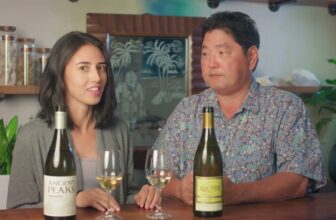
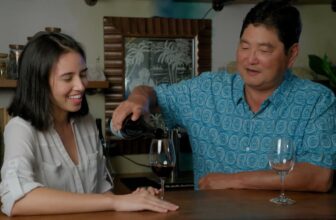
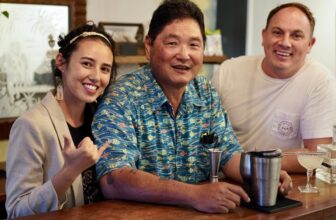
In this episode of Chuck Furuya Uncorked, Chuck is joined by Sang Moon, sommelier at the Pacific Club in Honolulu, along with Kale, Ariana Suchia, and Taro Kurobe.
The episode begins with a blind tasting, but not the intimidating kind. Sang is not asked to identify the grape, vintage, soil, or producer. Instead, Chuck asks him to break down the wine the way a professional would when deciding whether it belongs on a wine list.
From there, the conversation opens into orange wine, natural wine, winter braised dishes, Sang’s culinary background, the Pacific Club, virtual wine tastings during the pandemic, Saxum’s James Berry Vineyard, and the deeper meaning of WineSpeak.
The result is a practical and personal episode about how sommeliers think, taste, serve, and grow.
Who Is Sang Moon?
Sang Moon is introduced as the sommelier at the Pacific Club in Honolulu, Hawaii.
Chuck describes him as someone who studies, tastes, and has real professional ability. Sang is not only a wine person; he also has a culinary background, which becomes important throughout the episode.
That background allows him to think about wine and food together. He does not only describe wine in abstract tasting-note language. He connects wine to cooking technique, texture, seasoning, fat, bitterness, sesame oil, herbs, smoke, seafood, and braised meats.
That makes his perspective especially useful.
He tastes like someone who understands the kitchen and the dining room.
Blind Tasting Without the Pressure
The blind tasting in this episode is not about proving that Sang can name the wine.
Chuck makes that clear.
The goal is not to identify the grape, producer, soil, or vintage. The goal is to show viewers a method for evaluating wine.
That is a much more useful approach for most people.
When you taste blind, you remove label bias. You are not reacting to a brand, price, reputation, or grape variety. You are reacting to the wine’s actual character.
Chuck wants viewers to learn language they can use in a store or restaurant. Instead of saying, “I like this bottle,” they can say something more specific:
dry or off-dry;
light or full-bodied;
high acid or low acid;
mineral or fruit-driven;
oaked or unoaked;
simple or complex;
refreshing or rich;
better with seafood or better with braised meat.
That language helps people buy better wine.
The Wine in the Blind Tasting
Sang begins by smelling the wine and notices ripe citrus, savory tones, apricot-like fruit, and a fleshy quality. He also notices that the wine is not dominated by oak. It feels more subtle, shy, fresh, stony, and mineral.
On the palate, he finds the wine lively, bright, fresh, and smooth.
Chuck then helps structure the tasting for viewers. He asks Sang to evaluate dryness, body, acidity, oak, intensity, minerality, and price.
That breakdown becomes the educational heart of the first section.
The wine is dry.
It is light to medium in body.
It has medium-plus acidity.
It is mineral-driven.
It does not show obvious oak.
It has freshness and energy.
And it has more intensity and concentration than its weight might suggest.
That last point is important.
A wine can be intense without being heavy.
Intensity Without Heaviness
Chuck emphasizes that this wine has impressive concentration, but not heaviness.
That is one of the most useful wine ideas in the episode.
Some wines are powerful because they are big, ripe, alcoholic, oaky, or full-bodied. Other wines have intensity because of vineyard character, minerality, acidity, old vines, and careful winemaking.
This wine belongs more to the second category.
It is not loud.
It is not heavy.
But it has length, shape, and a lingering mineral finish.
Sang notes a chalky, wet-stone, briny quality on the palate. Chuck agrees and adds that the wine has complexity from the vineyard rather than just simple grape flavor.
That makes the wine feel more serious than a basic $15 white.
The Reveal: Pouilly-Fumé Régis Minet Vieilles Vignes
The wine is revealed as Pouilly-Fumé Régis Minet Vieilles Vignes.
Pouilly-Fumé is an appellation in the central vineyards of the Loire Valley in France. The grape is Sauvignon Blanc.
This is important because many people think of Sauvignon Blanc through the lens of New Zealand: passion fruit, grapefruit, kiwi, melon, or strongly primary fruit aromas.
This wine is different.
Chuck describes it as more of a wine of soil and vineyard than a wine of grape variety. It is still Sauvignon Blanc, but the expression is shaped by place.
Pouilly-Fumé can show minerality, citrus, smoke, stone, and structure in a way that feels very different from fruit-forward Sauvignon Blanc.
Why Pouilly-Fumé Is Different
Chuck explains that Pouilly-Fumé is difficult to reduce to one soil type.
The area includes a collision of soils: marl, limestone, sandstone, gravel, clay, sand, and other geological elements. Each producer and vineyard can show a different mix.
That matters because the wine’s mineral personality is not generic.
It is tied to place.
Chuck even has a piece of fossilized vineyard stone from the estate, described as a predecessor of the nautilus, showing the calcareous and sea-influenced limestone character of the soils.
That physical connection between stone and wine makes the tasting more concrete.
The minerality is not just a poetic word.
It comes from a real landscape.
Food Pairing for Mineral Sauvignon Blanc
Sang suggests lighter seafood.
He mentions sashimi and simple poke, especially ahi poke prepared with Hawaiian sea salt and limu, or seaweed.
That makes sense.
The wine’s acidity acts like a squeeze of lemon. Its mineral and briny qualities connect with ocean flavors. Its light-to-medium body keeps it from overpowering delicate fish.
Chuck explains this in practical terms: when a wine has medium-plus acidity, think of places where you might use lemon.
That is a simple pairing rule viewers can actually use.
If a dish would benefit from lemon, a crisp, mineral white wine may work.
Orange Wine: What It Means
Chuck then asks Sang about orange wine.
Sang defines it simply: orange wine is white wine made with extended skin contact.
That is the clearest starting point.
White wines are usually made by pressing the juice away from the skins early. Orange wines do the opposite. They allow the juice to remain in contact with the skins, extracting more flavor, color, texture, phenolics, bitterness, and savory character.
Sang points to Matthiasson Ribolla Gialla as an example that can help people understand the style.
Ribolla Gialla is a grape associated with northeastern Italy and Slovenia, and it has become one of the classic varieties for skin-contact white wines.
Orange Wine and Asian Food
Sang sees strong food-pairing opportunities for orange wine, especially with Asian cuisines.
He mentions Korean food, dim sum, and kimbap. These foods can include vinegar, spice, sesame oil, pork, ground beef, garlic, vegetables, and savory-sweet components.
That is where orange wine can become useful.
The skin contact gives the wine more texture and savory depth than many normal white wines. It can handle sesame oil, high-heat wok flavors, and richer food better than a simple crisp white.
Chuck asks about the bitterness that comes from extended skin contact.
Sang’s answer is smart: the bitterness in the wine can work with the bitterness or char from high-heat cooking. The bitter elements can sometimes cancel or balance each other, creating a sweeter or more complete impression in the food.
That is a chef’s way of thinking.
Natural Wine: Does the Label Matter?
Chuck also asks Sang about natural wine.
Sang does not get caught up in the debate. He says that, at the end of the day, people should buy and drink what they like.
He compares the term to organic labeling. Some producers choose certification and marketing language, and some do not.
For Sang, the key question is not whether a bottle is called natural.
The key question is whether it tastes good and whether he can stand behind it.
That is a very practical sommelier answer.
Wine programs cannot be built on trend words alone. The wine has to work in the glass, with food, for guests, and for the context of the list.
Winter Wines and Braised Dishes
The next viewer question is about winter cooking, especially stewed and braised foods such as braised lamb shank.
Sang says that with stewed and braised foods, he often thinks first of red wine. But he does not jump immediately to the heaviest possible bottle.
For lamb, he suggests Rioja, made from Tempranillo. Northern Spain has a strong lamb culture, and Rioja can bring a sweet-and-sour, savory, lighter-textured red-wine profile that works well with braised meat.
He also mentions that Cabernet Sauvignon can work, especially if it is lighter in texture or older. Older Cabernet can have softened tannins and developed savory notes that pair beautifully with tender braised meat.
The lesson is that braised food wants depth, but not always brute force.
Other Red Wine Ideas for Braised Meat
Chuck adds other possibilities, including Bandol and Alto Piemonte.
Alto Piemonte, with Nebbiolo-based wines that can be more approachable than Barolo or Barbaresco, offers savory character, structure, and aromatic complexity.
Sang also mentions Château Simone from Palette in Provence, a long-established estate with an iconic reputation.
For Languedoc wines, Sang describes them in musical terms as more soul or R&B than rock and roll. They can be smooth, funky, savory, and expressive without becoming harsh.
This is another reminder that winter wines do not have to be giant.
They need to match the dish’s texture, herbs, fat, and depth.
Sang Moon’s Culinary Background
In the second half of the episode, Ariana and Taro speak with Sang about his background.
Sang started working in kitchens in high school because he needed money for katsu plates and movies. He began as a dishwasher at a jazz bar and gradually fell into cooking.
At one point, he thought he might study music and conducting, but cooking spoke to him.
He liked creating something and watching people respond immediately. That sense of instant gratification is one of the emotional roots of hospitality.
Eventually, he went to the Culinary Institute of America in Hyde Park, New York.
That training shaped the way he tastes wine today.
How Cooking Helps Wine Tasting
Ariana asks whether working in the kitchen helps Sang describe wines.
He says yes.
Cooking teaches you how ingredients smell and taste. You learn the difference between thyme, bay leaf, tarragon, chervil, herbs, sweetness, bitterness, smoke, char, and texture.
That sensory memory becomes useful when tasting wine.
This is why chefs and cooks can sometimes have unusually specific wine descriptors. They are not inventing language from nowhere. They are drawing from real kitchen experience.
Sang’s culinary background gives him a broader vocabulary and a more food-connected way of tasting.
From Kitchen to Front of House
After the CIA, Sang worked in San Francisco and later with chef Chris Kajioka as part of the opening team at Maru.
He began in the kitchen, then transitioned into front-of-house roles.
That move was nerve-wracking. Sang had cooked for years, but front-of-house required a different kind of personality and confidence.
He credits mentorship, including opportunities from Alan Murray, with helping him learn how to move through the dining room, talk to guests, and develop finesse on the floor.
That transition matters because a sommelier is not only a taster.
A sommelier is a communicator.
The Pacific Club Legacy
Taro and Sang are connected through the Pacific Club.
Taro previously served as sommelier there and passed the baton to Sang. The Pacific Club has a long history with serious wine people, including Kevin Toyama, Marvin Chang, Elton Nichols, and others.
That makes Sang’s role part of a larger legacy.
The Pacific Club is also a place where relationships matter deeply. Taro explains that members become more than guests. They become like family. They support staff, follow their growth, and stay connected even after someone leaves.
Sang says he was surprised by how kind and supportive the members were. He expected to have to battle a little, but instead found inclusiveness and care.
That is a powerful hospitality environment.
Virtual Tastings and Pandemic Creativity
The pandemic forced restaurants and clubs to adapt.
Sang talks about how the Pacific Club used small glass bottles, argon gas, and virtual tasting formats to keep members engaged.
The idea came from seeing tasting samples in glass bottles and realizing they could be used creatively for member wine experiences.
He began offering virtual tastings, tasting flights, and even customized private tastings for members based on their preferences.
This is a great example of hospitality beyond the dining room.
When people could not gather normally, Sang and the team found a way to bring wine, education, and connection to members at home.
That kind of pivot requires creativity and care.
Hospitality as Support
Sang says something important: when people dine out, they give power and support to the staff.
That is a generous way to frame hospitality.
Guests are not just consuming. They are supporting people, businesses, local economies, and the craft of service.
In the context of the Pacific Club, members gave that support to staff, and the staff responded by working hard to stay connected and useful.
This is one of the quiet emotional themes of the episode.
Wine is not only about bottles.
It is about relationships.
Taro’s Special Bottle: Saxum James Berry Vineyard 2006
Later in the episode, Taro brings a special bottle: Saxum James Berry Vineyard 2006.
Saxum is an iconic Paso Robles producer, and James Berry Vineyard is one of the most important vineyards associated with the estate.
The wine is a Rhône-style blend, often described in terms of GSM: Grenache, Syrah, and Mourvèdre. This 2006 version includes a strong Syrah component.
For Taro, the bottle is not only important because of the producer. It is tied to memory.
He connects Saxum with WineSpeak, vineyard visits, friendship, education, and the experience of walking James Berry Vineyard with Justin Smith.
What Saxum James Berry Tastes Like
Sang describes the 2006 Saxum as still youthful and vibrant.
The tension has softened with age, but the wine remains alive. He notes meaty, salumi-like qualities, black pepper, deep savory character, purple fruit, cocoa, purple flowers, dried lavender, and possible stem-inclusion greenness.
Ariana also notices the savory vineyard component beneath the wine’s richness.
This is not just a big New World red.
It has fruit, but also meatiness, herbs, spice, minerality, and a sense of place.
That is why the wine is meaningful to the group.
It carries both flavor and memory.
Food Pairing for Saxum
For food, Sang and Ariana think of heartier lamb dishes.
The wine’s savory, peppery, meaty, herbal profile would work with lamb seasoned with rosemary, thyme, and dried herbs. Braised meats would also make sense.
The wine has enough depth for rich food, but also enough savory and herbal complexity to connect with Mediterranean-style preparations.
This is a bottle for serious food, not just casual sipping.
It wants herbs, fat, meat, and warmth.
WineSpeak and the Power of Wine Community
The Saxum bottle leads into memories of WineSpeak, Chuck’s wine event in Paso Robles.
For Sang and Taro, WineSpeak was life-changing.
They describe the event as a place where passionate people came together: sommeliers, winemakers, collectors, mentors, and friends. The learning happened in formal seminars, but also after hours.
That after-hours part is important.
Ariana talks about sitting around with people, eating In-N-Out, talking story, asking questions, and only later realizing that the person across from you might be an iconic winemaker.
That is where wine community becomes real.
Not only in lectures.
In conversations.
Lionel Faury and After-Hours Magic
Sang shares a memory involving Lionel Faury, a respected winemaker from the Northern Rhône.
At first, Sang did not realize who he was sitting next to. Later, after learning his identity, they shared conversation, humor, and even an offered bite of an In-N-Out burger.
That kind of story captures the charm of WineSpeak.
Wine can seem formal from the outside, but the real magic often happens when barriers come down. People talk about music, food, opera, burgers, vineyards, and life.
Those moments create lasting bonds.
They also make wine feel human.
Why WineSpeak Matters
Taro describes WineSpeak as inspiring, educational, and deeply memorable.
It involved early mornings, hard work, setting up seminars, tasting, meeting winemakers, and experiencing the hospitality of Atascadero and Paso Robles.
He emphasizes the camaraderie.
That is what stays with people.
WineSpeak was not only about drinking rare bottles. It was about being in a community where people cared deeply about craft, place, hospitality, and each other.
Those memories become part of the wine itself.
When Taro opens Saxum years later, he is not only opening a bottle. He is opening a memory.
Final Takeaway
This episode moves from technical tasting to personal memory, and that is what makes it valuable.
Sang Moon shows how a professional can break down a wine without turning tasting into a guessing game. He explains dryness, body, acidity, minerality, oak, intensity, food pairing, orange wine, natural wine, and braised dish pairings in a way that feels practical and grounded.
Then the conversation shows the human side of wine: culinary school, mentorship, Pacific Club members, pandemic creativity, Saxum, James Berry Vineyard, WineSpeak, and friendships formed through shared bottles.
The biggest lesson is simple:
Wine is both sensory and social.
You can study it through acidity, texture, minerality, and structure.
You can also understand it through people, meals, memories, and community.
The best wine experiences usually include both.
FAQ
Who is Sang Moon?
Sang Moon is the sommelier at the Pacific Club in Honolulu and has a culinary background from the Culinary Institute of America.
What is the blind tasting about?
The blind tasting is not about guessing the wine. It is about learning how to describe wine professionally by evaluating dryness, body, acidity, minerality, oak, intensity, and food pairing.
What wine is revealed in the blind tasting?
The wine is Pouilly-Fumé Régis Minet Vieilles Vignes, a Sauvignon Blanc from the Loire Valley in France.
What does Pouilly-Fumé taste like?
In this episode, it shows ripe citrus, apricot, minerality, wet stone, briny notes, freshness, and medium-plus acidity.
What foods pair with Pouilly-Fumé?
Sang suggests lighter seafood, sashimi, and simple ahi poke with sea salt and limu.
What is orange wine?
Orange wine is white wine made with extended skin contact, giving it more color, texture, savoriness, and sometimes bitterness.
What foods can pair with orange wine?
Sang suggests Asian dishes such as dim sum, kimbap, sesame oil-based foods, pork, ground beef, garlic, and high-heat wok cooking.
What does Sang think about natural wine?
He focuses less on the label and more on whether the wine tastes good and whether he can support it.
What wines pair with braised lamb?
Sang suggests Rioja, lighter Cabernet, older Cabernet, and savory reds with enough structure but not too much heaviness.
What is Saxum James Berry Vineyard?
It is an iconic Paso Robles Rhône-style blend associated with Saxum and James Berry Vineyard.
What food pairs with Saxum James Berry Vineyard?
The group suggests lamb, braised meats, rosemary, thyme, dried herbs, and heartier savory dishes.
What is the biggest lesson from this episode?
The biggest lesson is that wine can be understood through both professional tasting structure and human connection. Good wine is about flavor, food, service, memory, and community.


Can you explain more about what exactly orange wine is? I'm curious about the skin contact process.
I think orange wine is made by leaving the skins on for longer, right? It sounds interesting!
Yes, that's correct! Orange wine is white wine made with extended skin contact, which extracts more flavor and texture from the skins.
I recently tried a Pouilly-Fumé, and I was surprised by the minerality. It's so different from the fruity Sauvignon Blancs I’m used to.
I had a similar experience! The complexity really stood out for me.
How does the tasting of Pouilly-Fumé compare to other Sauvignon Blancs from New Zealand? I usually prefer those for their fruit-forwardness.
Great point! Pouilly-Fumé tends to emphasize minerality and complexity linked to its terroir, setting it apart from the fruitier styles often seen from New Zealand.
I think Pouilly-Fumé offers more depth. It's less about the fruit and more about the soil, which can be refreshing.
Sang's approach to tasting is so practical. I appreciate the focus on evaluating wines without the label bias.
I don’t agree with the idea that blind tasting is the best method. Knowing the label can enhance the experience for some people.
That's an interesting take! I think it depends on what you’re aiming for in the tasting.
It's true that personal preferences vary! Some people find comfort in familiar labels, while others enjoy exploring without bias.