
Some drinks are made to hide their origin.
Others are made to reveal it.
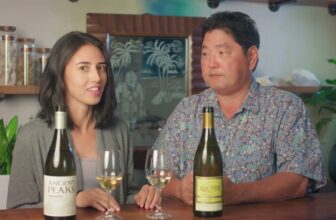
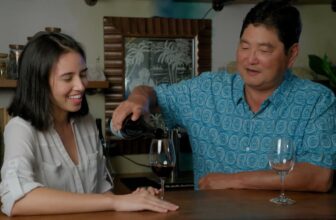
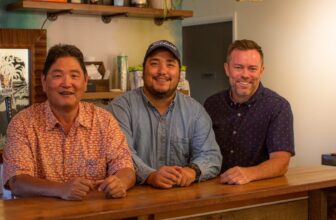
In this episode of Chuck Furuya Uncorked, Chuck and Ariana are joined by Kyle Reutner of Kō Hana Rum for a conversation about rum, Hawaiian agriculture, sugarcane, local wine, sense of place, and two surprising value-driven wines tasted blind.
The episode begins with a simple classic daiquiri made from Kō Hana rum, local lime juice, and simple syrup. From there, the conversation opens into much bigger ideas:
- why Kō Hana uses fresh sugarcane juice instead of molasses;
- how heirloom Hawaiian kō carries cultural memory;
- why intention matters in wine, rum, and agriculture;
- what makes Ulupalakua Vineyards rosé uniquely Hawaiian;
- why Hawaii’s AVA recognition matters;
- how Nicole Chanrion makes a mineral, handcrafted sparkling wine from Beaujolais;
- and why Michel Brégeon Muscadet can be one of the great seafood wines for the money.
The biggest lesson is simple:
A great drink is not only about flavor.
It is about people, plants, place, purpose, and care.
The Classic Daiquiri
Kyle begins the episode by making a classic daiquiri.
The drink has only three ingredients:
- Kō Hana Hawaiian agricole-style rum;
- fresh lime juice;
- simple syrup.
There is nowhere to hide in a drink like this.
The rum has to be good.
The lime has to be fresh.
The sugar has to balance the acidity.
Kyle uses three-quarters of an ounce of simple syrup, three-quarters of an ounce of lime juice, and two ounces of rum. The drink is shaken hard, double-strained, and served without garnish because, as Kyle jokes, it will be drunk too quickly.
That is the beauty of a daiquiri.
It is simple, but it is not basic.
Why the Daiquiri Works
Chuck immediately connects the lime juice to one of his favorite wine-and-food ideas.
Lime in a daiquiri works the way lemon works on fish.
It does not cover the main ingredient.
It lifts it.
The lime cuts, refreshes, and brightens the rum without taking away from its quality.
That is why a good daiquiri is such a clear test of rum. If the rum is ordinary, the drink has nothing special to show. If the rum has real aroma and character, the cocktail becomes alive.
Ariana calls it dangerous because it is smooth, flavorful, refreshing, and easy to drink.
That is exactly what a classic daiquiri should be.
Local Ingredients and Local Deliciousness
Kyle uses lime juice from MAʻO Farms on the Waiʻanae side.
That matters because the drink is not just a generic rum sour. It is built from local ingredients with local agricultural meaning.
Local lime.
Local cane.
Local rum.
Local people.
The drink becomes a small expression of place.
That idea runs through the whole episode. Whether the subject is rum, Maui wine, Hawaiian sugarcane, or Muscadet from the Loire, the question keeps coming back:
Where did this come from, and who made it?
Ulupalakua Maui Rosé
Kyle also brings a wine: Ulupalakua Vineyards Maui County Rosé 2020, with only 146 cases produced.
Ariana is excited because Hawaii is beginning to be recognized more seriously in terms of wine geography and agricultural identity. The discussion moves into the idea of AVA, or American Viticultural Area, and why official recognition matters.
The wine itself is described as pretty, lightly fragrant, delicate, nuanced, refreshing, and not simply full of obvious strawberry or cherry fruit.
It has a different kind of savoriness and a hint of salinity that makes it easy to return to.
That makes it especially interesting because Maui is warm, and making a light, restrained, refreshing rosé in Hawaii is not simple.
Why Hawaii AVA Recognition Matters
The conversation around Hawaii’s AVA is bigger than wine.
Chuck and Ariana connect it to the idea of recognizing place-specific agriculture more broadly.
If Napa Valley can be recognized for wine, and France can recognize regions for cheese, then Hawaii can also think more deeply about what makes its agricultural products unique.
That can include:
- wine;
- rum;
- coffee;
- tea;
- onions;
- pineapple;
- sugarcane;
- tobacco;
- sake;
- and other local products.
The idea is not only marketing.
It is about understanding how soil, wind, sun, elevation, drainage, culture, and farming create something specific.
The Kula Onion Example
Chuck uses the Kula onion as an example.
There is something about Kula, Maui, that makes the onion special. Neighboring areas may grow onions, but they are not the same.
That is terroir in plain language.
It is not only a wine idea.
It can apply to many crops.
For Hawaii, this way of thinking can be powerful because the islands have so many microclimates, elevations, soil types, and cultural farming traditions.
That is why the Ulupalakua rosé matters.
It is not trying to be Napa, Provence, Burgundy, or anywhere else.
It is trying to be Hawaii.
The Challenge of Growing Wine Grapes in Hawaii
Chuck explains that Hawaii is not naturally set up to grow world-class wine grapes easily.
There are major challenges:
- no true vine dormancy;
- tropical disease pressure;
- pests;
- birds;
- heat;
- humidity;
- and the difficulty of staying price competitive.
Vines need rest, just as people need sleep. In many classic wine regions, winter dormancy is part of the vine’s cycle. Hawaii does not provide that in the same way.
That makes the Ulupalakua effort more impressive.
The point is not to compare the rosé directly to Provence or Burgundy. The point is to recognize the persistence and intention required to make a uniquely Hawaiian wine.
Paula Hegele and Persistence
Chuck speaks with real admiration about Paula Hegele and the long effort behind Ulupalakua.
He talks about the vineyard being worked for more than four decades under difficult conditions. That kind of perseverance matters.
The wine does not need to be judged as the next famous European estate.
Its value is different.
It is light, pretty, restrained, delicious, and uniquely Hawaiian.
That is enough.
Sometimes the story of persistence is part of what makes the glass meaningful.
Sense of Place and Sense of Purpose
Kyle makes an important point:
It is not only about sense of place.
It is also about sense of purpose.
That applies to Ulupalakua, Kō Hana, and many of the wines Chuck loves.
A producer can ask:
- Why are we making this?
- What are we preserving?
- Who does it support?
- What story does it carry?
- What community does it belong to?
- What are we trying to move forward?
When a bottle has that kind of intention, it becomes more than a beverage.
It becomes a cultural object.
Kō Hana Rum and Hawaiian Kō
The conversation then turns to Kō Hana Rum.
Kyle explains that Kō Hana rests on the plants themselves: heirloom Hawaiian sugarcane, or kō.
These cane varieties have been growing in Hawaii for a very long time. For Kō Hana, the project is not about owning Hawaiian plants or turning culture into branding. It is about stewarding, growing, documenting, and sharing them responsibly.
That distinction matters.
Kyle is clear that listening is a major part of the work.
Listen to distillers.
Listen to historians.
Listen to aunties.
Listen to people who remember where specific cane varieties grew and how they were used.
Dr. Noa Lincoln and Cultural Memory
Kyle talks about working with Dr. Noa Lincoln, who has deep knowledge of Hawaiian kō.
Walking the fields with someone like that changes the way you see the plants. Suddenly, sugarcane is not just a crop.
It has names.
It has colors.
It has uses.
It has stories.
It has cultural meaning.
Ariana brings up one of the stories around different cane varieties used in Hana Aloha ceremony, including the idea of attraction, binding, and bringing love back.
Kyle is careful with the sacredness of those stories, but the point is clear:
These plants carried meaning long before they became part of rum.
Hanai, Family, and Hawaiian Context
One of the most powerful cultural moments in the episode comes through the discussion of hānai.
Kyle explains that in Hawaiian culture, adoption or bringing someone into family could be tied to ceremonial context. Ariana connects with that deeply because she is adopted.
That moment shows why cultural stories matter.
A word like hānai can be used casually in modern Hawaii, but when you understand deeper context, it becomes much more meaningful.
This is part of what Kō Hana tries to preserve:
Not just plants.
The stories around the plants.
Fresh Sugarcane Juice vs Molasses
Technically, the biggest difference between Kō Hana and many rums is the use of fresh sugarcane juice instead of molasses.
Kyle explains it with a strong comparison:
You would not make tequila from agave syrup, and you would not make whiskey from high-fructose corn syrup.
Yet much of rum history is based on molasses, a byproduct of sugar production.
Molasses is easier to store and ship. Historically, it became the base for many rums because it was available as part of the sugar industry.
Kō Hana takes a different path.
It starts with fresh cane juice.
That makes the rum more directly tied to the plant.
Why Fresh Cane Juice Matters
Fresh cane juice changes the spirit.
It carries more direct agricultural character from the cane variety itself. It is more transparent. It gives the distiller less room to hide.
That is one reason wine people often understand Kō Hana quickly.
They already think in terms of variety, place, farming, fermentation, and expression.
A single-varietal cane spirit makes sense to them.
It is similar to asking why one grape variety or vineyard site tastes different from another.
Kō Hana applies that kind of thinking to rum.
Fermenting Dry and Showing Everything
Kyle explains that Kō Hana allows its fermentation to go dry.
That means the sugar is essentially consumed. The base sugarcane wine becomes more acidic and more developed before distillation.
Chuck points out that fermenting dry makes the spirit naked.
Any mistake or impurity can show clearly.
That requires patience and precision.
Kyle agrees.
This is not a rushed industrial process. The details matter, because the spirit is meant to reveal the cane rather than cover flaws with sweetness or heavy manipulation.
Batch Distillation and Careful Cuts
Kō Hana uses batch distillation.
Kyle keeps the explanation brief, but the meaning is important: there is a real start and finish, and people make flavor decisions during the process.
In distillation, producers separate:
- heads;
- hearts;
- and tails.
Kō Hana is very selective about what becomes the final rum. Kyle says they leave a lot behind to make sure the spirit is clean and worthy of the brand.
That is a quality decision.
It costs yield.
But it protects character.
Resting and Aging the Rum
Even Kō Hana’s white spirits rest for at least 90 days.
The aged spirits go into barrel. The white spirits usually rest in stainless steel because even neutral barrels are not truly neutral.
Chuck brings up concrete and amphora as possible aging or resting materials, and Kyle agrees that handcrafted spirits may explore more of that in the future.
The important point is that the spirit is not rushed from still to bottle.
Resting gives it time to settle and integrate.
The Kō Hana Range
Kyle describes several Kō Hana rums.
The main white rum is Kea, the workhorse rum seen in bars and restaurants.
Other products include:
- Koho, a barrel-select style rum;
- Kila, a cask-strength rum;
- Kokoleka, a cacao and honey liqueur;
- and occasional special releases such as Koa, aged in koa wood barrels.
The koa barrel project is especially unusual.
Koa wood is expensive and meaningful in Hawaii, and aging rum in koa creates a spirit with color, texture, and flavors Kyle describes as unlike anything else he has tasted.
Rum with Intention
Chuck compares Kō Hana with much of the global spirits industry.
Many brands are image-driven. They create a story, a celebrity association, a luxury identity, or a lifestyle fantasy to make consumers want to buy.
Kō Hana is different because the intention begins with the plant.
The purpose is homage to the sugarcane varieties, the people who preserved them, and Hawaiian agricultural culture.
That gives the bottle a different kind of weight.
It is not only packaging.
It is stewardship.
Blind Wine One: Nicole Chanrion Effervescence
After the rum conversation, Chuck pours the first wine blind.
Kyle and Ariana taste it without seeing the label.
The wine has fine bubbles, a dry profile, medium-light body, mineral drive, lemony acidity, tart apple, and a long but not heavy finish.
Kyle notices brioche and a touch of old-barrel character. Ariana finds oxidation, nuttiness, lemon pith, and seamless texture.
The wine is later revealed as Nicole Chanrion Effervescence, a sparkling wine from Beaujolais, made from Gamay Noir in the traditional method.
Chuck bought it for around $26 at Our Field Wine Company in Kailua.
For a handcrafted traditional-method sparkling wine in Hawaii, that is serious value.
Why Beaujolais Bubbles Are So Interesting
Most people think of Beaujolais as red wine.
This wine shows another possibility.
It comes from Côte de Brouilly / Beaujolais country, where Gamay grows on granite-influenced soils. Nicole Chanrion is described as a strong, independent, serious grower-producer who makes this sparkling wine because she loves sparkling wine.
It spends around 24 months on the lees, giving it texture and complexity without making it heavy.
The result is refreshing, dry, mineral, lively, and appetite-stimulating.
It works as an aperitif, but it also has enough character for food.
Food Pairings for Nicole Chanrion Effervescence
This sparkling Beaujolais can work with many foods.
Good pairings include:
- salty snacks;
- shellfish;
- shrimp;
- oysters;
- crab;
- fried appetizers;
- charcuterie;
- roast chicken;
- simple seafood;
- summer salads;
- and backyard barbecue starters.
Chuck sees it as a hot-day cooler wine.
It is something to serve cold, pour generously, and use to wake up the palate.
It is not Champagne.
It is not trying to be Champagne.
It is a handcrafted sparkling wine with its own identity and terrific value.
Blind Wine Two: Michel Brégeon Muscadet
The second blind wine is a white wine that is more reticent, mineral, reserved, and intense.
Kyle and Ariana find it mineral-driven, golden in color, less showy on the nose, dry to medium-dry, and full of acidity that makes them want to eat.
Ariana immediately thinks of seafood: fish, scallops, shrimp, or anything that would normally benefit from a squeeze of lemon.
Chuck reveals the wine as Michel Brégeon Muscadet from the western Loire Valley near the Atlantic Ocean.
It comes from soils connected to sand, fossilized ocean shells, and a special green volcanic rock called gabbro.
That gives the wine more nerve, grit, energy, and structure than many simpler Muscadets.
Why Muscadet Is a Great Seafood Wine
Muscadet is one of the classic seafood wines of the world.
It comes from the Atlantic end of the Loire Valley and is famous for salinity, freshness, acidity, and a natural connection with oysters and shellfish.
But Ariana makes an important point: not all Muscadet is equal.
Some can feel bitter, thin, or too severe.
This one has finesse.
It is lean and mineral, but it has enough texture and depth to feel complete.
That is why it is such a useful wine.
It can replace the squeeze of lemon on seafood, but it also brings more complexity.
Michel Brégeon and Gabbro
Chuck speaks about Michel Brégeon as one of the great producers of Muscadet.
He describes him as organic, biodynamic in spirit, and a true vigneron.
The word vigneron can mean winegrower or winemaker, but Chuck gives it a deeper meaning. It is like a code or ethic. It is someone whose identity is tied to farming, place, and responsibility.
Brégeon’s wines are aged on the lees in underground glass-lined tanks, giving complexity and texture without using oak.
His special gabbro soil gives the wines more fortitude, mineral power, and soul.
This is not a flashy wine.
It is a wine with nerve.
Why Value Matters
Both blind wines surprise Kyle and Ariana because of the price.
The Nicole Chanrion sparkling wine tastes like it could cost much more than $26.
The Michel Brégeon Muscadet tastes like it could be in the $20 to $30 range, but Chuck bought it for around $14 at Fujioka’s.
That is one of the practical lessons of the episode.
Value does not always come from the most familiar grapes or the most famous labels.
Sometimes value comes from wines that regular shoppers overlook:
- sparkling Gamay from Beaujolais;
- Muscadet from a great grower;
- small producers;
- old soils;
- honest farming;
- and bottles without massive marketing.
Buying with Intention
Ariana makes a strong point near the end.
During the pandemic, many people became more intentional about buying fresh bread from local bakeries, local produce, and real goods from real people.
Wine can be approached the same way.
Buying better wine is not only about spending more.
It is about knowing who made it, why it matters, and whether your purchase supports real families, farmers, and growers.
That connects perfectly with Kō Hana.
Both the rum and the wines in this episode ask the same question:
Do you want something anonymous, or do you want something with a real person behind it?
Kō Hana Tours and Local Support
Kyle also explains that people can visit Kō Hana for tours.
The experience can include:
- the farm;
- the distillery;
- the barrel house;
- bottling;
- the tasting room;
- and the full story of the rum.
He calls it an adult field trip.
For restaurants and hospitality staff, that matters because it helps them understand what they are serving. Kō Hana is not just a bottle on a back bar. It is a local agricultural and cultural project that can be experienced directly.
That kind of staff education can change how guests understand the product too.
Final Takeaway
This episode with Kyle Reutner is about the connection between beverage and place.
The daiquiri shows how three simple ingredients — Kō Hana rum, lime juice, and sugar — can become something pure, refreshing, and expressive when the base spirit has real character.
The Ulupalakua rosé shows why Hawaii wine matters even if it should not be compared directly to classic wine regions. It is uniquely Hawaiian, delicate, refreshing, and built through persistence under difficult conditions.
The Kō Hana story shows why fresh sugarcane juice, heirloom kō, Dr. Noa Lincoln’s work, cultural listening, dry fermentation, careful distillation, and local stewardship make the rum different from anonymous molasses-based brands.
The Nicole Chanrion Effervescence shows how a traditional-method sparkling Gamay from Beaujolais can deliver mineral freshness, craft, and value.
The Michel Brégeon Muscadet shows how a humble-looking Loire white can be deeply mineral, oceanic, energetic, and perfect with seafood.
The biggest lesson is simple:
The best drinks are not always the loudest, most famous, or most expensive.
They are often the ones with the clearest intention.
A plant.
A place.
A farmer.
A distiller.
A grower.
A story.
And a glass that makes you want to understand where it came from.
FAQ
Who is Kyle Reutner?
Kyle Reutner is part of Kō Hana Rum and appears in this episode to discuss Hawaiian rum, sugarcane, cocktails, local agriculture, and wine.
What cocktail does Kyle make?
Kyle makes a classic daiquiri with Kō Hana rum, lime juice, and simple syrup.
What are the daiquiri proportions in the episode?
He uses three-quarters of an ounce of simple syrup, three-quarters of an ounce of lime juice, and two ounces of rum.
Why does the daiquiri work so well?
The lime juice lifts the rum the way lemon lifts fish, adding brightness without hiding the quality of the spirit.
What wine does Kyle bring?
Kyle brings Ulupalakua Vineyards Maui County Rosé 2020.
Why is Ulupalakua rosé important?
It represents Hawaiian wine, local agriculture, persistence, and the idea that Hawaii can express its own sense of place.
What are the challenges of growing wine grapes in Hawaii?
Hawaii has no true vine dormancy, tropical disease pressure, pests, birds, heat, humidity, and other challenges that make winegrowing difficult.
What makes Kō Hana Rum different?
Kō Hana uses fresh sugarcane juice from heirloom Hawaiian kō rather than molasses.
Why is fresh sugarcane juice important?
Fresh cane juice makes the rum more directly expressive of the cane variety and the place where it was grown.
What is the difference between rum from cane juice and rum from molasses?
Cane-juice rum is made directly from fresh sugarcane juice, while molasses rum is made from a byproduct of sugar production.
What are some Kō Hana products mentioned?
The episode mentions Kea, Koho, Kila, Kokoleka, and special koa-barrel-aged releases.
What is the first blind wine?
The first blind wine is Nicole Chanrion Effervescence, a traditional-method sparkling wine from Beaujolais made from Gamay Noir.
What is the second blind wine?
The second blind wine is Michel Brégeon Muscadet from the western Loire Valley.
Why is Muscadet good with seafood?
Muscadet has acidity, salinity, minerality, and freshness that work like a squeeze of lemon with oysters, shellfish, fish, scallops, and shrimp.
What is the biggest lesson from this episode?
The biggest lesson is that great drinks come from intention, place, agriculture, people, and care — not just branding or price.



I'm curious about the significance of using fresh sugarcane juice in Kō Hana rum vs. molasses. How does that impact the flavor profile?
Good question! I’ve read that using fresh sugarcane juice gives the rum a more vibrant and natural flavor. It's a real game changer compared to the heaviness of molasses.
Absolutely, using fresh sugarcane juice allows the rum to showcase more of its unique terroir and character. It really highlights the nuances in flavor.
I recently tried Kō Hana rum in a daiquiri, and I have to say, it was one of the best drinks I've ever had! The lime and rum balanced so perfectly, and I could really taste the freshness. It felt different from other rums I've tried. Has anyone else had a similar experience?
That's great to hear! Fresh ingredients can transform a simple drink into something exceptional. It's a testament to the quality of Kō Hana rum.
I totally agree! I had the same experience at a local bar. The freshness of the ingredients made all the difference, especially the lime juice. It just elevates the cocktail.
How does the Ulupalakua Rosé compare to other rosés from California or France? Is it really unique enough to stand out?
From what I gathered, the Ulupalakua Rosé has a distinct savoriness and hint of salinity that you don’t usually find in Californian or French wines. It definitely has its own character!
Yes, the Ulupalakua Rosé's unique flavor profile is largely due to Hawaii's distinct terroir, which influences the grape characteristics significantly.