
Sometimes the easiest way to understand wine is not to memorize a region, grape, or producer.
It is to pour the same wine two different ways and taste what changes.
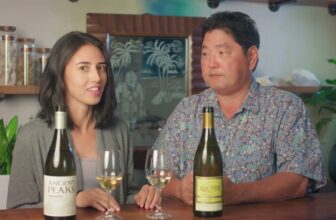
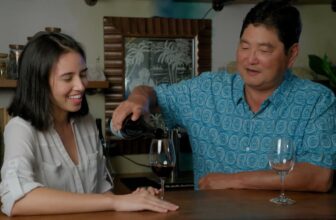
In this episode of Chuck Furuya Uncorked, Ariana Suchia blind tastes two red wines side by side. At first, she believes they are different wines. They have similar traits, but they do not smell or taste the same.
Then Chuck reveals the surprise:
Both glasses are from the same bottle.
The wine is Neyers Roberts Road Pinot Noir 2012. One glass was poured immediately after opening. The other was aerated by being poured back and forth into a decanter many times.
The lesson is simple but powerful:
Air can dramatically change wine.
What This Episode Is About
This episode is a blind tasting exercise, but not the usual kind.
Chuck is not asking Ariana to identify the grape, region, vintage, producer, or soil. Instead, he wants her to work through her tasting methodology so viewers can learn how to think about wine.
The setup is clever.
There are two glasses of red wine. Ariana does not know what they are. She evaluates them by sight, smell, taste, structure, texture, acidity, tannin, fruit, and savory character.
Only after she describes both wines does Chuck reveal that they are the same Pinot Noir.
The difference is oxygen.
One glass is fresh from the bottle.
The other has been intentionally aerated.
Why Sight Matters in Blind Tasting
Ariana begins with the color of the first glass.
She notices that the wine is not black, inky, or purple. It leans more toward ruby red and brick red, with a paler rim and a small hint of burnt orange or rust.
That tells her something.
A deeply purple wine might suggest youth, thicker-skinned grapes, or a more extracted style. A wine with more brick or orange tones may suggest age, certain grape varieties, or a lighter red wine profile.
Chuck explains that sight can give clues.
Based on the color alone, Ariana does not expect the wine to be a heavy, thick-skinned, highly tannic red like Cabernet Sauvignon, Syrah, Malbec, or a big purple wine.
This is a useful first step.
You do not have to guess the wine. You simply begin by noticing what is in front of you.
The First Glass: Freshly Opened
The first glass shows dried aromatics.
Ariana finds dried cranberry, dried red and black currant, dried black cherry, dried flowers, potpourri, warm clay, baked soil, dried leaves, bay leaf, dried sage, and thyme.
The fruit is not jammy.
It is not sweet.
It is not blue-fruited.
It feels more mature, savory, and earthy.
On the palate, the first thing she notices is texture. The wine feels silky and smooth. It is dry, medium to medium-plus in body, with medium-plus acidity and smooth, long tannins.
Chuck adds that the wine has a savory component: saddle leather, sandalwood, autumn leaves, and non-fruit complexity.
This is not a fruit-bomb red.
It is a savory, textural, elegant wine.
The Role of Savory Character
One of the key words in this tasting is savory.
Savory wines are not only about fruit. They may show earth, herbs, leather, spice, dried leaves, tobacco, mushroom, sandalwood, clay, or other non-fruit notes.
Ariana picks up many of these elements in the first glass.
Chuck emphasizes that this wine is more savory than fruit-driven.
That is especially common in certain Pinot Noirs, older reds, and wines made in a more restrained or site-driven style.
Savory character often makes a wine better with food. It can connect with herbs, mushrooms, roasted poultry, pork, duck, lamb, earthy vegetables, and dishes with umami.
The Second Glass: More Air, More Expression
When Ariana moves to the second glass, she sees a similar color profile.
It is still ruby rather than purple. It has a pale brick-red rim and a slightly more concentrated center.
On the nose, she again finds dried and savory elements, but the profile feels different. It has more autumn leaves, more savory cooking-spice character, and a Mediterranean-like seasoning quality.
On the palate, the second wine feels slightly fuller, a little more mellow in acidity, and a bit chewier in tannin.
Ariana thinks the two glasses share traits but are clearly different.
That is exactly what makes the reveal so effective.
The Reveal: Same Wine, Different Air
Chuck then reveals that both glasses are the same wine: Neyers Roberts Road Pinot Noir 2012.
The difference is how they were poured.
The first glass was poured immediately after opening the bottle.
The second glass was aggressively aerated. Chuck poured it back and forth into a decanter many times, introducing oxygen and waking the wine up.
That simple act changed the wine enough that Ariana thought she was tasting two different bottles.
This is the whole point of the episode.
Decanting can change aroma, texture, flavor, and overall expression.
What Decanting Does
Decanting introduces oxygen to wine.
That oxygen can help a closed or sleeping wine open up. Aromas become more expressive. Savory notes may become clearer. Fruit may appear more integrated. Harsh edges can soften. Texture can become more generous.
Chuck describes the wine as sleeping.
Aeration wakes it up.
This is especially useful for young wines, wines made with less intervention, wines that are unfined or unfiltered, and wines that are a little closed when first opened.
Not every wine needs decanting.
But when a wine does need air, the difference can be dramatic.
Why the Same Wine Can Taste Different
Wine is not static.
It changes after the cork is pulled.
It changes in the glass.
It changes with air.
It changes with temperature.
It changes with time.
That is why two pours from the same bottle can seem different if one receives more oxygen than the other.
In this episode, the aerated glass shows more openness and expression. The first glass is still good, but more reserved. The second glass shows what the wine can become with more air.
That does not mean one is always better.
It means the wine has stages.
You can enjoy it at different points in its evolution.
When Should You Decant Wine?
Ariana asks the natural question: when should you decant?
Chuck does not give a fixed rule because every wine is different.
He says he decides by smell and experience. Just as winemakers know when to rack barrels based on how a wine feels and smells, an experienced wine person can sense when a bottle needs oxygen.
For home drinkers, the practical lesson is simpler.
If you open a wine and it feels closed, muted, tight, awkward, or less expressive than expected, do not immediately give up on it.
Try giving it air.
Pour it into a decanter.
Swirl it.
Let it sit.
Taste it again.
Sometimes the wine is not bad. It is just not awake yet.
Young Wines Often Need Air
Chuck especially mentions younger wines.
Young wines can be tightly wound. Their aromas may be hidden. Their tannins may feel firmer. Their savory or mineral notes may not show clearly at first.
Air can help.
For wines in the $25 to $35 and up range, especially more serious reds, decanting can be a useful tool. These bottles may have more structure, less immediate fruit, or more depth that needs time to unfold.
A simple decanter can help reveal what is inside the bottle.
You do not need expensive equipment.
You just need a vessel that gives the wine more contact with air.
You Do Not Need a Fancy Decanter
Chuck makes the point that decanters do not have to be expensive.
A basic decanter may cost around twenty dollars. Even older simple glass decanters can work.
The goal is not luxury presentation.
The goal is surface area and oxygen.
Pouring wine into a wider vessel gives it more contact with air than leaving it in a narrow bottle. Pouring it back and forth increases the oxygen exposure even more.
That is what Chuck did in the episode.
He did not use magic.
He used air.
The “Glug-Glug” Method
Chuck demonstrates a more active aeration method: pouring the wine back and forth between vessels.
He describes it as “glug-glugging” the wine.
This is not delicate restaurant decanting for an old, fragile bottle. This is active aeration for a wine that can handle oxygen and needs to wake up.
That distinction matters.
Young or sturdy wines can often benefit from energetic aeration.
Older, fragile wines may need a much gentler approach.
The Neyers Pinot Noir in this episode was strong enough to handle air and open up beautifully.
Surface Area and Aroma
Chuck also explains why swirling and aeration change aroma.
When you swirl a glass, wine coats the inside of the bowl. This creates more surface area. Alcohol begins to evaporate, and many aroma compounds move with the alcohol.
That is why swirling helps you smell more.
Decanting creates even more surface area and more oxygen contact.
By pouring the wine back and forth, Chuck released more aromatic character from the wine. The second glass became more expressive because it had more opportunity to breathe.
This is the science behind the experience.
More air can mean more aroma.
Do White Wines Need Decanting?
The episode focuses on red wine, but Ariana asks whether decanting applies only to reds.
Chuck does not give a rigid rule because every wine is different.
In general, some white wines can benefit from air too, especially serious, textured, young, mineral, or barrel-aged whites. But many everyday whites are meant to be opened and enjoyed fresh.
The larger principle is the same:
Taste the wine.
If it feels closed or muted, give it some air and see what happens.
Decanting is not a law.
It is a tool.
Decanting Older Wines
Ariana also mentions older wines.
Older wines can be decanted for a different reason: sediment.
As red wines age, sediment can form in the bottle. Decanting can help separate the clear wine from the sediment.
But older wines can also be fragile. Too much oxygen can cause them to fade quickly.
That is why older wines require more care.
Young wines may need air to open up.
Older wines may need careful decanting to remove sediment while preserving delicate aromas.
The same tool can serve different purposes depending on the wine.
What This Teaches Home Wine Drinkers
The most practical lesson is this:
Before you decide a wine is disappointing, try giving it air.
If the wine smells closed, tight, muted, reductive, or less expressive than expected, decant it.
If you do not have a decanter, pour it into another clean glass vessel.
Swirl it.
Let it sit.
Taste it after 15 minutes, 30 minutes, or an hour.
You may discover that the wine changes completely.
That is especially useful when opening wines that are young, serious, minimally handled, or more savory than fruity.
Same Bottle, Two Experiences
Ariana says the experiment shows two different times to enjoy the same wine.
That is a beautiful way to understand it.
The freshly opened glass gives one version of the bottle: tighter, more reserved, perhaps more delicate.
The aerated glass gives another version: more open, more expressive, more savory, and more developed.
Both can be enjoyable.
They are just different.
Decanting gives you a way to choose which version you want.
Why This Matters for Pinot Noir
Pinot Noir is often aromatic and delicate, but it can also be closed when first opened.
A serious Pinot Noir may need air to show its full range: red fruit, dried flowers, forest floor, spice, herbs, sandalwood, leather, earth, and silky texture.
The Neyers Roberts Road Pinot Noir in this episode shows exactly that.
Without air, it is already silky and savory.
With air, it becomes more expressive and more complex.
That makes Pinot Noir a useful wine for learning the effects of aeration.
Food Pairing Ideas
Although the episode is mainly about decanting, the wine’s profile suggests many food pairings.
A savory Pinot Noir with dried cranberry, autumn leaves, sandalwood, sage, bay leaf, leather, and silky texture can work with:
roast chicken;
duck;
mushroom dishes;
pork tenderloin;
herb-roasted turkey;
salmon;
lentils;
roasted root vegetables;
earthy grain dishes;
and charcuterie.
If the wine becomes more open with air, it may handle richer or more savory dishes even better.
Decanting can therefore affect not only how the wine tastes alone, but how it works with food.
Final Takeaway
This episode gives one of the simplest and most useful wine lessons:
Air changes wine.
Ariana tastes two glasses and believes they are different wines. Chuck reveals they are the same Neyers Roberts Road Pinot Noir 2012, with one glass poured fresh and the other aerated through repeated decanting.
The difference is dramatic.
The fresh pour is silky, dry, savory, red-fruited, earthy, and elegant.
The aerated pour becomes more open, fuller, more savory, and more expressive.
For home drinkers, the lesson is practical.
Buy a simple decanter.
Use it when a wine feels closed.
Give young red wines a chance to wake up.
Do not judge too quickly.
Sometimes a wine does not need to be replaced.
It just needs air.
FAQ
What is this episode about?
This episode shows how decanting and aeration can change wine by comparing two glasses from the same bottle.
What wine is used in the tasting?
The wine is Neyers Roberts Road Pinot Noir 2012.
Why did the two glasses taste different?
One glass was poured immediately after opening, while the other was aerated by being poured back and forth into a decanter many times.
What does decanting do to wine?
Decanting introduces oxygen, which can help a closed wine open up and show more aroma, texture, and complexity.
Do all wines need to be decanted?
No. Every wine is different. Some wines benefit from air, while others are ready to drink immediately.
When should you decant a wine?
Decant when a wine feels closed, muted, tight, awkward, or less expressive than expected.
Is decanting only for red wine?
No. Some white wines can also benefit from air, though the episode focuses on red wine.
Why decant older wines?
Older wines are often decanted to separate the wine from sediment, but they must be handled gently because they can be fragile.
Why decant younger wines?
Younger wines can be tight or closed. Air can help them become more aromatic and expressive.
Do you need an expensive decanter?
No. A simple decanter or clean glass vessel can work. The point is to expose the wine to air.
What does “letting wine breathe” mean?
It means allowing wine to interact with oxygen so its aromas and flavors can open up.
What is the biggest lesson from this episode?
The biggest lesson is that before judging a wine too quickly, give it air. The same bottle can taste dramatically different after aeration.




What exactly happens to the flavors when you decant? I’ve heard it helps, but I'm curious about the science behind it!
Great question! I think it’s mostly about how oxygen interacts with the wine. It opens up the aromas and can really change the taste profile.
Absolutely! Decanting allows oxygen to soften tannins and enhance aromatic compounds, making the wine more expressive.
I tried decanting a bottle of Pinot Noir the other night after watching a similar video. The difference was astonishing! The first glass was okay, but after aerating it, the flavors really came alive—much more complex and vibrant. Highly recommend trying it if you haven’t!
I’m glad to hear that! I always thought it was just a fancy ritual, but it sounds like it really makes a difference.
It can be quite impactful! Many wines, especially younger reds, benefit from some air. It's a simple way to enhance your tasting experience.
Does the type of decanter matter, or can you just use any glass container?
Exactly! The key is to increase surface area. A simple glass or even a pitcher can do the trick.
From what I've read, you don’t need a fancy decanter. Any wide vessel should work to get more oxygen in.