
Opening sparkling wine should feel festive, not dangerous.
A bottle of bubbly can start a celebration, mark a holiday, or turn an ordinary evening into something more fun. But sparkling wine is also under serious pressure, and that means it needs to be opened with care.
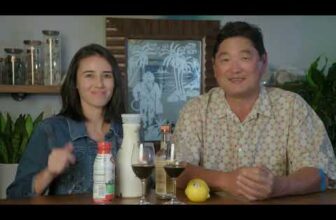
In this episode of Chuck Furuya Uncorked, Ariana Suchia is joined by Chris Ramelb for a simple tutorial on how to open sparkling wine safely. The bottle used for the demonstration is Maui Wine Lokelani Rosé, a local Hawaii sparkling wine made from Chardonnay and Pinot Noir, with grapes sourced from Anderson Valley in California and the wine bottled locally on Maui.
The lesson is straightforward:
Keep the bottle cold.
Control the cork.
Never point it at anyone.
And aim for a quiet release, not a dramatic explosion.
The Wine: Maui Wine Lokelani Rosé
The sparkling wine featured in this tutorial is Lokelani Rosé from Maui Wine.
Ariana describes it as one of her favorite wines and a consistent crowd pleaser. It is made from Chardonnay and Pinot Noir, with the grapes transparently sourced from Anderson Valley, California, a region known for high-quality sparkling wine grapes.
The wine is then bottled locally on Maui.
That local connection matters. Ariana and Chris point out that Maui Wine is transparent about where the fruit comes from and committed to supporting local jobs through the bottling and production process on Maui.
Lokelani also spends around 18 months on the lees, which can help add texture and complexity to the wine.
So while the episode is mainly about opening sparkling wine safely, it also gives a nice spotlight to a bottle that feels festive, local, and approachable.
Why Sparkling Wine Safety Matters
Opening sparkling wine is not only about looking cool.
Chris makes that clear early.
A sparkling wine bottle contains significant pressure. Depending on the wine, there can be roughly 70 to 90 pounds per square inch inside the bottle. That is more pressure than many people expect and can be several times higher than what people associate with a normal car tire.
That pressure is what creates the bubbles.
It is also what makes the cork potentially dangerous.
If the cork flies out uncontrolled, it can hit someone, break glass, damage lights, or cause serious injury.
The point is not to be afraid of sparkling wine.
The point is to respect it.
Step One: Chill the Bottle Properly
The first step is simple: keep the bottle cold.
Ariana shows the Lokelani bottle chilled in an ice bucket and reminds viewers that sparkling wine should ideally be kept in the fridge before opening.
Chris explains that chilling helps make the bottle easier and safer to open. A warm bottle is more volatile. The pressure feels more aggressive, the wine is more likely to foam, and the cork can be harder to control.
A cold bottle behaves better.
For home use, keeping a bottle of sparkling wine in the fridge for a couple of days is ideal. That way, you are ready when a celebration appears.
Mondays count.
Tuesdays count.
So do Wednesdays.
Why Temperature Changes the Experience
Temperature affects more than safety.
Chris mentions that when sparkling wine sits in a cool place, the bubbles can feel better integrated into the wine. Whether it is partly perception or partly chemistry, a properly chilled bottle usually drinks better.
The bubbles feel finer.
The wine feels fresher.
The texture feels cleaner.
And the whole experience feels more polished.
This is one reason sparkling wine should not be opened warm unless there is truly no other option.
Cold bubbly is safer and tastes better.
Step Two: Use Clean Glassware
Before opening the bottle, make sure the glasses are clean.
Ariana reminds viewers to use clean glassware and references the importance of polishing glasses. This sounds like a small service detail, but it matters.
Dirty, dusty, or soapy glasses can affect aroma, bubbles, and the overall impression of the wine.
Sparkling wine is especially visual. Part of the pleasure is seeing the bubbles rise in a clear glass.
Good glassware does not need to be fancy.
It just needs to be clean.
Step Three: Present the Bottle
In the demonstration, Chris handles the bottle as if he is in a restaurant setting.
He removes it from the ice bucket, presents the label, and confirms the bottle.
At home, you do not need to be formal. But this step still has a useful purpose: before opening, make sure the bottle is the one you actually want to serve.
This matters when you have multiple bottles chilled, especially during holidays, dinners, or parties.
It also gives you a moment to slow down.
Sparkling wine is easier to open safely when you are not rushing.
Step Four: Remove the Foil
Next, remove the foil from the top of the bottle.
Chris uses a wine key and serviette in a restaurant-style way. At home, many bottles also have a pull tab, which is perfectly fine to use if available.
The important part is to expose the cage and cork clearly.
Do not start twisting randomly while the foil is still in the way.
You want a clean grip, a clear view, and control over the bottle before you move to the next step.
Step Five: Keep Your Thumb on the Cork
This is the most important safety rule in the episode:
Once you start handling the cage, keep your thumb securely on top of the cork.
From this point on, the bottle should be treated as if it is loaded.
The metal cage helps hold the cork in place, but once you begin loosening it, the cork can release unexpectedly. Your thumb is there to prevent that.
Do not remove the cage and then relax.
Do not look away.
Do not point the bottle at someone.
Do not aim it toward your face.
Keep your hand on the cork and stay in control.
Step Six: Loosen the Cage
The metal cage around the cork is often called a muselet.
Chris loosens it carefully, using the classic sequence of twists. Ariana counts the turns and notes the familiar “six and a half” twists often associated with sparkling wine cages.
Once the cage is loosened, the bottle is at its most dangerous stage.
The cork is no longer fully secured.
That means your thumb and hand control become even more important.
At this point, think of the bottle like a loaded gun: never point it at anybody, even casually.
Step Seven: Cover the Cork with a Towel
Chris uses a serviette over the cork.
At home, you can use a clean kitchen towel or napkin.
This gives you better grip and adds another layer of protection. If the cork starts to move suddenly, the towel helps you control it.
A towel is especially useful if the bottle is wet from an ice bucket.
Moisture makes glass slippery, and slippery glass makes accidents more likely.
Ariana and Chris also mention wiping down the bottle to get better traction. That is a smart step, especially for beginners.
Dry the bottle enough so you can hold it firmly.
Step Eight: Hold the Cork and Twist the Bottle
To open sparkling wine safely, hold the cork steady and gently twist the bottle.
Many beginners try to pull or twist the cork aggressively. That can make the release more sudden.
A safer method is to keep firm pressure on the cork while slowly rotating the bottle from the base.
You should feel the cork begin to loosen.
As soon as you feel pressure building, hold firm and control the release.
This is not about force.
It is about patience.
Step Nine: Aim for a Gentle Release
A loud pop can feel exciting, but it is not the goal of proper sparkling wine service.
Chris and Ariana describe the ideal sound as a soft, gentle release. It should be more like a quiet sigh than an explosion.
The classic restaurant idea is that the bottle should open with elegance and control.
That quiet sound tells you that you controlled the cork rather than letting the pressure control you.
For parties, a loud pop may seem fun. But from a safety and service point of view, quiet is better.
Step Ten: Wipe the Lip of the Bottle
After the cork is removed, wipe the lip of the bottle.
This is a small but clean service step.
The top of the bottle may have moisture, foil residue, or a bit of wine on it. Wiping it gives a cleaner pour and looks more polished.
In a restaurant, this is standard.
At home, it is still worth doing.
It takes two seconds and makes the bottle feel more thoughtfully served.
Step Eleven: Taste and Serve
In the demonstration, Chris pours Ariana a small taste first, as he would in a restaurant.
She smells it, confirms it is good to serve, and then gets a full pour.
At home, tasting first is optional, but it is useful if the bottle is older, special, or being served to guests. It allows you to check that the wine smells fresh and clean before pouring for everyone.
With sparkling wine, look for lively bubbles, clean aromatics, and a fresh impression.
If everything smells good, serve and enjoy.
Common Sparkling Wine Mistakes
There are a few common mistakes people make when opening bubbly.
The first is opening the bottle warm.
The second is pointing the cork at someone.
The third is removing the cage without keeping a thumb on the cork.
The fourth is pulling the cork too aggressively.
The fifth is trying to create a dramatic pop without thinking about safety.
All of these mistakes are easy to avoid.
Slow down.
Keep the bottle cold.
Control the cork.
Use a towel.
Point the bottle away from people.
Open it gently.
What Not to Do
Do not shake the bottle before opening.
Do not aim the bottle toward your face.
Do not aim it toward guests, pets, windows, lights, or glassware.
Do not remove the cage and then set the bottle down unattended.
Do not hold the bottle by the neck only if it is wet and slippery.
Do not try to force the cork out quickly.
And do not let the mood of the party make you careless.
Chris’s final message is simple: enjoy, but be safe.
That matters even more later in the evening, when people may be opening more than one bottle.
Why This Tutorial Matters for the Holidays
The holidays are one of the biggest sparkling wine seasons.
People open bottles for New Year’s Eve, Christmas, Thanksgiving, birthdays, weddings, family parties, and casual gatherings. Many of those people do not open sparkling wine often, so they may not realize how much pressure is inside the bottle.
That makes a simple tutorial like this useful.
You do not need advanced wine knowledge to open bubbly properly.
You just need a few habits:
chill the bottle;
control the cork;
use a towel;
point away from people;
twist slowly;
release gently.
Those steps can prevent accidents and make the experience feel smoother.
Why Lokelani Fits the Lesson
Maui Wine Lokelani Rosé is a good bottle for this kind of demonstration because it is approachable and festive.
It is not being presented as an intimidating luxury wine. It is a local Hawaii sparkling wine with a story, a crowd-pleasing profile, and enough seriousness to be worth talking about.
The Anderson Valley fruit gives it a strong sparkling wine foundation.
The Maui bottling connects it to local production and local jobs.
The 18 months on lees gives it a bit of texture.
That combination makes it more than just a party bottle.
It becomes a bottle with context.
Final Takeaway
Opening sparkling wine is easy once you respect the pressure inside the bottle.
Keep it chilled.
Use clean glasses.
Remove the foil carefully.
Keep your thumb on the cork.
Loosen the cage slowly.
Never point the bottle at anyone.
Use a towel for control.
Twist the bottle, not the cork.
Aim for a quiet release.
Then wipe the lip, pour, and enjoy.
Sparkling wine should make people smile. With a little care, it can do that safely.
Maui Wine Lokelani Rosé may be the featured bottle in this tutorial, but the method works for Champagne, Prosecco, Cava, Crémant, Vinho Verde bubbles, and almost any sparkling wine sealed with a cork and cage.
Celebrate with bubbles.
Just keep control of the cork.
FAQ
What is this episode about?
This episode explains how to open a sparkling wine bottle safely using Maui Wine Lokelani Rosé as the demonstration bottle.
What wine is used in the tutorial?
The featured wine is Maui Wine Lokelani Rosé, a sparkling wine made from Chardonnay and Pinot Noir.
Where do the grapes for Lokelani Rosé come from?
Ariana explains that the grapes come from Anderson Valley in California, and the wine is bottled locally on Maui.
Why should sparkling wine be chilled before opening?
A cold bottle is easier and safer to open. Chilling also helps the bubbles feel better integrated and the wine taste fresher.
How long should sparkling wine be in the fridge?
Ideally, keep it in the fridge for at least a couple of days before opening, especially if you want it properly chilled and ready to serve.
Why is sparkling wine dangerous to open carelessly?
Sparkling wine is under high pressure, and an uncontrolled cork can fly out with enough force to cause injury or damage.
How much pressure is inside a sparkling wine bottle?
Chris says sparkling wine can have around 70 to 90 pounds per square inch of pressure, depending on the bottle.
What is the most important safety rule?
Keep your thumb or hand securely on the cork once you start loosening the cage, and never point the bottle at anyone.
Should you twist the cork or the bottle?
The safer method is to hold the cork steady and gently twist the bottle.
Should sparkling wine make a loud pop?
A quiet, gentle release is safer and more controlled than a loud pop.
Why use a towel when opening sparkling wine?
A towel gives better grip, helps control the cork, and is useful if the bottle is wet from an ice bucket.
What is the biggest lesson from this episode?
The biggest lesson is that sparkling wine should be opened with control. Keep it cold, keep your hand on the cork, point it away from people, and release the pressure gently.





What temperature do you recommend chilling sparkling wine to for the best taste? Does it need to be super cold?
Aiming for around 45°F to 50°F is ideal for most sparkling wines. This temperature helps integrate the bubbles and enhances the overall drinking experience.
I usually aim for about 45°F. It seems to enhance the bubbles and flavor a lot!
I once had a bottle of sparkling wine foam everywhere because I opened it warm. Never again!
I've had the same issue! After that, I always chill mine for at least a couple of days.
What exactly does 'on the lees' mean for a sparkling wine? How does it impact the flavor?
On the lees means the wine has been aged with the dead yeast cells, which can give it more body and complexity. It's usually a good sign!
Exactly! Aging on the lees can enhance texture and flavor, making the wine richer and more complex.
I love that this article emphasizes safety. I've seen corks fly and it's not fun at all!
Absolutely! Respecting the pressure in sparkling wine is crucial for a safe and enjoyable experience.
I don't think it's necessary to wipe the lip of the bottle. I mean, isn't that a bit excessive?
Wiping the lip ensures there’s no residue or dirt that could affect the first pour. It’s a small step that can make a difference in presentation.
I've opened both Prosecco and Champagne, and I find that Champagne has a more intense pressure. Is that typical?
You're correct! Champagne typically has a pressure of around 5 to 6 atmospheres, while Prosecco is lower, making Champagne potentially more challenging to open safely.
Yes, Champagne generally has higher pressure than Prosecco, which can make opening it a bit trickier.