
Pizza seems easy.
Most people think of it as one category: pizza. Order a bottle of red, maybe grab a beer, and call it done.
But wine pairing gets more interesting when you stop thinking about pizza as one thing and start paying attention to the details: dough, tomato sauce, cheese, basil, mushrooms, char, meat, vinegar, peppers, salt, fat, and texture.
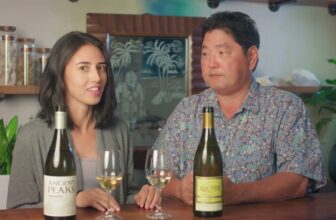
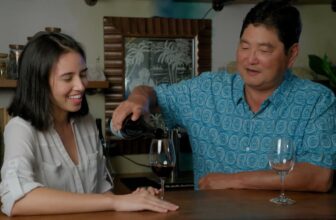
In this episode of Chuck Furuya Uncorked, the show launches its first Fine Wines and Local Grinds segment with Micah Suderman and Kimo Kennedy. The food is pizza from Brick Fire Tavern, and the wines are tasted blind.
The goal is not to be fancy.
The goal is to show how everyday food can change wine, and how wine can completely change the way a slice of pizza tastes.
What This Episode Is About
This episode is built around a simple idea: fine wine does not only belong with fine dining.
Wine can work with pizza, burgers, plate lunch, fried chicken, local food, and the casual dishes people actually eat. That is the spirit of Fine Wines and Local Grinds.
Kimo Kennedy joins the episode as the guest. He loves pizza and spent time in Italy, where he experienced how simple ingredients can become memorable when they are handled well. That experience shaped how he thinks about Neapolitan-style pizza: good dough, good sauce, good ingredients, and a sense of balance.
Micah Suderman guides much of the wine pairing conversation, helping explain why each wine works or does not work with each pizza.
The group tastes several wines blind with different pizzas and discovers that the same wine can be great with one slice and awkward with another.
That is the real lesson.
Why Pizza Is More Complex Than It Looks
Pizza is not just bread, sauce, and cheese.
It is a layered food.
The dough brings texture, chew, yeast, char, and starch.
The tomato sauce brings acidity, sweetness, and sometimes herbs.
The cheese brings fat, salt, and creaminess.
Basil brings aromatics.
Mushrooms bring earthiness and umami.
Meat brings fat, salt, smoke, and savoriness.
Pickled peppers bring vinegar and heat.
Char on the crust brings bitterness.
All of those pieces affect wine.
That is why one simple rule like “red wine with pizza” is not enough. A Margherita pizza and a mushroom pizza may both be pizza, but they do not pair the same way.
Neapolitan-Style Pizza and the Role of Dough
Kimo talks about how pizza in Italy felt simple, but not basic. The food was built from clear ingredients handled well.
That is especially true with Neapolitan-style pizza.
The dough is not just a base. It is part of the flavor. It has chew, airiness, softness, char, and sometimes a slight sour or yeasty quality. Micah compares the dough to a vessel that carries the sauce, cheese, fat, herbs, and other toppings.
That matters for wine pairing.
A wine with leesy or yeasty qualities can connect with the dough. A wine with acidity can refresh the sauce. A wine with tannin can work with fat. A wine with too much alcohol can clash with vinegar or spice.
Pizza may look casual, but it gives you many pairing angles.
The Blind Tasting Setup
The wines are tasted blind, which keeps the discussion honest.
Instead of saying “I like Cabernet” or “I do not drink white wine,” the group tastes each wine with the pizza and responds to what actually happens.
That is important because people often order wine based on habit.
Red wine people order red.
White wine people order white.
Cabernet drinkers order Cabernet.
But food pairing can expose whether that habit really works.
In this episode, the familiar wine is not always the best wine. The wine that seems less expected can become the clear winner with the right slice.
Pizza One: Margherita
The first pizza is Margherita.
This is one of the best pizzas for learning pairing because the ingredients are simple: dough, tomato sauce, cheese, basil, and char.
There is nowhere for the pairing to hide.
If the wine is too bitter, it shows.
If the alcohol sticks out, it shows.
If the wine refreshes the palate and connects with the sauce and basil, that shows too.
The group starts with a white wine, then rosé, then reds.
The favorite pairing for Kimo is the first wine: Zoe, a Greek country-style white wine.
Why White Wine Works with Margherita Pizza
The white wine works because it washes the pizza down and makes you want another bite.
Micah notes that the first wine has a leesy, yeasty quality that connects with the dough. That is an excellent pairing point. Margherita pizza is not only tomato and cheese. The dough is a major part of the experience.
The wine also refreshes the palate without finishing bitter or alcoholic.
With tomato sauce, basil, cheese, and dough, this kind of white wine can feel seamless. It does not fight the pizza. It frames it.
Kimo, who says he does not normally drink much white wine, ends up choosing this as his most memorable pairing.
That is exactly why blind tasting is useful.
The Role of Basil
The basil changes the pairing.
On one bite, there may be more basil. On another, there may be less. The group notices that the basil can become much more expressive with the wine.
That is a small but important lesson.
Pairing is not only about the whole dish. It is also about the specific bite.
A bite with more cheese is different from a bite with more sauce.
A bite with basil is different from a bite without basil.
A bite of crust is different from the center of the pizza.
This is why pizza is fun for pairing. It keeps changing.
Rosé with Margherita
The rosé also works with the Margherita, but in a different way.
The tomato sauce brings out more red fruit in the rosé. The wine becomes more strawberry-like and playful. The cheese also seems more noticeable with the rosé.
This shows how food can change wine.
A rosé that tastes dry and muted on its own may become fruitier and more expressive with tomato sauce and cheese. The food gives the wine a different frame.
That does not make it better than the white wine for everyone, but it creates another valid pairing experience.
Red Wine with Margherita
The first red wine brings more bitterness in the middle of the palate.
Micah explains the idea of a wine having stages, like a song: beginning, middle, finish. The wine may start with fruit, move into a bitter spot, and then finish in a different way.
With the Margherita, the bitterness stands out more.
The fourth wine, later revealed as California Cabernet, is even more intense. It overwhelms the pizza and makes the slice taste worse to Kimo. The wine is louder than the food.
That is the key lesson.
A wine can be high quality and still be the wrong wine for the dish.
Pizza Two: Mushroom / Funghi Pizza
The next pizza is mushroom pizza.
This changes everything.
The tomato acidity is no longer the same dominant factor. Instead, the pizza brings mushrooms, earthiness, umami, salt, fat, cheese, and char.
The same wines now behave differently.
Wine number one, the white, worked beautifully with the Margherita, but feels less seamless with the mushroom pizza. It is still good, but the pairing is not as smooth.
Wine number two, the rosé, becomes much stronger with this pizza.
Wine number three, later revealed as Domaine de Fontsainte, becomes Chuck’s favorite with the funghi pizza.
Why Mushroom Pizza Changes the Pairing
Mushrooms bring umami.
Umami can make some wines taste more bitter, metallic, or thin if the pairing is not right. But when the wine has enough body, savoriness, or fruit, it can work beautifully.
Mushrooms also bring earthiness, which can connect with certain red wines.
The mushroom pizza has less tomato acidity than the Margherita. That means the wine does not have to fight as much acid. Instead, it can work with fat, salt, mushroom depth, and char.
That is why the rosé and country red become more appealing here.
Rosé with Mushroom Pizza
The rosé works extremely well with the mushroom pizza.
The group notices that there are no hard edges, no harsh bitterness, and no awkward alcohol finish. The transition from food to wine feels seamless.
Micah describes good pairing as framing the chef’s dish like a painting. The wine should not take away from the dish. It should accentuate it.
With mushroom pizza, the rosé does exactly that.
It does not dominate the mushrooms.
It does not erase the cheese.
It keeps the pizza fresh while letting the earthy flavor stay intact.
Country Red with Mushroom Pizza
The third wine becomes especially interesting with the mushroom pizza.
Earlier, with the Margherita, this red had some bitterness. But with the mushroom pizza, that bitterness softens. Micah explains that the fat in the pizza helps mute the bitterness and tannin.
That is one of the best pairing lessons in the episode.
Acid can accentuate bitterness.
Spice can accentuate bitterness.
Fat can soften bitterness.
So a red wine that feels awkward with tomato sauce may become much better with mushrooms, cheese, and fat.
This is why pairing depends on toppings.
What Tannin Does with Fat
Micah explains tannin in a practical way.
Tannin comes from grape skins, seeds, stems, and sometimes oak. It can feel drying, bitter, prickly, or grippy in the mouth, a bit like tea or grape skins.
With fatty food, tannin can become useful.
It acts almost like scrubbing bubbles, cleaning the palate and preparing it for the next bite. A fatty dish can also soften tannin, making the wine taste smoother.
This is why tannic red wines often work with steak or richer foods.
For pizza, the same idea applies at a smaller scale.
A mushroom pizza with cheese and fat can handle more tannin than a simple Margherita.
The Role of Char
Char on the crust also matters.
Kimo loves the charred part of the pizza, and the group notices that it changes the pairing. Char brings bitterness and smoke. That can clash with some wines, but it can also make certain bitter or tannic wines seem more balanced.
With wine number four, the Cabernet, the char helps.
The Cabernet is too loud with some of the pizza, but with charred crust, its bitterness and the crust’s bitterness seem to mute each other. It still may not be the best pairing overall, but it becomes more workable.
That is a great example of how one part of the pizza can change the wine.
The crust is not just leftover bread.
It is part of the pairing.
Pizza Three: Mamma Mia
The final pizza is referred to as the Mamma Mia pizza.
This pizza brings a very different flavor profile. The group picks up bacon, meat, pickled pepper or pepperoncini-like flavors, vinegar, tanginess, salt, and more intensity.
That means the wine has to deal with acid, fat, salt, and stronger toppings.
Wine number one, which was excellent with Margherita, becomes much less successful here. The vinegary pepper note makes the alcohol and awkward edges stand out.
The rosé, however, works extremely well.
Micah chooses the Mamma Mia pizza with Broadbent Vinho Verde Rosé as one of his favorite pairings of the episode.
Why Rosé Works with Mamma Mia Pizza
The rosé works because it has freshness, light fizz, fruit, and enough flexibility to handle the pizza’s salt, fat, tanginess, and peppery notes.
The group describes it almost like a fun soda or Italian soda. It is easy, spritzy, refreshing, and dangerously drinkable.
That is a major advantage with pizza.
Pizza is salty, fatty, and often casual. A heavy wine can make the meal feel slower. A bright rosé can keep the pace moving.
With the Mamma Mia pizza, the rosé feels like the bottle you could finish while still wanting another slice.
That is a strong pairing signal.
Vinho Verde Rosé and Pizza
The rosé is later revealed as Broadbent Vinho Verde Rosé from Portugal.
That makes sense with the comments in the episode. Vinho Verde often has freshness, low alcohol, bright acidity, and sometimes a little dissolved CO2 that gives it a slight spritzy feeling.
That spritziness helps with pizza.
It refreshes the palate.
It handles salt.
It keeps the wine playful.
It makes the food feel lighter.
For warm climates like Hawaii, that style can be especially useful. It has the easy-drinking appeal of a casual beverage but still brings real wine character.
Cabernet with Pizza
Wine number four is revealed as California Cabernet.
The group is clear that it is a quality wine, but it is not the best fit for most of the pizzas in this tasting.
That is important because Cabernet is one of the most familiar and popular red wines. Many people would automatically choose it with pizza because it is red and powerful.
But power is not always helpful.
With Margherita, it overwhelms the pizza.
With the Mamma Mia pizza, it can feel alcoholic and intense.
With charred crust, it becomes more acceptable, but still not the clear winner.
The lesson is not that Cabernet never works with pizza. A meat-heavy, charred, fatty pizza might handle it better. But with these pizzas, the lighter, fresher, more country-style wines often do a better job.
Familiar Wine Is Not Always the Best Wine
Kimo admits that he usually does not order white wine. He tends to think of red wine as the stronger or more familiar choice when drinking wine.
But the tasting changes that.
His favorite pairing is the Margherita pizza with Zoe, the Greek white.
That is the point of the whole exercise.
Sometimes the wine you would never order becomes the best wine with the food.
Sometimes the wine you know best is the wrong shape for the dish.
Food pairing can break habits in a useful way.
It gives you a reason to explore.
Wine Can Make Food Better
Kimo asks a strong question: can the right wine make food taste better, not just the other way around?
Micah says yes.
Wine can act like a missing component in a dish. For example, if a dish lacks acidity, a high-acid wine can work like a squeeze of lemon. If a dish has fat, tannin can help clean the palate. If a dish has spice or sweetness, a slightly sweet wine can balance it.
Wine is not just something next to the plate.
It can complete the bite.
This is one of the most important ideas in the episode.
Complementary vs Contrasting Pairings
Micah explains that some pairings are complementary, while others are contrasting.
A complementary pairing echoes flavors already in the food.
For example, an earthy red with mushroom pizza can feel natural because both wine and food share earthy notes.
A contrasting pairing adds something the food needs.
For example, a bright white wine with a rich or salty food can add lift, like lemon over fried calamari.
Both approaches can work.
The key is knowing what the dish needs.
Does it need more freshness?
More fruit?
More structure?
More softness?
More contrast?
More echo?
That is how wine pairing becomes creative.
Sweetness and Spice
The conversation also touches on sweetness.
Micah explains that when food has sweetness, the wine often needs to be at least slightly sweeter than the food. Otherwise, the wine can seem bitter, sour, or stripped down.
He gives examples like Thai food, Pad Thai, or sweet-spicy sauces. A dry, high-acid wine like Sauvignon Blanc can become harsh with those dishes, while Riesling can work beautifully because it has low alcohol and a little sweetness.
He also gives a simple at-home test: eat a Snickers bar, then drink Coke. The Coke tastes less sweet and more bitter after the candy because the food is sweeter than the drink.
That same principle applies to wine.
Sweet food changes how wine tastes.
Acid, Vinegar, and Alcohol
The Mamma Mia pizza brings up another important lesson: vinegar and acidity can make alcohol more obvious.
With pickled peppers or pepperoncini-like tang, some wines start to feel hotter or more alcoholic. That is why the white wine that worked with Margherita becomes less successful with this pizza.
The rosé handles it better because it is lighter, fresher, spritzy, and probably lower in alcohol.
This is useful for real-life pizza pairing.
If your pizza has pickled peppers, hot peppers, vinegar, or tangy toppings, be careful with high-alcohol wines. They may become harsh.
Choose something fresher instead.
The Final Pairing Winners
At the end, the group recaps the most memorable pairings.
Kimo’s favorite is Margherita pizza with Zoe, the Greek country-style white wine.
Micah’s favorite is Mamma Mia pizza with Broadbent Vinho Verde Rosé.
Chuck’s favorite is funghi pizza with Domaine de Fontsainte, a country-style red from Corbières.
That summary perfectly captures the episode.
There is no single “best wine for pizza.”
There is a best wine for this pizza, with this topping, in this moment, for this person.
That is what makes pairing fun.
The Wines Revealed
The wines include:
Zoe — a Greek country-style white wine, aromatic, refreshing, mineral, and easy to drink.
Broadbent Vinho Verde Rosé — a Portuguese rosé with freshness, light spritz, and a playful soda-like feel.
Domaine de Fontsainte — a country-style red from Corbières, useful with mushroom pizza and more savory flavors.
California Cabernet — a high-quality but heavier, oakier red that is not the best fit for most of these pizzas.
The range is important.
The best pairings came from wines that were not necessarily the most famous or most powerful. They came from wines that fit the food.
Fine Wines and Local Grinds
This episode works because it removes pretension from wine.
Pizza is familiar. Everyone understands it. Kimo is open about not being the most knowledgeable wine person in the room, which actually makes the conversation stronger. He asks the questions many viewers would ask.
That is the spirit of Fine Wines and Local Grinds.
You do not need a white tablecloth to learn pairing.
You can learn with pizza.
You can learn with local food.
You can learn by tasting four wines blind and simply asking: does this make the food better or worse?
That is enough.
Final Takeaway
This episode proves that wine pairing with pizza is more interesting than most people think.
A Margherita pizza with tomato, cheese, basil, and dough can be beautiful with a fresh white wine like Zoe.
A mushroom pizza with umami, fat, earthiness, and char can work better with rosé or a country-style red.
A meatier, tangier pizza with pickled pepper notes can make some wines taste alcoholic, but a spritzy rosé can keep everything fresh.
California Cabernet may be a famous and high-quality wine, but that does not automatically make it the best pizza wine.
The real lesson is simple:
Do not pair wine with the word “pizza.”
Pair wine with the actual slice in front of you.
Look at the sauce, toppings, fat, salt, acidity, char, herbs, and mood.
Then open something that makes you want another bite.
FAQ
What is this episode about?
This episode is the first Fine Wines and Local Grinds segment, focused on pairing wine with Brick Fire Tavern pizza.
Who appears in the episode?
The episode features Chuck Furuya, Micah Suderman, Kimo Kennedy, and Kale Furuya.
What pizzas are tasted?
The group tastes Margherita pizza, mushroom or funghi pizza, and a Mamma Mia pizza with stronger salty, meaty, and tangy flavors.
What wine pairs best with Margherita pizza?
In this episode, Kimo’s favorite pairing is Margherita pizza with Zoe, a Greek country-style white wine.
Why does white wine work with Margherita pizza?
The white wine refreshes the palate, connects with the dough, and works with tomato sauce, cheese, and basil without finishing bitter or alcoholic.
What wine pairs well with mushroom pizza?
The group finds that rosé and a country-style red can work well with mushroom pizza because they connect with fat, earthiness, umami, and char.
What wine pairs best with Mamma Mia pizza?
Micah’s favorite pairing is Mamma Mia pizza with Broadbent Vinho Verde Rosé.
Why does rosé work with pizza?
Rosé can be fresh, lightly fruity, low in alcohol, and flexible enough to handle salt, fat, tomato, cheese, peppers, and casual food.
Does Cabernet Sauvignon work with pizza?
It can work with some rich, charred, meat-heavy pizzas, but in this episode the California Cabernet is often too intense, alcoholic, or overpowering for the slices.
Why does char matter in wine pairing?
Char adds bitterness and smoke. It can make some tannic or bitter wines feel more balanced, but it can also change the pairing dramatically.
What is tannin?
Tannin is a drying, grippy, sometimes bitter sensation that comes from grape skins, seeds, stems, and oak. It can work well with fatty foods.
What is the biggest lesson from this episode?
The biggest lesson is that there is no single best wine for pizza. The best pairing depends on the sauce, toppings, fat, acidity, char, and the specific bite.




I'm really curious about how the specific ingredients in pizza affect wine pairing. For example, how exactly does the basil change the wine experience?
Great question! I noticed that the basil can make certain wines taste bolder. It adds complexity to the pairing.
Great question! I noticed that the basil can make certain wines taste bolder. It adds complexity to the pairing.
Absolutely! Basil brings aromatics and can enhance the wine's fruitiness or freshness, depending on how much is in each bite.
I tried a Margherita pizza with a dry rosé recently and it was delightful! The flavors really popped.
I tried a Margherita pizza with a dry rosé recently and it was delightful! The flavors really popped.
I find that I prefer white wine with a Margherita pizza, but I wonder how it compares with a meat lover's pizza. Do you think the same pairing rules apply?
I find that I prefer white wine with a Margherita pizza, but I wonder how it compares with a meat lover's pizza. Do you think the same pairing rules apply?
I think it totally changes! A meat lover's pizza has more fat and salt, which might work better with a red wine.
I think it totally changes! A meat lover's pizza has more fat and salt, which might work better with a red wine.
You're right! A meat pizza often pairs better with wines that can balance out the richness and saltiness, like a bold red.
You're right! A meat pizza often pairs better with wines that can balance out the richness and saltiness, like a bold red.
Can anyone clarify what you mean by 'leesy qualities' in wine? I’ve never heard that term before.
Can anyone clarify what you mean by 'leesy qualities' in wine? I’ve never heard that term before.
Exactly! Wines with leesy qualities can enhance the mouthfeel and connect well with doughy textures in pizza.
Exactly! Wines with leesy qualities can enhance the mouthfeel and connect well with doughy textures in pizza.
Good question! It refers to the yeast that remains in the wine after fermentation. It can add depth and texture.
Good question! It refers to the yeast that remains in the wine after fermentation. It can add depth and texture.
I always thought red wine was the way to go with pizza. This article opened my eyes to so many other options!
I always thought red wine was the way to go with pizza. This article opened my eyes to so many other options!
I still think red wine is the best choice for any pizza. I find it pairs better overall, regardless of the toppings.
I still think red wine is the best choice for any pizza. I find it pairs better overall, regardless of the toppings.
I can see your point, but I think it really depends on the specific pizza. Some whites really shine!
I can see your point, but I think it really depends on the specific pizza. Some whites really shine!
Both perspectives are valid! The key is to experiment with different combinations to find what works for your palate.
Both perspectives are valid! The key is to experiment with different combinations to find what works for your palate.