
Sauvignon Blanc can go in many different directions.
Some versions are intensely green, with jalapeño, bell pepper, and grassy aromas jumping out of the glass. Others are tropical and fruity. Some California examples are shaped by oak, giving the wine more richness, creaminess, and weight.
But this Ancient Peaks Sauvignon Blanc is built in a different style.
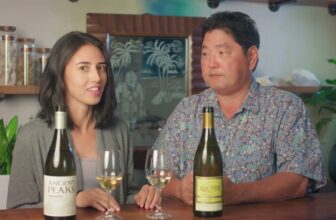
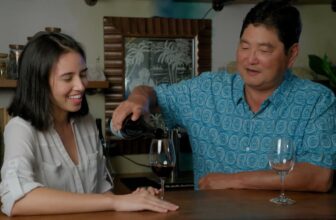
In this Wine of the Week episode from Chuck Furuya Uncorked, Ariana Suchia focuses on a Sauvignon Blanc that feels clean, crisp, mineral, lightly citrusy, and refreshing. It is not trying to be heavy or overly serious. It is a wine for warm weather, casual meals, salads, family dinners, and relaxing on the lanai.
The most important idea in the episode is that this wine gives a real sense of place without becoming complicated.
What This Episode Is About
This short Wine of the Week episode features Ancient Peaks Sauvignon Blanc from Santa Margarita Ranch in Paso Robles, California.
Ariana explains that Ancient Peaks is one of her favorite wineries, partly because of the unique soils and landscape. The vineyards include different soil types, including ancient seabed material and rocky alluvium. The Sauvignon Blanc comes from Block 44, where the rocky alluvium helps shape the wine’s crisp, mineral character.
The wine also benefits from its location near the ocean. Even though Paso Robles can be warm, Santa Margarita Ranch receives cool marine influence and fog. That cooling effect helps preserve freshness and lift in the wine.
So this is not just “California Sauvignon Blanc.”
It is a specific wine from a specific place, with soil, fog, family farming, and a clean winemaking approach all playing a role.
Ancient Peaks and Santa Margarita Ranch
Ancient Peaks is tied closely to Santa Margarita Ranch, located in Paso Robles on California’s Central Coast.
Ariana talks about visiting the property with the Wine Speak and Dream Big Darling team. Seeing the soils, feeling the crisp air, and experiencing the place helped her understand why the wines taste the way they do.
That matters because wine becomes more meaningful when it is connected to a real landscape.
In the case of Ancient Peaks, the vineyard is known for its diversity of soils. Ariana specifically mentions ancient seabed and rocky alluvium. Those soil types are part of what gives the wine its mineral edge and clean structure.
This is one of the useful lessons in the episode:
Sauvignon Blanc does not have to be defined only by fruit or green notes.
Soil and place can also shape the wine.
A Different Kind of Paso Robles Wine
Many people think of Paso Robles as a warm region known for fuller-bodied red wines.
That is true in many cases, but Santa Margarita Ranch shows another side of Paso Robles. Because of its location and marine influence, the wines can keep brightness and freshness.
Ariana points to the cool marine fog and nearby mountain range as important factors. That cooler influence helps this Sauvignon Blanc stay crisp rather than heavy.
That is why the wine works so well in a warm climate like Hawaii.
It has enough fruit and aroma to be enjoyable, but it stays light, fresh, and refreshing.
Not the Jalapeño Style
One of the best parts of the episode is Ariana’s explanation of what this wine is not.
It is not an aggressively green Sauvignon Blanc.
Some Sauvignon Blancs, especially from certain regions, can show strong jalapeño, bell pepper, or very grassy aromas. Those notes are often connected to compounds called pyrazines, which can give wines that green pepper character.
Ariana says this Ancient Peaks Sauvignon Blanc has a little green note, but not in an overpowering way.
It is more like fresh-cut grass.
That distinction is important.
The wine still tastes like Sauvignon Blanc, but it does not feel dominated by sharp green flavors. The green note is part of the wine, not the whole personality.
Not the Oaky California Style
Ariana also contrasts this wine with California Sauvignon Blancs that use oak.
Some California examples can be made with new oak or oak influence, giving the wine richness, vanilla, creaminess, or weight. That style can be delicious, but it is not what this bottle is about.
This wine is stainless steel fermented.
That means it sees no new oak and no neutral oak. The goal is to keep the wine clean, pure, crisp, and vineyard-driven.
That choice makes sense for this style.
The wine is meant to show citrus, minerality, freshness, and lift rather than oak spice or richness.
Color in the Glass
In the glass, Ariana describes the wine as having a nice straw-white color with a slightly silvery touch.
It is not golden.
It does not look heavy.
It does not look oaky.
It looks clean and pristine.
That visual impression fits the wine’s style. Before even smelling it, the color suggests freshness, clarity, and lightness.
For beginners, this is a simple reminder that appearance can give clues. A deep golden white may suggest more age, ripeness, oak, or richness. A pale straw wine with a silvery edge often suggests something fresher and more lifted.
This Sauvignon Blanc sits in that crisp, clean camp.
Aromas: Calamansi, Lime Zest, and Rockiness
On the nose, Ariana gets citrus notes: calamansi, lime zest, and bright citrus peel.
Those aromas are important because they make the wine feel refreshing before you even taste it.
But the wine is not only citrusy. Ariana also notices a distinct rockiness, which she connects to the rocky alluvium soils of Block 44.
That mineral impression is one of the main reasons she likes this wine.
It gives the Sauvignon Blanc more shape and seriousness without making it heavy. The citrus makes it bright. The minerality gives it tension and a sense of place.
Palate: Clean, Refreshing, and Stainless Steel Pure
On the palate, the wine is refreshing and direct.
Because it is stainless steel fermented, there is no oak getting in the way. Ariana describes it as clean and pure, with citrus, a light green grassy note, and a calamansi finish.
That finish is one of the most appealing details.
Calamansi has a bright, tangy, tropical-citrus character that makes sense in Hawaii. It gives the wine a local emotional connection even though the bottle comes from California.
The wine feels crisp, lively, and easy to drink.
It is not a wine that demands a long, formal tasting note. It is a wine you want to pour cold and enjoy.
Minerality and Lift
Ariana uses the word lift to describe the wine.
That is a great word here.
Lift means the wine feels buoyant, springy, and alive. It does not sit heavily on the palate. It rises. It refreshes. It makes you want another sip.
The wine also has a slight spritziness, which adds to that sensation. It feels light, clean, and energetic.
That lift is exactly why the wine makes sense for warm weather.
In a hot climate, heavy wines can feel tiring. A wine like this keeps the palate awake.
Why It Works for Hawaii Weather
Ariana specifically connects this Sauvignon Blanc to Hawaii.
It is a wine for a nice day on the lanai with friends or family. It is refreshing enough for warm weather, but still interesting enough to feel like more than just a simple patio wine.
That is an important balance.
A casual wine does not have to be boring.
This bottle has freshness, citrus, minerality, and a real vineyard story, but it still feels easy and relaxed.
That makes it useful for Hawaii-style drinking:
sunny afternoons;
outdoor meals;
family gatherings;
casual dinners;
salads;
seafood;
and relaxed holiday meals where you want something refreshing rather than heavy.
Food Pairing Ideas
Ariana mentions salads as a natural pairing.
That makes sense because the wine has acidity, citrus, and freshness. It can work like a squeeze of lime or calamansi over the food.
Good pairing ideas include:
green salads with citrus vinaigrette;
goat cheese salad;
shrimp salad;
grilled fish with lime;
ahi or light seafood preparations;
fresh herbs;
simple chicken dishes;
vegetable plates;
and lighter appetizers.
The wine should also work with foods that benefit from brightness rather than richness.
It is probably not the best choice for heavy cream sauces or deeply smoky meats. It wants fresh, light, citrusy, herbal, and mineral-friendly food.
A Wine for Gatherings
Ariana also frames this as a wine for family dinners and get-togethers.
That is a good practical point.
Not every gathering needs a big, brooding wine. In Hawaii, winter does not always mean cold weather and heavy food. Sometimes the right bottle is still something crisp and refreshing.
This Sauvignon Blanc is not trying to be dramatic.
It is trying to make people happy.
That may sound simple, but it is one of the best reasons to buy a wine.
A bottle that fits the weather, the people, and the food often matters more than a bottle that sounds impressive.
The Ancient Peaks Story
Ariana closes by explaining why Ancient Peaks is one of her favorite wineries.
The winery is connected to three ranching families who own and farm the land themselves. That matters because the wine is not just a brand. It comes from people who are tied to the place.
They farm the land.
They understand the property.
They want to do it justice.
That family and community side gives the wine more meaning.
The bottle is not only crisp and refreshing. It also reflects a ranch, a vineyard, a climate, a set of soils, and the people behind it.
Why This Wine Is Worth Trying
This Ancient Peaks Sauvignon Blanc is worth trying because it avoids two common extremes.
It is not aggressively green and jalapeño-like.
It is not oaky and heavy.
Instead, it sits in a clean, mineral, citrus-driven style with freshness, lift, and a clear sense of place.
That makes it a very useful Sauvignon Blanc for people who want something refreshing but not boring.
It is also a good option for drinkers who usually avoid Sauvignon Blanc because they do not like the intense bell pepper style. Here, the green note is lighter and more balanced.
Final Takeaway
Ancient Peaks Sauvignon Blanc is a crisp, clean, stainless-steel white wine from Santa Margarita Ranch in Paso Robles. It shows citrus, calamansi, lime zest, fresh-cut grass, rocky minerality, slight spritziness, and a refreshing finish.
The wine is especially appealing because it feels connected to its place: ancient seabed, rocky alluvium, cool marine fog, ranching families, and careful farming.
For warm weather, salads, seafood, lanai drinking, family gatherings, and casual meals, this is exactly the kind of bottle that makes sense.
It is not trying to be the biggest wine in the room.
It is trying to be fresh, mineral, uplifting, and enjoyable.
And that is more than enough.
FAQ
What wine is featured in this episode?
The featured wine is Ancient Peaks Sauvignon Blanc from Santa Margarita Ranch in Paso Robles, California.
What is Ancient Peaks known for?
Ancient Peaks is known for Santa Margarita Ranch, diverse soil types, ancient seabed material, rocky alluvium, marine influence, and estate-grown wines.
Where is Santa Margarita Ranch?
Santa Margarita Ranch is in the Paso Robles area of California’s Central Coast.
What does this Sauvignon Blanc taste like?
It shows calamansi, lime zest, light fresh-cut grass, rocky minerality, crisp acidity, slight spritziness, and a refreshing finish.
Is this Sauvignon Blanc oaked?
No. Ariana explains that it is stainless steel fermented, with no new oak or neutral oak.
Is this Sauvignon Blanc very green or peppery?
No. It has a light green grassy note, but it is not dominated by jalapeño or bell pepper flavors.
What are pyrazines?
Pyrazines are compounds that can create green bell pepper, jalapeño, or grassy aromas in wines such as Sauvignon Blanc.
What foods pair with Ancient Peaks Sauvignon Blanc?
It can work with salads, seafood, shrimp, grilled fish, citrusy dishes, fresh herbs, light chicken dishes, and casual appetizers.
Is this a good warm-weather wine?
Yes. Its crispness, minerality, citrus, and refreshing style make it especially good for warm weather and outdoor drinking.
What is the biggest lesson from this episode?
The biggest lesson is that Sauvignon Blanc can be crisp, mineral, and refreshing without being overly green or oaky. This Ancient Peaks bottle shows a clean, vineyard-driven style.




I'm curious about the minerality in this Sauvignon Blanc. How does the rocky alluvium actually influence the taste? Does it make the wine taste more earthy?
Good question! I feel like minerality can add a unique depth, but I'm not sure how it translates in this case.
Minerality in wines often comes from the soil where the grapes are grown. In this case, the rocky alluvium gives the wine a distinctive freshness and shape without overpowering the fruit flavors.
I recently tried the Ancient Peaks Sauvignon Blanc while on vacation in Hawaii, and I was impressed! It really hit the spot on a hot day. The citrus notes were delightful and refreshing, especially paired with grilled fish. I can see why it's recommended for warm weather.
This sounds great, but how does it compare to other Sauvignon Blancs from Napa or New Zealand? I usually go for those because I love the tropical flavors.
I've noticed that California Sauvignon Blancs can be fruitier and richer, whereas New Zealand tends to be more zesty. This one sounds like it has a unique profile!
I'm not sure I agree that Sauvignon Blanc shouldn't have green notes. I actually enjoy the jalapeño flavor in some wines. It adds character, I think.
That's a fair point! I guess it really depends on personal preference.
What do you mean by 'lift' in the context of wine? Is that like how light it feels in your mouth?
'Lift' refers to the wine's freshness and vibrancy. It makes the wine feel buoyant and lively on the palate, rather than heavy.
I love Sauvignon Blanc for summer picnics! This one sounds perfect for that.