Chuck Furuya

To achieve a robust sauce that elevates any dish, I recommend starting with a good-quality burgundy and fresh aromatic alliums. Begin by finely chopping a couple of medium-sized alliums, ensuring they are uniform for even cooking.
Next, heat a tablespoon of olive oil in a saucepan over medium heat. Once the oil shimmers, add the chopped alliums and sauté until they become translucent, releasing their sweet fragrance. This step is crucial, as it lays the foundation for the sauce’s flavor profile.
Once the alliums are ready, pour in about a cup of burgundy. Allow it to simmer, letting the liquid reduce by half. This concentration of flavors enhances the sauce’s depth, creating a perfect balance between the sweetness of the alliums and the acidity of the burgundy.
Finish off by adding a pat of butter to enrich the sauce, stirring until it melts and combines seamlessly. Adjust the seasoning with salt and freshly cracked black pepper to taste. This approach results in a deliciously complex sauce that pairs beautifully with roasted meats or hearty vegetables.
Selecting the Right Onions for Your Sauce
Choose yellow or red varieties for their balanced sweetness and depth. Yellow onions deliver a rich base, while red onions add a subtle fruity note. Both types caramelize well, enhancing the sauce’s flavor profile. Avoid white onions, as they lack the complexity required for a robust sauce.
Consider the onion’s size; medium-sized ones are ideal for even cooking. Larger onions may require more time to caramelize, while smaller ones might burn too quickly. Aim for uniform slices to ensure consistent cooking.

| Onion Type | Flavor Profile | Cooking Characteristics |
|---|---|---|
| Yellow | Sweet, savory | Caramelizes well, versatile |
| Red | Sweet, mild | Adds color, great for sauces |
| White | Sharp, pungent | Not ideal for sweet sauces |
Store onions in a cool, dry place to maintain their freshness. Avoid refrigerating them, as this can lead to sprouting and a loss of flavor. By selecting the right variety and ensuring proper storage, the sauce will achieve a rich and well-rounded taste.
Choosing the Best Red Wine for Flavor
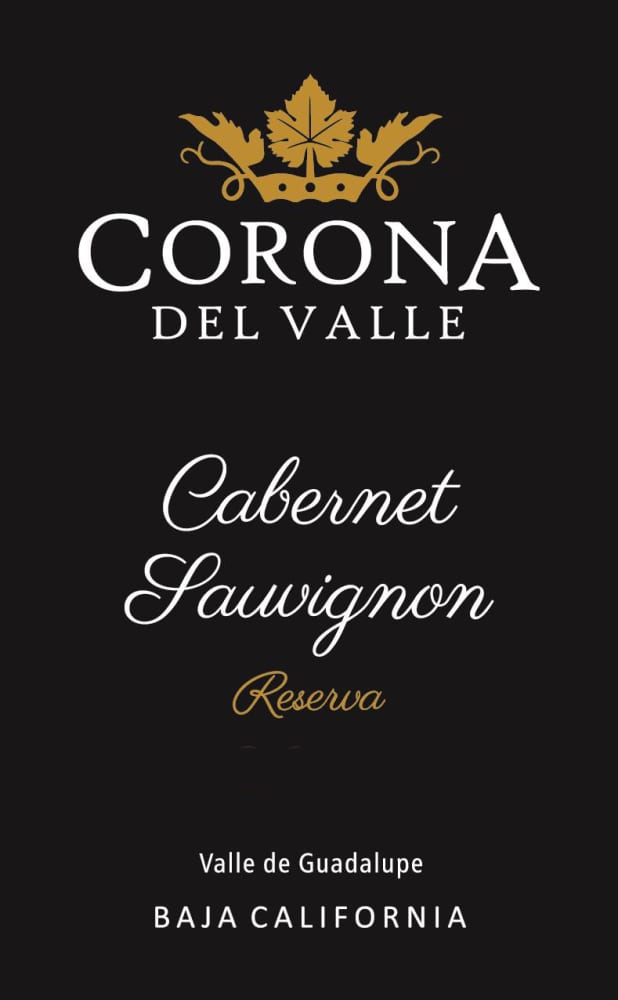
I recommend selecting a full-bodied option like Cabernet Sauvignon or Merlot for a robust profile. These varieties bring depth and richness, enhancing the overall taste of the sauce.
Avoid overly sweet selections; instead, opt for dry versions. Look for wines that have a balance of acidity and tannins, which will contribute to a more complex flavor in the final dish.
Consider the region of origin as well. Wines from Bordeaux or Napa Valley often have the characteristics needed for a bold sauce. Experimenting with a Syrah or Malbec can also yield delightful results.
Always choose a bottle that you would enjoy drinking, as the quality will directly influence the taste of the sauce. Avoid cooking wines; they tend to lack the necessary flavor profile.
Lastly, pay attention to the vintage. A younger wine may provide more fruitiness, while an older one might add subtle earthy notes, both of which can complement the dish beautifully.
Step-by-Step Process for Caramelizing Onions
First, I choose medium to large bulbs, such as yellow or sweet varieties. I slice them thinly, aiming for even pieces to ensure uniform cooking.
In a heavy-bottomed skillet, I heat a couple of tablespoons of oil over medium heat. Once the oil shimmers, I add the sliced bulbs, stirring gently to coat them in the fat.
I sprinkle a pinch of salt to draw out moisture, which aids in the caramelization process. Keeping the heat at medium allows the sugars to develop without burning.
Every few minutes, I stir the mixture, scraping any fond that forms on the bottom of the skillet. Patience is key; I let them cook for about 20 to 30 minutes. The goal is to achieve a deep golden-brown color and a sweet aroma.
If they start to brown too quickly, I reduce the heat to prevent burning. In the last few minutes, I often add a splash of balsamic vinegar or a bit of sugar to enhance the sweetness and depth of flavor.
Once perfectly caramelized, I remove them from the heat and let them cool slightly before incorporating them into the sauce.
Reducing the Sauce to Achieve Perfect Consistency
I recommend simmering the mixture over medium heat to concentrate flavors and thicken the liquid. Keep an eye on it, stirring occasionally to prevent sticking. Aim for a reduction of about half the original volume, which typically takes around 20 to 30 minutes.
Use a wide saucepan for better evaporation; a larger surface area accelerates the process. If the sauce seems too thin, allow it to cook longer. Test the consistency by coating the back of a spoon; it should leave a clear trail when you run your finger through it.
If the reduction is too thick, you can always add a splash of stock or water to adjust. For a glossy finish, whisk in a small amount of cold butter just before serving. This adds richness and smoothness to the final product.
Remember, patience is key. A well-reduced sauce enhances the depth of flavor, elevating any dish it accompanies. Adjust seasoning towards the end to ensure balance, as flavors intensify during reduction.
Serving Suggestions and Pairing Options
For an exquisite dining experience, I recommend serving this luscious sauce alongside roasted meats such as lamb or beef. The rich flavor of the sauce enhances the natural juices of the meat, creating a harmonious blend on the plate.
Consider these pairings:
- Grilled steak topped with a drizzle of sauce, complemented by garlic mashed potatoes.
- Herb-crusted rack of lamb served with a side of sautéed seasonal vegetables.
- Pan-seared duck breast accompanied by creamy polenta.
Additionally, this sauce can elevate vegetarian dishes:
- Roasted portobello mushrooms, adding depth and a savory note.
- Grilled eggplant slices for a smoky contrast.
- Stuffed bell peppers filled with quinoa and vegetables, bringing out their flavors.
For a complete meal, pair with side dishes that balance the richness:
- Lightly dressed arugula salad with shaved parmesan.
- Garlic bread to soak up the sauce.
- Roasted root vegetables, providing sweetness and texture.
Choose a full-bodied beverage that mirrors the complexity of the sauce. A robust red variety, like a Cabernet Sauvignon or Syrah, will complement the meal beautifully.
Don’t forget to serve the sauce warm, enhancing its aroma and flavor profile at the table. Enjoy the delightful combination of tastes that this sauce brings to your culinary creations.