Chuck Furuya



Choosing a glass of pale beverage can elevate any occasion. For a crisp and refreshing experience, I often reach for Sauvignon Blanc. This variety boasts zesty acidity and herbaceous notes, making it a perfect companion for seafood dishes or fresh salads.
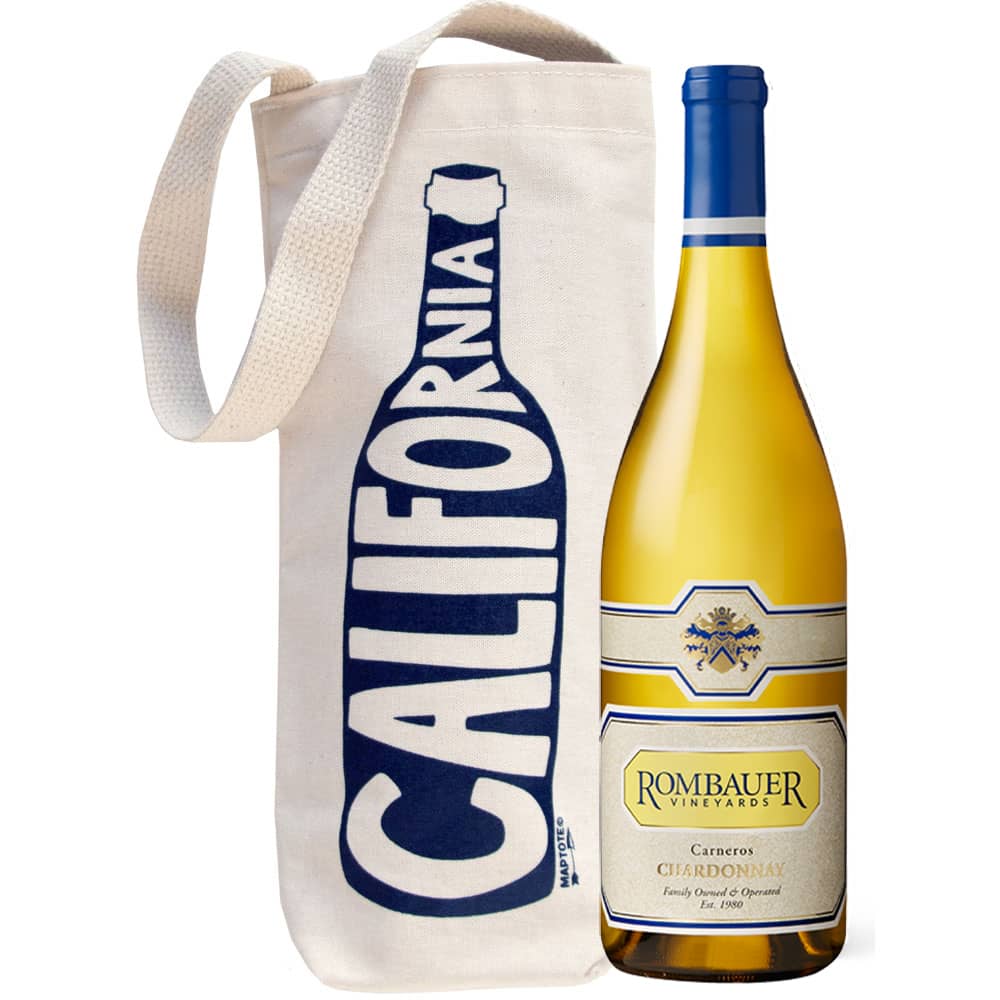
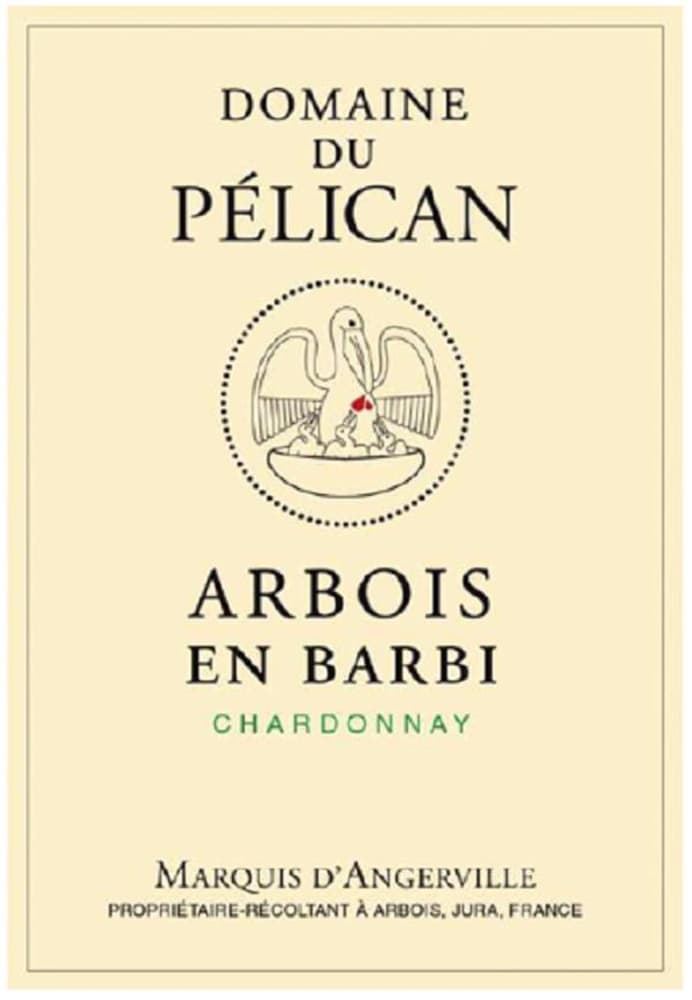
Chardonnay presents another fantastic option, offering a wide range of flavors depending on its origin. From buttery and oaky profiles in California to bright and citrusy expressions from Chablis, this grape can cater to diverse palates. Pair it with roasted poultry or creamy pastas for a harmonious match.
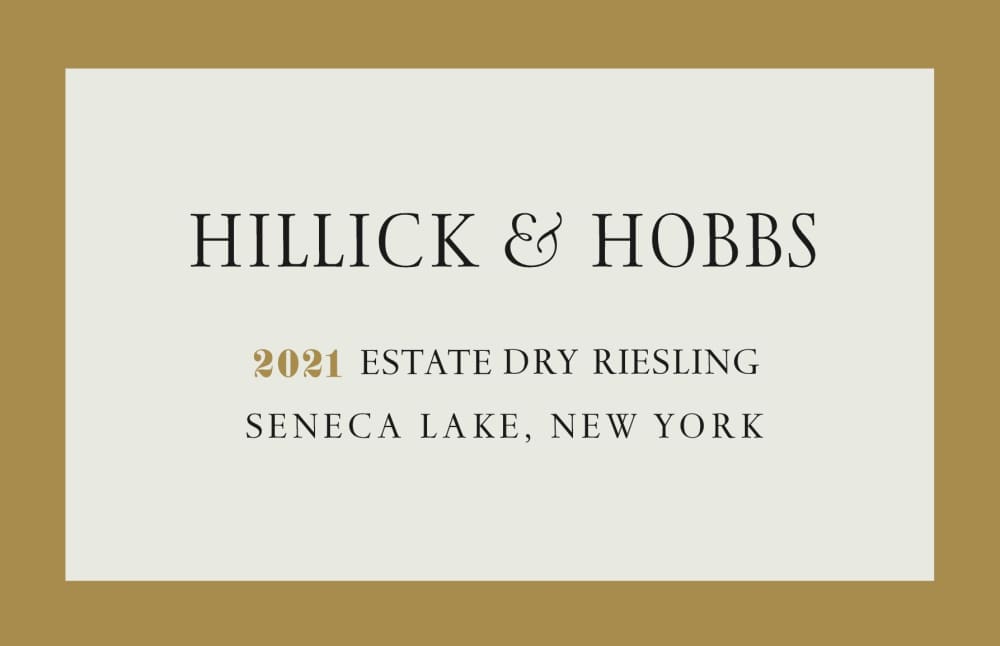
For those seeking something unique, consider Riesling. This varietal ranges from bone-dry to luscious sweet profiles, often featuring floral and stone fruit aromas. It’s a versatile choice, excellent with spicy Asian cuisine or rich charcuterie boards.
Each selection provides a distinct tasting experience, ensuring that there’s a pale option to suit every preference and occasion. Enjoy exploring these delightful choices!
Understanding Dry White Wines
Opt for Sauvignon Blanc when seeking a crisp, refreshing option. This varietal showcases notes of citrus, green apple, and sometimes herbaceous qualities. It’s a fantastic pair with seafood and salads, enhancing the freshness of the dish.
Chardonnay presents a broad spectrum of flavors, from buttery and oaky to lean and minerally. If you prefer a cleaner profile, select unoaked versions. They often exude flavors of pear, melon, and citrus, making them versatile for various cuisines.
Consider Pinot Grigio for a light, zesty experience. It’s characterized by bright acidity and flavors of stone fruits and lemon zest. Best enjoyed chilled, it complements light pasta dishes and grilled vegetables perfectly.
For a more aromatic alternative, explore Grüner Veltliner. Its peppery finish and hints of green herbs pair well with Asian cuisines, especially dishes featuring sushi or spicy flavors.
Riesling can also be an excellent choice, especially the dry styles. Known for its high acidity and floral aromas, it goes wonderfully with spicy Asian dishes, adding a refreshing contrast to the heat.
When pairing food with these selections, consider the weight and intensity of both the beverage and the dish. Lighter options match well with delicate flavors, while fuller-bodied varieties stand up to richer, more robust tastes.
Lastly, Sauvignon Blanc and Chardonnay often shine in blends, offering complexity and depth. Experimenting with various combinations can lead to delightful discoveries.
Exploring Sweet White Wines
Focusing on dessert options, I recommend trying Riesling, known for its balance of sweetness and acidity. Look for late-harvest versions or those labeled as “Auslese” for a richer experience.
Notable Varietals
- Gewürztraminer: This aromatic choice offers lychee and rose petal notes, making it perfect for pairing with spicy dishes.
- Moscato: Light and fizzy, Moscato presents flavors of peach and apricot, ideal for casual sipping or light desserts.
- Sauternes: A classic French option, this wine is luscious with honeyed flavors and can age beautifully.
Pairing Suggestions
- Riesling pairs well with rich, creamy cheeses.
- Gewürztraminer complements Asian cuisine, especially Thai or Indian dishes.
- Moscato is delightful with fruit-based desserts or light pastries.
- Sauternes goes wonderfully with foie gras or blue cheese.
Exploring these selections opens up a world of flavors, enhancing meals and celebrations alike. Each varietal brings a unique profile, catering to diverse palates and occasions.
Characteristics of Sparkling White Wines
Sparkling options captivate with their effervescence and complexity. These selections can range from dry to sweet, offering unique experiences based on their production methods and grape varieties.
Key characteristics include:
- Carbonation: Bubbles originate from fermentation, either in the bottle (traditional method) or in tanks (Charmat method). The size and persistence of bubbles can indicate quality.
- Aroma: Expect notes of green apple, citrus, and floral hints, often accompanied by toasty or yeasty undertones, especially in well-aged varieties.
- Flavor Profile: Crisp acidity balances sweetness, with flavors evolving from fruity and floral to more complex, creamy, or nutty as the wine ages.
- Body: Generally light to medium-bodied, sparkling whites can feel refreshing and invigorating, making them ideal for various occasions.
- Serving Temperature: Best enjoyed chilled, around 40-50°F (4-10°C), which enhances the refreshing qualities and keeps the bubbles lively.
When selecting a sparkling option, consider the region. For instance, French Champagne is renowned for its complexity, while Prosecco from Italy offers a fruitier, lighter alternative. Each choice brings its own charm and character to the table.
Pair these delightful wines with a range of dishes. They complement seafood, light salads, and even fried foods, enhancing flavors and adding a celebratory touch.
Identifying Aromatic White Wines
Focus on grape varieties known for their expressive aromas. Look for examples like Gewürztraminer, Muscat, and Riesling, which are celebrated for their distinctive fragrant profiles.
Aroma Characteristics
Recognizing the scent is key. Here are common aromatic notes to expect:
- Gewürztraminer: Lychee, rose petals, and spice.
- Muscat: Orange blossom, peach, and tropical fruits.
- Riesling: Green apple, apricot, and honey.
Tasting Techniques
Employ proper tasting techniques to identify these aromatics:
- Swirl the glass gently to release aromas.
- Inhale deeply to capture the bouquet.
- Take a small sip and allow it to linger on your palate.
Pay attention to the balance between sweetness and acidity, which enhances the aromatic experience.
Comparing Old World and New World White Wines
I recommend exploring the distinct characteristics of Old World and New World varietals to appreciate their unique profiles. Old World selections, primarily from regions like France, Italy, and Germany, often focus on terroir, expressing the local soil and climate in every sip. These wines typically showcase higher acidity, subtlety, and complex flavor profiles, reflecting traditional winemaking techniques. For instance, a classic Chablis, made from Chardonnay, presents crisp minerality with hints of green apple and citrus, embodying the essence of its origin.
In contrast, New World offerings, such as those from California or Australia, emphasize fruit-forward flavors and often undergo techniques like oak aging to enhance richness. A Napa Valley Chardonnay, for example, may exhibit ripe tropical fruit notes, buttery textures, and vanilla undertones due to the influence of oak. This approach tends to result in bolder, more approachable wines that cater to a wider palate.
When tasting, pay attention to these differences. An Old World Riesling from Germany might surprise with its dry finish and floral aromas, while a New World counterpart could offer a sweeter profile with pronounced fruitiness. Pairing options also vary; Old World styles often complement lighter fare like seafood or salads, while New World selections can hold their own against richer dishes.
In summary, both Old World and New World bring valuable experiences to the table, appealing to diverse tastes and preferences. I suggest trying various bottles from each category to find your personal favorites and appreciate the nuances that define these wines.
Choosing the Right White Wine for Food Pairing
For seafood dishes, I recommend a crisp Sauvignon Blanc. Its bright acidity complements flavors of shellfish and white fish beautifully. If enjoying rich, creamy sauces, a full-bodied Chardonnay enhances the dish without overwhelming it.
Vegetarian Options
When pairing with vegetable-based meals, I often opt for a Pinot Grigio. Its light and zesty profile works well with fresh salads and grilled vegetables. Alternatively, a Viognier adds a floral note that enhances dishes featuring herbs and spices.
Spicy Cuisine
For spicy Asian cuisine, like Thai or Indian dishes, a slightly sweet Riesling balances heat perfectly. The sweetness softens the spice while enhancing the overall flavor experience. A Gewürztraminer also pairs well with spicy foods, offering aromatic complexity that complements bold spices.
Impact of Aging on Quality of Light Fermented Beverages
Optimal maturation significantly enhances complex flavors and aromas in certain varieties. For instance, a Sauvignon Blanc aged in oak develops layers of vanilla and toast, complementing its natural citrus notes. Chardonnay, particularly from Burgundy, evolves with time, showcasing buttery characteristics and minerality.
Chemical Transformations
Aging triggers chemical reactions, such as esterification, which creates intricate aroma compounds. Acid levels may soften, resulting in a smoother mouthfeel. Notably, phenolic compounds contribute to color changes and texture, enriching the overall sensory experience.
Storage Conditions
Temperature and humidity play crucial roles in the aging process. Ideal conditions range from 45°F to 65°F, with around 70% humidity to prevent cork dryness. Consistent storage prevents premature aging, allowing optimal development over time.