Chuck Furuya




Choosing a choice varietal can elevate your beverage experience significantly. I recommend a young, fruity Tempranillo as an outstanding option. Its bright cherry and plum notes blend harmoniously with the citrus fruits typically used in this refreshing drink.
Another excellent pick is Garnacha, known for its berry flavors and subtle spice. This wine adds depth without overpowering the other ingredients, making it a perfect match for those seeking a balanced flavor profile.
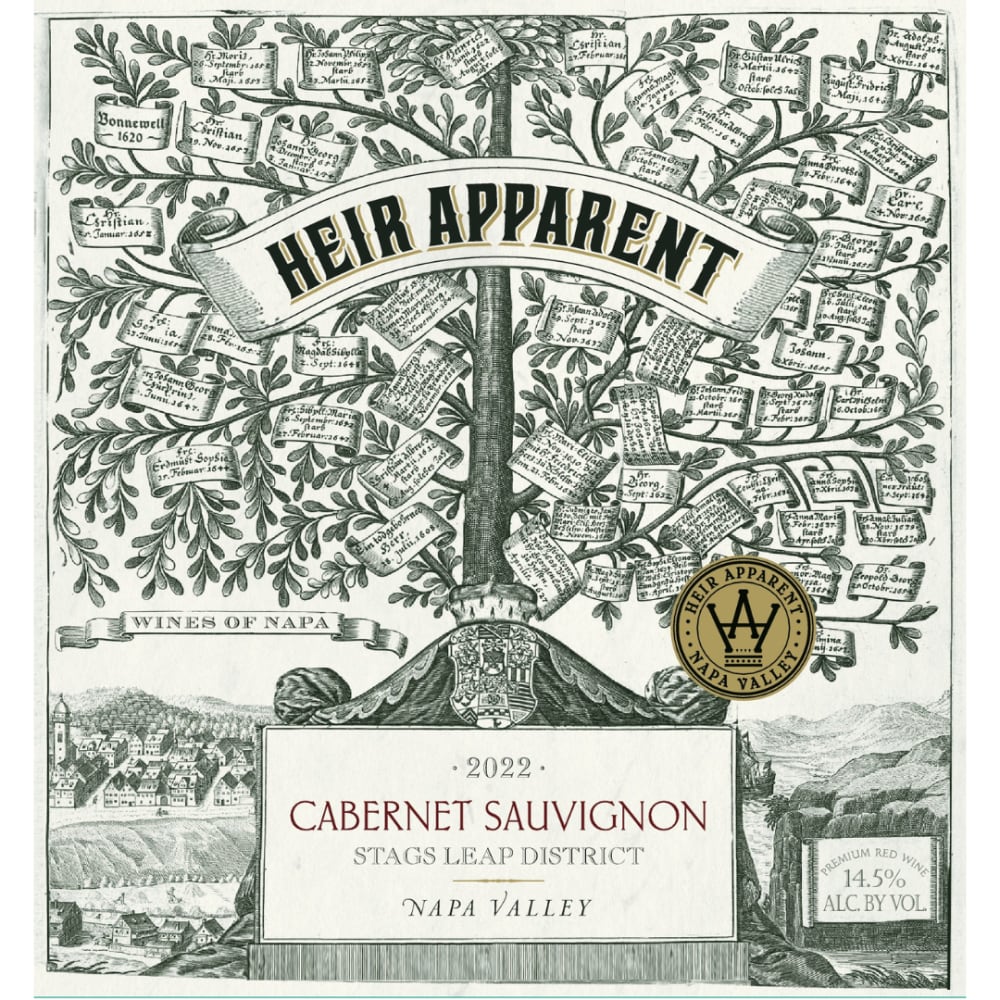
If you prefer a bolder option, consider a Cabernet Sauvignon. This variety introduces rich dark fruit flavors and a bit of tannic structure, which can create a more robust concoction. Just be sure to balance it with enough acidity and sweetness from your additional elements.
Ultimately, the key is to select something that complements the mix of fruits and sweeteners you plan to use. Don’t hesitate to experiment with different blends to find your perfect combination.
Choosing the Ideal Red for Your Sangria
Tempranillo stands out as a fantastic choice, offering a balance of fruitiness and acidity that enhances the overall flavor profile. This Spanish varietal harmonizes beautifully with citrus and berries, making it a perfect base for my concoction.
Another excellent option is Garnacha, known for its juicy red fruit notes and subtle spiciness. Its soft tannins and vibrant character elevate the refreshing qualities of the drink, creating a delightful experience.
Consider using Merlot if I want a smoother, rounder finish. Its plush texture and dark fruit flavors add a comforting depth, complementing the sweetness of added fruits.
Syrah brings a bolder edge with its peppery undertones and rich berry flavors. This choice introduces a more complex layer, ideal for those who enjoy a more robust flavor in their mix.
Finally, I find that Zinfandel can deliver a fruity and spicy kick, making it a lively addition. Its natural sweetness pairs well with various fruits, enhancing the beverage’s overall appeal.
Choosing the Right Flavor Profile for Sangria
Opt for a choice with fruit-forward notes and a touch of acidity. I often select a Merlot or Garnacha, as their juicy characteristics complement the other ingredients seamlessly. These varieties typically present flavors like cherry, plum, and raspberry, enhancing the overall experience.
Incorporate additional elements to balance sweetness and tartness. A hint of citrus, such as oranges or lemons, can elevate the drink’s freshness. If I want to add complexity, I might consider spices like cinnamon or a splash of brandy for warmth.
Pay attention to the sweetness level of the base. A drier choice may require more sweetener or fruit to achieve harmony. Conversely, if I start with a sweeter option, I keep the added sugar minimal to avoid overwhelming the palate.
Experimentation is key. I often try blending different varietals or adjusting the quantities of fruits and mixers until achieving a satisfying blend. Each batch can bring a unique twist, reflecting seasonal fruits or personal preferences.
Top Varieties for a Balanced Pitcher
When crafting a delicious pitcher, I gravitate towards specific varietals that harmonize well with fruits and mixers.
- Tempranillo: This Spanish grape offers an earthy undertone with berry notes, making it a solid choice. Its moderate tannins complement citrus fruits beautifully.
- Garnacha: Known for its juicy red fruit flavors and a hint of spice, Garnacha balances sweetness and acidity perfectly, enhancing the overall experience.
- Merlot: With its smooth texture and flavors of plum and cherry, Merlot integrates seamlessly with added ingredients, providing a softer profile.
- Syrah/Shiraz: This choice brings bold dark fruit flavors and peppery notes, creating depth in the beverage while standing up to more robust fruits.
- Cabernet Sauvignon: A bit more tannic, it introduces structure and complexity. Pairing it with bright fruits can create an enticing contrast.
Each of these varietals can elevate the character of your beverage, ensuring a delightful blend that pleases the palate. Experimenting with different combinations will lead to unique and satisfying results.
How Wine Quality Affects Sangria Taste
The quality of the chosen grape beverage significantly influences the overall flavor profile of the fruity mixture. Opting for a high-quality option enhances the depth and richness, introducing complexity to the drink. Lower-grade alternatives often result in a flat or overly acidic concoction that overshadows the freshness of added fruits and spices.
Key Factors of Quality
Several aspects contribute to the quality of the grape beverage:
- Region: Grapes sourced from renowned regions typically exhibit superior characteristics.
- Varietal Characteristics: Different grape varieties impart distinct flavors; selecting a variety known for its fruitiness can elevate the drink.
- Vinification Process: Wines crafted with care, utilizing traditional methods, tend to have a more refined taste.
Choosing Quality for Balance
When blending fruits and sweeteners, I prefer a beverage that complements rather than competes. A well-structured choice allows for harmony among the ingredients. Here’s a quick table summarizing how quality impacts various flavor elements:
| Quality Level | Flavor Intensity | Fruity Notes | Acidity |
|---|---|---|---|
| High-end | Rich and complex | Bold and vibrant | Balanced |
| Mid-range | Moderate | Present but subtle | Moderate |
| Low-quality | Flat or overpowering | Muted | High or low |
I recommend prioritizing quality; it transforms a simple blend into a delightful experience. A premium selection elevates the drink, creating a memorable blend that showcases the fruits and other components beautifully.