Chuck Furuya
For optimal flavor enhancement, I recommend using a specialized tool designed to maximize the exposure of your favorite varietals to oxygen. This process significantly enriches the bouquet and mouthfeel, allowing the complex aromas and flavors to emerge more vividly.
The mechanism involves a unique design that facilitates increased air contact, typically through a series of perforations or a funnel-like structure, which encourages the liquid to interact with the surrounding air. As I pour the beverage through this device, I notice a marked difference in the taste profile, as the volatile compounds are released, making the experience more enjoyable.
Furthermore, the shape of the device plays a crucial role. A wider opening allows for a greater surface area for oxygenation, which is essential for softening tannins and enhancing the overall palate. Experimenting with different models can yield surprising results in terms of flavor development and aroma release.
Mechanism of a Wine Enhancer
This tool functions by introducing air into the liquid, which facilitates oxidation. When I pour the beverage through the device, it creates turbulence, maximizing the surface area exposed to oxygen. This interaction allows volatile compounds to evaporate, enhancing aromas and flavors.
Design Elements
The construction typically includes a funnel-like structure with perforations or a mesh that promotes aeration. The design encourages the liquid to flow rapidly, promoting a reaction with the air. I often find that different models vary in their ability to aerate, with some allowing for greater exposure than others.
Usage Recommendations
For optimal results, I recommend using the enhancer immediately before serving. Pouring slowly allows for maximum aeration. It’s useful for young vintages that benefit from exposure to air, while older varieties may require a gentler approach. Testing the flavors at different intervals after aeration can help identify the ideal exposure time for each bottle.
Understanding the Basics of Wine Aeration
To enhance the flavor profile of a bottle, allow it to breathe before serving. This process improves taste by softening tannins and releasing volatile compounds. Here are key points to consider:
- Exposure to oxygen helps mellow harsh notes.
- Optimal time for breathing varies; younger vintages may need more time, while older selections require less.
- Swirling the liquid in the glass can promote quicker aeration.
- Temperature affects flavor; serve at the right temperature to maximize enjoyment.
For best results, experiment with different methods, such as using a decanter or an aerating device, to find what suits your palate. Each bottle may respond differently to exposure, so adjust accordingly.
Lastly, consider the serving environment; a wide glass allows for greater surface area, facilitating more effective interaction with air. Enjoy the process as you explore the complexities of your chosen beverage.
Key Components of a Red Wine Aerator
In my experience, the effectiveness of a decanting tool relies heavily on its components. Here are the crucial parts that enhance the aeration process:
| Component | Description |
|---|---|
| Air Intake System | This feature allows for the incorporation of oxygen as the liquid flows through, promoting oxidation. |
| Diffuser | A structure that breaks the liquid into smaller streams, increasing surface area exposure to air for improved aeration. |
| Filter | Traps sediment and other unwanted particles, ensuring a clean pour while maintaining the wine’s integrity. |
| Spout | Designed for controlled pouring, minimizing spills and allowing for a smooth transition from container to glass. |
| Material | Typically made from glass or high-quality plastics, these materials are essential for durability and ease of cleaning. |
Each element contributes to maximizing the potential of the beverage, allowing for a more enjoyable tasting experience. Understanding these components can help in selecting a suitable tool that aligns with personal preferences.
How Aeration Affects Flavor and Aroma
Aeration significantly enhances taste and scent profiles of beverages. By introducing oxygen, volatile compounds in the liquid are released, making flavors more pronounced and aromas more complex.
In my experience, allowing a beverage to breathe can soften tannins and add depth. For example, younger varieties often have harsh tannins that can be tamed through exposure to air, resulting in a smoother mouthfeel and greater overall balance.
The chemical reactions that occur during this process help to break down certain compounds. This not only reduces bitterness but also highlights fruity and floral notes. As a result, the drink becomes more inviting and layered.
Here’s a quick comparison of how different aeration methods can influence taste:
| Aeration Method | Flavor Impact | Aroma Impact |
|---|---|---|
| Decanting | Softens tannins, enhances fruitiness | Opens up floral and spice notes |
| Using an aerator | Quickly smooths harsh edges | Intensifies aromatic compounds |
| Swirling in a glass | Releases volatile aromas | Boosts intensity of scents |
Each method has its own merits, but personal preference plays a significant role in determining which one to use. Always taste and smell before and after to appreciate the transformation.
In conclusion, the right aeration technique can elevate the experience, making each sip more enjoyable and nuanced. I recommend experimenting with various methods to discover what best suits your palate.
Different Types of Red Wine Aerators Explained
I recommend exploring several types of devices designed for enhancing the flavors of your favorite varietals. There are three main categories: pour-through models, handheld options, and electric units.
Pour-through devices are straightforward. You simply pour the liquid through the aeration chamber, allowing air to mix with the beverage. These are typically compact and easy to clean, making them perfect for casual tastings.
Handheld variants are slightly larger and often feature a nozzle that creates a fine mist as the liquid is dispensed. This method maximizes exposure to oxygen and is ideal for those who enjoy experimenting with different aeration techniques. They are portable, making them a great choice for picnics or outdoor events.
Electric aerators represent a more advanced option, utilizing a motor to draw air into the liquid as it dispenses. This type is often praised for its efficiency in achieving optimal aeration quickly. They usually come with a charging base and can be used for various types of beverages, not just reds.
In addition to these categories, some designs include integrated filters to remove sediment, enhancing the drinking experience. Others focus on aesthetics, featuring elegant designs that complement your glassware.
Choosing the right type depends on your personal preferences and how often you indulge in oenology. Each style offers unique benefits, allowing you to elevate your tasting experience seamlessly.
Step-by-Step Guide to Using a Wine Aerator
Begin by selecting a suitable vessel for pouring. A decanter or a glass will enhance the experience. Ensure it’s clean to avoid any unwanted flavors.
- Open the Bottle: Carefully remove the cork. Use a corkscrew if necessary, ensuring not to break the cork.
- Pour the Liquid: Hold the bottle at a slight angle and pour the beverage into the aerating device. Aim for a smooth, steady stream.
- Activate the Aeration: If using a manual aerator, gently squeeze or press the device to allow air to mix with the fluid. For electric options, simply turn it on and let it do its job.
- Observe the Transformation: Watch for bubbles forming, indicating the infusion of oxygen. This process enhances flavors and aromas.
- Taste Test: After a few minutes of aeration, pour a small amount into a glass. Swirl and inhale deeply to appreciate the aromas.
- Enjoy Your Beverage: Pour the aerated liquid into your glass and savor the enhanced experience.
Tips for Optimal Use
- Experiment with different aeration times; some varieties may require longer exposure to air.
- Clean the device after each use to maintain its efficiency and ensure no residual tastes.
- Consider using a funnel for easier pouring if you’re dealing with a larger decanter.
Following these steps will significantly enhance the flavors and aromas of your selection, allowing for a more enjoyable tasting experience.
Common Mistakes When Using a Wine Aerator
One frequent error is rushing the process. I often pour the liquid too quickly, thinking it will enhance the exposure to air. Instead, I take my time, allowing the beverage to interact gradually with oxygen for optimal results.
Over-Aerating
Another issue arises from excessive aeration. I’ve learned that not all vintages require the same level of exposure. Some delicate varieties might become flat if overexposed, losing their unique characteristics. I pay attention to the specific needs of each bottle.
Ignoring Temperature
Temperature plays a significant role. I sometimes forget to let the beverage reach the ideal serving temperature before aerating. If it’s too warm or too cold, the flavor profile can be negatively impacted. I always check the recommended serving temperature for the specific variety.
- Using a dirty aerating device can introduce unwanted flavors. I ensure mine is clean before each use.
- Pouring directly from the bottle instead of using a decanter can limit the aeration process. I prefer to decant first for maximum exposure.
- Not allowing the beverage to breathe after aeration is another mistake. I’ve found that letting it sit for a few minutes can further enhance the tasting experience.
By avoiding these common pitfalls, I enhance the overall enjoyment of my chosen drink, unlocking its true potential.
Comparing Aerators: Which One is Right for You?
For optimal enjoyment, selecting the right tool tailored to your preferences is key. I recommend considering the design and functionality that best suits your needs. For instance, handheld models are ideal for those who value portability and ease of use, while electric options provide rapid aeration, perfect for large gatherings.
Handheld vs. Electric Options
Handheld devices are generally more affordable and easy to store. Their manual operation allows for greater control over the aeration process, making them suitable for wine enthusiasts who appreciate a hands-on approach. On the other hand, electric models excel in efficiency, ensuring a consistent and thorough exposure to air with minimal effort.
Decanter vs. Pouring Aerators
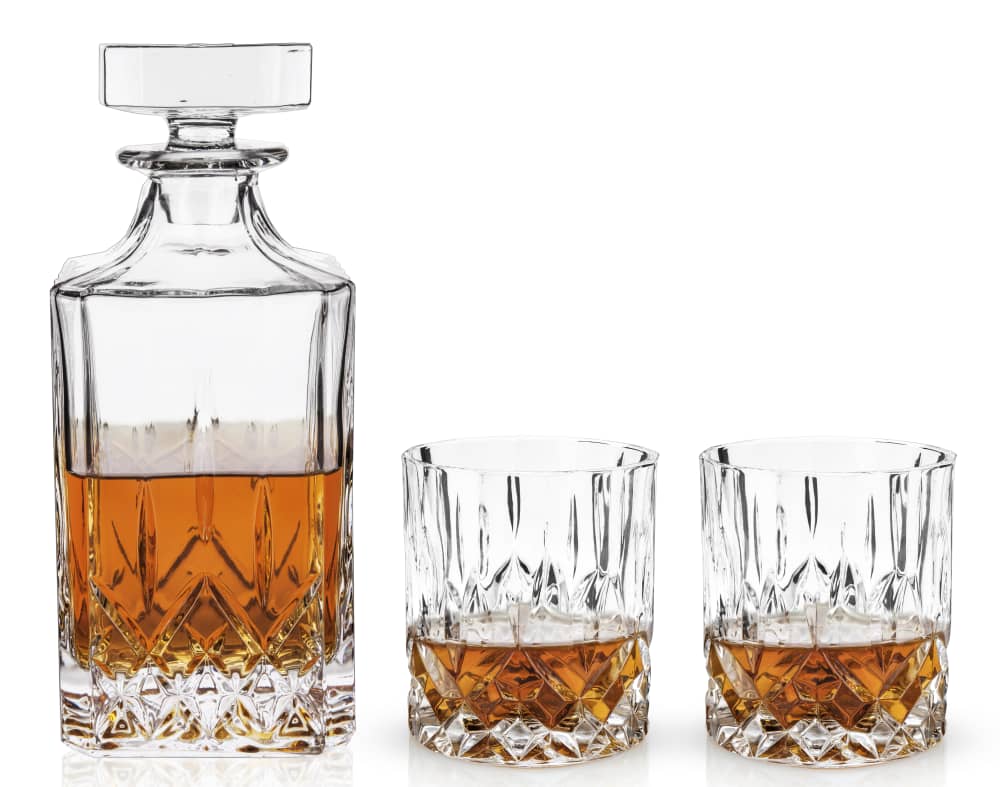
Decanters offer a classic aesthetic and are great for showcasing your favorite bottles. They provide ample surface area for oxidation, enhancing flavors over time. Pouring aerators, however, deliver immediate results with each pour, making them convenient for casual sipping. If you prefer instant gratification, a pouring model might suit you better.
Ultimately, the best choice depends on your lifestyle, budget, and personal taste preferences. Consider experimenting with different types to find the perfect match that elevates your tasting experience.