Chuck Furuya



For optimal enjoyment of bold varietals, aim for a range of 60°F to 65°F (15°C to 18°C). This allows complex aromas and flavors to shine, enhancing the tasting experience. A little chill can elevate the overall profile, making it more enjoyable.
In contrast, lighter options benefit from a cooler setting of 45°F to 55°F (7°C to 13°C). This range preserves the refreshing acidity and fruity notes, making each sip crisp and invigorating. Serving too warm can mute these qualities, so precision in temperature is key.
Utilizing a thermometer can be helpful; however, general guidelines often suffice. For instance, placing bottles in the refrigerator for 30 minutes prior to serving or letting them sit at room temperature for a short while can achieve suitable conditions. Enjoying these beverages at their ideal state truly enhances the overall experience.
Ideal Serving Temperature for Red Wine
For optimal enjoyment, I recommend serving your favorite varietal between 60°F to 65°F (15°C to 18°C). This range enhances the bouquet and flavor profile, allowing for a more nuanced tasting experience. Cooler temperatures can mute flavors, while excessive warmth may exaggerate tannins and alcohol.
Factors Influencing Temperature
Different grape varieties respond uniquely to slight variations in degrees. For instance, full-bodied options like Cabernet Sauvignon and Syrah thrive slightly warmer, around 65°F (18°C), whereas lighter styles such as Pinot Noir benefit from a cooler setting of approximately 60°F (15°C). Consider the specific characteristics of each bottle to adjust accordingly.
Quick Reference Table
| Varietal | Recommended Range (°F) |
|---|---|
| Cabernet Sauvignon | 65°F – 68°F |
| Merlot | 60°F – 65°F |
| Pinot Noir | 55°F – 60°F |
| Syrah/Shiraz | 65°F – 70°F |
Using a wine thermometer can help achieve precise degrees. Storing bottles in a wine fridge set to the correct range ensures that each pour is perfectly calibrated for maximum flavor delivery.
Optimal Serving Temperature for White Wine
For optimal enjoyment, chill your chilled beverage to a range between 45°F and 55°F (7°C to 13°C). This range enhances the refreshing qualities while allowing the intricate aromas and flavors to shine.
Different styles vary slightly in ideal cooling levels:
- Light-bodied varieties, such as Sauvignon Blanc and Pinot Grigio, benefit from the cooler end at approximately 45°F (7°C).
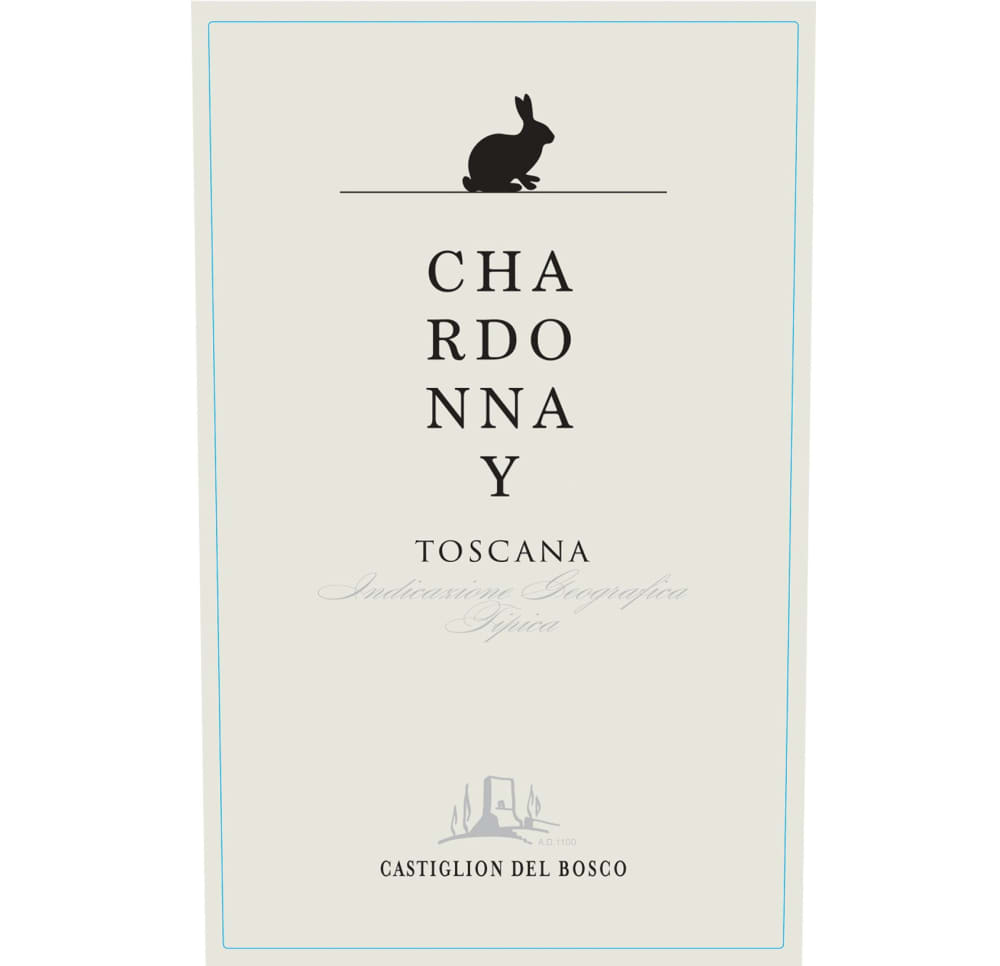
- Full-bodied options, like Chardonnay, are best enjoyed around 50°F to 55°F (10°C to 13°C).
To achieve these cooler levels, place your bottle in an ice bucket for about 15-20 minutes or in the refrigerator for 30-45 minutes prior to serving. Avoid freezing, as it can mask flavors.
When enjoying, pour into a narrow glass to maintain cooler conditions longer while concentrating the aromas. This approach enhances the tasting experience, allowing for a more delightful exploration of each sip.
Impact of Temperature on Wine Flavor Profile
Serving at precise degrees significantly enhances tasting experiences. For instance, higher degrees can amplify tannins in bold varieties, making them taste more astringent and overpowering. Conversely, chilling lighter selections can obscure delicate notes, diminishing their complexity. Therefore, understanding nuances of warmth is essential for optimal enjoyment.
For robust varieties, around 60-65°F allows fruit characteristics to shine while tempering harshness. At this range, aromas become pronounced, enriching overall flavor. In contrast, if served too cool, these wines may taste flat and lifeless, as subtler flavors struggle to emerge.
On the other hand, lighter choices shine between 45-55°F. This cooler range preserves acidity and freshness, elevating crisp notes. Serving beyond this threshold can lead to exaggerated sweetness, masking the intricate profiles that many appreciate.
Additionally, factors such as decanting can further modify experiences. Allowing fuller-bodied selections to breathe at room temperature can soften tannins, enhancing mouthfeel. Chilling lighter options, however, should be approached with caution to avoid losing their refreshing qualities.
Ultimately, achieving the right warmth can transform a simple tasting into a memorable event, where every sip reveals layers of flavor waiting to be discovered.
Tips for Achieving the Right Serving Temperature
Chilling a bottle of chilled white varietals to around 45-50°F (7-10°C) can be easily accomplished by placing it in an ice bucket filled with equal parts ice and water for about 15 minutes. This method allows for quick cooling without risking the quality.
For lighter reds, aim for a slight chill between 55-60°F (13-16°C). An effective way to achieve this is to refrigerate the bottle for 30 minutes before serving. This approach enhances the character without muting the flavors.
Utilizing a wine thermometer can provide precise readings, ensuring optimal enjoyment. If a thermometer isn’t available, touch the bottle’s surface to gauge warmth; a slight chill indicates readiness.
When pouring, always consider a decanter for full-bodied options. This allows for aeration, which can subtly influence the perception of warmth, enhancing the overall experience.
Lastly, be mindful of ambient conditions. Serving indoors with controlled climate can help maintain desired conditions longer, whereas outdoor settings may require quick adjustments to keep bottles at optimal levels.