Chuck Furuya



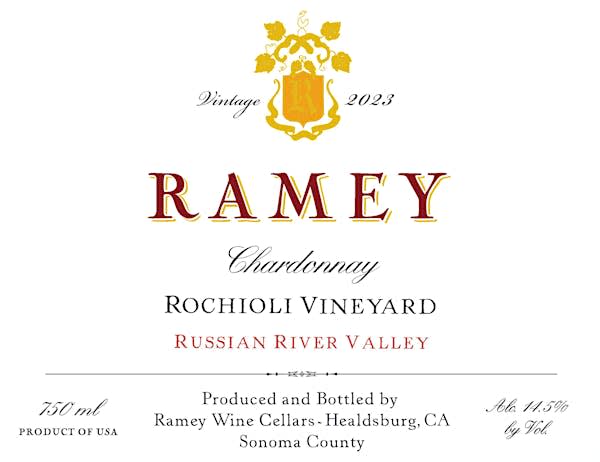
Chardonnay stands out as the predominant choice among white cultivars in this renowned French region. Its versatility allows winemakers to create a broad spectrum of styles, from crisp and mineral-driven to rich and oaky, catering to diverse palates.
In Burgundy, the terroir plays a significant role in shaping Chardonnay’s characteristics. The unique combination of clay, limestone, and chalky soils contributes to the complexity of flavors found in the wines. Understanding the specific subregions, such as Chablis, Côte de Beaune, and Côte Chalonnaise, can greatly enhance one’s appreciation of the nuances in each bottle.

For those keen on exploring Burgundy’s offerings, selecting wines from reputable producers can lead to delightful experiences. Notable appellations to consider include Meursault, Puligny-Montrachet, and Chassagne-Montrachet, where the expression of Chardonnay reaches remarkable heights.
Chardonnay: Dominant Choice in Burgundy
Chardonnay stands out as the predominant selection in Burgundy’s vineyards. This cultivar thrives in diverse terroirs, resulting in a wide range of expressions, from crisp and mineral to rich and buttery. For anyone exploring this region, experiencing the versatility of Chardonnay is essential.
When tasting, I recommend paying attention to the differences between various appellations. Chablis offers a steely, flinty profile, while Côte de Beaune showcases more rounded, opulent characteristics. Understanding these nuances enhances appreciation for the artistry involved in the wine-making process.
For those interested in pairing, Chardonnay complements seafood, poultry, and creamy cheeses exceptionally well. Its acidity and flavor profile create a harmonious balance with many dishes. Additionally, learning about vineyard practices, such as the influence of oak aging, can further deepen one’s understanding of this remarkable varietal.
In conclusion, Chardonnay’s adaptability and depth make it a cornerstone of Burgundy’s viticulture. Exploring this grape offers a rich tapestry of flavors and experiences that are integral to any wine lover’s journey.
Identifying the Primary White Grape in Burgundy
Chardonnay stands as the predominant choice among cultivators in this renowned region. Its adaptability to various terroirs and climates results in a remarkable range of expressions, from crisp and mineral to rich and buttery profiles.
This cultivar thrives in the diverse soil compositions found throughout Burgundy, particularly in limestone and clay-rich areas. The unique microclimates also contribute to the complexity of flavors, allowing for a nuanced tasting experience.
When exploring options, I recommend looking for wines labeled as Chablis or Côte de Beaune. These areas showcase the exceptional qualities of this fruit, often featuring notes of citrus, apple, and subtle oak influences.
For an authentic experience, consider tasting vintages from esteemed producers who emphasize traditional winemaking techniques, such as fermentation in oak barrels and extended aging on lees. This approach enhances the texture and depth of the final product.
Ultimately, Chardonnay’s versatility and ability to reflect its environment make it an indispensable element in the vinicultural heritage of this iconic region.
Characteristics of Chardonnay Grapes in Burgundy
Chardonnay in this region displays a remarkable depth of flavor and complexity. The terroir, characterized by limestone and clay soils, contributes to the distinctive minerality and acidity found in the wines. This grape exhibits a broad spectrum of aromas, ranging from green apple and pear to more tropical notes like pineapple and mango, depending on ripeness and vineyard location.
Flavor Profile
Fruits are often complemented by floral hints, particularly white flowers, and a subtle nuttiness that emerges with aging. Oak aging can introduce layers of butter, vanilla, and spice, enhancing the overall profile. The balance between acidity and richness is a hallmark of Chardonnay, making it versatile for various food pairings.
Growing Conditions
Climate plays a significant role in shaping the characteristics of Chardonnay here. Cooler climates lead to higher acidity and fresher fruit flavors, while warmer areas tend to produce riper, fuller-bodied wines. Careful vineyard management, including canopy management and yield control, is crucial for achieving optimal fruit quality.
Impact of Burgundy’s Climate on Chardonnay Quality
Climate significantly influences Chardonnay’s attributes in this renowned region. The interplay of temperatures, rainfall, and sunlight shapes the characteristics of the grapes, ultimately affecting the flavor profile and overall quality of the beverages produced.
Key climatic factors include:
- Temperature: Moderate temperatures during the growing season allow grapes to ripen gradually, enhancing acidity and complexity. Warm days and cool nights help preserve the freshness.
- Rainfall: Adequate precipitation during spring promotes healthy vine growth. However, too much rain during harvest can dilute flavors, making careful monitoring essential.
- Sunlight: Sufficient sunlight exposure is crucial for sugar accumulation and flavor development. The region’s varied topography ensures that different plots receive optimal sunlight at different times.
Each vintage showcases unique climatic conditions, leading to diverse expressions of Chardonnay. Cooler years often yield wines with higher acidity and crispness, while warmer years tend to produce riper, fuller-bodied styles. Understanding these patterns allows winemakers to adapt their techniques, ensuring quality remains consistent regardless of annual variations.
Microclimates within Burgundy further enhance the complexity of Chardonnay. Specific sites can experience slightly different weather conditions, contributing to the distinctiveness of wines from various appellations. This diversity reflects in the nuances of flavor, aroma, and texture, making each bottle a representation of its specific terroir.
In summary, Burgundy’s climate plays a pivotal role in shaping Chardonnay’s quality. By paying attention to climatic conditions and adapting practices accordingly, producers can consistently craft exceptional wines that highlight the unique characteristics of this esteemed varietal.
Key Wine Regions in Burgundy Known for Chardonnay
Côte de Beaune stands out as a premier area renowned for exceptional Chardonnay. Esteemed villages such as Meursault, Puligny-Montrachet, and Chassagne-Montrachet contribute to its prestigious reputation. Here, wines exhibit a spectrum of flavors, from rich and buttery to mineral-driven profiles.
Chablis is another significant location, distinct for its cool climate that imparts a unique character to Chardonnay. The Kimmeridgian clay and limestone soils create wines with pronounced acidity and flinty notes, often described as crisp and refreshing.
Côte Chalonnaise, while less famous, offers remarkable value. Villages like Montagny and Rully are gaining recognition for producing quality Chardonnays that embody the essence of Burgundy at a more accessible price point.
| Region | Notable Villages | Characteristics |
|---|---|---|
| Côte de Beaune | Meursault, Puligny-Montrachet, Chassagne-Montrachet | Rich, buttery, complex |
| Chablis | Chablis Village, 1er Cru, Grand Cru | Crisp, mineral, flinty |
| Côte Chalonnaise | Montagny, Rully | Fruit-forward, value-driven |
These regions collectively showcase the diversity and quality of Chardonnay in this renowned French territory, making them essential stops for enthusiasts and collectors alike.