Chuck Furuya
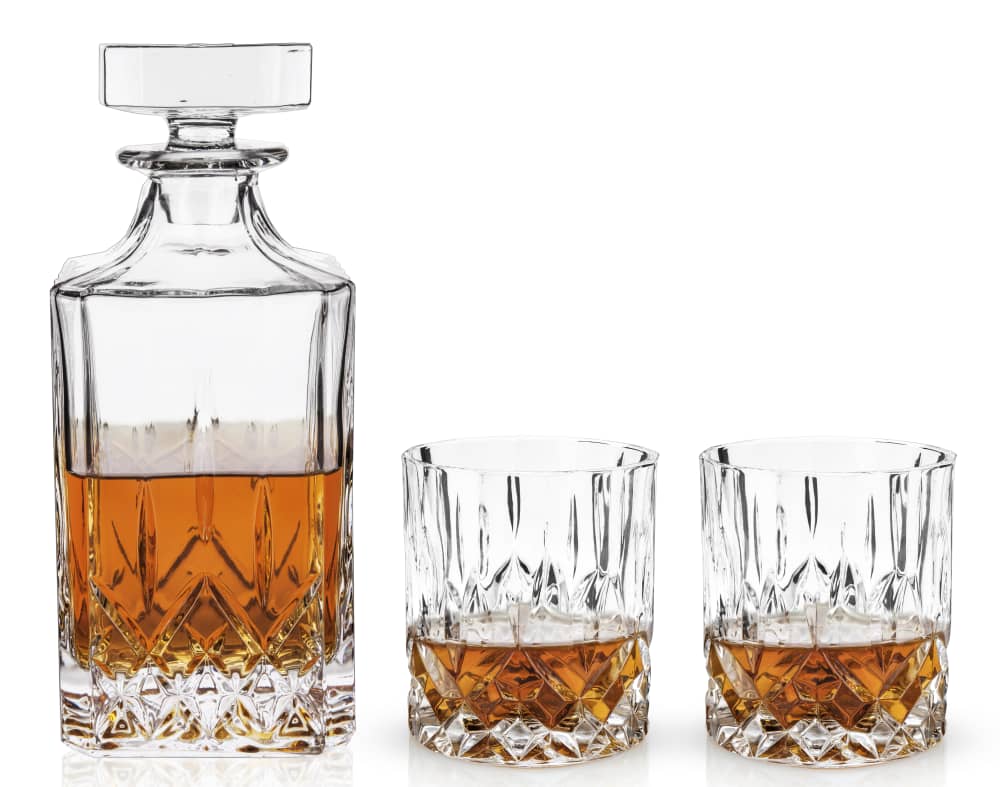
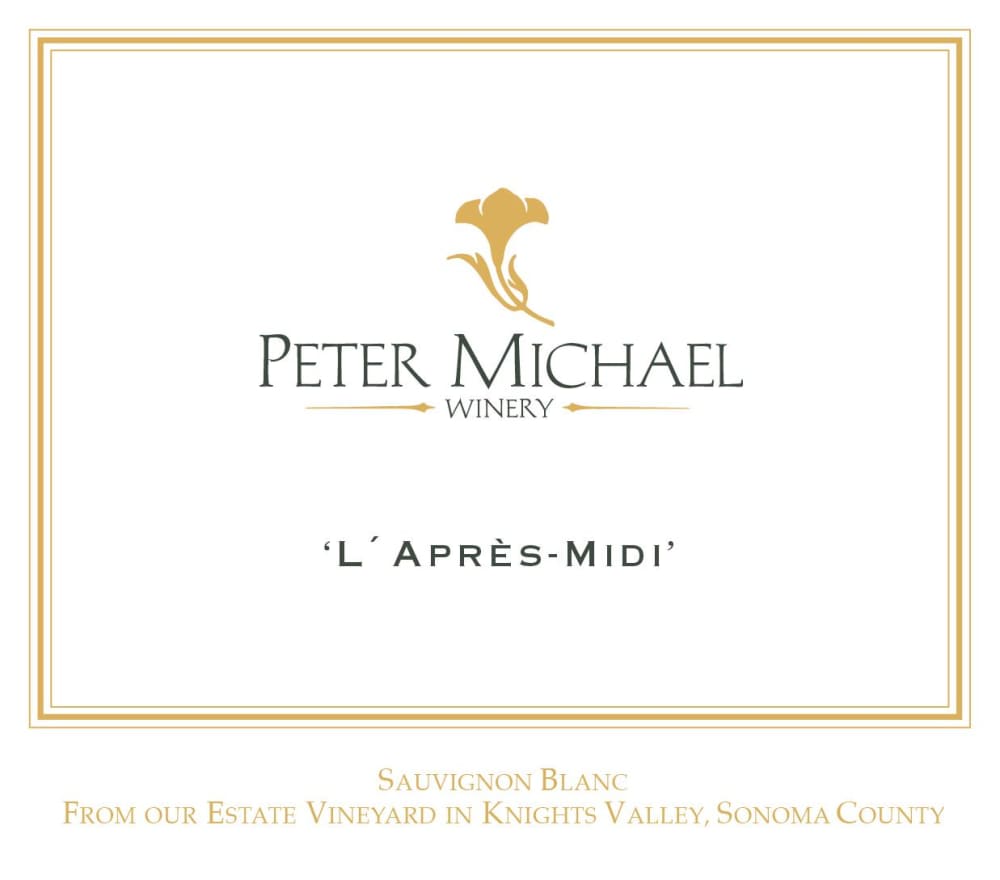
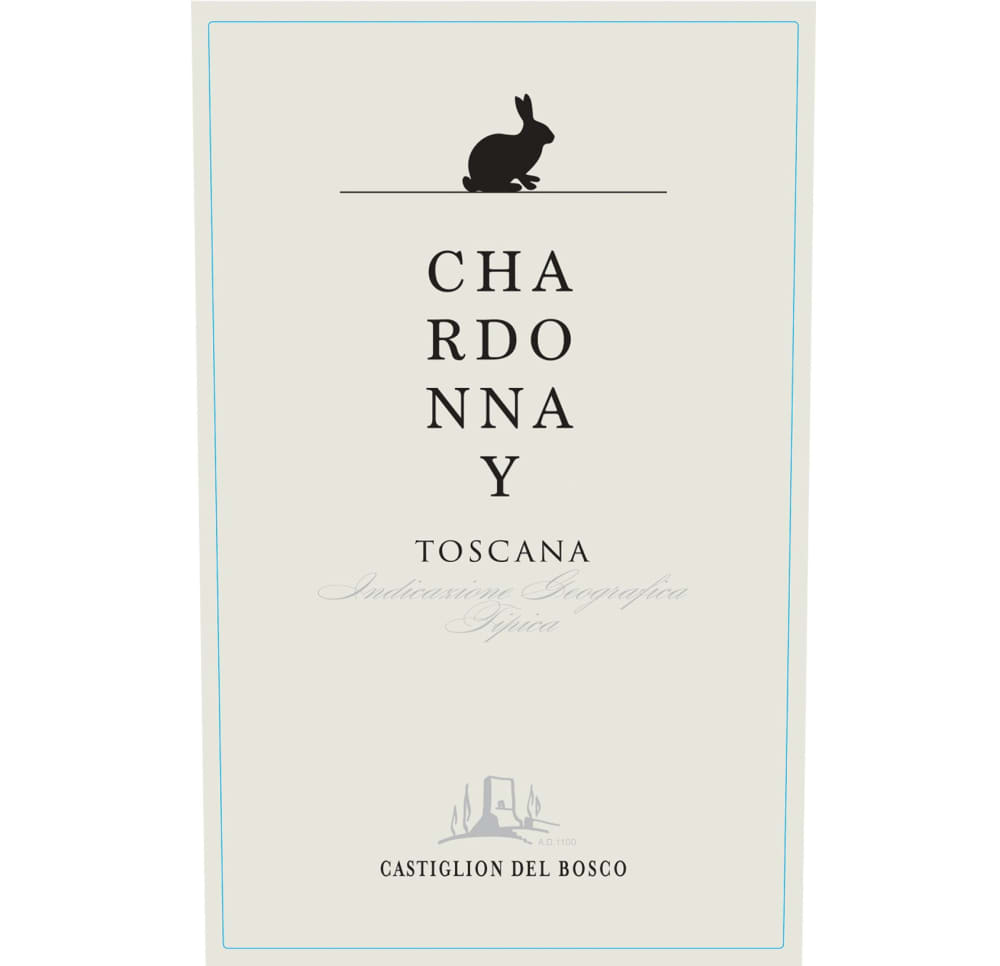
I recommend decanting certain varietals to enhance their aromatic profiles and flavors. For instance, young Sauvignon Blancs and oaked Chardonnays often benefit from exposure to air, which can soften their structure and reveal a more complex bouquet. The process of transferring the liquid into a different container allows volatile compounds to dissipate, improving the overall sensory experience.
When considering this method, timing is key. I typically suggest allowing the beverage to breathe for about 30 minutes to an hour. This duration helps to integrate the various notes, providing a more rounded taste. Keep in mind that delicate styles, such as Pinot Grigio, may not require this treatment, as their subtle characteristics can be overshadowed by excessive aeration.
For those who enjoy experimenting, using a decanter with a wide base can significantly increase the surface area for oxygen contact. This can be particularly beneficial for fuller-bodied options, allowing the vibrant acidity and fruitiness to shine. Ultimately, the decision to aerate should align with your personal taste preferences and the specific characteristics of the varietal at hand.
Decanting Recommendations for White Wine
In most cases, allowing this beverage to breathe is not necessary. However, certain varieties can benefit from a brief exposure to air, enhancing aromas and flavors. For example, richer styles such as a full-bodied Chardonnay may improve with decanting, particularly if it has been aged. A period of around 30 minutes can help soften any harsh notes and integrate the characteristics better.
Specific Varieties
Older vintages or those with more complexity, like a mature Sémillon or an aged Sauvignon Blanc, can also gain from sitting in a vessel for a while. This process can diminish any residual sulfur notes, allowing the true essence of the drink to shine through. Conversely, lighter and crisper options, such as Pinot Grigio or young Rieslings, are typically best enjoyed straight from the bottle.
Practical Tips
When choosing to aerate, opt for a wide-bottomed carafe or decanter to maximize surface area. Pour gently to avoid agitation, which can lead to excessive oxidation. Keep an eye on the time; over-exposure can lead to loss of freshness, diminishing the wine’s original profile.
Understanding the Purpose of Aerating Light-Colored Varietals
Aeration enhances the aromatic profile and flavor complexity of light-colored varietals. By exposing the liquid to oxygen, volatile compounds are released, allowing for an improved tasting experience.
Key Benefits of Aeration
- Improves aromas: The exposure to air helps to volatilize aromatic compounds, making the bouquet more pronounced.
- Softens acidity: Gentle aeration can mellow sharp acidic notes, resulting in a smoother palate.
- Enhances flavors: A well-aerated beverage can reveal subtle layers of taste that may not be apparent when served straight from the bottle.
When to Aerate Light-Colored Varietals
Consider aerating lighter varietals that are young and fresh. Generally, these beverages benefit most from the process. For older vintages, caution is advised, as excessive exposure to air may lead to rapid degradation of delicate flavors.
- Optimal aeration time: A few minutes to half an hour is typically sufficient for the desired effects.
- Tools: Using a decanter or simply swirling in the glass can achieve effective results.
Incorporating these practices can elevate your tasting experience, allowing for a fuller appreciation of the subtleties present in the beverage.
Types of White Wine That Benefit from Decanting
Certain varieties of this refreshing beverage truly gain from the aeration process. Full-bodied options such as Chardonnay and Viognier often exhibit improved texture and complexity when exposed to air. The act of pouring them into a vessel allows the aromas to blossom, enhancing the overall tasting experience.
Aromatic styles, including Gewürztraminer and Riesling, can also show marked improvement. The exposure helps in softening their sometimes overwhelming floral notes, allowing for a more balanced palate. When served in a decanter, these selections can present enhanced nuances of their flavor profiles.
Older vintages, particularly those that have been aged, may reveal sediment that can be unpleasant. Decanting these wines not only separates the liquid from the sediment but also revitalizes their aromas and flavors, making the tasting process more enjoyable.
In addition, some blends, such as those incorporating Sauvignon Blanc and Semillon, can benefit from this technique. The interaction with oxygen helps to integrate the flavors, creating a harmonious drinking experience.
Ultimately, while not every type of this beverage requires aeration, exploring the benefits of this approach can lead to delightful discoveries. Each variety can offer unique characteristics that shine through when allowed to breathe properly.
How Decanting Affects the Aroma and Flavor Profile
When I pour a chilled bottle into a vessel, the transformation begins. The exposure to oxygen significantly enhances the aromatic notes, allowing them to blossom. This aeration process typically emphasizes floral and citrus characteristics, making them more pronounced and inviting.
Impact on Aroma
With each swirl, I notice an evolution in the scent profile. Initially, the aroma may present as tight or muted. However, as the liquid breathes, I pick up on layers of complexity that were previously hidden. For instance, in a Sauvignon Blanc, the grassy and herbal elements become more vivid, while a Chardonnay might reveal buttery nuances and hints of oak.
Effect on Flavor
The flavor experience also shifts notably. A young, crisp varietal can taste more rounded and harmonious after a brief period of exposure. The acidity may balance out, providing a smoother mouthfeel. On the contrary, older selections may show a softer, more integrated character that highlights their complexity. The process not only enhances the initial taste but also allows for a longer, more enjoyable finish.
Overall, I find that allowing these beverages to aerate in a suitable container can significantly elevate the tasting experience, making it more dynamic and enjoyable.
Recommended Decanting Time for Different White Wines
For aromatic varieties like Sauvignon Blanc, a brief exposure of about 15 to 30 minutes enhances their vibrant bouquet and crispness. A touch of aeration allows the citrus and herbal notes to shine through, making the experience more refreshing.
Chardonnay, particularly those with oak aging, benefits from a longer period of 30 to 60 minutes. This time allows for the integration of complex flavors and the mellowing of any sharp acidity, revealing buttery and tropical fruit elements.
Light-bodied and Fruity Varieties
For lighter styles such as Pinot Grigio or Verdicchio, a short decanting of around 10 to 20 minutes can help soften any harsh edges, promoting a more pleasant tasting experience. These wines often thrive on their fresh and crisp profiles, so minimal exposure is key.
Full-bodied Options
Richer selections like Viognier or aged Semillon may require up to 45 minutes of aeration. This period allows the depth of flavor to emerge, enhancing floral and stone fruit characteristics while smoothing out any tannins present.
Best Practices for Decanting White Wine
Begin with a clean, clear glass vessel to transfer your beverage. A decanter designed for aromatic enhancement is ideal, ensuring minimal residue and odors from previous contents.
Pour gently, creating a steady stream to minimize oxidation. Aim for a height of about 6 inches above the decanter to introduce a slight aeration while avoiding excessive splashing.
Monitor temperature closely; chilled selections should remain cool during the transfer. Consider using an ice bucket alongside the decanter to maintain optimal serving conditions.
Allow time for the liquid to breathe. A duration of 20 to 30 minutes can significantly enhance the experience, particularly with complex varietals. Taste periodically to assess the evolution of aromas and flavors.
Keep an eye on the clarity of the beverage as you pour. If sediment is present, tilt the bottle slightly to avoid disturbing it, ensuring a clean pour into the decanter.
When ready to serve, use a clean glass to pour, allowing for a final check on the visual appeal and aroma before presenting to guests. This small detail enhances the overall experience, making sure every sip is memorable.
Common Misconceptions About Decanting White Wines
Many believe that aeration is only beneficial for reds, overlooking the subtleties of certain varietals that can gain from exposure to air. This misconception leads to the assumption that all lighter beverages are best served straight from the bottle, missing the opportunity to enhance their character.
1. All Varietals Are Created Equal
A common misunderstanding is that all types of lighter beverages require the same treatment. However, certain styles, like full-bodied Chardonnays or aged Semillons, can reveal more complexity and depth when allowed to breathe compared to lighter options such as Sauvignon Blanc.
2. Decanting Is Only for Older Bottles
There’s a belief that only mature bottles benefit from being poured into a different vessel. In reality, younger expressions can also gain from the process, helping to soften harsh notes and highlight nuances that might not be apparent right from the bottle.
| Myth | Reality |
|---|---|
| Aeration is unnecessary for all lighter drinks | Certain varietals thrive with exposure to air, enhancing their flavor profile |
| Only older drinks should be decanted | Younger varieties can benefit from this process as well |
| Decanting alters the intended taste | It can elevate and refine flavors, revealing hidden layers |
| All decanters are suitable | Choosing the right decanter can impact the aeration process |
Addressing these misconceptions allows enthusiasts to appreciate the intricacies of their selections. By understanding the potential benefits of aeration, I’ve discovered a new dimension to enjoying these exquisite beverages.
FAQ:
Does white wine really need to be decanted?
Decanting white wine is not always necessary, but it can enhance the drinking experience for certain types. Young white wines, especially those that are crisp and fruity, typically do not require decanting. However, richer white wines, such as aged Chardonnay or some Alsatian whites, may benefit from it. Decanting allows the wine to aerate, which can soften its flavors and aromas, making them more pronounced. Ultimately, whether to decant depends on the specific wine and personal preference.
What types of white wine should I consider decanting?
Generally, full-bodied white wines are the best candidates for decanting. Wines like older Chardonnay, white Burgundy, or even some Viognier can benefit from the exposure to air. These wines often have complex flavors that may evolve positively after being decanted. On the other hand, light and crisp white wines, such as Sauvignon Blanc or Pinot Grigio, usually do not require decanting, as their fresh characteristics are best enjoyed straight from the bottle.
How long should I decant white wine?
The ideal decanting time for white wine can vary based on the wine type. For full-bodied and aged whites, a decanting period of 30 minutes to one hour is often recommended. This allows the wine to open up and reveal its full range of flavors. On the contrary, lighter white wines may only need 10 to 15 minutes, or may not require decanting at all. It’s always a good idea to taste the wine during the decanting process to determine when it has reached your preferred flavor profile.
What is the purpose of decanting white wine?
Decanting white wine serves a couple of purposes. First, it allows the wine to aerate, which can help in releasing its aromas and flavors, enhancing the overall tasting experience. Second, if the wine has any sediment, decanting helps separate the clear wine from the sediment, which is more common in older wines. Additionally, decanting can help to soften the wine’s structure, particularly in richer white wines, allowing for a smoother finish.
Are there any specific techniques for decanting white wine?
Decanting white wine can be done simply by pouring it into a decanter. It’s best to hold the bottle at the base and pour gently to minimize splashing. If sediment is present, you can stop pouring as soon as you see it nearing the neck of the bottle. You may also chill the decanter briefly if the wine is served chilled, but avoid letting it warm up too much during the process. Tasting the wine periodically while it decants is an excellent way to gauge when it’s at its best.
Does white wine need to be decanted?
Decanting white wine is generally not as common as with red wines. Most white wines are meant to be enjoyed fresh and chilled, and they often do not benefit from the exposure to air that decanting provides. However, some full-bodied white wines, like certain white Burgundies or aged Rieslings, can gain complexity and improve in flavor with a little aeration. If you’re unsure, you can taste the wine straight from the bottle and then again after allowing it to sit in a decanter for a short period to see if you notice any difference.
What types of white wines should be decanted?
While most white wines do not require decanting, certain types may benefit from it. Full-bodied whites, such as oaked Chardonnay, can develop richer flavors when exposed to air. Similarly, aged white wines, like mature Rieslings or Sauternes, may have sediment that can be separated through decanting. If you have a high-quality white wine that you wish to enhance, consider decanting it for about 30 minutes before serving to allow its aromas and flavors to fully express themselves.
How long should I decant white wine?
The decanting time for white wine varies based on the wine’s type and age. For young, full-bodied whites, a decanting period of around 15 to 30 minutes is typically sufficient. For older whites, you may want to decant for a shorter time, possibly just 10 to 15 minutes, to avoid losing the delicate aromas and flavors. Always taste the wine periodically while it’s decanting to find the right balance that suits your palate.