Chuck Furuya
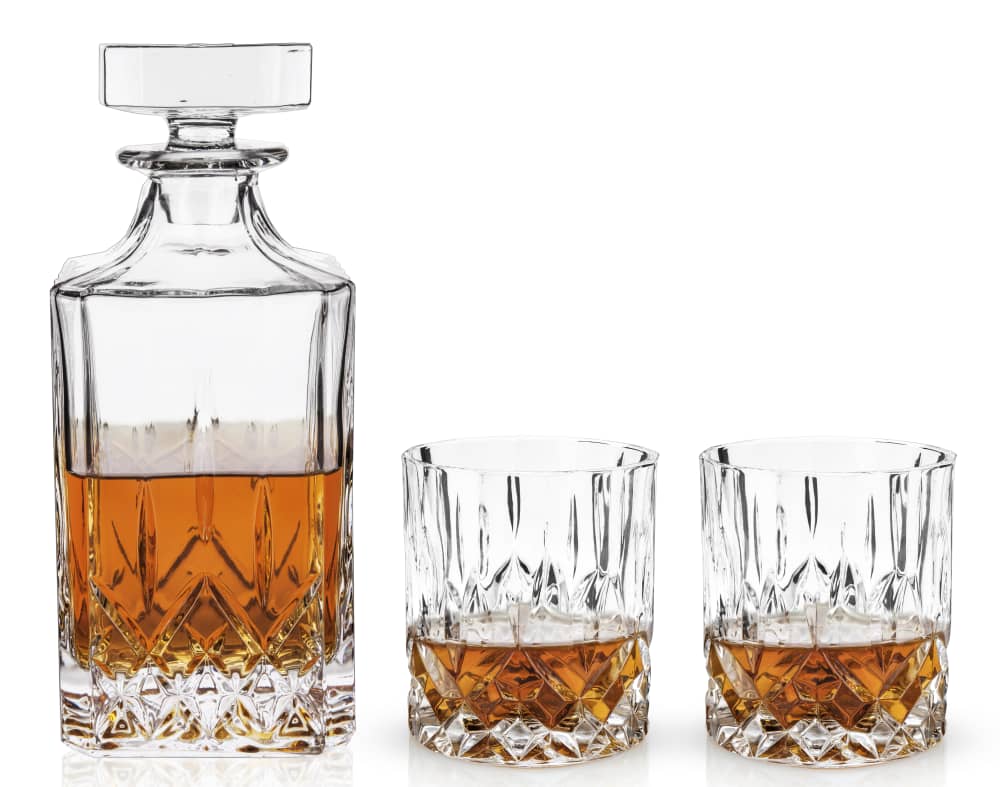
Choosing the right glass can elevate your tasting experience significantly. For red varietals, I prefer bowls that are larger and more rounded. This shape enhances aeration, allowing the complex aromas to bloom, which is crucial for appreciating the depth of flavors. It’s essential to consider that these vessels often have a wider opening, which further facilitates the release of volatile compounds.
On the other hand, for lighter varietals, I opt for glasses that are more tapered at the top. This design helps to concentrate the aromas, making it easier to enjoy the subtler notes. The size of these glasses is typically smaller, which aids in maintaining the optimal temperature of the contents, preventing them from warming too quickly.

Material also plays a significant role in my choice. Crystal options tend to offer a more refined experience, enhancing clarity and brilliance. In contrast, lead-free glass is a safer alternative that still provides a great aesthetic and functional quality. Ultimately, selecting the right type can truly impact my enjoyment of each sip.
Design Features of Red Stemless Wine Glasses
Choosing a stemless option for enjoying bold varietals enhances both aesthetics and functionality. The shape of these vessels typically features a wider bowl, allowing for greater aeration, which is crucial for fuller-bodied selections. This design promotes the release of complex aromas, intensifying the tasting experience.
The rim is often slightly thicker, designed to provide a more substantial feel, enhancing the tactile experience while sipping. Many designs incorporate a slight taper towards the top, which helps to concentrate aromas, making each sip more flavorful. This detail is particularly beneficial for those who appreciate nuanced notes in their drink.
Materials vary significantly, with options ranging from crystal glass to durable borosilicate. Crystal variants often exhibit a higher clarity and brilliance, contributing to the visual appeal when serving. Additionally, some models may feature hand-blown artistry, adding uniqueness and character to each piece.
Weight is another consideration; a well-balanced glass feels comfortable in hand. The absence of a stem allows for more versatility in casual settings, making these glasses suitable for both formal gatherings and relaxed evenings. The ergonomic design adapts well to various grip styles, providing comfort during extended use.
Color can also play a role in the selection process. Deep hues or etched patterns can enhance the overall presentation, making the experience visually engaging. Choosing a glass that complements your table setting further elevates the enjoyment of the moment.
In essence, opting for a stemless design tailored for robust varietals enhances the overall experience, emphasizing both functionality and style. Investing in quality pieces with thoughtful design elements can significantly elevate your tasting occasions.
Design Features of White Stemless Wine Glasses
Choosing a vessel for serving chilled varietals requires a keen eye for specific design elements that enhance both aesthetics and functionality.
Shape and Size
The curvature of these vessels typically leans towards a broader bowl with a slightly tapered rim. This design allows for greater surface area exposure, facilitating the release of delicate aromas. The height is generally moderate, ensuring stability while maintaining an elegant appearance.
Material Selection
High-quality glass or crystal is preferred for its ability to showcase the clarity and color of the liquid. Opting for lead-free crystal ensures a lightweight feel without compromising durability. Many contemporary designs incorporate thicker walls for improved insulation, keeping the contents cool longer.
Color and Finish
- Clear glass allows for visual appreciation of the beverage, highlighting its hue and clarity.
- Frosted or tinted versions can add a modern touch, creating a stylish contrast against the drink’s vibrant shades.
- Textured finishes may enhance grip while adding a tactile element to the experience.
Versatility in Use
These vessels are not limited to just one type of drink. They can seamlessly transition from serving crisp whites to refreshing cocktails, making them ideal for various occasions. Their design lends itself well to both casual gatherings and formal events.
In summary, selecting the right features in these vessels can significantly enhance the overall experience, from visual appeal to practical use. Each element plays a role in creating an enjoyable atmosphere for appreciating fine beverages.
Temperature Retention in Red vs. White Wine Glasses
For optimal temperature maintenance, I recommend selecting appropriate vessels tailored to the type of beverage. The design and material significantly influence how well a drink retains its ideal serving temperature.
- Material Composition: Higher quality crystal or glass can enhance insulation properties. Look for options that provide thicker walls, which can slow down thermal exchange.
- Shape Considerations: The broader bowl of some varieties allows for better aeration, which can also affect temperature. A wider opening can enable quicker warming, while narrower designs help maintain cooler conditions for refreshing options.
- Serving Temperature: Typically, warmer beverages are served at around 60-65°F (15-18°C), while cooler selections are best at 45-50°F (7-10°C). Choosing suitable vessels can aid in achieving and sustaining these temperatures longer.
- Hand Contact: Holding the glass can transfer body heat, impacting the drink’s temperature. Designs with thicker stems or bases can mitigate this effect, keeping the content cooler for longer periods.
- Usage Duration: For leisurely sipping, a thicker-walled option may be advantageous, as it reduces heat transfer over time, ensuring a better experience throughout consumption.
In summary, careful selection of materials and designs can enhance temperature retention for both types of beverages, ensuring an enjoyable tasting experience from the first sip to the last drop.
Aroma Enhancement in Red Stemless Wine Glasses
For optimal aroma perception, I always choose a vessel designed to amplify the scents of robust varietals. These types of containers typically feature a wider bowl, allowing for greater surface area exposure, which promotes evaporation of volatile compounds. This design significantly enhances the aromatic profile, making it easier to detect nuanced fragrances.
The shape encourages swirling, which further elevates aroma release. I recommend gently rotating the glass after pouring; this simple action can unveil hidden notes that might otherwise go unnoticed. A tapered rim can also direct aromas more efficiently toward the nose, enhancing the overall experience.
Temperature plays a key role as well. Serving at slightly elevated temperatures allows the full bouquet to emerge, bringing forward the complex characteristics inherent in full-bodied varieties. I find that enjoying these selections in appropriately crafted vessels truly transforms the tasting journey.
In conclusion, investing in well-designed containers not only enriches the sensory experience but also facilitates a deeper appreciation of the intricate flavors and aromas present in each pour.
FAQ:
What are the main differences in shape between red and white stemless wine glasses?
Red wine glasses typically have a wider bowl compared to white wine glasses. This design allows for better aeration of the wine, which enhances the flavors and aromas. In contrast, white wine glasses tend to have a more slender shape, which helps keep the wine cooler and preserves its crispness. The stemless design, common in both types, offers a modern aesthetic and practical benefits, such as stability and ease of handling.
How does the material of stemless wine glasses affect the wine’s taste?
The material of a wine glass can influence the taste and temperature of the wine. Most stemless glasses are made from glass or crystal, which are both good for maintaining the wine’s intended flavor profile. However, crystal glasses often provide a more refined tasting experience due to their clarity and ability to enhance the perception of aromas. Additionally, the thickness of the glass can affect how quickly the wine warms up, which is particularly important for white wines that are best served chilled.
Are stemless wine glasses suitable for all types of wine?
Stemless wine glasses can be used for both red and white wines, but their design may not be ideal for all wine types. Red wines often benefit from the larger bowl of traditional glasses that allow for more air exposure. While stemless glasses can be used for reds, they may not provide the same aeration effect. For white wines, stemless glasses are quite effective, as their shape can still maintain the wine’s cool temperature while allowing for some aromatic expression.
What are the advantages of using stemless wine glasses?
Stemless wine glasses offer several advantages. First, they are less likely to tip over due to their lower center of gravity, making them practical for outdoor events or casual gatherings. Second, they are easier to store since they take up less space in cabinets and dishwashers. Additionally, the absence of a stem can create a more modern and minimalist look, appealing to many consumers. Lastly, stemless glasses often provide a more comfortable grip, especially for those who might struggle with traditional stemmed glasses.
Can the choice between red and white stemless wine glasses impact the overall wine experience?
Yes, the choice between red and white stemless wine glasses can impact the overall wine experience. Each type of glass is designed to enhance specific characteristics of the wine it holds. Using the appropriate glass can enhance the flavors and aromas, creating a more enjoyable tasting experience. For example, a red wine served in a wide-bowled stemless glass might reveal more complex aromas compared to a narrower glass. Therefore, while stemless glasses are versatile, choosing the right one for the type of wine being served can elevate the enjoyment of the drink.
What are the main differences between red and white stemless wine glasses?
Red and white stemless wine glasses differ primarily in their design and intended use. Red wine glasses typically have a wider bowl, which allows for greater aeration and enhances the wine’s aroma. This design is helpful for full-bodied reds, as it encourages the wine to breathe. On the other hand, white wine glasses are generally more slender and taller, which helps keep the wine chilled longer by reducing the surface area exposed to warm air. The shape of these glasses is tailored to highlight the crispness and acidity of white wines. Both types of stemless glasses eliminate the stem found on traditional wine glasses, offering a more casual and modern aesthetic while still maintaining their functional purposes.
Why would someone choose stemless wine glasses over traditional stemmed ones?
Choosing stemless wine glasses can be a matter of personal preference and practicality. Many people appreciate the contemporary look of stemless glasses, which can make for a more relaxed dining experience. Without stems, these glasses are less likely to tip over, making them ideal for outdoor settings or casual gatherings. Additionally, stemless glasses can be easier to hold, as they can be gripped by the bowl, allowing for a more comfortable drinking experience. However, some wine enthusiasts argue that traditional stemmed glasses may offer better temperature control and aeration for certain wine types. Ultimately, the choice between stemmed and stemless glasses often comes down to the occasion and personal style.