Chuck Furuya

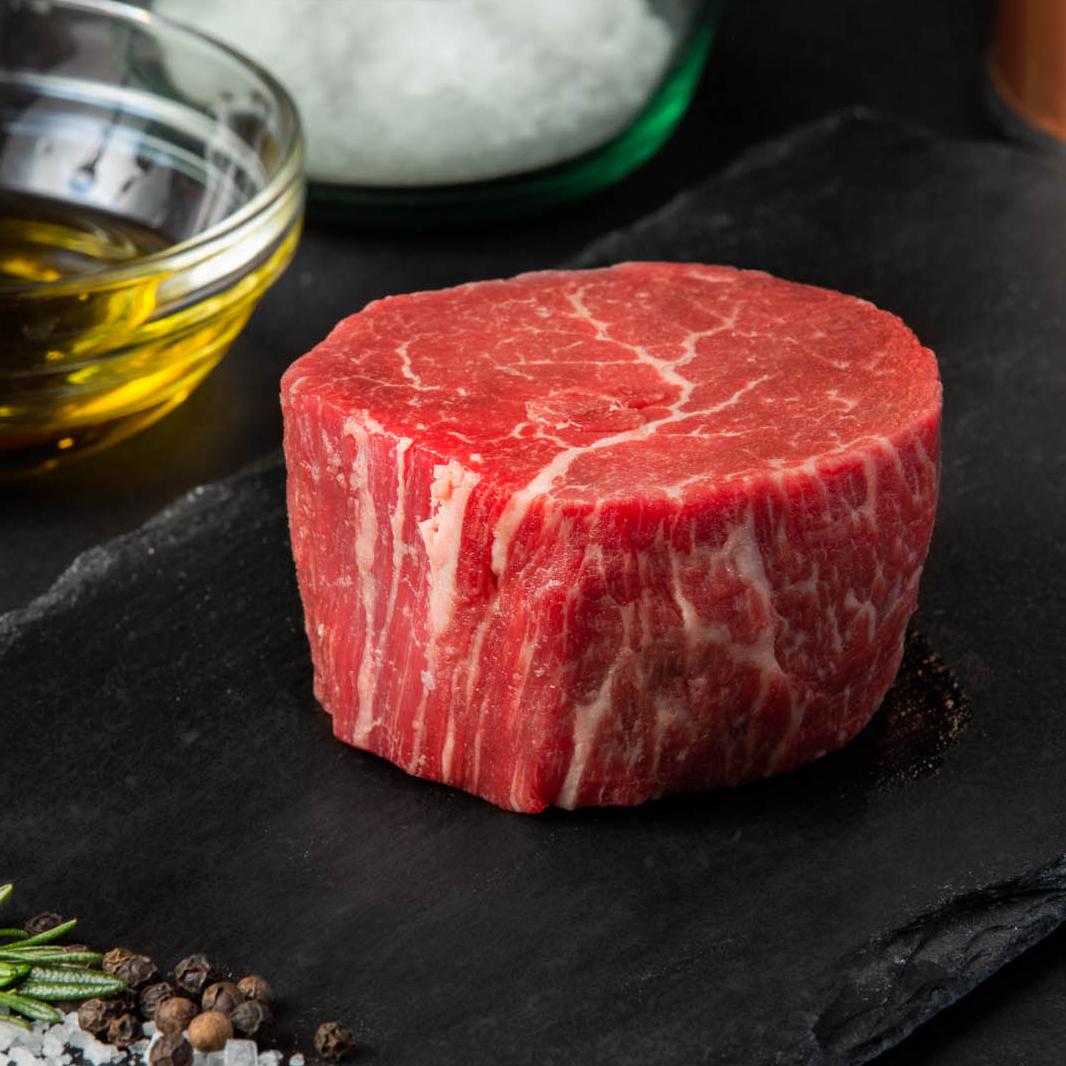
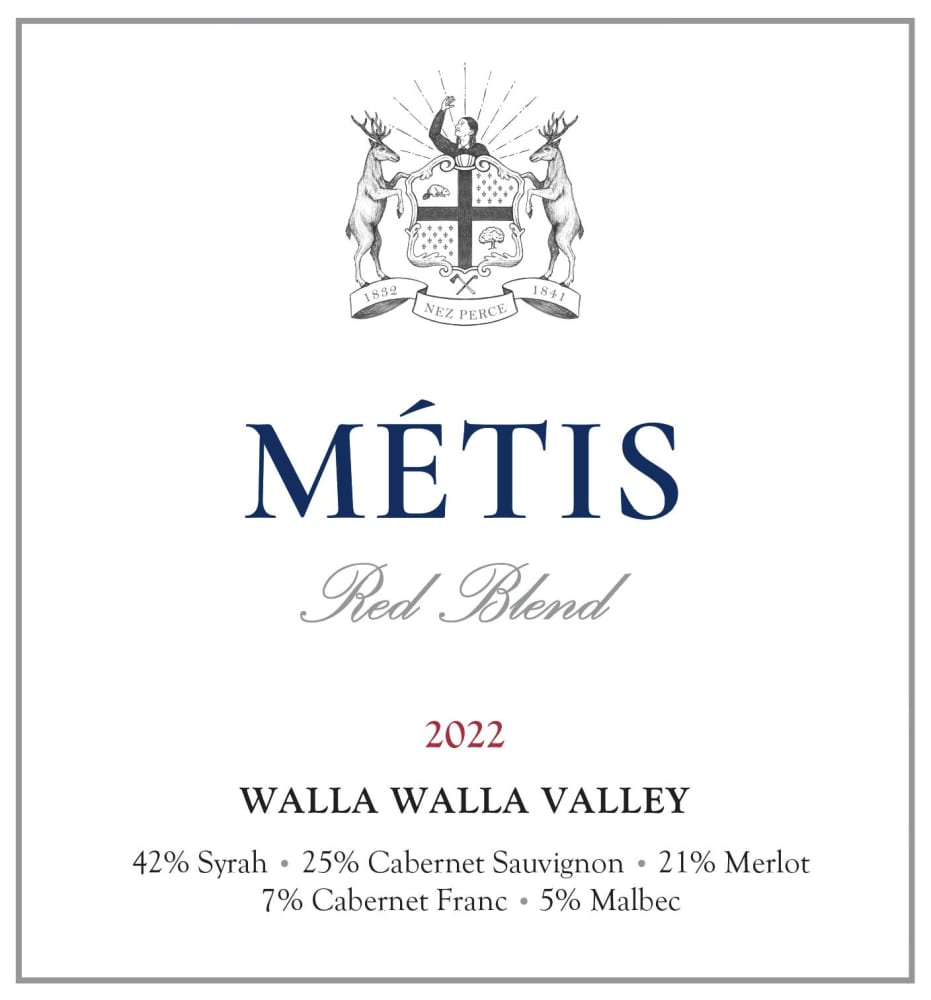

Cabernet Sauvignon is my go-to choice for complementing a juicy cut of beef. Its bold tannins and rich flavor profile enhance the savory notes of the meat, creating a harmonious balance on the palate. The dark fruit flavors, such as blackcurrant and plum, along with hints of oak, provide a robust backdrop that elevates the overall dining experience.
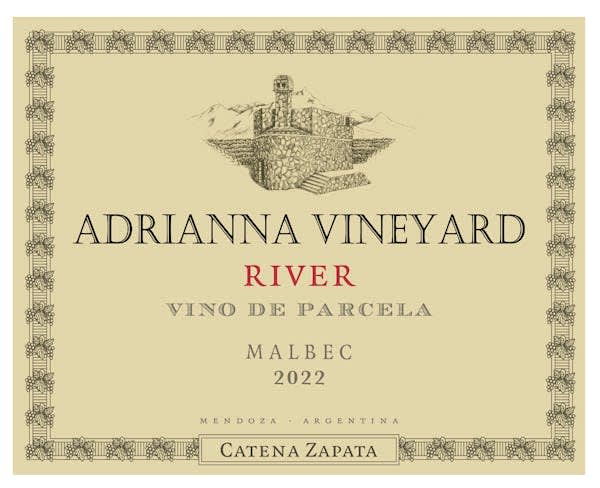
Another excellent option is Malbec, particularly from Argentina. This varietal boasts a velvety texture and ripe fruit characteristics, which work beautifully with grilled or seared meats. The wine’s subtle acidity cuts through the richness of the steak, making each bite more enjoyable.
For those who prefer a slightly different approach, a Syrah can offer an intriguing alternative. Its peppery and smoky undertones pair exceptionally well with charred or seasoned cuts, adding an extra layer of complexity to the meal. The bold flavors of Syrah invite a delightful interplay with the umami of the beef.
When selecting a bottle, consider the preparation method and seasoning of the meat. A well-marbled ribeye might call for a more full-bodied option, while a lean filet mignon could shine alongside a lighter, fruit-forward choice. Understanding these nuances can significantly enhance your culinary experience.
Ideal Pairings for Beef Dishes
I recommend a full-bodied Cabernet Sauvignon for its rich tannins and bold flavors that complement the savory nature of beef. This varietal enhances the meat’s natural umami, creating a harmonious balance.
A Malbec also presents an excellent choice, bringing forward dark fruit notes and a velvety texture that pairs beautifully with grilled cuts. Its slightly smoky finish can elevate the experience, especially with charred edges.
If you prefer something a bit spicier, consider a Syrah or Shiraz. These wines offer peppery undertones along with dark berries, making them a fantastic match for steaks cooked with robust seasonings.
For a more elegant option, a Merlot provides a softer profile with plummy flavors and a smoother finish, which can be ideal for leaner cuts, allowing the meat’s flavors to shine through.
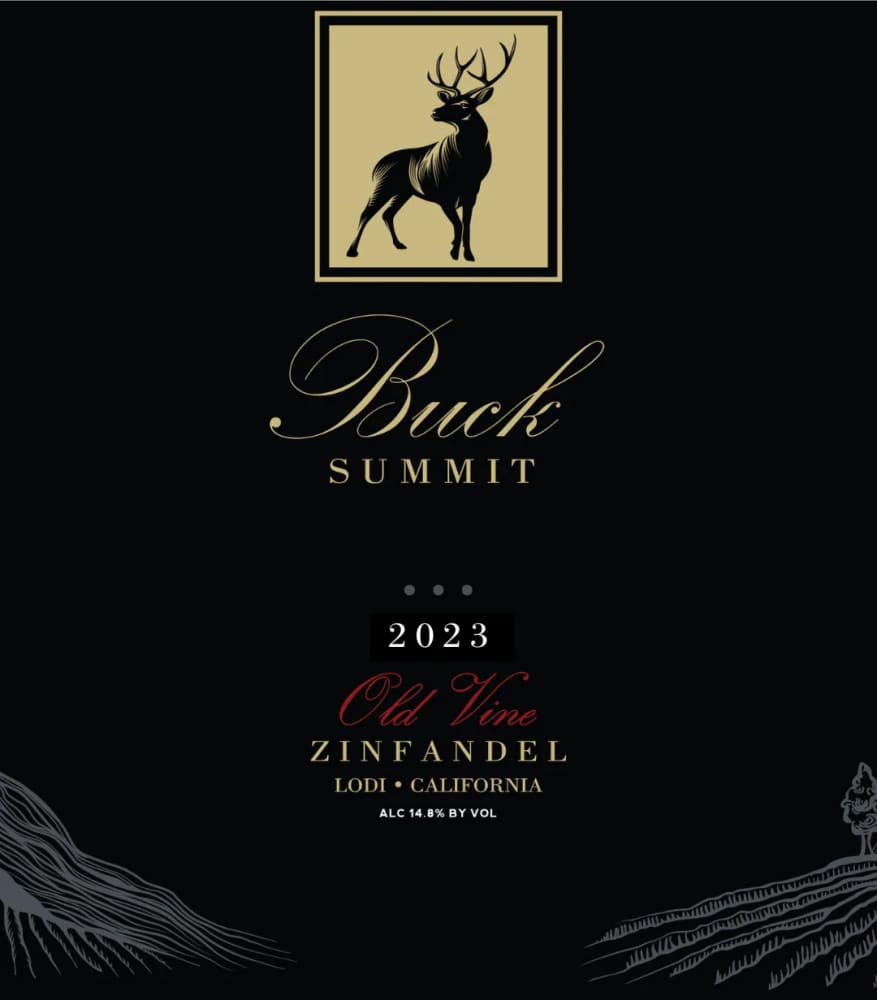
Lastly, Zinfandel can be intriguing, especially with BBQ styles. Its fruit-forward character and peppery notes can enhance the grilled aspects, creating a delightful contrast.
Choosing the Right Wine Based on Steak Cut
For tender cuts such as filet mignon, I prefer a softer, fruit-forward Cabernet Sauvignon. The smooth tannins complement the richness of the meat without overpowering it.
For ribeye, a bold, full-bodied Malbec works wonderfully. Its dark fruit flavors and spicy notes enhance the marbling of the ribeye, creating a harmonious pairing.
With sirloin, I lean towards a Syrah or Shiraz. The peppery and smoky characteristics of these varietals accentuate the beef’s savory flavors.
For T-bone, a robust Zinfandel is an excellent choice. Its ripe berry notes and spicy finish match well with the combination of textures and flavors from both cuts of meat in the steak.
When enjoying flank steak, I usually opt for a Grenache. Its bright acidity and berry flavors cut through the richness, making it a refreshing choice.
Finally, for skirt steak, a versatile Cabernet Franc suits this cut perfectly. Its herbal and earthy undertones complement the grilled flavors beautifully.
| Steak Cut | Recommended Pairing |
|---|---|
| Filet Mignon | Cabernet Sauvignon |
| Ribeye | Malbec |
| Sirloin | Syrah/Shiraz |
| T-Bone | Zinfandel |
| Flank Steak | Grenache |
| Skirt Steak | Cabernet Franc |
Understanding Tannin Levels in Wine and Their Impact on Flavor
For pairing with beef dishes, I prioritize selections high in tannins. Tannins, naturally occurring compounds found in grape skins, seeds, and stems, contribute to the astringency and complexity of a beverage. They interact with proteins in meat, enhancing the overall experience.
When I choose a varietal, I consider the following aspects of tannins:
- High Tannin Wines: Cabernet Sauvignon and Syrah often exhibit elevated tannin levels, making them ideal companions for rich cuts like ribeye or T-bone.
- Medium Tannin Selections: Merlot offers a softer profile with moderate tannins, suitable for filet mignon or flank steak, balancing the flavors without overwhelming the palate.
- Low Tannin Options: Pinot Noir, with its gentler structure, pairs well with leaner meats, such as sirloin or skirt steak, allowing the natural flavors to shine.
Understanding tannin levels aids in selecting the perfect bottle. High tannins create a bold contrast with fatty cuts, while those with lower tannins complement leaner options. I also pay attention to the aging process, as oak barrels can add additional tannins, enhancing the wine’s depth and complexity.
Ultimately, the right choice enhances both the meal and the drink, creating a harmonious dining experience. My strategy involves tasting and experimenting to find the optimal pairing for each unique dish.
The Role of Aging in Wine Selection for Steak Pairing
Choosing a well-aged bottle can significantly enhance the dining experience alongside a succulent cut. Aged varieties often develop complex flavors and softer tannins, making them more harmonious with rich meat dishes.
Key Factors of Aging
- Flavor Development: Extended aging allows for the emergence of secondary and tertiary flavors, such as earthy notes, dried fruit, and spice. These nuances can complement the savory notes of grilled or roasted beef.
- Tannin Softening: Over time, tannins mellow, resulting in a smoother mouthfeel. This quality is particularly important when pairing with robust cuts that have their own textured characteristics.
- Acidity Balance: Aged selections often possess well-integrated acidity, which can cut through the richness of fatty cuts, ensuring a balanced palate.
Recommended Aging Time
- For lighter cuts like filet mignon, a bottle aged around 5 to 7 years provides a delicate balance.
- More robust options, such as ribeye or T-bone, can benefit from 10 to 15 years of aging, allowing for deeper flavor profiles.
- For exceptional varietals, consider bottles that are 15 years or older, which can showcase remarkable complexity and elegance.
In my experience, wines that have been allowed to mature properly can elevate the overall enjoyment of a meal. When selecting, pay attention to the vintage and storage conditions, as these factors play a critical role in the quality of the final product. The right choice can transform a simple dinner into a memorable occasion.