Chuck Furuya

If you’re seeking a velvety experience in a glass, I recommend trying a Pinot Noir. This variety is often celebrated for its light body and nuanced flavors, making it an excellent choice for those who prefer something soft on the palate. Its lower tannin levels contribute to a gentle finish that is both approachable and satisfying.
Another excellent contender is Merlot. Known for its rich fruit flavors and smooth texture, this grape delivers a delightful balance of sweetness and acidity. The roundness of Merlot can make it a favorite among those who enjoy a seamless drinking experience without the aggressive tannins found in some other varietals.
For a unique twist, consider a Grenache. This wine typically showcases bright red fruit notes, coupled with a subtle spiciness. The lower tannins and higher acidity create a refreshing profile that is easy to enjoy, making it a fantastic option for casual sipping.
Which Red Wine is Smoother
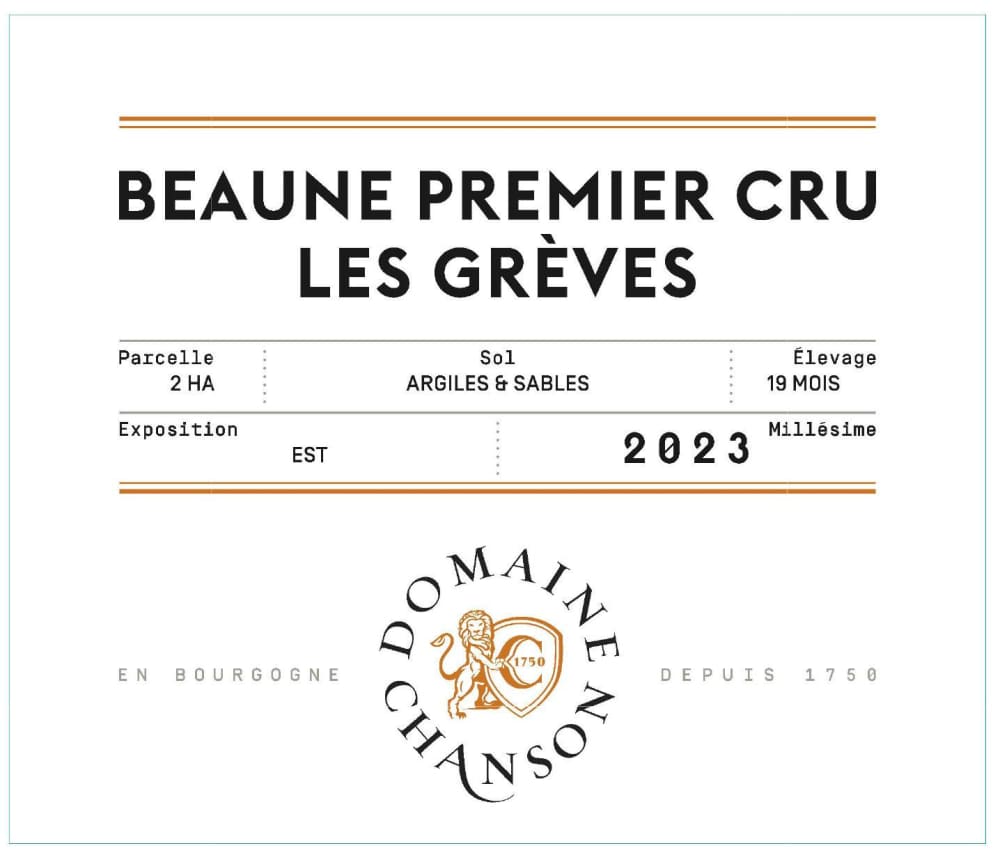
For a velvety experience, I recommend trying a Pinot Noir. This varietal typically offers a lighter body with soft tannins, making it exceptionally approachable. Look for options from regions like Oregon or Burgundy, where the climate enhances the fruit-forward profile while maintaining balance.
Another excellent choice is Merlot. Known for its round mouthfeel, it often presents flavors of plum and chocolate, which contribute to its smooth character. A bottle from California, especially from Napa Valley, tends to be more fruit-driven and less tannic, perfect for those seeking effortless sipping.
Tempranillo from Spain is also a fantastic candidate. It boasts a silky texture, particularly in wines aged in oak, which adds layers of vanilla and spice. Seek out a Reserva or Gran Reserva for a refined tasting experience that pairs elegantly with food.
Lastly, consider a Malbec from Argentina. These wines are known for their rich, dark fruit flavors and plush tannins, providing a delightful softness on the palate. They are often less acidic, making them incredibly smooth and enjoyable.
Understanding Wine Tannins and Smoothness
To choose a velvety option, I focus on varietals known for lower tannin levels. Pinot Noir tops my list; its lighter body and fruit-forward profile often yield a gentle mouthfeel. Next, I consider Gamay, especially Beaujolais, which provides bright acidity and minimal tannins, enhancing drinkability.
Tannin Influence
Tannins, naturally occurring compounds derived from grape skins, seeds, and stems, contribute to the structure and astringency of a beverage. High tannin levels can create a drying sensation, often perceived as harsh, while lower levels allow for a softer texture. In my experience, wines fermented with minimal skin contact or aged in neutral barrels tend to showcase fewer tannins, leading to a more approachable taste.
Recommendations for Smooth Varietals
I often recommend Merlot for its plush, rounded profile. It typically features soft tannins and ripe fruit flavors, making it an easy choice for those seeking a gentle sip. Additionally, Zinfandel can be another delightful pick, offering a rich fruitiness and moderate tannin structure that tends to feel smooth on the palate.
For an even silkier option, I suggest exploring blends that incorporate softer varietals, such as Grenache or Barbera. These grapes often harmonize beautifully, creating a luscious experience without the overwhelming bite of higher tannin wines.
Top Varieties Known for Their Smoothness
For a velvety experience, I recommend trying a Merlot. This variety is celebrated for its soft tannins and fruit-forward profile, making it approachable for many palates.
Another excellent choice is Pinot Noir. Its delicate structure and lower tannin levels contribute to a silky mouthfeel, often showcasing flavors of cherry and raspberry.
Shiraz, especially from regions like Australia, offers a rich, smooth texture with notes of plum and spice. The ripe fruit characteristics help mask any harshness, resulting in a pleasant drinking experience.
Grenache is also notable for its smoothness. It typically features juicy red fruit flavors and a gentle finish, making it a delightful option for both novice and experienced enthusiasts.
Lastly, consider a Zinfandel. This variety often presents a lush, jammy profile with a soft, lingering finish, ideal for those seeking a round and smooth sip.
| Variety | Flavor Profile | Tannin Level |
|---|---|---|
| Merlot | Fruit-forward, soft | Low |
| Pinot Noir | Cherry, raspberry | Low |
| Shiraz | Plum, spice | Medium |
| Grenache | Juicy red fruit | Low |
| Zinfandel | Lush, jammy | Medium |
Factors Influencing the Smoothness of Red Wine
Choosing a velvety beverage depends on multiple elements. Among these, the level of tannins plays a significant role. Wines with lower tannin content often exhibit a softer mouthfeel. Look for options crafted from grapes like Pinot Noir or Gamay, as they typically have a gentler tannin structure.
Impact of Aging
The aging process is another critical factor. Bottles that spend time in oak barrels can develop a rounder, more refined character. This maturation allows for the integration of flavors and the softening of harsh edges. Consider selecting a Cabernet Sauvignon aged for several years; this can enhance overall smoothness.
Alcohol Content and Acidity
Alcohol level also influences texture. Higher alcohol wines can feel heavier and less smooth, while those with moderate levels often present a more balanced profile. Additionally, acidity contributes to the overall experience. Lower acidity can enhance the perception of smoothness, making softer varieties like Merlot particularly appealing. Pay attention to these aspects when exploring options in the market.
How to Choose Smooth Red Wine for Different Occasions
For a casual gathering, opt for a Pinot Noir. Its light body and fruity notes make it easy to drink and pair well with a variety of foods. If you’re hosting a dinner party, consider a Merlot. Its roundness and softer tannins create an approachable palate that complements rich dishes, such as beef or lamb.
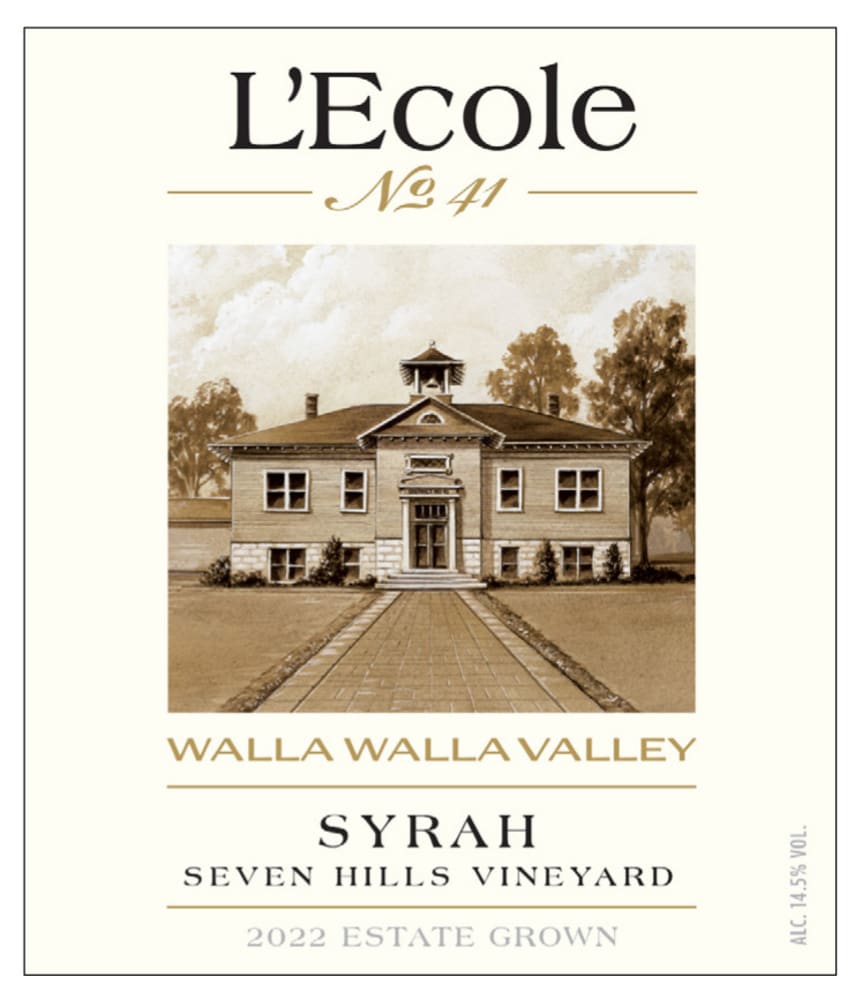
When attending a formal event, a fine Cabernet Sauvignon can impress guests with its depth and balance. Look for bottles from Napa Valley for a luxurious experience. For a romantic evening, a Syrah or Shiraz offers dark fruit flavors and a velvety finish, ideal for an intimate setting.
For a summer barbecue, choose a Grenache. Its berry flavors and moderate tannins work well with grilled meats and salads. If you’re looking for something to enjoy on a cozy night in, a Zinfandel with its jammy profile and spiciness can provide comfort and warmth.
Here’s a quick guide to selecting the right bottle:
- Casual gathering: Pinot Noir
- Dinner party: Merlot
- Formal event: Cabernet Sauvignon
- Romantic evening: Syrah/Shiraz
- Summer barbecue: Grenache
- Cozy night in: Zinfandel
Always consider the food pairing and the atmosphere of the occasion when making your choice. This will ensure a delightful experience for all involved.
Comparing Old World and New World Smooth Varietals
For those seeking a refined experience, Old World options like Bordeaux or Chianti often excel in smoothness due to their traditional winemaking techniques, which emphasize balance and subtlety. These selections typically feature lower alcohol levels and higher acidity, contributing to a softer mouthfeel. On the other hand, New World counterparts such as California Cabernet Sauvignon or Australian Shiraz can present a bolder profile, showcasing ripe fruit flavors and higher tannin levels, but with advancements in vinification, many producers have begun crafting smoother interpretations.
Old World Selections
- Bordeaux: Known for its Merlot and Cabernet Sauvignon blends, offering a velvety texture and complex flavors of dark fruits and earthy notes.
- Chianti: Predominantly Sangiovese, characterized by bright acidity and soft tannins, making it approachable and smooth.
- Rioja: Spanish Tempranillo, often aged in oak, results in a silky finish with hints of vanilla and spice.
New World Selections
- California Cabernet Sauvignon: While generally bold, certain producers focus on softer, fruit-forward styles with integrated tannins.
- Australian Shiraz: Known for its rich fruit and spice, some versions are crafted to have a plush mouthfeel, making them easier to enjoy.
- Chilean Carmenère: Offers a smooth, round profile with dark fruit and herbal nuances, appealing to those preferring less tannic structure.
Both regions offer exceptional choices based on personal preferences, whether you lean towards the elegance of Old World classics or the fruit-driven styles prevalent in New World offerings. Exploring both will help refine your palate and understand the nuances that define smoothness in different varietals.