Chuck Furuya
Examine the bottle for any signs of leakage or damage. A compromised seal can indicate that the contents may have been exposed to air, leading to spoilage. If the cork appears pushed out or the capsule is damaged, it’s best to approach with caution.
Next, consider the storage conditions. If the bottle has been kept in a warm or fluctuating environment, the integrity of the liquid could be at risk. Ideally, these beverages should be stored horizontally in a cool, dark place. If you suspect improper storage, it’s wise to be skeptical about the state of the contents.
Finally, pay attention to the vintage. Some varietals have a longer shelf life than others. Research the specific type to determine its optimal drinking window. If the bottle is significantly past its prime, it may not deliver the intended experience.
Check the Expiration Date on the Bottle
Always examine the label for a bottling or expiration date. Most bottles of this type of beverage will have a date printed on the back or bottom. If the date has passed, it’s a strong indicator that the contents may not be at their best quality.
Some producers include a “best by” date, which suggests when the flavors are expected to be optimal. Even though some bottles can age well, many do not improve over time, particularly if they are meant to be consumed young. If I’ve got a bottle older than the specified date, I usually proceed with caution.
Understanding Storage Conditions
Take into account the storage conditions specified by the manufacturer. If the bottle has been kept in a cool, dark place, it may still be acceptable beyond the date. However, if it’s been exposed to heat or light, the chances of spoilage increase significantly.
Additionally, if I notice any signs of leakage or a damaged cork, I consider the likelihood of spoilage to be higher, regardless of the date. Trusting my instincts along with the printed information helps me make a more informed decision.
Inspect the Cork for Damage or Leakage
Examine the cork closely for any signs of damage or leakage. A cork that appears dry, cracked, or shriveled may indicate improper storage conditions, which can compromise the integrity of the contents. If the cork is pushed out slightly from the bottle neck, it might suggest that the pressure inside has changed, potentially affecting the liquid inside.
Look for any stains or residue around the cork or on the bottle itself. These can be indicators of leakage, suggesting the seal has been broken and air may have entered the bottle, leading to spoilage. A properly sealed cork should sit flush with the bottle, with no visible leaks.
Smell the Cork
After removing the cork, take a moment to smell it. A musty or off odor can signal that the wine has been contaminated or oxidized. A fresh, clean scent indicates that the cork has maintained its integrity and the contents are likely still in good condition.
Check for Mold
Mold on the cork can be a red flag. While some mold is normal, excessive growth can indicate poor storage conditions or spoilage. If the cork shows significant mold, it’s best to proceed with caution regarding the quality of the liquid inside.
Observe the bottle for signs of sediment
Examine the bottle closely for any sediment that may have settled. Sediment can appear as small particles or cloudiness in the liquid, indicating potential spoilage or quality issues.

Here are specific indicators to look for:
- Clarity: Check for any haziness or cloudiness in the liquid. A clear appearance is usually a sign of good condition.
- Floating particles: Look for visible specks or flakes suspended in the liquid. These could be a sign of age or improper storage.
- Color consistency: Ensure the color remains uniform throughout the bottle. Any significant variation may suggest a problem.
If sediment is present, consider the wine’s storage conditions and age. While some wines naturally develop sediment over time, excessive or unusual amounts may indicate deterioration. Always trust your instincts and consider discarding if you’re uncertain about the quality.
Evaluate the Storage Conditions Prior to Opening
Assessing the environment where the bottle has been kept is crucial. Ideally, it should have been stored in a cool, dark place with stable temperatures, away from direct sunlight and heat sources.
Temperature Consistency
Avoid fluctuations in temperature. An ideal range is between 45°F to 65°F (7°C to 18°C). Frequent changes can harm the integrity of the liquid.
Humidity Levels
Maintain a humidity level of around 70%. This prevents the cork from drying out, which can lead to oxidation. If the cork shrinks, air can seep in and spoil the contents.
- Check for signs of temperature extremes, such as a warped label or a sticky residue on the bottle.
- Look for any signs of mold or mildew, indicating excessive moisture or poor ventilation.
- Consider the storage duration; prolonged exposure to suboptimal conditions can lead to deterioration.
Before opening, ensure that the bottle has been properly stored to maximize its quality and flavor.
Assess the Color of the Beverage Through the Glass
To evaluate the quality of the liquid, observe its hue by holding the bottle against a light source. A clear, bright color indicates freshness, while dullness or a brownish tint may suggest deterioration.
Color Indicators
| Color | Meaning |
|---|---|
| Pale Yellow | Indicates youthfulness and vibrancy |
| Golden | Shows maturity; could be a sign of complexity |
| Brownish | Generally a sign of oxidation and potential spoilage |
| Cloudy | May suggest contamination or improper storage |
Additionally, swirling the bottle gently allows for better light interaction, helping reveal any sediment or unusual particles floating within. This step can further confirm the state of the contents.
Smell the beverage after opening for off odors
Upon opening the bottle, take a moment to inhale the aroma. If I detect a pungent scent reminiscent of vinegar or nail polish remover, it’s a strong indication of spoilage. A fresh, pleasant fragrance should greet me, signaling that the product is still in good condition.
Recognizing specific off odors
In addition to vinegar-like notes, I remain cautious of musty or moldy aromas, which might indicate contamination. If the scent is overly sour or has an unpleasant chemical quality, I won’t hesitate to discard it. A clean and fruity bouquet is what I expect, and any deviation from that standard warrants further consideration.
Taking action
If the initial whiff raises red flags, it’s prudent to taste a small sip. A foul odor often translates to a compromised product. Trusting my senses is key in determining whether to enjoy or to discard the content within the bottle.
Taste a small amount to detect flavor changes
I recommend pouring a small sample into a glass and taking a sip. Pay attention to any deviations in taste that may indicate spoilage. Fresh varieties should exhibit crispness and a balanced profile. If you notice an overly sour, vinegar-like flavor or an unpleasant, musty sensation, it may be a sign that the bottle has deteriorated.
Flavor profile indicators
| Flavor Change | Possible Cause |
|---|---|
| Overly sour or vinegar-like | Oxidation or spoilage |
| Flat or dull | Age or improper storage |
| Musty or earthy | Contamination or cork taint |
| Off-putting sweetness | Fermentation issues or spoilage |
After tasting, consider the finish. A clean, lingering finish is a good sign, while an unpleasant aftertaste can indicate a problem. Making these assessments can help ensure a pleasant experience before committing to the entire bottle.
Understand the Characteristics of Different White Wines
Familiarizing myself with the attributes of various types of light beverages enhances my appreciation and helps me recognize potential issues. Each variety has distinct characteristics that can indicate its quality and longevity.
Key Types of White Varietals
- Sauvignon Blanc: Known for its crisp acidity and citrus notes, it often exhibits green apple and herbaceous flavors. This type is best consumed young.
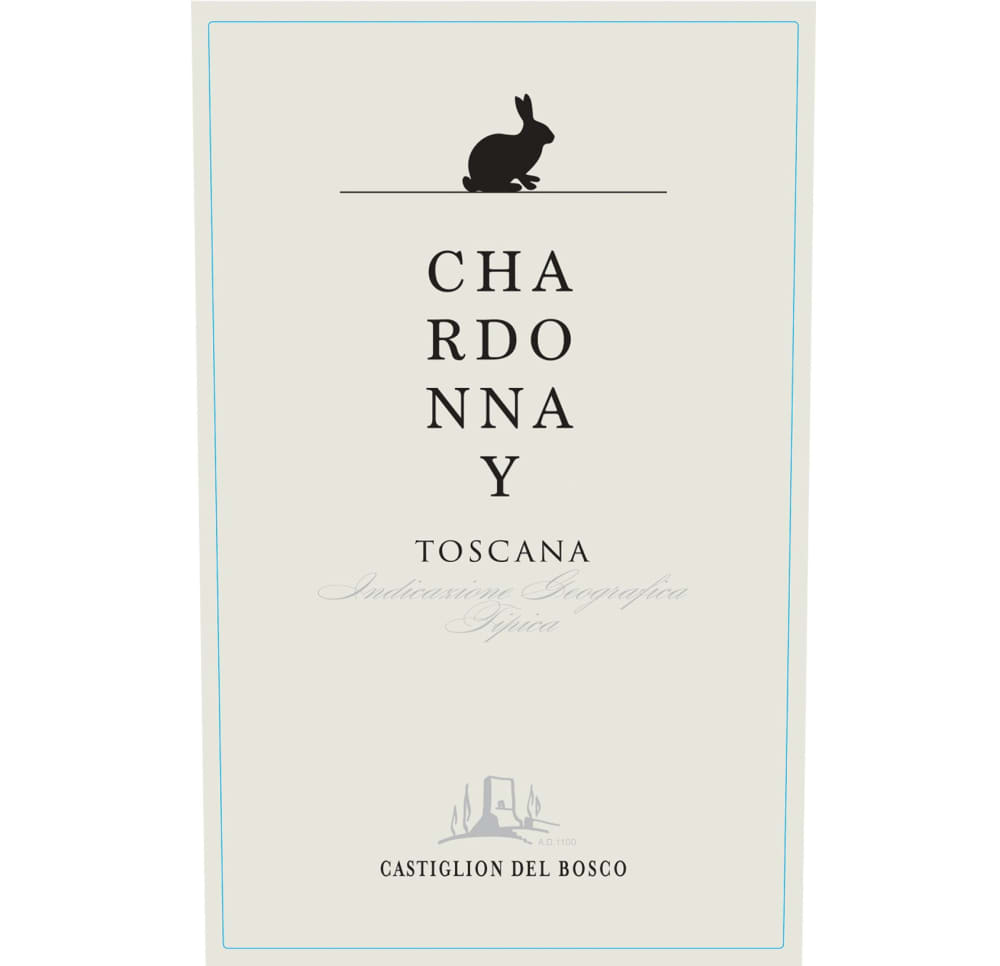
- Chardonnay: Ranging from oaky and buttery to more mineral-driven profiles, its aging potential varies greatly. Color intensity can signal its age; deeper hues might indicate maturity.
- Pino Grigio: Typically light and zesty, it offers pear and floral notes. This variant tends to be less complex and should be enjoyed fresh.
- Riesling: This type can vary from dry to sweet, often showcasing stone fruit and honey flavors. Its high acidity allows for good aging, yet I must watch for signs of oxidation.
Factors Influencing Quality and Longevity
- Climate: Grapes from cooler regions usually retain higher acidity, contributing to a refreshing profile.
- Production Methods: Techniques such as malolactic fermentation or barrel aging can influence the taste and shelf life.
- Alcohol Content: Higher levels may indicate a richer body, but excessive alcohol can mask delicate flavors.
Evaluating these elements helps me to better determine the potential quality of the bottle I’m considering. Each varietal has its own story, making it essential to understand them before indulging.