Chuck Furuya


For those seeking an elegant and refined experience, I highly recommend exploring the exceptional Chardonnay produced in this acclaimed region of France. Characterized by its crisp acidity and complex flavor profile, this varietal often exhibits notes of green apple, pear, and subtle citrus, making it a versatile choice for various occasions.
The terroir plays a pivotal role in shaping the characteristics of these exquisite vintages. The unique combination of clay, limestone, and chalky soils contributes to the minerality and finesse found in each bottle. If you’re a fan of wines with a touch of oak, you’ll appreciate the beautifully integrated barrel aging that adds layers of richness and depth.

Pairing these Chardonnays with seafood dishes, poultry, or creamy pastas will enhance your dining experience. I suggest trying a glass with grilled scallops or a classic chicken alfredo to fully appreciate the harmonious balance of flavors. Whether you’re a connoisseur or a casual enthusiast, this varietal promises a delightful exploration of taste and texture.
Understanding French Chardonnay from Burgundy
This region produces exceptional Chardonnay, characterized by its balance of richness and acidity. I recommend seeking out producers like Domaine Leflaive and Joseph Drouhin for high-quality selections. These Chardonnays often exhibit notes of green apple, pear, and subtle oak, offering a refined palate experience.
Pairing Suggestions
Pair this varietal with seafood dishes, particularly grilled fish or lobster. The wine’s acidity complements the flavors beautifully. For cheese lovers, consider a soft cheese such as Brie or goat cheese to enhance the tasting experience. I find that these combinations elevate both the food and the drink.
Storage and Serving Tips
Store bottles horizontally in a cool, dark place to maintain optimal conditions. Serve chilled, ideally between 50-55°F (10-13°C), to showcase its refreshing qualities. Allow the wine to breathe for a short period after opening; this can enhance its aromatic profile significantly.
Understanding the Chardonnay Grape Variety
Choosing Chardonnay as a grape is a step towards exploring a wide range of flavors and styles. This variety is celebrated for its versatility, allowing winemakers to produce everything from crisp and mineral-driven to rich and buttery expressions.
Key Characteristics
- Flavor Profile: Expect notes of apple, pear, citrus, and stone fruits. Depending on the region and vinification techniques, it can also showcase tropical fruits, vanilla, or toasty oak.
- Acidity: High acidity is a hallmark, contributing to a refreshing finish and longevity.
- Body: Ranges from light and elegant to full-bodied and opulent, influenced by factors such as climate and fermentation methods.
Regions of Excellence
- Burgundy: The birthplace of premium Chardonnay, offering complex and age-worthy examples.
- California: Produces a diverse array, from oaked to unoaked styles, highlighting the grape’s adaptability.
- Australia: Known for its fruit-forward and balanced versions, often with a distinct minerality.
Experimenting with food pairings can enhance enjoyment. Pair a well-structured bottle with seafood, poultry, or creamy pasta dishes. The adaptability of this grape makes it a favorite for various culinary experiences.
Key Regions for Chardonnay Production
I highly recommend focusing on the Côte de Beaune, a prominent area in the Burgundy region, known for its exceptional Chardonnay. The villages of Meursault, Puligny-Montrachet, and Chassagne-Montrachet produce some of the finest examples of this grape variety. In Meursault, expect rich, buttery textures with hints of nuts and minerals, while Puligny-Montrachet often showcases elegance and finesse, with floral and citrus notes.
Further Notable Areas
The Côte Chalonnaise offers a diverse range of expressions. The communes of Rully and Montagny are worth exploring for their excellent value and quality. Here, the Chardonnays tend to be more approachable, often characterized by fresh acidity and fruit-forward profiles.
Finally, the Mâconnais region, particularly Mâcon-Villages, should not be overlooked. It provides excellent, budget-friendly options, with wines that are typically vibrant and expressive, making them perfect for early enjoyment. Each of these regions contributes uniquely to the overall profile of Chardonnay, showcasing the versatility and range of this grape.
How Terroir Influences Flavor Profiles
Terroir plays a pivotal role in shaping the flavor characteristics of these exceptional beverages. The unique combination of soil composition, climate, and topography directly impacts the grapes, leading to distinct taste profiles. For instance, the limestone-rich soils of Côte de Beaune contribute to a mineral quality, enhancing the crispness and acidity of the Chardonnay. In contrast, clay soils can impart a richer, fuller body, resulting in a more rounded flavor experience.
The microclimates within regions also dictate how grapes ripen. Areas with warmer temperatures may yield fruit with higher sugar levels, translating to more pronounced tropical fruit notes. Cooler sites, on the other hand, often produce grapes with vibrant acidity and citrus flavors, providing a refreshing balance. Understanding these subtle variations allows me to appreciate the depth and complexity found in each glass.
Elevation further influences the development of flavors. Higher altitudes typically result in cooler temperatures, which can slow down ripening, preserving acidity and enhancing aromatic profiles. This is particularly true in places like Chablis, where the cooler climate fosters a more elegant and nuanced expression of the grape.
Lastly, the age of the vines contributes significantly to flavor intensity. Older vines tend to produce smaller yields of grapes with concentrated flavors, leading to more complex and layered profiles. As I explore different vintages, I find that these variations, rooted in terroir, create an ongoing discovery of taste and experience.
The Role of Oak Aging in White Burgundy
Oak aging profoundly influences the character and complexity of this renowned Chardonnay. I recommend seeking out examples that have undergone various aging processes to fully appreciate the impact of oak. The typical aging period ranges from 6 months to several years, depending on the producer and desired style.
Types of Oak Used
French oak is the preferred choice for maturation, as it imparts subtle spice and vanilla notes while enhancing the wine’s texture. Barrels often come in different toast levels, which can further modify the flavor profile. Look for wines aged in new barrels for pronounced oak characteristics, while those aged in older barrels tend to showcase more fruit and mineral notes.
Impact on Flavor and Aroma
The interaction between the wine and oak creates a layered aromatic profile. I find that oak aging contributes to flavors of butter, cream, and nutmeg, complementing the natural fruitiness of the Chardonnay. Additionally, the micro-oxidation process during aging softens tannins, leading to a smoother mouthfeel. Wines from producers that skillfully balance oak influence with the grape’s inherent qualities often stand out, offering a harmonious tasting experience.
Identifying Different Appellations of White Burgundy
To distinguish the various designations of this esteemed region, one should pay attention to several key factors, including the geographical boundaries, grape quality, and production methods.
Key Appellations
- Chablis: Located in the northernmost part, known for its mineral-driven styles. Expect high acidity and citrus notes.
- Côte de Beaune: Renowned for premier vineyards like Meursault and Puligny-Montrachet, which produce rich and complex expressions.
- Côte Chalonnaise: Offers excellent value with approachable styles from appellations like Rully and Montagny.
- Mâconnais: Features lighter, fruit-forward wines, ideal for early consumption. Look for Mâcon-Villages for quality options.
Understanding Labels
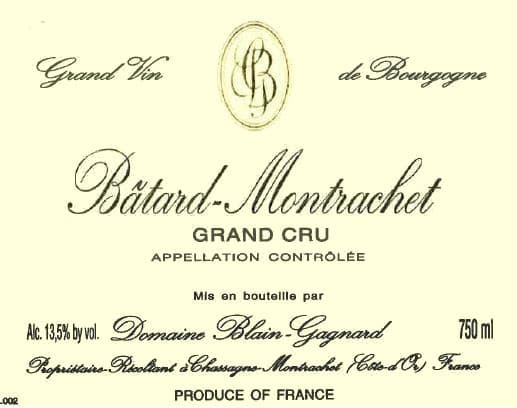
Familiarizing oneself with the labeling system is crucial. Designations such as Grand Cru indicate the highest quality, while Premier Cru denotes superior vineyards. Village and regional labels represent broader areas, often producing more accessible and affordable selections.
Keep an eye out for the term “Monopole,” which signifies a vineyard owned by a single producer, often resulting in unique characteristics. Additionally, vintage plays a role; certain years yield better conditions for grape growing, impacting overall quality.
By recognizing these distinctions, one can confidently explore the diverse offerings from this celebrated area, enhancing the tasting experience.
Food Pairings for White Burgundy Wines
Grilled lobster with herb butter complements the rich, buttery notes of these exquisite offerings beautifully. The subtle sweetness of the lobster enhances the wine’s acidity, creating a perfect balance.
Roasted chicken, especially with a lemon-herb marinade, harmonizes with the wine’s complexity. The dish’s savory flavors bring forth the wine’s fruitiness, elevating the dining experience.
For a vegetarian option, a creamy risotto with wild mushrooms pairs exceptionally well. The earthiness of the mushrooms and the creaminess of the risotto echo the wine’s texture and depth.
Seafood dishes such as scallops sautéed in garlic and white wine make an excellent match, as the wine accentuates the delicate flavors of the scallops while adding a refreshing contrast.
Cheese platters featuring Brie or Camembert enhance the tasting experience; their creamy textures and mild flavors complement the smoothness of the beverage.
| Dish | Pairing Notes |
|---|---|
| Grilled Lobster | Rich, buttery notes enhance the dish’s sweetness. |
| Roasted Chicken | Savory flavors amplify the fruitiness of the drink. |
| Mushroom Risotto | Earthiness and creaminess mirror the wine’s texture. |
| Sautéed Scallops | Delicate seafood enhances the beverage’s refreshing qualities. |
| Brie or Camembert | Mild flavors complement the smoothness of the drink. |
Enjoying these combinations not only elevates the flavors but also creates a memorable culinary experience that showcases the unique character of these exceptional beverages.