Chuck Furuya
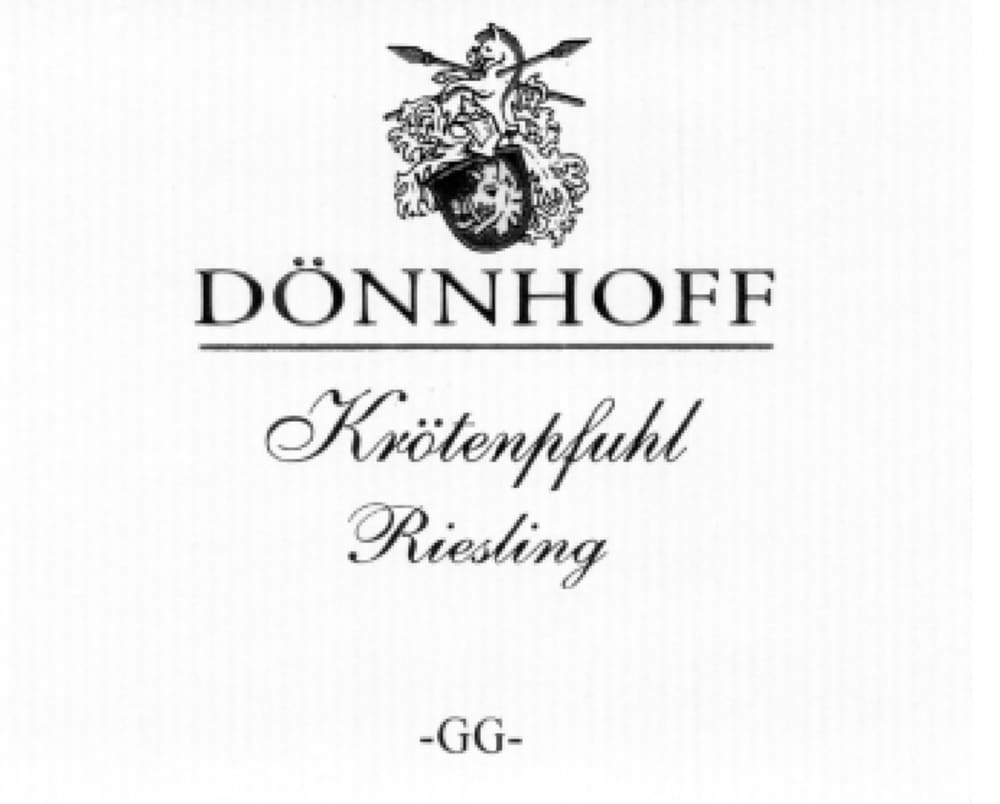
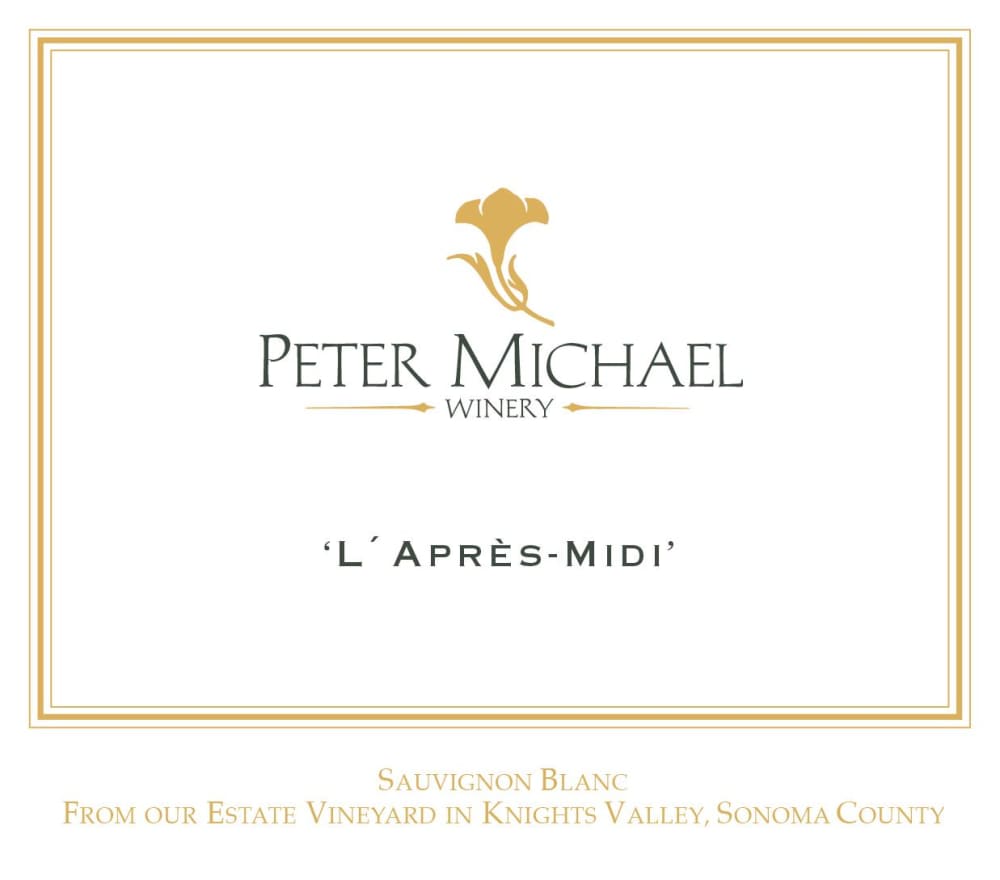
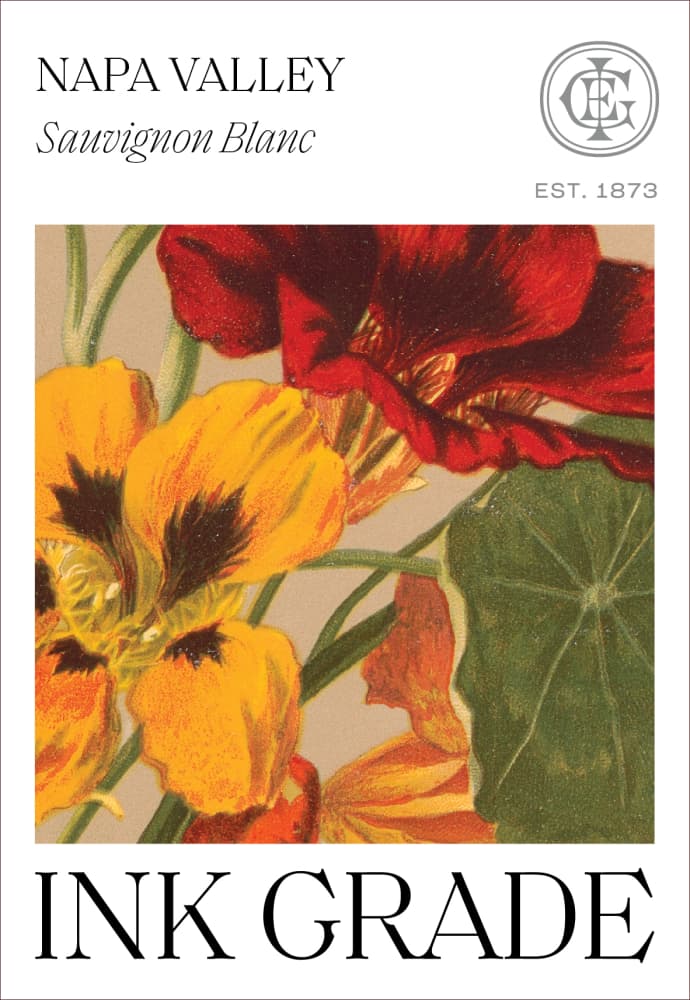
I highly recommend exploring the Sauvignon Blanc grape for those seeking a refreshing and crisp option. This type boasts high acidity and minimal residual sugar, making it an excellent choice for a dry palate. Renowned regions like Marlborough in New Zealand and Sancerre in France produce exceptional examples that highlight its zesty citrus and green herb characteristics.
If you prefer something with a touch of complexity, consider the Albariño. Originating from Spain, particularly the Rías Baixas region, this varietal offers a bright and mineral-driven profile, coupled with stone fruit notes. Its lower sugar content enhances its dry nature, making it a fantastic pairing with seafood dishes.
Another noteworthy option is the Grüner Veltliner from Austria. Known for its spicy and peppery notes, it delivers a unique flavor experience while maintaining its dry essence. Look for varieties that showcase vibrant acidity and a clean finish to fully appreciate this grape’s potential.
Identifying Most Bone-Dry Grape Cultivar
For those seeking an exceptionally crisp and refreshing experience, I recommend exploring the Sauvignon Blanc. This grape is renowned for its high acidity and minimal residual sugar, making it a standout choice for enthusiasts of dry expressions.
Characteristics of Sauvignon Blanc
- High acidity, which enhances the perception of dryness.
- Flavor notes range from citrus and green apple to more herbaceous and grassy elements.
- Commonly grown in regions like Marlborough, New Zealand, and the Loire Valley, France.
Other Notable Options
Besides Sauvignon Blanc, consider trying these alternatives:
- Albariño: A Spanish grape that produces zesty and aromatic wines with low sugar content.
- Chablis (Chardonnay): Originating from Burgundy, this expression is often fermented in stainless steel, leading to a lean, mineral-driven profile.
- Grüner Veltliner: An Austrian varietal known for its peppery notes and bright acidity, making it a fantastic option for those who enjoy bone-dry selections.
Choosing any of these options will guarantee a refreshing and satisfying experience, catering to those who appreciate a lean and crisp palate.
Identifying the Driest White Wine Varieties
For those seeking minimal sweetness in their glass, I recommend focusing on varieties such as Sauvignon Blanc, Pinot Grigio, and Albariño. Each of these options typically presents a crisp profile with low residual sugar.
Sauvignon Blanc often exhibits high acidity and fresh citrus notes, making it a refreshing choice. Regions like Marlborough in New Zealand are renowned for producing exceptionally zesty examples that align with my preference for dryness.
Pinot Grigio, especially from northern Italy, provides a clean and straightforward taste. Its light body and subtle fruit flavors complement dishes without overwhelming the palate, which I find appealing.
Albariño from Spain stands out with its vibrant acidity and mineral characteristics. This varietal pairs well with seafood, enhancing both the food and the experience of enjoying a less sweet option.
Additionally, Chablis, a Chardonnay from France, is often vinified in a way that minimizes sweetness. Its steely profile and notes of green apple and pear resonate with those who favor a drier palate.
When exploring these selections, it’s beneficial to check labels for indications of dryness, such as terms like “brut” or “extra brut,” which signal minimal residual sugar. This practice enhances my ability to choose wines that align with my taste for less sweetness.
In conclusion, focusing on these specific varietals will guide anyone towards achieving a satisfying experience with minimal sweetness in their preferred glass.
Characteristics of Dry White Wines
High acidity defines many crisp and refreshing styles found within this category. Varieties such as Sauvignon Blanc and Pinot Grigio often exhibit vibrant citrus notes, making them particularly enjoyable chilled. A lower residual sugar content enhances their ability to pair well with various dishes, especially seafood and salads.
Aromas can range from floral to herbal, depending on the grape and region. For instance, a Sancerre made from Sauvignon Blanc offers herbaceous scents, while a Grüner Veltliner might present hints of white pepper and stone fruit. The complexity in aromas adds to the overall drinking experience.
Minerality is another key element, especially in wines from regions with unique terroirs, such as those from the Loire Valley or Alsace. This characteristic often gives the liquid a refreshing quality and a longer finish.
Alcohol levels can vary, but many remain in a moderate range, typically between 11% and 13.5%. This balance contributes to their accessibility and versatility. The texture can also differ; some are light-bodied, while others, like oaked Chardonnay, can exhibit a creamier mouthfeel due to malolactic fermentation.
| Characteristic | Description |
|---|---|
| Acidity | High, providing freshness and balance |
| Aromas | Citrus, floral, herbal, minerality |
| Alcohol Level | Typically 11% – 13.5% |
| Texture | Varies from light to creamy |
| Food Pairing | Seafood, salads, light pasta dishes |
Overall, understanding these traits allows for a more informed selection and appreciation of these refreshing beverages.
Food Pairings for Driest White Wines
Seafood dishes are ideal companions for crisp, refreshing varieties. Fresh oysters, grilled fish, and shrimp cocktails complement the acidity and minerality beautifully. I recommend pairing a Sauvignon Blanc with a citrusy ceviche for a delightful balance.
Poultry, especially when prepared with herbs or citrus, harmonizes well with these selections. A lightly roasted chicken with rosemary or lemon will enhance the wine’s attributes. Chardonnay, particularly unoaked, works well here.
Salads featuring vinaigrettes or tart dressings find a perfect match in these selections. Consider a mixed greens salad topped with goat cheese and walnuts, paired with a Pinot Grigio to elevate the experience.
For cheese lovers, opt for tangy varieties like feta or goat cheese. These cheeses’ acidity pairs wonderfully with a dry Riesling, creating a pleasing contrast.
Vegetarian dishes, especially those with earthy flavors, also work nicely. Grilled asparagus or mushroom risotto can be complemented by a light, zesty variety. A Verdejo or Albariño can add depth to these meals.
Spicy dishes require careful pairing; I find that a crisp, dry varietal can counterbalance heat effectively. Try pairing a spicy Thai curry with a high-acid white to manage the spice levels while enhancing the dish’s flavors.
FAQ:
What is the driest white wine variety?
The driest white wine variety is typically considered to be Sauvignon Blanc. This grape produces wines with high acidity and low residual sugar, resulting in a crisp and refreshing taste profile. Other dry white wine varieties include Pinot Grigio and Albariño, but Sauvignon Blanc is often heralded as the most consistently dry option.
How does the winemaking process affect the dryness of white wines?
The winemaking process plays a significant role in determining the dryness of white wines. Factors such as fermentation techniques and the choice of grape variety can influence the final product. For instance, winemakers may choose to ferment the wine to complete dryness, which means all the sugars are converted into alcohol. Additionally, techniques like malolactic fermentation can soften acidity and alter the perception of dryness, even in wines that are technically dry.
Are there specific regions known for producing the driest white wines?
Yes, certain wine regions are renowned for producing exceptionally dry white wines. For example, the Marlborough region in New Zealand is famous for its Sauvignon Blanc, known for its zesty and dry characteristics. Similarly, regions in Northern Italy, such as Friuli-Venezia Giulia, produce dry Pinot Grigio and other varieties that are celebrated for their crispness. Additionally, the Rías Baixas region in Spain is known for its dry Albariño, which pairs well with seafood.
Can you recommend some food pairings for dry white wines?
Dry white wines pair wonderfully with a variety of foods. For instance, Sauvignon Blanc complements dishes like grilled fish, salads, and goat cheese due to its acidity and herbal notes. Pinot Grigio is a great match for light pasta dishes, seafood, and fresh vegetables. Albariño, with its bright acidity, pairs well with shellfish, ceviche, and light Asian dishes. The key is to match the wine’s acidity and flavor profile with the dish’s ingredients.
What are the tasting notes commonly found in the driest white wines?
Dry white wines often exhibit a range of tasting notes that contribute to their appeal. Sauvignon Blanc typically features bright citrus notes, green apple, and sometimes herbal or grassy undertones. Pinot Grigio may showcase flavors of pear, melon, and white flowers, while Albariño is known for its stone fruit, citrus, and sometimes a slight salinity. These flavor profiles are influenced by the grape variety, the terroir, and the winemaking techniques employed.