Chuck Furuya
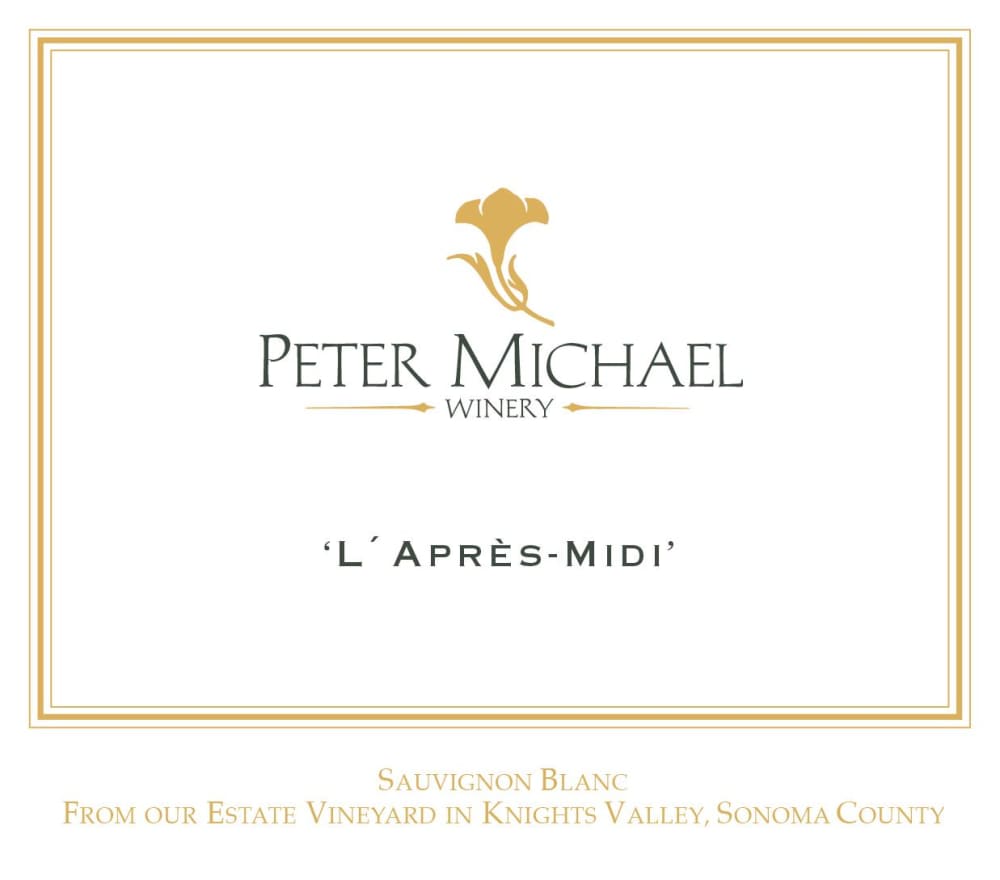
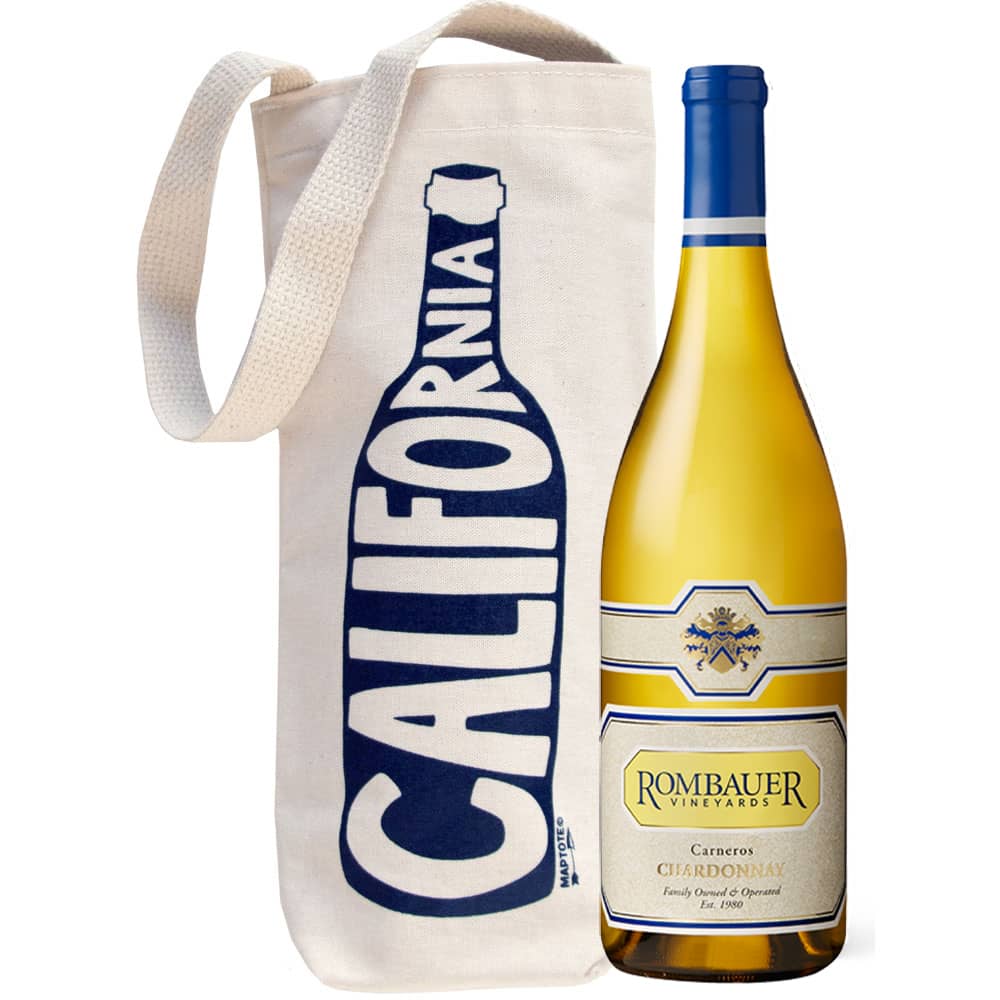
If you enjoy the creamy and buttery notes from a classic Chardonnay, I highly recommend trying a Viognier. This varietal often exhibits similar fruit-forward characteristics, with flavors of peach, apricot, and floral aromas that can appeal to Chardonnay lovers. It offers a luscious mouthfeel that can satisfy those seeking a comparable experience.
An excellent substitute to consider is a white blend, particularly those that include Roussanne or Marsanne. These grapes can create a rich, textured profile with hints of stone fruits and honey, reminiscent of the complexities found in well-oaked Chardonnay. The balance of acidity and richness in these blends can be particularly captivating.
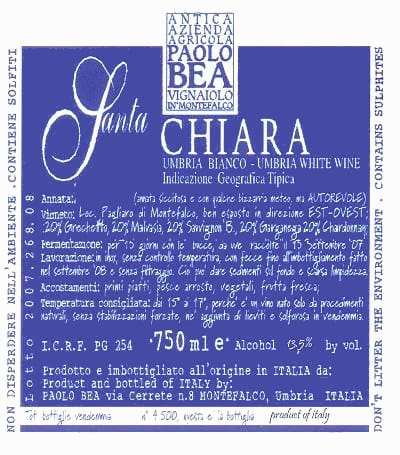
For those who prefer a slightly crisper option, exploring a Sauvignon Blanc from regions like New Zealand can be rewarding. While it tends to be more zesty, certain producers craft their Sauvignons with a fuller body and oak aging, mimicking the weight and depth that Chardonnay enthusiasts appreciate.
Alternative Options to Chardonnay
If you enjoy the characteristics of Chardonnay, consider exploring these alternatives that offer similar profiles:
- Sauvignon Blanc: This varietal delivers crisp acidity and citrus notes, often with herbal undertones. Look for options from regions like Marlborough in New Zealand for a zesty experience.
- Viognier: Known for its aromatic qualities, Viognier showcases stone fruit flavors and floral aromas. It can provide a richer mouthfeel, akin to a full-bodied Chardonnay.
- Semillon: This grape often presents a waxy texture and flavors of lemon and honey. A blend with Sauvignon Blanc can mimic the complexity found in Chardonnay.
- Greco di Tufo: An Italian option with vibrant acidity and notes of peach and almond, this wine can offer a similar experience to an oaked Chardonnay.
Suggestions for Pairing
When selecting a dish to pair with these alternatives, consider:
- Grilled chicken with lemon and herbs, which complements the acidity.
- Seafood dishes, particularly those featuring creamy sauces.
- Vegetable risottos that highlight the wine’s fruitiness.
These choices provide a delightful exploration for anyone who appreciates the flavor profile of Chardonnay. Experimenting with these options can enhance your tasting experience.
Understanding Chardonnay’s Flavor Profile
Aromas of ripe apple, pear, and citrus dominate the profile, often complemented by notes of vanilla, butter, and sometimes a touch of oak, depending on the aging process. I find that the balance of acidity and richness makes it versatile with food pairings, from creamy pasta to grilled seafood.
The mouthfeel can range from crisp and refreshing to rich and velvety. Cooler climate varieties tend to have higher acidity and more pronounced fruit flavors, while those from warmer regions often exhibit a fuller body and tropical fruit notes. It’s fascinating how climate and terroir influence the final product.
When I taste a well-crafted example, I notice a lingering finish that makes it memorable–often with a mineral or toasty character that adds complexity. This complexity is what makes exploring alternatives so rewarding, as I’m always on the lookout for other varietals that can replicate or contrast these flavor elements.
Top Alternatives to Chardonnay
Pinot Grigio stands out as an excellent option, offering a crisp and refreshing profile with notes of green apple and pear. Its light body makes it a favorite for those who enjoy a more delicate alternative.
Sauvignon Blanc brings a zesty twist, characterized by its bright acidity and flavors of citrus, grass, and sometimes tropical fruits. This choice is perfect for those seeking a vibrant and aromatic experience.
Viognier is another noteworthy contender, known for its luscious texture and floral aromas. You’ll find hints of peach, apricot, and honeysuckle, making it a great pick for those who appreciate a fuller-bodied alternative.
Riesling, particularly in its dry form, offers a unique blend of sweetness and acidity. Its notes of stone fruits and floral undertones provide an intriguing option for those who enjoy complexity in their glass.
Grüner Veltliner is a lesser-known gem that showcases bright acidity and flavors of white pepper, green herbs, and citrus. This Austrian varietal is ideal for those looking to explore something different yet refreshing.
Lastly, an unwooded or lightly oaked version of Chenin Blanc can mimic the clean profile of Chardonnay while offering its own unique characteristics, such as apple, honey, and a touch of minerality.
- Pinot Grigio
- Sauvignon Blanc
- Viognier
- Riesling
- Grüner Veltliner
- Unwooded Chenin Blanc
Comparing Sauvignon Blanc and Chardonnay
Sauvignon Blanc offers a refreshing alternative with its crisp acidity and pronounced citrus notes. I recommend trying a New Zealand Sauvignon Blanc, which typically showcases vibrant flavors of lime, green apple, and tropical fruits, often accompanied by herbaceous undertones. This varietal tends to be lighter and more aromatic than its counterpart, making it an excellent choice for those seeking a zesty profile.
Flavor Profiles
The flavor profile of Sauvignon Blanc is characterized by its bright acidity and aromatic qualities, which can include notes of gooseberry, passion fruit, and bell pepper. In contrast, the other grape exhibits a fuller body and a creamier texture, often featuring flavors of ripe apple, pear, and vanilla when aged in oak barrels. Choosing between these two can depend on the specific taste preferences and the occasion.
Food Pairing Suggestions
<p.For food pairings, Sauvignon Blanc complements dishes like goat cheese salad, shellfish, and light pasta with citrus sauces thanks to its acidity and freshness. On the flip side, the latter pairs beautifully with richer foods like lobster, creamy sauces, and roasted chicken, due to its full-bodied nature. Knowing these pairings can enhance the dining experience, making the choice between the two even more exciting.
Analyzing Viognier as a Chardonnay Substitute
Viognier stands out as an excellent alternative for those seeking a comparable experience to Chardonnay. Known for its aromatic bouquet and rich texture, this varietal features stone fruit flavors like apricot and peach, complemented by floral notes. The mouthfeel is often lush and creamy, reminiscent of certain oaked Chardonnays.
One key aspect to consider is the acidity level. While Chardonnay can vary from high to low acidity, Viognier tends to be softer, making it more approachable in certain contexts. However, the richness and body of Viognier can provide a satisfying experience for those who enjoy the fullness of a well-crafted Chardonnay.
In terms of food pairing, Viognier excels with dishes that feature bold flavors, such as roasted chicken, seafood with cream sauces, or spicy Asian cuisine. Its aromatic qualities enhance these pairings, much like the versatility of Chardonnay.
| Characteristic | Chardonnay | Viognier |
|---|---|---|
| Aroma | Citrus, apple, butter | Apricot, peach, floral |
| Acidity | Variable | Low to moderate |
| Mouthfeel | Creamy, buttery | Lush, rich |
| Ideal Pairing | Chicken, seafood, pasta | Spicy dishes, roasted meats, rich sauces |
Choosing Viognier provides an opportunity to explore new flavor dimensions while still enjoying the texture and richness often sought in a classic Chardonnay. This varietal not only broadens your palate but also enhances the overall dining experience.
Exploring Pinot Grigio’s Similarities with Chardonnay
Pinot Grigio stands out as an excellent alternative for those who enjoy the characteristics of Chardonnay. Both varietals offer a diverse range of flavors and aromas, making them appealing to a wide audience. Here are the key points to consider:
Flavor Profiles
- Fruitiness: Pinot Grigio typically exhibits bright citrus notes, such as lemon and lime, alongside stone fruits like pear and peach. These fruity elements can be reminiscent of the apple and citrus tones found in Chardonnay.
- Acidity: The crisp acidity of Pinot Grigio often rivals that of Chardonnay, providing a refreshing quality that enhances its food-pairing versatility.
- Body: While Pinot Grigio is generally lighter than Chardonnay, certain styles can deliver a fuller mouthfeel, especially those from warmer regions.
Food Pairing
Both varietals pair well with a variety of dishes. I find that Pinot Grigio complements seafood and light pastas effectively, echoing the success of Chardonnay with similar meals. Here are some pairings I recommend:
- Grilled shrimp with lime and garlic.
- Pasta primavera topped with fresh vegetables.
- Salmon salad with citrus vinaigrette.
In summary, the similarities between Pinot Grigio and Chardonnay in terms of flavor, acidity, and food compatibility make the former a fantastic choice for those seeking an alternative while still enjoying familiar characteristics.