Chuck Furuya
For those seeking crisp, refreshing options, I recommend Pinot Grigio and Sauvignon Blanc, both known for their zesty profiles and lack of residual sugar. These varietals deliver a clean taste, often with notes of green apple and citrus, making them ideal for pairing with seafood or light salads.
If your palate leans towards something more indulgent, consider Riesling or Gewürztraminer. These selections are often characterized by their pronounced sweetness, showcasing flavors of stone fruits and honey. They pair beautifully with spicy dishes or creamy cheeses, offering a delightful contrast to heat and richness.
For a balanced experience, Chardonnay presents a versatile choice. Depending on the winemaking process, it can range from bone-dry to luscious. Look for unoaked versions for a more vibrant profile, while oaked Chardonnays typically exhibit creaminess and depth, often enriched with vanilla and butter notes.
In summary, the diversity of options allows for a tailored experience, whether you prefer crispness or lush sweetness. Each varietal provides unique characteristics that enhance various culinary experiences, making it easy to find a perfect match for any occasion.
Which White Wines are Dry or Sweet
For a crisp and refreshing experience, try Sauvignon Blanc or Pinot Grigio; both are typically on the drier side. If you prefer something with a touch of sweetness, consider Riesling or Moscato. These varieties often present fruity notes that balance their sugary profiles.
Chardonnay can vary significantly; opt for unoaked versions for a more mineral and less sweet taste, while oaked ones can lean towards richer, creamier flavors. For those who enjoy a dessert-like sip, look into late harvest wines made from Gewürztraminer or Semillon, which are known for their luscious sweetness.
The acidity level often distinguishes the taste; wines with higher acidity, like Albariño, tend to feel drier despite potential fruitiness. On the other hand, low-acid varieties may come across as sweeter than they are. Always check the labels or consult with your sommelier for detailed profiles if you’re uncertain.
Experimentation is key; try pairing different selections with food to see how their sweetness or dryness complements various dishes. Enjoy the exploration of flavors!
Understanding Wine Sweetness Levels
To determine a specific bottle’s sweetness, I focus on the residual sugar content, which significantly influences flavor. The scale generally ranges from bone-dry to luscious. Here’s a detailed breakdown of the sweetness profiles:
- Bone-Dry: Less than 1 g/L of residual sugar. Examples include Sauvignon Blanc and many styles of Pinot Grigio.
- Dry: 1-10 g/L of residual sugar. Varietals such as Chardonnay and Chenin Blanc fit here, offering a clean taste with subtle fruit notes.
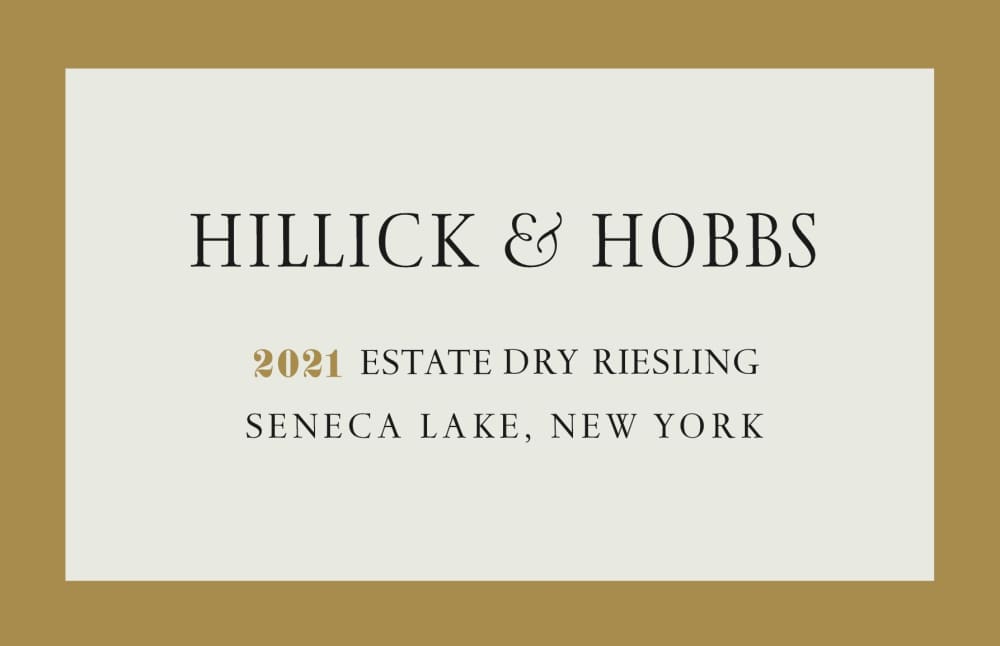
- Off-Dry: 10-30 g/L of residual sugar. Riesling is often found in this category, balancing sweetness with acidity for a refreshing experience.
- Semi-Sweet: 30-50 g/L of residual sugar. Gewürztraminer typically falls within this range, providing a rich palate with floral and fruity characteristics.
- Sweet: Over 50 g/L of residual sugar. Dessert styles like Sauternes and late harvest wines can be beautifully luscious and rich.
Focusing on the aroma and tasting notes helps to identify the perceived sweetness. Fruity scents often suggest a sweeter profile, while herbal or mineral notes might indicate a drier style.
Acidity plays a crucial role in balancing sweetness. High acidity can make a sweeter option appear less sweet, enhancing the overall tasting experience.
When selecting a bottle, I consider the occasion and the food pairings. For spicy dishes, an off-dry option complements the heat, while a dry choice pairs well with seafood or light salads.
Always check the label for detailed information on sweetness levels, as this can guide my selection to suit specific preferences and pairings.
Key Characteristics of Dry White Wines
High acidity is a defining trait of these varieties, enhancing freshness and making them ideal for pairing with food. Grapes such as Sauvignon Blanc, Pinot Grigio, and Chardonnay often showcase this characteristic prominently.
Aromatic Profile
Expect bright and crisp aromas, often featuring citrus, green apple, or stone fruit notes. Some may also exhibit herbal or mineral qualities, which contribute to the overall complexity. The absence of residual sugars allows these aromas to shine without the interference of sweetness.
Texture and Body
Generally, these selections possess a lighter to medium body, which adds to their refreshing quality. The mouthfeel can vary depending on winemaking techniques, such as oak aging, which may impart a creamier texture to certain options like Chardonnay.