Chuck Furuya

For those seeking a unique tasting experience, I highly recommend sampling white port. This fortified beverage offers a delightful blend of sweetness and acidity, making it a versatile choice for both sipping and mixing. Expect notes of honey and apricot, complemented by hints of citrus and almond. The richness varies depending on the style, with some bottles showcasing a luscious, syrupy texture, while others remain crisp and refreshing.
Pairing options abound with this delight. A chilled glass enhances the enjoyment, especially alongside light appetizers such as cheeses and seafood. For a more adventurous combination, consider serving it with spicy Asian dishes or fruity desserts. The balance of sweetness and acidity in this drink makes it adaptable across various culinary experiences.
As I explore different brands and styles, I find that the age and production methods significantly influence the profile. Younger varieties tend to be fruit-forward and lively, whereas aged versions develop deeper, more complex flavors with nutty undertones. Each sip reveals a new layer, inviting further exploration into its diverse expressions.
White Port Characteristics
This fortified beverage exhibits a delightful balance of sweetness and acidity, often leading to a refreshing experience. I notice notes of citrus, particularly lemon and lime, intertwined with floral hints, which create a bright profile. The palate reveals flavors of stone fruits, like peach and apricot, complemented by a subtle nuttiness reminiscent of almonds or hazelnuts.
Aging plays a crucial role in shaping the profile. Younger varieties tend to be lighter and more vibrant, while those matured in wood develop richer, more complex layers, including honey and caramel. The finish is typically smooth, with a pleasant lingering sweetness that invites another sip.
Flavor Profile of White Port Wine
Expect a delightful combination of sweetness and acidity. The taste often reveals layers of citrus fruits, particularly lemon and orange, complemented by hints of stone fruits like peach and apricot.
Here are some key flavor notes:
- Citrus: Bright notes of lime and grapefruit add a refreshing quality.
- Stone Fruits: Juicy peach and ripe apricot provide a luscious mouthfeel.
- Floral: Subtle aromas of jasmine and honeysuckle enhance the aromatic profile.
- Nuts: A touch of nuttiness, reminiscent of almonds or hazelnuts, can emerge, especially in aged varieties.
- Honey: A natural sweetness often appears, contributing to a rich texture.
The finish may vary, ranging from crisp and clean to smooth and lingering, depending on the style and age. Younger selections tend to be more vibrant, while aged options develop deeper complexity, showcasing caramel and toffee notes.
Pairing suggestions include:
- Cheese: Hard cheeses like aged Gouda or creamy blue cheese complement the sweetness.
- Desserts: Excellent alongside fruit tarts or creamy panna cotta.
- Spicy Dishes: Balances the heat of spicy Asian cuisine or curries.
Exploring different brands will reveal variations in flavor intensity and sweetness levels, enhancing the tasting experience. Each sip tells a story, inviting further exploration.
Common Aromas Found in White Port
I often encounter a range of distinct aromas in this fortified beverage. The most prevalent notes include citrus fruits, particularly lemon and orange zest, which contribute a refreshing brightness. Additionally, I frequently pick up on stone fruit elements, such as peach and apricot, lending a luscious depth to the aroma profile.
Floral nuances are also noticeable, with hints of jasmine and white blossoms adding an elegant touch. Another common characteristic is the presence of honey or beeswax, which introduces a warm, rich sweetness. I often detect herbal undertones, such as chamomile and mint, that provide an intriguing complexity.
As I savor, the influence of oak aging becomes apparent, revealing subtle vanilla and baking spice notes. Sometimes, I notice a faint nuttiness reminiscent of almond or hazelnut, enhancing the overall aromatic experience. These layers create a multi-dimensional bouquet that keeps me engaged with each sip.
Comparing White Port to Other Wines
For a distinct experience, I often find myself comparing this fortified beverage to various other options. In terms of sweetness, it stands out against dry varieties like Sauvignon Blanc or Pinot Grigio. The rich flavors and higher alcohol content create a more luscious mouthfeel, making it preferable for those who enjoy sweeter profiles.
Contrasting with Sherry
When pitted against Sherry, particularly the Fino style, the differences are pronounced. Sherry offers a briny, nutty character that can be quite dry, while this drink presents a rounder sweetness, often with fruity undertones. For those who appreciate complex layers, exploring both can be rewarding.
Pairing with Dessert Wines
In the realm of dessert wines, such as Sauternes or Late Harvest Riesling, I’ve noticed a delightful synergy. The balance of acidity and sweetness in this fortified option complements rich desserts beautifully. Here are some pairings I recommend:
- Cheesecake with a hint of citrus.
- Pecan pie, where the nutty flavors contrast nicely.
- Fruit tarts that highlight the fruity notes in the drink.
While each type of beverage has its unique charm, I find this fortified option to provide an intriguing alternative, especially for those seeking a richer taste experience. The interplay of flavors and aromas creates a memorable tasting journey, quite different from the more common varieties.
How Aging Affects Flavor
Aging significantly influences the profile of this fortified beverage. As it matures, the characteristics transform, often enhancing complexity and depth. I’ve noticed that young versions tend to be more vibrant, displaying fresh fruit notes, while older ones reveal a richer, nuttier quality with hints of caramel and toffee. The oxidative process contributes to these changes, allowing for the development of a smooth, velvety texture.
Impact on Aromas
With time, the aromatic profile shifts dramatically. Initial floral and citrus scents evolve into more profound elements such as dried fruits and spices. The influence of wood aging also adds layers of vanilla and toasted almonds, which I find particularly appealing. The interplay between fruit and nutty notes creates a harmonious balance that defines aged selections.
Choosing the Right Age
Selecting the ideal age for enjoyment often depends on personal preference. I recommend tasting a range of vintages to identify what resonates most. For those who appreciate brighter, zestier profiles, a younger option may be preferable. Conversely, if the allure lies in depth and richness, exploring older varieties is worthwhile. Always consider pairing them with suitable dishes to enhance the overall experience.
Food Pairings for White Port Wine
Pairing this fortified beverage with the right dishes enhances the overall experience. I recommend considering the following combinations:
Cheese and Charcuterie
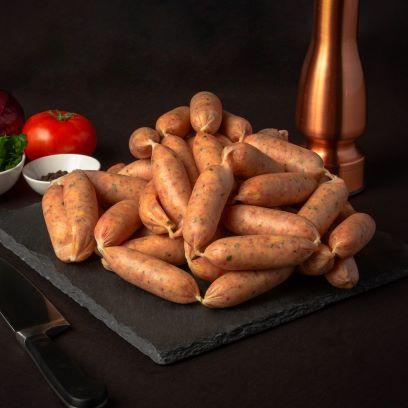
Soft cheeses such as Brie or Camembert complement the sweetness and acidity. Blue cheeses, like Roquefort, provide a delightful contrast. Add some prosciutto or salami for a savory balance.
Seafood and Salads
Grilled shrimp or scallops work beautifully, especially when seasoned with citrus. Light salads with vinaigrette dressings, featuring arugula or mixed greens, also pair nicely. The fresh flavors elevate the taste profile.
| Food | Pairing Notes |
|---|---|
| Brie Cheese | Soft and creamy, enhances the sweet notes. |
| Grilled Shrimp | Citrus flavors complement the wine’s acidity. |
| Prosciutto | Salty and savory, creates a nice contrast. |
| Arugula Salad | Light and peppery, balances the sweetness. |
For dessert, consider pairing with fruit tarts or crème brûlée. The natural sweetness in these dishes enhances the flavors, making each sip and bite memorable.
Serving Temperature for Optimal Taste
For the best experience, I recommend serving this fortified beverage chilled, ideally between 45°F to 50°F (7°C to 10°C). This temperature range enhances the refreshing qualities and allows the nuanced flavors to shine through.
Here are some tips for achieving the perfect serving temperature:
- Refrigerate the bottle for about 2 to 3 hours before serving.
- If you’re short on time, an ice bucket with water and ice can cool it within 20 minutes.
- Avoid serving too cold, as overly low temperatures can mute the flavors and aromas.
To maintain the ideal temperature while enjoying, consider using insulated wine glasses or chillers. This ensures that each sip remains enjoyable without the need to rush through the glass.