Chuck Furuya
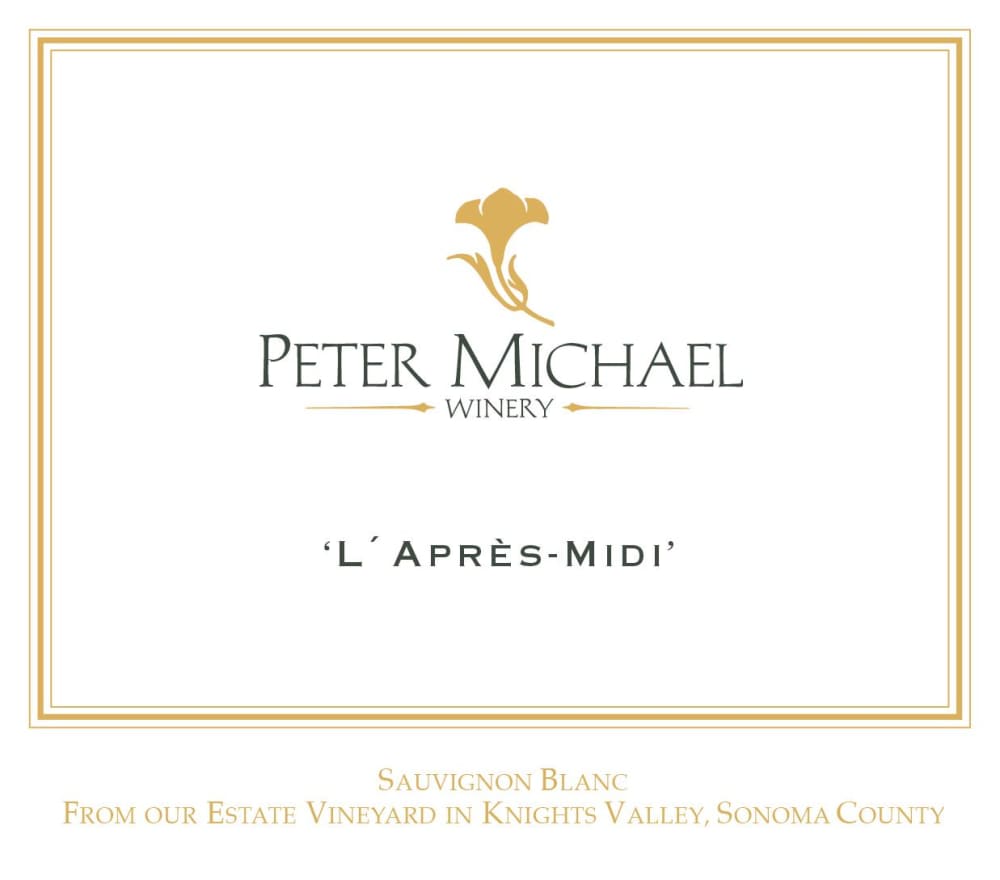
If you’re seeking a variety that offers a drier profile than Riesling, I recommend exploring Sauvignon Blanc. This option often showcases bright acidity with flavors ranging from citrus to herbaceous notes, making it a refreshing choice for those who prefer a crisper taste.
Another excellent choice is Pinot Grigio, known for its light body and zesty character. This grape typically presents notes of green apple, pear, and sometimes a hint of mineralogy, delivering a clean finish that contrasts nicely with the sweetness of Riesling.
For those who enjoy a touch of complexity, consider Chardonnay, particularly in its unoaked form. It tends to highlight fruit-forward flavors like peach and melon, complemented by a creamy texture, while maintaining a balanced acidity that keeps it from being overly sugary.
Lastly, Vermentino offers an intriguing alternative. This lesser-known variety often carries floral and citrus notes, alongside a slight salinity that can elevate your tasting experience, making it a unique substitute for those looking to shift away from the usual sweeter options.
Choosing Alternatives
If you seek alternatives with a drier profile, consider Sauvignon Blanc. This varietal typically showcases bright acidity and herbaceous notes, making it a refreshing option. Look for bottles from regions like Marlborough in New Zealand or the Loire Valley in France for optimal flavor. Another excellent choice is Pinot Grigio, especially those from Italy, known for their crispness and clean finish.
Comparative Sweetness Levels
| Variety | Typical Sweetness Level |
|---|---|
| Sauvignon Blanc | Dry |
| Pinot Grigio | Dry to Off-Dry |
| Chardonnay | Dry |
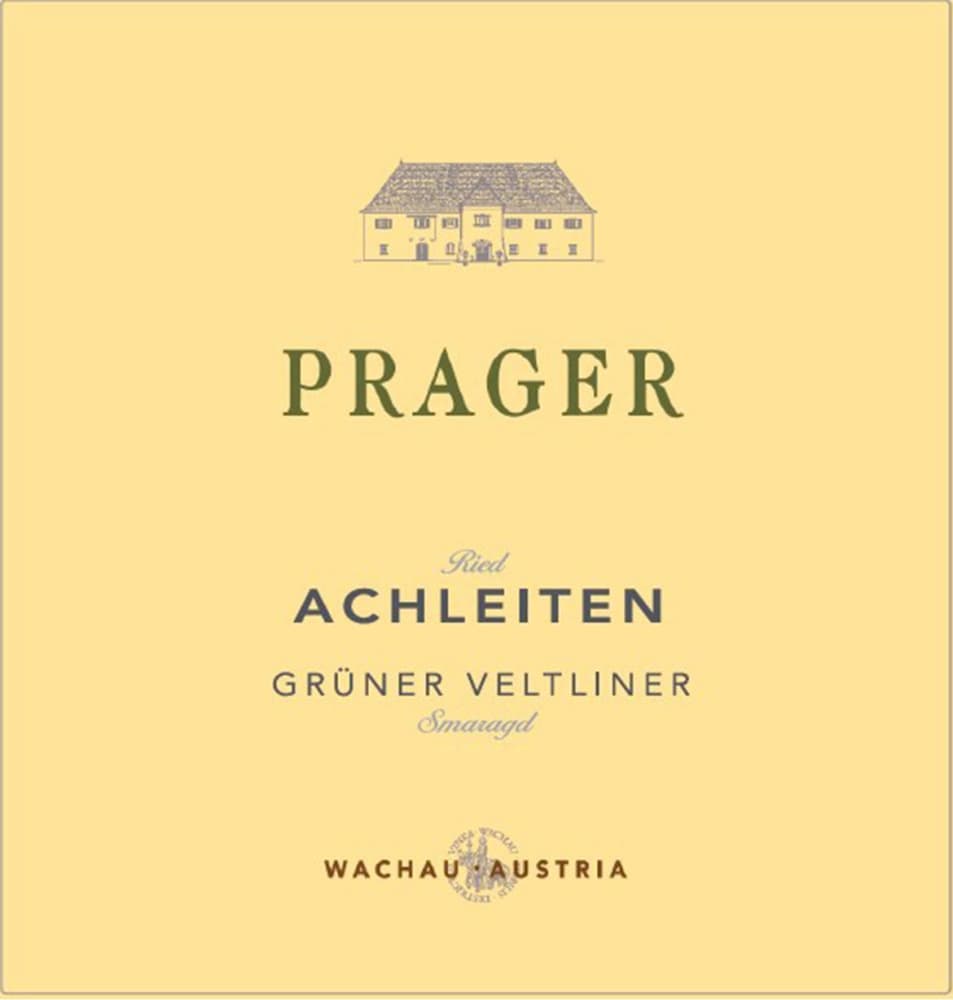
| Grüner Veltliner | Dry |
Additional Recommendations
Consider exploring Grüner Veltliner from Austria, which offers a peppery spice and bright acidity. For a richer option, oaked Chardonnay can provide depth while maintaining a dry profile. Each of these selections will deliver a delightful experience without the sweetness found in certain varieties.
Understanding Riesling’s Sweetness Levels
To comprehend the sweetness levels of this variety, I analyze its classifications. Riesling, known for its range, can be categorized from dry to lusciously sweet. The dry versions, often labeled as “Trocken,” exhibit crisp acidity and floral notes, with residual sugar typically around 0-9 grams per liter. This makes them approachable for those seeking a refreshing alternative.
Classification and Residual Sugar
When exploring the sweetness spectrum, I focus on the German wine classification system, which includes categories like Spätlese and Auslese. These designations indicate higher sugar levels, with Spätlese containing 9-20 grams of residual sugar, offering a hint of sweetness without being overwhelmingly sugary. Auslese can contain 20-50 grams, leaning closer to dessert-style options.
Comparative Tasting
In my tastings, I often juxtapose Riesling with other varietals. Sauvignon Blanc and Pinot Grigio frequently emerge as drier counterparts. Their profiles highlight zesty acidity and fruit-forward characteristics, enhancing the tasting experience for those who prefer less sugary options while still enjoying a refreshing sip.
Understanding the nuances within Riesling’s sweetness allows me to navigate my preferences more effectively and select alternatives that align with my palate.
Identifying Dry White Wines
To find alternatives that are drier compared to the aforementioned varietal, consider these options:
- Sauvignon Blanc: Known for its crisp acidity and herbal notes, this varietal typically leans towards the dry side.
- Chardonnay: Especially when unoaked, this choice can present a clean, dry profile with flavors ranging from green apple to citrus.
- Pinot Grigio: This Italian favorite often showcases a light and zesty character, making it a refreshing dry selection.
- Grüner Veltliner: This Austrian varietal often has a peppery spice and high acidity, resulting in a distinctly dry finish.
When selecting a bottle, check the label for terms like “dry” or “crisp.” A lower residual sugar content indicates a less sugary profile. Tasting notes can also guide your choices; look for descriptors like “minerality” or “zesty,” which often signify a drier palate.
Visiting local tastings or wine bars can further enhance your understanding. Engaging with knowledgeable staff can provide insights into which selections align with your preferences.
Comparing Sauvignon Blanc to Riesling
For those seeking an alternative to Riesling, I recommend Sauvignon Blanc. This varietal typically offers a crisper profile with higher acidity, making it a refreshing choice. Its flavor profile often includes notes of green apple, lime, and passion fruit, contrasting sharply with the more floral and fruity characteristics of Riesling.
Sauvignon Blanc can range from dry to slightly off-dry, but most styles tend to lean towards dryness. Producers from regions like Marlborough in New Zealand and the Loire Valley in France are known for crafting exceptionally vibrant and zesty bottles. The sharpness of this varietal can provide a palate-cleansing effect, making it an excellent companion for foods like seafood or salads.
In comparison, Riesling’s sweetness can vary widely, influenced by factors such as terroir and vinification methods. While some Rieslings are bone-dry, many are perceived as sweeter due to their residual sugars. This makes Sauvignon Blanc an attractive option for those who prefer a drier taste without sacrificing complexity.
When selecting a bottle, I recommend looking for a Sauvignon Blanc labeled as “dry” or sourced from a reputable vineyard known for its crisp style. This will ensure a delightful experience that showcases the varietal’s true character without the sweetness associated with many Rieslings.
Exploring Pinot Grigio Options
Pinot Grigio stands out as an excellent choice for those seeking a refreshing alternative. Its profile typically leans towards crispness, with a dry finish that appeals to many palates. Here are some specific recommendations:
- Italian Pinot Grigio: Known for its bright acidity and notes of green apple, pear, and citrus, it often comes from regions like Veneto and Friuli-Venezia Giulia. These selections tend to be light and lively.
- Oregon Pinot Grigio: This variant may exhibit a more rounded mouthfeel, with hints of peach and nectarine. Look for options from the Willamette Valley for a balance of fruitiness and minerality.
- California Pinot Grigio: Here, you might find bolder fruit flavors like tropical fruits, while still maintaining a refreshing finish. The climate influences a richer texture, making it versatile for various pairings.
When selecting a bottle, focus on the alcohol content; lower levels often indicate a drier style. Additionally, check the label for terms like “dry” or “crisp” to ensure alignment with your taste preferences. Pairing with seafood, salads, or light pasta dishes can enhance the overall experience.
Overall, Pinot Grigio offers an appealing array of flavors and styles, making it a reliable choice for those who prefer a less saccharine option.
Assessing Chardonnay’s Sweetness Variations
Chardonnay offers a spectrum of sweetness levels, making it a versatile choice for those seeking alternatives. Generally, this varietal tends to be on the drier side, especially in its unoaked forms. However, it’s essential to recognize the differences based on region and production methods.
Here are some key points to consider:
- Oaked vs. Unoaked: Oaked Chardonnays can exhibit richer, creamier profiles with hints of vanilla and butter, which may give an impression of sweetness. In contrast, unoaked versions retain a crisp and clean character, often perceived as drier.
- Regional Influences: Wines from cooler climates, such as Chablis in France, are typically more mineral-driven and exhibit less residual sugar. Warmer regions, like California, may produce riper fruit flavors, which can enhance the perception of sweetness.
- Fermentation Techniques: Some producers utilize malolactic fermentation, which softens acidity and can create a sensation of sweetness without increasing sugar levels.
For a drier experience, I recommend looking for Chardonnays from Chablis or those labeled as “unoaked.” These selections often provide a refreshing acidity that balances any fruitiness, making them an excellent choice for those who prefer a drier palate.
Lastly, always check the label for information on sweetness levels, as this can guide your selection process effectively.
Discovering Grüner Veltliner Alternatives
Grüner Veltliner stands out for its crispness and refreshing qualities. For those seeking similar options, I recommend looking into Albariño. This Spanish varietal offers bright acidity and a zesty profile, often with notes of citrus and stone fruits, making it a fantastic substitute.
Another excellent choice is Vermentino. Known for its minerality and herbaceous flavors, it pairs superbly with seafood and light dishes, delivering a delightful experience without the sugary notes.
Assyrtiko from Greece presents another intriguing alternative. Its high acidity and vibrant citrus character mirror the characteristics of Grüner Veltliner, while providing an extra layer of complexity, especially with its volcanic soil influence.
For a more aromatic twist, I enjoy Fiano. This Italian grape variety showcases a rich texture and flavors of ripe fruit and floral notes, offering a rounded palate that still remains dry and refreshing.
Lastly, consider Soave, primarily made from Garganega. It delivers a fantastic balance of fruitiness and minerality, making it a versatile option that complements a variety of dishes while keeping sweetness at bay.