Chuck Furuya

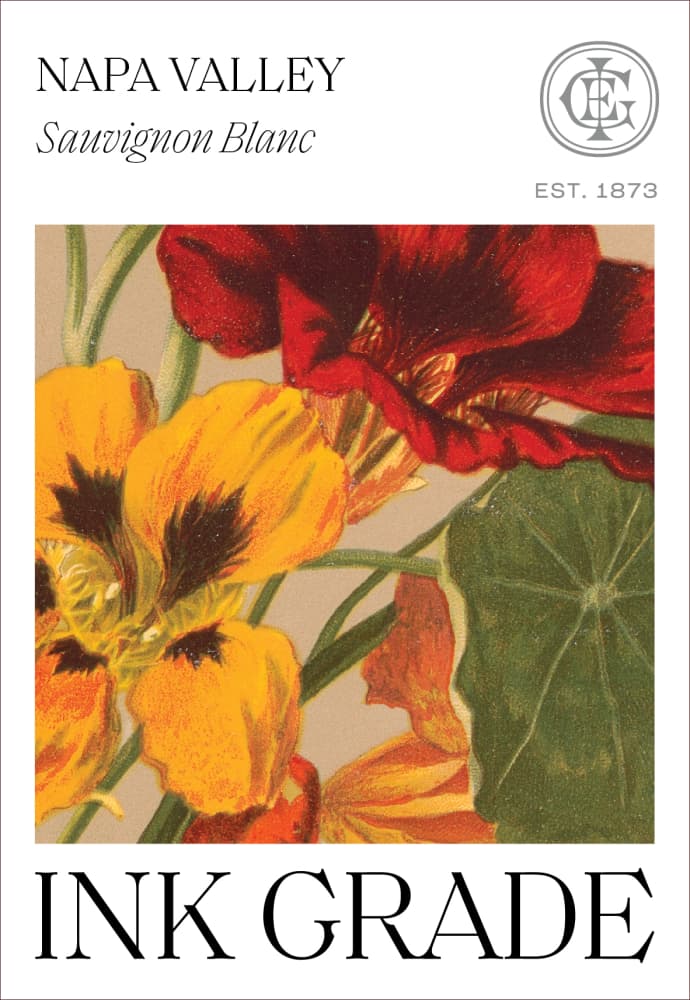
For those seeking crisp and refreshing options, Sauvignon Blanc stands out. Originating from France, this grape offers vibrant acidity and herbal notes. I recommend trying a New Zealand version for its pronounced citrus and tropical fruit flavors, which perfectly exemplify the dry style.
Another excellent choice is Pinot Grigio. This Italian classic is renowned for its light body and zesty profile. Look for bottles from the Veneto region, as they often deliver a clean, mineral finish that pairs wonderfully with seafood or salads.
Chardonnay is also worth considering, especially in its unoaked form. This style highlights the grape’s natural fruitiness and can exhibit flavors ranging from green apple to pear. A bottle from Chablis, France, showcases a mineral edge that enhances its dryness, making it a versatile companion for a variety of dishes.

Lastly, consider Albariño from Spain. This varietal brings a unique coastal flair, characterized by its bright acidity and stone fruit notes. It’s particularly refreshing, making it an ideal choice for warm weather or pairing with shellfish.
Dry White Varieties
Chardonnay stands out as a classic choice. Its versatility allows for both oaked and unoaked styles, with the latter often presenting crisp acidity and bright fruit notes. Sauvignon Blanc, particularly from regions like Marlborough, is another excellent pick, offering refreshing citrus and herbal qualities.
Albariño, hailing from Spain, showcases vibrant acidity and stone fruit flavors, making it a delightful pairing with seafood. Pinot Grigio, especially from Italy, features a light body and zesty profile, perfect for warm weather sipping.
Vermentino, commonly found in Italy and coastal regions, brings a delightful minerality and herbal character that complements various dishes. Grüner Veltliner from Austria is also noteworthy, with its peppery notes and crisp finish appealing to many palates.
While not exhaustive, these selections represent a range of flavors and profiles. Exploring these options can enhance your appreciation of the nuances within this category of beverages.
Characteristics of Dry White Wines
High acidity is a hallmark of these beverages, providing a crisp and refreshing profile. Grapes like Sauvignon Blanc and Pinot Grigio often exhibit bright citrus notes, enhancing their zesty character. The absence of residual sugar contributes to a clean finish, making them ideal for pairing with seafood or light salads.
Minerality is another defining trait, often attributed to the terroir in which the grapes are grown. Regions such as the Loire Valley and parts of Germany produce wines with pronounced flinty or chalky notes, adding complexity to the palate. This aspect can elevate the tasting experience, especially when enjoyed with simple dishes that allow the flavors to shine.
Aromatics play a significant role in these selections. Varietals like Chardonnay can range from crisp green apple to richer stone fruit aromas, depending on the winemaking techniques employed. Oak aging can impart additional layers, such as vanilla or toast, while still maintaining a refreshing profile.
Alcohol content typically varies but often lies between 11% and 14%. This range ensures a balanced mouthfeel without overwhelming the palate. A well-structured acidity combined with moderate alcohol creates a harmonious experience, making these options versatile across various occasions.
In summary, the key characteristics lie in their acidity, minerality, aromatic complexity, and balanced alcohol. Each bottle offers a unique interpretation, shaped by its origin and production methods, making exploration both enjoyable and rewarding.
Popular Dry White Wine Varietals
I recommend exploring several key varietals that exemplify the characteristics of non-sweet options. Each brings unique flavors and aromas, making them ideal for various pairings and occasions.
- Sauvignon Blanc: Known for its zesty acidity and vibrant citrus notes, this grape originates from Bordeaux. Expect flavors of lime, green apple, and sometimes a hint of grassiness.
- Chardonnay: A versatile favorite, it can range from crisp and mineral to rich and buttery, depending on the region and winemaking techniques. Look for notes of apple, pear, and sometimes tropical fruits.
- Pinot Grigio: This Italian grape offers a light and refreshing profile, featuring crisp acidity and flavors of pear, lemon, and almond. It pairs excellently with seafood dishes.
- Grüner Veltliner: A signature varietal from Austria, it presents a peppery spice alongside green apple and lime flavors. Its food compatibility is remarkable, especially with Asian cuisine.
- Albariño: Hailing from Spain, this grape is notable for its bright acidity and stone fruit flavors, particularly peach and apricot. It complements shellfish beautifully.
Experimenting with these selections can enhance your appreciation for non-sweet options. Each varietal offers distinct characteristics that cater to various tastes and occasions.
Regions Known for Dry White Wines
For a true appreciation of crisp, refreshing options, certain regions stand out due to their unique climates and grape varieties. Consider exploring the following areas:
Bordeaux, France
The white blends from Bordeaux, particularly those produced in Pessac-Léognan and Graves, showcase Sauvignon Blanc and Sémillon. The result is a harmonious balance of acidity and minerality, perfect for seafood pairings.
Mosel, Germany
Mosel is renowned for its Rieslings, especially those labeled as trocken. These wines offer a vibrant acidity and pronounced fruit flavors, making them versatile companions for a variety of dishes.
In Italy, the Friuli-Venezia Giulia region is notable for its Friulano and Sauvignon Blanc, characterized by their aromatic profiles and crisp finishes, ideal for light appetizers or grilled fish.
Moving to the New World, consider the cool climate of the Willamette Valley in Oregon. Here, Pinot Gris thrives, producing dry, fruit-forward expressions that are perfect for warm-weather sipping.
Lastly, New Zealand’s Marlborough region is famous for its zesty Sauvignon Blancs, which deliver bright citrus notes and a refreshing palate, making them a favorite for summer gatherings.
Each of these regions brings a distinct character to their offerings, ensuring a delightful experience for those seeking exceptional options in the realm of dry varieties.
Food Pairings with Dry White Wines
Seafood complements these crisp beverages exceptionally well. Oysters, shrimp, and grilled fish enhance the refreshing acidity found in many varieties. For example, a Sauvignon Blanc pairs beautifully with grilled sea bass, while a Chardonnay works well with lobster drizzled in butter.
Poultry dishes also harmonize nicely. Roast chicken seasoned with herbs or a lemon chicken dish brings out the fruity notes. A Pinot Grigio can elevate a simple chicken salad, providing a delightful contrast.
Vegetable-based meals shine with these selections. Pairs of asparagus or artichokes with a light-bodied wine create a balanced taste experience. A dry Riesling complements spicy Asian dishes, offering a pleasant offset to heat.
Cheese platters can be elevated with the right choices. Goats’ cheese or a mild cheddar with a glass of dry white enhances the flavors. A creamy Brie pairs well with a crisp Sauvignon Blanc, creating a delightful combination.
| Food | Recommended Pairing |
|---|---|
| Grilled Fish | Sauvignon Blanc |
| Lobster | Chardonnay |
| Roast Chicken | Pinot Grigio |
| Spicy Asian Dishes | Dry Riesling |
| Goats’ Cheese | Sauvignon Blanc |