Chuck Furuya
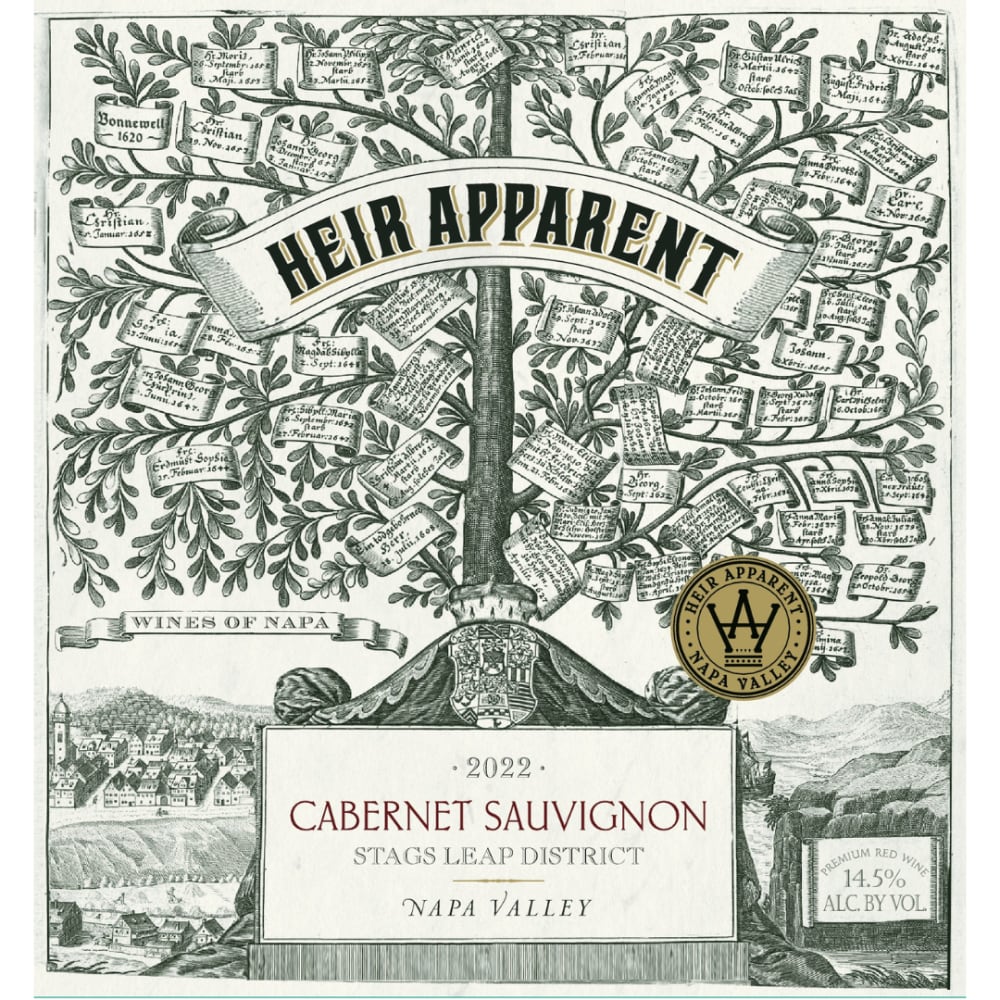
Choosing a quality bottle of full-bodied grape nectar is the first step towards creating a sumptuous dish that warms the soul. Look for varietals like Cabernet Sauvignon or Merlot, as their robust flavors will elevate the meat’s richness.
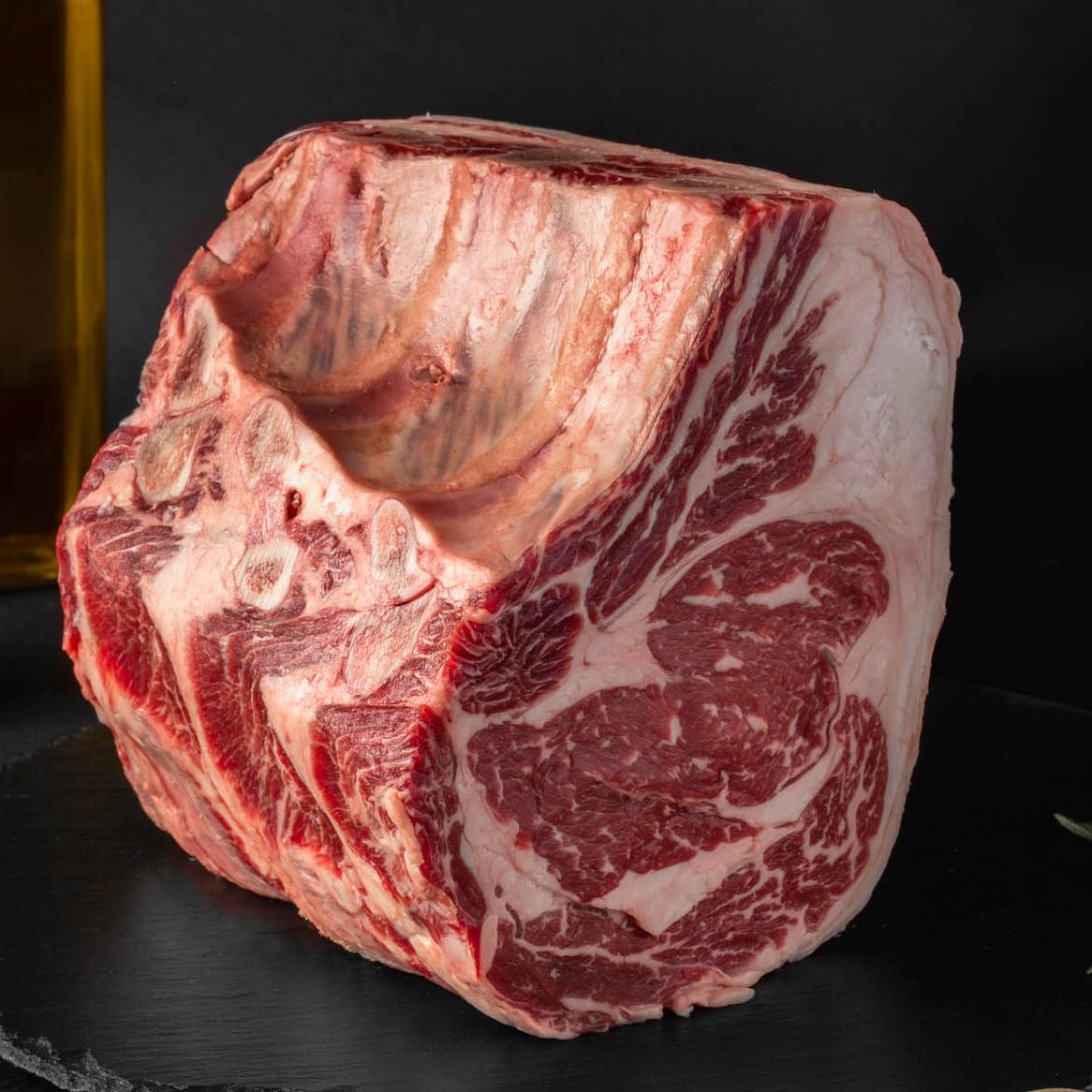
Selecting the right cut is crucial. Opt for chuck roast or brisket, known for their marbling and tenderness when slow-cooked. Trim excess fat, but leave enough to enhance the dish’s overall depth.
Begin with a nice sear in a heavy-bottomed pot; this step is key to developing a rich, caramelized exterior. Once browned, remove the meat and sauté aromatic vegetables such as onions, garlic, and carrots in the residual fat. These will form a flavorful base.
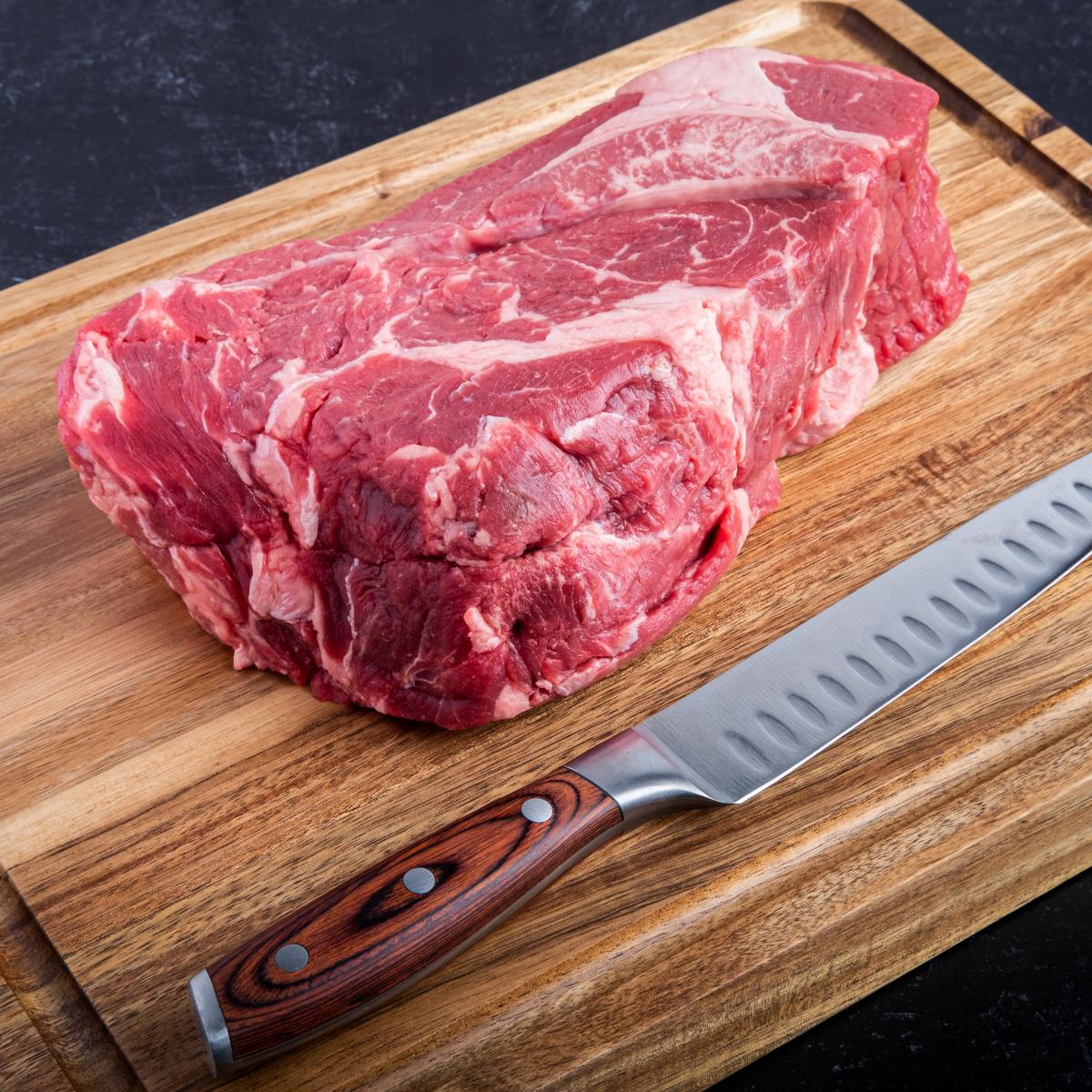
Return the meat to the pot, add the chosen grape nectar, and incorporate herbs like thyme and bay leaves. Cover and let it slowly simmer, allowing the flavors to meld beautifully. This process transforms simple ingredients into a comforting masterpiece.
Selecting the Right Cut of Beef
For optimal flavor and tenderness, I always choose cuts with good marbling. Cuts like chuck roast, brisket, or short ribs are ideal due to their rich connective tissue that breaks down beautifully during slow cooking.
Here’s a quick comparison of suitable cuts:
| Cut | Description | Cooking Time |
|---|---|---|
| Chuck Roast | Well-marbled, flavorful, and economical. | 3-4 hours |
| Brisket | Rich flavor, ideal for low and slow cooking. | 4-5 hours |
| Short Ribs | Succulent and tender, with a deep beef flavor. | 3-4 hours |
I avoid lean cuts like sirloin or tenderloin as they can become dry and tough when cooked for extended periods. Always select a well-marbled piece for the best results. The fat content will enhance the dish’s richness and help maintain moisture throughout the cooking process.
Preparing the Ingredients for Braising
Gather all necessary components before beginning the cooking process. This ensures a smooth workflow and enhances the overall outcome. Begin with fresh aromatics such as onions, garlic, and carrots. Chop onions into medium-sized pieces, mince garlic finely, and cut carrots into uniform chunks to promote even cooking.
Choosing the Right Seasonings
Salt and pepper are indispensable for flavor enhancement. I prefer using kosher salt for its texture and ease of control. Consider adding herbs like thyme and bay leaves, which infuse a rich aroma during the slow cooking phase. Fresh herbs are preferable, but dried versions can also work well.
Preparing the Liquid
Opt for a hearty stock or broth as a base. If using homemade stock, strain it beforehand to eliminate any impurities. Combine it with a suitable acidic element, such as balsamic vinegar or citrus juice, to balance the richness of the meat. Measure out the liquid to ensure it adequately covers the meat during the cooking process, typically around 2 to 3 cups.
Lastly, verify that your cooking vessel is ready. A Dutch oven or a heavy pot that can transition from stovetop to oven is ideal. Preheat your oven to the appropriate temperature while prepping, allowing for a seamless transition once all ingredients are combined.
Choosing the Best Red Wine for Cooking
I recommend selecting a medium-bodied option with balanced acidity and tannins. Wines like Merlot, Cabernet Sauvignon, or Pinot Noir provide depth without overpowering the dish. Avoid overly sweet varieties or those with excessive oak influence, as these can alter the flavor profile of the final result.
Consider the Flavor Profile
Think about how the characteristics of the chosen beverage will complement the other ingredients. A wine with fruity notes can enhance the natural sweetness of vegetables, while earthy undertones can pair well with rich meats. For robust flavors, a bold Cabernet Sauvignon works well, while a lighter Pinot Noir can add a subtle nuance.
Price Point Matters
Investing in a decent bottle is advisable, but it doesn’t have to break the bank. Aim for a mid-range selection that you would enjoy drinking. If the flavor is unappealing straight from the bottle, it likely won’t improve during cooking. A budget of $10 to $20 typically yields suitable options.