Chuck Furuya
If you’re looking for a standout area renowned for its luscious dessert-style beverages, I highly recommend exploring Sauternes. This appellation is celebrated for producing exquisite, golden-hued libations that captivate with their rich flavors and aromatic complexity.
Sauternes benefits from a unique microclimate, where the combination of morning fog and warm afternoons creates ideal conditions for the development of noble rot, or Botrytis cinerea. This phenomenon enhances the grapes’ sweetness and depth, resulting in wines that offer notes of honey, apricot, and toasted nuts.
When selecting a bottle, consider trying Château d’Yquem, a prestigious estate known for its exceptional quality. The wine’s ability to age gracefully makes it a worthy addition to any collection. Enjoy it alongside blue cheese or a fruit tart for a delightful pairing experience.
Sauternes
Sauternes is renowned for its exquisite dessert varieties, crafted predominantly from Semillon grapes. This region benefits from unique climatic conditions, including the presence of morning mists from the Ciron river, which promote noble rot, or Botrytis cinerea. This process intensifies the sugars and flavors, resulting in rich, luscious profiles.
Tasting Notes
Expect notes of honey, apricot, and citrus zest with a velvety texture. The balance of sweetness and acidity makes Sauternes a delightful pairing with foie gras, blue cheese, or fruit-based desserts.
Recommendations
For a remarkable experience, try Château d’Yquem, which consistently delivers exceptional quality. Alternatively, explore nearby estates like Château Suduiraut or Château Coutet for diverse expressions of this luxurious nectar.
Understanding Bordeaux’s Sweet White Wines
I recommend exploring the renowned area of Sauternes, celebrated for its luscious and aromatic offerings. This region thrives on the unique microclimate created by the Ciron and Garonne rivers, which fosters the development of noble rot, or Botrytis cinerea. This mold enhances the grapes, contributing to their complexity and sweetness.
Look for labels featuring Semillon, Sauvignon Blanc, and Muscadelle grapes, as these varietals form the backbone of Sauternes. I suggest tasting Château d’Yquem, often regarded as the pinnacle of dessert wines, known for its rich flavors and aging potential.
Another gem is Barsac, which shares similar terroir with Sauternes but offers a slightly different profile, often lighter and more delicate. Its wines can be equally compelling and worth trying to appreciate the nuances of this region.
Pair these exquisite beverages with blue cheese or fruit-based desserts for a delightful contrast. Additionally, consider enjoying them as a standalone treat to savor their complexity. Each sip reveals layers of honey, apricot, and spice, making them a remarkable experience for the palate.
Key Characteristics of Sauternes
Sauternes stands out due to its unique production methods and flavor profile. The region benefits from a specific microclimate created by the nearby Ciron and Garonne rivers, which fosters the ideal conditions for botrytis cinerea, known as noble rot. This fungus enhances the grapes’ sweetness and complexity.
Flavor and Aroma Profile
The taste is a harmonious blend of honey, apricot, and citrus notes, often accompanied by hints of vanilla and toast from barrel aging. The balance of acidity ensures a refreshing finish, making it a delightful pairing with rich desserts, foie gras, or cheese.
Harvesting Techniques
Harvesting involves meticulous selection, as grapes are picked in several passes to ensure only the most affected by noble rot are chosen. This labor-intensive process contributes to the wine’s premium quality and distinctive characteristics.
| Characteristic | Description |
|---|---|
| Location | Near the Ciron and Garonne rivers |
| Grapes | Primarily Sémillon, Sauvignon Blanc, and Muscadelle |
| Flavor Notes | Honey, apricot, citrus, vanilla, toast |
| Acidity | High, providing balance |
| Harvesting | Selective picking in multiple passes |
These attributes make Sauternes a remarkable choice for enthusiasts seeking a rich and layered experience in their glass.
Other Notable Sweet Regions in Bordeaux
Exploring beyond Sauternes and Barsac reveals several intriguing areas that produce remarkable dessert styles. Here are some noteworthy regions to consider:
-
Cadillac: Located along the Garonne River, this appellation offers luscious wines made predominantly from Sémillon and Sauvignon Blanc. The proximity to the river creates ideal conditions for botrytis cinerea, enhancing the flavor profiles with notes of honey and apricot.
-
Loupiac: Just across the river from Sauternes, Loupiac produces delightful nectar-like wines. The terroir is influenced by the same climatic factors, leading to rich and aromatic beverages that often showcase tropical fruit and floral aromas.
-
Ste-Croix-du-Mont: This region is known for its high-quality sweet offerings. The wines here are often characterized by their balance of sweetness and acidity, presenting flavors of peach and citrus zest, making them a great pairing for cheeses and desserts.
-
Premières Côtes de Bordeaux: This less-famous area has gained attention for its deliciously sweet wines. The wines here typically have a vibrant acidity that complements their sweetness, ideal for those who appreciate a more refreshing style.
Each of these regions contributes to the rich tapestry of dessert wines that Bordeaux has to offer, showcasing diverse flavor profiles and unique characteristics that are worth exploring.
Climate Impact on Sauternes Production
Fog plays a pivotal role in the cultivation of Sauternes. The presence of morning mist, particularly from the Ciron River, fosters the development of Botrytis cinerea, known as noble rot. This fungal growth concentrates sugars in grapes, enhancing flavor complexity.
Temperature variations are equally significant. Warm afternoons coupled with cool nights allow grapes to ripen slowly, preserving acidity while enhancing sweetness. This balance is crucial for achieving the desired profile of Sauternes.
Rainfall patterns influence harvest timing. Late-season rains can promote noble rot, but excessive moisture may threaten quality. Therefore, careful monitoring of weather conditions is necessary during the critical ripening phase.
Soil composition also contributes to climate interactions. Well-drained, gravelly soils enable roots to access moisture while preventing waterlogging, essential for healthy vine growth. Understanding local terroir can enhance decisions related to vineyard management.
In summary, factors such as fog, temperature fluctuations, rainfall, and soil type shape the unique characteristics of Sauternes. This intricate relationship between climate and grape cultivation is fundamental for producing this renowned nectar.
Grape Varieties Used in Bordeaux Sweet Wines
In crafting exquisite dessert offerings from this renowned region, several grape varieties play a pivotal role. The most prominent among these is Sémillon, celebrated for its ability to develop botrytis cinerea, also known as noble rot. This unique fungus enhances the fruit’s sugar concentration and imparts complex flavors, ranging from honey to apricot.
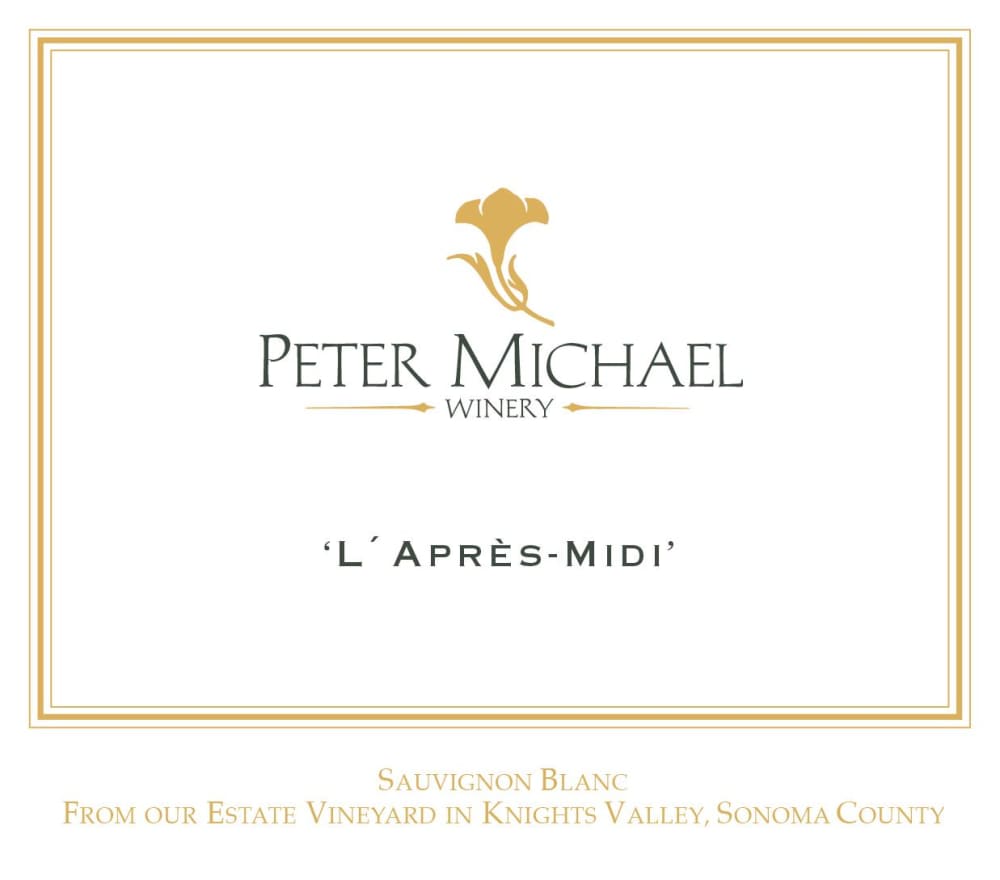
Sauvignon Blanc is another key player, known for its bright acidity and aromatic profile. It complements Sémillon beautifully, adding freshness and citrus notes to the blend. This variety thrives in the area’s terroir, enhancing the overall balance of these exceptional vintages.
Other Noteworthy Varieties
While Sémillon and Sauvignon Blanc dominate, Muscadelle also contributes to the blend, albeit in smaller quantities. This grape imparts floral and fruity characteristics, enriching the aromatic complexity of the final product.
Each varietal adds its unique traits, culminating in a harmonious fusion that defines the essence of these luscious libations. Understanding these grapes deepens appreciation for the craftsmanship behind each bottle, showcasing the region’s rich viticultural heritage.
Pairing Food with Bordeaux Sweet White Wines
For an exquisite gastronomic experience, I often combine Sauternes with rich, savory dishes. Foie gras is a classic pairing; the wine’s honeyed notes enhance the dish’s creaminess. Another delightful option is blue cheese, where the contrasting flavors create an unforgettable taste profile.
Seafood lovers can enjoy this nectar with grilled prawns or lobster. The wine’s acidity cuts through the richness, providing balance and complexity. Consider serving it with a citrus-based sauce to elevate the pairing even further.
Desserts are a natural match. I recommend fruit tarts, especially those featuring stone fruits like peaches or apricots. The wine harmonizes beautifully with the sweetness of the fruit while complementing the pastry’s texture.
Here are some additional pairings I find work well:
- Spicy Asian dishes: The sweetness contrasts with heat, creating a delightful balance.
- Nut-based desserts: Almond or hazelnut pastries bring out the wine’s nutty undertones.
- Chocolate: Dark chocolate desserts, especially those with a hint of salt, can enhance the wine’s richness.
Experimenting with flavors is key. I encourage trying different combinations to find what pleases your palate. Enjoying these pairings can elevate any dining experience and highlight the unique characteristics of these remarkable beverages.