Chuck Furuya

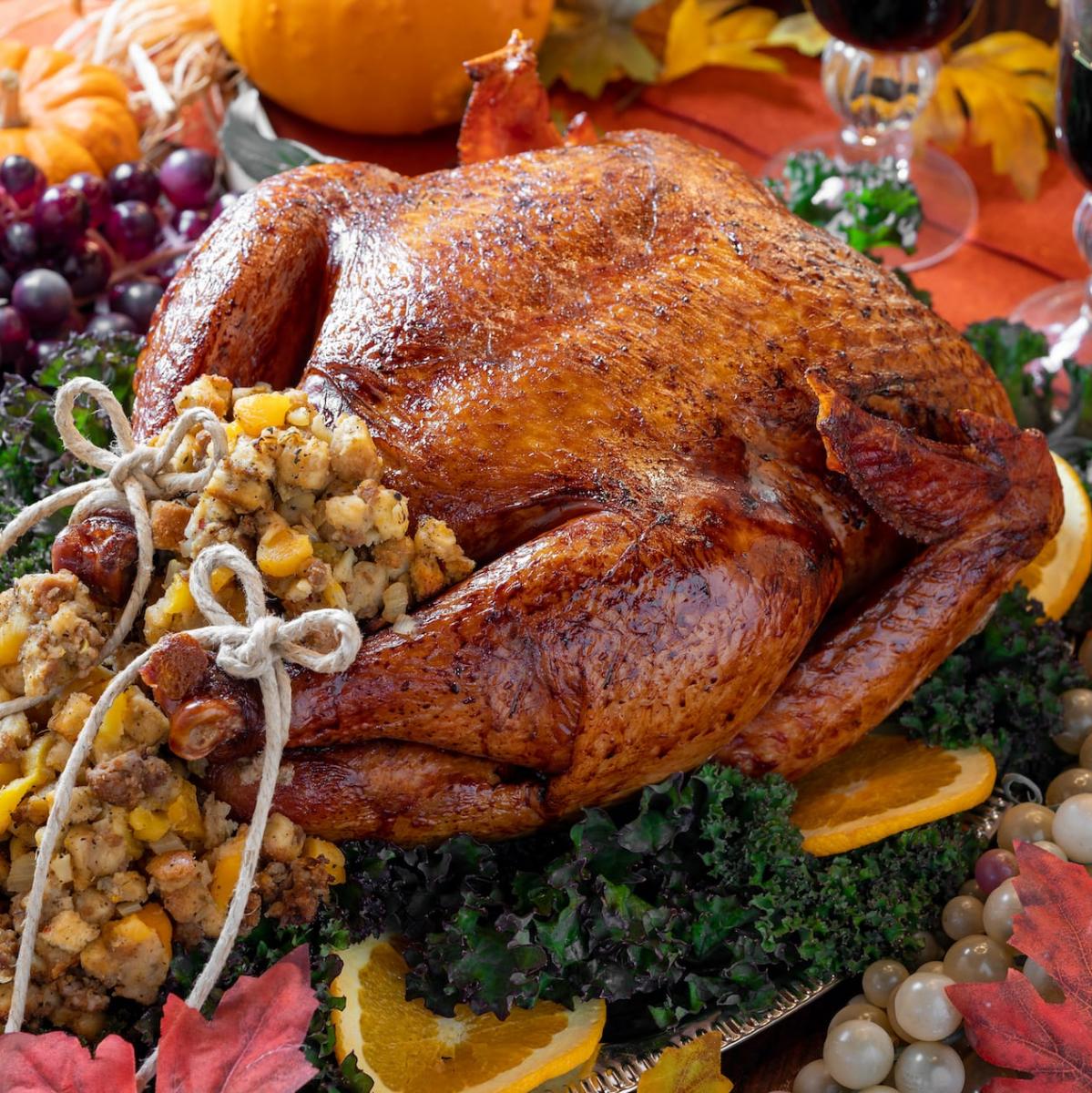
For a delightful pairing, opt for a robust red option like a Pinot Noir. Its fruity notes and balanced acidity complement the savory flavors of roasted fowl, enhancing the overall dining experience.
If a lighter choice is preferred, consider a crisp Sauvignon Blanc. This white variant brings refreshing citrus elements and herbal undertones, creating a harmonious contrast with the richness of the meat while cleansing the palate.
Ultimately, the right selection hinges on personal taste and preparation styles. Whether it’s a full-bodied red or a zesty white, both options can elevate the meal, making the occasion memorable.
Choosing the Right Pairing for Poultry
Opt for a light-bodied option, such as a crisp Sauvignon Blanc or a fruity Pinot Grigio. These varieties enhance the flavor of the meat and provide a refreshing contrast to the richness often found in side dishes.
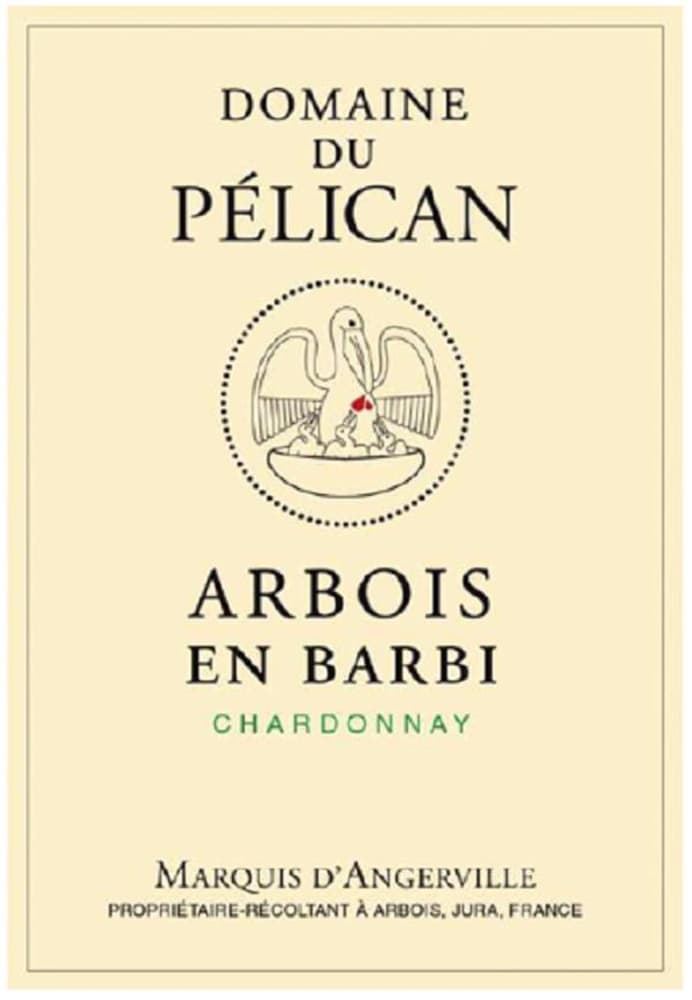
In specific scenarios, a chilled Chardonnay may also be suitable, particularly if it has minimal oak influence. This choice can elevate the experience, especially when served alongside savory stuffing or creamy sauces.
For those who lean towards bolder profiles, consider a light-bodied red, like Pinot Noir. Its acidity and fruit-forward characteristics complement the dish without overpowering it. This choice works well particularly when roasted herbs are present in the preparation.
Here’s a concise comparison of options:
| Type | Flavor Profile | Food Pairing |
|---|---|---|
| Sauvignon Blanc | Crisp, citrusy | Herb-infused dishes |
| Pinot Grigio | Fruity, light | Savory sides |
| Chardonnay | Buttery, smooth | Creamy sauces |
| Pinot Noir | Fruity, earthy | Herb-roasted preparations |
Ultimately, the choice hinges on personal preference and the specific preparation style. Each option can enhance the overall dining experience when paired thoughtfully with the meal.
Understanding Flavor Profiles of Turkey
The flavor of poultry varies significantly based on preparation methods and seasoning. Roasting enhances the natural richness, while brining adds moisture and depth. A herb-infused rub, featuring sage or thyme, can introduce earthy notes that complement the meat.
<p.White meat is generally milder and leans towards a slightly sweet profile, often benefiting from crisp and refreshing accompaniments. Dark meat, on the other hand, possesses a more robust flavor that pairs well with richer, bolder options.
<p.Additionally, the cooking style plays a crucial role. Smoked preparations impart an intense, savory character, inviting options that feature smoky undertones. Conversely, a traditional roast provides a more neutral canvas, allowing for a wide range of pairings.
<p.Fat content also influences the overall experience. The skin adds a delightful crunch and richness, which can balance out tart or acidic elements in accompaniments, creating a harmonious dish.
<p.Factors such as the choice of sides can elevate the overall dining experience. Pairing with sweet or tangy sauces can enhance the flavor profile, leading to delightful contrasts. Think of cranberry or apple-based sides, which can harmonize beautifully.
How Red Wine Complements Savory Turkey Dishes
A robust Merlot or a structured Cabernet Sauvignon enhances savory fowl preparations. The rich flavors in these selections harmonize beautifully with the seasoning and preparation methods often used in turkey dishes.
Flavor Integration
The tannins present in these varieties interact well with the proteins found in turkey. This interaction softens the perception of tannins, creating a smoother mouthfeel. Additionally, the fruitiness of the wine balances the savory notes, particularly when herbs and spices are involved.
- Pairing a Cabernet Sauvignon with herbed roast brings out the herbal nuances.
- Merlot complements a cranberry sauce, enhancing the sweetness while balancing acidity.
Regional Considerations
Exploring regional options can elevate the dining experience. For instance, a Chianti from Italy or a Tempranillo from Spain provides unique profiles that can contrast beautifully with traditional sides like stuffing or gravy, adding complexity to each bite.
- Chianti’s acidity cuts through rich gravies.
- Tempranillo’s earthiness complements roasted vegetables.
Choosing a well-structured red enhances the overall flavor profile, creating a memorable dining experience. Each sip should invite a new layer of flavor, enriching the enjoyment of the meal.
The Role of Acidity in White Wine Pairings
Choosing a high-acid option enhances the dining experience alongside savory fowl. Acidity cuts through rich flavors, balancing the palate and elevating the overall dish. For instance, a crisp Sauvignon Blanc or a zesty Pinot Grigio can provide that refreshing contrast, allowing the nuances of herbs and spices in the preparation to shine.
Acidity also contributes to the perception of freshness, making it an ideal companion for dishes featuring citrus or fruity accompaniments. The bright notes in these wines complement the sweetness of roasted vegetables or fruit-based sides effectively, creating a harmonious blend on the plate.
Furthermore, the level of acidity can dictate the compatibility with different preparation methods. A lightly oaked Chardonnay, with its moderate acidity, pairs well with creamy sauces, enhancing the flavors without overwhelming them. Conversely, a more acidic varietal can stand up to bolder seasonings, ensuring that each bite remains vibrant and engaging.
In conclusion, selecting a white varietal with pronounced acidity not only elevates the dish but also enriches the dining experience by balancing flavors and enhancing freshness. This approach transforms a meal into a delightful celebration of taste.
Regional Variations in Traditional Turkey Recipes
In the southern United States, a common preparation involves deep-frying, resulting in a crispy exterior and juicy interior. Complementing this method, a sweeter beverage pairs beautifully, enhancing the dish’s flavors.
In New England, roasting with herbs like sage and rosemary is prevalent. A zesty accompaniment elevates the herby notes, creating a harmonious balance.
Midwestern Comfort
The Midwest often features turkey served with stuffing made from cornbread, apples, and sausage. This rich dish finds a perfect match in a full-bodied option, which complements the savory stuffing and brings out the best in the turkey.
West Coast Freshness
On the West Coast, lighter preparations with citrus and herbs dominate. A crisp choice enhances the freshness of the ingredients while cutting through any richness. The focus here leans toward seasonal produce, creating a vibrant dining experience.
Each region showcases unique traditions that reflect local flavors, making the turkey experience diverse and exciting. Understanding these variations enhances appreciation for the dish and its ideal pairings.