Chuck Furuya
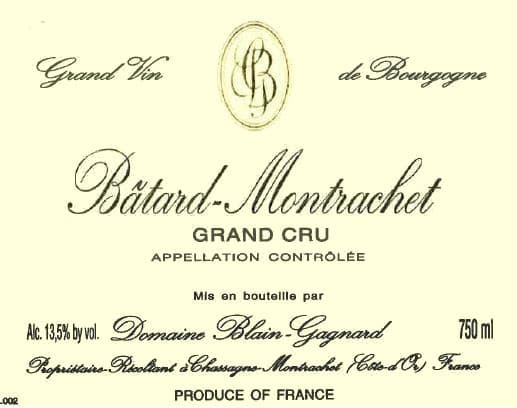
For those seeking a refined experience, I highly recommend indulging in a glass of premier Chardonnay from the Burgundy region. The initial sip reveals an exquisite balance of crisp acidity and rich fruit notes that captivate the palate. Expect to encounter flavors of ripe apple, pear, and subtle citrus, harmonizing beautifully with underlying hints of stone fruit.
The complexity deepens with layers of minerality and a touch of oak, thanks to careful aging techniques. You may notice nuances of vanilla and toast, which add depth without overwhelming the fresh fruit characteristics. This intricate interplay results in a wine that is both refreshing and sophisticated, making it an ideal companion for seafood dishes or creamy pastas.
In cooler vintages, the profile shifts slightly, offering more pronounced acidity and a leaner mouthfeel. This variation can enhance the wine’s food-pairing potential, allowing it to complement richer flavors while maintaining its own integrity. Each bottle tells a story of its terroir, showcasing the unique characteristics imparted by the region’s climate and soil.
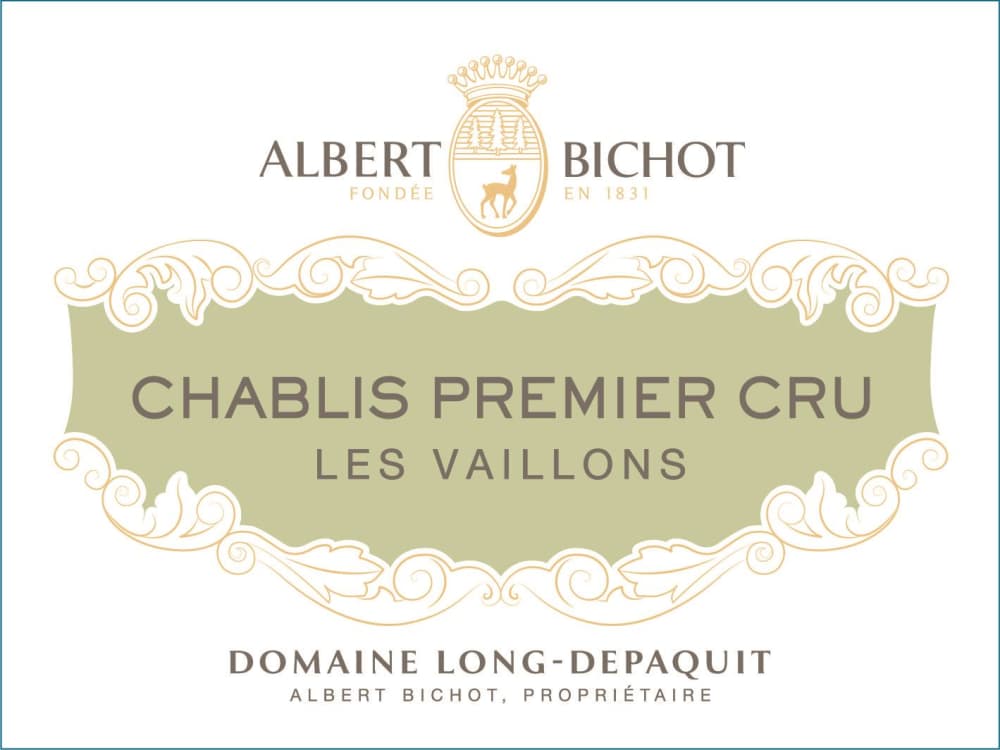
Whether enjoyed on its own or paired with a thoughtfully prepared meal, premier Chardonnay delivers a sensory experience that is sure to impress. Embrace the nuances and explore the diverse expressions that this varietal has to offer.
What I Experience with White Burgundy
Richness and elegance define my encounters with this specific French varietal. The initial sip reveals a beautiful interplay of crisp acidity and creamy texture, often reminiscent of fresh apples and pears. As I explore further, notes of citrus come forward, adding brightness that balances the fuller body.
Flavors and Aromas
On the nose, I detect aromas of white flowers, stone fruits, and occasionally hints of buttery oak. These scents invite me to take another sip. The palate often surprises with layers of complexity; I might find nuances of hazelnut or almond, which enhance the depth. A mineral quality frequently reminds me of flint or wet stones, providing a refreshing finish.
Pairing Suggestions
When I enjoy this varietal, I often choose seafood or poultry dishes. Grilled fish or roast chicken with herbs complement the bright acidity beautifully. For cheese, I lean towards creamy options like Brie or Camembert, which harmonize well with the wine’s richness. Each pairing elevates the experience, making it even more memorable.
Flavor Profile: Key Tasting Notes of White Burgundy
For a delightful experience, focus on the following tasting notes that define this exquisite beverage:
- Fruity Elements: Expect prominent flavors of ripe apple, pear, and citrus. These fruits often exhibit a refreshing crispness.
- Stone Fruits: Look for nuances of peach and apricot, adding a luscious quality to the profile.
- Floral Hints: Delicate aromas of white blossoms and honeysuckle can enhance the overall bouquet.
- Minerality: A distinctive mineral edge is frequently present, reminiscent of wet stone or chalk, providing a unique texture.
- Oak Influence: Depending on aging methods, notes of vanilla, toasted almond, or butter may emerge, contributing to a creamy mouthfeel.
- Herbal Undertones: Subtle hints of herbs and green tea may appear, adding complexity to the flavor profile.
When tasting, consider the balance between acidity and body. A well-structured version will showcase vibrant acidity that complements its rich flavors. Pairing with seafood, poultry, or creamy dishes enhances the tasting experience, allowing the wine’s characteristics to shine.
Comparative Analysis: White Burgundy vs. Other White Wines
When evaluating the characteristics of a fine Chardonnay from Burgundy against selections like Sauvignon Blanc or Pinot Grigio, I appreciate the complexity and depth that the former offers. Burgundy wines often present a rich, creamy texture coupled with layered flavors, which is distinct from the crisper, more acidic profiles of Sauvignon Blanc or the lighter, fruit-forward nature of Pinot Grigio.
Tasting Characteristics Comparison
| Wine Type | Flavor Profile | Texture | Acidity |
|---|---|---|---|
| Burgundy Chardonnay | Apple, pear, citrus, oak, minerality | Creamy, full-bodied | Medium to high |
| Sauvignon Blanc | Green apple, lime, passionfruit, herbaceous notes | Crisp, light | High |
| Pinot Grigio | Pear, melon, honeysuckle, citrus | Light, refreshing | Medium |
Chardonnay from Burgundy often benefits from oak aging, which adds layers of vanilla and toasted nuts, enhancing its complexity. In contrast, Sauvignon Blanc typically showcases vibrant citrus and green notes without the heavy oak influence, resulting in a more straightforward and refreshing experience. Pinot Grigio generally leans towards lighter, more delicate flavors, which can be enjoyable but often lack the depth found in a well-crafted Burgundy.
Food Pairing Insights
Pairing options also differ significantly. A rich Burgundy accompanies creamy dishes like lobster risotto beautifully, while a crisp Sauvignon Blanc pairs well with goat cheese or fresh salads. For lighter fare, such as seafood pasta, Pinot Grigio shines but may not provide the same depth of flavor as its Burgundian counterpart.
In summary, the comparison reveals a clear distinction in flavor complexity, texture, and food compatibility, making Burgundy a unique choice for those seeking depth and richness in their glass.