
 Chuck Furuya
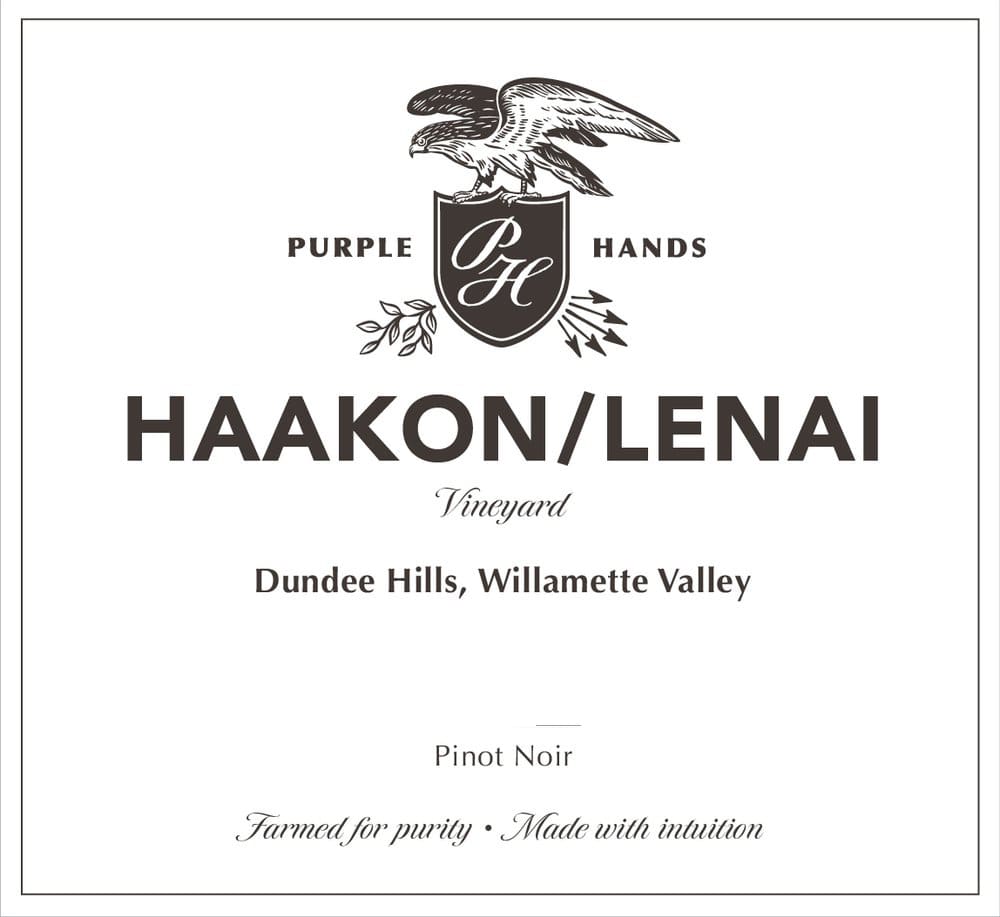

If you’re looking for options with minimal preservatives, consider choosing wines from organic vineyards. Many of these producers prioritize natural fermentation processes, resulting in lower levels of additives. For instance, Pinot Noir from certain producers in Oregon often features reduced sulfite content while still offering rich flavors.
Another excellent choice is Beaujolais, particularly those labeled as “Nouveau” or “Natural.” These selections are typically crafted with minimal intervention, showcasing the grape’s character without overwhelming chemical additions. Specific labels, such as those from small-scale producers, often adhere to these practices.
Exploring regions known for traditional methods can also lead to satisfying discoveries. Look into Spanish Garnacha or Italian Chianti, where some artisans focus on organic practices. These selections may provide both a delightful taste experience and a lower level of preservatives, aligning with your preferences.
Finding Low Sulfite Options
For those seeking minimal preservatives in their beverages, I recommend looking into organic or natural varieties. Many producers of such options prioritize lower sulfur content. Brands like Frey Vineyards and Bonterra Organic Vineyards consistently offer selections with reduced sulfite levels. Additionally, low-sulfite labels can often be found on bottles from La Clarine Farm and Brooks Wine.
When shopping, consider varietals such as Pinot Noir or Grenache, which tend to have lower concentrations. It’s beneficial to check the wine’s back label for specifics on sulfite content. If possible, visiting local wineries might also yield options crafted with minimal additives.
Joining wine clubs focusing on organic selections can provide access to unique finds that align with your preferences. Engaging with knowledgeable staff at wine shops may uncover additional suggestions tailored to your needs.
Understanding Sulfites in Red Wine
For those sensitive to preservatives, I recommend looking for organic options, as they typically contain lower levels of these compounds. Many producers focus on minimizing additives, making their products more appealing for consumers seeking natural choices.
Not all varieties contain the same concentrations. For instance, Pinot Noir often has fewer preservatives compared to heavier options like Cabernet Sauvignon. I suggest exploring wines labeled as “no added sulfites” or “minimal sulfites,” which indicate a commitment to lower usage.
Reading labels is crucial. Look for organic certifications or brands that explicitly state their sulfite levels. I’ve found that smaller, boutique wineries frequently prioritize quality and may adhere to stricter guidelines regarding preservative use.
Consider tasting wines from regions known for lower preservative practices, such as certain areas in Europe. These locations often embrace traditional methods that avoid excessive additives.
Engaging with knowledgeable staff at local wine shops can provide valuable insights. They can recommend specific bottles that align with your preferences for reduced preservatives, enhancing your overall experience.
Identifying Low-Sulfite Red Wine Brands
For those seeking options with reduced preservatives, I recommend exploring brands like Bonterra and Frey Vineyards. Bonterra offers organic selections, ensuring minimal chemical additives, while Frey is known for its commitment to crafting wines with no added preservatives.
Additional Recommendations
Look into the offerings from Parducci and La Clarine Farm. Parducci prides itself on sustainable practices and uses fewer additives, while La Clarine Farm emphasizes natural winemaking techniques. Both brands cater to enthusiasts who prefer less interference in their beverages.
Reading Labels
When selecting your bottle, always check the label for sulfite content. Wines labeled as “no added sulfites” or “organic” typically contain lower levels. It’s beneficial to consult with local wineries or specialty shops, as they often carry small-batch varieties with minimal preservatives.
Comparing Organic vs. Conventional Red Wines
Organic varieties generally contain lower levels of preservatives compared to their conventional counterparts. This is largely due to regulations that limit the use of additives in certified organic production. Specifically, organic producers prioritize natural methods, resulting in wines that are often perceived as healthier options. For those seeking to minimize preservative intake, organic selections are a preferable choice.
Key Differences
Here’s a comparison of some characteristics:
| Characteristic | Organic | Conventional |
|---|---|---|
| Farming Practices | Natural methods, no synthetic pesticides | Synthetic fertilizers and pesticides allowed |
| Additives | Limited, mostly natural | Wider range of synthetic options |
| Taste Profile | Varies greatly, often reflects terroir | Consistency in flavor, sometimes less complex |
Choosing Wisely
When selecting a bottle, I recommend looking for organic labels, especially if minimizing additives is a priority. Some producers go even further, creating wines with no added preservatives, appealing to those highly sensitive to sulfites. Always check the label for certifications to ensure you’re making an informed choice.
Reading Labels for Sulfite Content
To identify low-preservative options, I focus on specific terms and numbers on labels. Look for wines labeled as “sulfite-free” or “no added sulfites.” These indicate minimal or no artificial preservatives added during production.
Key points to consider:
- Check for the sulfite content percentage, usually listed in mg/L. Wines with under 10 mg/L are typically classified as sulfite-free.
- Review the ingredients list. A shorter list often signifies fewer additives, leading to lower sulfite levels.
- Look for certifications such as organic or biodynamic. These often mean reduced chemical interventions.
Some producers voluntarily disclose sulfite levels on their websites or promotional materials, so researching brands can be beneficial. Always consider the region and varietal, as certain areas may have stricter regulations on preservative use.
Being proactive about reading labels empowers me to select options that align with my preferences and health considerations.
FAQ:
What are sulfites and why are they used in red wine?
Sulfites are compounds that contain sulfur, commonly used as preservatives in food and beverages, including red wine. They help prevent oxidation and spoilage, preserving the wine’s flavor and extending its shelf life. While sulfites occur naturally in wine during fermentation, additional sulfites may be added to ensure quality and stability. Some individuals may be sensitive to sulfites, leading to interest in wines with lower levels.
Which types of red wines generally have the least sulfites?
Organic and natural red wines typically have lower sulfite levels compared to conventional wines. These wines often avoid the addition of sulfites during production or use them minimally. Varietals such as Pinot Noir and Gamay are known for being produced with fewer additives. It’s important to check labels or consult with producers for specific sulfite content as it can vary widely.
Are there specific brands or labels known for low-sulfite red wines?
Several brands focus on producing low-sulfite or sulfite-free wines. Some notable ones include “Frey Vineyards,” which offers organic wines with minimal sulfites, and “Caduceus Cellars,” known for its natural winemaking practices. Always look for certifications or labels that indicate low or no sulfites to make informed choices.
How can I identify red wines with low sulfite levels when shopping?
To identify red wines with low sulfite levels, carefully read the labels. Wines labeled as “organic” or “natural” often contain lower sulfite amounts. Additionally, some bottles may explicitly state “low sulfites” or “no added sulfites.” If shopping at a store, don’t hesitate to ask staff for recommendations on low-sulfite options.
What are the potential effects of consuming red wine with sulfites?
For most people, consuming red wine with sulfites does not cause any adverse effects. However, individuals with sulfite sensitivities may experience allergic reactions, including headaches, skin rashes, or respiratory issues. It’s advisable for those with known sensitivities to choose wines labeled as low or without sulfites to avoid such reactions.
What are sulfites and why are they used in red wine?
Sulfites are compounds that contain sulfur, commonly used as preservatives in food and beverages, including red wine. They help prevent oxidation and maintain the freshness and flavor of the wine. Sulfites also inhibit the growth of unwanted bacteria and wild yeast, ensuring that the wine remains stable during storage. While most wines contain some level of sulfites, the amount can vary significantly between different brands and types of wine.
Which red wines are known for having the lowest sulfite levels?
Several red wines are known for having low sulfite levels, particularly those that are labeled as “organic” or “natural.” Some options include wines made from organic grapes without added sulfites, such as certain varieties of Pinot Noir, Grenache, and Syrah. Additionally, wines from smaller, boutique producers often have lower sulfite content due to their minimal intervention winemaking practices. It’s essential to check the label for sulfite content or ask the producer for specific information.
How can I find red wines with low sulfites when shopping?
To find red wines with low sulfites, look for labels that specifically state “no added sulfites” or “low sulfites.” Organic wines are also a good choice, as they typically have lower levels of sulfites. Visiting local wine shops and speaking with knowledgeable staff can help you discover suitable options. Additionally, online retailers often provide detailed descriptions of their wines, including sulfite levels, making it easier to choose a wine that meets your preferences.


