Chuck Furuya
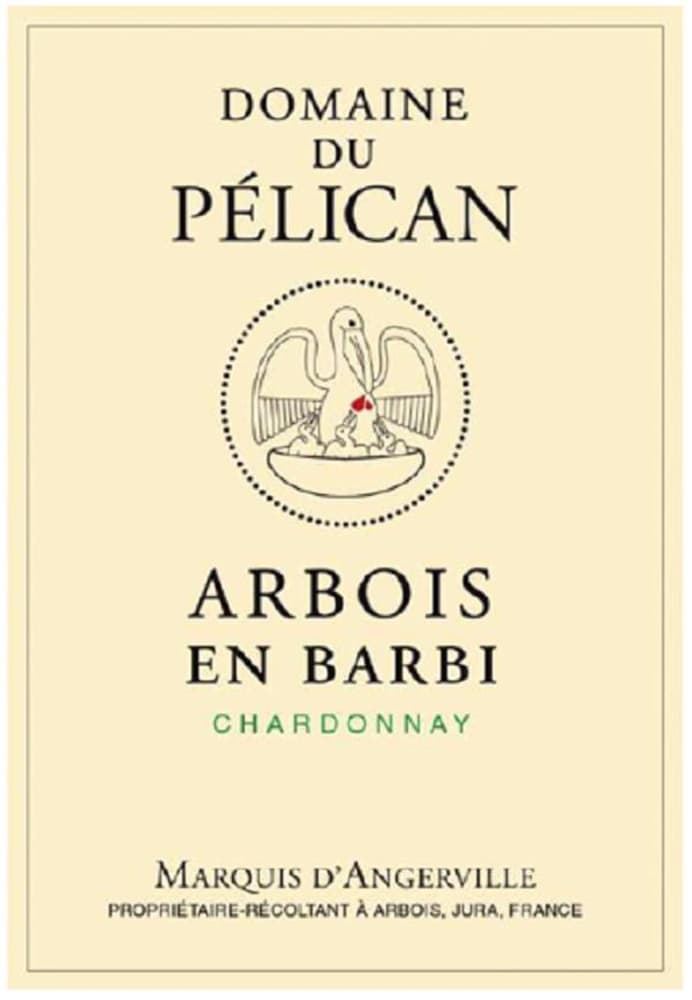
For those seeking a sweeter option between these two varietals, I recommend reaching for a glass of Chardonnay. This grape often showcases a broader range of flavors, with many producers opting for residual sugar, which enhances its lusciousness. With notes of tropical fruits and honey, it tends to appeal to those who enjoy a more rounded, rich profile.
On the other hand, Pinot Grigio typically presents a crisper, drier character. While some versions may exhibit a hint of sweetness, they usually lean towards a more refreshing and zesty taste. If you prefer lighter, more acidic notes over the richness of the former, this option might be appealing, but it won’t satisfy a craving for sweetness.
In summary, if your palate favors sweeter sensations, Chardonnay is the clear choice. For a delightful experience, pair it with dishes like creamy pasta or grilled seafood. Meanwhile, if you lean towards the fresh and crisp, consider Pinot Grigio for lighter fare such as salads or light appetizers.
Comparing Sweetness Levels
In my experience, the level of sweetness can vary significantly between these two popular varietals. Typically, the first option tends to lean towards a creamier and fuller body, which often translates into a perception of higher sweetness, especially in versions that undergo malolactic fermentation. This process adds buttery and vanilla notes that can give an illusion of sweetness.
On the other hand, the second option is generally crisper and lighter, often showcasing bright acidity and citrus flavors. While it can have hints of sweetness, especially in warmer climates, it rarely reaches the same level of perceived sweetness as the first choice. For those who prefer a more refreshing and zesty palate, this variety is often the better fit.
Recommendations Based on Preferences
If you enjoy a richer profile, I recommend exploring the first option, particularly those from regions known for their oaky styles. For a lighter and more refreshing experience, the second option is ideal, especially if you’re pairing it with seafood or light salads. Always consider the specific bottle and region, as these factors can greatly influence the flavor profile and sweetness perception.
Conclusion
In summary, while both options can offer delightful experiences, the first tends to present a stronger perception of sweetness compared to the more crisp and refreshing character found in the second. Choose according to your taste preferences and the occasion for the best enjoyment.
Understanding the Sugar Content in Chardonnay
The sugar content in this varietal typically ranges from 0.5 to 3 grams per liter in dry versions, while sweeter styles can exceed 10 grams per liter. For those seeking a touch of sweetness, look for labels indicating “off-dry” or “semi-sweet.”
Here are key points regarding its sugar levels:
- Fermentation process influences residual sugars; cooler temperatures can retain more sweetness.
- Regions like California often produce fruit-forward examples with a hint of sweetness.
- Ageing in oak barrels can impart creamy textures, softening the perception of sugar.
- Some producers craft dessert styles, enhancing the sugar content significantly.
For a more accurate evaluation, consider tasting notes or consulting with knowledgeable staff at wine shops. They can guide you to options that align with your palate preferences.
Exploring the Sweetness Profile of Pinot Grigio
Pinot Grigio generally presents a crisp and refreshing profile, often characterized by its lightness and floral notes. However, sweetness levels can vary significantly depending on the region and winemaking techniques used. For a sweeter variant, look for examples from regions like Alsace or certain Italian producers that favor a riper grape harvest, leading to higher sugar content.
Key Factors Influencing Sweetness
Several elements contribute to the perception of sweetness in this varietal. Climate plays a crucial role; warmer regions typically yield fruitier and more sugar-rich grapes. Additionally, the winemaker’s choices, such as residual sugar levels and fermentation processes, can alter the final taste. It’s beneficial to check labels or consult with a knowledgeable retailer to find options that align with your preferred sweetness.
Recommended Selections
If you’re seeking a sweeter expression, consider exploring wines labeled as “Off-Dry” or “Semi-Sweet.” Producers like Santa Margherita and Jermann often offer delightful options. Tasting notes may reveal hints of peach, honey, and ripe citrus, enhancing the overall sweetness experience. Pair these selections with spicy dishes or fruit-based desserts for an excellent balance.