Chuck Furuya
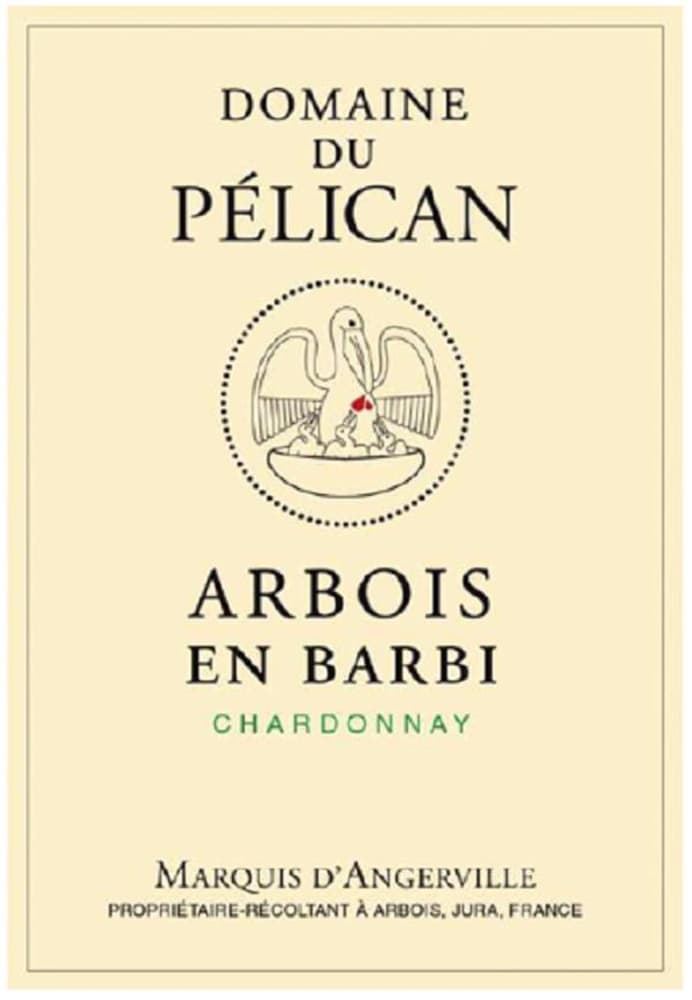
For preparing shellfish, I always opt for a good quality Chardonnay. This varietal delivers a perfect balance of acidity and richness, enhancing the natural flavors of the seafood without overpowering it. Look for a bottle that is unoaked or lightly oaked to maintain the wine’s fresh and crisp character.
Regions like Burgundy or California produce exceptional Chardonnays that work beautifully in seafood dishes. A cool-climate Chardonnay tends to offer more acidity, which is ideal for brightening the dish and complementing the briny taste of the shellfish.
When selecting your bottle, avoid overly sweet options. A dry white will contribute a pleasant complexity to the dish, allowing the natural flavors of the shellfish to shine through. A choice with citrus notes can elevate the overall taste experience, creating a delightful pairing that enhances every bite.
Choosing the Right Tipple for Shellfish Preparation
Opt for a dry variety, such as Sauvignon Blanc or Pinot Grigio. These selections bring a zesty acidity that enhances the natural flavors of the shellfish.
Specific Recommendations
- Sauvignon Blanc: Its citrus notes and crispness pair beautifully, cutting through the richness of the dish.
- Pinot Grigio: Offers a clean and light profile, making it an excellent companion for steaming and sauces.
- Chardonnay: A unoaked version can provide a buttery texture without overwhelming the dish.
Additional Tips
- Avoid sweet options, as they can clash with the brininess of the seafood.
- Consider local selections for freshness and compatibility with regional ingredients.
Choosing the Right Wine: Key Characteristics
Opt for a beverage that boasts high acidity, as this enhances the brininess of the seafood. A crisp, refreshing option complements the delicate flavors without overpowering them. Look for varieties like Sauvignon Blanc or Pinot Grigio, which exhibit citrus notes and herbal undertones, ideal for pairing with shellfish.
Avoid overly oaked selections; these can introduce heavy flavors that clash with the natural taste of the seafood. Instead, focus on those with minimal aging in barrels, allowing the fruit character to shine through. A light-bodied alternative provides a balanced profile that pairs seamlessly.
Consider the sweetness level; a dry choice is preferable, as it prevents masking the dish’s inherent flavors. This aspect is vital when crafting a harmonious blend of ingredients.
Finally, ensure that the selected beverage is one you enjoy sipping on its own. The cooking process concentrates flavors, so a delightful drink will enhance the overall experience, both in the dish and in the glass.
Popular White Wine Varieties for Mussels
Sauvignon Blanc stands out as an excellent option, offering bright acidity and herbal notes that enhance the flavors of seafood. Its crispness and citrus undertones complement the brininess of shellfish beautifully.
Chardonnay, especially unoaked, provides a balance of richness and freshness. The fruity profile with hints of apple and pear pairs well with the delicate taste of shellfish, making it a versatile choice.
Pinot Grigio delivers a light, refreshing experience. Its clean finish and notes of stone fruits make it a favorite for lighter preparations, allowing the natural flavors of the seafood to shine through.
Vermentino, a lesser-known gem, adds a unique character with its herbal and mineral qualities. This varietal works wonderfully with a variety of recipes, especially those featuring garlic and herbs.
Albariño, originating from Spain, showcases bright acidity and a touch of salinity, perfectly mirroring the oceanic essence of shellfish. Its peach and apricot notes enhance the dish without overpowering it.
Each of these selections brings distinct qualities, making them suitable companions for various cooking methods and flavor profiles. Choose based on personal preference and the specific recipe to create a delightful culinary experience.
How Wine Affects the Flavor of Mussels
The choice of fermented grape beverage directly influences the taste profile of shellfish. A crisp and refreshing option enhances the natural brininess, allowing the oceanic notes to shine through. Conversely, a heavier selection could overshadow the delicate flavors, making the dish feel unbalanced.
Acidity and Brightness
High acidity levels in certain varieties elevate the overall dish, cutting through the richness of any accompanying sauces or fats. This brightness complements the sweetness of the shellfish, creating a harmonious blend that excites the palate. Selecting a beverage with citrusy undertones can further amplify this effect.
Aromatic Complexity
Fragrant elements in the beverage, such as floral or herbaceous notes, add depth to the overall experience. These aromatic characteristics can intertwine with the natural flavors of the seafood, enriching each bite. Exploring different varietals allows for unique combinations that can transform a simple dish into an extraordinary culinary experience.