Chuck Furuya
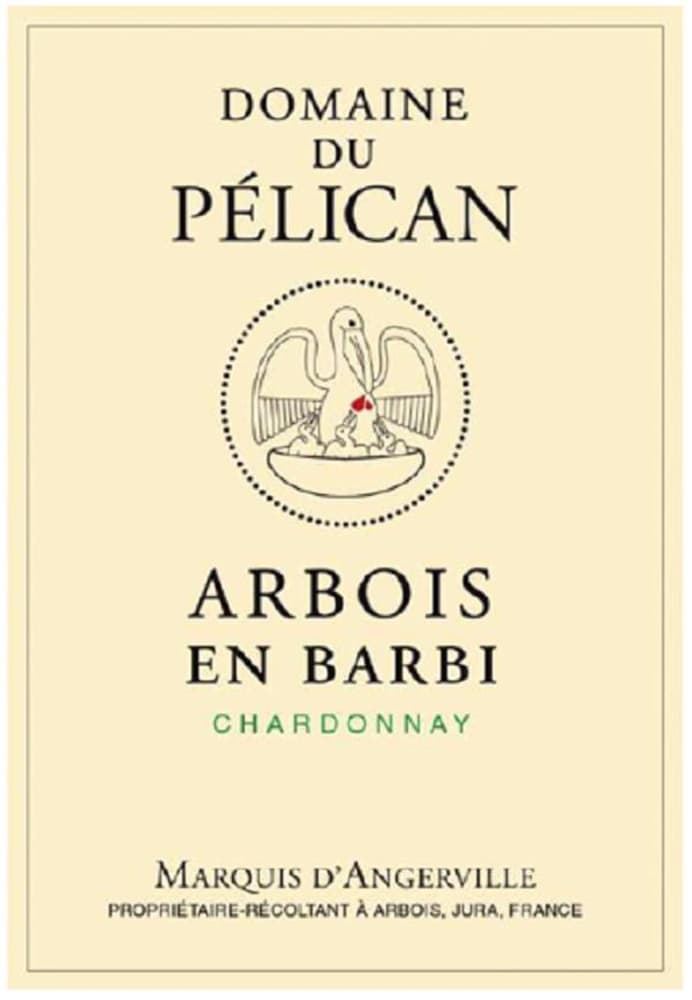


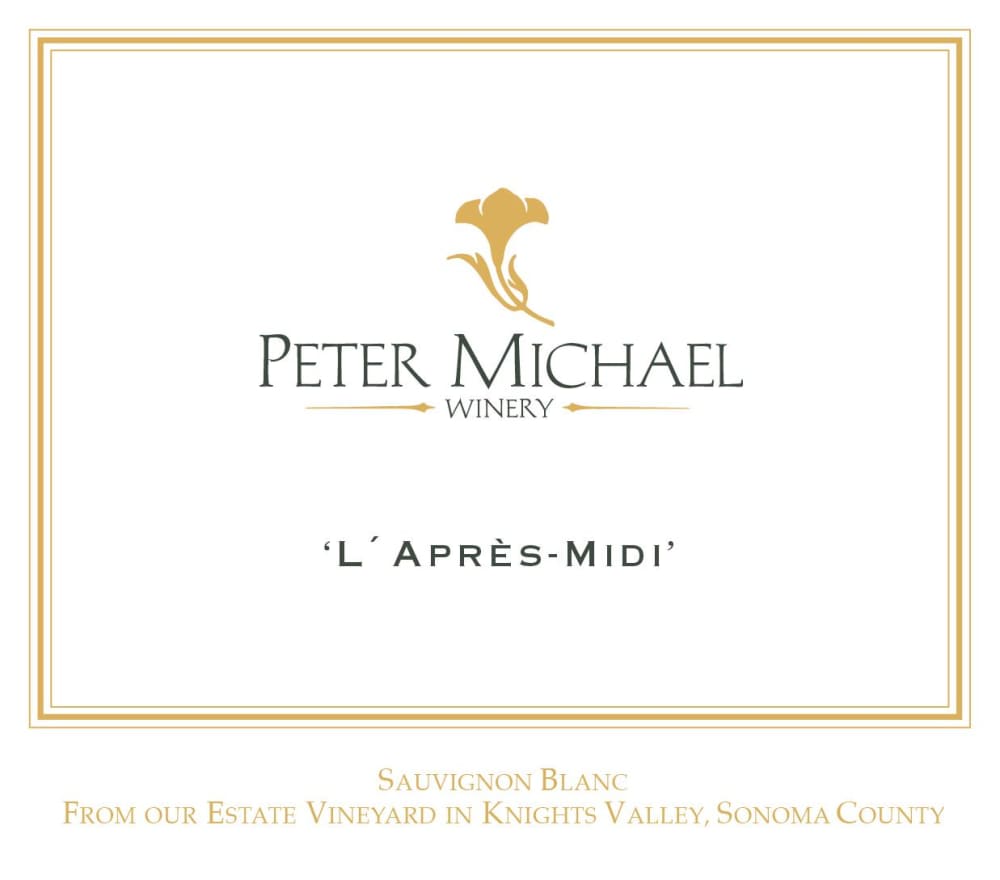
For a delightful experience, I highly recommend exploring a Sauvignon Blanc from New Zealand. The vibrant acidity and notes of citrus and tropical fruits make it an excellent choice for seafood pairings or light salads.
Another exceptional option is a Pinot Grigio, particularly from Italy. Its refreshing profile often features flavors of green apple and pear, making it a perfect companion for pasta dishes and grilled vegetables.
If you seek something with a bit more complexity, consider an Albariño from Spain. This variety is known for its aromatic qualities and zesty finish, which pairs beautifully with shellfish and spicy dishes.

Lastly, a classic Chablis from France offers a mineral-driven taste that complements a range of foods, especially oysters and other seafood delicacies. Each of these selections showcases the diverse and exciting flavors available in the realm of pale varietals.
Characteristics of Dry White Wines
A notable feature of these beverages is their crisp acidity, which enhances freshness and makes them exceptionally refreshing. The balance between acidity and fruitiness is crucial; typically, they showcase flavors such as green apple, citrus, and pear, often accompanied by floral notes.
The absence of significant sweetness allows for a more pronounced expression of terroir, showcasing the unique characteristics of the grapes and the region where they are grown. For instance, a Sauvignon Blanc often exhibits herbaceous qualities, while a Chardonnay can reveal buttery or oaky undertones depending on the winemaking process.
In terms of texture, many of these drinks are light to medium-bodied, providing a pleasant mouthfeel without overwhelming the palate. This makes them versatile food pairings, complementing seafood, poultry, and fresh salads effectively.
Temperature plays a critical role in enjoying these selections. Serving them chilled accentuates their refreshing qualities and aromatic profile. A typical serving temperature ranges from 45°F to 55°F (7°C to 13°C), ensuring optimal flavor expression.
Lastly, the aging potential varies significantly. While some are best enjoyed young for their vibrancy, others, particularly those with oak aging, can develop complexity and depth over time. Understanding these nuances enhances the overall tasting experience.
Popular Varieties of Dry White Wines
I recommend exploring the following notable types that showcase unique flavors and characteristics:
Sauvignon Blanc
This grape variety thrives in cool climates and is known for its crisp acidity and aromatic profile. Expect notes of green apple, lime, and bell pepper. Regions like Marlborough in New Zealand produce exceptional examples.
Chardonnay
Chardonnay offers a wide range of styles, from lean and mineral to rich and buttery. Look for cool-climate versions, such as those from Chablis in France, which often display citrus and flint aromas.
Pino Grigio
This Italian varietal is celebrated for its light body and refreshing taste. It typically features flavors of pear, apple, and lemon zest. The Veneto region is particularly famous for its excellent Pino Grigio.
Grüner Veltliner
A standout from Austria, this grape is known for its peppery notes and bright acidity. It pairs well with various dishes, making it versatile for many occasions.
Vermentino
This Mediterranean grape is renowned for its aromatic qualities and refreshing finish. It’s often found in coastal regions of Italy and pairs beautifully with seafood dishes.
Albariño
Originating from Spain, Albariño is noted for its stone fruit flavors and zesty acidity. The Rías Baixas region produces some of the finest examples, perfect with shellfish.
- Sauvignon Blanc – Marlborough, New Zealand
- Chardonnay – Chablis, France
- Pino Grigio – Veneto, Italy
- Grüner Veltliner – Austria
- Vermentino – Italy
- Albariño – Rías Baixas, Spain
Experimenting with these varieties can enhance your appreciation for the different flavor profiles and food pairings!
Food Pairings for Crisp Beverages
Seafood is a classic match. Grilled shrimp, scallops, or a delicate white fish like cod enhance the fresh qualities of the drink. Consider serving these with a squeeze of lemon for added zest.
Poultry and Salads
Poultry dishes, especially those prepared with herbs, complement the acidity. Roast chicken with rosemary or lemon thyme pairs beautifully. Mixed greens salads with vinaigrette dressing also work well; the brightness of the dressing mirrors the wine’s notes.
Cheese Selections
- Goat cheese: Its tanginess contrasts nicely with the beverage’s crispness.
- Brie: The creaminess balances the acidity, creating a pleasing experience.
- Pecorino: This salty cheese enhances the flavors, particularly when served with fruits.
For a delightful pairing, I often enjoy a charcuterie board featuring cured meats alongside fruit and nuts. The combination of savory and sweet accents the characteristics of the drink, making for an engaging tasting experience.
Spicy dishes, such as Thai or Indian cuisine, can also harmonize well. The refreshing qualities work to temper the heat, allowing for a balanced meal. Consider pairing with a spicy prawn curry or a green curry chicken.
For a simple yet satisfying option, grilled vegetables drizzled with olive oil can bring out the nuances of flavor, making every bite a joy.
Regions Known for Producing Dry White Wines
Bordeaux stands out for its exceptional Sauvignon Blanc and Sémillon, known for their crispness and vibrant acidity. The maritime climate here plays a significant role in developing these characteristics.
In Burgundy, Chardonnay takes center stage. The Chablis subregion is particularly renowned for its mineral-driven expressions, showcasing a unique terroir that enhances the wine’s elegance.
The Loire Valley, especially the Sancerre and Pouilly-Fumé areas, is celebrated for its Sauvignon Blanc. The cool climate contributes to the bright acidity and distinctive flinty notes typical of these regions.
Italy’s Veneto region produces excellent Pinot Grigio with its light body and refreshing palate. The nearby Friuli Venezia Giulia is also notable for its diverse range of varietals and innovative producers.
In Germany, the Mosel is famous for its Riesling, often crafted in a bone-dry style. The steep vineyards along the river enhance the grape’s ripeness while preserving its natural acidity.
California’s Napa Valley offers a range of stunning Chardonnays, with some producers adopting a more restrained style that emphasizes the grape’s purity and terroir expression.
New Zealand’s Marlborough region is renowned for its vibrant Sauvignon Blanc, characterized by intense fruit flavors and zesty acidity, making it a favorite among many enthusiasts.
Australia’s Margaret River is another hotspot, known for its premium Chardonnay and Sauvignon Blanc blends, where the coastal climate influences the complexity and balance of the wines.
Exploring these regions reveals a rich diversity of styles and flavors, each reflecting their unique environments and winemaking traditions.
How to Properly Serve Dry White Wines
Chill the bottle to a temperature between 45°F and 50°F (7°C to 10°C) before serving. This range highlights the crispness and acidity characteristic of these beverages.
Glass Selection
Opt for a tulip-shaped glass. This design concentrates aromas and enhances the tasting experience. Ensure the glass is clean and free of any detergent residue to avoid interfering with the flavors.

Pouring Technique
Fill the glass to one-third full. This allows enough space for the aromas to develop while preventing spills. Always pour gently to maintain the wine’s integrity.
| Temperature (°F) | Serving Suggestions |
|---|---|
| 45°F – 48°F | Best for lighter varieties like Sauvignon Blanc. |
| 48°F – 50°F | Ideal for fuller-bodied options like Chardonnay. |
Consider decanting if serving a complex varietal. This process aerates the liquid, enhancing its bouquet. However, for most lighter selections, direct pouring is sufficient.
Engage with the nuances by swirling the glass gently. Take a moment to inhale the aromas before tasting. This step enriches the overall experience and deepens appreciation for the flavors.
Always serve alongside appropriate cuisine to elevate both the beverage and the dish. Pairings can amplify the attributes of each, creating a balanced dining experience.
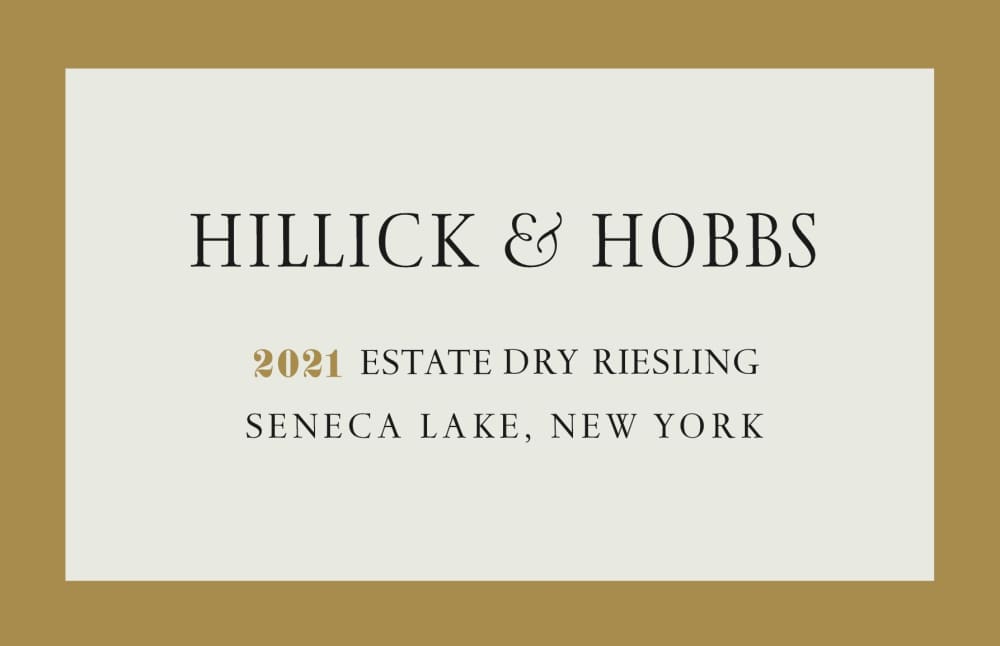
Understanding the Label on Dry White Wines
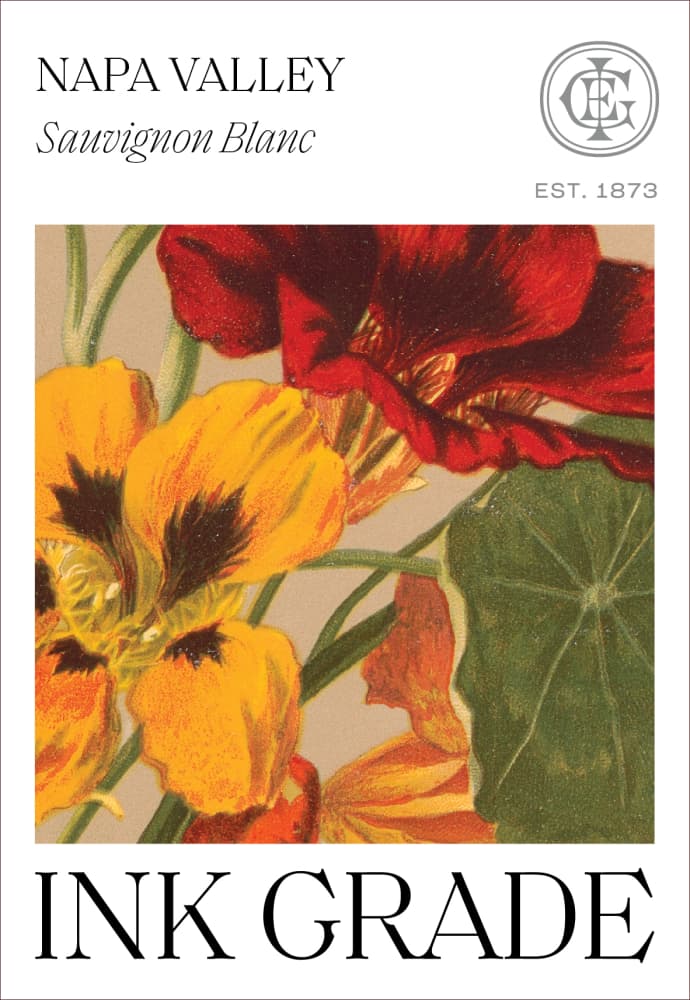
Deciphering a bottle’s label enhances the tasting experience significantly. Here’s how to navigate through common terms and information found on labels.
- Varietal Name: This indicates the grape type used. Common choices include Sauvignon Blanc, Pinot Grigio, and Chardonnay. Knowing the varietal can guide your flavor expectations.
- Region of Origin: The geographical area where the grapes were grown. Regions like Napa Valley or Marlborough often produce distinct styles, so this detail is crucial for understanding taste profiles.
- Vintage: The year when the grapes were harvested. Climate conditions can impact the flavor and quality of the liquid, making this a key factor for enthusiasts.
- Alcohol Content: Typically expressed as a percentage. Higher levels might indicate a fuller body, while lower percentages often result in a lighter finish.
- Sugar Level: Labels may indicate if the beverage is “bone dry,” “dry,” or “off-dry.” This helps determine sweetness, which affects food pairing options.
- Producer: The winery or vineyard responsible for crafting the beverage. Familiarity with producers can lead to more reliable choices based on past experiences.
Pay attention to these elements on the label for a more informed selection process. Understanding what each term signifies allows for a tailored tasting experience that aligns with personal preferences.
FAQ:
What are some popular dry white wines?
Some popular dry white wines include Sauvignon Blanc, Chardonnay, Pinot Grigio, and Riesling (in its dry style). Each of these wines offers distinct flavor profiles and characteristics, making them favorites among wine enthusiasts. Sauvignon Blanc is known for its crisp acidity and citrus notes, while Chardonnay can range from fruity to buttery, depending on the winemaking process. Pinot Grigio is appreciated for its lightness and refreshing qualities, whereas dry Riesling provides a balance of fruitiness and minerality.
What are the characteristics of a dry white wine?
Dry white wines are typically characterized by their low sugar content, which results in a less sweet taste. They often exhibit bright acidity, making them feel crisp and refreshing on the palate. Common flavor notes include citrus, green apple, and stone fruits, along with herbal or floral undertones. The absence of sweetness allows the wine’s complexity and minerality to shine through, making them versatile for food pairings.
How should I serve dry white wine?
Dry white wine is best served chilled, typically between 45°F to 55°F (7°C to 13°C). This temperature range enhances the wine’s refreshing qualities and allows its flavors to be more pronounced. To achieve this, you can place the wine in a refrigerator for a few hours or in an ice bucket for about 20-30 minutes before serving. Using a standard white wine glass can also help focus the aromas, enhancing the overall tasting experience.
Can you recommend food pairings for dry white wines?
Dry white wines pair well with a variety of foods. For instance, Sauvignon Blanc complements dishes like grilled fish, salads, and goat cheese due to its acidity and herbaceous notes. Chardonnay, particularly oaked versions, goes nicely with richer foods such as roasted chicken, creamy pasta, or lobster. Pinot Grigio is an excellent match for light dishes, including seafood and vegetable-based meals, while dry Riesling is versatile enough to accompany spicy Asian cuisine, balancing the heat with its acidity.
Are there any regions known for producing dry white wines?
Yes, several regions are renowned for their dry white wine production. Bordeaux in France is famous for its Sauvignon Blanc and Semillon blends. The Loire Valley is another key area, particularly for its crisp Sauvignon Blanc. In Italy, regions like Veneto and Friuli-Venezia Giulia produce notable Pinot Grigio. California, especially Napa Valley and Sonoma County, is well-known for its high-quality Chardonnay. Each of these regions contributes unique characteristics to the wines produced there, influenced by their local climates and terroirs.
What are some examples of popular dry white wines?
There are several well-known dry white wines that wine enthusiasts often enjoy. Some of the most popular examples include Sauvignon Blanc, which is known for its crisp acidity and citrus flavors, and Chardonnay, which can range from fruity to oaky depending on the winemaking style. Other notable dry white wines include Pinot Grigio, which typically offers light, refreshing notes, and Riesling, which can be made in a dry style that balances acidity with fruitiness. Each of these wines has distinct characteristics that appeal to different palates.