Chuck Furuya
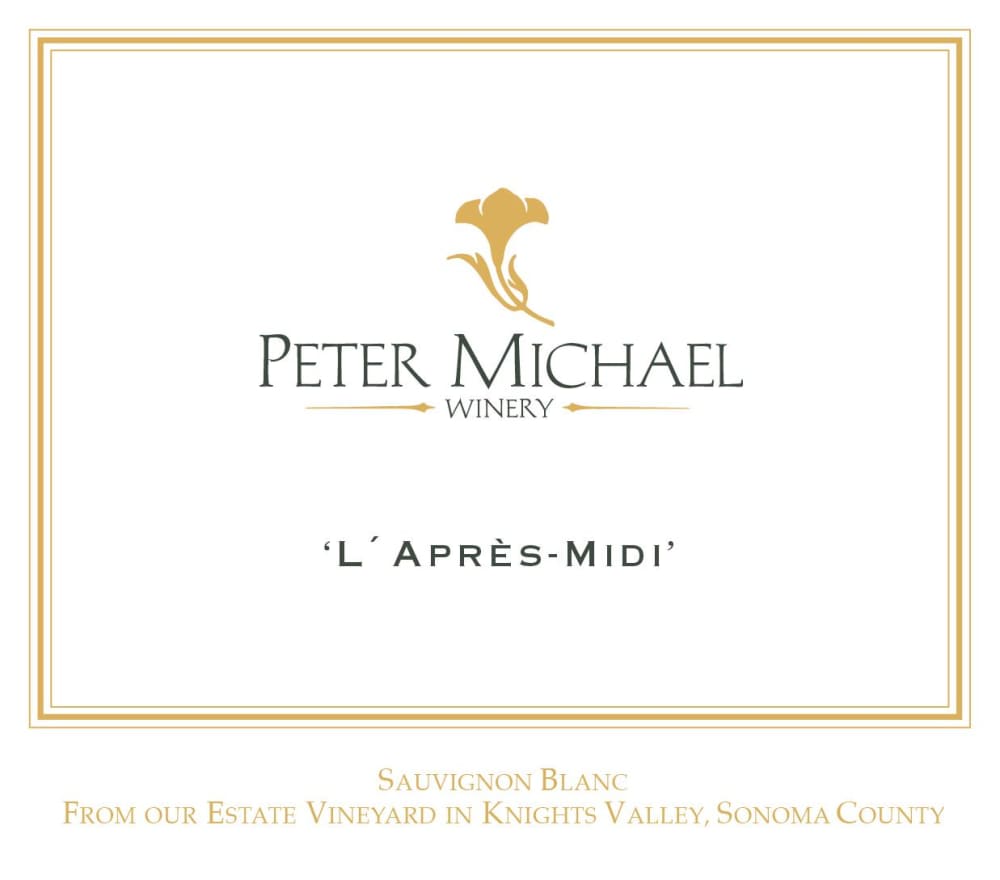
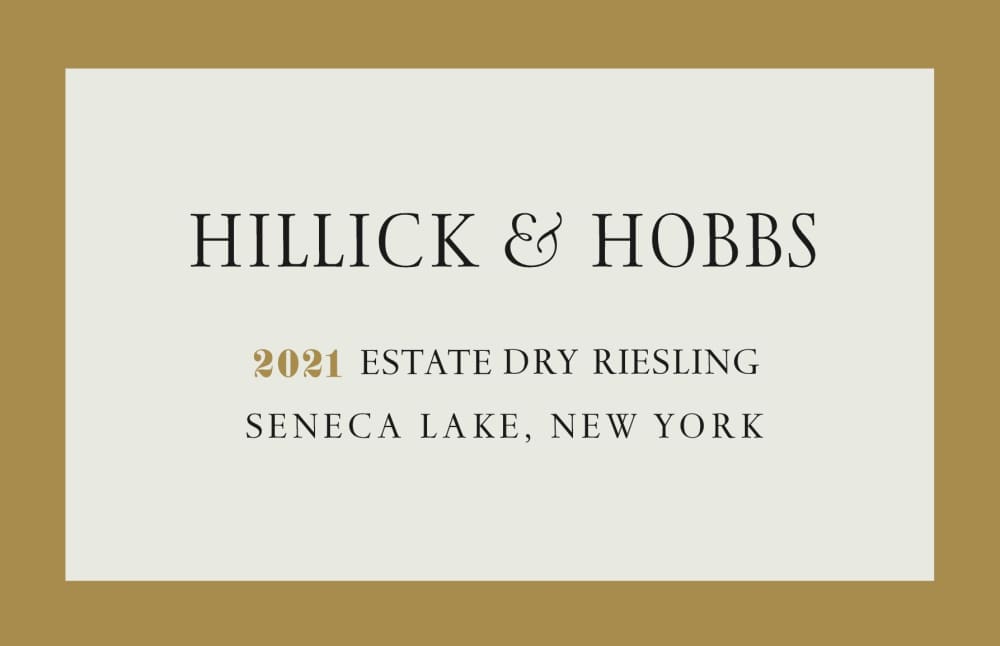
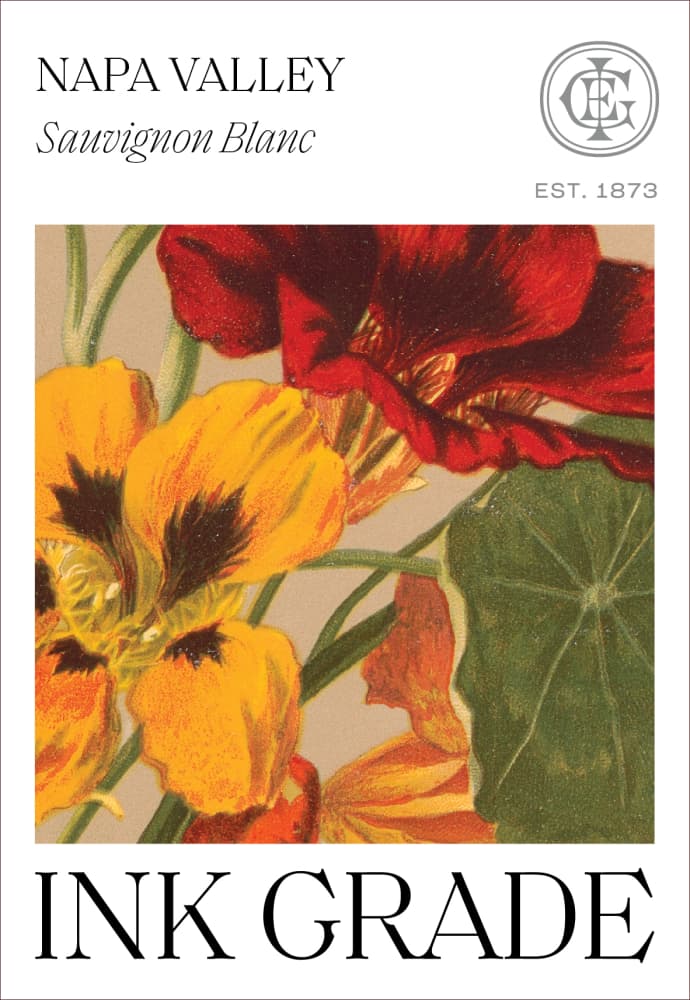
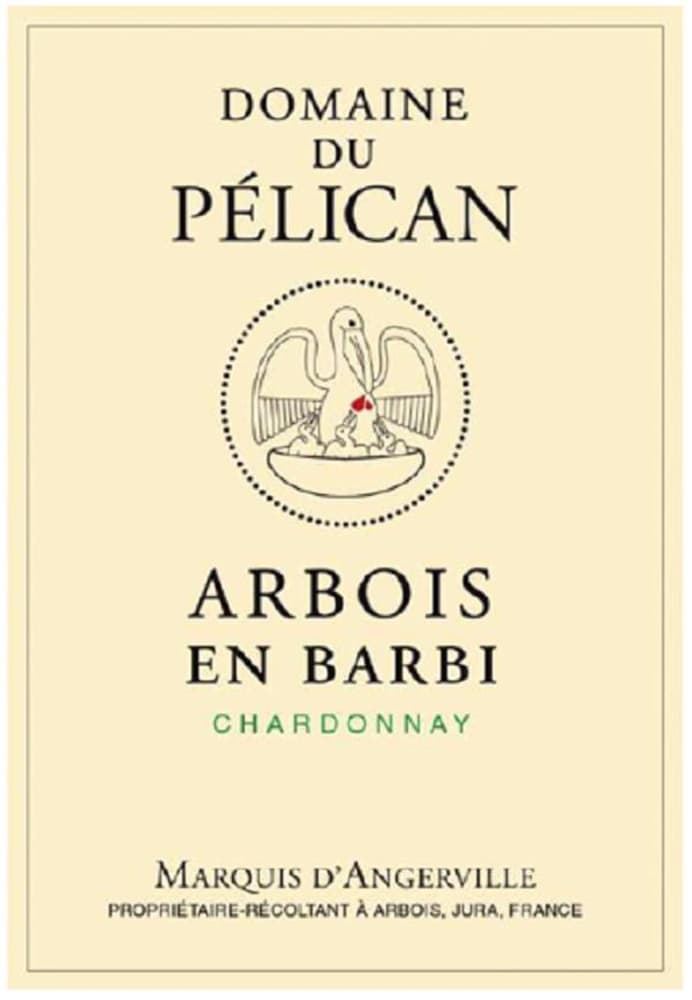
If you’re seeking a crisp, less sweet beverage, I recommend exploring Sauvignon Blanc and Pinot Grigio. These varietals are renowned for their refreshing acidity and minimal residual sugar, making them excellent choices for those who prefer a more austere taste profile.
Sauvignon Blanc, particularly from regions like Marlborough in New Zealand or Sancerre in France, showcases vibrant citrus notes with herbaceous undertones. Its dryness is complemented by a zesty finish, perfect for pairing with seafood or salads.
On the other hand, Pinot Grigio, especially from Italy, offers a clean and light experience with flavors of green apple and pear. Look for bottles labeled “dry” to ensure you’re getting the least amount of sweetness. This varietal pairs wonderfully with light pasta dishes and grilled vegetables.
Which Type of Light Beverage is Less Sweet?
Opt for Sauvignon Blanc or Pinot Grigio for a less sugary experience. These varietals are known for their crisp acidity and refreshing profiles, making them ideal choices for those seeking a more restrained palate. Sauvignon Blanc, especially from regions like New Zealand, often showcases zesty citrus notes, while Pinot Grigio tends to offer a clean, mineral finish.
Other Notable Options
Consider dry Riesling from Alsace or Germany. While Riesling is often associated with sweetness, many producers craft exceptionally dry versions that highlight the grape’s natural acidity and fruit character. Additionally, Chablis, a Chardonnay from Burgundy, is typically unoaked and exhibits a steely, dry quality, providing a sophisticated alternative.
Pairing Suggestions
When enjoying these selections, complement them with seafood or light salads. The acidity in these beverages enhances the flavors of dishes, creating a harmonious dining experience. Choosing the right food pairing can elevate the tasting profile, making the overall experience more enjoyable.
Understanding Dryness in White Wines
To identify a less sweet option, I recommend looking for Sauvignon Blanc or Pinot Grigio. These varieties are known for their crisp, refreshing profiles and lower residual sugar levels.
Key Factors Influencing Perception of Dryness
Several elements contribute to how dry a beverage tastes:
- Residual Sugar: The amount of sugar left after fermentation directly affects sweetness. Lower residual sugar indicates a drier taste.
- Acidity: Higher acidity can enhance the perception of dryness. Varieties with bright acidity, like Albariño, often seem drier.
- Alcohol Content: Higher alcohol can sometimes mask sweetness, giving a drier impression.
Recommendations for Selection
When choosing a bottle, look for the following characteristics:
- Seek labels indicating “dry” or “bone dry.”
- Check the vintage for styles that are traditionally less sweet.
- Explore regions known for producing drier styles, such as Sancerre or Friuli.
Understanding these nuances can enhance your experience and help you select the perfect option for your palate.
Key Factors Influencing Wine Dryness
Alcohol content plays a pivotal role in the perception of dryness. Generally, higher alcohol levels indicate that more sugars have been converted during fermentation, often leading to a drier taste. Aim for varieties with 12.5% alcohol or higher for a less sweet experience.
The residual sugar level is another critical aspect. Wines with less than 1% residual sugar are typically classified as dry. Always check the label or consult with a specialist to identify specific sugar content.
Acidity significantly impacts the overall flavor profile. A higher acidity can enhance the perception of dryness, balancing out any residual sugars. Look for wines labeled as crisp or zesty to find those with elevated acidity levels.
Fermentation methods also contribute to the final product’s dryness. Techniques such as malolactic fermentation can soften the taste, sometimes giving an impression of sweetness. Seek out producers who emphasize traditional fermentation to find drier options.
Grape variety influences the inherent characteristics of the beverage. Certain types, like Sauvignon Blanc and Pinot Grigio, are known for their drier profiles. Familiarize yourself with these varietals for a more accurate selection.
Lastly, the region of production can affect dryness due to climate and soil conditions. Areas with cooler climates often yield grapes with higher acidity, contributing to a drier mouthfeel. Explore regions renowned for their dry selections to expand your palate.
Popular Dry White Wine Varietals
For those seeking a crisp and refreshing experience, here are several varietals to consider:
- Sauvignon Blanc: Known for its high acidity and citrus notes, this grape thrives in regions like Marlborough, New Zealand. Expect flavors of green apple, lime, and passion fruit.
- Chardonnay: While often associated with oakiness, unoaked versions highlight its natural brightness. Look for zesty lemon, pear, and mineral characteristics, especially from regions like Chablis, France.
- Pino Grigio: This Italian varietal offers a light, crisp profile with hints of green melon, lime, and floral notes. Best enjoyed young, it’s perfect for warm weather.
- Vermentino: A Mediterranean gem, its herbaceous and citrus flavors make it a lovely pairing with seafood. Regions like Sardinia and Liguria showcase its unique qualities.
- Albariño: Originating from Spain’s Rías Baixas, this varietal presents bright acidity with stone fruit and floral aromas. It’s particularly delightful with shellfish.
- Grüner Veltliner: Austria’s flagship grape, known for its peppery notes and stone fruit flavors. It pairs well with a variety of foods, especially Asian cuisine.
Choosing any of these options will ensure a delightful tasting experience. Each varietal offers distinct characteristics that cater to different palates.
Comparing Sauvignon Blanc and Chardonnay
In my experience, Sauvignon Blanc generally presents a crisper and more refreshing profile compared to Chardonnay, which often exhibits a fuller body and creamier texture. If you’re after a beverage with a pronounced zest and herbal notes, Sauvignon Blanc is the go-to option. It commonly showcases citrus and green apple flavors, making it feel lighter on the palate.
Chardonnay, on the other hand, can range from lean and mineral-driven to rich and oaky, depending on the region and production methods. If you prefer a wine with more complexity and depth, especially those with buttery or tropical fruit characteristics, Chardonnay would be a better match.
Tasting Notes and Profiles
When tasting Sauvignon Blanc, you might detect flavors like gooseberry, lime, and sometimes a hint of bell pepper. Its higher acidity contributes to a refreshing finish. In contrast, a well-made Chardonnay can reveal notes of apple, pear, and vanilla, especially if aged in oak. The mouthfeel tends to be creamier, thanks to malolactic fermentation.
Food Pairing Suggestions
Sauvignon Blanc pairs excellently with seafood, salads, and dishes featuring herbs. Its acidity enhances lighter fare beautifully. Chardonnay complements richer foods such as roasted chicken, creamy pasta, and dishes with buttery sauces. The weight of Chardonnay balances well with these flavors, creating a harmonious dining experience.
Ultimately, the choice between these two varietals hinges on personal preference and the specific occasion. For a refreshing sip on a warm day, I recommend Sauvignon Blanc. For a more substantial experience, particularly with food, Chardonnay is an excellent choice.
Exploring the Role of Sugar in Wine
Sugar content significantly influences the sensation of dryness or sweetness in beverages. Fermentation transforms grape sugars into alcohol, but residual sugar can remain, affecting the final taste profile. To gauge the level of sweetness, I often examine the specific gravity of the finished product; lower gravity indicates drier characteristics.
Impact of Sugar on Flavor Perception
The presence of sugar not only contributes to sweetness but also balances acidity and enhances fruit flavors. A small amount of residual sugar can elevate a beverage’s complexity, creating a more rounded palate. For instance, a hint of sugar in a crisp Sauvignon Blanc can complement its zesty notes, making it more appealing to those who prefer a delicate taste.
Determining Sugar Levels
Understanding the sugar levels in different varieties is crucial for selecting the right option. A beverage labeled as “dry” typically contains fewer than 1 gram of residual sugar per liter. I find that examining the label or asking the vendor about specific sugar content can be beneficial. For a truly dry experience, I recommend varieties like Pinot Grigio or Grüner Veltliner, which consistently feature minimal residual sugar.
Identifying Wine Labels and Terminology
Familiarizing yourself with labels and terminology is critical for discerning the characteristics of various beverages. Look for specific terms that indicate the level of sweetness or dryness. Key words include “dry,” “off-dry,” “medium-dry,” and “sweet.” Understanding these terms helps refine your selection process.
Common Label Terms
When examining labels, pay attention to the following terms:
- Dry: Indicates minimal residual sugar, typically less than 1%.
- Off-dry: Contains a small amount of sugar, creating a slightly sweet taste.
- Medium-dry: Balances sweetness and dryness, appealing to a broader palate.
- Sweet: Higher sugar content, noticeable sweetness on the palate.
Reading the Alcohol Content
Alcohol by volume (ABV) can also provide insights. Generally, higher alcohol content correlates with a drier experience, as fermentation converts sugar into alcohol. Look for ABV percentages above 12.5% for potentially drier options.
| Term | Typical Sugar Content | Alcohol Content |
|---|---|---|
| Dry | 0-1% | 12.5%+ |
| Off-dry | 1-3% | 11-13% |
| Medium-dry | 3-5% | 10-12.5% |
| Sweet | 5%+ | 10-12% |
By analyzing these terms and data on labels, I can make informed choices tailored to my taste preferences. Remember, the world of beverages is rich with variety, and understanding the terminology enhances the tasting experience.
FAQ:
What are some of the driest white wines available?
Some of the driest white wines include Sauvignon Blanc, particularly from regions like New Zealand and the Loire Valley, and Pinot Grigio, especially from northern Italy. Other notable mentions are Albariño from Spain and Chablis, a Chardonnay from the Burgundy region of France. These wines typically have low residual sugar, making them crisp and refreshing.
How can I tell if a white wine is dry?
To determine if a white wine is dry, you can check the label for terms like “dry” or “bone dry.” Additionally, wines with less than 10 grams of residual sugar per liter are generally considered dry. Tasting is another way; dry wines will have a crisp acidity and little to no sweetness on the palate. If the wine has a fruity aroma but tastes more tart than sweet, it’s likely dry.
Are there specific regions known for producing dry white wines?
Yes, several regions are renowned for their dry white wines. The Loire Valley in France is famous for its Sauvignon Blanc and Muscadet. In Italy, regions like Friuli-Venezia Giulia and Trentino-Alto Adige produce excellent dry whites like Pinot Grigio and Sauvignon Blanc. Other notable regions include Marlborough in New Zealand and the Alsace region in France, where you can find dry Rieslings.
What food pairings work well with dry white wines?
Dry white wines pair wonderfully with a variety of foods. They complement seafood dishes, such as grilled fish and shellfish, due to their acidity. Additionally, they enhance salads with vinaigrette dressings and light poultry dishes. A dry Sauvignon Blanc, for example, can elevate a goat cheese salad, while a dry Riesling pairs nicely with spicy Asian cuisine. The key is to match the wine’s acidity and flavor profile with the dish.
Can the sweetness level of a wine change after it’s been opened?
Once a wine is opened, its sweetness level does not change significantly. However, how the wine tastes can be affected by exposure to air. Some wines may seem sweeter initially because they are more aromatic when fresh, but as they oxidize, the flavors can evolve, sometimes making them taste drier. It’s important to taste the wine over time to fully experience its development.
What are the driest types of white wines available?
When it comes to dry white wines, several varieties stand out. Sauvignon Blanc and Pinot Grigio are often at the top of the list for their crisp, refreshing profiles with low residual sugar. Other notable mentions include Chardonnay, particularly those that are unoaked, as oak aging can introduce sweetness. Dry Riesling and Grüner Veltliner are also excellent choices for those seeking a dry experience. Each of these wines has its own unique flavor profile, influenced by the region where the grapes are grown and the winemaking techniques used.
How can I determine if a white wine is dry or sweet before tasting it?
To assess whether a white wine is dry or sweet without tasting it, you can look at a few key factors. First, check the label for the wine’s residual sugar (RS) content, which is sometimes listed. Generally, wines with less than 1% residual sugar are considered dry. Additionally, the grape variety can be a clue; for example, varieties like Sauvignon Blanc and Pinot Grigio are typically dry, whereas Moscato is known for its sweetness. Another useful tip is to inquire with your wine retailer or sommelier, as they can provide insights based on the region and production methods. Lastly, if the wine is labeled as “dry,” it’s likely to have a lower sugar content.