Chuck Furuya

To determine whether a beverage is on the drier side, focus on its sweetness level. A lower residual sugar content typically indicates a more austere profile. Check the label for specific terms; words like “crisp,” “zesty,” or “refreshing” often suggest a lack of sweetness.
Next, consider the aroma and flavor notes. If you detect citrus, green apple, or minerality, these are indicators of a less sugary experience. In contrast, notes of tropical fruits like pineapple or mango may suggest a sweeter option.
Finally, evaluate the acidity. A higher acidity often correlates with a more restrained taste. If the acidity makes your mouth water, it’s a good sign that the drink leans towards a drier style. Trust your palate–experience will refine your ability to discern these subtleties.
Understanding Wine Labels and Terminology
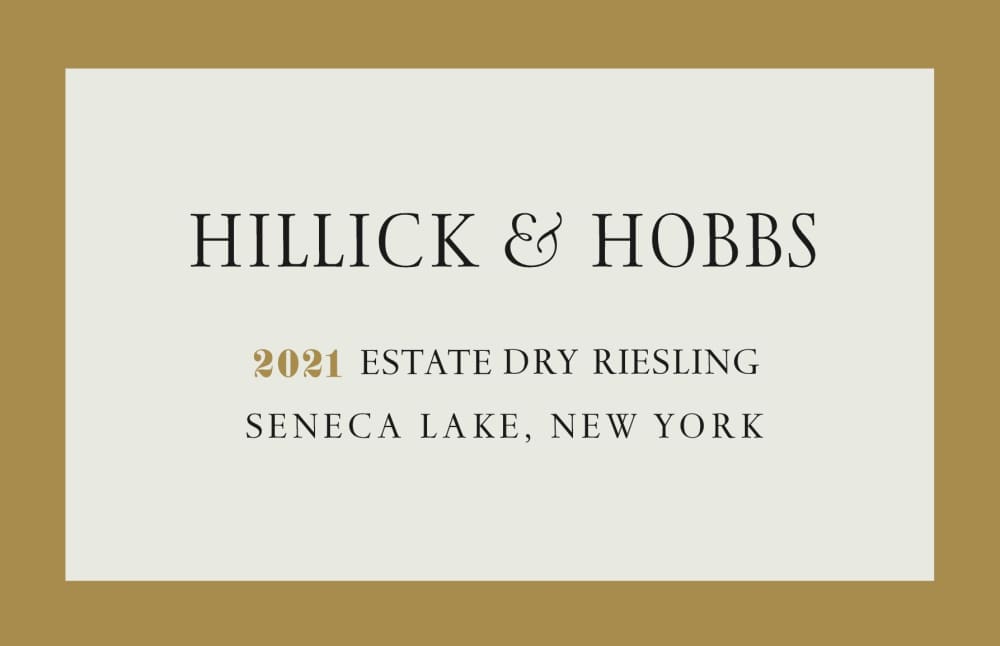
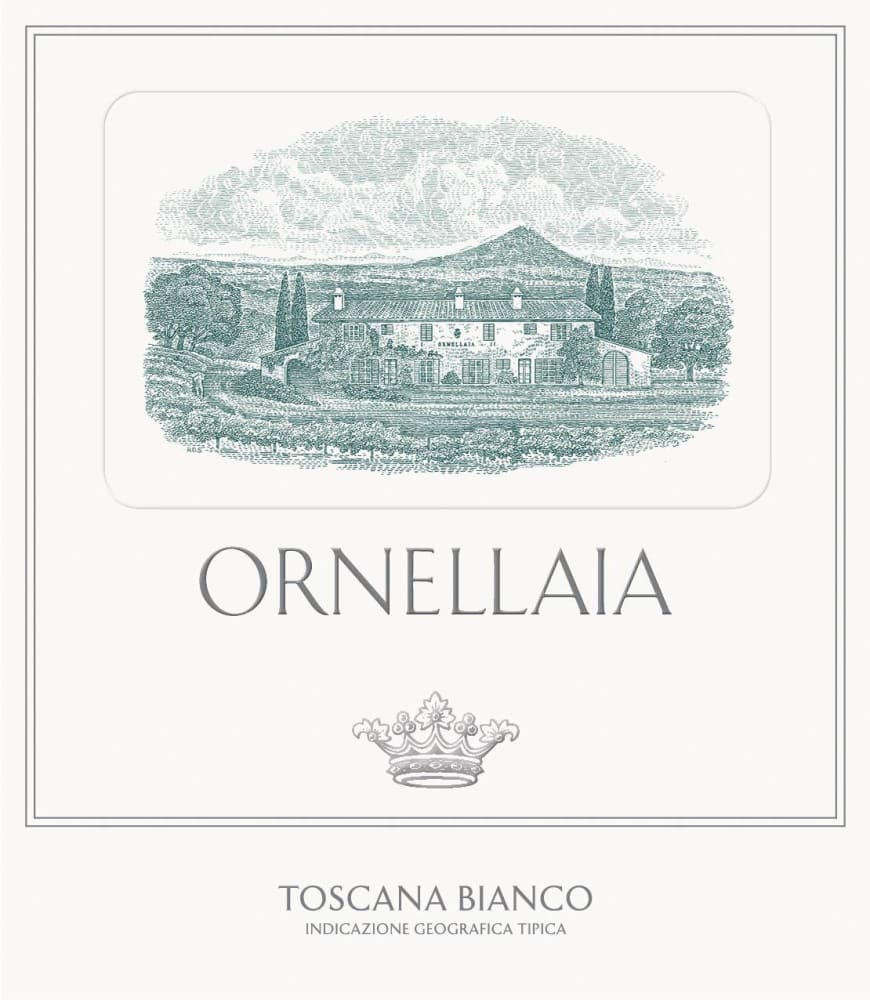
Check for specific terms on the bottle. Labels often indicate sweetness levels. Look for “dry” or “sec,” which means minimal residual sugar. Terms like “off-dry” or “demi-sec” suggest a hint of sweetness, while “sweet” or “moelleux” indicates more sugar content.
Alcohol Content
Higher alcohol levels typically correlate with less sugar. Generally, if the alcohol percentage exceeds 12.5%, the beverage is likely to be less sweet. This is due to the fermentation process, where more sugars are converted into alcohol.
Varietal Characteristics
Familiarize yourself with grape types. For instance, Sauvignon Blanc and Pinot Grigio are usually produced in a drier style, while Riesling can vary significantly. Knowing the varietal’s typical profile aids in predicting taste and sweetness.
Be aware of regional styles as well. For example, wines from cooler climates tend to have higher acidity and lower sugar, often resulting in a drier flavor. Conversely, warmer regions may produce riper grapes, leading to sweeter profiles.
Reading the back label can provide additional insights, such as tasting notes or food pairings, which often reflect the overall style of the beverage. These details can enhance your understanding and help make informed selections.
Tasting Techniques for Identifying Dryness
To assess the level of sweetness in a beverage, I focus on the sensation on the palate. A truly crisp and refreshing experience often indicates minimal residual sugar. When I sip, I pay attention to the acidity; a high acidity level can enhance the perception of dryness, making the liquid feel lighter.
I also swirl the glass gently to release aromas, inhaling deeply before tasting. This step helps me identify fruit characteristics that can indicate sweetness. If I detect ripe stone fruits or tropical notes, I remain cautious, as these can sometimes suggest a sweeter profile.
During tasting, I consider the finish. A clean, lingering finish usually points to a drier style, while a syrupy or cloying aftertaste may hint at higher sugar content. Additionally, I often check the texture; a smooth or oily mouthfeel might signal residual sweetness, whereas a crisp, mineral quality often aligns with dryness.
Furthermore, I compare different samples side by side. This technique sharpens my ability to discern subtle differences. I take note of the balance between sweetness and acidity, which can significantly influence my perception of dryness.
Lastly, I trust my experience and intuition. With practice, I become more attuned to these sensory cues, allowing me to confidently identify the dryness of any beverage I encounter.
Common Dry White Varieties and Their Profiles
Riesling often surprises many with its versatility. While frequently associated with sweetness, the dry versions exhibit crisp acidity and stone fruit flavors, such as peach and apricot, balanced with mineral undertones.
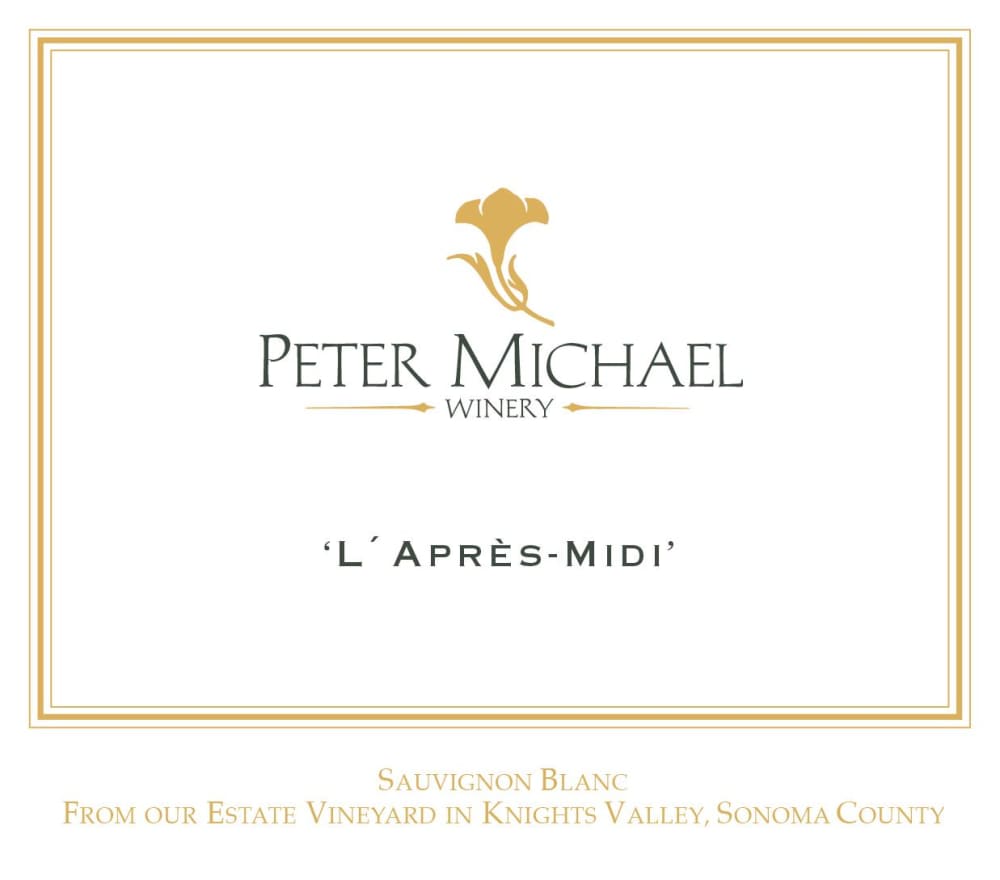
Sauvignon Blanc is a classic choice. With vibrant acidity, this variety showcases citrus notes, including lime and grapefruit, along with herbal hints of grass or bell pepper, making it refreshing and zesty.
Chardonnay offers a broad range of profiles depending on the region and vinification methods. Unoaked versions reveal bright flavors of green apple and pear, while those aged in oak can present buttery notes and a creamy mouthfeel, often accompanied by hints of vanilla and toast.
Pinot Grigio, particularly from Italy, is renowned for its light body and crisp character. It typically features flavors of citrus and green melon, with a clean finish that makes it approachable and easy to drink.
Grüner Veltliner from Austria stands out with its unique spice and herbaceous qualities. This grape often delivers notes of white pepper, lime, and stone fruits, along with a refreshing minerality that enhances its food-pairing versatility.
Assyrtiko, primarily from Greece, is another excellent option. It is known for its high acidity and distinctive saline quality, accompanied by flavors of citrus, green apple, and a characteristic mineral backbone.
- Riesling: Stone fruit flavors, mineral undertones.
- Sauvignon Blanc: Citrus notes, herbal hints.
- Chardonnay: Bright acidity, oak influences.
- Pinot Grigio: Light body, citrus, and melon flavors.
- Grüner Veltliner: Spicy and herbaceous, refreshing minerality.
- Assyrtiko: High acidity, saline quality, citrus flavors.
Exploring these varieties will deepen your understanding of their characteristics and enhance your tasting experiences. Each offers a distinct profile that reflects its terroir and winemaking style, making them excellent options for those seeking less sweet options.
FAQ:
What are the characteristics of dry white wine?
Dry white wine is typically characterized by low levels of residual sugar, which means it tastes less sweet compared to other wines. You can often detect crisp acidity and a clean finish. Aromas may include citrus, green apple, or mineral notes, while the taste often has a refreshing quality that balances the acidity. Popular varieties of dry white wine include Sauvignon Blanc, Pinot Grigio, and Chardonnay, each offering unique flavor profiles that contribute to their dryness.
How can I tell if a white wine is dry just by looking at the label?
When examining a wine label, look for keywords such as “dry,” “brut,” or “sec.” These terms generally indicate lower sweetness levels. Additionally, check the alcohol content; wines with higher alcohol levels (usually above 12.5%) are often drier. The varietal can also be a clue; for example, Sauvignon Blanc and Chardonnay are typically dry, while Riesling and Moscato are more likely to be sweet. However, tasting is the best way to confirm dryness.
Is there a specific way to taste white wine to determine if it’s dry?
To taste white wine effectively, begin by observing its color and clarity. Swirl the wine in the glass to release its aromas, then take a moment to smell it. As you sip, pay attention to the balance of sweetness and acidity. A dry wine will have a crisp, refreshing sensation, with little to no sweetness lingering on the palate. Take note of the finish; dry wines often leave a clean aftertaste, while sweeter wines may feel syrupy.
Are there any food pairings that work well with dry white wine?
Dry white wines pair beautifully with a variety of foods. They complement seafood dishes like grilled fish or shellfish, as the acidity cuts through the richness of the food. Salads with vinaigrette dressings also go well, as do light poultry dishes. The crispness of dry white wine can enhance the flavors of vegetables and cheeses, particularly goat cheese or mild, creamy varieties. Experimenting with pairings can elevate both the food and the wine experience.
Can the climate where the grapes are grown affect whether a white wine is dry or sweet?
The climate indeed influences the sweetness or dryness of white wine. In warmer regions, grapes tend to ripen more fully, resulting in higher sugar levels, which can lead to sweeter wines. Conversely, cooler climates often produce grapes with higher acidity and lower sugar content, leading to drier wines. Therefore, the origin of the grapes plays a significant role in the final taste profile of the wine, impacting its classification as dry or sweet.