Chuck Furuya

For an exquisite dining experience, I highly recommend a bottle of Barolo. This Italian gem, crafted predominantly from the Nebbiolo grape, boasts a complex flavor profile that unfolds beautifully as it breathes. With its rich tannins and notes of cherry, rose, and earth, it pairs splendidly with hearty dishes like braised meats or aged cheeses.
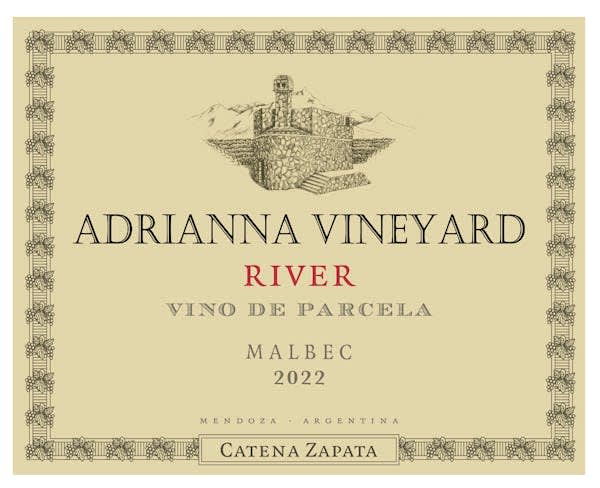
If you prefer something with a bolder character, consider a Malbec from Argentina. Known for its dark fruit flavors and velvety texture, this option complements grilled steaks or spicy cuisine perfectly. The robust nature of Malbec makes it a favorite for gatherings and celebrations.
For those who enjoy a more nuanced profile, a Pinot Noir from Burgundy should not be overlooked. Its delicate, yet intricate notes of red berries, mushrooms, and subtle spice create a harmonious balance, making it an excellent choice for lighter fare such as roasted chicken or salmon.
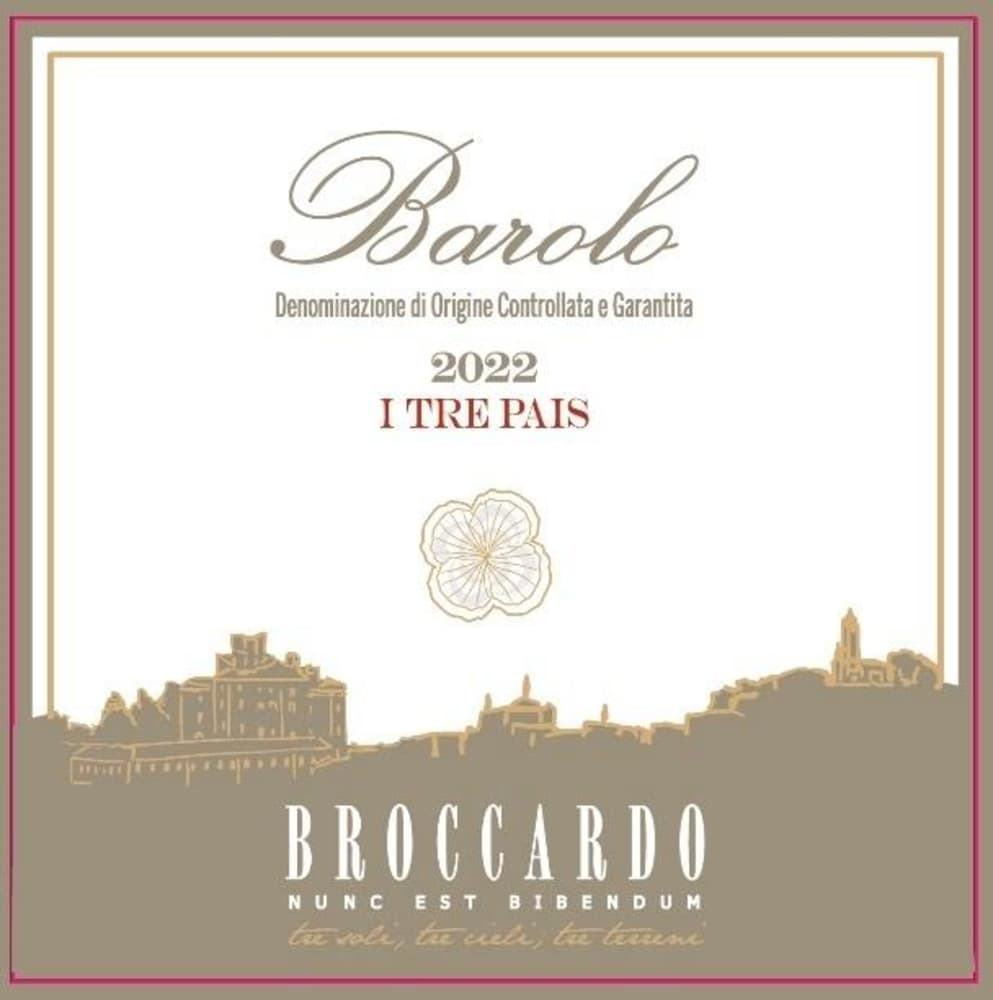
In summary, whether it’s the rich Barolo, the bold Malbec, or the elegant Pinot Noir, selecting any of these options will enhance your meal, showcasing the depth and versatility of these fine offerings.
Understanding Red Wine Varieties
For a delightful experience, I recommend trying a Pinot Noir. This varietal is known for its elegance and versatility, making it a fantastic choice for various dishes. It often exhibits flavors of cherry, raspberry, and earthy undertones, which can complement lighter proteins such as chicken or salmon beautifully.
Cabernet Sauvignon
Cabernet Sauvignon stands out with its bold character and rich tannins. Typically featuring notes of dark fruits like blackberry and plum, this variety pairs exceptionally well with hearty meals, such as grilled steak or rich pasta dishes. The aging potential of Cabernet also allows for complex flavors to develop over time, making each bottle a unique experience.
Merlot
Merlot offers a softer, more approachable flavor profile with ripe fruit notes, including black cherry and chocolate. Its smooth texture makes it a favorite among many, and it works well with a variety of foods, from roasted chicken to creamy pasta sauces. I often find it a great introduction for those new to wine.
Exploring these options can deepen appreciation for different flavor nuances and food pairings, enhancing any dining experience.
Key Characteristics of Quality Red Table Wine
Look for a harmonious balance of acidity, tannins, and fruitiness. A well-made blend should exhibit a smooth mouthfeel without overpowering any single component. The tannins should be ripe and soft, providing structure without astringency.
Fruity notes are essential; expect aromas and flavors of dark berries, cherries, or plums. Complexity is a hallmark of excellence–additional hints of spice, earthiness, or even floral elements can enhance the experience.
Also, consider the finish. A lingering aftertaste indicates quality craftsmanship. The longer the pleasant flavors linger, the more likely it is that the bottle reflects superior production methods.
Terroir plays a significant role in defining character. Wines from respected regions often carry distinct traits influenced by soil, climate, and local practices. Familiarizing yourself with these regions can guide selections.
Finally, age can enhance certain varieties. Some benefit from cellar time, developing depth and nuance, while others are best enjoyed young. Understanding the aging potential of specific varietals informs your choices.
Top Regions for Red Table Wine Production
I highly recommend exploring the vineyards of Bordeaux, France. This region is known for its exceptional blends, primarily using Cabernet Sauvignon, Merlot, and Cabernet Franc. The unique terroir contributes to the complexity and depth of these beverages, making them a staple choice for many enthusiasts.
Tuscany, Italy, stands out for its Sangiovese grapes, particularly in areas like Chianti. The warm climate combined with diverse soil types results in wines that are balanced and rich in flavor, perfect for pairing with various dishes.
The Napa Valley in California offers a modern approach, emphasizing varietals such as Cabernet Sauvignon and Zinfandel. The region’s innovative techniques and ideal growing conditions yield robust flavors and a polished finish, appealing to a wide audience.
In Spain, the Rioja region is notable for its Tempranillo-based offerings. The aging process in American oak barrels imparts unique vanilla and spice notes, creating a profile that is both approachable and sophisticated.
Argentina’s Mendoza region is another highlight, especially known for Malbec. The high-altitude vineyards produce wines with intense fruit flavors and velvety textures, making them popular among those seeking bold profiles.
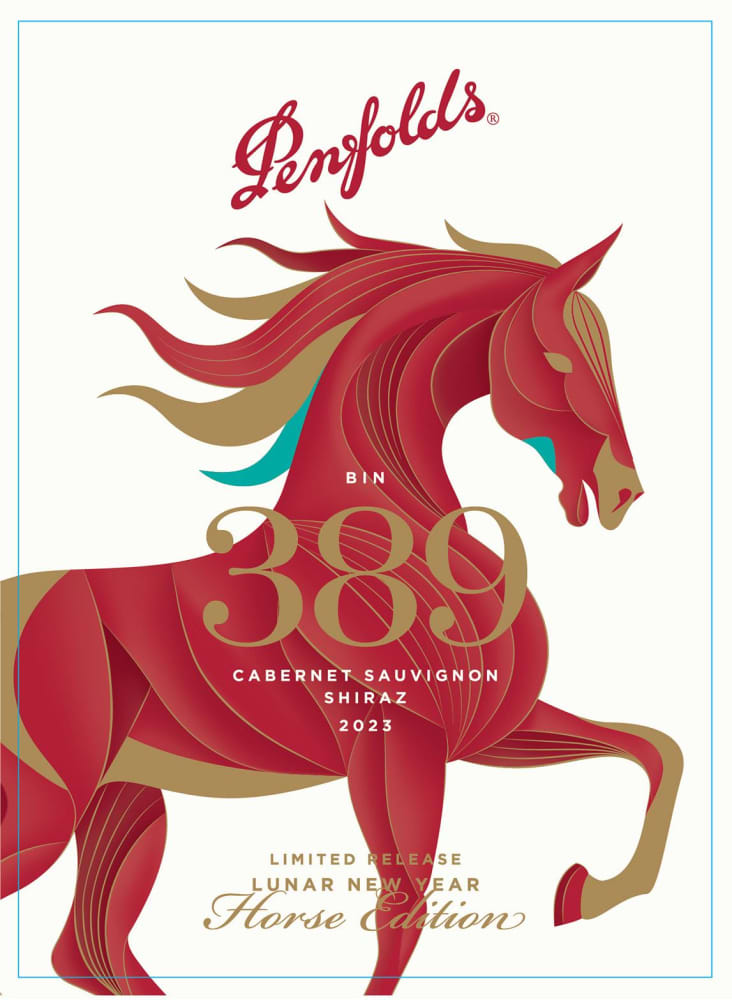
Lastly, the Barossa Valley in Australia is renowned for its Shiraz. The warm climate leads to ripe fruit characteristics and a full-bodied profile, making it an excellent choice for those who enjoy rich and spicy sensations.
How to Choose a Red Wine for Your Meal
Pairing a flavorful beverage with food enhances both elements. I recommend matching the intensity of the dish with the body of the beverage. For instance, a robust meal like grilled steak pairs well with a full-bodied variety such as Cabernet Sauvignon or Malbec. Conversely, lighter fare such as roasted chicken or pasta in a tomato sauce complements medium-bodied options like Merlot or Chianti.
Consider Flavor Profiles
Evaluate the primary flavors in your dish. If it features earthy components, such as mushrooms or root vegetables, a Pinot Noir can elevate the experience with its subtlety. Dishes with high acidity, like those featuring tomatoes or citrus, benefit from wines with similar acidity levels, like Sangiovese.
Tannins and Texture
The texture and tannin structure of the beverage must also align with the meal. High-tannin varieties like Syrah or Cabernet Sauvignon are ideal for rich, fatty dishes, as the tannins soften the meat’s texture. In contrast, dishes that are lighter or have a delicate flavor profile should be paired with smoother, less tannic varieties, such as Gamay or Grenache.
Tasting Techniques for Red Wine
To fully appreciate a nice glass of crimson beverage, I focus on a few essential techniques during tasting. First, I ensure the wine is at the optimal temperature, typically around 60-65°F (15-18°C). This helps to reveal its aromas and flavors more effectively.
Visual Examination
I start by examining the color and clarity. Holding the glass against a white background, I observe the depth of color and any sediments. A vibrant hue often indicates youthfulness, while a more muted shade can suggest age or complexity.
Aromatics
Next, I swirl the glass gently to aerate the liquid, allowing the aromatic compounds to release. I then take a moment to inhale deeply, identifying primary scents such as fruits, spices, or earthy notes. Recognizing these aromas enhances my understanding of the wine’s profile.
| Aroma Types | Examples |
|---|---|
| Fruity | Cherry, Blackberry, Plum |
| Spicy | Pepper, Clove, Cinnamon |
| Floral | Violet, Rose, Lavender |
| Earthy | Mushroom, Leather, Tobacco |
After analyzing the aromas, I take a small sip, allowing the liquid to coat my palate. This moment is crucial for assessing the wine’s body, acidity, and tannin structure. I pay close attention to how it evolves in my mouth, noting the balance and finish.
Finally, I reflect on the overall experience, considering how the flavors interact and linger. Each tasting becomes an opportunity for deeper appreciation and understanding of this exquisite drink.
Common Flavor Profiles in Red Table Wines
When selecting a glass of deep-hued varietal, it’s essential to recognize distinct flavor profiles that define them. Here are some common characteristics I often find:
- Fruity Notes: Expect flavors ranging from dark berries such as blackcurrant and blackberry to red fruits like cherry and raspberry. Each varietal showcases its own unique blend of these fruits.
- Spicy Undertones: Varietals can present hints of spices like black pepper, clove, or cinnamon, often influenced by the aging process or the type of oak barrels used.
- Herbal Elements: Aromas of herbs, such as thyme or rosemary, can add complexity, particularly in blends. These notes often emerge from specific grape varieties or terroirs.
- Earthy Characteristics: Many selections exhibit earthy flavors, reminiscent of soil, leather, or tobacco. This profile often develops with age and is common in wines from regions with rich soils.
- Floral Accents: Some varietals bring subtle floral hints, such as violet or rose, adding an elegant touch to the overall tasting experience.
- Oak Influence: The impact of oak aging can impart vanilla, coconut, or toasted bread flavors, depending on the level of toasting and the wood type used.
Understanding these profiles allows for a more informed selection process, enhancing both enjoyment and pairing opportunities. Pay attention to descriptors on labels, as they often hint at these nuances.
In my experience, trying wines from various regions can reveal how climate and soil influence these flavor profiles, leading to a delightful exploration of tastes.
Price Range for Quality Red Varietals
For a satisfying experience with a glass of crimson libation, I recommend exploring bottles in the $15 to $50 range. This bracket typically offers well-crafted options, balancing flavor and craftsmanship without breaking the bank.
In the $15-$25 range, you can discover delightful choices that showcase fruit-forward profiles and approachable tannins. These selections are perfect for casual dinners or gatherings. Some reliable labels to consider include:
- Malbec from Argentina
- Tempranillo from Spain
- Cabernet Sauvignon from California
As you move to the $25-$50 range, you’ll find more complex offerings with greater depth and character. These bottles often come from renowned vineyards or regions known for their exceptional terroir. Look for:
- Bordeaux blends from France
- Pinot Noir from Oregon
- Syrah from the Rhône Valley
Above $50, the experience elevates further, revealing exquisite craftsmanship and age-worthy potential. Expect to encounter:
- Single vineyard selections
- Old vine Zinfandels
- Premium Barolo or Barbaresco from Italy
Additionally, keep an eye out for seasonal promotions and discounts, as many retailers and wineries offer deals that can make higher-priced bottles more accessible. Sampling different price points can enhance your appreciation and help refine your palate.
Storing Red Table Wine Properly
Maintaining optimal conditions is key to preserving the characteristics of your favorite varietals. I recommend keeping bottles in a dark, cool place with a stable temperature between 50-55°F (10-13°C). Fluctuations in temperature can cause the cork to expand and contract, allowing air to seep in and spoil the contents.
Humidity and Light
Humidity levels should ideally be around 70%. This helps keep corks moist and prevents them from drying out, which can lead to oxidation. Avoid direct sunlight, as UV rays can degrade the quality of the beverage over time.
Storage Position
Store bottles horizontally if possible. This keeps the cork in contact with the liquid, preventing it from drying out. If you’re unable to store horizontally, ensure the cork is not exposed to air.
| Storage Factor | Recommended Conditions |
|---|---|
| Temperature | 50-55°F (10-13°C) |
| Humidity | 70% |
| Light Exposure | Avoid direct sunlight |
| Position | Horizontal preferred |
By adhering to these guidelines, I ensure that my selections age gracefully and retain their unique flavors and aromas, enhancing my tasting experiences.
FAQ:
What characteristics define a good red table wine?
A good red table wine typically has a balanced flavor profile, which includes fruitiness, acidity, and tannins. The aroma should be inviting, often featuring notes of berries, cherries, or spices. The wine should be smooth on the palate, with an appropriate body that matches the meal it accompanies. A good red wine also has a pleasant finish that lingers, enhancing the overall dining experience.
Can you recommend specific types of red wines that are considered good table wines?
Some popular choices for good red table wines include Pinot Noir, Merlot, and Cabernet Sauvignon. Pinot Noir is known for its light body and fruity notes, making it versatile with various dishes. Merlot tends to be softer and fruitier, often appealing to a wide range of palates. Cabernet Sauvignon, on the other hand, provides a fuller body and more robust flavors, making it great for heartier meals.
How should I select a red table wine for a dinner party?
When selecting a red table wine for a dinner party, consider the menu you will be serving. Lighter dishes pair well with lighter wines like Pinot Noir, while richer dishes may benefit from a bolder wine like Cabernet Sauvignon. It’s also wise to consider your guests’ preferences; having a variety of options can ensure everyone finds something they enjoy. Lastly, don’t hesitate to ask for recommendations at your local wine shop, as they can provide insights based on your specific needs.
What temperature should red table wine be served at?
Red table wine is best served at a slightly cooler temperature than room temperature, generally around 60-65°F (15-18°C). This range allows the wine’s flavors and aromas to be more pronounced. If the wine is too warm, the alcohol can overpower the taste, while if it’s too cold, the flavors may be muted. A simple way to achieve the right temperature is to refrigerate the wine for about 30 minutes before serving.
Are there any food pairings that work particularly well with red table wine?
Red table wines pair wonderfully with a variety of foods. For instance, a Pinot Noir complements dishes like grilled salmon or roasted chicken, while a Merlot goes well with pasta and lighter meats. Heavier wines like Cabernet Sauvignon are excellent with red meats, such as steak or lamb. Additionally, red wines can enhance the flavors of dishes with rich sauces or earthy ingredients, making them a versatile choice for many meals.
What characteristics should I look for in a good red table wine?
A good red table wine typically has a balance of acidity, tannins, and fruit flavors. Look for wines that are smooth and easy to drink, with a pleasant aroma. Key characteristics include a medium to full body, well-rounded flavor profile, and a finish that leaves a lasting impression. Varieties like Merlot, Cabernet Sauvignon, and Pinot Noir are often recommended for table wines due to their versatility and appeal.
How do I choose a red table wine for a dinner party?
When selecting a red table wine for a dinner party, consider the menu you’ll be serving. A versatile wine, like a Pinot Noir, pairs well with a variety of dishes, including poultry and vegetarian options. If you’re serving red meat, a Cabernet Sauvignon or Syrah would complement the flavors nicely. It’s also wise to consider your guests’ preferences; offering a couple of options can cater to different tastes. Finally, look for wines in the mid-price range to ensure quality without breaking the bank.
What is the best temperature to serve red table wine?
Red table wine is best served at a temperature between 60°F and 65°F (15°C to 18°C). Serving it slightly cooler than room temperature helps to accentuate the flavors and aromas without overwhelming the palate. If your wine is too warm, it can taste overly alcoholic, while a wine served too cold can mask its complexity. For optimal enjoyment, consider chilling your red wine in the refrigerator for about 30 minutes before serving.
Are there specific regions known for producing great red table wines?
Yes, several regions are renowned for their exceptional red table wines. Bordeaux in France is famous for its blends, primarily made from Cabernet Sauvignon and Merlot. The Napa Valley in California is known for high-quality Cabernet Sauvignon and Zinfandel. Additionally, regions like Tuscany in Italy produce excellent Chianti and Sangiovese wines. Each region imparts unique characteristics to the wines based on its climate, soil, and winemaking traditions, offering a diverse selection for any wine enthusiast.
Can you recommend some affordable red table wines that are widely appreciated?
Certainly! Some affordable red table wines that receive positive reviews include Apothic Red, a smooth and fruity blend, and Josh Cellars Cabernet Sauvignon, which is well-balanced and approachable. Another great option is Charles & Charles Red Blend, known for its rich flavor and versatility. These wines typically retail for around $10 to $20, making them great choices for casual gatherings or everyday enjoyment without compromising on quality.