Chuck Furuya

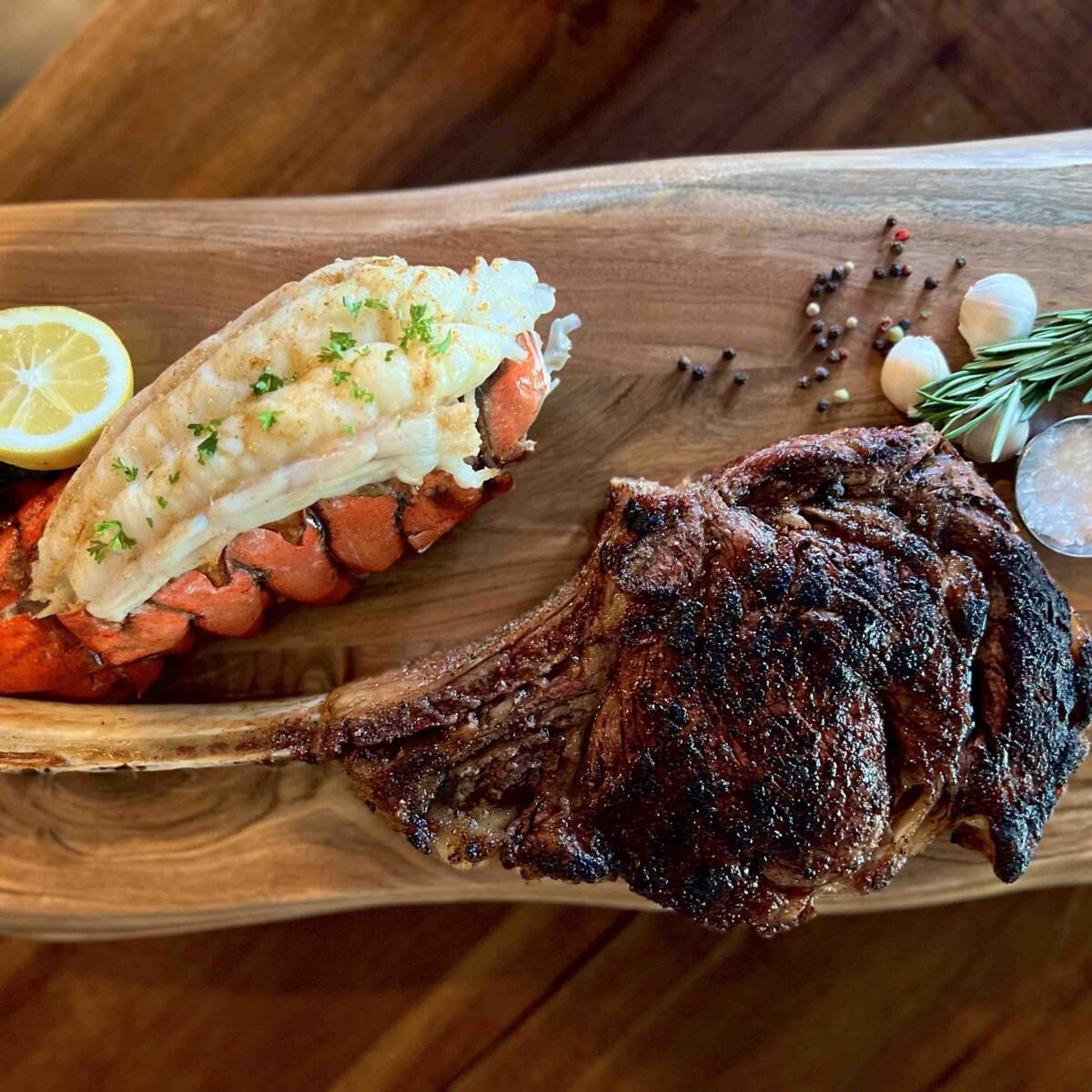
Pairing a chilled Chardonnay or a crisp Sauvignon Blanc enhances the delicate flavors of this shellfish delicacy. These options complement the natural sweetness and brininess, creating a harmonious balance on the palate.
For an adventurous twist, consider a sparkling wine. The effervescence cuts through the richness, adding a refreshing contrast that elevates the dining experience. Alternatively, a light-bodied Pinot Grigio offers a subtle fruitiness that pairs well without overwhelming the dish.
While some may consider a heavier option, it is generally advisable to avoid bold and tannic varieties. Instead, the focus should remain on wines that provide lift and enhance the dish’s nuances, ensuring the seafood shines as the star of the meal.
Choosing the Right Pairing
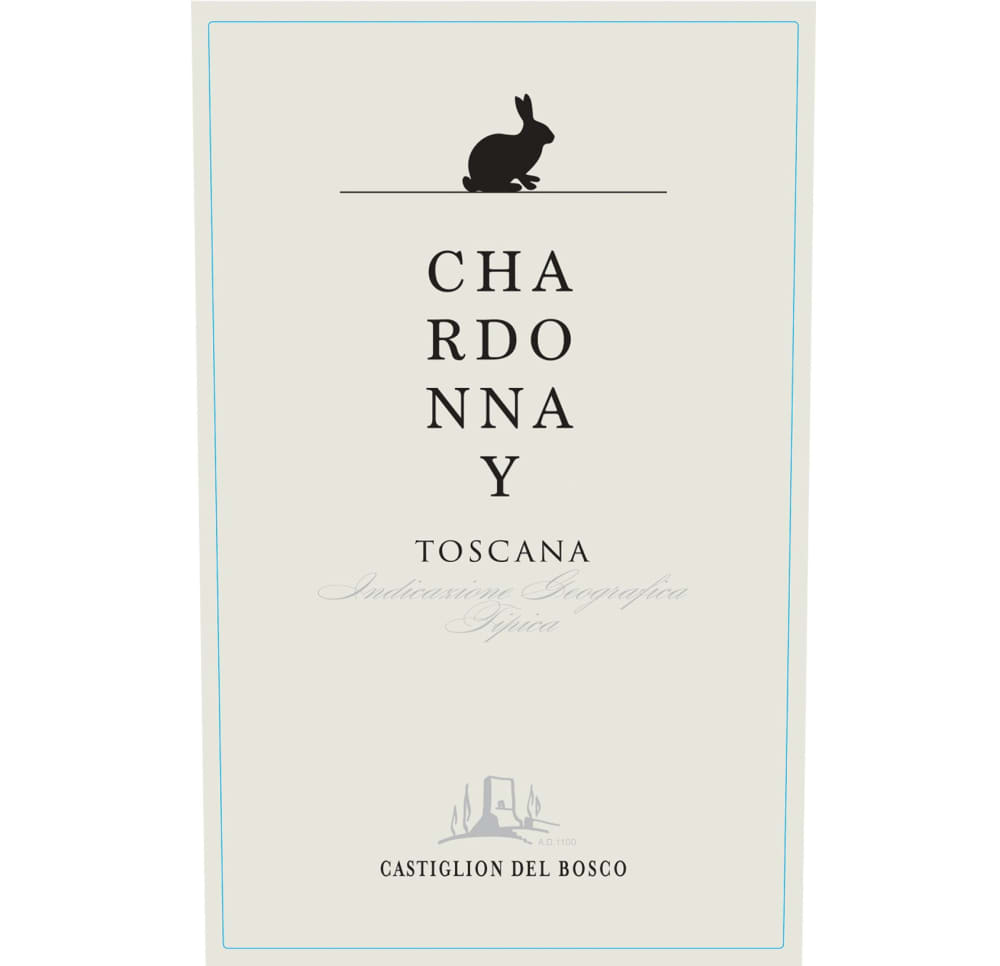
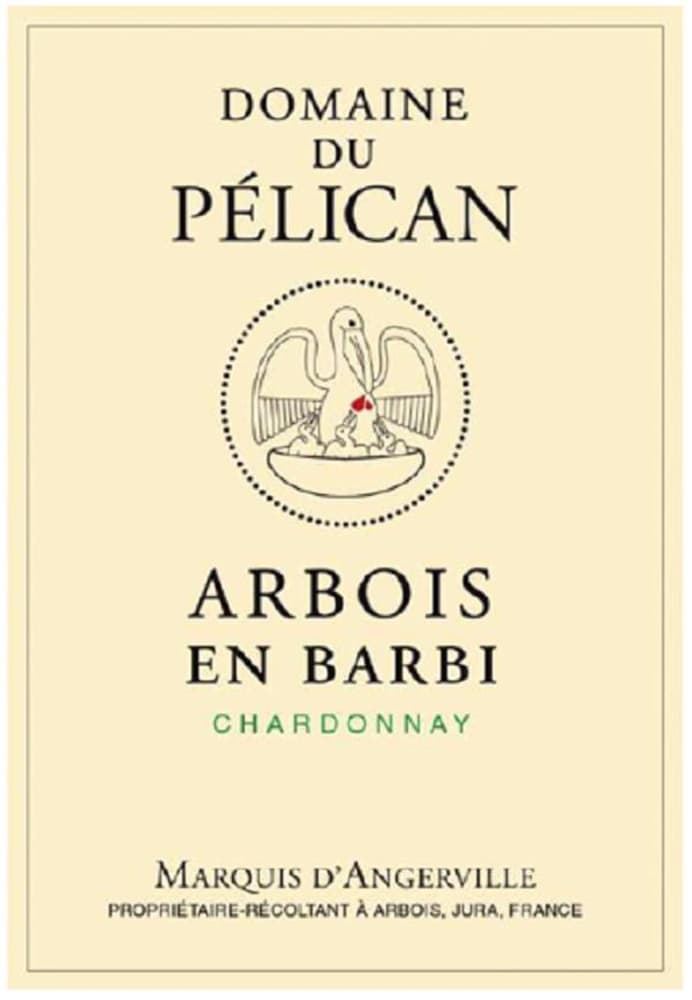
A chilled glass of Sauvignon Blanc or Chardonnay complements the delicate sweetness of the shellfish perfectly. These selections enhance the natural flavors without overpowering them.
Characteristics of Ideal Selections
- Sauvignon Blanc: Its crisp acidity and citrus notes balance the richness of the dish.
- Chardonnay: Opt for an unoaked variety for a clean and refreshing taste; oaked versions can add a buttery finish, enhancing the overall mouthfeel.
Alternative Pairings
If exploring unconventional options, consider a dry Riesling or a light-bodied Pinot Grigio. These alternatives also provide a refreshing contrast and can elevate the dining experience.
- Dry Riesling: Offers floral aromas and stone fruit flavors, adding complexity.
- Pinot Grigio: Its lightness and subtle fruitiness make it a versatile companion.
For those who enjoy experimenting, sparkling varieties can bring a celebratory touch, enhancing the overall experience. The effervescence cuts through the richness, creating an enjoyable palate sensation.
Understanding the Flavor Profile of Lobster
The taste of this shellfish is characterized by a delicate sweetness, complemented by a hint of brininess. The texture is firm yet tender, making it a versatile ingredient in various culinary applications. Pairing choices should enhance these flavors, rather than overpower them.
Flavor Characteristics
A few key attributes define the palate experience of this seafood:
- Sweetness: The natural sugars present create a mild sweetness that is best highlighted by subtle accompaniments.
- Brininess: A slight oceanic salinity adds depth, making balancing flavors crucial.
- Richness: The creamy texture provides a luxurious mouthfeel, inviting rich sauces or accompaniments.
Ideal Pairings
Complementing the unique flavor profile requires thoughtful pairings. Here are some suggestions:
| Flavor Component | Recommended Accompaniments |
|---|---|
| Sweetness | Citrus-based sauces or light herbs |
| Brininess | Lightly seasoned broths or gentle spices |
| Richness | Rich beurre blanc or garlic butter |
Thoughtful ingredient choices ensure the natural characteristics shine through, creating a harmonious dining experience.
Characteristics of Red Wine Suitable for Lobster
A light-bodied Pinot Noir stands out as a fitting choice, showcasing bright acidity that complements the sweetness of the crustacean. This varietal typically features cherry and raspberry notes, enhancing the overall dining experience without overwhelming the delicate flavors of the seafood.
Merlot can also be a viable option, particularly those that are fruit-forward and low in tannins. The smooth texture and plum undertones work harmoniously, allowing the natural brininess of the dish to shine through. Look for examples from cooler climates to maintain balance and freshness.
A Grenache, especially when blended, can bring a delightful spiciness, enhancing the savory aspects of the meal. Its juicy profile, combined with a hint of earthiness, adds an intriguing layer that pairs well, especially when butter or garlic is involved in the preparation.
When exploring options, consider a light chill on these selections. Serving them slightly cooler can elevate the experience, highlighting their refreshing qualities while softening any potential heaviness. This approach allows for an enjoyable contrast against the rich textures typically found in crustacean dishes.
Ultimately, the key lies in selecting wines that maintain a balance between fruitiness and acidity, ensuring they harmonize rather than compete with the intricate flavors presented on the plate.
Characteristics of White Wine Suitable for Lobster
A crisp and refreshing choice complements the delicate flavors of crustaceans effectively. Here are key attributes to consider:
- Acidity: A higher acidity level balances the richness of the meat, enhancing the overall tasting experience.
- Fruitiness: Notes of citrus or stone fruits provide a pleasant contrast, adding a layer of complexity.
- Minerality: A mineral backbone can evoke a sense of oceanic freshness, harmonizing beautifully with seafood.
- Body: A light to medium body ensures that the dish remains the focal point, preventing overpowering flavors.
- Oak Influence: Subtle oak aging can introduce depth, but excessive use may overshadow the natural characteristics of the dish.
Examples of varietals that encapsulate these traits include Chardonnay, Sauvignon Blanc, and Pinot Grigio. Each brings unique attributes that can enhance the dining experience.
Pairing Beverage with Different Lobster Preparations
For steaming preparations, a crisp Sauvignon Blanc enhances the natural sweetness and brininess of the meat. The acidity in this varietal cuts through the richness, creating a refreshing balance.
Grilled versions pair beautifully with a light Chardonnay, especially those that are unoaked. The subtle buttery notes complement the charred flavors, while the wine’s acidity provides a nice contrast to the smoky undertones.
In the case of creamy dishes like lobster bisque or pasta, a fuller-bodied option such as Viognier works wonders. Its aromatic profile and round texture harmonize with the richness of the dish, resulting in a luxurious pairing.
For preparations featuring citrus or garlic, consider a dry Riesling. This choice offers a touch of sweetness that enhances the bright flavors while maintaining an elegant finish.
When enjoying lobster rolls, a light sparkling option, such as Prosecco or Cava, brings a festive element. The bubbles cleanse the palate and elevate the overall experience.
In contrast, when spices or heat are involved, like in Asian-inspired preparations, a Gewürztraminer shines. Its aromatic intensity and slight sweetness balance the complex flavors, allowing the dish to stand out.
For a classic boiled lobster, a well-chilled Pinot Grigio is ideal. Its clean and crisp profile uplifts the delicate flavors without overpowering them.
Temperature Considerations for Serving Wine with Lobster
Optimal temperature settings enhance the tasting experience. For chilled varieties, a range of 45°F to 50°F (7°C to 10°C) is ideal. This range allows the refreshing qualities to shine while maintaining the complexity of flavors.
Conversely, if opting for slightly warmer selections, aim for 55°F to 60°F (13°C to 16°C). This temperature highlights the aromatic profiles and provides a richer mouthfeel. It’s particularly advantageous for fuller-bodied options.
Key temperature guidelines include:
- Chilled selections: 45°F to 50°F (7°C to 10°C)
- Slightly warmer options: 55°F to 60°F (13°C to 16°C)
- Use a thermometer for accuracy to avoid serving too cold or too warm.
Consider the preparation method as well. Steamed or boiled dishes pair well with cooler offerings, while grilled or roasted preparations benefit from a slightly warmer option.
Serving in proper glassware also aids in maintaining temperature. A stemmed glass can prevent heat transfer from hands, ensuring the drink remains at the desired temperature longer.
Adjusting temperatures can significantly influence the overall enjoyment, making it a key factor in the pairing experience.
Common Misconceptions About Pairing Wine with Lobster
Many believe that only a specific type of beverage complements crustaceans. This is misleading; the choice depends on preparation methods and individual preferences. A popular myth is that only light-bodied options are suitable. In reality, some fuller-bodied varieties can enhance richness, especially when paired with buttery sauces.
Another common fallacy is that flavors must align perfectly. While balance is key, contrasting flavors can create delightful experiences. For instance, a hint of sweetness in a drink may elevate the savory qualities of a dish.
Temperature can also be a point of confusion. Some think that all beverages should be chilled. However, certain robust selections can benefit from slight warming, allowing their complex aromas to unfold.
Lastly, there’s a notion that personal preference should be ignored in the pursuit of tradition. Individual taste plays a vital role; experimentation often leads to unexpected and enjoyable pairings. Embracing variety opens up a world of culinary exploration.
FAQ:
What type of wine pairs best with lobster?
When it comes to pairing wine with lobster, white wine is generally considered the better choice. A crisp, chilled white wine, such as Chardonnay or Sauvignon Blanc, complements the sweet and delicate flavors of lobster without overwhelming them. However, some people also enjoy red wine with lobster, particularly lighter varieties like Pinot Noir, which can work well if the lobster is prepared with richer sauces or seasonings.
Can I serve red wine with lobster dishes?
Yes, you can serve red wine with lobster, but it’s important to choose the right type. Light-bodied red wines, such as Pinot Noir, can be a suitable match, especially if the lobster is prepared in a way that includes bold flavors or sauces. The key is to ensure that the wine does not overpower the lobster’s natural flavors. Pairing red wine with lobster can be a delightful experience if done thoughtfully.
Are there specific lobster preparations that go better with white wine?
Certain lobster preparations do tend to pair better with white wine. For instance, lobster served with lemon butter or garlic sauce typically complements a glass of Chardonnay or a Sauvignon Blanc. The acidity and freshness of these white wines enhance the dish’s flavors, allowing the sweetness of the lobster to shine through. Additionally, lobster salad or dishes with a lighter profile are great candidates for white wine pairing.
What about sparkling wine with lobster? Is that a good option?
Sparkling wine is an excellent option to serve with lobster! Its effervescence adds a refreshing quality that can elevate the dining experience. Champagne or a dry sparkling wine like Prosecco can enhance the flavors of the lobster and cleanse the palate between bites. This pairing is especially popular when enjoying lobster in a celebratory setting or at a formal dinner.
Does the sauce used with lobster affect the wine pairing?
Absolutely, the sauce can significantly influence your wine pairing choice. Rich sauces like creamy or buttery ones tend to pair better with fuller-bodied white wines, such as Chardonnay. On the other hand, if the lobster is prepared with a spicy or flavorful sauce, a light red wine might complement it nicely. Always consider the sauce and seasonings when selecting your wine to ensure a harmonious match.
What type of wine pairs best with lobster, red or white?
When it comes to pairing wine with lobster, white wine is generally the preferred choice. The reason for this is that white wines tend to complement the delicate flavors of lobster without overpowering them. A classic pairing would be a Chardonnay or a Sauvignon Blanc, both of which enhance the sweetness of the lobster meat. However, some people enjoy red wine with lobster, particularly lighter reds like Pinot Noir. It can be a matter of personal preference, so experimenting with both options can lead to delightful discoveries.