Chuck Furuya




For a decadent experience, I recommend combining a full-bodied beverage with aromatics and stock. Sauté finely chopped shallots in butter until they soften, then add minced garlic for an extra layer of flavor. Once fragrant, pour in the beverage of choice, allowing it to reduce by half, concentrating its essence.
Next, introduce a robust broth to enhance the mixture. A splash of balsamic vinegar or a hint of mustard can elevate the profile, adding depth and complexity. Simmer gently, stirring occasionally, until the mixture thickens to your desired consistency.

Finally, finish with a pat of cold butter, swirling it in for a glossy texture. This technique not only enriches the flavor but also adds a luxurious mouthfeel. Serve this velvety blend over your favorite proteins or vegetables for an unforgettable meal.
Selecting the Right Red Wine for Sauce
The choice of grape variety plays a significant role in the final flavor of the dish. For a deeper taste, I prefer Cabernet Sauvignon or Merlot. These varietals bring structure and fruitiness, enhancing the overall profile.
Consider the following factors when making a selection:
- Acidity: A wine with balanced acidity complements rich flavors. Look for options that are not overly tart.
- Tannins: Wines with moderate tannins contribute to a fuller mouthfeel. Avoid excessively tannic wines, as they can overpower the dish.
- Fruit Forwardness: Choose a wine that has prominent fruit notes, which can add depth. Look for labels that mention berry or plum flavors.
- Age: Aged wines can offer complex flavors. Opt for a bottle with some age for a more refined taste.
- Price Point: A mid-range selection often provides the best balance of quality and affordability. I typically avoid the cheapest options, as they may lack depth.
Ultimately, I focus on wines that I would enjoy drinking on their own. This ensures that the essence of the beverage enhances the final dish. Always taste before incorporating it into your cooking for the best results.
Gathering Essential Ingredients for Your Sauce
For an outstanding reduction, I focus on high-quality components that enhance flavor. The following items are fundamental to crafting a robust base:
Core Components
| Ingredient | Purpose |
|---|---|
| Shallots | Add sweetness and depth |
| Garlic | Provide aromatic richness |
| Stock (beef or vegetable) | Contribute body and complexity |
| Butter | Enhance creaminess and finish |
Choosing fresh shallots and garlic is crucial; their flavors should be pronounced yet balanced. I prefer using homemade stock for a more authentic taste, but quality store-bought options work well too. For the final touch, I opt for unsalted butter, allowing me to control the seasoning effectively.
Optional Additions
Incorporating herbs like thyme or rosemary adds an aromatic layer to the mixture. A splash of balsamic vinegar can brighten the flavors, while a touch of sugar may help balance acidity. Depending on the dish, a hint of citrus zest can also enhance the overall profile.
Preparing Aromatics: Onions, Garlic, and Herbs
I begin with finely chopping onions, aiming for a uniform size to ensure even cooking. Yellow onions are my go-to for their balance of sweetness and sharpness. I sauté them in olive oil or butter until they turn translucent and slightly caramelized, which enhances their flavor profile.
Next, I incorporate garlic. Mincing fresh cloves releases their oils, creating a fragrant base. I add the garlic after the onions have softened, cooking just until fragrant to avoid bitterness. About 1-2 cloves per batch usually suffices, depending on desired intensity.
Herbs play a pivotal role in elevating the taste. Fresh thyme and rosemary are my favorites; I use a few sprigs, adding them early in the cooking process. This allows their oils to infuse the mixture. For a touch of brightness, I may toss in a bay leaf, removing it before serving. If I opt for dried herbs, I reduce the quantity to about a third, as they are more concentrated.
By carefully preparing these aromatics, I lay a flavorful foundation that complements the depth of the sauce beautifully.
Reducing Wine: Techniques for Maximum Flavor
For achieving a concentrated and flavorful reduction, I focus on two primary techniques: simmering and sautéing. Both methods allow for the evaporation of alcohol and water, intensifying the remaining flavors.
Simmering for Depth
When I opt for simmering, I pour the liquid into a saucepan and bring it to a gentle boil. Reducing over medium heat allows for a gradual evaporation that enhances the wine’s natural sweetness and acidity. I keep an eye on it, stirring occasionally, until the volume is reduced by about half, which usually takes around 15 to 20 minutes. This slow process helps to develop a rich, complex flavor profile.
Sautéing for Quick Results
If time is of the essence, sautéing is my go-to method. I heat a pan with a bit of oil or butter and add the wine directly. The high heat facilitates quick evaporation, and I often add aromatics like shallots or garlic to the pan to infuse additional notes. I allow it to boil vigorously for 5 to 10 minutes, stirring frequently, until it thickens slightly. This method gives a bold flavor with a more pronounced wine character.
Regardless of the technique, I always taste the reduction as it cooks. This ensures that I achieve the desired balance of acidity and sweetness, tailoring it to complement the dish perfectly.
In either method, patience is key. The longer the liquid simmers or sauté, the more concentrated the flavors become, leading to an exceptional base for any culinary creation.
Building Depth: Adding Broth and Seasoning
Incorporating broth into the mixture significantly enhances flavor complexity. Choose a high-quality beef or vegetable broth, ensuring it aligns with the overall profile of the dish. Begin by adding a cup of broth after the wine has reduced to about half its original volume. This step introduces an earthy undertone that balances the acidity of the wine.
Seasoning is vital for achieving the desired depth. After adding broth, incorporate fresh herbs like thyme or rosemary for an aromatic boost. A pinch of salt enhances all the flavors, while freshly cracked black pepper adds a subtle heat. For additional richness, a small amount of butter whisked in at the end can give a glossy finish and a luxurious mouthfeel.
Don’t shy away from tasting throughout the process. Adjust seasoning gradually, allowing each addition to develop the flavor profile further. A splash of balsamic vinegar or a dash of Worcestershire sauce can also provide an intriguing layer, enhancing the overall experience with their unique tanginess.
Thickening the Sauce: Cornstarch vs. Reduction
For achieving the desired consistency in your creation, I prefer the reduction method over cornstarch. Reducing intensifies flavors while naturally thickening the mixture, leading to a more cohesive blend. To execute this, I let the liquid simmer gently until it reaches the right viscosity, keeping a close eye to prevent burning.
Using Cornstarch
Should I opt for cornstarch, a slurry is necessary. I mix equal parts cold water and cornstarch, whisking until smooth. Then, I gradually stir this mixture into the simmering concoction, allowing it to thicken quickly. However, this method can sometimes result in a glossy finish that might not appeal to everyone.
Choosing the Right Technique
The decision between these two techniques hinges on personal preference and desired outcome. Reduction offers a deeper, more complex flavor profile, while cornstarch provides a quicker solution with less depth. I typically lean towards reduction for its ability to enrich the overall character of the dish.
Straining for Smoothness: When and How to Strain
Straining is a crucial step for achieving a velvety texture in your creation. I recommend straining after reducing the liquid and before thickening it. This ensures that any solid particles from herbs, onions, or garlic are removed, allowing for a silky finish.
Here’s how I approach the straining process:
- Choose a fine mesh strainer or a cheesecloth. This will effectively catch small bits.
- Position the strainer over a clean saucepan or bowl. This helps in collecting the strained liquid without mess.
- Pour the reduced mixture through the strainer. I often use a spatula to gently press down on the solids, extracting every drop of flavorful liquid.
- Discard the solids left in the strainer. They have served their purpose, and I prefer not to include them in the final product.
If I desire even more refinement, I might strain a second time, especially if I’ve added more ingredients towards the end. This extra step can elevate the smoothness significantly.
Remember, the goal is to enhance the overall mouthfeel. A well-strained mixture contributes to a professional-quality finish that complements various dishes.
Pairing Your Creation with Dishes
To elevate the experience, I recommend matching this robust concoction with heartier meats and flavorful sides. Here’s a guide to optimal combinations:
Meats
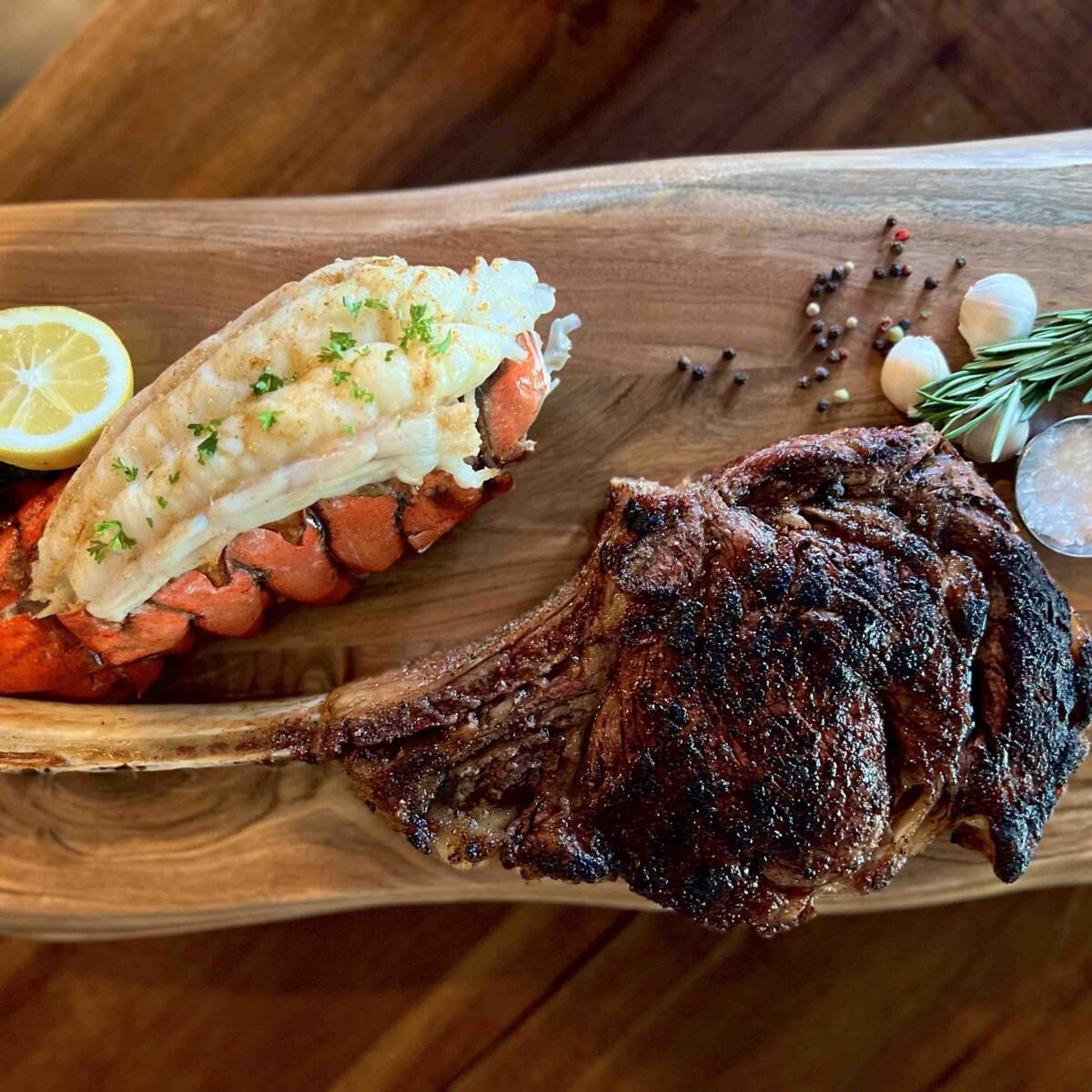
- Beef: A classic companion. Grilled steaks, braised short ribs, or beef tenderloin enhance the richness.
- Lamb: Roasted leg of lamb or lamb shanks provide a savory contrast that complements the depth.
- Pork: Coq au vin or slow-roasted pork shoulder pairs well, allowing the sauce to shine through the meat’s natural flavors.
Vegetables and Sides
- Mushrooms: Sautéed or roasted, they add an earthy tone that melds beautifully.
- Root Vegetables: Carrots, parsnips, and potatoes, especially when roasted, create a hearty base.
- Pasta: A simple tagliatelle or pappardelle tossed with the sauce can transform a dish into a comforting meal.
For an impressive presentation, drizzle some of this savory mixture over the plated dish just before serving. Garnishing with fresh herbs, like parsley or thyme, not only enhances the visual appeal but also adds an extra layer of aroma. Enjoy your culinary creation with a glass of the same varietal used in the preparation for a harmonious dining experience.