Chuck Furuya
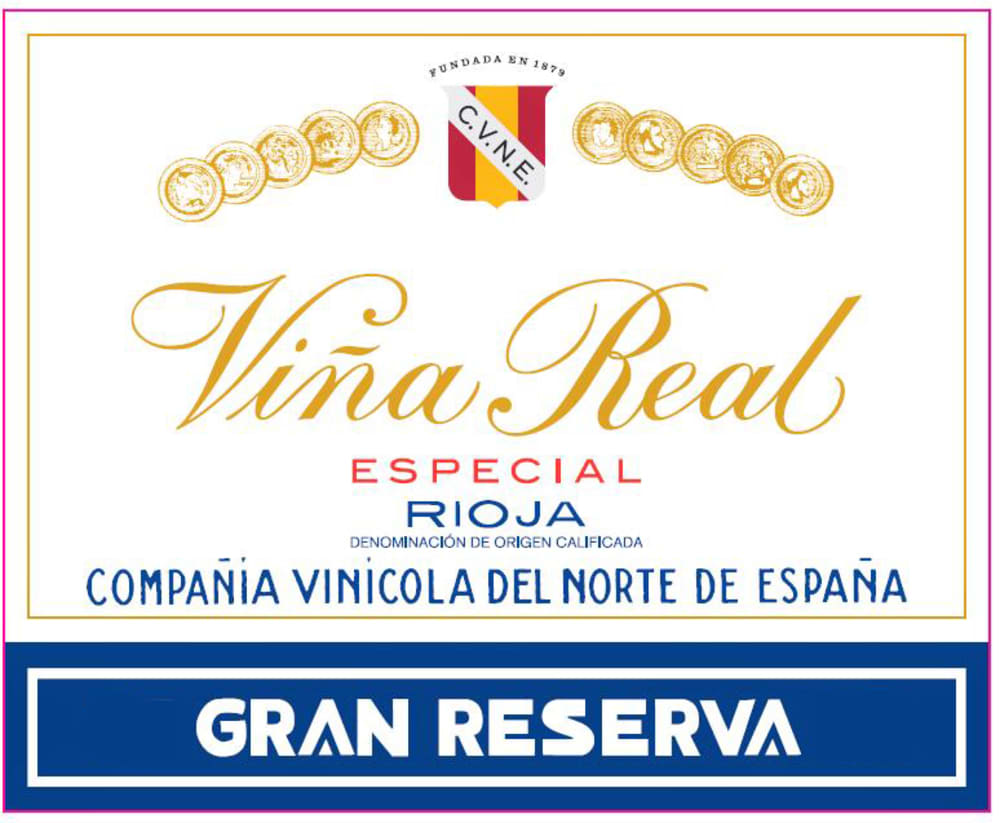
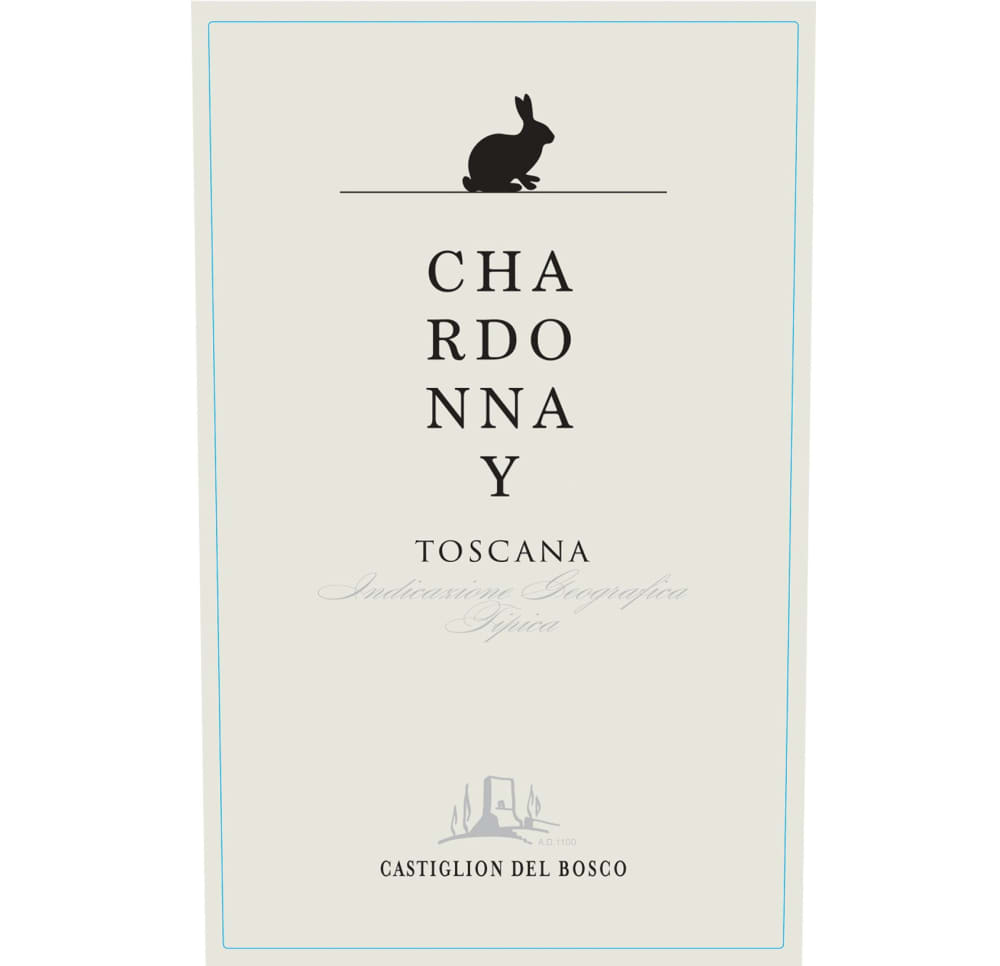
To enhance the experience of full-bodied varieties, allowing them to breathe is beneficial. Oxygen exposure can soften tannins, releasing complex flavors and aromas, making each sip more enjoyable.
In contrast, lighter styles, often characterized by their crispness and floral notes, typically do not require such treatment. Their delicate structure can be compromised by excessive air, resulting in a loss of freshness and vibrancy.
For those seeking to elevate their tasting experience, consider decanting robust selections for at least 30 minutes before serving. This practice allows the wine to interact with the air, significantly improving its bouquet and palate. Conversely, serve refined types chilled and directly from the bottle to retain their lively essence.
Understanding the Tannins in Red Wine
Focusing on tannins reveals their role in the structure and complexity of certain varietals. These compounds, derived from grape skins, seeds, and stems, contribute to the mouthfeel and aging potential of the beverage.
Key points about tannins:
- Tannins have astringent properties, which can create a drying sensation in the mouth.
- The level of tannins varies by grape variety; for instance, Cabernet Sauvignon typically exhibits higher tannin content compared to Pinot Noir.
- These compounds soften over time, leading to a smoother experience in aged examples.
- Interactions with oxygen can enhance the perception of flavors, making exposure beneficial during serving.
Understanding tannin levels is essential for selecting the right pairing. High-tannin varietals complement rich dishes, while those with lower levels suit lighter fare.
In conclusion, the presence of tannins significantly influences flavor profiles and aging potential, making them a crucial element to consider in the tasting process.
The Role of Oxygen in Enhancing Flavor
Introducing oxygen to a beverage allows for a transformation of its characteristics. This process leads to the release of various aromatic compounds, enhancing complexity and depth. When interacting with the liquid, oxygen encourages chemical reactions that can soften harsh elements and reveal hidden flavors, enriching the tasting experience.
For optimal results, a gentle exposure is recommended. Swirling in a glass or decanting can significantly improve the profile. It is advisable to limit the duration of exposure; prolonged contact might lead to undesirable effects. About 30 minutes to an hour typically provides sufficient time for beneficial changes without risking deterioration.
In addition to enhancing flavor, this interaction with oxygen can also elevate the mouthfeel, making it smoother and more enjoyable. This is particularly advantageous for varieties that benefit from softening tannins, allowing for a better balance of acidity and sweetness.
Experimentation is key. Each bottle may respond differently, so tasting periodically during the aeration process can guide the optimal timing for serving. Observing how flavors develop over time provides insights into the unique profile of each selection.
Differences in Wine Production Techniques
Production methods for various grape varieties significantly influence the final characteristics of the beverage. Notable distinctions arise in fermentation, aging, and blending processes.
The fermentation process often varies; for instance, white varieties typically undergo fermentation at cooler temperatures, preserving delicate aromas and flavors. In contrast, the darker counterparts experience warmer fermentation, allowing for extraction of pigments and tannins from the skins. This method not only alters the color but also impacts mouthfeel and structure.
Aging techniques also diverge. While whites may be aged in stainless steel or neutral oak barrels, preserving freshness, the darker varietals often benefit from new oak barrels, imparting additional complexity and depth. The choice of aging vessel directly affects the final profile, with oak contributing vanilla and spice notes, particularly in the bolder selections.
Blending serves as another key difference. Many producers craft their blends to achieve balance and enhance flavor profiles. For instance, blending different varietals can soften tannins or boost acidity, a common practice among darker selections. Conversely, whites often showcase a single varietal to highlight its unique characteristics.
| Aspect | Red Wine Production | White Wine Production |
|---|---|---|
| Fermentation Temperature | Warmer | Cooler |
| Aging Containers | New Oak Barrels | Stainless Steel or Neutral Oak |
| Blending Practices | Often Blended | Single Varietal Focus |
Understanding these production variations can enrich appreciation of different styles and enhance selecting processes, ensuring a more informed tasting experience.
When to Aerate Red Wine for Optimal Taste
Decanting should occur at least 30 minutes before tasting, although some robust varieties benefit from a longer exposure to air. For example, a bold Cabernet Sauvignon may require a full hour to reach its peak, while lighter wines like Pinot Noir often need less time. The objective is to allow volatile compounds to evaporate, enhancing the overall flavor profile.
Signs Indicating Aeration is Needed
When encountering a closed or muted aroma, it’s a clear indication that oxygen exposure is necessary. If the initial sip feels overly tannic or harsh, letting the liquid breathe can soften these edges. A layered, complex flavor will emerge as oxygen interacts with the wine’s components.
Optimal Containers for Aeration
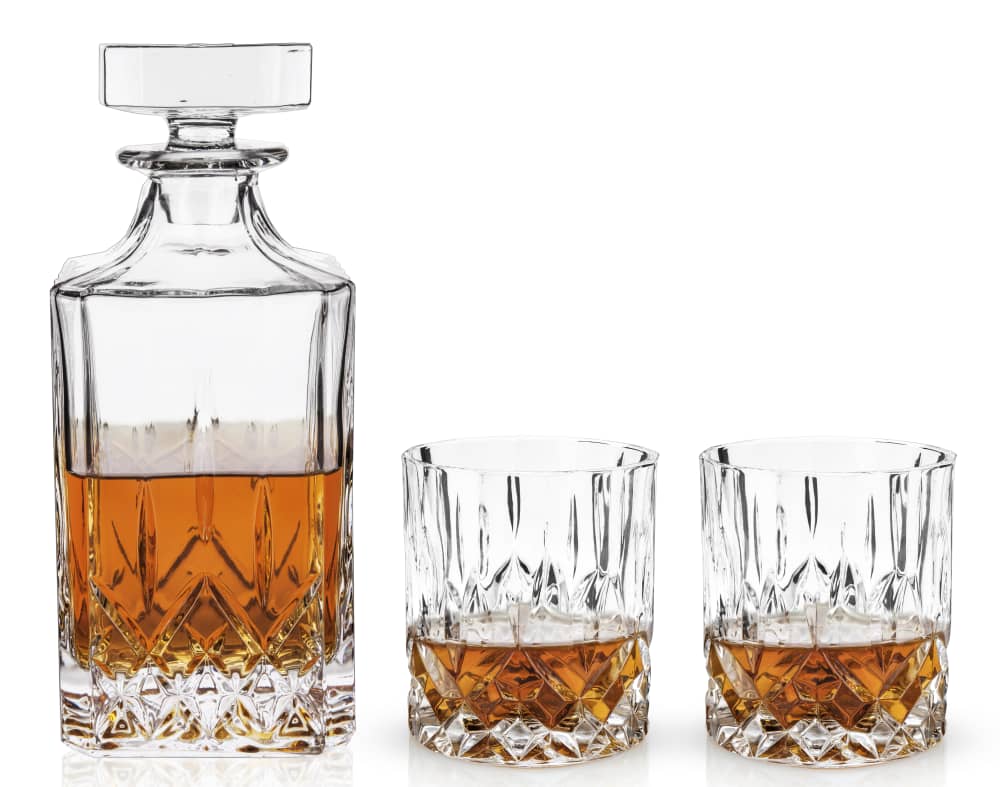
Utilizing a decanter promotes efficient aeration due to its broader surface area. For immediate consumption, swirling in a glass can also introduce air effectively. Avoid using narrow vessels; they limit exposure and prolong the process of achieving a balanced taste.
Comparative Analysis of White Wine Characteristics
In comparison to their darker counterparts, lighter varietals exhibit distinct qualities that influence their enjoyment and serving methods. Notably, the absence of tannins in many pale wines results in a smoother palate experience. This characteristic allows for more immediate gratification upon pouring, minimizing the need for extended exposure to air.
Key Attributes of Lighter Varietals
- Acidity: High acidity is a hallmark of many pale varietals, contributing to a crisp and refreshing taste. This quality often enhances food pairings, making them versatile with various dishes.
- Fruit Forwardness: These wines frequently showcase vibrant fruit flavors, such as citrus, stone fruits, and floral notes. The profile remains lively and aromatic without the need for oxidation.
- Body: Typically lighter in body compared to red counterparts, these options offer a more delicate structure, making them approachable and easy to enjoy.
Serving Temperature Considerations
- Optimal enjoyment occurs when served chilled, typically between 45°F to 55°F (7°C to 13°C). This temperature range enhances freshness and balances acidity.
- Serving too warm can diminish the crisp notes and elevate sweetness, affecting the overall experience.
Understanding these characteristics can elevate the appreciation of lighter varietals, making informed choices when selecting the perfect bottle for various occasions. Each sip reveals the nuanced complexity that thrives without the necessity for prolonged exposure to air.