Chuck Furuya
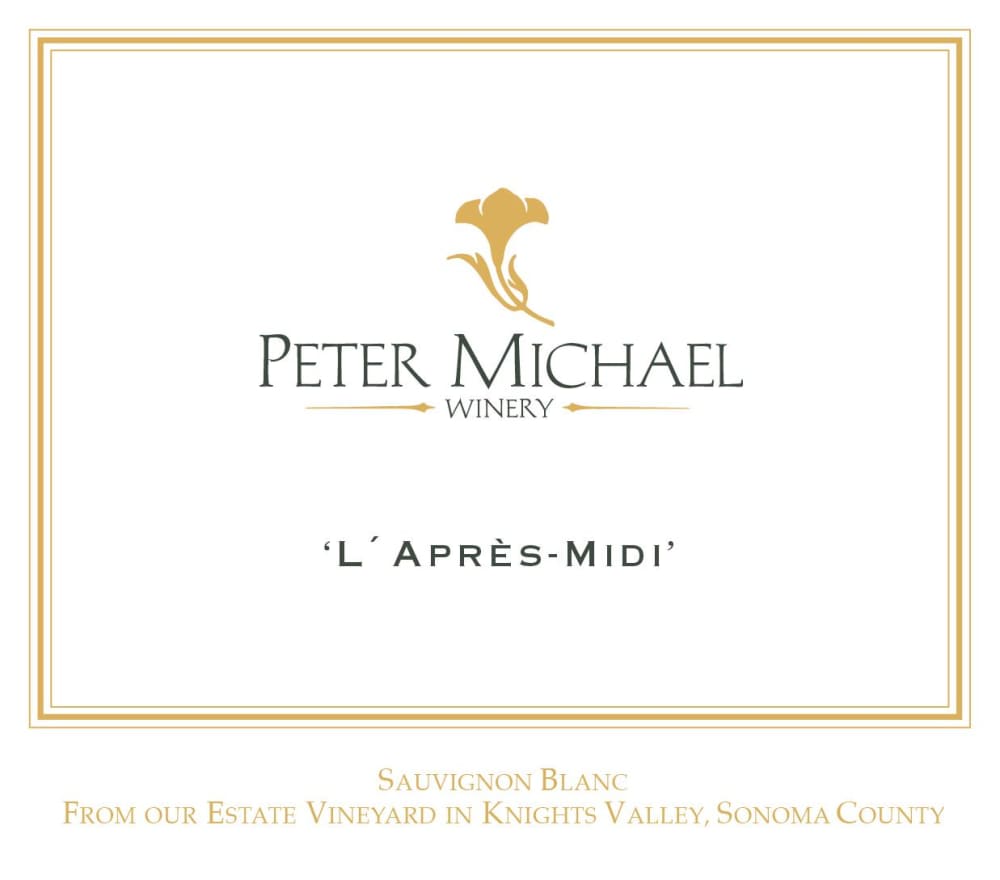
For enhancing the flavor of your poultry, I highly recommend using a Sauvignon Blanc. Its crisp acidity and herbaceous notes elevate the dish, creating a delightful balance that complements the meat’s richness.
Another excellent option is a Chardonnay, particularly an unoaked variety. The smooth texture and subtle fruitiness allow it to blend seamlessly into sauces and marinades, enriching the overall taste profile.
If you’re seeking something with a touch of sweetness, try a Riesling. Its natural sugars and fruity undertones can bring a unique contrast to savory preparations, making it a versatile choice for various recipes.
When selecting your beverage, consider the dish’s preparation method. For roasting, a dry wine like Pinot Grigio works wonders, imparting a light zest that enhances roasted flavors. For braising, a richer wine can add depth and complexity to your sauce.
Choosing the Right Variety for Poultry Dishes
I recommend Sauvignon Blanc due to its crisp acidity and herbaceous notes, which enhance the flavor of various poultry preparations. Alternatively, a versatile Pinot Grigio can also work well, providing a light and fruity undertone that complements dishes without overpowering them.
If you’re leaning towards a richer profile, consider a Chardonnay, particularly unoaked versions that maintain a refreshing quality. This choice adds a smooth texture and subtle complexity to your meal.
For a touch of sweetness, a Riesling can be an excellent option, especially with spiced or glazed recipes, as its natural sugars balance savory elements beautifully.
Always opt for a bottle that you enjoy drinking, as the flavors will concentrate during the cooking process, enhancing the overall dish.
Understanding the Role of Alcohol in Preparing Poultry
Utilizing a light-bodied beverage enhances the flavor profile of the dish. It introduces acidity, balancing the richness of various proteins, while also contributing aromatic compounds that enhance the overall sensory experience. The choice of beverage can significantly influence the final taste, creating a harmonious blend with herbs, spices, and other ingredients.
Impact on Texture and Moisture
Incorporating this liquid aids in tenderizing meat, as the acid breaks down proteins, resulting in a juicier outcome. Additionally, as the mixture simmers, alcohol evaporates, leaving behind concentrated flavors that enrich sauces and gravies. This process also adds depth and character to the final presentation.
Pairing Suggestions
Combining this ingredient with citrus or fresh herbs amplifies the dish’s complexity. I often find that blending a splash of a zesty variety with garlic and shallots creates a delightful base for my favorite poultry recipes. Experimenting with different types can lead to exciting and unique results, transforming a simple meal into a memorable culinary experience.
Top White Wine Varieties for Chicken Dishes
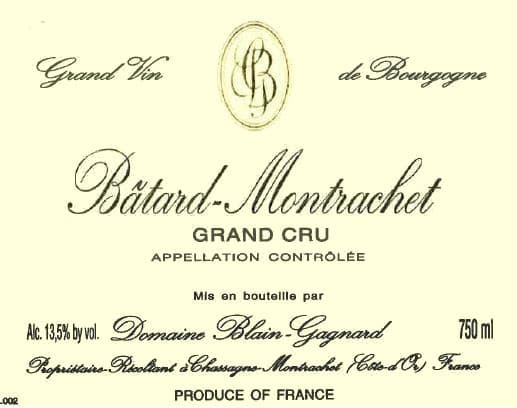
Chardonnay stands out as a versatile choice with its buttery texture and rich flavor, enhancing creamy sauces or roasted preparations. Opt for an unoaked version to maintain a crisp profile, perfect for lighter recipes.
Sauvignon Blanc offers a zesty acidity that pairs seamlessly with herb-infused dishes or citrus marinades. Its bright notes complement the flavors of fresh ingredients, making it ideal for grilled or sautéed options.
Pinot Grigio
This refreshing variety brings a light and crisp character to various meals. Its subtle fruitiness balances well with spices, making it suitable for stir-fries or delicate sauces. I often use it in lighter recipes that require a touch of brightness.
Riesling
Riesling, especially the dry versions, adds a hint of sweetness that enriches savory dishes. I find it works beautifully in glazes and braises, imparting a unique depth that enhances the overall flavor. It’s particularly effective when paired with Asian-inspired recipes.
Each selection brings its unique attributes, enhancing flavors and creating delightful culinary experiences. Choosing the right variety is essential for achieving the desired taste profile in your meal.
How to Choose the Right Wine Based on Cooking Method
Select a beverage that complements your method of preparation. For sautéing or pan-searing, opt for a crisp option with acidity, such as Sauvignon Blanc, to enhance the flavors of the dish. If you are braising or slow-cooking, consider a richer choice like Chardonnay, which can stand up to the robust flavors developed during the cooking process.
When roasting, a medium-bodied varietal like Pinot Grigio works well, as it balances the savory notes without overpowering them. If you’re preparing a creamy sauce, a full-bodied selection such as Viognier can add a luxurious texture and depth.
Here’s a quick reference table to guide your selection based on techniques:
| Cooking Method | Recommended Beverage |
|---|---|
| Sautéing/Pan-searing | Sauvignon Blanc |
| Braising/Slow-cooking | Chardonnay |
| Roasting | Pinot Grigio |
| Making Creamy Sauce | Viognier |
Matching the beverage to your cooking approach not only elevates the final dish but also enhances your overall culinary experience. Adjust your choice based on the flavor profile you aim to achieve, ensuring every element of the meal is harmonized.