Chuck Furuya
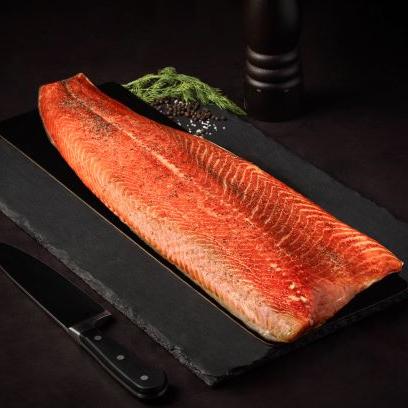
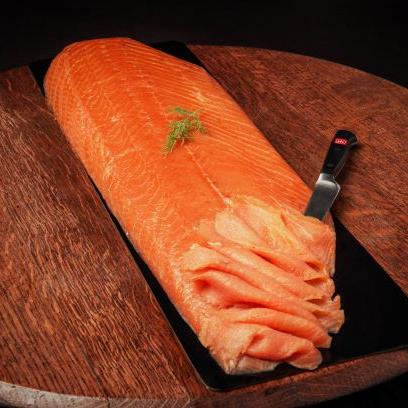
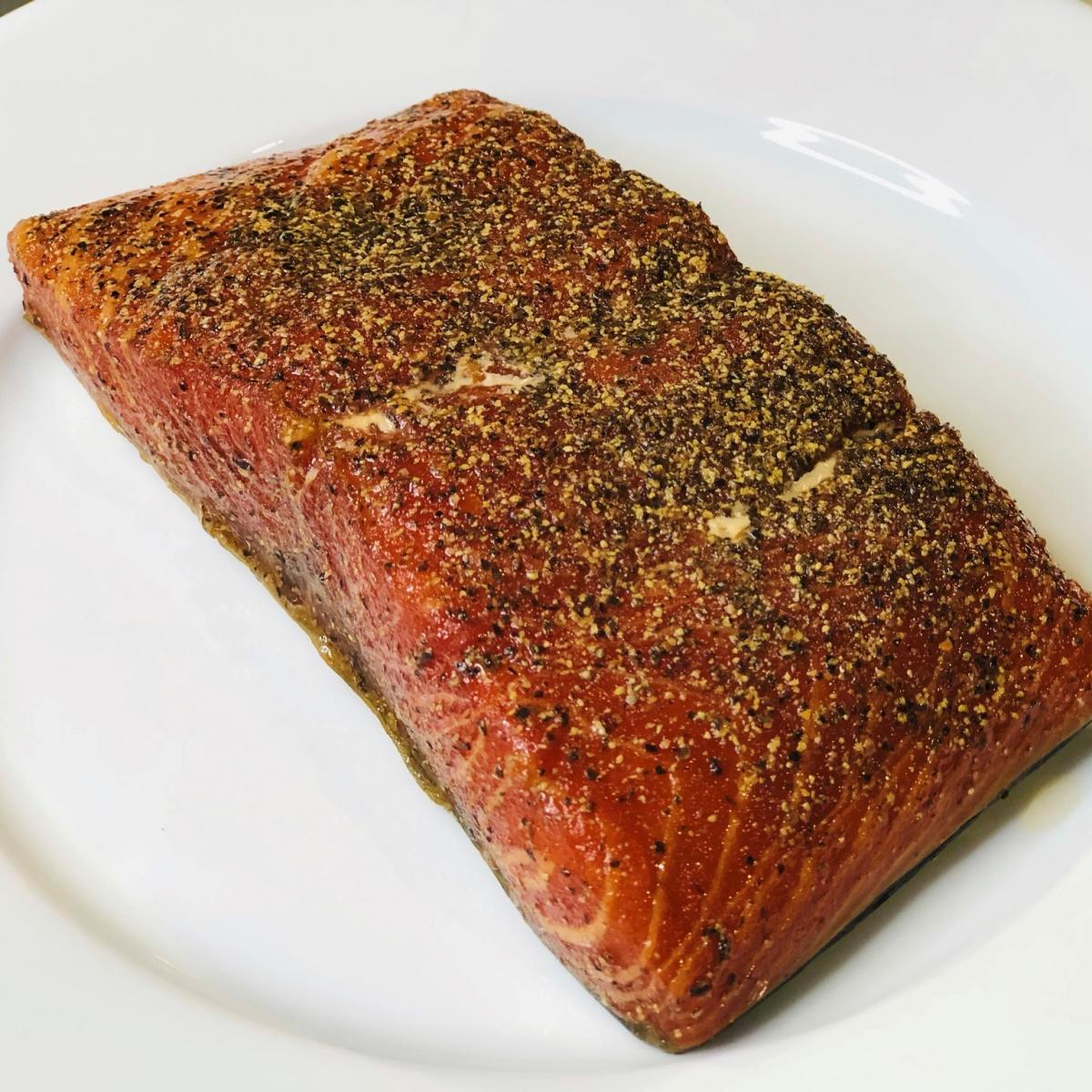
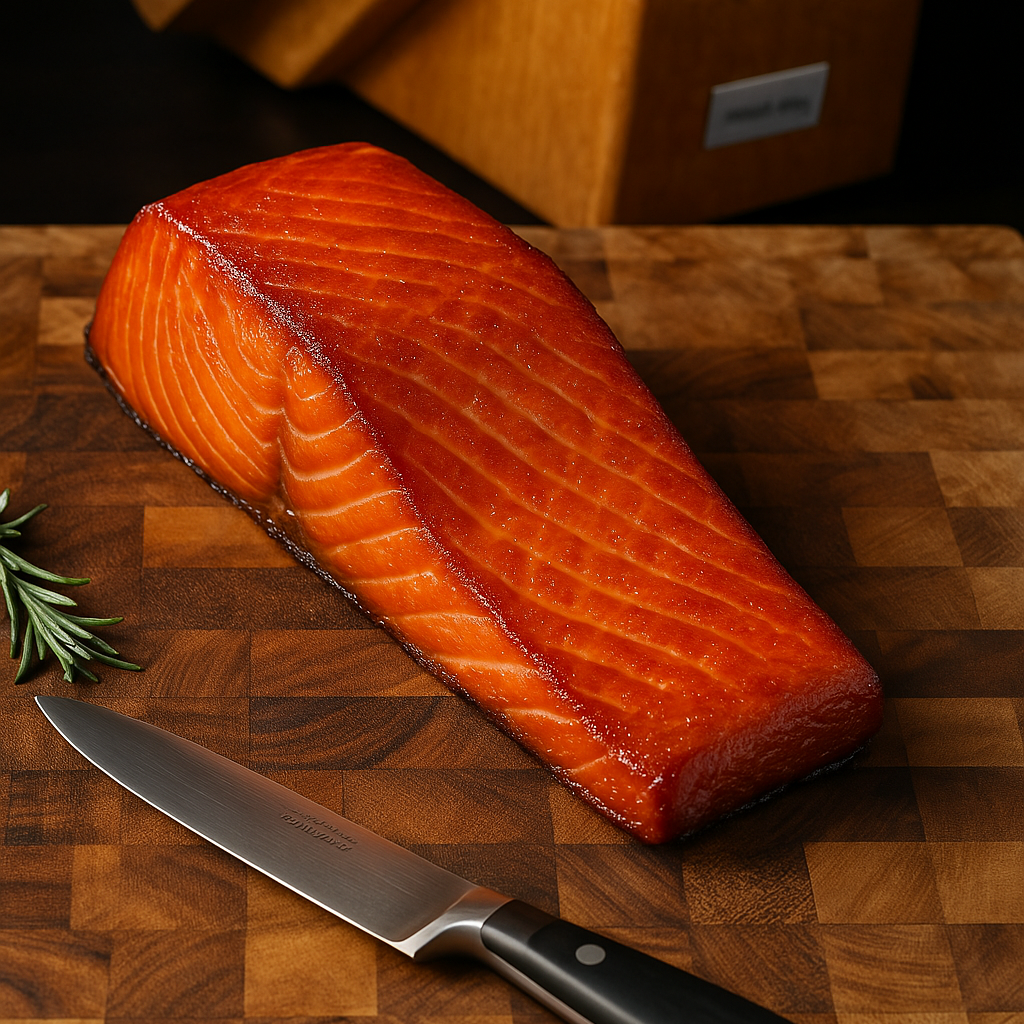
For a delectable dish, I recommend using fresh fillets of the fish, ensuring they are of high quality. A light touch of olive oil enhances the natural flavors beautifully. Seasoning with sea salt and freshly cracked black pepper prepares the foundation for what’s to come.
In a heated skillet, add a splash of a crisp, fruity beverage to the pan. The liquid should be just enough to create a light simmer. As the alcohol evaporates, it leaves behind a delicate essence that complements the fish perfectly. The key is to allow the mixture to reduce slightly, concentrating the flavors.

When the fish is nearly cooked through, incorporate fresh herbs, such as dill or parsley, for a burst of freshness. This step elevates the dish, adding layers of complexity without overwhelming the palate. Serve the creation alongside seasonal vegetables or a light grain for a complete meal.
Preparation of Fish Fillet with a Splash of Chardonnay
Begin by preheating the oven to 375°F (190°C). While it heats, season the fillet generously with salt and pepper. This enhances the natural flavors significantly.
In a skillet, melt 2 tablespoons of butter over medium heat. Sauté minced garlic for about 30 seconds until fragrant, then add 1 cup of the chosen grape beverage. Allow it to simmer for a few minutes, reducing slightly.
Transfer the seasoned fillet to a baking dish. Pour the aromatic mixture over the fish, ensuring even coverage. For an added layer of flavor, sprinkle fresh herbs like dill or parsley on top.
Cover the dish with aluminum foil and bake for 15-20 minutes, or until the flesh flakes easily with a fork. Remove the foil in the last 5 minutes for a lightly browned top.
Let it rest for a couple of minutes before serving. This dish pairs wonderfully with steamed vegetables or a fresh salad.
Selecting the Right Fish for Preparation
Opt for fresh, wild-caught varieties, such as Sockeye or King, for a rich flavor profile. Look for firm flesh that springs back when pressed. The color should be vibrant, ranging from deep red to bright orange, indicating quality and freshness.
Check for clear, moist eyes and shiny skin. If purchasing fillets, ensure they have minimal browning or discoloration. Assess the smell; it should be pleasant, reminiscent of the ocean, not overly fishy.
Consider the thickness of the cut. Thicker pieces provide more versatility in cooking methods and help maintain moisture. If sustainability is a concern, look for certifications like Marine Stewardship Council (MSC) or Best Aquaculture Practices (BAP).
Lastly, inquire about the source when buying from markets or fishmongers. Knowing where the fish comes from can influence flavor and sustainability. Prioritize quality over price to achieve the best culinary results.
Choosing the Best White Wine for Salmon Dishes
Opt for a Chardonnay or Sauvignon Blanc for pairing. These varietals enhance flavors and complement the dish’s richness.
- Chardonnay: A medium to full-bodied choice, it offers buttery notes and a hint of oak, perfect for grilled or baked options.
- Sauvignon Blanc: Known for its crisp acidity, this wine brings out the freshness in dishes, particularly with herbs and citrus elements.
- Pino Grigio: Light and zesty, it works well with lighter preparations, ideal for poaching or steaming methods.
- Verdelho: This lesser-known varietal provides a unique tropical fruit profile, enhancing spicy or Asian-influenced recipes.
Consider the cooking method when selecting your bottle. For roasting, a richer wine like oaked Chardonnay stands out. In contrast, steaming or poaching pairs better with a lighter, crisp option.
Always serve the selected beverage chilled. This enhances the refreshing qualities and balances the dish’s flavors effectively.
Taste preferences vary, so don’t hesitate to experiment with different wines to find your favorite match. Keeping a diverse selection on hand allows for flexibility and creativity in your culinary endeavors.
Preparing Fish for Cooking with White Wine
Ensure the fillet is fresh, firm, and has a mild, ocean-like scent. Rinse it under cold water and pat dry with paper towels. This step removes any residual scales or impurities.
Remove skin if desired, using a sharp knife. Start at the tail end, sliding the blade between the flesh and skin, while pulling the skin taut. This method provides a clean separation.
Trim away any excess fat or dark flesh, as these can affect the overall taste. Cut the fillet into serving portions, typically 6 to 8 ounces each, for even cooking.
To enhance flavor, marinate the portions in a mixture of lemon juice, olive oil, and herbs for 30 minutes. This process not only infuses taste but also helps tenderize the meat.
For seasoning, use salt and pepper generously. Apply just before cooking to maintain moisture. Avoid over-seasoning to let the natural flavors shine through.
| Step | Details |
|---|---|
| 1. Rinse | Under cold water, pat dry. |
| 2. Skin Removal | Use a sharp knife, pull skin taut. |
| 3. Trim | Remove excess fat and dark flesh. |
| 4. Portioning | Cut into 6-8 ounce pieces. |
| 5. Marinate | Use lemon juice, olive oil, and herbs for 30 minutes. |
| 6. Season | Apply salt and pepper before cooking. |