Chuck Furuya

For a delightful experience, I recommend Sauvignon Blanc. This crisp, refreshing option boasts citrus and green apple notes, making it perfect for pairing with seafood or salads. A glass of this vino can elevate any meal, especially during warm weather.
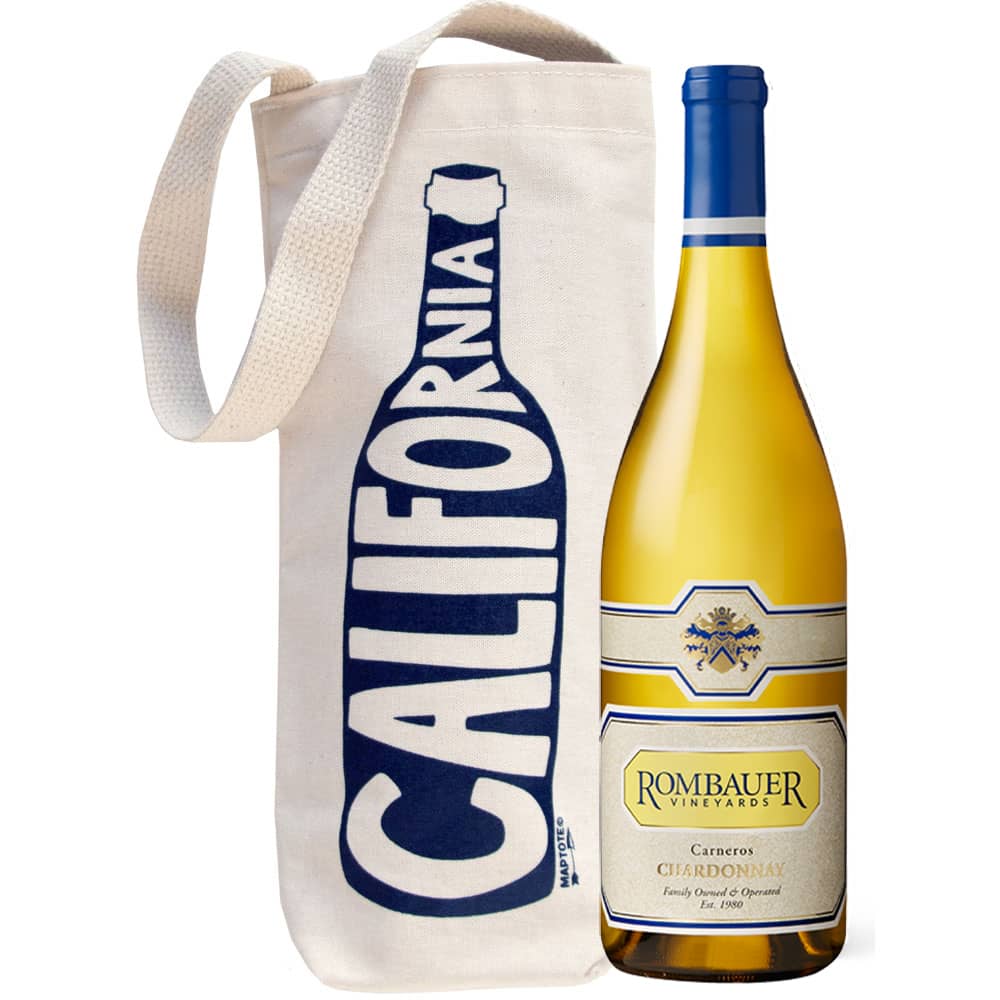
Chardonnay stands out for its versatility. From oaked versions with buttery undertones to unoaked styles that emphasize fruitiness, this grape can accommodate a wide range of palates. I suggest trying a rich, oaked Chardonnay with grilled chicken or creamy pasta dishes for a harmonious match.
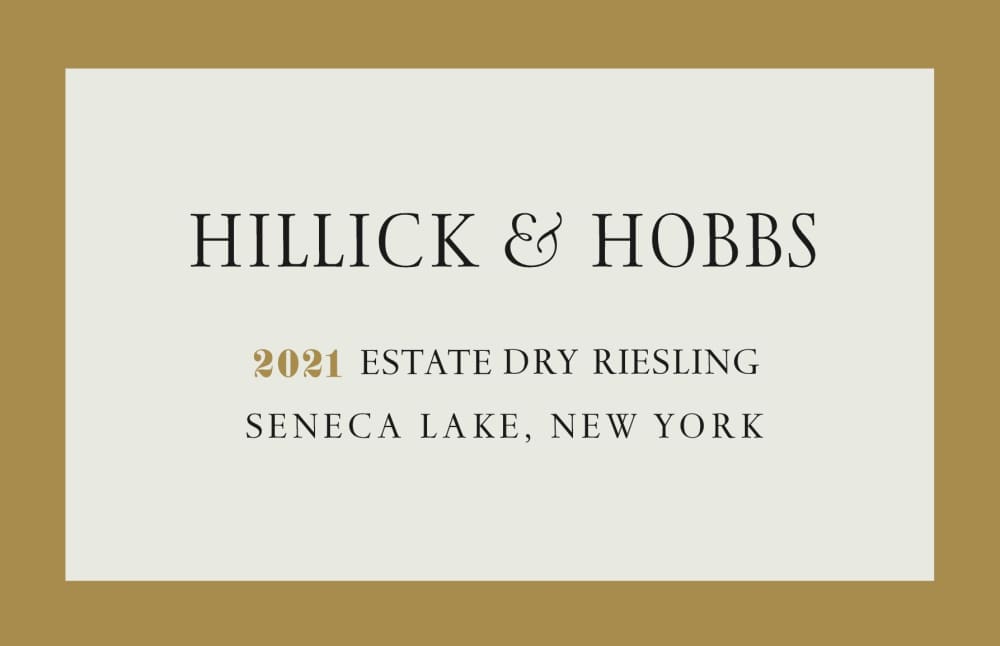
Another excellent choice is Riesling, known for its aromatic profile and balance of sweetness and acidity. Whether opting for a dry or sweet variant, this selection complements spicy Asian cuisine beautifully. A chilled glass of Riesling is a refreshing addition to any gathering.
Pinot Grigio offers a light, crisp alternative, making it an ideal companion for lighter fare like salads or light pasta. Its refreshing character makes it a go-to choice for casual sipping on a warm afternoon. I find this variety particularly enjoyable when served chilled.
Understanding Chardonnay: Characteristics and Flavor Profile
Chardonnay stands out with its rich profile and versatility. This varietal can express a wide range of flavors depending on the region, climate, and winemaking techniques employed.
Key Characteristics
- Aroma: Common notes include green apple, pear, and citrus. In oaked versions, expect hints of vanilla, butter, and toast.
- Body: Typically full-bodied, offering a creamy mouthfeel, especially when aged in oak.
- Acidity: Generally moderate to high acidity, which provides a refreshing quality.
- Alcohol Content: Usually ranges from 13% to 15%, balancing well with its flavors.
Flavor Profile
On the palate, Chardonnay can present a spectrum from crisp and mineral to lush and buttery. Key flavor descriptors include:
- Citrus fruits like lemon and lime.
- Stone fruits such as peach and apricot.
- Melon notes, particularly in warmer climates.
- Earthy undertones, particularly in cooler regions, often showcasing flint or chalk.
For those exploring this varietal, I recommend pairing Chardonnay with seafood, poultry, or creamy pasta dishes. Look for options that match your preference for oak influence, whether you enjoy the buttery richness or lean towards a crisper, unoaked style.
Sauvignon Blanc: Regions and Distinctive Tasting Notes
For a refreshing experience, consider Sauvignon Blanc from regions like Marlborough in New Zealand, Sancerre in France, or Napa Valley in California. Each locale imparts unique characteristics to the grape, resulting in distinct flavor profiles.
Marlborough, New Zealand
Marlborough’s Sauvignon Blanc is renowned for its intense aromas. Expect notes of passionfruit, lime, and green bell pepper. The vibrant acidity balances the fruitiness, making it an ideal pairing for seafood dishes, especially oysters and grilled fish.
Sancerre, France
Sancerre offers a more mineral-driven interpretation. Here, you’ll find flavors of grapefruit, flint, and fresh herbs. The elegance of this region’s Sauvignon Blanc complements goat cheese and light salads beautifully.
| Region | Flavor Notes | Food Pairings |
|---|---|---|
| Marlborough | Passionfruit, lime, green bell pepper | Seafood, oysters |
| Sancerre | Grapefruit, flint, fresh herbs | Goat cheese, light salads |
| Napa Valley | Peach, apricot, citrus | Roasted chicken, creamy pasta |
Napa Valley’s offerings often showcase riper fruit, such as peach and apricot, combined with a creamy texture. This style pairs well with roasted chicken and creamy pasta dishes.
Riesling Varietals: Sweetness Levels and Food Pairings
Riesling offers a spectrum of sweetness levels, ranging from bone-dry to lusciously sweet. Here’s a breakdown of the different styles and their ideal food companions:
- Dry Riesling: Characterized by crisp acidity and mineral notes. Pairs well with:
- Grilled seafood
- Asian dishes, particularly spicy Thai or Vietnamese cuisine
- Off-Dry Riesling: Displays a hint of sweetness balanced with acidity. Excellent with:
- Roasted chicken
- Pork dishes with fruit sauces
- Semi-Sweet Riesling: A touch more sweetness, perfect with:
- Spicy Indian curries
- Soft cheeses like Brie or Camembert
- Sweeter Riesling: Rich and honeyed, ideal for:
- Foie gras or pâté
- Fruit-based desserts like tarts or sorbets
Exploring Riesling’s versatility allows for delightful pairings, enhancing both the flavors of the varietal and the dishes served. When selecting, consider the sweetness level to match your culinary choices effectively.
Pinot Grigio vs. Pinot Gris: Key Differences Explained
Pinot Grigio and Pinot Gris represent two distinct expressions of the same grape variety, yet they showcase unique characteristics. I recommend sampling both to experience their flavorful disparities.
Tasting Notes
Pinot Grigio often leans towards a light, crisp profile, featuring notes of green apple, pear, and citrus. This style is prevalent in Italy and is typically dry with a refreshing acidity. Conversely, Pinot Gris, especially from regions like Alsace, tends to be fuller-bodied, offering richer flavors such as stone fruits, honey, and spices. The finish may reveal a hint of sweetness, appealing to those who prefer a more rounded palate.
Regional Variances
Geography plays a pivotal role in shaping these two styles. Italian Pinot Grigio is primarily produced in the northeastern regions, emphasizing its clean and zesty qualities. On the other hand, Pinot Gris from Alsace is known for its depth and complexity, often crafted with more skin contact and fermentation techniques that enhance texture and richness. Exploring these geographical nuances can significantly elevate one’s appreciation of each variant.
Exploring Gewürztraminer: Aroma and Ideal Serving Suggestions
Gewürztraminer captivates with its distinctive aromatic profile, characterized by notes of lychee, rose petals, and spice. This varietal stands out due to its intense fragrance, often described as floral and exotic. When selecting a bottle, look for ones from Alsace or Germany for optimal expression of these aromas.
Serving Temperature and Glassware
For the best experience, serve Gewürztraminer chilled, ideally between 45°F and 50°F (7°C to 10°C). Using a standard white wine glass enhances the olfactory experience, allowing the complex aromas to unfold. The shape of the glass helps direct the wine towards the palate, emphasizing its rich flavor.
Pairing with Food
This aromatic delight pairs beautifully with a variety of dishes. Consider serving it with spicy Asian cuisine, such as Thai or Indian dishes, where its sweetness balances heat. Additionally, it complements rich cheeses like Munster or creamy desserts, enhancing the overall dining experience.
Semillon: Aging Potential and Popular Regions
Semillon displays remarkable aging potential, often evolving in complexity and depth over the years. This varietal can develop rich, nutty flavors alongside honeyed notes, especially when aged in oak. The best examples can mature for decades, transforming from youthful citrus and stone fruit flavors to deeper, more intricate profiles reminiscent of dried fruits and wax.
Top Regions for Semillon
- Bordeaux, France: Known for its sweet Sauternes and dry white blends, Semillon thrives in this region’s clay and limestone soils. The sweet wines showcase rich honey and apricot flavors.
- Hunter Valley, Australia: Renowned for producing dry Semillon, often characterized by crisp acidity and citrus notes. These wines can age beautifully, evolving into complex, toasty expressions.
- Margaret River, Australia: This region yields both dry and sweet versions. The maritime climate contributes to vibrant fruit flavors balanced by refreshing acidity.
Recommendations for Enjoyment
- For younger Semillon, pair with seafood dishes like grilled fish or fresh oysters to enhance its crispness.
- With aged Semillon, consider rich cheeses or roasted nuts that complement its complex flavors.
Uncommon White Varietals to Try for Adventurous Palates
If you seek unique tastes, consider exploring these unconventional varietals. One standout is Grüner Veltliner, primarily from Austria. Its peppery notes and bright acidity make it an excellent companion for dishes like asparagus or sushi.
Another intriguing option is Fiano, hailing from southern Italy. With its rich, nutty flavors and hints of tropical fruits, it pairs beautifully with seafood and creamy pastas.
Albarino, from Spain’s Rías Baixas region, delivers zesty citrus and stone fruit aromas. This varietal complements grilled octopus or fresh ceviche perfectly.
Try Vermentino, often found in Italy and France. Its herbaceous character and minerality enhance dishes such as roasted chicken or Mediterranean salads.
For a distinct experience, sample Assyrtiko from Greece. The crisp acidity and saline notes make it ideal for pairing with fried calamari or grilled fish.
Exploring these lesser-known varietals can elevate your palate and introduce exciting new flavors that challenge conventional preferences.