Chuck Furuya
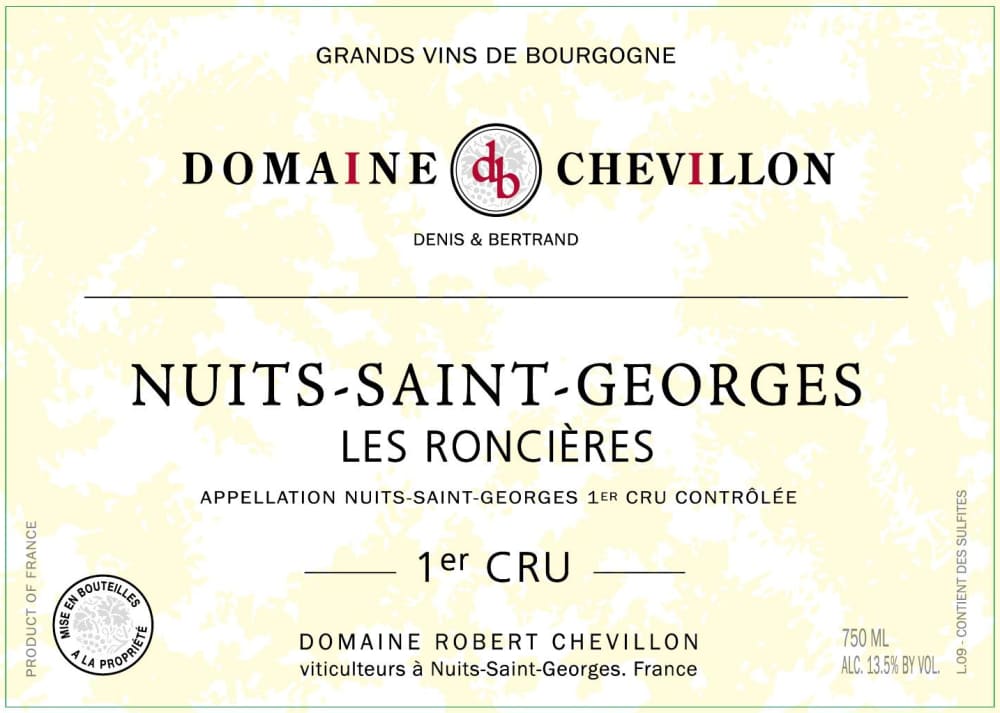
I recommend using a full-bodied Syrah or Shiraz to enhance the flavors of your savory dish. This varietal is renowned for its rich, bold character, making it an excellent companion for slow-cooked meats. The dark fruit notes and subtle spice in Syrah create a wonderful harmony with the flavors developed during the cooking process.
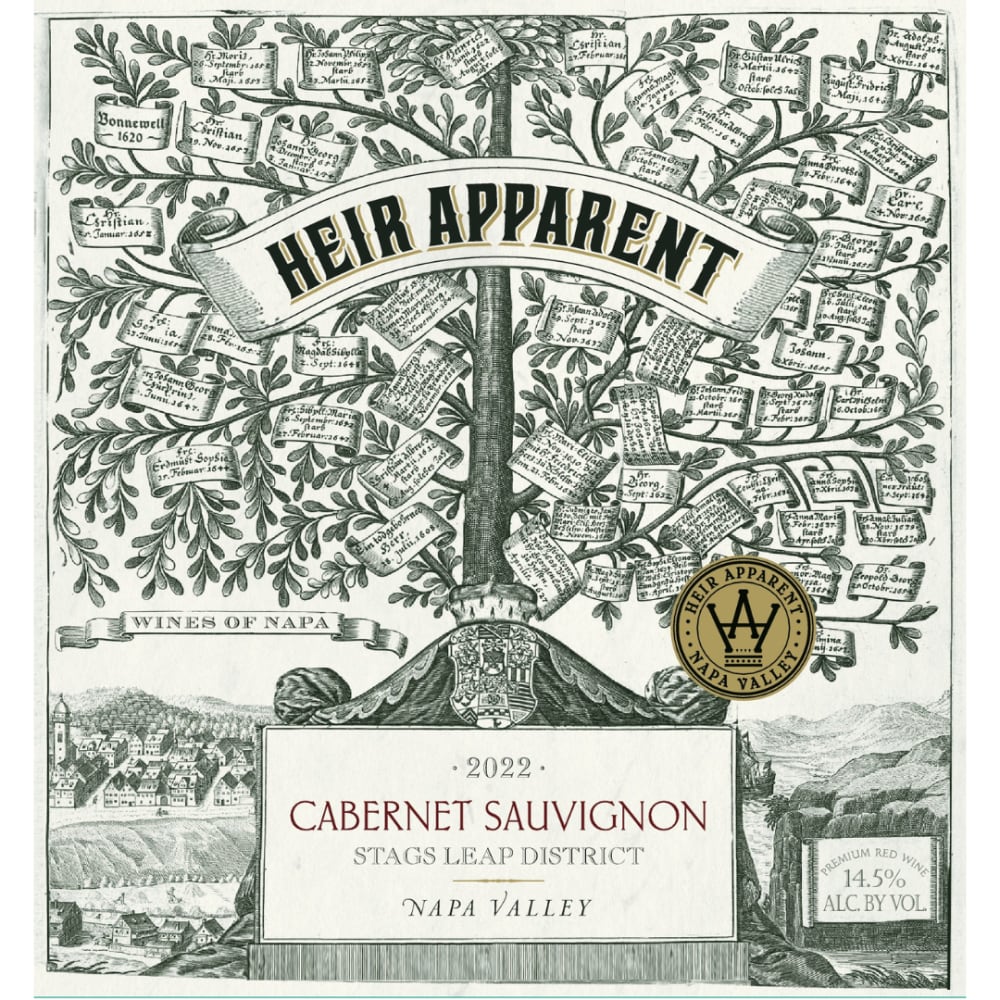
Another great option is a Cabernet Sauvignon, which offers a robust profile with tannins that can stand up to hearty ingredients. This grape variety brings a depth of flavor, contributing to the overall richness of the meal. Its notes of blackcurrant and oak can elevate the dish to new heights.
If you prefer something with a touch of elegance, consider a Merlot. This wine’s softer tannins and fruit-forward nature provide a delightful counterbalance to the savory elements, ensuring a well-rounded experience. The plum and cherry flavors can brighten the dish, making it more complex and enjoyable.
Choosing the Right Type of Red Wine for Beef Stew
For enhancing flavors in hearty dishes, I recommend selecting a robust option such as Cabernet Sauvignon or Merlot. These varieties provide depth and complexity, complementing the richness of the meat.
Characteristics to Consider
- Acidity: A moderate level balances the dish, preventing it from becoming overly heavy.
- Tannin Content: Higher tannins add structure, which harmonizes with the savory elements.
- Fruitiness: Look for notes of dark fruits, as they enhance the overall taste profile.
Specific Recommendations
- Cabernet Sauvignon: A classic choice, offering bold flavors and deep red fruit notes.
- Merlot: Soft and approachable, it adds a smooth texture that melds beautifully.
- Syrah/Shiraz: Spicy and rich, perfect for adding complexity to the dish.
- Zinfandel: Fruity and jammy, this option brings a unique sweetness to savory notes.
Choosing wisely can elevate the dish, enhancing aromas and flavors. Always opt for a bottle you would enjoy drinking, as its qualities will shine through in your culinary creation.
How Wine Characteristics Affect the Flavor of Beef Stew
Choosing a full-bodied varietal enhances richness, while a fruity option can introduce a pleasant sweetness, balancing savory notes. Tannins in heavier wines contribute to a robust mouthfeel, creating a satisfying texture alongside tender morsels of meat.
Acidity and Flavor Balance
High acidity cuts through fatty components, adding brightness to the dish. This prevents heaviness and allows flavors to remain vibrant. When selecting, consider a wine with moderate acidity to complement the umami elements in the recipe.
Aromatic Profile’s Influence
Wines with pronounced herbal or spice notes infuse warmth and depth. Varietals showcasing flavors like black pepper, rosemary, or bay leaf can enhance the overall experience, enriching the final dish. Selecting a bottle with these characteristics can elevate your culinary creation significantly.
Recommended Red Wines for Enhancing Beef Stew Recipes
For a satisfying dish, I often choose a Cabernet Sauvignon. Its bold tannins and dark fruit notes complement the rich flavors of the meat, elevating the overall taste. Another excellent option is Merlot, which brings a softer profile, enhancing the stew’s depth without overpowering it.
Syrah or Shiraz adds a spicy complexity that pairs beautifully, especially if the recipe includes herbs or spices. I also appreciate using a Zinfandel, known for its fruit-forward characteristics, which adds a touch of sweetness that balances the savory elements.
If I want something unique, a Malbec works wonders, offering a velvety mouthfeel and dark berry flavors that enrich the dish. Alternatively, a Tempranillo provides earthy undertones and a hint of spice, perfect for traditional recipes.
Choosing Pinot Noir might surprise some, but its acidity and lighter body can enhance lighter versions while keeping the dish vibrant. It’s all about finding the perfect match to bring out the best in each ingredient.
Overall, I find that a good rule of thumb is to select a bottle that I enjoy drinking, as the flavors will be present throughout the cooking process, contributing to a more harmonious dish.