Chuck Furuya
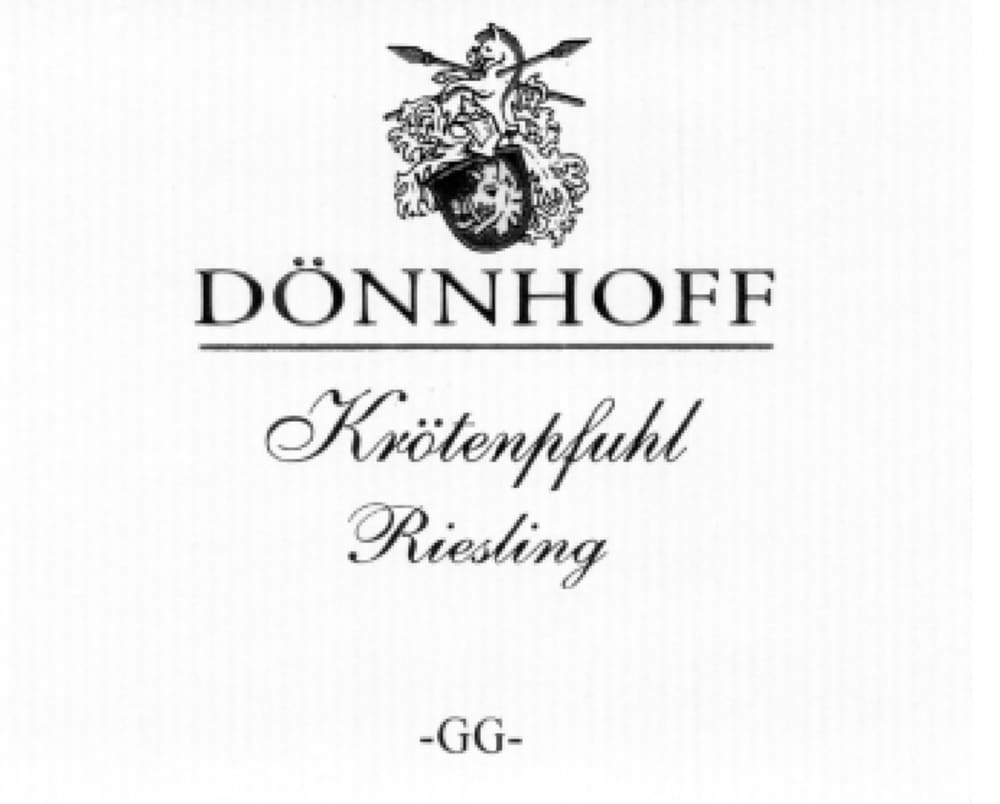
If you’re seeking a more luscious option, consider a Riesling. This aromatic varietal often showcases a delightful balance of sweetness and acidity, making it a perfect companion for spicy cuisines and rich desserts. Look for labels marked as ‘late harvest’ or ‘Auslese’ to experience the full range of its sweetness.
Another excellent choice is Gewürztraminer, known for its intense floral and fruit notes. Its natural sweetness and low acidity create a lush mouthfeel, ideal for pairing with Asian dishes or creamy cheeses. Opt for a well-made Gewürztraminer from regions like Alsace or Germany to fully appreciate its character.
Chenin Blanc, especially those labeled as ‘demi-sec’ or ‘sweet’, provides an intriguing alternative as well. This grape can produce wines with honeyed flavors and stone fruit notes, making it versatile for various pairings, from savory to sweet. Explore options from the Loire Valley for a true expression of its potential.
Preferred Alternatives for a Sweeter Experience
I highly recommend trying a Chenin Blanc, which often features a delightful balance of sweetness and acidity. This varietal can range from off-dry to quite sweet, particularly those from the Loire Valley in France.
Riesling is another excellent choice, especially those labeled as Kabinett or Spätlese from Germany. These styles showcase a rich fruit profile with honeyed notes, making them more indulgent.
Gewürztraminer stands out with its aromatic qualities and often has a residual sugar level that surpasses the aforementioned varietals. Its lychee and rose petal flavors deliver a unique tasting experience.
For a dessert-like option, consider a late harvest or ice wine, which offers an intense sweetness paired with concentrated flavors. These wines are crafted from grapes affected by noble rot or frozen on the vine, resulting in a luscious profile.
Lastly, look into Muscat varieties, particularly Muscat of Alexandria or Moscato d’Asti. These wines are known for their pronounced sweetness and fragrant character, providing a refreshing alternative.
Understanding the Sweetness Levels in White Wines
Riesling stands out as a prominent option that often exceeds the sugar content of many other varieties. When considering alternatives, look for late-harvest versions of this grape, which typically exhibit pronounced sweetness.
Key Characteristics of Sweet Varieties
- Residual Sugar (RS): This measurement indicates the amount of unfermented sugar left in the beverage, directly influencing perceived sweetness.
- Aromatics: Sweet wines frequently possess floral and fruity aromas, enhancing the overall tasting experience.
- Acidity: Higher acidity can balance sweetness, preventing the beverage from feeling cloying.
Other Noteworthy Options
- Gewürztraminer: Known for its aromatic profile and rich flavors, this choice often features a significant sweetness level.
- Moscato: This variety typically provides a light and fruity taste, making it an excellent selection for those who prefer a sweeter profile.
- Chenin Blanc: Depending on the style, especially in late-harvest forms, it can deliver a delightful sweetness alongside vibrant acidity.
Focusing on these varietals can lead to a satisfying exploration of sweeter options, enhancing the enjoyment of your tasting experience.
Key Characteristics of Sauvignon Blanc
Focusing on the defining traits of this varietal, I find its crisp acidity to be a standout feature. This characteristic often results in a refreshing taste profile, making it an ideal companion for various dishes.
Typical flavor notes include:
- Citrus fruits like lime, lemon, and grapefruit
- Green fruits such as green apple and pear
- Herbaceous elements, including bell pepper, jalapeño, and fresh-cut grass
- Mineral undertones that can enhance complexity
The aromatic intensity is another compelling aspect. The nose often presents a bouquet of vibrant scents, which can vary based on the region of origin. For instance, wines from New Zealand may exhibit pronounced tropical fruit aromas, while those from France often lean towards more herbal notes.
In terms of body, this varietal is generally light to medium. This balance contributes to its versatility, allowing it to pair well with seafood, salads, and dishes featuring herbs.
Fermentation techniques also play a crucial role in shaping the final product. Many producers opt for stainless steel tanks to maintain freshness, while some experiment with oak aging to add depth and richness.
Lastly, the aging potential varies significantly. While most are best enjoyed young, select examples can develop intriguing complexity over time, showcasing different layers of flavor and aroma.
Exploring Riesling: A Sweeter Alternative
Riesling stands out as an excellent option for those seeking a more sugary profile. Its natural sweetness and vibrant acidity create a delightful balance that can satisfy a range of palates.
Key Attributes of Riesling
- Originates primarily from Germany, where it thrives in cool climates.
- Offers a wide spectrum of flavors, including peach, apricot, and honey, often accompanied by floral notes.
- Can vary significantly in sweetness levels, from dry to lusciously sweet, making it versatile for pairing.
Pairing Suggestions
When choosing dishes to complement this varietal, consider the following:
- Spicy Asian cuisines, such as Thai or Indian, enhance the fruity elements.
- Rich seafood dishes, like salmon or scallops, benefit from its acidity.
- Desserts, particularly fruit tarts or cheesecakes, match well with sweeter styles.
With its diverse range, Riesling is an exceptional choice for those who enjoy a more pronounced sweetness while retaining complexity. Whether enjoyed on its own or paired with food, it provides a delightful experience that is hard to resist.
Comparing Sauvignon Blanc with Gewürztraminer
Gewürztraminer offers a distinct profile that often exceeds the sweetness found in Sauvignon Blanc. This aromatic varietal is characterized by its luscious flavors and rich aromas, making it a delightful choice for those seeking a more indulgent experience.
When assessing the sweetness levels, Gewürztraminer typically ranges from off-dry to sweet, depending on the specific region and winemaking techniques. In contrast, Sauvignon Blanc generally remains on the drier side, with minimal residual sugar. For those who enjoy a more pronounced sweetness, Gewürztraminer is a superior alternative.
| Characteristic | Sauvignon Blanc | Gewürztraminer |
|---|---|---|
| Typical Sweetness Level | Dry to Off-Dry | Off-Dry to Sweet |
| Aroma Profile | Citrus, Green Apple | Lychee, Rose Petal |
| Flavor Notes | Herbaceous, Crisp | Spicy, Fruity |
| Food Pairing | Seafood, Salads | Spicy Dishes, Rich Cheeses |
For those who appreciate exotic flavors, Gewürztraminer pairs exceptionally well with spicy cuisines, enhancing the overall dining experience. The aromatic profile and luscious fruitiness create a harmonious balance that is often absent in the sharper notes of Sauvignon Blanc.
In summary, Gewürztraminer stands out as an excellent option for wine enthusiasts looking to explore more sugary varieties, offering an experience that is both unique and satisfying.
Discovering Moscato: Sweetness and Flavor Profiles
Moscato stands out with its alluring sweetness and aromatic complexity. I recommend exploring this varietal for a delightful experience that contrasts with drier options. Typically, it has residual sugar levels that can range from 30 to 150 grams per liter, making it one of the sweetest options available.
This wine often showcases flavors of peach, orange blossom, and apricot, complemented by a refreshing acidity. The low alcohol content, usually between 5% and 9%, enhances its drinkability, making it perfect for casual sipping or pairing with desserts.
When selecting a bottle, opt for those labeled as “Moscato d’Asti” for a sparkling version, which retains a natural effervescence. This type not only elevates the sweetness but also adds a playful fizz that enhances the overall tasting experience.
For a still variant, consider “Moscato Secco,” which offers a more pronounced fruitiness without the bubbles. It pairs beautifully with spicy cuisines or light salads, showcasing its versatility.
In summary, Moscato delivers a uniquely sweet profile that can easily satisfy those seeking a sugary palate, making it an excellent choice for anyone exploring alternatives to drier styles.
The Role of Residual Sugar in Wine Sweetness
Residual sugar significantly influences the perception of sweetness in different types of beverages. I focus on how this sugar remains after fermentation, contributing to the overall flavor profile. In wines, the level of residual sugar is usually measured in grams per liter, and this can vary widely across varieties.
A drink with a higher residual sugar content tends to feel sweeter on the palate. For example, Riesling can have residual sugar levels ranging from 10 to over 200 grams per liter, depending on the style. This characteristic makes it a favorable choice for those seeking a more sugary option compared to other varieties.
Another aspect worth considering is the balance between acidity and sweetness. A higher acidity level can make a beverage taste less sweet, even with significant residual sugar. This balance is evident in Gewürztraminer, which often features both lush sugars and bright acidity, creating a complex taste experience.
In the case of Moscato, its natural sweetness and lower alcohol content often appeal to those who prefer a fruitier profile. Its residual sugar can reach up to 130 grams per liter, providing a delightful alternative for anyone looking for a more sumptuous option.
Understanding residual sugar levels enhances the ability to select beverages that align with personal preferences. Evaluating these metrics can guide choices during shopping or dining, especially when seeking alternatives with a more pronounced sweetness.