Chuck Furuya
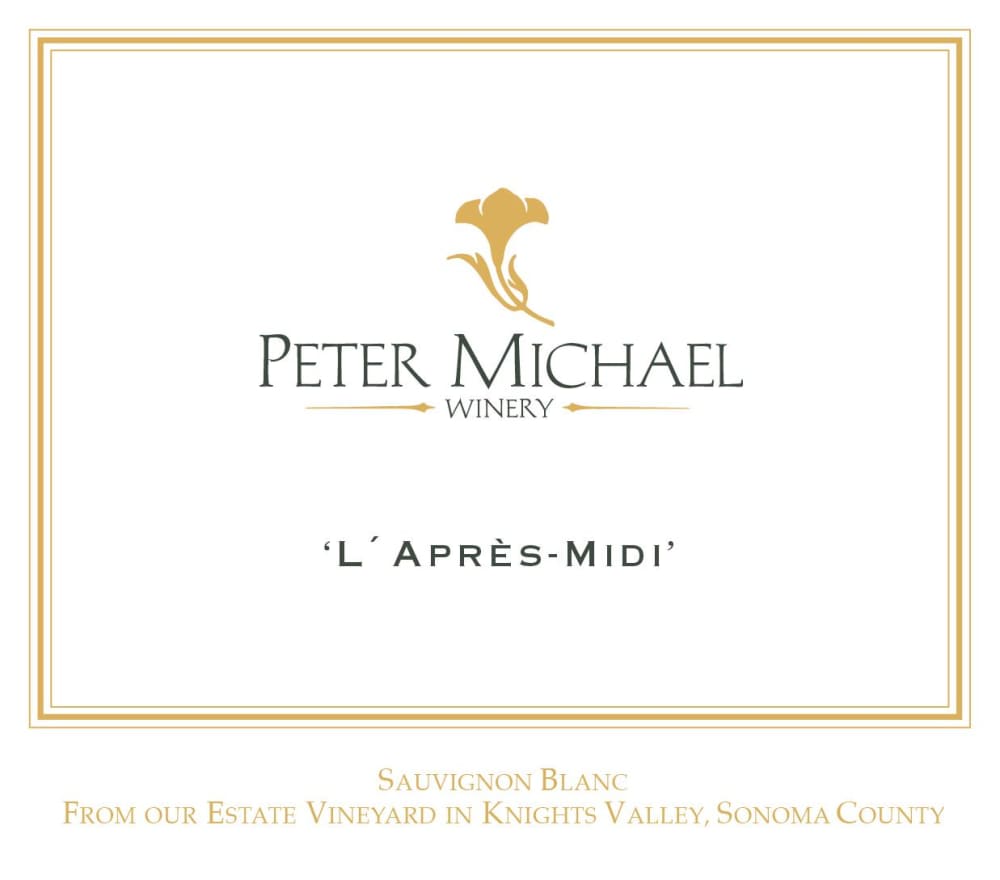
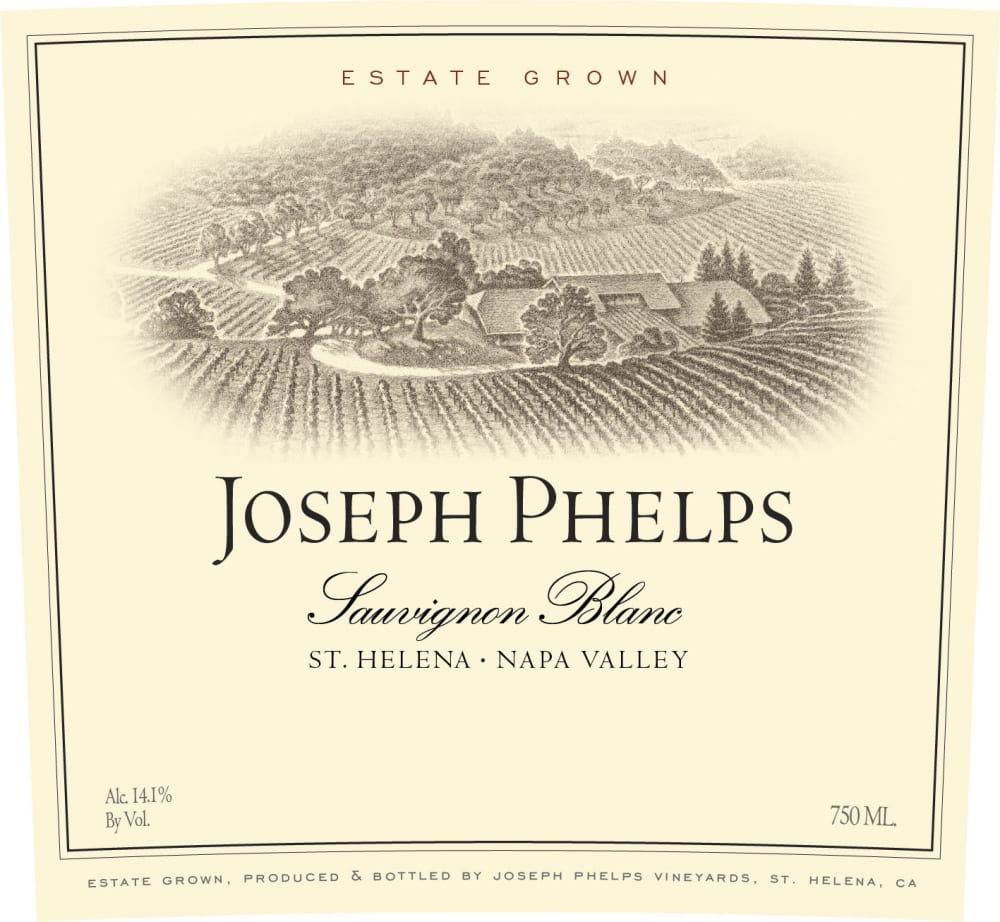
For a delightful experience, I recommend selecting a robust Cabernet Sauvignon or a refreshing Sauvignon Blanc. Each variety offers distinct characteristics that cater to diverse palates. Bold reds often exhibit rich, dark fruit notes, such as blackberry or plum, complemented by hints of spices and tannins. These elements create a full-bodied sensation that lingers on the palate.
On the other hand, lighter, chilled whites often present crisp acidity, floral aromas, and citrus flavors, making them incredibly refreshing. Varietals like Chardonnay or Riesling can surprise you with their complexity–ranging from creamy and buttery to zesty and fruity. Pairing these wines with the right dishes enhances their unique profiles, elevating the overall dining experience.

Choosing between these two categories ultimately comes down to personal preference and the occasion. Whether enjoying a hearty meal or a light appetizer, understanding these flavor profiles can elevate your appreciation of each sip.
Understanding the Flavor Profiles of Red Wine
I recommend exploring specific varietals to appreciate complexities found in this category. Cabernet Sauvignon often presents notes of dark fruits like blackcurrant and plum, alongside hints of green bell pepper and oak. Merlot typically offers softer flavors, showcasing cherries and chocolate, creating a smoother profile. Syrah, on the other hand, can be bold, bringing about spicy undertones with flavors of blackberry and smoked meats.
For an intriguing experience, consider Pinot Noir. Its lighter body often surprises with flavors of raspberry, strawberry, and earthy undertones, which can vary dramatically based on region. Zinfandel, with its jammy fruit characteristics, frequently reveals a peppery finish, making it a favorite among those who enjoy a more robust experience.
Experimenting with food pairings can enhance enjoyment. A hearty beef stew matches well with Cabernet Sauvignon, while grilled salmon complements Pinot Noir beautifully. Cheese lovers will find that aged cheddar pairs nicely with Syrah, whereas Merlot goes well with a variety of dishes due to its versatility. Each selection offers distinct experiences that highlight the diverse profiles within this category, making it an exciting exploration for enthusiasts.
Exploring the Flavor Profiles of White Wine
For those seeking a refreshing sip, I recommend focusing on a few key characteristics that define white varietals. Citrus notes often dominate, offering bright flavors such as lemon, lime, and grapefruit. These elements create an invigorating experience, especially in wines like Sauvignon Blanc.
Fruity nuances can vary significantly. Chardonnay, for instance, frequently showcases apple and pear, while Riesling may present a mix of peach and apricot. Each varietal brings its own unique profile, influenced by climate and region.
Texture plays a pivotal role. Some selections feel crisp and clean, while others may offer a creamier mouthfeel, particularly those that undergo malolactic fermentation. This technique enhances the wine’s roundness, evident in many oaked Chardonnays.
Acidity is another critical factor. High acidity typically results in a zesty finish, which can be particularly appealing in warmer climates. Conversely, lower acidity may lend a softer, more approachable quality, often found in sweeter styles like Moscato.
Pairing options abound. Seafood and light salads harmonize beautifully with many white selections, while richer dishes like creamy pasta can complement fuller-bodied options. Experimenting with food pairings can enhance the enjoyment of these wines.
Exploring these elements will deepen appreciation for white varietals, revealing a spectrum of flavors and sensations waiting to be discovered in each glass.
Impact of Grape Varieties on Taste Differences
Specific grape types significantly influence sensory experiences. For instance, Cabernet Sauvignon often exhibits bold tannins and rich dark fruit flavors, while Pinot Noir tends to offer lighter profiles with bright red fruits and earthy undertones.
- Cabernet Sauvignon: Characterized by notes of blackberry, black cherry, and hints of green pepper. Tannins provide structure, making it suitable for aging.
- Merlot: Known for its softer texture and flavors of plum, black cherry, and chocolate. This variety often appeals to those seeking a gentler palate experience.
- Chardonnay: Ranges from crisp citrus to creamy vanilla, influenced by oak aging. Malolactic fermentation can introduce buttery sensations.
- Sauvignon Blanc: Features high acidity with flavors of lime, green apple, and sometimes grassy or herbal notes. Its freshness makes it a popular choice for warm weather.
Blends also create unique profiles. For example, a Bordeaux blend combines the strengths of various grapes, resulting in complexity and depth. Similarly, white blends can enhance aromatic profiles and balance acidity.
- Understanding specific grape characteristics aids in selecting wines that align with personal preferences.
- Experimenting with different varietals expands appreciation and enjoyment.
Ultimately, recognizing the influence of grape varieties allows for more informed choices, enhancing the overall experience of wine enjoyment.