
 Chuck Furuya

I always begin by examining the appearance of the drink. I tilt the glass against a white background to observe the hue and clarity. A pale straw color indicates youth, while deeper gold shades suggest age or exposure to oak. This initial observation sets the stage for further exploration.
Next, I take a moment to inhale the aromas. Swirling the glass gently allows the scents to be released. I focus on identifying the primary notes–fruity, floral, or mineral. Each aroma tells a story about the grape variety and the terroir, providing insight into what I can expect on the palate.
As I proceed, I take a small sip, allowing the liquid to envelop my tongue. I pay attention to the acidity, sweetness, and body. A crisp, refreshing acidity often excites the taste buds, while a fuller body offers a richer experience. I also note the finish–the lingering flavors that remain after swallowing, which can reveal the wine’s complexity and quality.
Lastly, I consider the overall balance. A well-crafted selection harmonizes its elements, leaving a satisfying impression. By following these steps, I enhance my appreciation of each pour, uncovering the unique characteristics and nuances of the glass before me.
How to Properly Taste White Wine
First, choose an appropriate glass. A tulip-shaped glass works best, as it concentrates the aromas. Hold the glass by the stem to avoid warming the liquid with your hand.
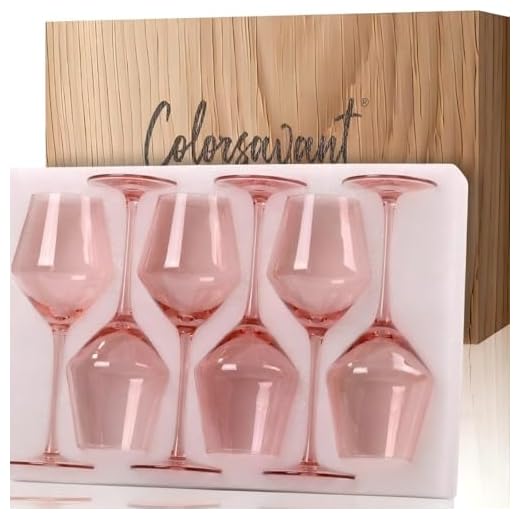

Next, observe the color. Tilt the glass against a white background to assess the hue. Look for clarity and brilliance, noting any shades from pale yellow to deeper golden tones.
Swirl gently to release the aromas. This action helps to oxygenate the beverage, enhancing the bouquet. Take a moment to inhale deeply, identifying the various scents, which can range from citrus and floral to stone fruits and herbs.
For the actual sampling, take a small sip and allow it to coat your palate. Pay attention to the initial impression, the body, and the finish. Notice the balance between acidity and sweetness, as well as the complexity of flavors.
- Consider the acidity: A crisp, refreshing sensation typically indicates higher acidity.
- Identify the sweetness: Determine if it is dry, off-dry, or sweet based on your taste.
- Evaluate the body: Is it light, medium, or full-bodied? This affects the texture.
Finish with a reflection on the aftertaste. Is it lingering or short? A prolonged finish often signifies quality.
Lastly, jot down your impressions. Note the characteristics, what you enjoyed, and any food pairings that come to mind for future reference.
Selecting the Right Glassware for White Wine Tasting
Choose a glass with a tulip shape. This design directs aromas toward the nose, enhancing the sensory experience. A narrower opening helps concentrate the bouquet, allowing for a more profound appreciation of the wine’s character.
Material Matters
Opt for crystal or high-quality glass. These materials showcase clarity and brilliance, elevating the overall presentation. They also provide a lightweight feel, making the tasting process more enjoyable.
Size Considerations
A glass with a bowl size of approximately 12 to 16 ounces is ideal. This volume allows for proper aeration without overwhelming the senses. It also enables swirling, which releases additional aromas and flavors, enriching the experience.
Understanding the Importance of Wine Temperature
Serving chilled beverages at the right temperature enhances their characteristics. For most varieties of chilled vintages, a range of 45°F to 55°F (7°C to 13°C) is optimal. This range allows the refreshing qualities to shine while maintaining a balance of flavors. Too cold, and the subtleties become muted; too warm, and the alcohol may dominate.
Recommended Serving Temperatures
| Type of Wine | Recommended Temperature (°F) | Recommended Temperature (°C) |
|---|---|---|
| Sauvignon Blanc | 45-50°F | 7-10°C |
| Chardonnay | 50-55°F | 10-13°C |
| Riesling | 45-50°F | 7-10°C |
| Pinot Grigio | 45-50°F | 7-10°C |
Practical Tips for Achieving Ideal Temperature
Use a thermometer for accuracy, especially if serving at home. A simple ice bucket with half ice and half water can cool a bottle quickly to the desired range. If the vintage is warmer, around 30 minutes in an ice bath should suffice. For those served too cold, allowing them to sit for a few minutes at room temperature can help reveal their complexity.


I’ve always struggled with identifying the aromas in white wine. Do you have any tips or specific scents to look for when tasting?
Good question! I usually find that citrus and floral notes are pretty common in many white wines. It helps to smell a variety of fruits and flowers to train your nose.
Great tip! Additionally, trying wines from different grape varieties can expose you to diverse aromas. Practice makes perfect!
I recently tried tasting with the tulip-shaped glasses as suggested. It really did help enhance the aromas! I also paid attention to the finish as you mentioned; it's fascinating how it can change the perception of quality. I would recommend this method to anyone who enjoys wine tasting.
Thanks for sharing your experience! Using the right glass can significantly impact the tasting experience, especially in terms of aroma concentration.
I’ve heard that different types of white wines taste better at different temperatures. Is this true for all whites?
Yes, it’s true! Each variety like Sauvignon Blanc or Chardonnay has its recommended serving temperature to highlight its best characteristics.
I love how you emphasized the importance of balance in tasting. It’s such a key element that many overlook!
When you talk about body, how can you tell if a wine is light, medium, or full-bodied? It seems subjective to me.
Good point! Generally, light-bodied wines feel more refreshing and crisp, while full-bodied wines have a richer, creamier texture. Tasting a variety can help you discern the differences!