Chuck Furuya

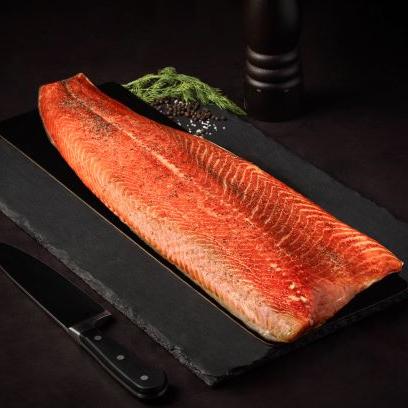


For an exquisite dish, I recommend using fresh fillets paired with a delightful splash of a crisp, dry varietal. This combination enhances the natural flavors of the fish while keeping the preparation simple and elegant. Choose a Sauvignon Blanc or a Pinot Grigio for the best results.
Begin by seasoning the fish with salt and pepper, allowing the natural taste to shine through. Next, a light drizzle of olive oil enhances the texture and prevents sticking during cooking. I prefer to place the fish on a baking sheet lined with parchment for easy cleanup.
In a separate bowl, mix the chosen wine with minced garlic and fresh herbs like dill or parsley. Pour this mixture over the fish, ensuring it’s evenly coated. The wine will infuse the fillets with flavor as they cook, creating a tender and juicy result.
Set your oven to a moderate temperature, around 400°F (200°C), and bake for approximately 15-20 minutes, depending on the thickness of the fillets. The fish is ready when it flakes easily with a fork. Serve it alongside seasonal vegetables or a light salad to complete the meal.
Selecting the Right Salmon and White Wine Pairing
I recommend opting for fresh, wild-caught varieties like Sockeye or Coho for their rich flavor and firm texture. Farmed Atlantic salmon is widely available and offers a milder taste, making it a versatile choice. Look for fillets with vibrant color and minimal browning on the edges to ensure quality.
When it comes to choosing a suitable beverage, Sauvignon Blanc stands out with its crisp acidity and citrus notes, complementing the richness of the fish. Alternatively, a Chardonnay, especially those with a touch of oak, can enhance the dish’s flavors while adding a creamy mouthfeel. For a lighter option, a Pinot Grigio brings a refreshing quality that balances well with the meal.
If you enjoy a touch of sweetness, a dry Riesling can provide an interesting contrast without overwhelming the palate. Test the pairing by considering the preparation and seasoning; if using herbs or spices, select a wine that harmonizes with those elements.
Preparing the Marinade and Seasoning for Optimal Flavor
For an exquisite taste experience, I prefer a marinade that balances acidity and herbs. Mixing fresh lemon juice with olive oil forms a flavorful base. I typically use a 2:1 ratio of oil to juice. Adding minced garlic enhances the aroma, while a pinch of red pepper flakes introduces a subtle heat.
Fresh herbs play a vital role. I chop dill and parsley finely, incorporating about two tablespoons of each into the marinade. These herbs complement the fish beautifully. If possible, I let the marinade sit for at least 15 minutes to allow the flavors to meld.
Before placing the fish in the marinade, I season it with kosher salt and freshly cracked black pepper. This simple step elevates the overall flavor profile. I recommend letting the fish marinate for at least 30 minutes, but no longer than an hour to avoid overpowering the delicate taste of the fish.
For an additional layer of complexity, I sometimes experiment with a splash of Dijon mustard in the marinade. This adds a unique tanginess that pairs well with the other ingredients. It’s essential to keep the seasoning balanced, ensuring no single flavor dominates.
Baking Techniques for Perfectly Cooked Fish
For achieving the ideal texture and flavor, I focus on several key methods. First, I preheat the oven to 400°F (200°C) to ensure even cooking. This temperature allows for a nice crust while keeping the interior moist.
Next, I use a baking dish or a sheet pan lined with parchment paper for easy cleanup and to prevent sticking. I place the fillets skin-side down, which helps retain moisture and flavor. A light drizzle of oil enhances browning and prevents dryness.
When it comes to timing, I rely on the rule of 4-6 minutes per half-inch of thickness. I check with a fork to see if the flesh flakes easily, indicating doneness. This method avoids overcooking, which can lead to a dry result.
To enhance flavor, I often cover the dish with aluminum foil for the first half of the cooking time. This traps steam, ensuring the fish remains tender. I uncover it towards the end to crisp up the top.
Finally, resting the fish for a few minutes after it comes out of the oven allows juices to redistribute, enhancing the overall flavor and moisture. This simple step makes a significant difference in the final dish.
Incorporating these techniques consistently leads to perfectly cooked fish every time, offering a delightful dining experience.