Chuck Furuya
Brie or Camembert is an excellent choice to accompany your glass of Merlot or Cabernet Sauvignon. The creamy texture and buttery flavor of these cheeses create a delightful contrast to the tannins found in red varietals. The soft rinds and earthy undertones enhance the fruity notes, elevating the tasting experience.
For a bolder option, consider aged Gouda. Its nutty, caramelized profile complements the richness of full-bodied reds, providing a satisfying balance. The crystalline texture adds an interesting crunch, making each bite a pleasure alongside the wine.
Another intriguing combination is blue cheese paired with Syrah or Zinfandel. The intense flavors of the cheese harmonize with the wine’s spiciness, creating a complex yet enjoyable pairing. The creamy, tangy elements of blue cheese stand up beautifully against the bold character of these reds.
Finally, don’t overlook the charm of a simple Parmigiano-Reggiano. This hard cheese, with its savory, nutty flavor, pairs well with almost any red wine, especially Chianti. The saltiness of the cheese enhances the wine’s fruitiness, resulting in a balanced and memorable tasting experience.
Pairing Recommendations
For a delightful experience, I suggest trying aged Gouda. Its nutty flavor profile complements the tannins in many varietals, especially Cabernet Sauvignon.
Other Excellent Choices
- Brie: Soft and creamy, pairs beautifully with fruity reds like Merlot.
- Cheddar: Aged cheddar works wonders with bold wines such as Malbec.
- Blue Cheese: The sharpness of blue cheese finds harmony with sweet reds like Port.
- Gruyère: This Swiss delight matches well with lighter reds like Pinot Noir.
Serving Suggestions
Consider adding dried fruits and nuts alongside the selected varieties. This combination elevates the tasting experience and enhances the overall flavor profile.
Best Pairings for Full-Bodied Red Wines
For robust red varietals, I always reach for aged Cheddar. The sharpness and creamy texture complement the wine’s depth beautifully.
Gorgonzola is another excellent choice. Its blue veins bring a salty intensity that balances the tannins in a bold pour.
Consider Gruyère as well. Its nutty flavors enhance the richness of the wine, creating a harmonious experience.
If I’m in the mood for something softer, I opt for Brie. The creamy consistency pairs well with the fruitiness of full-bodied options, offering a delightful contrast.
For a more adventurous pairing, I enjoy Manchego. The sheep’s milk cheese provides a firm texture and a slightly tangy profile that plays off the wine’s structure.
Finally, I can’t forget about Pecorino. Its bold, savory notes elevate the tasting experience, making it a standout companion for any hearty glass.
Choosing Cheeses for Light Red Wines
For a delightful experience, I recommend pairing soft, creamy options. Brie and Camembert enhance the fruity notes found in lighter varietals. Their smooth textures complement the wine’s acidity.
Specific Pairings
- Brie: The rich, buttery flavor balances well with Pinot Noir.
- Camembert: Its earthy tones harmonize with Gamay, accentuating the wine’s floral aroma.
- Ricotta: This fresh cheese offers a mild taste that pairs nicely with lighter-bodied reds.
- Feta: The tanginess of feta brings out the berry flavors in wines like Grenache.
Texture and Taste Considerations
When selecting, consider the texture. Creamy varieties meld seamlessly with the lightness of certain reds, whereas firmer options may overpower the delicate flavors. Always opt for mild or subtly flavored selections to maintain balance.
Regional Cheese and Red Wine Combinations
For a delightful experience, consider pairing Roquefort from France with a robust Cabernet Sauvignon. The bold flavors of the blue cheese complement the wine’s tannins, creating a rich and harmonious taste.
Italian Delights
In Italy, an aged Pecorino Romano pairs beautifully with Chianti. The salty, sharp notes of the cheese balance the acidity of the Sangiovese grapes, enhancing both the cheese and the beverage.
Spanish Pairing
Manchego, a famous Spanish delight, is excellent with a Tempranillo. The nutty and buttery characteristics of Manchego match the wine’s earthy undertones, resulting in a satisfying combination.
Exploring regional options can elevate your tasting experience, as local varieties often reflect the unique terroirs and traditions of their origins.
How Aging Affects Cheese and Wine Pairing
Aging transforms the flavor profiles of both dairy products and fermented grapes, creating unique combinations that enhance the tasting experience. For instance, aged varieties tend to develop deeper and more complex flavors, which can significantly impact pairing choices.
Impact of Aging on Flavor
As cheese matures, its moisture content decreases, leading to a firmer texture and more concentrated taste. For example, aged Gouda showcases caramel notes and a nutty richness that complements the tannins in robust varieties of red beverages. On the other hand, the sharpness of aged cheddar can balance the acidity of fruity options.
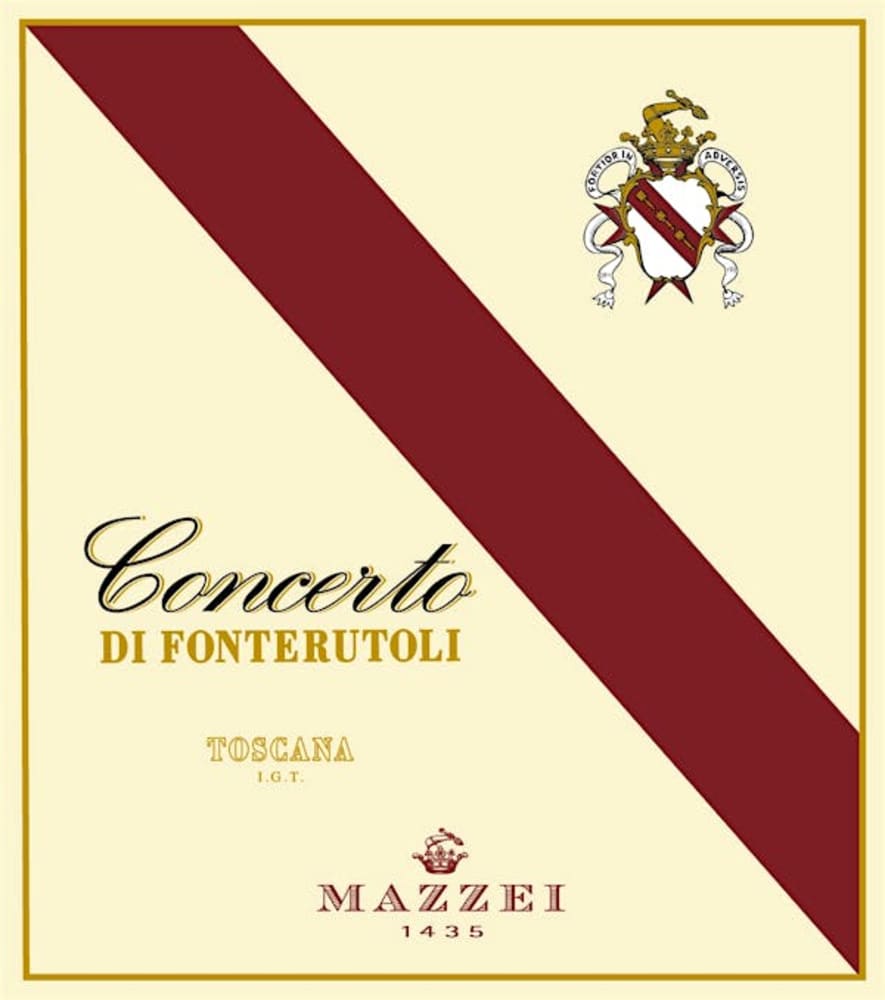
Pairing Recommendations Based on Age
Consider the following pairings based on the aging process:
| Aged Product | Recommended Companion | Flavor Profile Match |
|---|---|---|
| Parmigiano-Reggiano | Cabernet Sauvignon | Nutty, salty |
| Comté | Merlot | Fruity, creamy |
| Manchego | Tempranillo | Earthy, tangy |
| Gruyère | Syrah | Bold, savory |
Choosing aged varieties can lead to remarkable tasting experiences, especially when the flavor notes of both the dairy and the vintage align. The aging process not only enhances the depth of flavors but also encourages exploration of new pairings.
Flavors to Avoid: Cheese That Clash with Red Wine
Strongly flavored varieties, such as blue mold selections, often overpower the subtleties of a robust drink. The sharpness and saltiness can create an imbalance, leading to an unpleasant tasting experience.
Fresh and creamy options like ricotta or mascarpone typically lack the necessary structure to stand up to full-bodied reds, resulting in a bland pairing. Their mildness may dilute the wine’s character, leaving a flat impression.
Acidic Selections
Certain tangy products, such as goat cheese, can produce a jarring contrast, especially if the wine features tannins. This acidity may clash, creating a disjointed mouthfeel that detracts from the enjoyment of either component.
Heavy and Spicy Varieties
Spiced or herb-infused options may overwhelm the palate, making it difficult to appreciate the wine’s nuances. The intense flavors from these varieties can mask the complexities within the drink, leading to a less harmonious experience.
In summary, prioritizing balance is key. Avoiding strong, overly creamy, or excessively tangy options will enhance the overall tasting experience, allowing both the cheese and the wine to shine.