Chuck Furuya

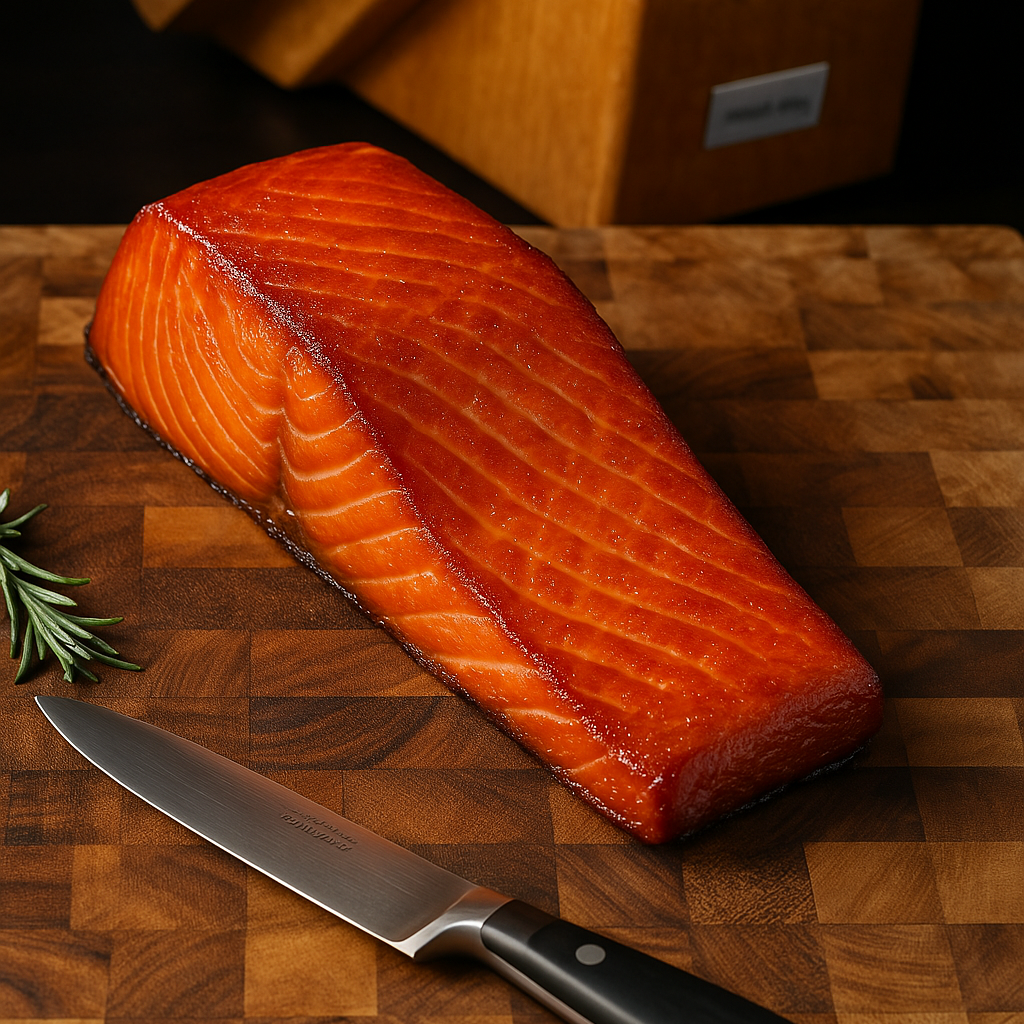
For a delightful culinary experience, opt for a crisp, chilled beverage that enhances the delicate flavors of this fish. A well-chosen option can bring out the nuances of the dish, making each bite memorable.
When considering alternatives, a variety showcasing fruity notes and balanced acidity often complements the texture and taste profile perfectly. Look for selections that highlight citrus or herbal undertones, which harmonize beautifully with the richness of the fish.
For those who prefer a contrasting approach, a selection with more structure and depth can create an interesting balance. Look for options featuring robust flavors and subtle tannins that can stand up to the dish’s natural oils.
Pairing Varieties of White Wine with Salmon Dishes
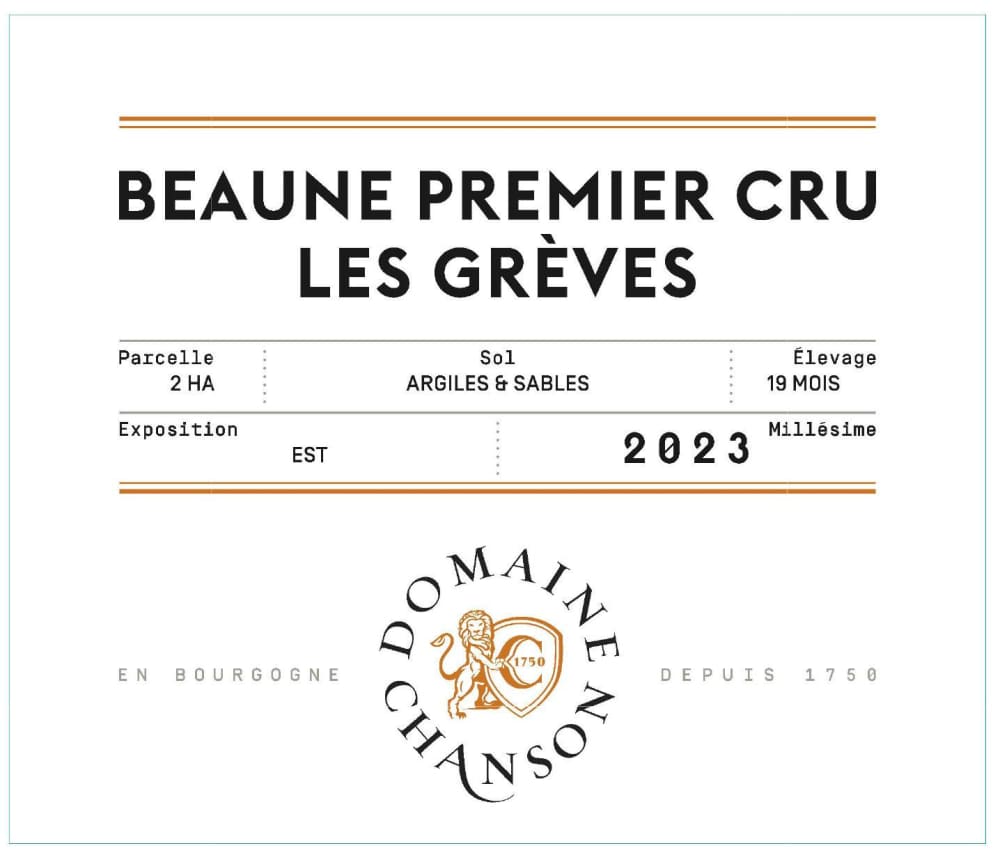
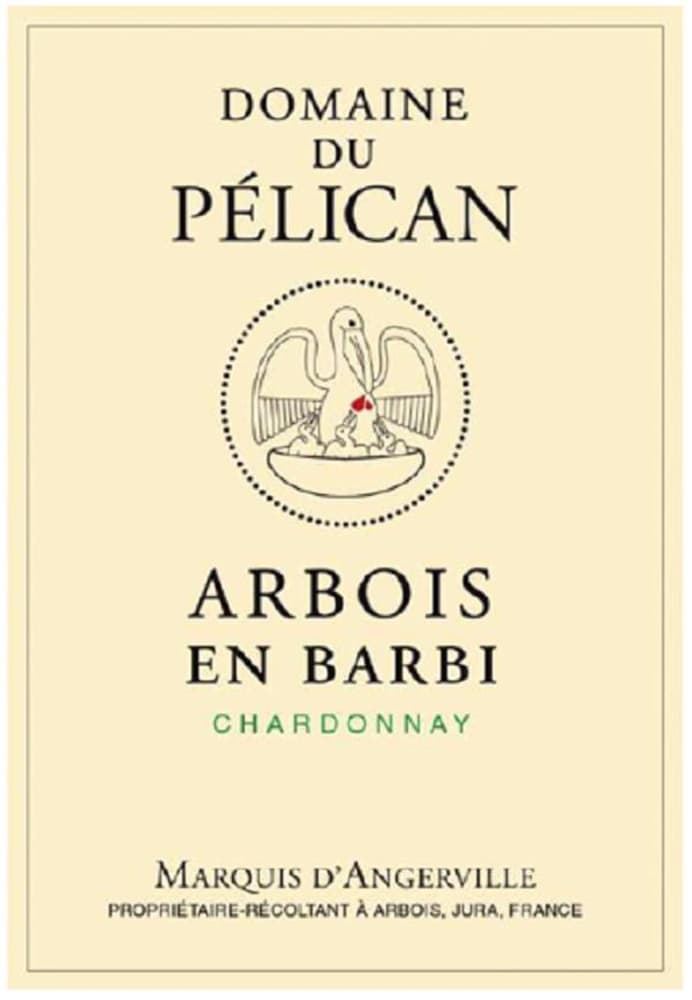
Chardonnay, particularly those with a balance of oak and acidity, complements grilled or roasted preparations beautifully. The buttery texture harmonizes with the richness of the fish, enhancing the overall experience.
Sauvignon Blanc, especially from cooler climates, provides a crisp acidity that cuts through the oily nature of salmon. This variety pairs especially well with citrus-based sauces or herbaceous accompaniments.
Pinot Grigio, known for its light and refreshing profile, works well with lighter preparations, such as poached or lightly seared fillets. Its subtle fruity notes elevate the dish without overpowering it.
Recommendations for Specific Dishes
- Grilled Salmon: Opt for a lightly oaked Chardonnay or a vibrant Sauvignon Blanc.
- Salmon Tartare: A dry Riesling or a crisp Pinot Grigio enhances the fresh flavors.
- Salmon in Cream Sauce: Creamy Chardonnays excel, providing a harmonious match.
Serving Temperature
Chilling these varieties to around 45-50°F (7-10°C) brings out their best characteristics, allowing the flavors to shine alongside the chosen fish preparation.
When to Choose Red Wine for Salmon Preparations
Opt for a fuller-bodied variety when preparing salmon dishes that feature rich sauces or bold flavors. Dishes like grilled salmon glazed with teriyaki or spicy barbecue sauces complement the depth of flavor found in these selections. The slight tannins in these beverages can balance the sweetness and enhance the overall experience.
Pairing Suggestions
For preparations involving herbs such as rosemary or thyme, a light-bodied option can harmonize beautifully. Consider a pinot noir, which brings out the earthy notes of the herbs while not overpowering the fish. This combination works well for roasted or baked dishes, allowing the delicate flavors to shine.
Temperature and Serving Tips
Chill the chosen beverage slightly before serving, as this can elevate the aromatic profile and enhance the tasting experience. Aim for a serving temperature around 55°F (13°C) to allow the flavors to unfold gracefully. This approach ensures a refreshing yet robust pairing that complements heartier salmon preparations.
Factors influencing wine selection for salmon meals
The choice of beverage to accompany salmon dishes hinges on several key elements, including the preparation method, sauce, and seasoning. Each factor enhances or alters the flavor profile, guiding the selection process.
Cooking techniques play a significant role. Grilled or smoked varieties introduce a robust flavor, which may benefit from a bolder drink. Conversely, poached or steamed options deliver a delicate taste, often pairing best with a lighter alternative.
Accompaniments such as sauces or garnishes can dramatically shift the ideal pairing. Creamy sauces may harmonize better with certain varieties, while citrus-based accompaniments can brighten and refresh the palate when paired correctly.
Seasoning is another critical aspect. Spicy or heavily seasoned dishes might require a more structured option to balance intensity, while simply seasoned preparations can allow for more subtle choices.
| Factor | Impact on Pairing |
|---|---|
| Cooking Method | Influences flavor strength and texture |
| Sauce | Alters the overall flavor balance |
| Seasoning | Affects intensity and complexity |
In summary, understanding these factors enables a more informed choice, enhancing the dining experience by creating a complementary relationship between the dish and its accompanying beverage.